
[gtranslate]
القائمة
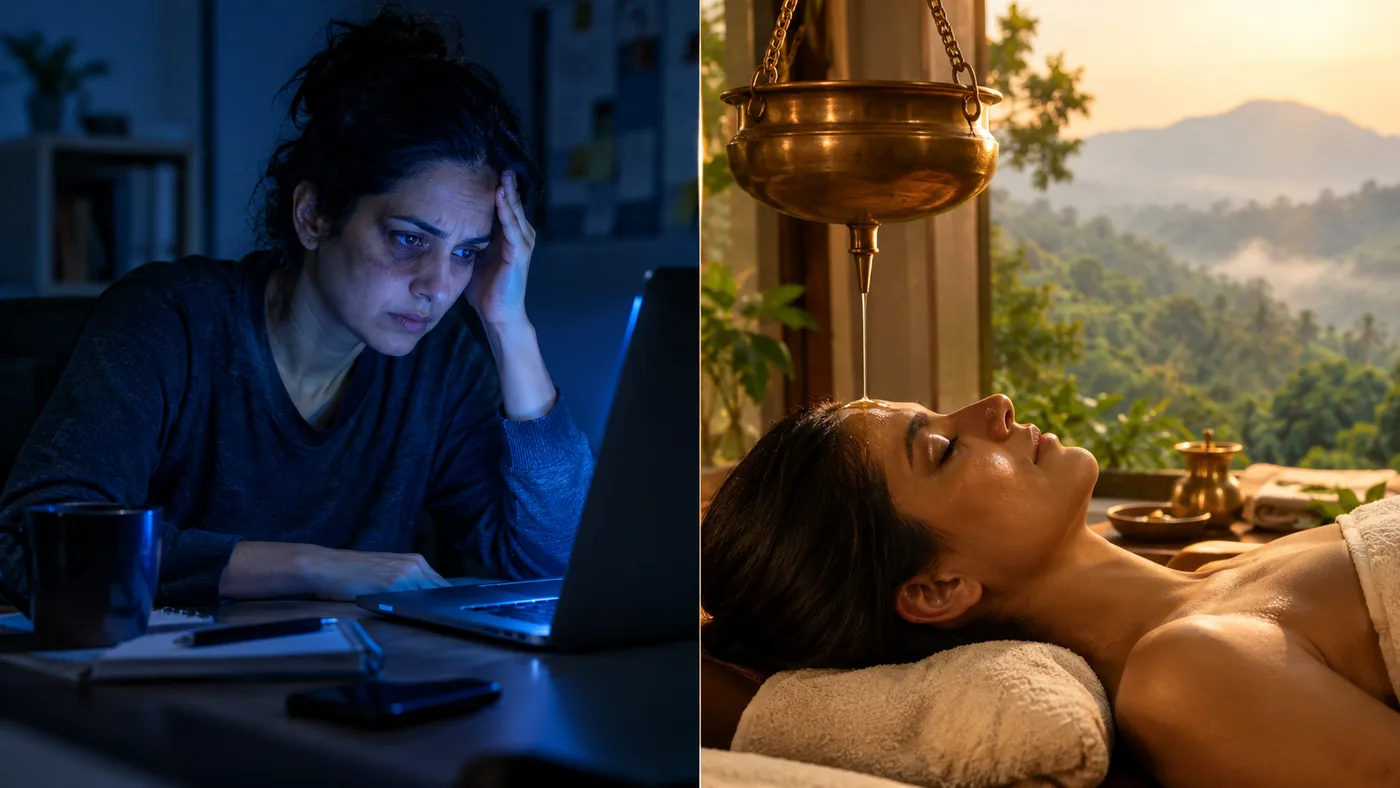
تستيقظ من النوم، وتؤرجح ساقيك على السرير، وينطلق ألم حاد وحارق من أسفل ظهرك إلى أسفل ساقك. في بعض الأيام يكون خفقانًا خفيفًا. وفي أيام أخرى تشعر وكأنه تيار كهربائي لا يمكنك إيقافه.
هذا هو عرق النسا - وإذا كنت تعاني منه، فأنت تعرف كيف يمكن أن يخطف حياتك بالكامل.
يحدث عرق النسا عندما يصبح العصب الوركي - أطول عصب في جسم الإنسان - مضغوطاً أو متهيجاً. يمكن أن ينتشر الألم من أسفل الظهر عبر الأرداف وأسفل إحدى الساقين أو كلتا الساقين. تشمل المسببات الشائعة الانزلاق الغضروفي أو النتوءات العظمية أو تضيق العمود الفقري أو الجلوس لفترات طويلة. وفي حين أن الطب التقليدي غالباً ما يلجأ إلى مسكنات الألم أو مرخيات العضلات أو الجراحة، فإن ملايين الأشخاص يطرحون الآن سؤالاً مختلفاً: هل يمكن أن يوفر الأيورفيدا تخفيفًا حقيقيًا ودائمًا لآلام عرق النسا؟
الجواب، بشكل متزايد، هو نعم - عندما يتم ذلك بشكل صحيح.
في الأيورفيدا، يُعرف عرق النسا باسم جريدراسي - اضطراب مهيمن على فاتا. وتعني كلمة “غريدرا” النسر، في إشارة إلى اضطراب المشي الذي يشبه مشية النسر في الحالات الشديدة.
ينسب الأيورفيدا الجريدراسي إلى تفاقم فاتا دوشا, الذي يحكم الحركة والجهاز العصبي. عندما يصبح فاتا غير متوازن - من خلال الطقس البارد أو النظام الغذائي السيئ أو الإجهاد أو العادات المستقرة - فإنه يتراكم في أعصاب وقنوات أسفل الظهر، مما يؤدي إلى الشعور بالألم والتصلب وعدم الراحة.
تنطوي بعض أشكال الجريدراسي أيضًا على عدم توازن الكابا, يظهر على شكل ثقل وتيبس وإحساس بالخدر في الأطراف.
هذا الفهم المزدوج الدوشا هو ما يجعل علاج الأيورفيدا لعرق النسا دقيقاً بشكل فريد: فبدلاً من مجرد إخفاء الألم، فإنه يعمل على استعادة التوازن الدوسيكي على مستوى الجذور.
💡 البصيرة الرئيسية: لا يكتفي الأيورفيدا بعلاج موضع الألم - بل يبحث في سبب حدوث الخلل ويصحح البيئة الداخلية للجسم.
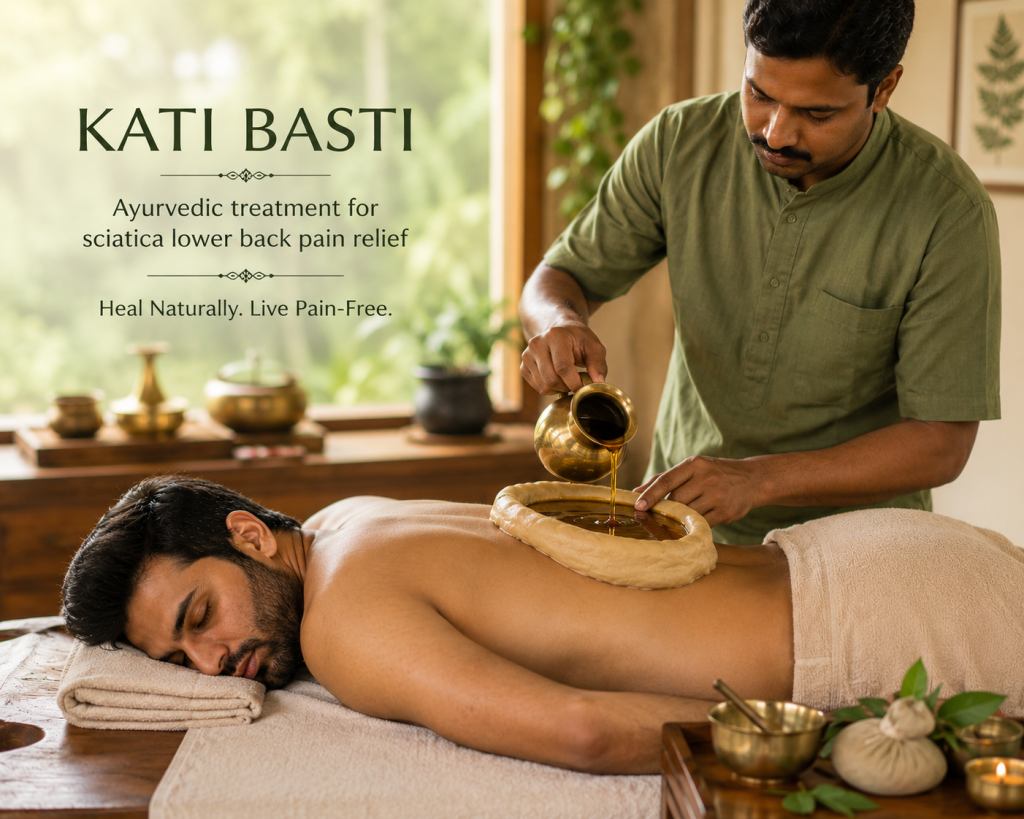
يعتمد تخفيف ألم عرق النسا من خلال الأيورفيدا على مجموعة غنية من العلاجات والتركيبات العشبية وبروتوكولات نمط الحياة. إليك ما توصي به الممارسة السريرية والنصوص التقليدية:
البانشاكارما هو نظام الأيورفيدا القياسي الذهبي لإزالة السموم وتجديد الشباب. بالنسبة لعرق النسا، هناك نوعان محددان من علاجات البانشاكارما:
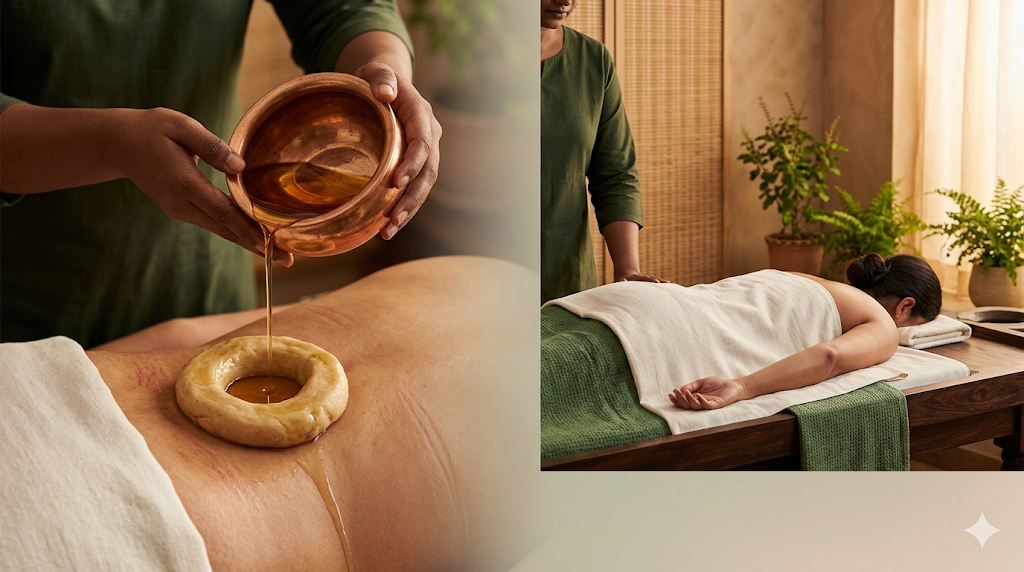
1. كاتي باستي علاج موضعي حيث توضع حلقة من العجين على أسفل الظهر وتُملأ بالزيت الدافئ المعالج. يتسرب الزيت إلى أعماق الأنسجة ويغذي جذور الأعصاب ويزيت المفاصل ويهدئ من تفاقم فاتا. وعادةً ما يتم إجراء علاج كاتي باستي على مدار 7-14 يوماً، وهو أحد أكثر العلاجات فعالية لآلام أسفل الظهر المزمنة وعرق النسا.
2. باستي (حقنة شرجية طبية) يُعتبر علاج باستي أقوى علاج مهدئ لفاتا في الأيورفيدا، حيث يقوم باستي بإدخال زيوت أو مغلي طبي في القولون - وهو المقر الرئيسي لفاتا. وهو يعمل من الداخل إلى الخارج لتهدئة الجهاز العصبي وتخفيف آلام الأعصاب المشعة.
3. بيزهيتشيل تيار مستمر من الزيت العلاجي الدافئ الدافئ الذي يتم سكبه على الجسم بواسطة معالجين مدربين. يغذي الجهاز العصبي بعمق ويقلل من تشنج العضلات حول العصب الوركي.
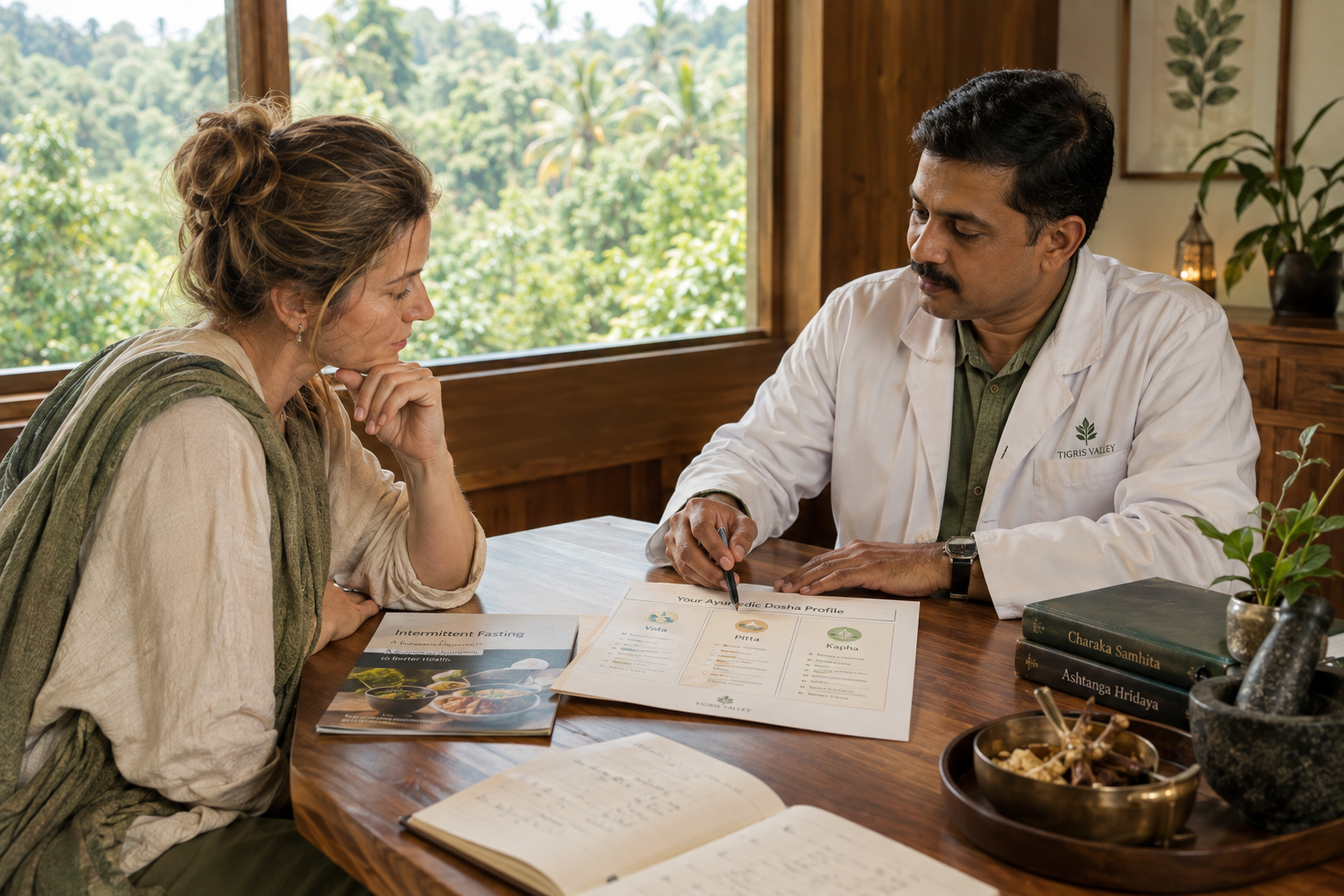
في برنامج وادي دجلة لإدارة الألم المزمن والالتهابات في وادي دجلة, ، يتم دمج هذه العلاجات في خطة علاجية مخصصة مصممة خصيصاً لك لتتناسب مع الخلل في التوازن الدوسيك الخاص بك وملامح الألم. استكشف مجموعتنا الكاملة من علاجات أيوش لفهم كيفية عمل أنظمة الطب التقليدي معًا.
أظهرت العديد من التركيبات العشبية الكلاسيكية نتائج ثابتة في علاج آلام العصب الوركي:
| الأعشاب/التركيبة | الإجراء الأساسي | كيف يساعد عرق النسا |
|---|---|---|
| الشلاكي (بوسويليا) | مضاد للالتهابات | يقلل من التهاب الأعصاب |
| أشواغاندا | منشط عصبي | يقوي الأنسجة العصبية |
| نيرغوندي | مسكن، مضاد للتشنج. | يخفف التشنج العضلي حول العصب |
| يوغاراج غوغولو | تهدئة فاتا-مهدئ فاتا | التركيبة الكلاسيكية لآلام المفاصل والأعصاب |
| راسنا (بلوشيا لانسولاتا) | مضاد للروماتيزم | يقلل من آلام الإشعاع |
| ماهاراسنادي كواث | ديكوتيون لاضطرابات فاتا | يستهدف مسار العصب الوركي. |
⚠️ مهم: يجب أن يتم وصف التركيبات العشبية من قبل طبيب أيورفيدا مؤهل بناءً على تكوينك الفردي (براكريتي) والخلل الحالي (فيكريتي). لا ينصح بالتطبيب الذاتي.
أبهيانجا, أو التدليك بالزيت العلاجي لكامل الجسم هو حجر الزاوية في إدارة فاتا اليومية. بالنسبة لعرق النسا على وجه التحديد، يتم تدليك زيت السمسم الدافئ أو الزيوت العشبية المخصصة بضربات طويلة إلى الأسفل على طول العمود الفقري والساقين.
تشمل المزايا ما يلي:
عند إجراء أبهيانجا باستمرار من قبل معالجين مدربين، يمكن أن يقلل بشكل كبير من تكرار نوبات عرق النسا وشدتها. اقرأ عن كيفية علاجات الأيورفيدا لآلام الظهر يمكن أن تكمل خطة تعافيك من عرق النسا.
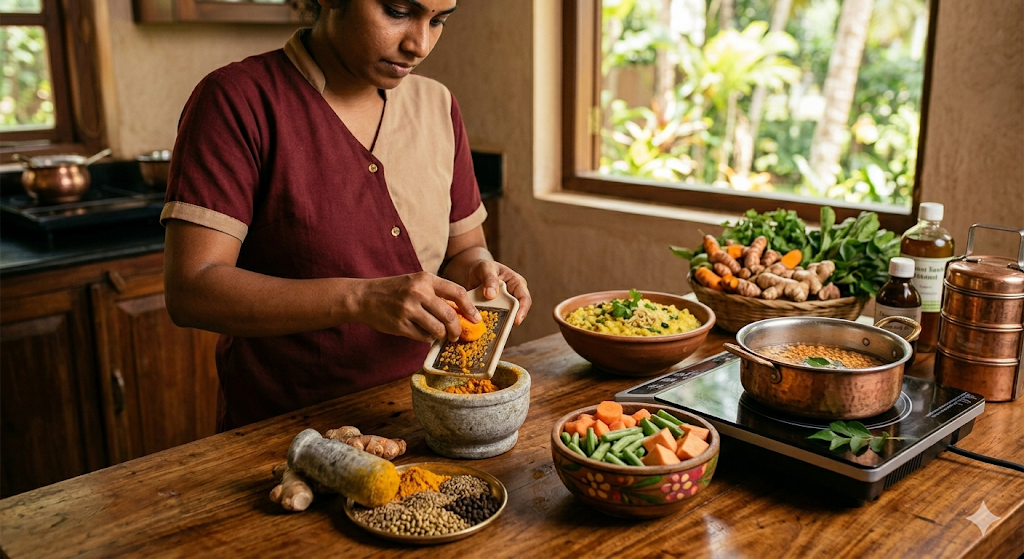
تركز الأيورفيدا بشكل كبير على النظام الغذائي كدواء. في حالة الجريدراسي (عرق النسا)، فإن نظام غذائي مهدئ فاتا أمر ضروري:
في وادي دجلة, ، يتضمن كل برنامج خططاً غذائية مخصصة تم وضعها من قبل خبراء التغذية بما يتماشى مع دستور الأيورفيدا الخاص بك وأهدافك الصحية.
تعتبر اليوغا والأيورفيدا من العلوم الشقيقة - وبالنسبة لعرق النسا، يمكن أن توفر بعض الأساناس المحددة راحة كبيرة عند ممارستها بشكل صحيح.
وضعيات اليوغا الموصى بها لعرق النسا:
تعديلات نمط الحياة:
اليوغا والعلاج الطبيعي في وادي دجلة تجمع بين ممارسة الأسانا الموجهة والبراناياما واليقظة الذهنية مما يجعلها جزءًا لا يتجزأ من أي بروتوكول للشفاء من عرق النسا.
اكتشف أيضًا كيف علاج آلام الظهر و شفاء آلام الظهر بشكل طبيعي باستخدام علاج القرص الأيورفيدا دعم الصورة الأوسع لصحة العمود الفقري.
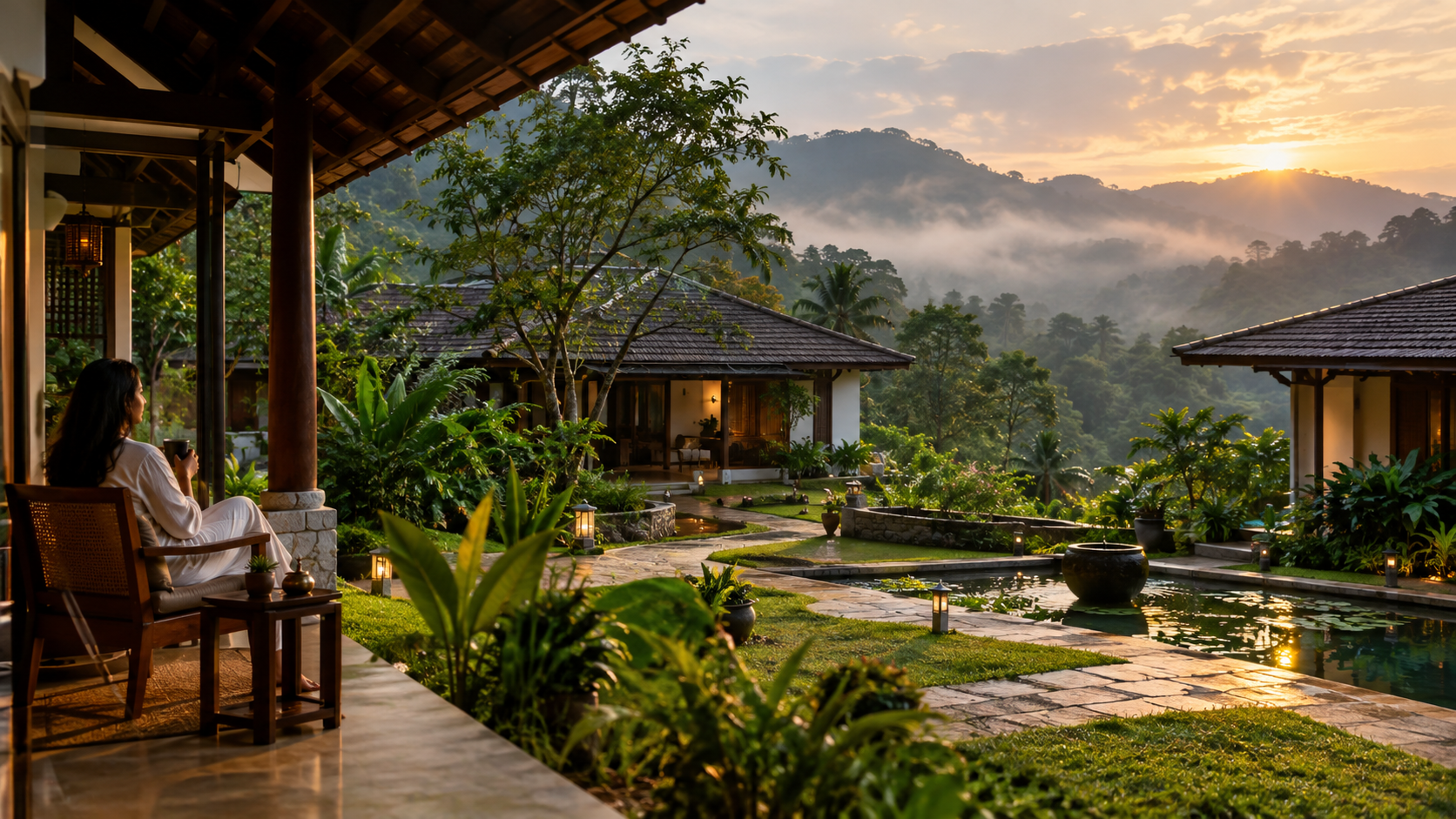
منتجع وادي دجلة الصحي, يقع في جبال كيرالا الهادئة في ولاية كيرالا الهندية، ويقدم أحد أكثر الأساليب التكاملية شمولاً في الهند لعلاج الآلام المزمنة - بما في ذلك عرق النسا.
هم برنامج إدارة الآلام المزمنة والالتهابات يجمع بين:
على عكس الرعاية في المستشفيات التي تستهدف الأعراض, نهج وادي دجلة يحدد السبب الجذري لعرق النسا ويضع خطة مخصصة تجمع بين أفضل ما في حكمة الشفاء القديمة والتشخيصات الحديثة. اقرأ قصص الشفاء الحقيقية على صفحة الشهادات.
هل أنت مستعد لبدء رحلتك العلاجية؟ للتواصل مع وادي دجلة لتحديد موعد للاستشارة.
تهدف الأيورفيدا إلى معالجة السبب الجذري لعرق النسا بدلاً من مجرد إخفاء الأعراض. ومع العلاج المستمر وتغييرات النظام الغذائي وتصحيح نمط الحياة، يشعر العديد من المرضى بالراحة على المدى الطويل ويقل تكرار الإصابة به بشكل ملحوظ. وتختلف النتائج بناءً على شدة ومدة العلاج والدستور الفردي.
يستمر البرنامج المنظم النموذجي في منتجع مثل وادي دجلة لمدة 14-21 يومًا للشفاء العميق الأولي، يليه 3-6 أشهر من الدعم العشبي والنظام الغذائي وبروتوكولات اليوغا في العيادات الخارجية.
إن كاتي باستي جيد التحمل بشكل عام، ولكن طبيب الأيورفيدا الخاص بك سيحدد مدى ملاءمته بناءً على حالتك الخاصة، بما في ذلك ما إذا كان هناك انزلاق غضروفي أو تضيق.
يُطلق على عرق النسا اسم جريدراسي في الأيورفيدا - وهي حالة مهيمنة على فاتا تؤثر على مسار العصب الوركي.
يعد نيرجوندي وشالاكي وماهايوغاراج غوغولو من أكثر الأعشاب الموصى بها لعلاج آلام الأعصاب المشعة، على الرغم من أن الاختيار الأفضل يعتمد على البراكريتي الخاص بك وعدم التوازن الحالي.
يمكن أن تؤدي بعض الطيات أو الالتواءات القوية للأمام إلى تفاقم عرق النسا. مارس التمارين دائماً تحت إشراف مؤهل. تُعد الوضعيات اللطيفة التصالحية بشكل عام هي نقطة البداية الأكثر أماناً.
أثناء النوبات الحادة، عادةً ما يتم تجنب إجراءات البانشاكارما المكثفة. يتحول التركيز إلى العلاجات اللطيفة المسكّنة لالتهاب فاتا حتى ينحسر الالتهاب، وبعد ذلك يتم إدخال إزالة السموم بشكل أعمق.
يؤدي النظام الغذائي الالتهابي (الأطعمة المعالجة والأطعمة الباردة والأطعمة الباردة والباذنجان) إلى تفاقم فاتا ويزيد من تفاقم عرق النسا. يدعم نظام الأيورفيدا الغذائي المهدئ لفاتا والغني بالأطعمة الدافئة والزيتية وسهلة الهضم تعافي الأنسجة العصبية.
نعم، الإجهاد هو أحد مسببات تفاقم فاتا الأساسية. يعمل الإجهاد المزمن على شد العضلات حول العصب الوركي ويزيد من الالتهاب الجهازي. تُعد السيطرة على التوتر من خلال التأمل والبراناياما والعلاج بالطبيعة عنصراً حاسماً في التعافي من عرق النسا.
نعم. الطب اليوناني, الذي يُمارس في وادي دجلة إلى جانب الأيورفيدا، يستخدم الأدوية العشبية المتخصصة والعلاج بالحجامة (الحجامة) لتحسين الدورة الدموية وتقليل الالتهابات الموضعية ودعم تعافي الأعصاب.
اكتشف برنامج وادي دجلة لإدارة الآلام المزمنة والالتهابات في وادي دجلة وتحدث مع أطبائنا الأيورفيدا الخبراء لدينا لوضع خطة علاجية مخصصة لك.
كايثابويل، في جبال الغات الغربية.
طريق مدينة المعرفة المركزية، كايثابوييل، أديفارام، كيرالا
الحصول على الاتجاهات +91 90726 61622 reservation@tigrisvalley.com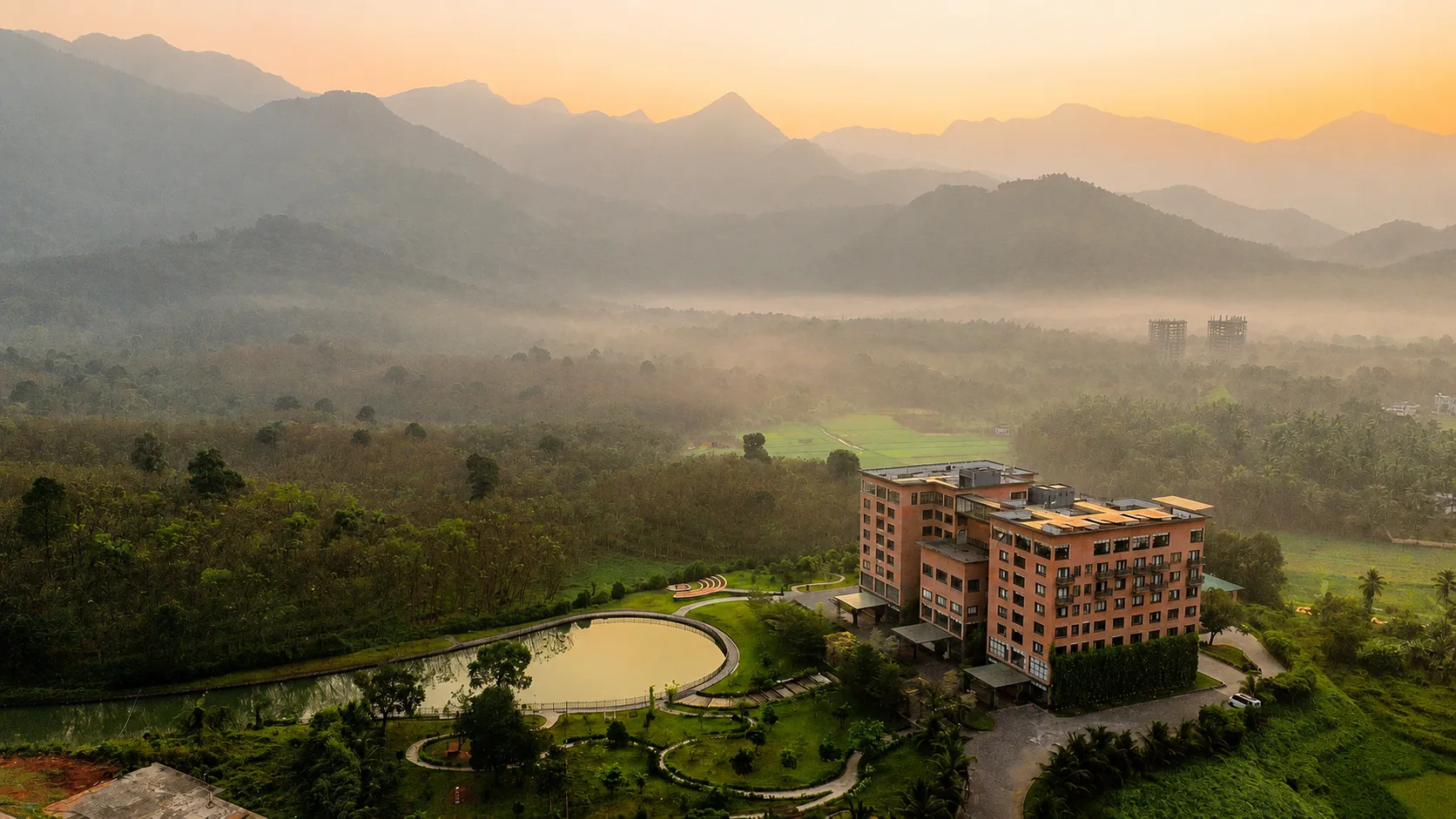
كايثابويل، جبال الغات الغربية

قبل مغادرتك
يقوم طبيب بقراءة كل رسالة. احجز موعدًا استشاريًا، أو أرسل استفسارًا — يتم الرد على الحجوزات في نفس اليوم.