
[gtranslate]
القائمة
لا يصل معظم الناس إلى معتكف الأيورفيدا معتقدين أنهم “متوترون”. فهم يصلون لأن نومهم قد تعطل، أو لأن عملية الهضم لديهم توقفت عن العمل، أو لأنهم لم يشعروا بأنهم على طبيعتهم منذ شهور، أو لأن طبيبهم لم يعد لديه إجابات. نادرًا ما تكون كلمة "الإجهاد" هي الكلمة التي يستخدمونها - لكنها دائمًا ما تكون الجذر. بناءً على الظروف التي تدفع الضيوف إلى برنامج التعافي من الإجهاد والإرهاق في وادي دجلة، يحدد هذا الدليل أكثر عشر حالات شائعة - وكيف يعالج إطار الأيورفيدا العلاجي كل واحدة منها بالضبط.
جدول المحتويات
يعامل الطب التقليدي الإجهاد كظاهرة نفسية لها عواقب جسدية. أما الأيورفيدا فتعكس ذلك: فهي تتعامل مع الإجهاد كحدث فسيولوجي يولد عواقب نفسية وعصبية واستقلابية - وكلها يمكن إرجاعها إلى اضطراب اثنين من الدوشا الأساسية.
تفاقم فاتا هو التوقيع الأيورفيدا للإجهاد الحاد والمزمن. تتحكم فاتا في الجهاز العصبي والحركة وجميع الوظائف العصبية. عندما يصبح فاتا مرتفعًا بشكل مزمن من خلال الإفراط في العمل والروتين غير المنتظم وقلة النوم والسفر المفرط والضغط النفسي، فإنه يولد مجموعة الأعراض المميزة التي تصل إلى ضيوف المعتزل: القلق والأرق وتسارع الأفكار والتعب وجفاف الجلد والإمساك وفرط الحساسية.
تفاقم بيتا وعادةً ما تتداخل في الشخصيات من النوع "أ" والمهنيين ذوي الإنجازات العالية: التهيج والالتهاب والارتجاع الحمضي والتهاب الجلد والشعور الحارق بالإرهاق الذي يميز المراحل الأخيرة من الاحتراق النفسي.
البصيرة الرئيسية: في الأيورفيدا، الإجهاد ليس تشخيصًا - بل هو نمط من عدم التوازن الدوسيكي مع عواقب جسدية يمكن التنبؤ بها. كل عرض من أعراض الإجهاد الموصوفة أدناه هو، بمصطلحات الأيورفيدا، تأثير لاحق لارتفاع فاتا أو بيتا. وهذا هو السبب في أن علاج الأعراض الفردية بمعزل عن الأعراض الأخرى يؤدي إلى نتائج محدودة - والسبب في أن بروتوكول العلاج الشامل الذي يعالج الخلل الجذري في التوازن الدوسيكي يحقق نتائج تفوتها التدخلات التقليدية.
ما يقوله الضيوف: “أنام 8 ساعات وأستيقظ منهكة. لقد أجريت فحوصات الدم - كل شيء طبيعي.”
ربما يكون هذا هو العرض الأكثر شيوعًا في أي خلوة أيورفيدا تركز على الإجهاد. تُعرِّف الأيورفيدا هذا على أنه أوجاس النضوب - استنفاد الجوهر الحيوي الأساسي للجسم واحتياطي المناعة - بالإضافة إلى ارتفاع فاتا الذي يزيح الطاقة من الأنسجة. يتماشى التفسير التقليدي لإرهاق الغدة الكظرية بشكل جيد مع إطار الأيورفيدا هذا.
نهج الأيورفيدا في وادي دجلة:

ما يقوله الضيوف: “أنام بشكل جيد ولكنني أستيقظ في الساعة 2 - 3 صباحًا وعقلي يتسارع. أنا على هذا الحال منذ سنوات.”
هذا النمط الدقيق - النوم ولكن الاستيقاظ في ساعات الليل التي تهيمن عليها فاتا (2-6 صباحًا) مع عدم القدرة على العودة إلى النوم - هو عرض كتابي لتفاقم فاتا الذي يؤثر على الجهاز العصبي. وهي واحدة من العلامات المبكرة والأكثر موثوقية للإجهاد المزمن، وغالبًا ما تسبق التعب العلني والقلق والأعراض الإدراكية التي تؤدي في النهاية إلى التراجع.
نهج الأيورفيدا في وادي دجلة:
ما يقوله الضيوف: “أنا أنفعل على الجميع. أشعر أنني أنتظر باستمرار حدوث خطأ ما. لا أستطيع التمهل حتى عندما أريد ذلك.”
هذه المجموعة - القلق وفرط اليقظة والتهيج وعدم القدرة على الراحة الحقيقية - هي التوقيع المشترك لارتفاع فاتا وبيتا. يولد فاتا الأرق والقلق؛ بينما يولد بيتا التهيج الحاد والشعور بالإلحاح المصاحب له. وهما معًا يولدان معًا حالة الإرهاق التي تنتشر بشكل متزايد في المهنيين ذوي الإنجازات العالية في سياقات الشركات والطب والقانون وريادة الأعمال.
نهج الأيورفيدا في وادي دجلة:
ما يقوله الضيوف: “اعتدت أن أكون حادًا. الآن لا أستطيع التركيز، وأفقد الكلمات، وأنسى أشياء كنت أعرفها قبل خمس دقائق. يقول طبيبي أن اختباراتي طبيعية.”
إن ضباب الدماغ في سياق الإجهاد المزمن هو نتيجة لخلل في تنظيم الجهاز العصبي المدفوع بـ Vata مع تراكم السموم الأيضية (Ama) التي تؤثر على دوران الأوعية الدقيقة في الدماغ. وهو أحد أكثر الأعراض إزعاجاً للمهنيين ذوي الأداء العالي لأنه يضرب مباشرةً هويتهم المهنية وكفاءتهم.
نهج الأيورفيدا في وادي دجلة:
ما يقوله الضيوف: “معدتي في حالة فوضى. فأنا أتأرجح بين الإمساك والبراز الرخو، ودائمًا ما أشعر بالانتفاخ، وقد قطعت نصف نظامي الغذائي في محاولة للسيطرة على ذلك.”
إن محور الأمعاء والدماغ ليس استعارة في الأيورفيدا - بل هو حقيقة سريرية أساسية. تُعرّف الأيورفيدا القولون على أنه المقر الرئيسي لـ Vata، والإجهاد المزمن على أنه المحرك الرئيسي لتفاقم Vata في الجهاز الهضمي. والنتيجة هي اضطراب أجني (نار الجهاز الهضمي): هضم غير منتظم وغير فعال يولد تراكم الأمعاء وطيف واسع من الأعراض الشبيهة بمتلازمة القولون العصبي المنتشرة بشكل متزايد بين المهنيين المجهدين.
نهج الأيورفيدا في وادي دجلة:
ما يقوله الضيوف: “أكتافي مقفلة دائماً. أعاني من صداع التوتر منذ سنوات. لا تتحرر رقبتي بالكامل أبداً، بغض النظر عن عدد جلسات التدليك التي أحصل عليها.”
يعد الإمساك المزمن للعضلات - وهو درع الجسم الجسدي ضد الإجهاد غير المعالج - أحد أكثر الأعراض الملموسة جسدياً والتي يمكن علاجها فوراً في خلوة الأيورفيدا. يحافظ التنشيط المزمن للجهاز العصبي الودي المزمن الناجم عن الإجهاد المستمر على تقلص عضلي مستمر منخفض المستوى. يوفر التدليك التقليدي راحة مؤقتة، بينما يعالج العلاج بالأيورفيدا المحرك العصبي.
نهج الأيورفيدا في وادي دجلة:
ما يقوله الضيوف: “دائمًا ما تشتعل الصدفية لدي عندما أكون تحت ضغط. لقد كانت بشرتي صافية لسنوات - والآن عادت مرة أخرى ولا شيء يجدي نفعًا.”
الجلد هو المؤشر الأكثر وضوحاً في الأيورفيدا على اختلال التوازن الداخلي. إن الأمراض الجلدية التي يسببها الإجهاد - مثل الأكزيما والصدفية وحب الشباب والوردية والأرتكاريا - هي في مصطلحات الأيورفيدا نتيجة لارتفاع البيتا (الحرارة والالتهاب) مع تراكم الأمّا الذي يصل إلى قنوات الجلد. تعالج العلاجات الموضعية السطح بينما تستمر النار الداخلية في توليد الأعراض.
نهج الأيورفيدا في وادي دجلة:
ما يقوله الضيوف: “لم أعد أشعر بأي شيء بعد الآن. كنت أحب عملي - الآن أنا فقط أمارس عملي بشكل عادي.” أو: “أبكي على لا شيء. مشاعري غير متناسبة تمامًا.”
يبدو هذان العرضان - التسطيح العاطفي والتقلب العاطفي - متعاكسين، ولكن كلاهما تعبيران عن نفس حالة الإنهاك العاطفي الكامنة. التخدير العاطفي هو المرحلة الأخيرة من الإنهاك الناتج عن الكورتيزول: حيث يقوم الجهاز العصبي بقمع الاستجابة العاطفية كآلية وقائية. أما التقلب العاطفي فهو مرحلة مبكرة من نفس العملية: حيث تنهار آلية التنظيم قبل أن تتوقف تمامًا.
نهج الأيورفيدا في وادي دجلة:

ما يقوله الضيوف: “أصبحت دورتي غير متوقعة تمامًا. عادت الغدة الدرقية لديّ متقلبة. يقول طبيبي أن السبب قد يكون الإجهاد.”
يعمل الإجهاد المزمن على تثبيط محور الغدة النخامية - الغدة الكظرية (HPA) - وهو نظام التحكم الهرموني الذي يحكم الهرمونات التناسلية ووظيفة الغدة الدرقية وتنظيم الأيض. في مصطلحات الأيورفيدا، هذا هو التأثير النهائي لتفاقم فاتا المستمر الذي يستنزف الأوجاس ويعطل شوكرا داتو (الأنسجة التناسلية). إن العواقب الهرمونية للإرهاق لفترات طويلة حقيقية وقابلة للقياس، وغالبًا ما لا يتم معالجتها بشكل كافٍ بسبب ميل الطب التقليدي إلى علاج أعراض الغدة الدرقية والتناسلية بمعزل عن غيرها.
نهج الأيورفيدا في وادي دجلة:
ما يقوله الضيوف: “أُصاب بكل نزلات البرد التي تنتشر حولي. تناولت جرعتين من المضادات الحيوية هذا العام. أشعر أن جهازي المناعي توقف عن العمل.”
يؤدي ارتفاع الكورتيزول المزمن إلى تثبيط المناعة بشكل مباشر. إن إعطاء الجسم الأولوية المستمرة لفيزيولوجيا حالة البقاء على قيد الحياة يقلل تدريجياً من الموارد المتاحة للمراقبة المناعية وإصلاح الأنسجة والدفاع عن مسببات الأمراض. في مصطلحات الأيورفيدا، هذا هو استنزاف بالا (القوة الجسدية) وتراكم الأمعاء التي توفر بيئة مضيافة للعدوى المتكررة.
نهج الأيورفيدا في وادي دجلة:
إن برنامج التعافي من الإجهاد والإرهاق في وادي دجلة ليس حزمة استرخاء عامة. إنه تدخل منظم طبياً وشخصي يعالج بشكل منهجي الطيف الكامل للأعراض الناجمة عن الإجهاد الموصوفة أعلاه - من خلال مزيج منسق من الأيورفيدا الكلاسيكية وطب اليوناني والطب الوظيفي والعلاج القائم على الطبيعة.
| مكون البرنامج | أعراض الإجهاد التي تمت معالجتها |
|---|---|
| استشارة الطبيب وتقييم الدوشا | التحديد الجذري لنمط اختلال توازن فاتا/بيتا؛ تصميم بروتوكول مخصص |
| شيرودهارا | الأرق، والقلق، وضبابية الدماغ، واختلال التنظيم العاطفي، والصداع النصفي |
| أبهيانجا | الإرهاق المزمن، وتوتر العضلات، ونضوب الأوجاس، وخلل في تنظيم الجهاز العصبي |
| البانشاكارما (فيرشانام، باستي) | اضطرابات الجهاز الهضمي، والتهاب الجلد، وضباب الدماغ، وتثبيط المناعة |
| العلاج بالنسيان | الضباب الدماغي والصداع النصفي والصداع العنقي والصداع العنقي والصفاء الذهني |
| الحجامة/العلاج بالحجامة | التوتر العضلي وآلام الرقبة والكتفين والدورة الدموية وتنظيم الجهاز العصبي |
| العلاج الغذائي الوريدي + العلاج بالأوزون | الإرهاق الخلوي، وقمع المناعة، والضبابية الإدراكية، واختلال التنظيم الهرموني |
| استحمام الغابات + يوغا في الهواء الطلق + براناياما | تقليل الكورتيزول والتنظيم العاطفي والنوم وإعادة ضبط الجهاز العصبي |
| العلاج المعرفي السلوكي المعرفي + التأمل الموجه | القلق، والتخدر العاطفي/التقلبات العاطفية، وفرط اليقظة، والإدراكات المنهكة |
| نظام غذائي علاجي + تركيبات عشبية مخصصة حسب الطلب | ترميم الجهاز الهضمي وصحة الجلد وإعادة بناء المناعة ودعم الهرمونات |
تتوفر فترات البرنامج من 7 أو 14 أو 21 يومًا - مع التأكيد على أن برنامج الـ 21 يومًا يوفر تحولاً شاملاً للتغيير طويل الأمد. كما يمكن للضيوف الذين يعانون من الإجهاد الذي يحتوي على عنصر مرضي جسدي كبير الاستفادة من برنامج إدارة الآلام المزمنة والالتهابات, فإن برنامج إدارة اضطرابات المناعة الذاتية, أو باقة اليقظة والصفاء الذهني.
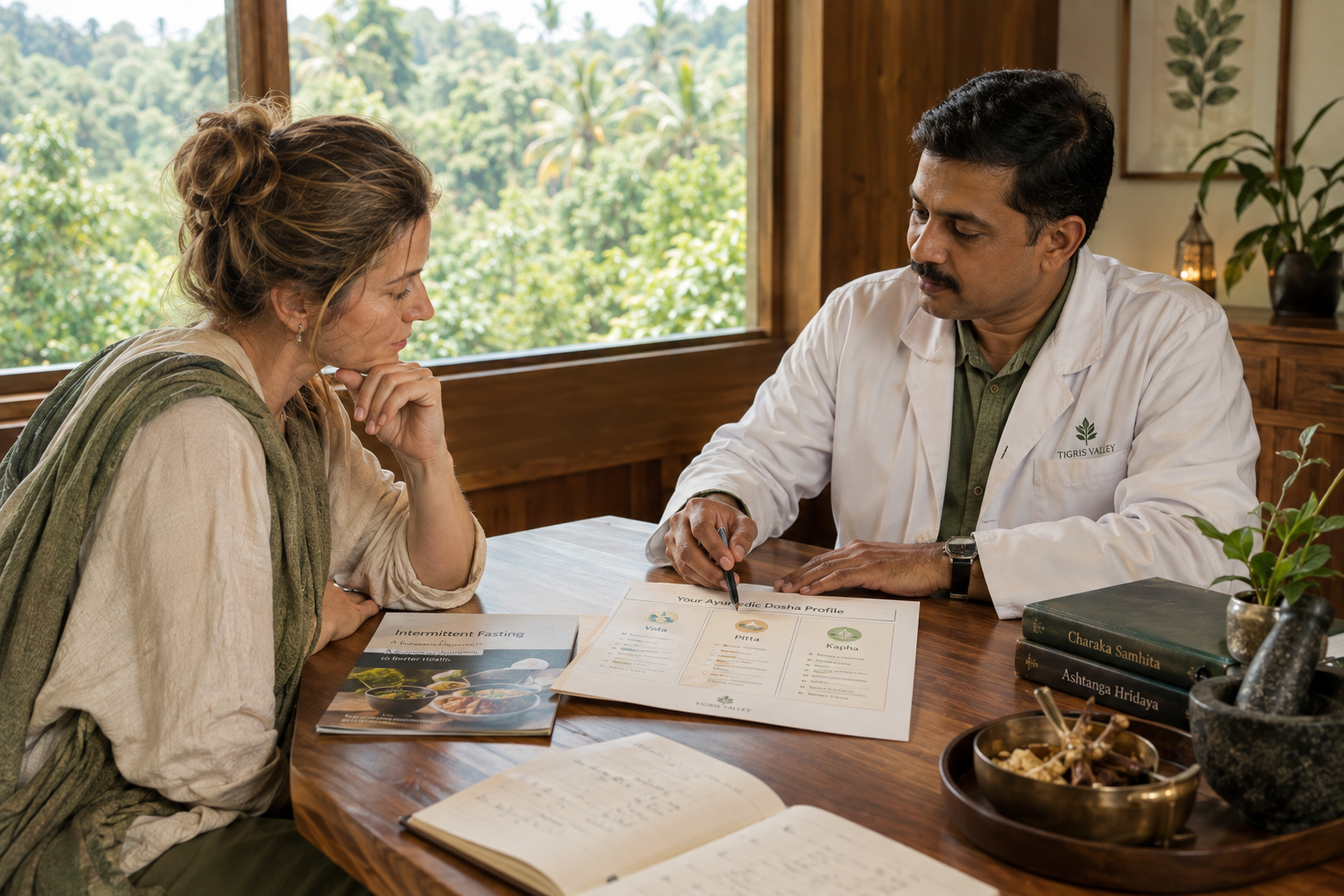
هذا بالضبط ما تم تصميم استشارة الطبيب في وادي دجلة لتحديده. يتضمن تقييم ما قبل البرنامج مراجعة التاريخ الصحي وتحليل الدوشا والاختبارات التشخيصية المتقدمة عند الحاجة. يتم تقييم الأعراض ضمن إطار الأيورفيدا ومن منظور الطب الوظيفي لتحديد ما إذا كانت تعكس اختلالاً في التوازن الناجم عن الإجهاد أو المرض الكامن أو كليهما.
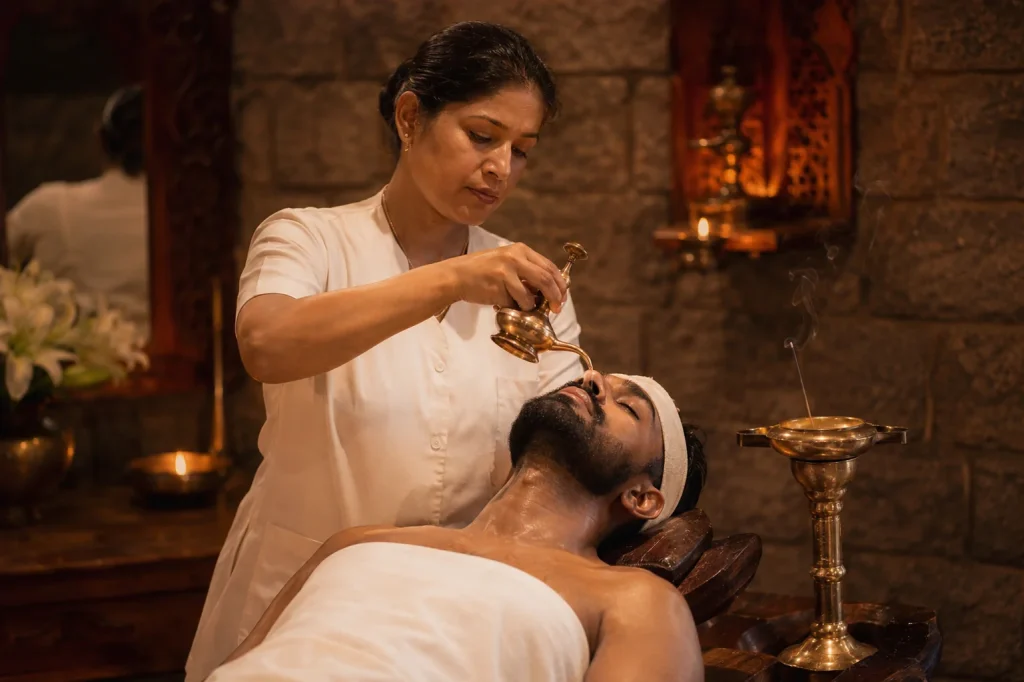
وتتمثل آلية شيرودهارا في التهدئة المباشرة للجهاز العصبي من خلال التحفيز اللمسي والحراري المستمر للجبهة - وهي المنطقة المرتبطة عصبياً بقشرة الفص الجبهي وشبكة الوضع الافتراضي التي تشارك في الاجترار. أبلغ معظم الضيوف عن تحسن ملحوظ في جودة النوم خلال الجلسات القليلة الأولى. وهي واحدة من أكثر النتائج التي يتم اختبارها باستمرار من خلال جلسات الأيورفيدا لعلاج الإجهاد.
في وادي دجلة، نعم. يعكس تضمين العلاج السلوكي المعرفي التطور السريري للنموذج التكاملي - إدراك أن الأنماط المعرفية التي تضخم التوتر (الكارثة، وفرط اليقظة، والكمالية) تتطلب تدخلاً نفسياً مباشراً إلى جانب إزالة السموم الجسدية. لا يمكن للعلاجات الجسدية وحدها إعادة هيكلة أنماط التفكير.
أبلغ العديد من الضيوف عن تحسن جودة النوم خلال الأسبوع الأول. عادةً ما تظهر الأعراض الجسدية - التوتر العضلي وعدم انتظام الجهاز الهضمي والتهاب الجلد - تحسنًا ملموسًا في غضون 10-14 يومًا من الالتزام المستمر بالبروتوكول. غالبًا ما تتعزز التحسينات في الوضوح المعرفي والتنظيم العاطفي في الأسبوع الثالث وتستمر في التطور بعد العودة إلى المنزل.
نعم، في معظم الحالات. تستعرض استشارة الطبيب قبل البرنامج جميع الأدوية الحالية. تتطلب بعض التركيبات العشبية فحصًا للتفاعلات مع مضادات الاكتئاب أو مزيلات القلق - ويتولى الفريق السريري إدارة ذلك. أي تخفيض في الأدوية الصيدلانية يكون دائمًا تحت إشراف طبي وتدريجي.
الاستحمام في الغابات (شينرين يوكو) هو الانغماس الموجه في بيئة الغابات الطبيعية - وليس مجرد المشي. تفرز غابة واياناد الغنية بالتنوع البيولوجي مبيدات نباتية (مركبات طبيعية مضادة للميكروبات من الأشجار) تقلل بشكل ملموس من تركيزات الكورتيزول وتخفض ضغط الدم وتقلل من السيتوكينات الالتهابية المرتبطة بالإجهاد المزمن. إن بيئة غابة واياناد في وادي دجلة هي بيئة علاجية نشطة وليست مجرد خلفية ذات مناظر طبيعية خلابة.
العديد من ضيوف وادي دجلة هم من كبار المهنيين الذين أفادوا أن استثمار 21 يومًا أنتج تحسينًا مستدامًا في الإنتاجية أكثر من أي نشاط تطوير مهني قاموا به. يتوفر برنامج مدته 7 أيام لمن لديهم قيود أضيق، ويوفر خيار الـ 14 يومًا عمقًا مفيدًا. إن خلوة العافية للشركات متاح أيضاً للمؤسسات الراغبة في دعم الفرق.
تعترف الأيورفيدا بالاختلافات الدستورية - بما في ذلك تلك المتعلقة بالجنس - في كيفية ظهور التوتر وكيفية تصميم العلاج. وتراعي عملية استشارة الطبيب هذه الاختلافات في تصميم تحليل الدوشا والبروتوكول العلاجي.
تشمل المرافق المؤكدة في وادي دجلة أحواض سباحة داخلية وساونا وجاكوزي وحمامات عشبية وعلاج بالبخار ومسارات للمشي ومقهى روهي ومدرج وشرفات وقاعة للتأمل. التفاصيل الكاملة على صفحة المرافق.
اتصل بالفريق على reservation@tigrisvalley.com أو اتصل ب +91 9072661622. يمكنك أيضًا استخدام صفحة الاتصال لطلب معاودة الاتصال والاستشارة قبل الوصول. يقع وادي دجلة في طريق مدينة المعرفة المركزية، كايثابوييل، أديفارام، واياناد، كيرالا.
تعرّف على أعراضك. ابدأ تعافيك.
لا يعلن الإجهاد عن نفسه - فهو يتراكم بهدوء حتى لا يستطيع الجسم تعويضه. في وادي دجلة، كل عرض من أعراض الإجهاد هو إشارة يتدرب الفريق الطبي على قراءتها ومعالجتها من جذورها.
كايثابويل، في جبال الغات الغربية.
طريق مدينة المعرفة المركزية، كايثابوييل، أديفارام، كيرالا
الحصول على الاتجاهات +91 90726 61622 reservation@tigrisvalley.com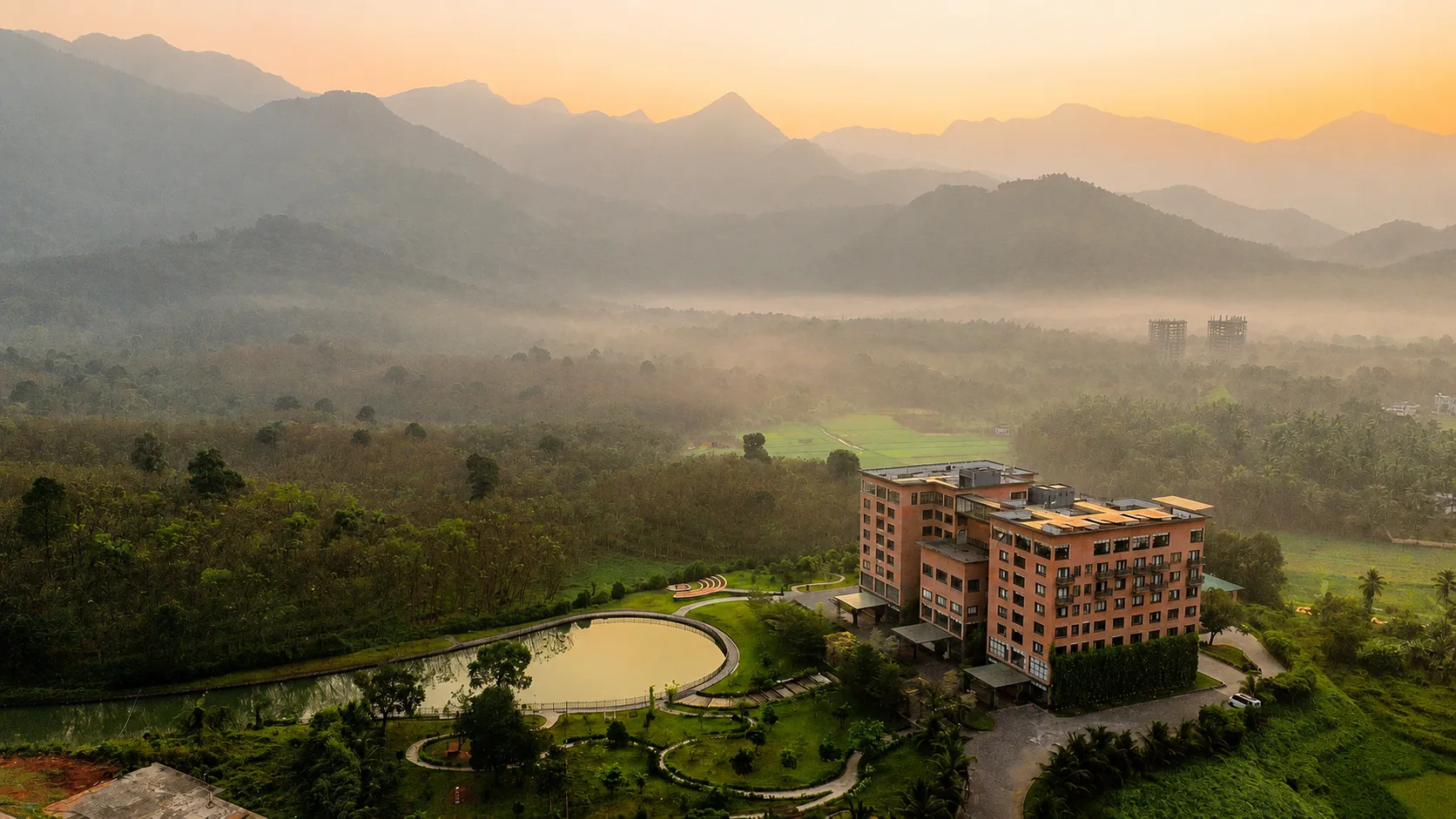
كايثابويل، جبال الغات الغربية

قبل مغادرتك
يقوم طبيب بقراءة كل رسالة. احجز موعدًا استشاريًا، أو أرسل استفسارًا — يتم الرد على الحجوزات في نفس اليوم.