[gtranslate]
MENÜ
Die Genesung nach einem Schlaganfall kann ein schwieriger Weg sein, der oft eine integrierte Strategie zur Heilung erfordert. Ein Schlaganfall tritt auf, wenn die Blutzufuhr zu einem Teil des Gehirns unterbrochen oder reduziert wird, so dass das Gehirngewebe nicht mehr mit dem notwendigen Sauerstoff und den notwendigen Nährstoffen versorgt wird. Dies kann zum Absterben von Gehirnzellen führen und bleibende neurologische Schäden zur Folge haben. Ein Schlaganfall kann jeden treffen, aber bestimmte Faktoren erhöhen das Risiko. Das Alter ist ein wichtiger Faktor, wobei ältere Erwachsene stärker gefährdet sind. Männer haben in der Regel ein höheres Risiko in jüngeren Jahren, während Frauen mit zunehmendem Alter stärker betroffen sind. Krankheiten wie Bluthochdruck, Diabetes und Herzkrankheiten sowie Lebensgewohnheiten wie Rauchen, Fettleibigkeit und Bewegungsmangel erhöhen das Risiko zusätzlich. Ungesunde Ernährung und übermäßiger Alkoholkonsum tragen ebenfalls zu einem höheren Risiko bei.
Bestimmte Berufstätige haben ein höheres Schlaganfallrisiko aufgrund verschiedener Faktoren, die mit ihrem Arbeitsumfeld, ihrem Lebensstil und ihrem Stressniveau zusammenhängen. Stressreiche Berufe wie Finanz-, IT- und Gesundheitsberufe erhöhen die Angst und den Blutdruck. Schichtarbeit stört den Schlafrhythmus, und schwere körperliche Arbeit kann zu Verletzungen oder Überlastungen führen. Beschäftigte im Transportwesen sind aufgrund der langen Fahrzeiten mit einem inaktiven Lebensstil konfrontiert. Das Verständnis dieser Faktoren ist für die Prävention und ein wirksames Schlaganfallmanagement entscheidend.
Tigris Valley, eine erstklassige ayurvedische Wellness-Klinik, bietet die beste Schlaganfall-Rehabilitation im Ayurveda. Unser Rehabilitationsprogramm umfasst individuelle Untersuchungen, maßgeschneiderte Ernährungspläne, pflanzliche Heilmittel und spezielle physikalische Therapien zur Förderung der Genesung. Außerdem legen wir großen Wert auf Achtsamkeit und Stressabbau durch Meditation und soziale Unterstützung. Unser Ayurveda-Ansatz für die Schlaganfall-Rehabilitation zielt nicht nur auf die körperliche Heilung, sondern auch auf das geistige und emotionale Wohlbefinden ab und begleitet die Patienten auf ihrem Weg zu neuer Energie nach einem Schlaganfall.
Die Kenntnis der verschiedenen Schlaganfalltypen ist von entscheidender Bedeutung, da sie es den Betroffenen ermöglicht, die spezifischen Symptome der einzelnen Typen zu erkennen und angemessen zu reagieren. Schlaganfälle können in drei Haupttypen eingeteilt werden,
1. Ischämischer Schlaganfall: Der ischämische Schlaganfall ist die häufigste Form (etwa 87% der Fälle). Er tritt auf, wenn ein Blutgefäß, das das Gehirn mit Blut versorgt, verstopft wird, typischerweise durch ein Blutgerinnsel. Es gibt zwei Hauptuntertypen des ischämischen Schlaganfalls.
Thrombotischer Schlaganfall: Verursacht durch ein Gerinnsel, das sich in einer Arterie bildet, die das Gehirn mit Blut versorgt, oft aufgrund von Atherosklerose (Verengung der Arterien).
Embolischer Schlaganfall: Tritt auf, wenn sich ein Blutgerinnsel an einer anderen Stelle des Körpers (oft im Herzen) bildet und ins Gehirn wandert.
2. Hämorrhagischer Schlaganfall: Ein hämorrhagischer Schlaganfall liegt vor, wenn ein Blutgefäß im Gehirn reißt, was zu Blutungen im Gehirn oder in den umliegenden Bereichen führt. Diese Art von Schlaganfall kann in zwei Hauptkategorien unterteilt werden.
Intrazerebrale Blutungen: Blutungen direkt im Hirngewebe, oft verursacht durch hohen Blutdruck oder Gefäßfehlbildungen.
Subarachnoidalblutung: Blutungen treten in dem Raum zwischen dem Gehirn und den es bedeckenden Membranen auf, meist aufgrund der Ruptur eines Aneurysmas.
3. Transitorische Ischämische Attacke (TIA): Eine TIA, auch “Mini-Schlaganfall” genannt, wird durch eine vorübergehende Unterbrechung der Blutzufuhr zu einem Teil des Gehirns verursacht. Die Symptome ähneln denen eines Schlaganfalls, dauern aber in der Regel nur wenige Minuten bis Stunden und klingen von selbst wieder ab. TIAs sind oft Warnzeichen für künftige Schlaganfälle.

Das Erkennen der Symptome eines Schlaganfalls ist entscheidend für eine schnelle Abhilfe. Häufige Symptome sind:
Plötzliche Taubheit oder Schwäche: Häufig ist eine Körperseite betroffen, z. B. das Gesicht, der Arm oder das Bein.
Verwirrung: Schwierigkeiten beim Sprechen oder Verstehen von Sprache.
Probleme mit dem Sehvermögen: Plötzliche Sehschwierigkeiten auf einem oder beiden Augen.
Schwierigkeiten beim Gehen: Plötzlicher Schwindel, Gleichgewichtsverlust oder Koordinationsprobleme.
Starke Kopfschmerzen: Ein plötzlicher, starker Kopfschmerz ohne bekannte Ursache, insbesondere bei hämorrhagischen Schlaganfällen.
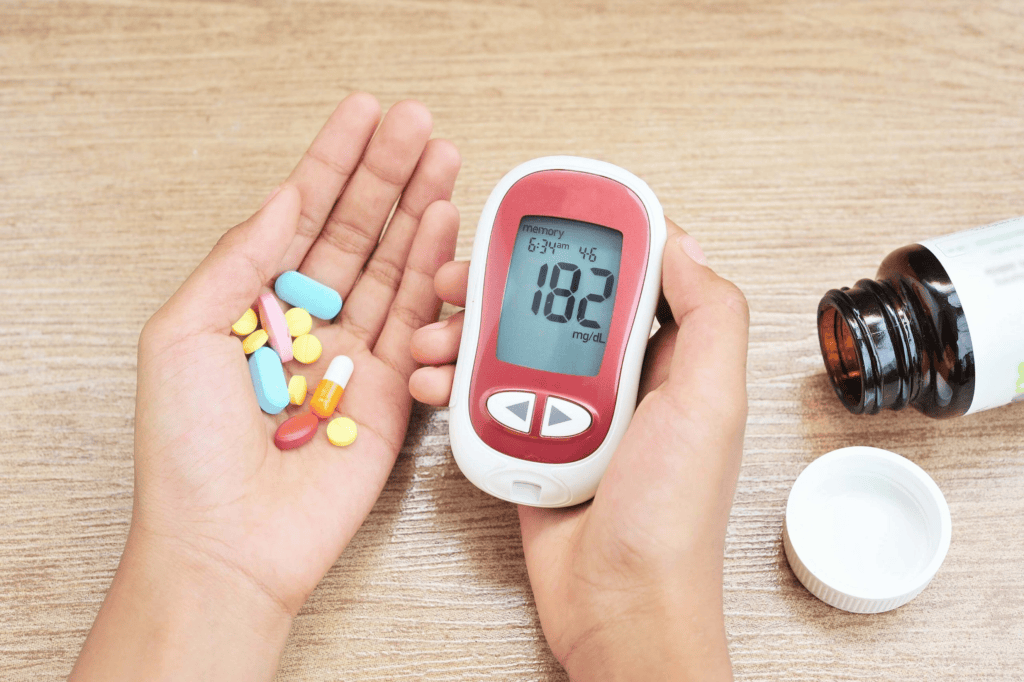
Diabetes erhöht das Schlaganfallrisiko aufgrund mehrerer miteinander zusammenhängender Faktoren erheblich. Ein hoher Blutzuckerspiegel kann die Blutgefäße und Nerven schädigen und zu Gefäßerkrankungen führen, bei denen sich die Arterien aufgrund von Plaqueablagerungen verhärten und verengen. Dieser Prozess schränkt die Blutzufuhr zum Gehirn ein und begünstigt ischämische Schlaganfälle, die auftreten, wenn die Blutzufuhr unterbrochen ist. Darüber hinaus geht Diabetes häufig mit Bluthochdruck und hohen Cholesterinwerten einher, die beide die Gefäßschäden weiter verschlimmern. Die mit Diabetes verbundenen Entzündungsprozesse können auch zur Bildung von Blutgerinnseln beitragen, wodurch sich das Risiko sowohl für ischämische als auch für hämorrhagische Schlaganfälle erhöht.
Außerdem können bei Menschen mit Diabetes Komplikationen wie Neuropathie auftreten, die ihre Fähigkeit beeinträchtigen, Schlaganfall-Symptome rechtzeitig zu erkennen, was die Behandlung verzögert. Insgesamt, Diabeteskontrolle durch die richtige Medikation, Änderungen des Lebensstils und regelmäßige Überwachung ist entscheidend für die Verringerung des Schlaganfallrisikos und die Förderung einer besseren Gefäßgesundheit. Tigris-Tal Ayurvedische Behandlung in Kerala bietet ausgewogene Ansätze für den Umgang mit Diabetes und die Genesung nach einem Schlaganfall und konzentriert sich dabei auf natürliche Heilmittel, Ernährungsumstellungen und Änderungen der Lebensweise.
Zu den wichtigsten Ernährungselementen gehören Vollwertkost, Optionen mit niedrigem Blutzuckerspiegel und nützliche Gewürze wie Kurkuma und Zimt. Pflanzliche Heilmittel wie Bitterkürbis und Ashwagandha können helfen, den Blutzucker zu regulieren. Zusätzlich, Behandlungen zum Stressabbau wie regelmäßiges Yoga und Meditation fördern die körperliche Gesundheit und das geistige Wohlbefinden, während Ganzkörperentgiftung Methoden wie Panchakarma können Giftstoffe beseitigen. Diese Behandlung zielt darauf ab, das Gleichgewicht wiederherzustellen und die natürlichen Heilungsprozesse des Körpers zu unterstützen. Persönliche Behandlungspläne von einem qualifizierten Ayurveda-Praktiker sind für eine wirksame Behandlung unerlässlich. Konsultieren Sie immer unser medizinisches Fachpersonal, bevor Sie neue Behandlungen beginnen.
Ayurveda bietet einen ganzheitlichen Ansatz für Schlaganfall-Rehabilitation und zielt darauf ab, das Gleichgewicht wiederherzustellen und das allgemeine Wohlbefinden zu fördern. Unsere Behandlungen sind darauf ausgerichtet, das Gleichgewicht wiederherzustellen und die Heilung durch individuelle Betreuung zu fördern. Durch die Integration traditioneller Praktiken wie Panchakarma-Entgiftung, pflanzliche Heilmittel und maßgeschneiderte Yoga-Therapien wollen wir unsere Kunden auf ihrem Weg zur Genesung unterstützen. Unsere ayurvedischen Behandlungen zielen darauf ab, die körperliche Funktion, die geistige Klarheit und das allgemeine Wohlbefinden zu verbessern und eine Umgebung zu schaffen, die der Heilung und Verjüngung förderlich ist.
Hier sind einige gängige ayurvedische Behandlungen und Praktiken, die bei der Genesung helfen können:
1. Panchakarma-Behandlung bei Schlaganfall
Die Panchakarma-Behandlung bietet einen ausgewogenen Ansatz für Schlaganfallrehabilitation mit Schwerpunkt auf Ganzkörperentgiftung und -verjüngung. Die Panchakarma-Behandlung für Schlaganfall beginnt mit einer gründlichen Untersuchung durch unsere erfahrenen Ayurveda-Praktiker, die den Behandlungsplan auf die individuellen Bedürfnisse des Kunden abstimmen. Die Snehana- oder Ölbehandlung, bei der therapeutische Öle aufgetragen werden, um den Körper zu nähren und auf eine tiefere Entgiftung vorzubereiten.
Danach folgt Swedana, eine Kräuterdampftherapie, die das Schwitzen fördert und dabei hilft, Unreinheiten zu beseitigen und den Kreislauf anzuregen. Zu den wichtigsten Panchakarma-Behandlungen gehören Virechana (therapeutische Entschlackung) und Basti (medizinische Einläufe), die zur Entfernung von Giftstoffen aus dem Magen-Darm-Trakt und zur Förderung der allgemeinen Gesundheit beitragen. In der Schlaganfalltherapie können diese Behandlungen die Durchblutung verbessern, Entzündungen verringern und die Nervenfunktion verbessern. Darüber hinaus kann Nasya (nasale Verabreichung von Kräuterölen) die kognitive Funktion unterstützen und neurologische Ungleichgewichte verringern. Gemeinsam schaffen diese Therapien eine unterstützende Umgebung für die körperliche und emotionale Verjüngung, die für eine effektive Ayurvedische Schlaganfallbehandlung Menschen zu helfen, Kraft, Mobilität und Energie wiederzuerlangen.
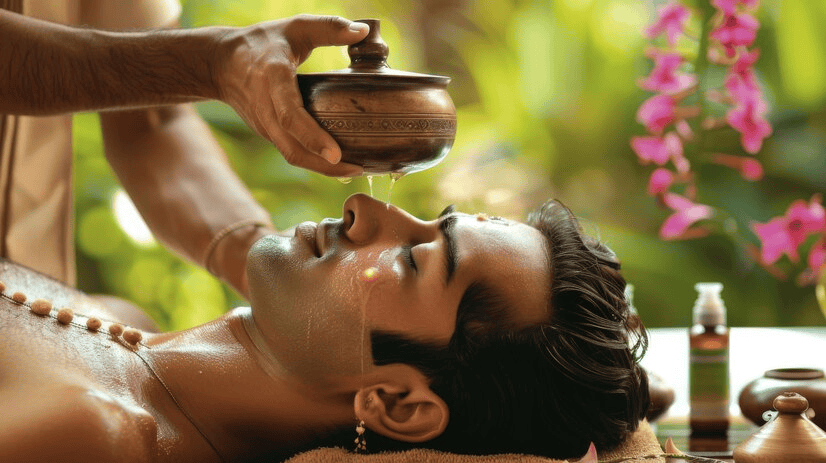
Während des gesamten ayurvedische Panchakarma-Behandlung In Kerala werden die Patienten auch dazu angehalten, eine spezielle Diät einzuhalten, die die Heilung unterstützt und den Körper nährt. Dieser ganzheitliche Ansatz unterstützt nicht nur die körperliche Genesung, sondern auch das emotionale und geistige Wohlbefinden und fördert die allgemeine Widerstandsfähigkeit. Mit der beruhigenden Umgebung des Tigris Valley Wellness Hospital können die Patienten in erholsame Praktiken eintauchen, die ihnen auf ihrem Weg zur Genesung Entspannung und Kraft geben.
2. Pflanzliche Heilmittel für die Erholung nach einem Schlaganfall
Mehrere Kräuter haben wegen ihres potenziellen Nutzens für die neurologische Gesundheit und Genesung Aufmerksamkeit erregt. Tigris-Tal Prämie Wellness-Klinik bietet pflanzliche Heilmittel zur Unterstützung der Genesung nach einem Schlaganfall an und konzentriert sich dabei auf natürliche Lösungen zur Förderung der Heilung. Unser Expertenteam passt die Behandlungen an die individuellen Bedürfnisse an und fördert das allgemeine Wohlbefinden während des Genesungsprozesses. Brahmi ist weithin für seine Wirksamkeit bei der Verbesserung der kognitiven Funktionen, des Gedächtnisses und der Konzentration bekannt. Forschungsergebnisse deuten darauf hin, dass Brahmi die Neuroplastizität fördern und vor oxidativem Stress schützen kann, was es zu einer unverzichtbaren Unterstützung der kognitiven Belastbarkeit und der Erholung von neurologischen Herausforderungen macht. In ähnlicher Weise ist Ashwagandha hoch angesehen für seine adaptogenen Eigenschaften, die dem Körper helfen, Stress effektiv zu bewältigen. Durch die Senkung des Cortisolspiegels und die Förderung eines Gefühls der Ruhe steigert Ashwagandha nicht nur das allgemeine Energieniveau, sondern unterstützt auch die geistige Klarheit und Konzentration, was in Zeiten neurologischer Belastung von entscheidender Bedeutung sein kann.
Darüber hinaus ist Kurkuma, vor allem aufgrund seines Wirkstoffs Curcumin, für seine starken entzündungshemmenden Eigenschaften bekannt. Diese Entzündungsmodulation kann eine wichtige Rolle für die neurologische Gesundheit spielen, indem sie potenziell die Neuroinflammation reduziert, die häufig mit verschiedenen kognitiven Störungen in Verbindung gebracht wird. Zusammen bilden diese Kräuter einen synergetischen Ansatz zur Förderung eines gesünderen Gehirnumfelds, der sowohl die kognitive Verbesserung als auch die Erholung von neurologischen Herausforderungen unterstützt. Ihre kombinierten Wirkungen können zu einer verbesserten Stimmung, einer besseren kognitiven Leistung und einer größeren Fähigkeit zur Stressbewältigung beitragen, was letztlich das allgemeine geistige Wohlbefinden fördert.
3. Diätetische Modifikationen für die Schlaganfall-Rehabilitation
Ernährungsumstellungen können eine entscheidende Rolle bei der Vorbeugung und Genesung nach einem Schlaganfall spielen. Der Verzehr von buntem Obst und Gemüse, das reich an Antioxidantien, Vitaminen und Mineralien ist, ist wichtig, da sie Entzündungen reduzieren und die Gesundheit des Gehirns unterstützen. Vollkornprodukte wie brauner Reis und Quinoa sollten raffinierten Getreidesorten vorgezogen werden, da sie wichtige Nähr- und Ballaststoffe liefern, die die Gesundheit des Herzens fördern. Der Verzehr von Omega-3-Fettsäuren, wie fettem Fisch, Leinsamen und Walnüssen, kann ebenfalls dazu beitragen, Entzündungen und das Schlaganfallrisiko zu senken. Es ist wichtig, gesättigte und Transfette zu begrenzen und stattdessen gesunde Fette aus Avocados, Nüssen, Samen und Olivenöl zu verwenden. Die Überwachung der Natriumzufuhr durch den Verzicht auf verarbeitete Lebensmittel und die Verwendung von Kräutern zum Würzen kann helfen, den Blutdruck in den Griff zu bekommen, während mäßiger Alkoholkonsum kardiovaskuläre Vorteile bieten kann. Eine ausreichende Flüssigkeitszufuhr ist für die allgemeine Gesundheit von entscheidender Bedeutung, und die Verringerung des Zuckerzusatzes kann Übergewicht und andere Risikofaktoren für Schlaganfälle mindern. Die Bevorzugung von pflanzlichen Proteinen wie Bohnen und Linsen gegenüber rotem Fleisch und eine mediterrane Ernährung, die reich an Obst, Gemüse, Vollkornprodukten und mageren Proteinen ist, können die Gesundheit weiter fördern. Insgesamt helfen diese Ernährungsumstellungen nicht nur bei der Genesung, sondern tragen auch zum langfristigen Wohlbefinden bei und sind daher wichtig für Schlaganfallmanagement. Wenden Sie sich immer an einen Gesundheitsdienstleister oder Ernährungsberater, um sich beraten zu lassen.
Yoga und Meditation zur Behandlung von Schlaganfällen

Yoga und Meditation können nützliche Bestandteile von Schlaganfalltherapie und Genesung und fördert sowohl das körperliche als auch das geistige Wohlbefinden. Diese Praktiken konzentrieren sich auf die Verbesserung von Flexibilität, Kraft und Gleichgewicht, was den Menschen helfen kann, ihre Mobilität und Koordination nach einem Schlaganfall wiederzuerlangen. Sanfte Yogastellungen, die auf die Fähigkeiten der Person abgestimmt sind, können die körperliche Funktion verbessern, Steifheit reduzieren und die Blutzirkulation fördern. Darüber hinaus fördert Yoga die achtsame Atmung und Entspannung, was Stress und Ängste lindern kann, die nach einem Schlaganfall häufig auftreten.
Meditation hingegen kann die geistige Klarheit und die emotionale Widerstandsfähigkeit verbessern. Achtsamkeitsmeditation hilft den Menschen, präsent zu bleiben und negative Gedanken zu reduzieren, was bei der emotionalen Heilung während der Genesung helfen kann. Regelmäßige Meditationspraxis senkt nachweislich den Blutdruck, verbessert die Stimmung und fördert die allgemeine kognitive Funktion und damit die Gesundheit des Gehirns.
Die Einbeziehung dieser Übungen in ein Rehabilitationsprogramm kann ein Gefühl der Selbstbestimmung vermitteln und einen ganzheitlichen Ansatz zur Genesung fördern. Überlebende eines Schlaganfalls müssen mit Gesundheitsdienstleistern oder zertifizierten Lehrern zusammenarbeiten, die sie durch geeignete Übungen und Techniken anleiten können, um Sicherheit und Wirksamkeit zu gewährleisten. Insgesamt können Yoga und Meditation als wertvolle Hilfsmittel zur Verbesserung der Lebensqualität und zur Förderung eines reibungsloseren Genesungsprozesses nach einem Schlaganfall dienen.
Lebensstiländerungen für die Schlaganfall-Rehabilitation
Ayurveda bietet einen ganzheitlichen Ansatz für Schlaganfallbehandlung, Der Schwerpunkt liegt auf der Änderung des Lebensstils, um die Genesung zu fördern und künftigen Vorfällen vorzubeugen. Eine ausgewogene Ernährung, die reich an vollwertigen, frischen Lebensmitteln ist, ist von entscheidender Bedeutung. Der Verzehr von viel Obst, Gemüse, Vollkornprodukten und gesunden Fetten wie Ghee und Nüssen kann die allgemeine Gesundheit unterstützen. Entzündungshemmende Lebensmittel wie Kurkuma und Ingwer sind besonders gut für den Kreislauf. Eine ausreichende Flüssigkeitszufuhr mit warmem Wasser und Kräutertees ist entscheidend für die Aufrechterhaltung der Körperfunktionen. Die Einführung eines konsequenten Tagesablaufs (Dinacharya) mit regelmäßigen Mahlzeiten, Schlafzeiten und sanften Übungen wie Yoga und Spaziergängen kann dazu beitragen, den Rhythmus des Körpers zu stabilisieren und die Genesung zu fördern.
Behandlungen zum Stressabbau, einschließlich Meditation und tiefes Atmen, sind wichtig, um den Geist zu beruhigen und die emotionale Heilung zu fördern. Einem erholsamen Schlaf durch die Schaffung einer beruhigenden nächtlichen Routine kommt entscheidende Bedeutung zu, da ein guter Schlaf die Regenerationsprozesse im Körper unterstützt. Darüber hinaus kann die Einnahme von ayurvedischen Kräutern wie Brahmi und Ashwagandha unter Anleitung eines Heilpraktikers neuroprotektive Vorteile bieten. Der Verzicht auf Stimulanzien wie Koffein und Alkohol, eine achtsame Ernährung und die Einbindung in unterstützende Gemeinschaften sind ebenfalls wichtige Bestandteile dieses Ansatzes. Durch die Integration dieser Lebensstiländerungen können Schlaganfallüberlebende sowohl die körperliche Heilung als auch die emotionale Belastbarkeit fördern und so ihren Genesungsprozess deutlich verbessern.
Die Ernährung spielt bei der Genesung nach einem Schlaganfall eine entscheidende Rolle und beeinflusst sowohl die körperliche Heilung als auch das allgemeine Wohlbefinden maßgeblich. Im Tigris-Tal Wellness-Retreat, Unsere Ernährungsexperten empfehlen personalisierte Ernährungspläne, die auf eine maximale Genesung und allgemeine Gesundheit ausgerichtet sind. Dazu gehört die Integration nährstoffreicher Lebensmittel, die die Gesundheit des Gehirns fördern, Entzündungen reduzieren und das allgemeine Wohlbefinden verbessern. Unser Ansatz umfasst personalisierte Mahlzeitenpläne, Hinweise zu wichtigen Vitaminen und Mineralien sowie Strategien zur Verbesserung der Verdauung und des Stoffwechsels.
Eine ausgewogene Ernährung kann dazu beitragen, Entzündungen zu verringern, die Gesundheit des Gehirns zu unterstützen und die Herz-Kreislauf-Funktion zu fördern - alles wichtige Faktoren für die Genesung. Der Verzehr verschiedener Obst- und Gemüsesorten, die reich an Antioxidantien sind, kann helfen, oxidativen Stress zu bekämpfen, während Vollkornprodukte die notwendigen Ballaststoffe und Nährstoffe liefern, die die Gesundheit des Herzens unterstützen. Der Verzehr von gesunden Fetten, wie sie in fettem Fisch, Avocados und Nüssen enthalten sind, ist entscheidend für die Verringerung von Entzündungen und die Verbesserung des Cholesterinspiegels.
Auch die Flüssigkeitszufuhr ist wichtig, da sie zur Aufrechterhaltung optimaler Körperfunktionen und zur Unterstützung von Erholungsprozessen beiträgt. Darüber hinaus spielen bestimmte Nährstoffe wie Omega-3-Fettsäuren, die Vitamine B, C, D und E sowie Mineralstoffe wie Magnesium und Kalium eine besondere Rolle für die Gesundheit und Genesung des Gehirns. Eine Ernährung, die wenig gesättigte Fette, Transfette und Natrium enthält, kann helfen, den Blutdruck zu kontrollieren und das Risiko künftiger Schlaganfälle zu verringern.
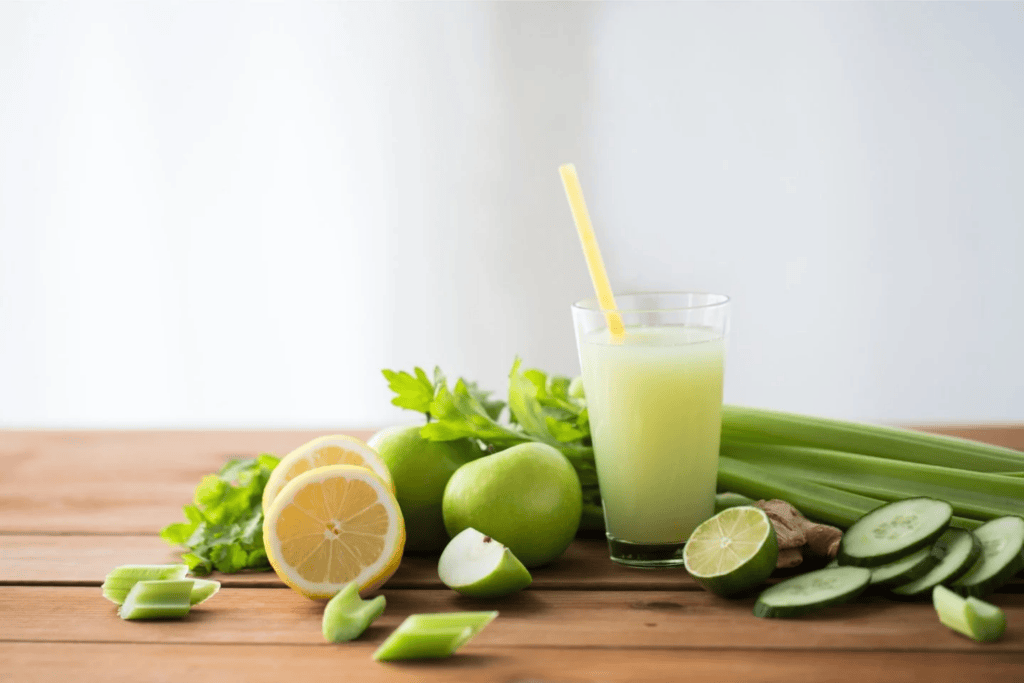
Achtsame Essgewohnheiten, die auf Portionskontrolle und ausgewogene Mahlzeiten abzielen, können die Genesung weiter fördern, da sie sicherstellen, dass der Körper ausreichend mit Nährstoffen versorgt wird, ohne dass es zu einem Übermaß an Genuss kommt. Letztendlich kann die Zusammenarbeit mit medizinischem Fachpersonal oder Ernährungsberatern bei der Erstellung eines individuellen Ernährungsplans dazu beitragen, dass Schlaganfallüberlebende ihre Ernährung optimieren, ihre Rehabilitationsbemühungen unterstützen und ihre langfristige Gesundheit fördern.
Die Unterstützung von Menschen nach einem Schlaganfall erfordert Geduld, Einfühlungsvermögen und praktische Hilfe. Beginnen Sie damit, eine offene Kommunikation zu fördern, die es den Betroffenen ermöglicht, ihre Gefühle und Sorgen auszudrücken, was dazu beitragen kann, Ängste und Frustrationen abzubauen. Führen Sie eine strukturierte Routine ein, die Rehabilitationsübungen, Medikamentenpläne und tägliche Aktivitäten umfasst, um ein Gefühl der Stabilität zu vermitteln. Bieten Sie Hilfe bei körperlichen Aufgaben wie Mobilität und Körperpflege an und fördern Sie dabei nach Möglichkeit die Unabhängigkeit. Achten Sie auf die emotionalen Bedürfnisse der Betroffenen. Viele Überlebende eines Schlaganfalls leiden unter Depressionen oder Stimmungsschwankungen, daher kann es sehr hilfreich sein, ein offenes Ohr zu haben und sie zu unterstützen. Binden Sie sie in soziale Aktivitäten ein, um die Verbindung zu Freunden und Familie aufrechtzuerhalten, was ihre Moral und ihr emotionales Wohlbefinden stärken kann. Informieren Sie sich über den Genesungs- und Rehabilitationsprozess nach einem Schlaganfall, um die Herausforderungen und Bedürfnisse der Betroffenen besser zu verstehen. Ermutigen Sie sie schließlich, Hobbys oder Interessen nachzugehen, die ihnen Spaß machen, und passen Sie die Aktivitäten bei Bedarf an ihre Fähigkeiten an. Ihre unermüdliche Unterstützung kann einen wesentlichen Beitrag zur Genesung und zur allgemeinen Lebensqualität leisten.
Tigris-Tal, ein erstklassiges Behandlungszentrum für Schlaganfallpatienten in Kerala bietet einen integrierten und individuellen Genesungsansatz, bei dem die Verbindung von Körper, Geist und Seele im Vordergrund steht. Durch die Kombination traditioneller ayurvedischer Praktiken wie personalisierte Ernährungspläne, pflanzliche Heilmittel, Yoga und Achtsamkeitstechniken können die Patienten eine bessere Heilung und eine höhere Lebensqualität erfahren. Die friedliche Umgebung des Tigris Valley Wellness Retreat unterstützt diese Reise zusätzlich und ermöglicht es den Menschen, sich in einer ruhigen Umgebung auf ihr Wohlbefinden zu konzentrieren. Durch eine Kombination aus fachkundiger Anleitung und dem Engagement für natürliche Heilung bieten wir Überlebenden eines Schlaganfalls eine einzigartige Gelegenheit, ihre Gesundheit und Vitalität wiederzuerlangen, ihre Widerstandsfähigkeit zu fördern und sie auf ihrem Weg zur Genesung zu unterstützen.