[gtranslate]
MENÜ
Das Leben mit einer Autoimmunerkrankung kann überwältigend sein - unvorhersehbare Krankheitsschübe, chronische Entzündungen und ständige Müdigkeit beeinträchtigen das tägliche Leben. Herkömmliche Behandlungen konzentrieren sich oft auf die Symptombehandlung und übersehen dabei einen entscheidenden Faktor: Ernährung.... Ernährung. Die richtigen Ernährungsentscheidungen können einen Wandel bewirken, indem sie Entzündungen reduzieren, das Immunsystem stärken und das Gleichgewicht wiederherstellen. Das Verstehen der Rolle der Ernährung bei der Behandlung von Autoimmunkrankheiten gibt Ihnen die Möglichkeit, Ihre Gesundheit auf natürliche und wirksame Weise in die Hand zu nehmen.
Das Fazit vorweg: Die Ernährung ist ein Eckpfeiler der Behandlung von Autoimmunkrankheiten. Eine entzündungshemmende, nährstoffreiche Ernährung kann die Symptome lindern, Krankheitsschübe verhindern und das Gleichgewicht des Immunsystems unterstützen - eine Hoffnung, die über pharmazeutische Maßnahmen allein hinausgeht.
Autoimmunkrankheiten treten auf, wenn das Immunsystem fälschlicherweise gesundes Gewebe angreift, was zu chronischen Entzündungen und Gewebeschäden führt. Erkrankungen wie rheumatoide Arthritis, Lupus, Psoriasis, Hashimoto-Thyreoiditis, Multiple Sklerose und entzündliche Darmerkrankungen sind weltweit Millionen von Menschen betroffen und beeinträchtigen die Lebensqualität erheblich.
Der konventionelle Ansatz umfasst in der Regel immunsuppressive Medikamente, die zwar die Symptome lindern, aber oft auch Nebenwirkungen haben. Hier bieten sich die integrative Medizin und die Ernährungstherapie als wirksame ergänzende Strategien an, die die Ursachen und nicht nur die Symptome bekämpfen.
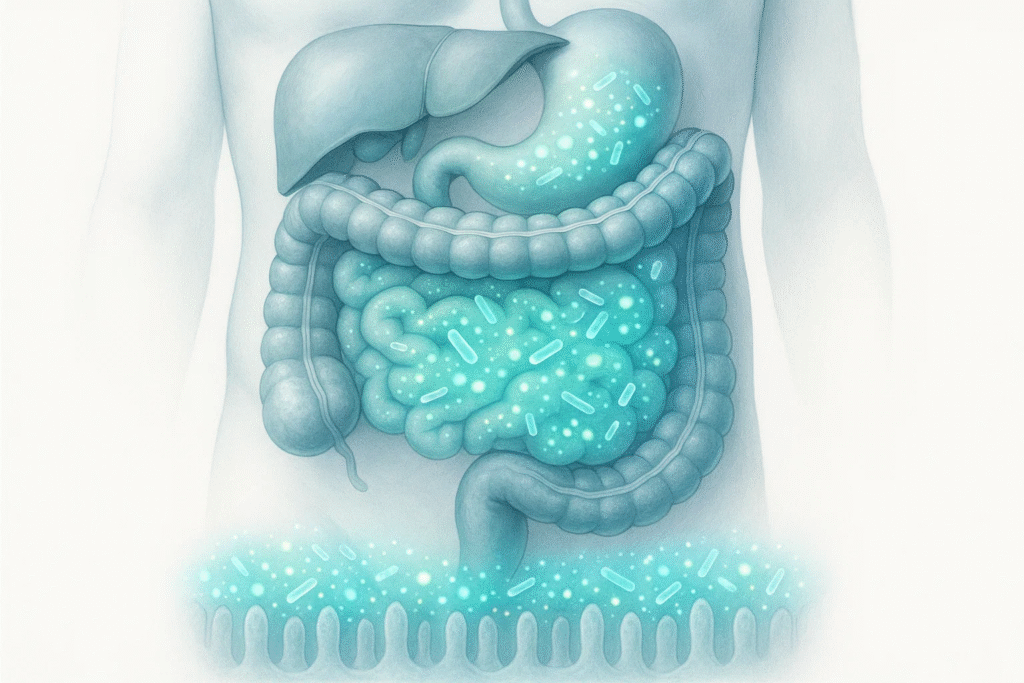
70% Ihres Immunsystems befinden sich in Ihrem Darm. Das Darmmikrobiom - Billionen von Bakterien, Pilzen und anderen Mikroorganismen - spielt eine entscheidende Rolle für die Immunfunktion. Wenn die Darmgesundheit durch falsche Ernährung, Stress oder Medikamente beeinträchtigt wird, kann dies Autoimmunreaktionen auslösen oder verschlimmern.
Ein Zustand, der als ‘undichter Darm’ oder erhöhte Darmdurchlässigkeit bezeichnet wird, lässt unverdaute Nahrungspartikel und Giftstoffe in den Blutkreislauf gelangen und kann Immunreaktionen auslösen. Eine strategische Ernährung kann die Darmschleimhaut heilen, das mikrobielle Gleichgewicht wiederherstellen und die Hyperaktivität des Immunsystems beruhigen.
Chronische Entzündungen sind das Markenzeichen aller Autoimmunerkrankungen. Während eine akute Entzündung schützend wirkt, schädigt eine anhaltende Entzündung das Gewebe und lässt die Krankheit fortbestehen. Viele Lebensmittel sind entweder entzündungsfördernd oder entzündungshemmend, was die Wahl der Ernährung zu einem wirksamen Instrument der Krankheitsbewältigung macht.
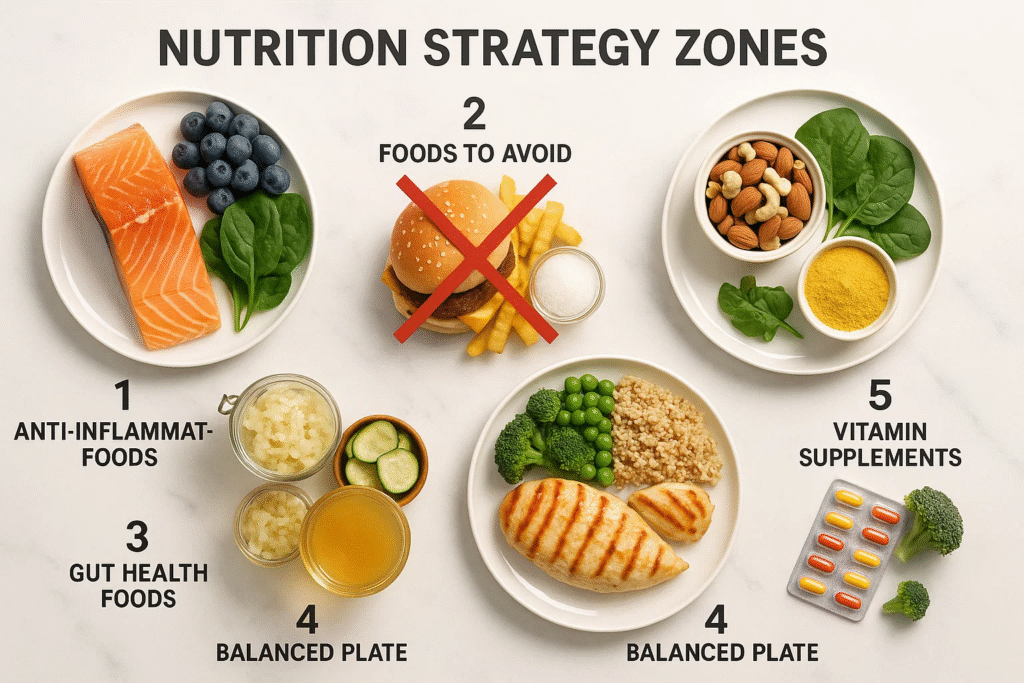
Die Grundlage einer autoimmunfreundlichen Ernährung ist die Reduzierung von Entzündungen durch nährstoffreiche, vollwertige Lebensmittel:
Bestimmte Lebensmittel können Entzündungen verschlimmern und Autoimmunschübe auslösen:
Die Heilung und Aufrechterhaltung der Darmintegrität ist für die Behandlung von Autoimmunkrankheiten unerlässlich:
Ein unausgewogener Blutzuckerspiegel trägt zu Entzündungen und Immunstörungen bei. Ausgewogene Mahlzeiten mit ausreichend Eiweiß, gesunden Fetten und komplexen Kohlenhydraten helfen, den Blutzucker zu stabilisieren, Insulinspitzen zu reduzieren und Entzündungsreaktionen zu minimieren.
Mehrere Vitamine und Mineralstoffe spielen eine entscheidende Rolle bei der Regulierung des Immunsystems:
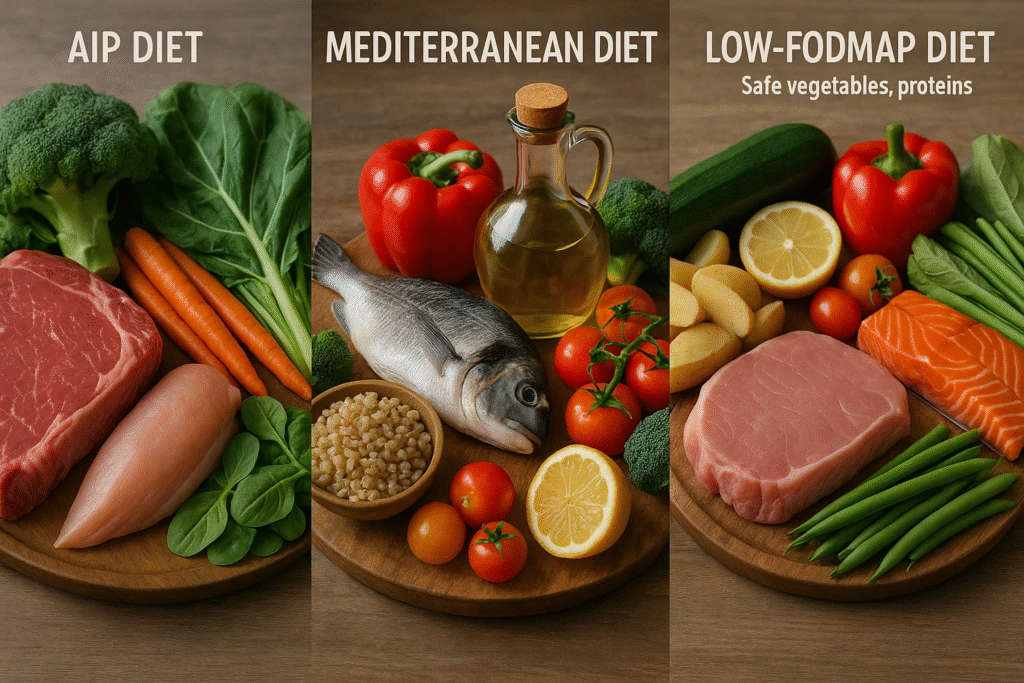
Die AIP-Diät ist eine strengere Version der Paleo-Diät, die speziell für Autoimmunerkrankungen entwickelt wurde. Sie verzichtet auf potenziell entzündliche Lebensmittel und konzentriert sich auf nährstoffreiche Optionen. Die Forschung zeigt, dass die AIP-Diät bei Erkrankungen wie entzündlichen Darmerkrankungen und Hashimoto-Thyreoiditis die Symptome deutlich reduzieren und die Lebensqualität verbessern kann.
Die mediterrane Ernährung ist reich an Obst, Gemüse, Vollkornprodukten, Fisch und Olivenöl und hat stark entzündungshemmende Eigenschaften. Mehrere Studien belegen ihren Nutzen für die Verringerung des Schweregrads von Autoimmunerkrankungen und die Vorbeugung kardiovaskulärer Komplikationen, die bei Autoimmunerkrankungen häufig auftreten.
Bei Autoimmunerkrankungen mit erheblichen Verdauungssymptomen kann eine FODMAP-arme Ernährung Blähungen, Blähungen und Bauchschmerzen reduzieren, indem sie fermentierbare Kohlenhydrate eliminiert, die problematische Darmbakterien ernähren.

Die Ernährung ist zwar von zentraler Bedeutung, doch die Behandlung von Autoimmunkrankheiten erfordert einen umfassenden Ansatz. Unter Tigris-Tal Wellness-Rückzug, Wir wissen, dass wahre Heilung den Geist, den Körper und die Seele umfasst.
Unser Programm zur Bewältigung von Autoimmunkrankheiten kombiniert personalisierte Ernährungspläne mit Ayurveda, Unani-Medizin, funktioneller Medizin und Naturtherapie. Dieser integrative Ansatz befasst sich nicht nur mit den Symptomen, sondern mit den Ursachen und bietet:
Für Menschen, die mit chronischen Entzündungen und Schmerzen zu kämpfen haben, ist unser Programm zur Behandlung chronischer Schmerzen und Entzündungen bietet gezielte Linderung durch integrative Therapien, die synergetisch mit optimaler Ernährung wirken.

Chronischer Stress erhöht den Cortisolspiegel, schwächt die Immunfunktion und löst Entzündungen aus. Unser Programm zur Erholung von Stress und Burnout lehrt nachhaltige Techniken zur Stressreduzierung, die für die Bewältigung von Autoimmunkrankheiten unerlässlich sind.
Schlaf ist die Zeit, in der der Körper repariert und regeneriert. Schlechter Schlaf stört die Immunfunktion und erhöht die Entzündungsmarker. Streben Sie nach 7-9 Stunden Qualitätsschlaf pro Nacht in einer kühlen, dunklen Umgebung.
Sanfte Übungen wie Yoga, Schwimmen oder Spazierengehen wirken entzündungshemmend und verbessern die Stimmung, ohne den Körper zu überanstrengen. Unsere naturbasierten Therapien beinhalten Bewegung in einer ruhigen Umgebung und fördern sowohl das körperliche als auch das geistige Wohlbefinden.
Umweltgifte aus Reinigungsmitteln, Körperpflegeprodukten und Umweltverschmutzung tragen zur Dysregulation des Immunsystems bei. Unser Entgiftungs- und Reinigungsprogramm hilft, angesammelte Giftstoffe zu beseitigen und gleichzeitig nachhaltige Praktiken zur Minimierung künftiger Belastungen zu vermitteln.
Führen Sie ein detailliertes Ernährungstagebuch, in dem Sie 2-4 Wochen lang Mahlzeiten, Symptome und Schübe festhalten. Auf diese Weise lassen sich spezifische Nahrungsmittelüberempfindlichkeiten und -muster erkennen. Ziehen Sie in Erwägung, mit einem Gesundheitsdienstleister zusammenzuarbeiten, um eine umfassende Untersuchung der Nahrungsmittelempfindlichkeit durchzuführen.
Verzichten Sie 30-60 Tage lang auf gängige entzündungsfördernde Lebensmittel: Gluten, Milchprodukte, verarbeiteten Zucker, Alkohol und verarbeitete Lebensmittel. Dieser ‘Reset’ ermöglicht es Ihrem Körper, sich zu heilen, und schafft eine Ausgangsbasis für die Wiedereinführung.
Führen Sie nach der Eliminierungsphase alle 3 bis 5 Tage ein Lebensmittel nach dem anderen wieder ein und achten Sie auf Reaktionen. So lässt sich feststellen, welche Lebensmittel Sie vertragen und welche die Symptome verschlimmern.
Erstellen Sie einen nachhaltigen Ernährungsplan, der sich auf verträgliche, entzündungshemmende Lebensmittel konzentriert. Legen Sie Wert auf Abwechslung, wenn möglich biologisch angebaute Lebensmittel und ausreichend Eiweiß und gesunde Fette bei jeder Mahlzeit.
Die Zusammenarbeit mit Ärzten für integrative Medizin gewährleistet personalisierte Protokolle. Unter Tigris-Tal, unser Programm zur Behandlung von Stoffwechselstörungen umfasst neben den medizinischen Behandlungen eine umfassende Ernährungsberatung, um optimale Ergebnisse zu erzielen.

Die Forschung zeigt immer wieder die Auswirkungen der Ernährung auf Autoimmunkrankheiten. Studien an Patienten mit rheumatoider Arthritis, die sich entzündungshemmend ernähren, zeigen einen deutlichen Rückgang von Gelenkschmerzen, Schwellungen und Morgensteifigkeit. Bei Lupus-Patienten, die sich mediterran ernähren, treten weniger Krankheitsschübe auf und die kardiovaskulären Marker verbessern sich.
Die Gäste unserer ganzheitlichen Programme im Tigris Valley berichten über dramatische Verbesserungen - geringere Medikamentenabhängigkeit, mehr Energie, weniger Schmerzen und eine bessere Lebensqualität. Unser Anti-Aging- und Langlebigkeits-Programm zeigt, dass die richtige Ernährung in Kombination mit Stressbewältigung und Entgiftung eine dauerhafte Veränderung des Wohlbefindens bewirkt.

Bei Menschen mit familiärer Vorbelastung oder frühen Autoimmunmarkern können präventive Ernährungsstrategien den Ausbruch der Krankheit verzögern oder sogar verhindern. Konzentrieren Sie sich auf die Erhaltung der Darmgesundheit, die Minimierung entzündungsfördernder Nahrungsmittel, die Bewältigung von Stress und die Unterstützung eines optimalen Vitamin-D-Spiegels von klein auf.
Die Ernährung wirkt synergetisch mit anderen therapeutischen Ansätzen:

Die natürliche Behandlung von Autoimmunkrankheiten durch die Ernährung ist nicht nur möglich, sondern auch wirkungsvoll. Wenn Sie die Rolle der Ernährung bei der Behandlung von Autoimmunkrankheiten verstehen und strategische Ernährungsumstellungen vornehmen, können Sie Entzündungen reduzieren, Ihre Immunität stärken und Ihre Vitalität zurückgewinnen.
Unter Tigris-Tal Wellness-Rückzug, Eingebettet in die ruhigen Berge Keralas, bieten wir die perfekte Umgebung für eine heilende Transformation. Unser integrativer Ansatz verbindet alte Weisheit mit moderner Wissenschaft und bietet personalisierte Ernährungspläne innerhalb umfassender Wellness-Programme.
Ganz gleich, ob Sie Linderung von chronischen Symptomen, Präventionsstrategien oder Unterstützung nach der Genesung suchen, unser Expertenteam erstellt maßgeschneiderte Protokolle, die auf Ihre individuellen Bedürfnisse zugeschnitten sind. Von unserem Programm für Krebshilfe und Palliativmedizin zu unserem Programm für kardio-metabolische Gesundheit und Erholung, Die Ernährung bildet die Grundlage jeder Heilungsreise.
Die Ernährung kann Autoimmunkrankheiten zwar nicht ‘heilen’, aber sie kann die Symptome erheblich lindern, Krankheitsschübe verhindern und die Lebensqualität verbessern. Viele Patienten erreichen durch umfassende Änderungen des Lebensstils, einschließlich einer optimalen Ernährung, eine Remission, obwohl eine ärztliche Überwachung für die Krankheitsüberwachung wichtig bleibt.
Die beste Diät ist je nach Person und Zustand unterschiedlich. Das Autoimmunprotokoll (AIP), die mediterrane Ernährung und entzündungshemmende Ansätze sind gut belegt. Der effektivste Plan entsteht durch die Zusammenarbeit mit dem Gesundheitsdienstleister, um persönliche Auslöser und Empfindlichkeiten zu ermitteln.
Die meisten Menschen bemerken innerhalb von 2 bis 4 Wochen nach dem Verzicht auf entzündungsfördernde Lebensmittel eine Verbesserung, obwohl deutliche Veränderungen 3 bis 6 Monate dauern können. Die Heilung des Darms und die Wiederherstellung des Gleichgewichts des Immunsystems erfordern Geduld und Konsequenz.
Viele Autoimmunpatienten profitieren vom Verzicht auf Gluten, insbesondere diejenigen mit Zöliakie, Hashimoto oder rheumatoider Arthritis. Eine versuchsweise Eliminierung (30-60 Tage) mit anschließender Wiedereinführung hilft, die individuelle Empfindlichkeit zu ermitteln.
Auch wenn die Ernährung die wichtigste Nährstoffquelle sein sollte, hilft eine gezielte Nahrungsergänzung oft, den bei Autoimmunkrankheiten häufig auftretenden Mangel zu beheben - insbesondere bei Vitamin D, Omega-3-Fettsäuren, Probiotika und bestimmten Mineralien. Professionelle Tests ermitteln den spezifischen Bedarf.
Viele Patienten reduzieren unter ärztlicher Aufsicht erfolgreich die Medikamentendosierung, wenn sich die Symptome durch die Ernährungstherapie verbessern. Setzen Sie verschriebene Medikamente jedoch niemals ohne Rücksprache mit Ihrem Arzt ab.
Konzentrieren Sie sich auf nährstoffreiche Lebensmittel, die die Immunität eher modulieren als stimulieren: fetter Fisch, Blattgemüse, buntes Gemüse, Beeren, Knochenbrühe, fermentierte Lebensmittel und entzündungshemmende Gewürze wie Kurkuma und Ingwer.
Der Darm beherbergt 70% der Immunzellen und beeinflusst die systemische Entzündung. Eine gestörte Darmbarriere (‘undichter Darm’) lässt entzündliche Stoffe in den Blutkreislauf gelangen und löst so Immunreaktionen aus. Die Heilung der Darmschleimhaut durch Ernährung verringert die Autoimmunaktivität.
Ja, chronischer Stress beeinträchtigt die Verdauung, verringert die Nährstoffaufnahme und verstärkt Entzündungen. Die Kombination von Ernährungstherapie und Stressmanagement - durch Programme wie unser Stress & Burnout Recovery Program - optimiert die Heilungsergebnisse.
Omega-3-Fettsäuren (EPA und DHA) besitzen starke entzündungshemmende Eigenschaften und reduzieren die Produktion von Entzündungszytokinen. Die Forschung zeigt, dass sie die Krankheitsaktivität bei rheumatoider Arthritis, Lupus und entzündlichen Darmerkrankungen verringern.
Unbedingt. Eine entzündungshemmende Ernährung bietet dauerhafte Vorteile bei der Behandlung von Autoimmunerkrankungen: Sie verringert die Häufigkeit von Schüben, verbessert den allgemeinen Gesundheitszustand und beugt Sekundärkomplikationen vor. Sie wird zu einem nachhaltigen Lebensstil und nicht zu einer vorübergehenden Maßnahme.
Wenn Sie die Rolle der Ernährung bei der Behandlung von Autoimmunkrankheiten verstehen und umsetzen, können Sie eine aktive Rolle auf Ihrem Heilungsweg übernehmen. Das Essen auf Ihrem Teller wird zur Medizin, die Entzündungen reduziert, das Gleichgewicht des Immunsystems unterstützt und die Vitalität wiederherstellt.
Sind Sie bereit, Ihre Gesundheit durch integrative, personalisierte Pflege zu verbessern? Beratungstermin vereinbaren mit unserem Expertenteam im Tigris Valley Wellness Retreat. Erleben Sie die heilende Kraft der Kombination von optimaler Ernährung mit alter Weisheit und moderner Wissenschaft in unserem ruhigen Bergheiligtum.
Ihre Reise zu einer ausgewogenen Gesundheit beginnt mit einem einzigen Schritt.