
[gtranslate]
القائمة
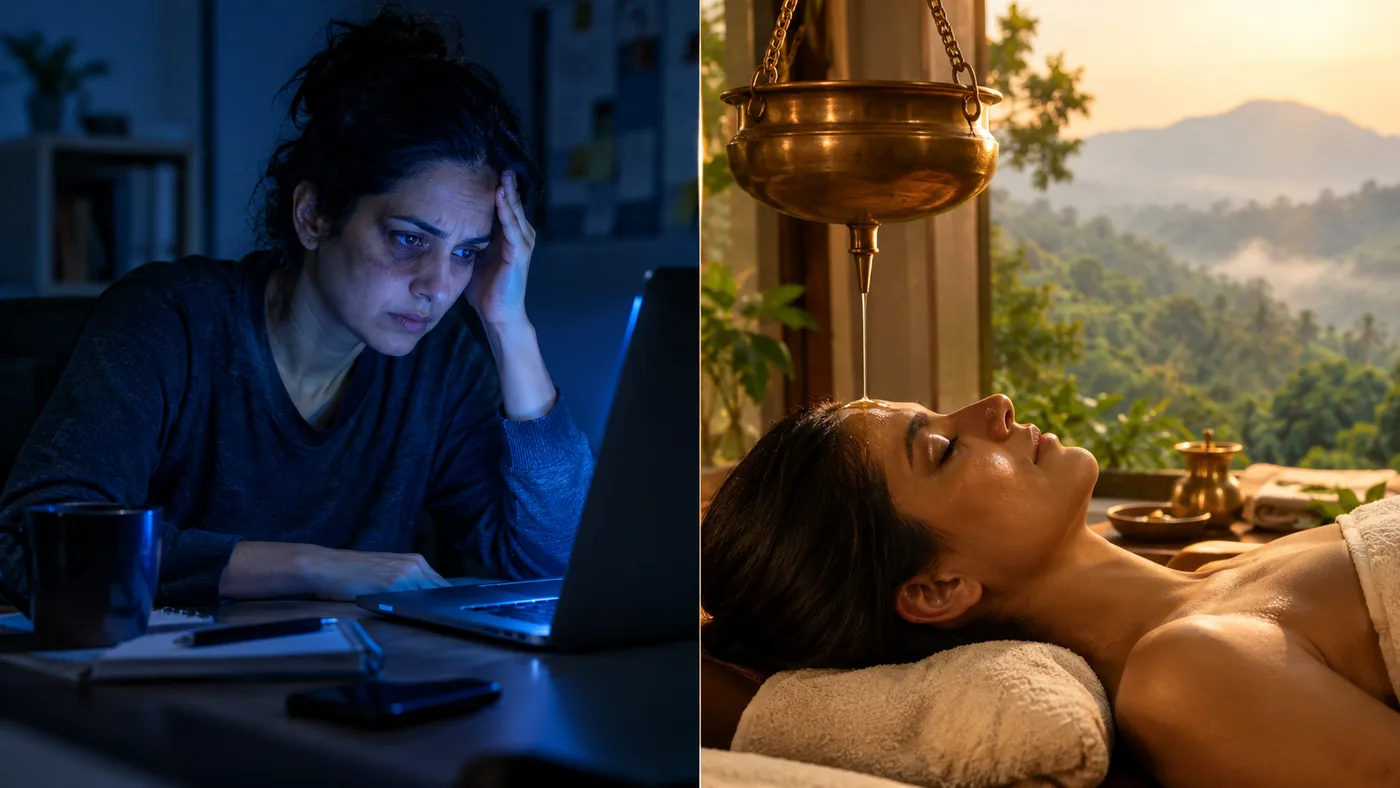
لقد نفذت كل ما أوصى به طبيبك الأمريكي أو الكندي — ومع ذلك ما زلت غير معافى. لست مريضًا بشكل خطير بما يكفي لتدخل علاجي مكثف، لكن حالتك تظل بشكل مزمن دون مستواك الطبيعي: التعب المستمر، ونوبات الالتهاب، والاضطراب الأيضي، والإرهاق الذي لا يزول حتى بعد أسبوع من الراحة عن العمل. لقد سمعت أن طب الأيورفيدا في ولاية كيرالا فعال. وتريد أن تعرف ما إذا كان ذلك حقيقيًّا من الناحية الطبية، وما إذا كان آمنًا لمن يتناول أدويتك، وكيف يقارن فعليًّا بما تتوفر عليه بالفعل في بلدك. هذا هو ذلك الدليل — الذي كُتب خصيصًا للمرضى في أمريكا الشمالية.
📋 جدول المحتويات
تتمتع الولايات المتحدة وكندا بخدمات رعاية طبية حادة على مستوى عالمي. كما يشهد كلا البلدين نموًا في قطاع الطب التكاملي — بما في ذلك عيادات الطب الوظيفي، وممارسي الطب الطبيعي، ومستشاري الأيورفيدا، ومراكز العافية المتخصصة في العلاج بالحقن الوريدي. فلماذا يسافر آلاف الأمريكيين الشماليين جواً لمدة تزيد عن 20 ساعة إلى ولاية كيرالا؟
الجواب ذو طابع هيكلي، وليس تفضيليًّا. وهناك أربع ثغرات محددة في نظام الرعاية الصحية التكاملي في أمريكا الشمالية تدفع باستمرار إلى اتخاذ هذا القرار:
تُمارس الأيورفيدا في الولايات المتحدة وكندا بشكل أساسي من خلال مراكز العافية الخاصة والمستشارين المتخصصين في الأيورفيدا الحاصلين على شهادات من معاهد خاصة — وليس من خلال شهادات طبية خاضعة لرقابة الحكومة. ويتطلب بروتوكول «بانشاكارما» السريري الكامل — «سنيهابانام»، و«فيرشانام»، و«باستي» — طبيباً حاصلاً على شهادة «بامس» (شهادة طبية معتمدة من الحكومة مدتها 5.5 سنوات) لإجراء هذه الإجراءات بأمان وفعالية. ولا تُتاح هذه الإجراءات قانونياً كعلاجات طبية في كل من الولايات المتحدة وكندا.
ما تقدمه معظم مراكز الأيورفيدا في أمريكا الشمالية هو نسخة معدلة وسطحية — تدليك «أبهيانغا»، وشاي الأعشاب، والاستشارات الغذائية. ولهذا الأمر قيمته. لكنه ليس «بانشاكارما». وهذا التمييز مهم للغاية بالنسبة للمرضى الذين يعانون من حالات مزمنة حقيقية.
يتطلب تجميع مجموعة الأدوات السريرية المكافئة لبرنامج «وادي دجلة» من مقدمي الخدمات في أمريكا الشمالية زيارة عدد من المتخصصين: طبيب في الطب الوظيفي، وأخصائي طب طبيعي، وعيادة للعلاج الوريدي، وأخصائي تدليك، ومدرب يوغا وتأمل، وأخصائي تغذية، وربما مستشار في الصحة النفسية. ويحصل كل منهم على أتعابه بشكل منفصل، ولا يوجد تنسيق بينهم، وعادةً ما تصل التكلفة الشهرية الإجمالية للرعاية التكاملية الشاملة حقًّا في الولايات المتحدة إلى عدة آلاف من الدولارات — مع تغطية تأمينية ضئيلة.
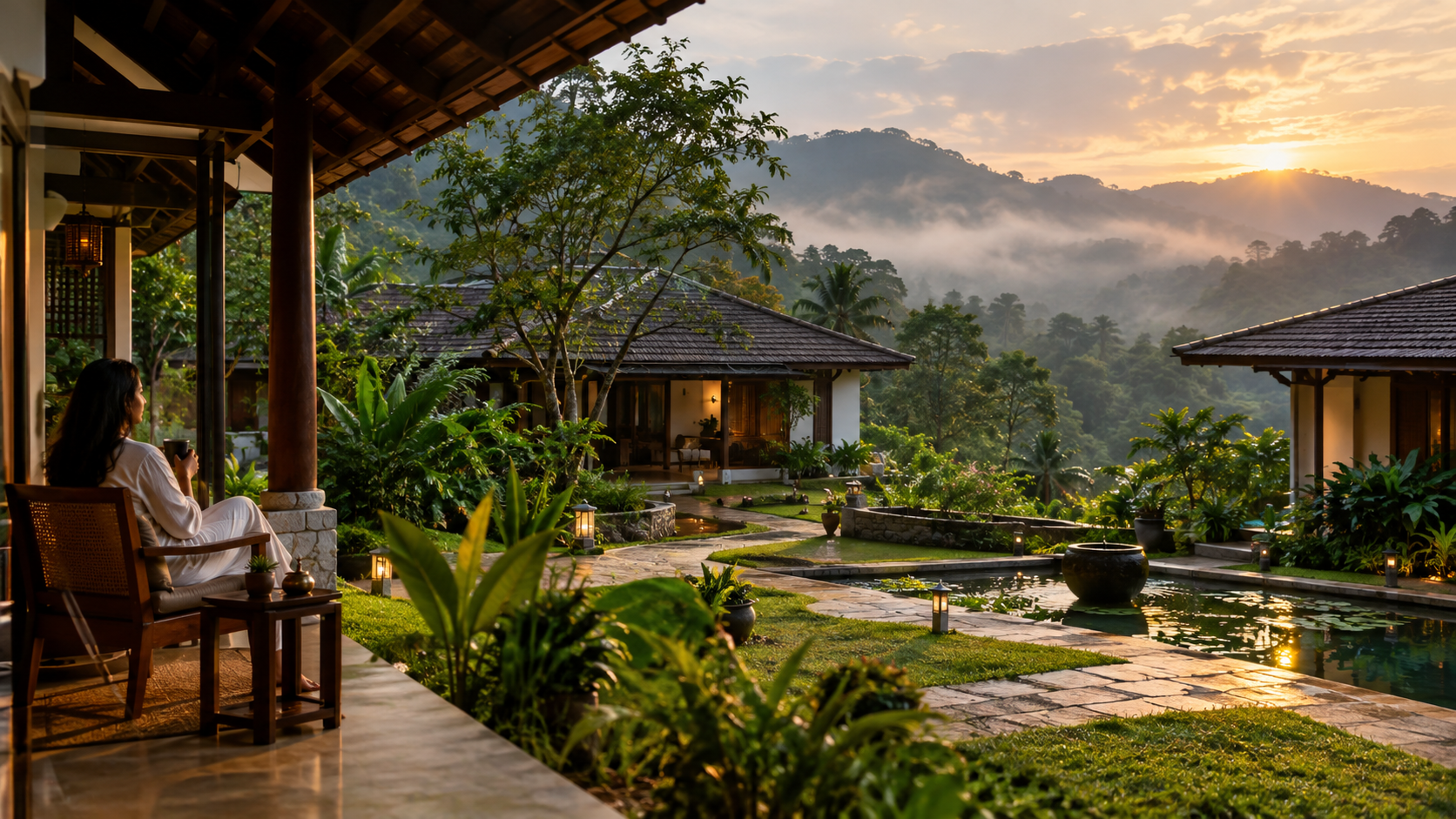
إن القيمة العلاجية للبرنامج الداخلي — الذي يُبعَد فيه المريض عن البيئة اليومية المسببة لمشكلته الصحية، ويُقدَّم له بروتوكول علاجي منظم على مدار الساعة، ويُحاط ببيئة طبيعية مواتية بشكل خاص للشفاء — لا يمكن استبدالها بمواعيد أسبوعية. فالطبيعة الغامرة والمستمرة للبرنامج الداخلي الذي يستمر من 14 إلى 21 يومًا تُحدث تغييرات فسيولوجية نادرًا ما تحققها الرعاية التكاملية للمرضى الخارجيين، مهما كانت كفاءتها.
يتميز كل من نظامي الرعاية الصحية في الولايات المتحدة وكندا بالتدخل الفعال في الحالات الحادة — مثل الرعاية الطارئة، ونتائج العمليات الجراحية، وإدارة الأزمات الدوائية. لكن كلا النظامين يعانيان باستمرار من ضعف الأداء في معالجة الحالات المزمنة التي تنجم عن نمط الحياة، والتي تستهدف الأيورفيدا والطب الوظيفي معالجتها على وجه التحديد، مثل: متلازمة التمثيل الغذائي، ونوبات أمراض المناعة الذاتية، والإرهاق، واضطرابات الجهاز الهضمي، والاختلالات الهرمونية، والألم المزمن. ويُعد التباين الهيكلي بين الحالات المرضية التي يعاني منها سكان أمريكا الشمالية والرعاية التي توفرها أنظمة الرعاية الصحية لديهم الدافع الرئيسي لسياحة العافية الطبية إلى ولاية كيرالا.
وادي دجلة — أكبر مستشفى للصحة الشاملة في جنوب آسيا، والذي يدمج منهج «أيوش» (AYUSH) ويحمل اعتماد «نابه» (NABH) — يعمل بنموذج سريري لا يوجد له نظير محدد في أمريكا الشمالية. إن فهم ما يتضمنه هذا النموذج على وجه التحديد هو الإطار الأكثر فائدة لأي مريض أمريكي أو كندي يدرس فكرة السفر إلى هناك:
الكلمة الحاسمة هي في الوقت نفسه. لا تُقدَّم هذه الأنظمة الخمسة كقائمة تختار منها — بل يتم دمجها في بروتوكول صممه الأطباء يرتب تفاعلاتها بشكل مدروس. يوفر العلاج الغذائي عن طريق الوريد اللبنات الأساسية الخلوية اللازمة لإصلاح الأنسجة، والتي تعمل إجراءات «بانشاكارما» على تحريكها وإزالة العوائق التي تعترضها. ويقلل «الاستحمام في الغابة» من مستوى الكورتيزول الذي كان سيقمع عملية إعادة ضبط جهاز المناعة لولا ذلك. أما العلاج السلوكي المعرفي (CBT) فيعالج الأنماط النفسية التي تعيد إنتاج الظروف الفسيولوجية قيد العلاج. هذا هو الطب النظامي — وليس مجرد قائمة بالعلاجات.
يصل الأمريكيون الشماليون الذين يسافرون إلى وادي دجلة وهم يعانون من مجموعة متشابهة بشكل لافت للنظر من الأعراض الصحية — وهي حالات تم التحكم فيها ولكن لم يتم علاجها بالكامل بواسطة الطب التقليدي في أمريكا الشمالية:
يُعد الإرهاق اللاحق للوباء، والإرهاق الناتج عن أعراض «كوفيد طويل الأمد»، واختلال توازن محور الغدة الكظرية-المهارة (HPA) الناجم عن الإجهاد المهني المستمر من بين الأعراض الأكثر شيوعًا. إن برنامج التعافي من الإجهاد والإرهاق تعالج «تايجريس فالي» هذه المشكلات من خلال تقنية «شيرودارا» (التي ثبتت فعاليتها في تهدئة الجهاز العصبي)، وحقن المغنيسيوم الوريدي، وحقن الليفوكارنيتين الوريدي (الذي ثبتت فعاليته في تقليل التعب)، والاستحمام الغابي (الذي ثبتت فعاليته في خفض مستوى الكورتيزول)، والعلاج السلوكي المعرفي — وذلك عبر برامج إقامة مدتها 7 أو 14 أو 21 يومًا.
يصل مرضى التهاب المفاصل الروماتويدي، والصدفية، والتهاب الغدة الدرقية هاشيموتو، والذئبة، وأمراض الأمعاء الالتهابية، والتصلب المتعدد من جميع أنحاء أمريكا الشمالية بعد أن جربوا مسار العلاج الدوائي، بحثًا عن علاج يعالج جذور الالتهاب والمشاكل المناعية في الأمعاء دون تحمل عبء الآثار الجانبية المثبطة للمناعة. إن برنامج إدارة اضطرابات المناعة الذاتية يجمع بين العلاج بالبانشاكارما، والعلاج بالأوزون (الذي ثبت فعاليته في تعديل استجابة الجهاز المناعي)، وإعطاء NAC عن طريق الوريد (الذي ثبت فعاليته في حالات الإجهاد المرتبط بأمراض المناعة الذاتية)، واستعادة صحة الأمعاء.
الحالات المزمنة الأكثر انتشارًا في أمريكا الشمالية — وهي الحالات التي تعاني باستمرار من نقص الرعاية من جانب نظام الرعاية الصحية الذي يركز على إدارة مستويات الجلوكوز عن طريق الأدوية بدلاً من معالجة الأسباب الجذرية من خلال استعادة التوازن الأيضي. إن برنامج إدارة الاضطرابات الاستقلابية يعالج مقاومة الأنسولين من خلال حقن حمض ألفا ليبويك عن طريق الوريد (الذي ثبتت فعاليته في تحسين حساسية الأنسولين)، والعلاج بالأوزون، والمشي في الغابات (الذي ثبتت فعاليته في تحقيق التوازن الهرموني)، وبرنامج «بانشاكارما» للتخلص من السموم، والنظام الغذائي العضوي العلاجي من مزرعة «مازرا».
تُعدُّ الألم العضلي الليفي، وآلام الظهر والمفاصل المزمنة، والألم ما بعد الجراحة الذي لا يُعالج بشكل كافٍ بوصفات الأفيونيات، وحالات الألم الالتهابية، من بين أكثر الحالات شيوعًا بشكل مستمر. و برنامج إدارة الآلام المزمنة والالتهابات تقدم مجموعة من العلاجات تشمل الباستي، والأبيانغا، والعلاج الوريدي بـ«ALA» (الذي ثبت فعاليته في الحد من الالتهاب المزمن)، والوخز بالإبر، والعلاج الطبيعي، وذلك في إطار برنامج متكامل.
يتزايد عدد الأمريكيين الشماليين المهتمين بصحتهم والذين تتراوح أعمارهم بين الأربعينات والخمسينات، والذين يسعون إلى إعادة ضبط أجسامهم على المستوى الخلوي قبل أن تصيبهم الأمراض المزمنة. إن برنامج مكافحة الشيخوخة وطول العمر يجمع بين علاج «راسايانا»، وحقن الجلوتاثيون الوريدي، وتحسين التوازن الهرموني من خلال الطب الوظيفي، وبرنامج «بانشاكارما» الكامل، والتشخيصات المتقدمة بما في ذلك تقييم الإجهاد التأكسدي والتحليل الهرموني.
الأشخاص في أمريكا الشمالية الذين يتعافون من جراحات العظام أو العمود الفقري أو القلب أو البطن، والذين يبحثون عن إعادة تأهيل أكثر شمولاً مما توفره العلاج الطبيعي في العيادات الخارجية. الـ برنامج ما بعد الصدمة وإعادة التأهيل يجمع بين علاج «أبيانغا» (الذي ثبت فعاليته في إصلاح الأنسجة)، وحقن فيتامين C عن طريق الوريد (الذي ثبت فعاليته في تكوين الكولاجين والتئام الجروح)، والعلاج الطبيعي، والعلاج المائي، في إطار بروتوكول إقامة منسق.
لقد اعتاد المرضى في أمريكا الشمالية على المعايير السريرية التي يمكن التحقق منها — وهم محقون في ذلك. إن فهم المعنى العملي لاعتماد «تيغريس فالي» من قبل NABH يزيل أكبر مصدر للريبة في اتخاذ هذا القرار.
| ما يريد سكان أمريكا الشمالية معرفته | إجابة وادي دجلة |
|---|---|
| هل الأطباء مؤهلون فعلاً؟ | بكالوريوس الطب والجراحة الأيورفيدية (BAMS) — شهادة طبية معتمدة من الحكومة مدتها 5.5 سنوات وتخضع لإشراف وزارة AYUSH الهندية. وهي تعادل من حيث مستوى التنظيم الحكومي درجة الدكتوراه في الطب (MD) في النظام الطبي الهندي. |
| هل تخضع المنشأة لتفتيش وتحقق مستقلين؟ | يشمل اعتماد NABH — وهو مجلس الاعتماد الوطني للمستشفيات ومقدمي الرعاية الصحية في الهند — بروتوكولات سلامة المرضى، والحوكمة السريرية، ومعايير السجلات الطبية، ومتطلبات الأطباء المؤهلين، ومكافحة العدوى. وهو المعادل الهندي لأطر الاعتماد الدولية للمستشفيات. |
| ماذا يحدث إذا تعرضت لحالة طبية طارئة؟ | تعد المساعدة الطبية المتوفرة على مدار الساعة طوال أيام الأسبوع إحدى الميزات المؤكدة لهذه المنشأة باعتبارها مؤسسة على مستوى المستشفيات. ويتم التعامل مع حالات الطوارئ الحادة التي تتطلب رعاية مستشفى تقليدية من خلال تقييم فوري من قبل الأطباء والإحالة المناسبة — ولا يُترك للضيف أن يتدبر أمره بنفسه. |
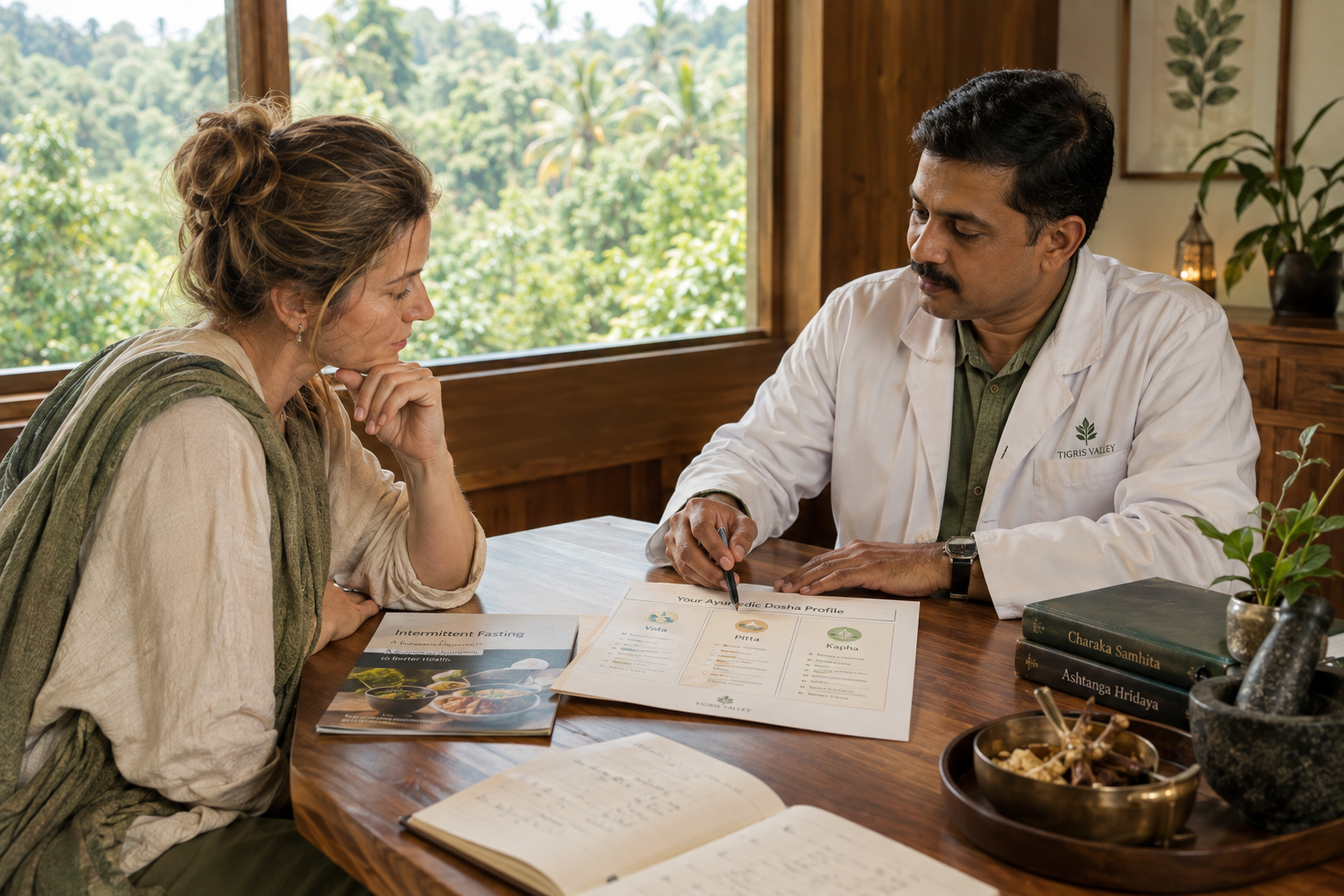
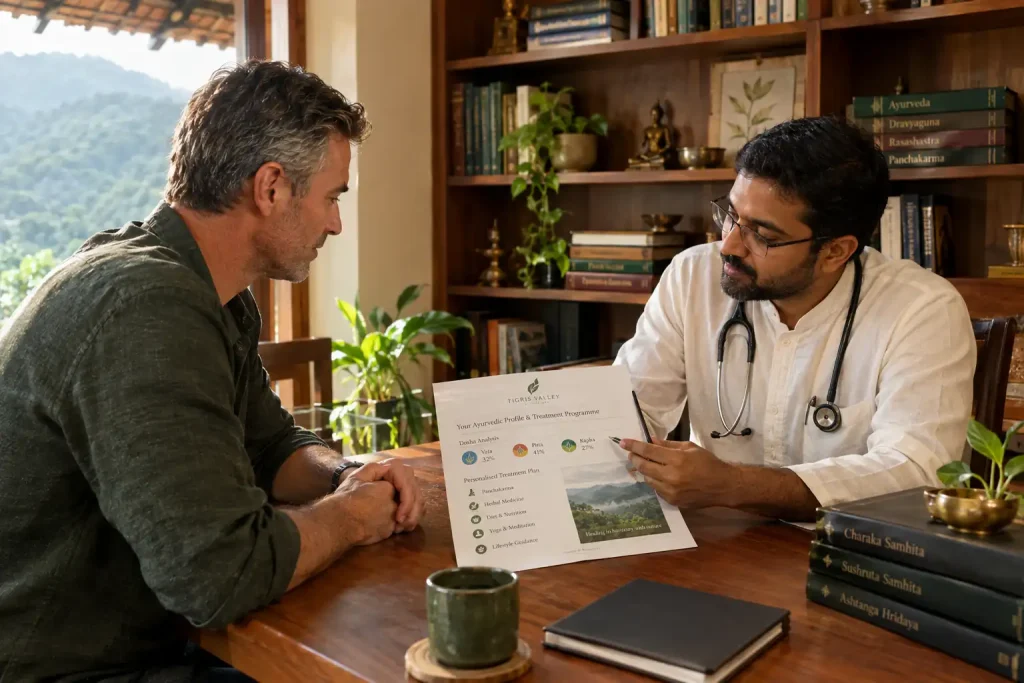
| هل سيتم تقييم أدويتي للتأكد من عدم وجود تفاعلات دوائية؟ | نعم — تتضمن الاستشارة الطبية قبل الوصول مراجعةً دقيقةً لجميع الأدوية التي يتناولها الضيف حاليًا. ولا يتم وصف أي مستحضرات عشبية دون إجراء هذه المراجعة. وبالنسبة للضيوف الذين يتبعون أنظمة علاجية دوائية معقدة (مثبطات المناعة، ومضادات التخثر، وأدوية القلب، والعلاجات البيولوجية)، فإن هذا التقييم يمثل الأساس السريري لتصميم البرنامج. |
| هل يمكنني التحدث باللغة الإنجليزية طوال الوقت؟ | استشارات طبية كاملة باللغة الإنجليزية، وشرح البرامج، وخدمات الضيافة طوال فترة الإقامة. لا توجد حواجز لغوية على المستوى السريري. |
| كيف يمكن مقارنة حجم المنشأة بالمنشآت الأخرى؟ | تم الاعتراف به كأكبر مستشفى للصحة والرفاهية في جنوب آسيا يدمج نهج «أيوش» — حيث يوفر العمق السريري، وتنوع فريق الأخصائيين، ومعايير المرافق التي توفرها مؤسسة كبيرة بشكل أكثر موثوقية مقارنة بمركز استجمام صغير. |
يتم تخصيص كل برنامج من برامج «تيغريس فالي» من خلال استشارة طبية — إلا أن البرامج التالية هي الأكثر توافقًا مع الأنماط الصحية التي عادةً ما يصل بها الضيوف القادمون من أمريكا الشمالية:
تصفح النسخة الكاملة صفحة برامج وادي دجلة للاطلاع على التفاصيل الكاملة لجميع الخيارات المتاحة.
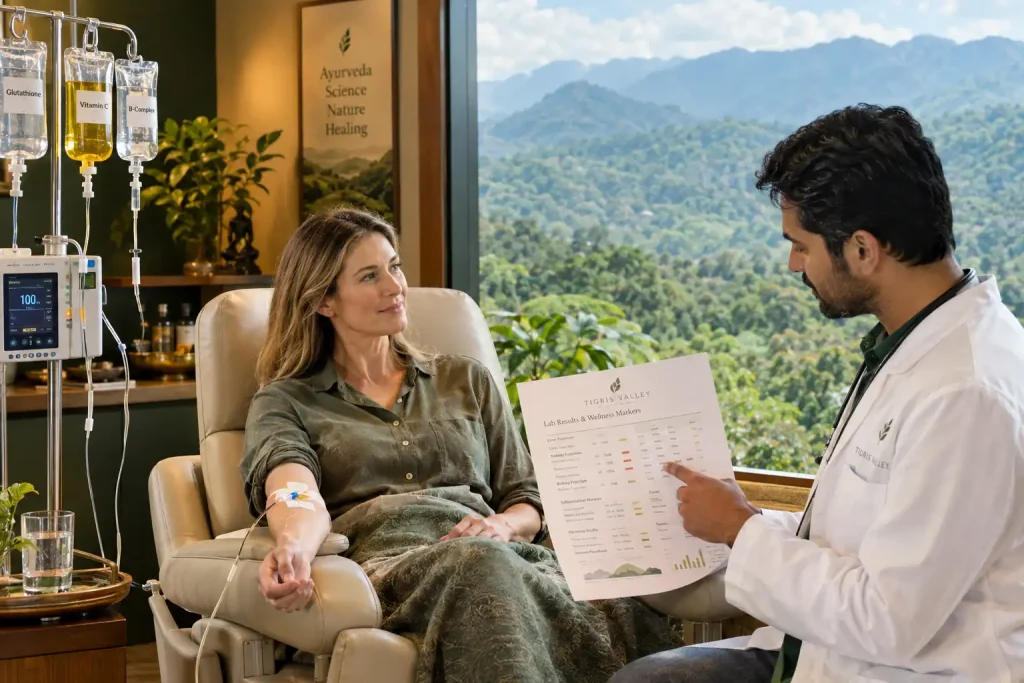
هذا هو الحساب الذي يجريه سكان أمريكا الشمالية قبل الحجز — وهو ما يفاجئ دائمًا من يقومون به بدقة. تمثل المقارنة التالية تكلفة تجميع خدمات مماثلة في سياق أمريكا الشمالية:
| فئة الخدمة | التكلفة في الولايات المتحدة | التكلفة الكندية (CAD) | وادي دجلة |
|---|---|---|---|
| استشارة طبيب متخصص في الطب الوظيفي | $300–$600 لكل جلسة؛ لا يغطيها التأمين عادةً | $250–$500 كاد؛ غير مشمولة بخطط التأمين الصحي الإقليمية | يشمل البرنامج: إمكانية استشارة الطبيب يوميًا طوال فترة الإقامة |
| العلاج الوريدي (لكل حقنة) | $150–$450 لكل حقنة وريدية في عيادات العافية الأمريكية | $150–$400 دولار كندي لكل جرعة | مُدمجة في بروتوكول البرنامج؛ عدة جلسات حقن في الأسبوع |
| جلسة تدليك علاجي يومية | $120–$200 لكل جلسة؛ $840–$1,400 في الأسبوع | $100–$180 دولار كندي لكل جلسة | تشمل الخطة اليومية جلسة «أبيانغا» |
| الإقامة (في الليلة) | منتجع صحي في الولايات المتحدة: $400–$800 في الليلة لنفس المستوى من الجودة | إقامة في كندا: $350–$700 دولار كندي في الليلة | يشمل الإقامة الفاخرة المطلة على الجبال |
| وجبات عضوية علاجية (يوميًّا) | $80–$150 يوميًا إضافيًا في مراكز العافية الأمريكية | $70–$130 دولار كندي إضافي في اليوم | تتضمن ثلاث وجبات علاجية من مزرعة مازرا العضوية |
| العلاج بالأوزون (لكل جلسة) | $200–$600 لكل جلسة في عيادات الأوزون بالولايات المتحدة | $200–$500 CAD؛ متوفر بكميات محدودة في كندا | مُدمجة في البرنامج؛ تتوفر بأشكال متعددة |
| إشراف طبي من قبل الأطباء على مدار الساعة طوال أيام الأسبوع | لا تتوفر هذه الخدمة في مراكز العافية الأمريكية بأي سعر كان | لا تتوفر هذه الخدمة في مراكز العافية الكندية | ميزة مؤكدة على مستوى المستشفى |
| رحلة العودة | غير متوفر للعملاء المحليين | غير متوفر للعملاء المحليين | ~$900–$1,600 دولار أمريكي من المدن الرئيسية في الولايات المتحدة وكندا عبر مراكز التوزيع في منطقة الخليج |
خلاصة القول بالنسبة للأمريكيين الشماليين: يبلغ تكلفة البرنامج الشامل الذي يستمر من 14 إلى 21 يومًا في وادي دجلة — بما في ذلك تذاكر الطيران — جزءًا ضئيلًا من تكلفة تجميع خدمات مماثلة بشكل مجزأ في الولايات المتحدة أو كندا. الرحلة الجوية حقيقية. كما أن ميزة العمق السريري حقيقية أيضًا. ولا يمكن تكرار الإشراف الطبي على مدار الساعة طوال أيام الأسبوع، والانغماس في البيئة السكنية، والنظام الغذائي العلاجي المستمد من المزرعة العضوية في سياق العيادات الخارجية في أمريكا الشمالية بأي ثمن كان.
لا توجد حاليًا رحلات جوية مباشرة من مدن الولايات المتحدة إلى ولاية كيرالا. المسار الأكثر شيوعًا هو:
المطار المقصود: مطار كاليكوت (كوزيكود) الدولي (CCJ) — على بعد حوالي 60–90 دقيقة من «تيغريس فالي». تتولى «تيغريس فالي» ترتيب خدمة النقل من المطار. يمكن الاطلاع على معلومات كاملة عن مسار الرحلة على الانتقال إلى صفحة وادي دجلة.
يحق لكل من المواطنين الأمريكيين والكنديين الحصول على التأشيرة السياحية الإلكترونية الهندية (eTV). يمكن التقدم بطلب للحصول عليها عبر indianvisaonline.gov.in. مدة المعالجة: 48–72 ساعة عادةً. صالحة لمدة 90 يومًا، مع حق الدخول مرتين. الرسوم: ما يقارب $25–$80 دولار أمريكي حسب المدة. تقدم «تيغريس فالي» خطاب تأكيد الإقامة عند الطلب لدعم طلبات الحصول على التأشيرة. بالنسبة للإقامات الطويلة أو تأشيرات العلاج الطبي، يرجى استشارة القنصلية الهندية — تتوفر أيضًا تأشيرات إلكترونية طبية للبرامج الطويلة الأمد.
لا يغطي التأمين الصحي الأمريكي وخطط الرعاية الصحية الإقليمية الكندية تكاليف برامج الأيورفيدا الدولية. يُوصى بشدة بالحصول على تأمين سفر يغطي الإجلاء الطبي والتغطية الصحية الدولية — حيث تُستخدم شركات «World Nomads» و«IMG Global» و«Allianz Travel» بشكل شائع من قبل المسافرين لأغراض صحية في أمريكا الشمالية. تحقق من مزايا السفر التي توفرها بطاقتك الائتمانية كنقطة انطلاق. تعني المعايير السريرية المعتمدة من NABH في Tigris Valley أن السلامة تخضع لإشراف طبيب بغض النظر عن وجود تأمين أم لا؛ ويضيف تأمين السفر الحماية المالية في حالة حدوث اضطرابات غير متوقعة في السفر وتغطية الإجلاء الطبي إذا لزم الأمر.
التوقيت القياسي للهند (IST) هو UTC +5:30 — أي متقدمًا بحوالي 10.5 ساعة عن التوقيت القياسي للشرق الأمريكي ومتقدمًا بـ 12.5 ساعة عن التوقيت القياسي للمحيط الهادئ الأمريكي. بالنسبة للكنديين: تورونتو متأخرة بـ 10.5 ساعة عن التوقيت القياسي للهند (IST)؛ وفانكوفر متأخرة بـ 13.5 ساعة. تم تحديد مواعيد الاستشارات عبر الفيديو قبل الوصول مع فريق الأطباء في وادي دجلة بحيث تتناسب مع المناطق الزمنية في أمريكا الشمالية.
ستنقلك خدمة النقل من المطار من كوزيكود (CCJ) إلى وادي دجلة — في رحلة تستغرق ما بين 60 و90 دقيقة تقريبًا عبر المناظر الطبيعية لجبال غاتس الغربية في ولاية كيرالا. وعند الوصول، ستتبع ذلك جلسة تعريفية، ثم أول استشارة طبية شاملة لك، وبدء برنامجك. ولا يبدأ أي شيء دون إجراء الفحص الطبي الأولي. استكشف التسهيلات و الغرف والأجنحة لفهم البيئة التي ستعمل فيها.
يتكون اليوم النموذجي من جلسات علاجية — يوغا وبراناياما في الصباح، وجلسات علاجية (أبيانغا، شيرودارا، باستي، العلاج الوريدي — وفقًا لما يحدده بروتوكولك)، وفحص طبي، ووجبات علاجية من مزرعة مازرا، ووقت استجمام تحت إشراف مرشد أو بشكل مستقل في فترة ما بعد الظهر. وتشمل المرافق المتاحة بين الجلسات حمامات السباحة، والساونا، والجاكوزي، وحمامات الأعشاب، وقاعة التأمل، ومسارات المشي، ومقهى «روه». ويمكن الوصول إلى المعالم الطبيعية في واياناد — مثل محميات الحياة البرية، والشلالات، ومزارع الشاي — من خلال برنامج «الرحلات القريبة» في أيام الراحة المحددة.
يغادر كل ضيف حاملاً معه بروتوكولاً منزلياً لما بعد انتهاء البرنامج: خطة غذائية مخصصة، ومجموعة تركيبات عشبية مصممة خصيصاً، ودليل لممارسة اليوغا والبراناياما، وتوصيات بشأن نمط الحياة، وإطار عمل للمتابعة. ويتمثل هدف البرنامج في تغيير مستوى صحتك الأساسي — وليس مجرد توفير راحة مؤقتة في بيئة جميلة. بروتوكول ما بعد الخروج من البرنامج هو الفائدة المركبة على استثمارك.
يتشارك الكنديون العديد من الدوافع نفسها التي تحرك المرضى الأمريكيين — لكن هناك عدة عوامل محددة تؤثر على عملية اتخاذ القرار لدى الكنديين بشكل مختلف:
توفر أنظمة الرعاية الصحية الإقليمية الكندية تغطية قوية للرعاية الحادة، لكنها تعاني من فترات انتظار موثقة جيدًا عند الأخصائيين — والتي غالبًا ما تستغرق شهورًا للحصول على استشارات في طب الروماتيزم وأمراض الجهاز الهضمي وطب الأعصاب، ذات الصلة بإدارة أمراض المناعة الذاتية والأمراض المزمنة. وبالنسبة للكنديين الذين تتدهور حالتهم الصحية أثناء انتظارهم للحصول على خدمات الأخصائيين، فإن السرعة التي يتم بها تنفيذ البرنامج الداخلي الخاضع لإشراف الأطباء في «تيغريس فالي» تعالج إحباطًا محددًا للغاية ناجمًا عن بطء النظام الكندي.
يتمتع قطاع الطب الطبيعي الخاضع للتنظيم في كندا بحجم أكبر بكثير مقارنة بالولايات المتحدة — حيث يُعتبر أطباء الطب الطبيعي (NDs) ممارسين للرعاية الأولية خاضعين للتنظيم في معظم المقاطعات. وهذا يعني أن العديد من المرضى الكنديين يصلون إلى «تيغريس فالي» وهم يتمتعون بمستوى أعلى من المعرفة المسبقة بالصحة التكاملية مقارنةً بالأمريكيين — حيث يفهمون مفاهيم مثل العلاج الغذائي عن طريق الحقن الوريدي، والطب العشبي، والتشخيص الوظيفي. ويستند برنامج «تيجريس فالي» إلى هذه المعرفة المسبقة من خلال توفير موارد سريرية أكثر عمقًا بكثير.
ينبغي على الكنديين الذين يحسبون تكلفة برنامج «وادي دجلة» أن يأخذوا في الاعتبار سعر الصرف الحالي بين الدولار الكندي والروبية الهندية — الذي لطالما كان مواتياً للمسافرين الكنديين في الهند. كما أن سعر صرف الدولار الكندي مقابل الدولار الأمريكي يعني أن حساب التكلفة المقومة بالدولار الأمريكي بالنسبة للكنديين يسفر عن رقم أعلى بالدولار الكندي مقارنةً بالمرضى الأمريكيين؛ ومع ذلك، فإن المقارنة مع تكاليف الرعاية التكاملية الخاصة في كندا (بالدولار الكندي) لا تزال تظهر نفس الميزة الهيكلية.
من تورونتو (YYZ): عادةً ما تكون رحلة طيران الإمارات عبر دبي هي الأقصر — حيث تستغرق ما بين 19 و21 ساعة تقريبًا. من فانكوفر (YVR): تستغرق رحلة طيران الإمارات عبر دبي وقتًا أطول (22–25 ساعة) — وأحيانًا تكون رحلات طيران الهند عبر دلهي خيارًا تنافسيًّا. من كالجاري ومونتريال: تعد طيران الإمارات أو الخطوط الجوية القطرية عبر مراكزها الرئيسية الخيارين الأساسيين. ويُعد مطار كوزيكود (CCJ) الوجهة النهائية لـ «تيغريس فالي» بغض النظر عن مدينة المغادرة.
تُمارس الأيورفيدا في كلا البلدين، ولكن في إطار مراكز العافية والاستشارات الخاصة — وليس كنظام طبي خاضع لرقابة الحكومة. ويتطلب بروتوكول «بانشاكارما» السريري الكامل (سنيهابانام، فيريشانام، باستي) أن يقوم طبيب حاصل على شهادة BAMS بإدارته — وهي مؤهلات غير متوفرة في الممارسة الخاضعة للرقابة في أمريكا الشمالية. وما تقدمه مراكز الأيورفيدا في أمريكا الشمالية عادةً هو نسخة معدلة سطحية. والفرق بين هذا وبين برنامج سريري مدته 21 يومًا تحت إشراف طبيب في مستشفى معتمد من NABH هو الفرق بين حصة يوغا وعملية جراحية — فكلاهما ينطوي على نفس النظام، ولكن بعمق سريري مختلف تمامًا.
تتم مراجعة جميع الأدوية التي تتناولها حاليًا خلال الاستشارة التي تسبق الوصول. وتستمر في تناول الأدوية الموصوفة لك طوال مدة البرنامج — ولا يتم إيقاف أي دواء دون تعليمات صريحة من الطبيب الذي وصفه لك. يقوم الفريق الطبي في «وادي دجلة» بتقييم التفاعلات بين نظامك الدوائي والتركيبات العشبية الأيورفيدية والعلاجات الوريدية الموصوفة خلال البرنامج. احمل الأدوية في عبواتها الأصلية المُعلَّمة مع خطاب من الطبيب. بالنسبة للمواد الخاضعة للرقابة، تحقق من لوائح الاستيراد الهندية الخاصة بأدويتك المحددة قبل السفر.
لا تغطي حالياً لا التأمين الصحي الأمريكي ولا خطط التأمين الصحي الإقليمية الكندية تكاليف برامج الأيورفيدا الدولية. وقد تنطبق بعض حسابات HSA/FSA الأمريكية على بعض الخدمات التشخيصية أو الطبية المحددة — يرجى استشارة مسؤول خطتك التأمينية. يُوصى بشدة بالحصول على تأمين سفر يغطي إلغاء الرحلة والإجلاء الطبي والنفقات الصحية الدولية، بغض النظر عن حالة التغطية المحلية.
تتوافق فترات العطلات في أمريكا الشمالية بشكل جيد مع مواسم السفر في ولاية كيرالا. تتزامن الفترة من ديسمبر إلى يناير (استغلال إجازة عيد الميلاد ورأس السنة) مع موسم الذروة في كيرالا الذي يتميز بالجو البارد والصافي — وهو مثالي للزوار الذين يزورون الولاية لأول مرة. أما الفترة من أكتوبر إلى نوفمبر (إجازة الخريف) فتتميز بمناظر طبيعية خلابة بعد انتهاء موسم الأمطار وطقس جيد. أما شهرا يوليو وأغسطس (عطلة الصيف) فهما موسم «بانشاكارما» الكلاسيكي في ولاية كيرالا — وهو تقليديًّا الفترة الأكثر فعالية من الناحية العلاجية لممارسة «بانشاكارما» العميقة، على الرغم من أنه ينبغي للزوار توقع هطول أمطار يومية أثناء الأنشطة الخارجية. يتمتع موقع وادي دجلة الجبلي في واياناد بمناخ أكثر برودة ومعتدل مقارنةً بالساحل الكيرالي على مدار العام.
خطط لمدة البرنامج بالإضافة إلى يومين على الأقل للسفر في كل اتجاه. بالنسبة لبرنامج مدته 21 يومًا: 25 يومًا كحد أدنى إجمالاً. بالنسبة لبرنامج مدته 14 يومًا: 18 يومًا. ضع في اعتبارك فترة التعافي من اضطراب الرحلات الجوية الطويلة عند الوصول (تسبق توقيت الهند (IST) توقيت الساحل الشرقي للولايات المتحدة (EST) بمقدار 10.5 ساعة) — يجد معظم الضيوف أنهم يتأقلمون في غضون 2–3 أيام، حيث يُسرّع نظام النوم والاستيقاظ المنظم للبرنامج من عملية التكيف. يؤدي الابتعاد عن الأجهزة الرقمية خلال البرنامج إلى تحسين النتائج بشكل ملحوظ — لذا، خطط لذلك بجدية، وليس نظريًا فقط.
نعم — شريطة تعديل البروتوكول تحت إشراف طبيب. وقد صُممت الاستشارة السابقة للوصول خصيصًا لتقييم نظامك الدوائي ووضع برنامج يكون ذا فائدة علاجية وآمنًا في نفس الوقت، مع مراعاة القيود المتعلقة بأدويتك. يتم تعديل بعض إجراءات «بانشاكارما» أو ترتيبها بشكل مختلف للمرضى الذين يتناولون مضادات التخثر، أو مثبطات المناعة، أو أدوية القلب. وهذا أحد الأسباب الرئيسية التي تجعل الإشراف الطبي المعتمد من NABH أمرًا لا غنى عنه للمرضى في أمريكا الشمالية الذين يعانون من تاريخ صحي معقد.
المساءلة السريرية. يقدم منتجع صحي فاخر تجارب تبعث على الشعور بالشفاء — مثل جلسات التدليك، والطعام الشهي، والمحيط الهادئ. أما «تيغريس فالي» فهو مستشفى معتمد من قبل NABH ويقع صدفةً في بيئة جبلية خلابة. ما يميزه: أطباء حاصلون على شهادة BAMS، إشراف طبي على مدار الساعة طوال أيام الأسبوع، العلاج الغذائي عن طريق الحقن الوريدي، العلاج بالأوزون، التقييم التشخيصي السريري، مراجعة التفاعلات الدوائية، بروتوكولات علاجية مخصصة، ومتابعة طبية بعد الخروج من المستشفى. البيئة تشبه منتجعًا فاخرًا؛ أما البنية التحتية السريرية التي تدعمها فلا يوجد لها نظير في المنتجعات الصحية بأمريكا الشمالية.
نعم — يشكل سكان أمريكا الشمالية (بشكل أساسي الأمريكيون والكنديون، إلى جانب الأوروبيين والضيوف من دول الخليج والضيوف الهنود المحليين) جزءًا كبيرًا من إجمالي الضيوف الدوليين في وادي دجلة. وتخلق التجربة المشتركة التي يوفرها البرنامج روابط طبيعية بين الضيوف. وتشمل الأنشطة الثقافية أشكال الفنون التقليدية في ولاية كيرالا — والتي يمكن الاستمتاع بها من خلال برنامج «الرحلات القريبة» — إضافة نقاط أخرى من التجارب المشتركة.
علاجية وعضوية، وتُعد أكثر إرضاءً بكثير مما يتوقعه معظم المرضى من أمريكا الشمالية. يتم إعداد جميع الوجبات من مزرعة «مازرا» العضوية الموجودة في الموقع، ويتم تكييفها وفقًا لتقييم «الدوشا» الخاص بك ومرحلة البرنامج التي تمر بها. تتضمن المراحل المبكرة من برنامج «بانشاكارما» أطعمة أخف وزنًا وسهلة الهضم؛ بينما توفر مرحلة التجديد تنوعًا أكبر. يذكر المرضى من أمريكا الشمالية باستمرار أن تفضيلاتهم الغذائية تتغير بشكل جذري بحلول اليوم الرابع عشر — حيث يصبحون متشوقين لتناول الطعام العلاجي بدلاً من اعتباره مقيداً. يقدم مقهى «روهي» خيارات إضافية صحية لتناول الطعام خارج أوقات الوجبات المحددة. يتم تناول القيود الغذائية والحساسيات الغذائية خلال الاستشارة قبل الوصول، ويتم تلبية احتياجاتك طوال فترة الإقامة.
أرسل بريدًا إلكترونيًّا إلى فريق الحجوزات على العنوان التالي: reservation@tigrisvalley.com أو واتساب +91 9072661622 (توقيت إسرائيل — يسبق التوقيت الشرقي للولايات المتحدة بحوالي 10.5 ساعات، ويسبق توقيت المحيط الهادئ بـ 13.5 ساعة). يرد الفريق في غضون 24 ساعة ويتكيف مع المناطق الزمنية في أمريكا الشمالية لإجراء الاستشارات عبر الفيديو قبل الوصول. وتتمثل الخطوة الأولى في استشارة طبية — وليست مكالمة مبيعات. يتم تصميم برنامجك المخصص بناءً على هذه المحادثة، ولا تبدأ عملية التخطيط للسفر إلا بعد تأكيد تصميم البرنامج. استخدم صفحة الاتصال لتقديم استفسارك الأولي.
تتمتع أمريكا الشمالية برعاية طبية عاجلة على مستوى عالمي. أما بالنسبة لكل ما عدا ذلك، فهناك ولاية كيرالا.
يقدم فريق الأطباء المعتمد من قبل NABH في «وادي دجلة» العمق السريري الذي يتمتع به المستشفى، والنطاق العلاجي الواسع لخمسة أنظمة علاجية متكاملة، بالإضافة إلى تجربة الإقامة المكثفة التي تحقق التغييرات الدائمة التي لا يمكن للرعاية الخارجية — مهما كانت درجة كفاءتها — أن تضاهيها. وتبدأ هذه التجربة من خلال الاستشارة التي تجري قبل وصولك.
→ تصفح جميع البرامج في وادي دجلة
→ اكتشف برنامج التخلص من السموم والتطهير
كايثابويل، في جبال الغات الغربية.
طريق مدينة المعرفة المركزية، كايثابوييل، أديفارام، كيرالا
الحصول على الاتجاهات +91 90726 61622 reservation@tigrisvalley.com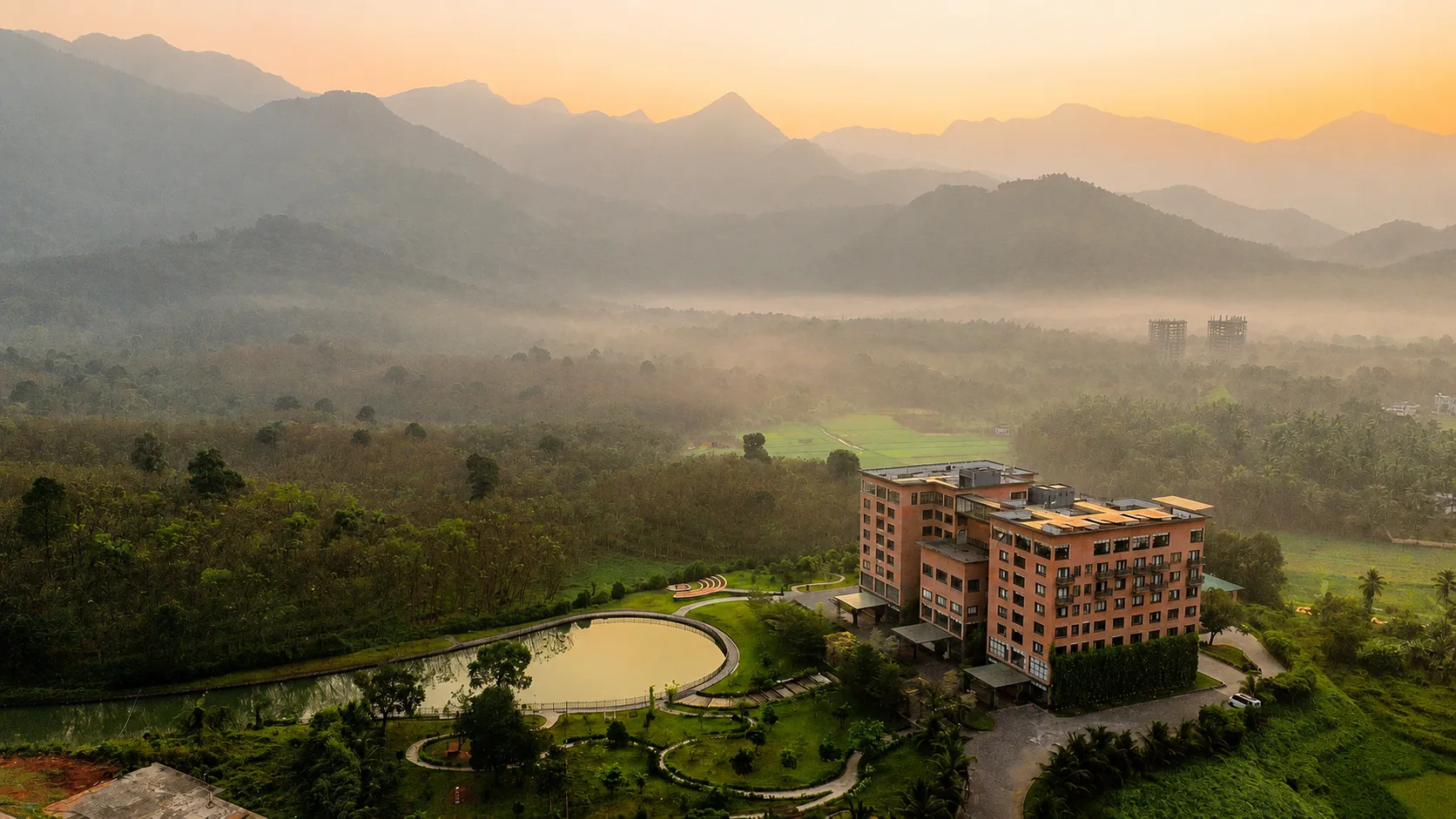
كايثابويل، جبال الغات الغربية

قبل مغادرتك
يقوم طبيب بقراءة كل رسالة. احجز موعدًا استشاريًا، أو أرسل استفسارًا — يتم الرد على الحجوزات في نفس اليوم.