
[gtranslate]
MENU
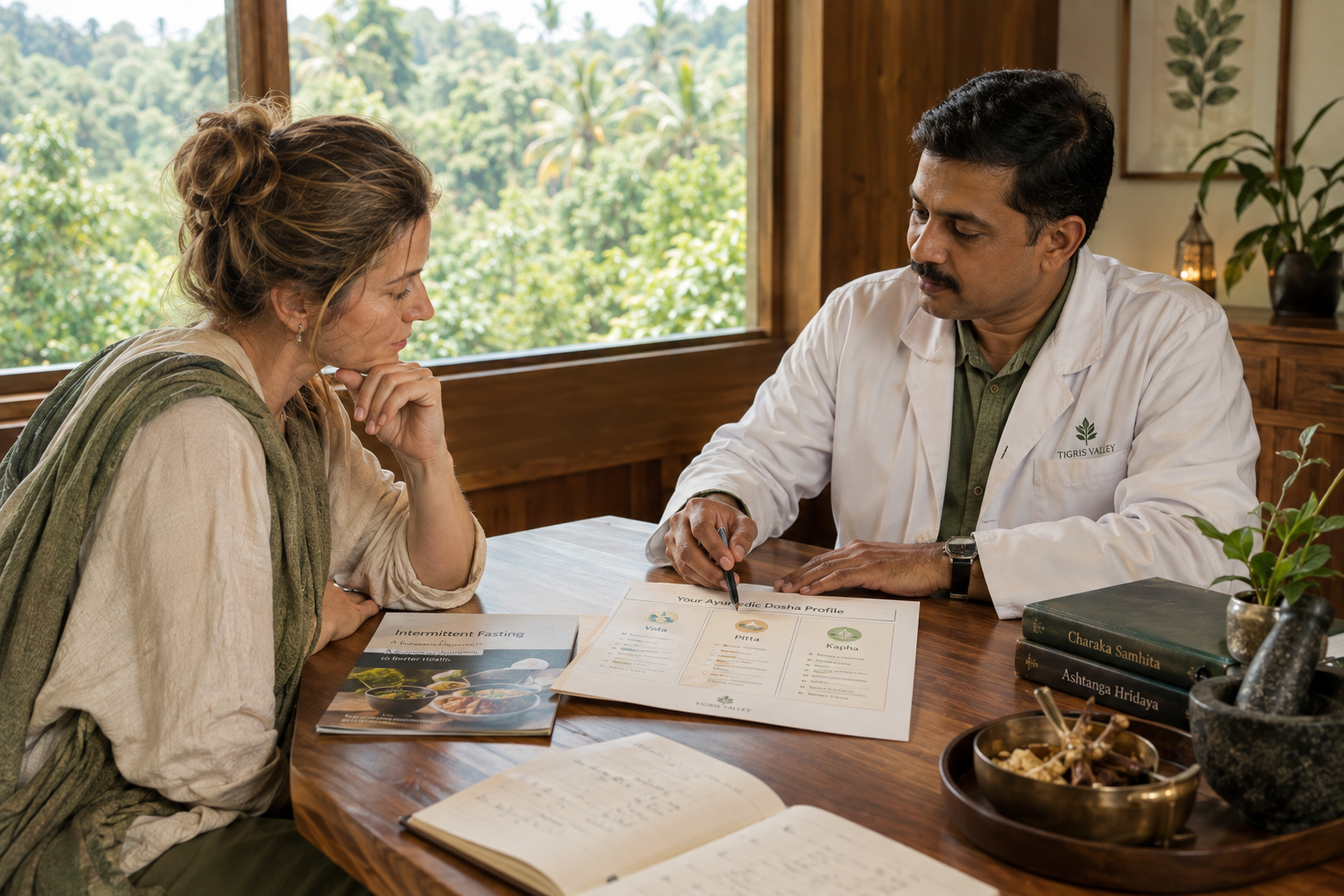
You’ve done everything your American or Canadian doctor has recommended — and you’re still not well. Not dramatically sick enough for aggressive intervention, but chronically below your baseline: the persistent fatigue, the inflammatory flares, the metabolic drift, the burnout that a week off work doesn’t touch. You’ve heard Kerala Ayurveda works. You want to know if it’s clinically real, whether it’s safe for someone on your medications, and how it actually compares to what you already have access to at home. This is that guide — written specifically for North American patients.
📋 Table of Contents
The United States and Canada are home to world-class acute medical care. Both countries also have growing integrative medicine sectors — functional medicine clinics, naturopathic practitioners, Ayurvedic consultants, and IV therapy wellness centres. So why are thousands of North Americans flying 20+ hours to Kerala?
The answer is structural, not preferential. Four specific gaps in North American integrative healthcare consistently drive this decision:
Ayurveda in the United States and Canada is practiced primarily through private wellness centres and Ayurvedic consultants holding certification from private institutes — not government-regulated medical degrees. The full clinical Panchakarma protocol — Snehapanam, Virechanam, Basti — requires a BAMS-qualified physician (5.5-year government-accredited medical degree) to administer safely and effectively. These procedures are legally unavailable as medical treatments in both the US and Canada.
What most North American Ayurveda centres offer is a modified, surface-level version — Abhyanga massage, herbal teas, dietary consultation. It has value. It is not Panchakarma. The distinction matters enormously for patients with genuine chronic conditions.
Assembling the clinical toolkit equivalent to a Tigris Valley programme from North American providers requires visiting multiple specialists: a Functional Medicine MD, a naturopath, an IV therapy clinic, a massage therapist, a yoga and meditation teacher, a nutritionist, and potentially a mental health counsellor. Each charges separately, doesn’t coordinate with the others, and the total monthly cost of genuinely comprehensive integrative care in the US typically runs to several thousand dollars — with minimal insurance coverage.
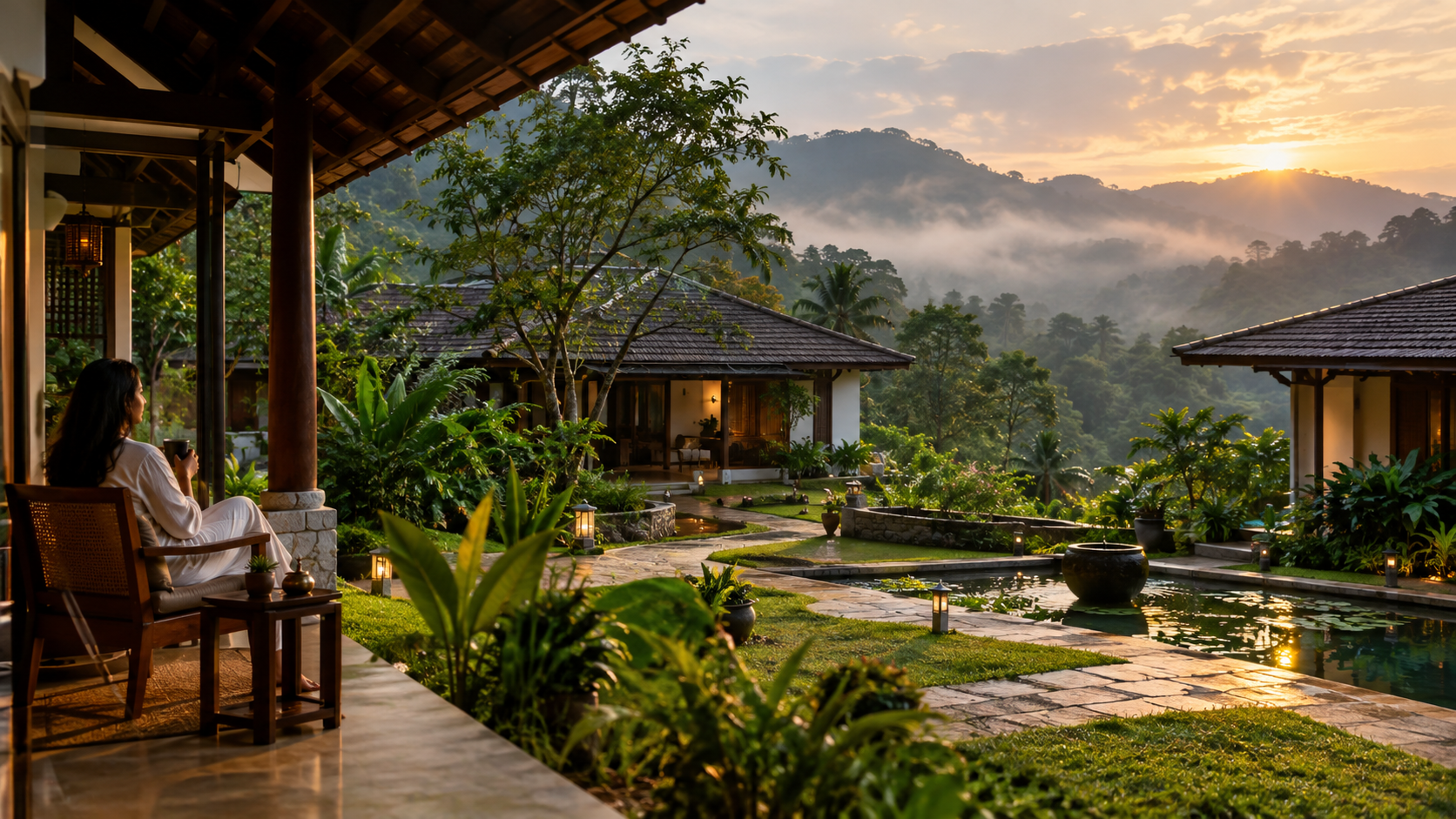
The therapeutic value of a residential programme — in which the patient is removed from the daily environment generating their health problem, given a structured healing protocol around the clock, and surrounded by a natural environment specifically conducive to healing — cannot be replicated by weekly appointments. The immersive, sustained nature of a 14–21 day residential programme produces physiological changes that outpatient integrative care, however competent, rarely achieves.
Both US and Canadian healthcare systems excel at acute intervention — emergency care, surgical outcomes, pharmaceutical crisis management. Both consistently underperform for the chronic, lifestyle-driven, root-cause conditions that Ayurveda and Functional Medicine are specifically designed to address: metabolic syndrome, autoimmune flares, burnout, digestive disorders, hormonal disruption, chronic pain. The structural mismatch between the conditions North Americans have and the care their healthcare systems provide is the primary driver of medical wellness tourism to Kerala.
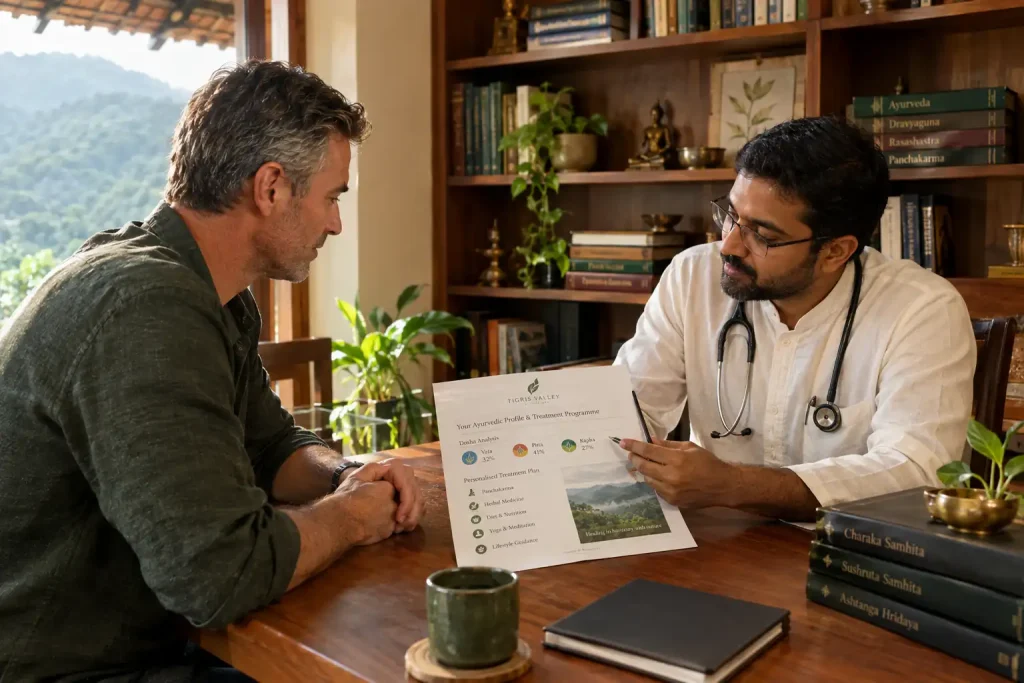
Tigris Valley — South Asia’s largest AYUSH-integrated, NABH-accredited wellness hospital — operates a clinical model that has no precise North American equivalent. Understanding what this model includes, specifically, is the most useful framing for any US or Canadian patient evaluating the trip:
The critical word is simultaneously. These five systems are not offered as a menu from which you choose — they are combined in a physician-designed protocol that sequences their interactions deliberately. The IV Nutritional Therapy provides the cellular building blocks for tissue repair that the Panchakarma procedures mobilise and clear. The Forest Bathing reduces the cortisol that would otherwise suppress the immune recalibration. The CBT addresses the psychological patterns that recreate the physiological conditions being treated. This is systems medicine — not a catalogue of therapies.
North Americans who travel to Tigris Valley arrive with a remarkably consistent set of health presentations — conditions that have been managed but not resolved by conventional North American medicine:
Post-pandemic burnout, Long COVID fatigue, and HPA axis dysregulation from sustained occupational stress are among the most common presentations. The Stress & Burnout Recovery Programme at Tigris Valley addresses these through Shirodhara (confirmed for nervous system calming), IV Magnesium, IV Levocarnitine (confirmed for reducing fatigue), Forest Bathing (confirmed for cortisol reduction), and CBT — across 7, 14, or 21-day residential programmes.
Rheumatoid Arthritis, Psoriasis, Hashimoto’s Thyroiditis, Lupus, IBD, and Multiple Sclerosis patients from across North America arrive having tried the pharmaceutical management pathway and seeking something that addresses the inflammatory and gut-immune root without the immunosuppression side-effect burden. The Autoimmune Disorder Management Programme integrates Panchakarma, Ozone Therapy (confirmed for immune modulation), IV NAC (confirmed for autoimmune stress), and Gut Health Restoration.
North America’s most prevalent chronic conditions — and the ones most consistently underserved by a healthcare system focused on pharmaceutical glucose management rather than root-cause metabolic restoration. The Metabolic Disorder Management Programme addresses insulin resistance through IV Alpha Lipoic Acid (confirmed for improving insulin sensitivity), Ozone Therapy, forest walks (confirmed for hormonal balance), Panchakarma detox, and therapeutic organic diet from the Mazra Farm.
Fibromyalgia, chronic back and joint pain, post-surgical pain inadequately managed by opioid prescriptions, and inflammatory pain conditions are consistently among the top presentations. The Chronic Pain & Inflammation Management Programme offers Basti, Abhyanga, IV ALA (confirmed for reducing chronic inflammation), Acupuncture, and Physiotherapy in combination.
Health-conscious North Americans in their 40s and 50s seeking cellular-level reset before chronic disease develops are a growing cohort. The Anti-Aging & Longevity Programme combines Rasayana Therapy, IV Glutathione, hormonal optimisation through Functional Medicine, full Panchakarma, and advanced diagnostics including oxidative stress and hormonal profiling.
North Americans recovering from orthopaedic, spinal, cardiac, or abdominal surgery and seeking more comprehensive rehabilitation than outpatient physiotherapy provides. The Post-Trauma & Rehabilitation Programme integrates Abhyanga (confirmed for tissue repair), IV Vitamin C (confirmed for collagen synthesis and wound healing), Physiotherapy, and Hydrotherapy in a coordinated residential protocol.
North American patients are accustomed to verifiable clinical standards — and rightly so. Understanding what Tigris Valley’s NABH accreditation means in practical terms removes the most significant uncertainty in this decision.
| What North Americans Want to Know | The Tigris Valley Answer |
|---|---|
| Are the doctors actually qualified? | BAMS (Bachelor of Ayurvedic Medicine and Surgery) — a 5.5-year government-accredited medical degree under India’s AYUSH Ministry. The equivalent level of government regulation as an MD in India’s medical system. |
| Is the facility independently inspected and verified? | NABH accreditation — India’s National Accreditation Board for Hospitals and Healthcare Providers — covers patient safety protocols, clinical governance, medical record standards, qualified physician requirements, and infection control. It is India’s equivalent of international hospital accreditation frameworks. |
| What happens if I have a medical emergency? | 24/7 medical assistance is a confirmed facility feature as a hospital-level institution. Acute emergencies requiring conventional hospital care are managed through immediate physician assessment and appropriate referral — not left to the guest to navigate independently. |
| Will my medications be assessed for interactions? | Yes — the pre-arrival physician consultation specifically reviews all current medications. No herbal formulations are prescribed without this review. For guests on complex pharmaceutical regimens (immunosuppressants, anticoagulants, cardiac medications, biologics), this assessment is the clinical foundation of the programme design. |
| Can I communicate in English throughout? | Full English-language medical consultations, programme explanations, and guest services throughout. No language barrier at the clinical level. |
| How does the scale of the facility compare? | Confirmed as South Asia’s largest AYUSH-integrated wellness hospital — providing the clinical depth, specialist team breadth, and facility standard that a large institution sustains more reliably than a boutique retreat. |
Every Tigris Valley programme is personalised through physician consultation — but the following represent the strongest alignment with the health patterns North American guests most commonly arrive with:
Browse the complete Tigris Valley programmes page for full details on all available options.
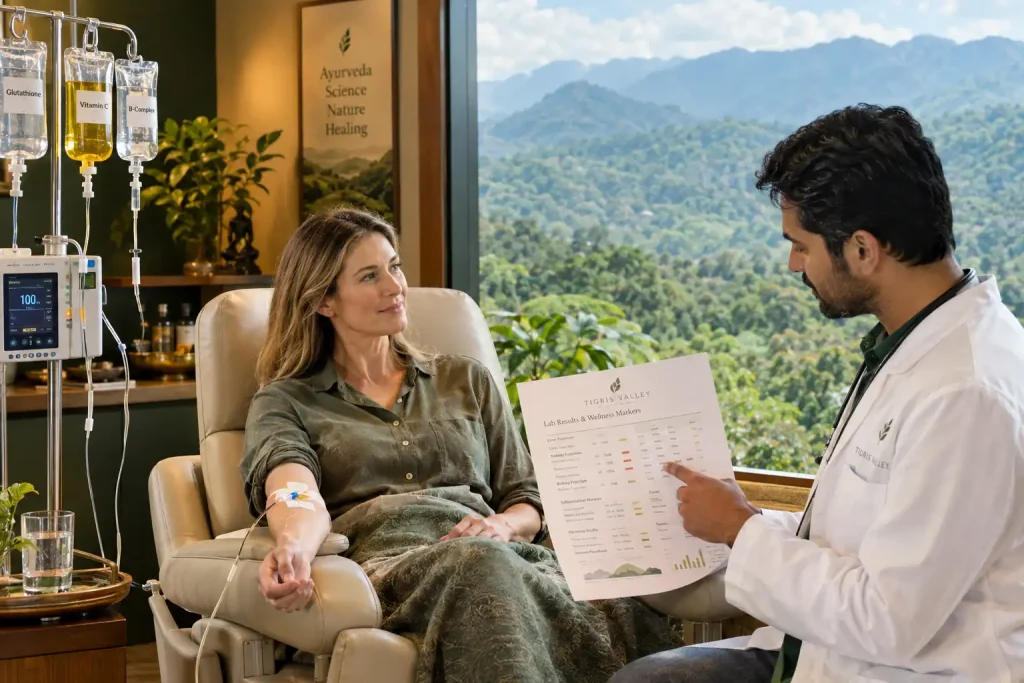
This is the calculation North Americans run before booking — and it consistently surprises those who do it carefully. The following comparison represents the cost of assembling comparable services in a North American context:
| Service Category | US Cost | Canadian Cost (CAD) | Tigris Valley |
|---|---|---|---|
| Functional Medicine physician consultation | $300–$600 per session; not typically covered by insurance | $250–$500 CAD; not covered by provincial health plans | Included in programme; daily physician access throughout |
| IV therapy (per infusion) | $150–$450 per IV drip at US wellness clinics | $150–$400 CAD per infusion | Integrated into programme protocol; multiple infusions per week |
| Daily therapeutic massage | $120–$200 per session; $840–$1,400/week | $100–$180 CAD per session | Daily Abhyanga included within programme |
| Accommodation (per night) | US wellness retreat: $400–$800/night comparable quality | Canadian retreat: $350–$700 CAD/night | Mountain-view luxury accommodation included |
| Therapeutic organic meals (per day) | $80–$150/day additional at US wellness retreats | $70–$130 CAD/day additional | Three therapeutic meals from Mazra Organic Farm included |
| Ozone Therapy (per session) | $200–$600 per session at US ozone clinics | $200–$500 CAD; limited availability in Canada | Integrated into programme; multiple formats available |
| 24/7 physician medical oversight | Not offered at US wellness retreats at any price point | Not offered at Canadian wellness retreats | Confirmed hospital-level facility feature |
| Return flight | N/A for domestic | N/A for domestic | ~$900–$1,600 USD from major US/Canadian cities via Gulf hubs |
The bottom line for North Americans: A 14–21 day comprehensive programme at Tigris Valley — including flights — costs a fraction of assembling equivalent services piecemeal in the US or Canada. The flight is real. The clinical depth advantage is also real. And the 24/7 physician oversight, residential immersion, and organic farm therapeutic diet cannot be replicated in a North American outpatient context at any price.
No direct flights currently operate from US cities to Kerala. The most consistent routing:
Target airport: Calicut (Kozhikode) International Airport (CCJ) — approximately 60–90 minutes from Tigris Valley. Airport transfer is arranged by Tigris Valley. Full routing information on the Getting to Tigris Valley page.
Both US and Canadian citizens are eligible for India’s e-Tourist Visa (eTV). Apply at indianvisaonline.gov.in. Processing: 48–72 hours typically. Valid for 90 days, double entry. Fee: approximately $25–$80 USD depending on duration. Tigris Valley provides a stay confirmation letter on request to support visa applications. For extended stays or medical treatment visas, consult the Indian consulate — medical e-Visas are also available for longer programmes.
US health insurance and Canadian provincial health plans do not cover international Ayurveda retreat costs. Travel insurance covering medical evacuation and international health coverage is strongly recommended — World Nomads, IMG Global, and Allianz Travel are commonly used by North American health travelers. Check your credit card travel benefits as a starting point. Tigris Valley’s NABH-accredited clinical standard means safety is physician-supervised regardless of insurance; travel insurance adds the financial protection for unforeseen travel disruptions and medical evacuation coverage if needed.
India Standard Time (IST) is UTC +5:30 — approximately 10.5 hours ahead of US Eastern Standard Time and 12.5 hours ahead of US Pacific Standard Time. For Canadians: Toronto is 10.5 hours behind IST; Vancouver is 13.5 hours behind. Pre-arrival video consultations with the Tigris Valley physician team are scheduled to accommodate North American time zones.
Your airport transfer takes you from Kozhikode (CCJ) to Tigris Valley — approximately 60–90 minutes through Kerala’s Western Ghats landscape. Arrival is followed by orientation, your first comprehensive physician consultation, and the beginning of your programme. Nothing begins without the physician intake. Explore the facilities and rooms and suites to understand the environment you’ll be working in.
A typical day is structured around therapeutic sessions — morning Yoga and Pranayama, treatment sessions (Abhyanga, Shirodhara, Basti, IV therapy — whatever your protocol specifies), physician check-in, therapeutic meals from the Mazra Farm, and guided or independent restorative time in the afternoon. Confirmed facilities between sessions include swimming pools, sauna, Jacuzzi, herbal baths, meditation hall, walking tracks, and the Ruhe Café. Wayanad’s natural attractions — wildlife sanctuaries, waterfalls, tea estates — are accessible through the Nearby Escapes programme on designated rest days.
Every guest leaves with a post-programme home protocol: personalised dietary plan, customised herbal formulation kit, Yoga and Pranayama practice guide, lifestyle recommendations, and a follow-up framework. The programme’s goal is to change your baseline — not simply provide temporary relief in a beautiful environment. The post-discharge protocol is the compound interest on your investment.
Canadians share many of the same motivations as American patients — but several specific factors shape the Canadian decision-making process differently:
Canadian provincial health systems provide strong acute care coverage but have well-documented specialist wait times — often months for rheumatology, gastroenterology, and neurology consultations relevant to autoimmune and chronic disease management. For Canadians whose conditions are deteriorating while they wait for specialist access, the immediacy of a physician-supervised residential programme at Tigris Valley addresses a very specific frustration with the Canadian system’s pace.
Canada has a significantly larger regulated naturopathic medicine sector than the US — NDs (Naturopathic Doctors) are regulated as primary care practitioners in most provinces. This means many Canadian patients arrive at Tigris Valley with more prior integrative health literacy than Americans — understanding concepts like IV nutritional therapy, botanical medicine, and functional diagnostics. The Tigris Valley programme builds on this familiarity with considerably deeper clinical resources.
Canadians calculating the cost of a Tigris Valley programme should factor the current CAD/INR exchange rate — historically favourable to Canadian travelers in India. The CAD/USD exchange rate also means the USD-denominated cost calculation for Canadians produces a higher CAD figure than for American patients; however, the comparison against Canadian private integrative care costs (in CAD) still demonstrates the same structural advantage.
From Toronto (YYZ): Emirates via Dubai is typically the most direct — approximately 19–21 hours total. From Vancouver (YVR): Emirates via Dubai is longer (22–25 hours) — Air India connecting through Delhi is sometimes competitive. From Calgary and Montreal: Emirates or Qatar Airways via their respective hubs are the primary options. Kozhikode (CCJ) is the target airport for Tigris Valley regardless of departure city.
Ayurveda is practiced in both countries but under private wellness and consultation frameworks — not as a government-regulated medical system. The full clinical Panchakarma protocol (Snehapanam, Virechanam, Basti) requires a BAMS-qualified physician to administer — a qualification not available in North American regulated practice. What North American Ayurveda centres offer is typically a modified surface-level version. The difference between this and a physician-supervised 21-day clinical programme at a NABH-accredited hospital is the difference between a yoga class and surgery — both involve the same system, at completely different clinical depths.
All current medications are reviewed during the pre-arrival consultation. You continue your prescribed medications throughout the programme — nothing is stopped without explicit instruction from your prescribing physician. The Tigris Valley medical team assesses interactions between your pharmaceutical protocol and the Ayurvedic herbal formulations and IV therapies prescribed during the programme. Carry medications in original labelled containers with a physician’s letter. For controlled substances, check Indian import regulations for your specific medications before travel.
Neither US health insurance nor Canadian provincial health plans currently cover international Ayurveda retreat costs. Some US HSA/FSA accounts may be applicable to specific diagnostic or medical components — consult your plan administrator. Travel insurance covering trip cancellation, medical evacuation, and international health expenses is strongly recommended regardless of domestic coverage status.
North American holiday windows align well with Kerala’s travel seasons. December–January (using Christmas/New Year leave) coincides with Kerala’s cool, clear peak season — ideal for first-time visitors. October–November (fall leave) offers spectacular post-monsoon landscapes and good weather. July–August (summer vacation) is Kerala’s classical monsoon Panchakarma season — traditionally the most therapeutically potent period for deep Panchakarma, though visitors should expect daily rainfall during outdoor activities. Tigris Valley’s Wayanad mountain location has a cooler, more temperate climate than coastal Kerala year-round.
Plan for the programme duration plus 2 travel days minimum on each end. For a 21-day programme: 25 days total minimum. For a 14-day programme: 18 days. Factor in jet lag recovery on arrival (IST is 10.5 hours ahead of EST) — most guests find they adapt within 2–3 days, with the programme’s structured sleep-wake cycle accelerating adaptation. Digital disconnection during the programme significantly improves outcomes — genuinely plan for this, not just in theory.
Yes — with physician-supervised protocol modification. The pre-arrival consultation is specifically designed to assess your pharmaceutical regimen and design a programme that is both therapeutically meaningful and safe within your medication constraints. Some Panchakarma procedures are modified or sequenced differently for patients on anticoagulants, immunosuppressants, or cardiac medications. This is one of the primary reasons NABH-accredited physician oversight is non-negotiable for North American patients with complex health histories.
Clinical accountability. A luxury wellness spa offers experiences that feel healing — massages, beautiful food, peaceful surroundings. Tigris Valley is a NABH-accredited hospital that happens to be in a beautiful mountain environment. The distinction: BAMS-qualified physicians, 24/7 medical oversight, IV Nutritional Therapy, Ozone Therapy, clinical diagnostic assessment, medication interaction review, personalised therapeutic protocols, and post-discharge medical follow-up. The environment is equivalent to a luxury retreat; the clinical infrastructure underneath it has no North American spa equivalent.
Yes — North Americans (primarily Americans and Canadians, alongside Europeans, Gulf guests, and domestic Indian guests) form a significant portion of Tigris Valley’s international guest population. The shared experience of the programme creates natural connection among guests. Cultural activities including Kerala’s traditional art forms — accessed through the Nearby Escapes programme — add additional points of shared experience.
Therapeutic, organic, and considerably more satisfying than most North American patients expect. All meals are prepared from the on-site Mazra Organic Farm, adjusted to your dosha assessment and programme phase. The early phases of Panchakarma involve lighter, easily digestible foods; the rejuvenation phase introduces greater variety. North Americans consistently report that their food preferences shift dramatically by Day 14 — craving the therapeutic food rather than finding it restrictive. The Ruhe Café provides additional healthy dining options outside structured meal times. Dietary restrictions and food allergies are addressed during the pre-arrival consultation and accommodated throughout.
Email the reservations team at reservation@tigrisvalley.com or WhatsApp +91 9072661622 (IST — approximately 10.5 hours ahead of US Eastern time, 13.5 hours ahead of Pacific). The team responds within 24 hours and accommodates North American time zones for pre-arrival video consultations. The first step is a physician consultation — not a sales call. Your personalised programme is designed from this conversation, and travel planning begins only after the programme design is confirmed. Use the contact page to submit your initial enquiry.
North America Has World-Class Acute Care. For Everything Else, There Is Kerala.
Tigris Valley’s NABH-accredited physician team delivers the clinical depth of a hospital, the therapeutic breadth of five integrated healing systems, and the residential immersion that produces the lasting changes that outpatient care — however skilled — cannot replicate. Your pre-arrival consultation is where it begins.
→ Browse All Programmes at Tigris Valley
→ Explore the Detox & Cleanse Programme
Kaithappoyil, in the Western Ghats.
Markaz Knowledge City Road, Kaithappoyil, Adivaram, Kerala
Get directions +91 90726 61622 reservation@tigrisvalley.com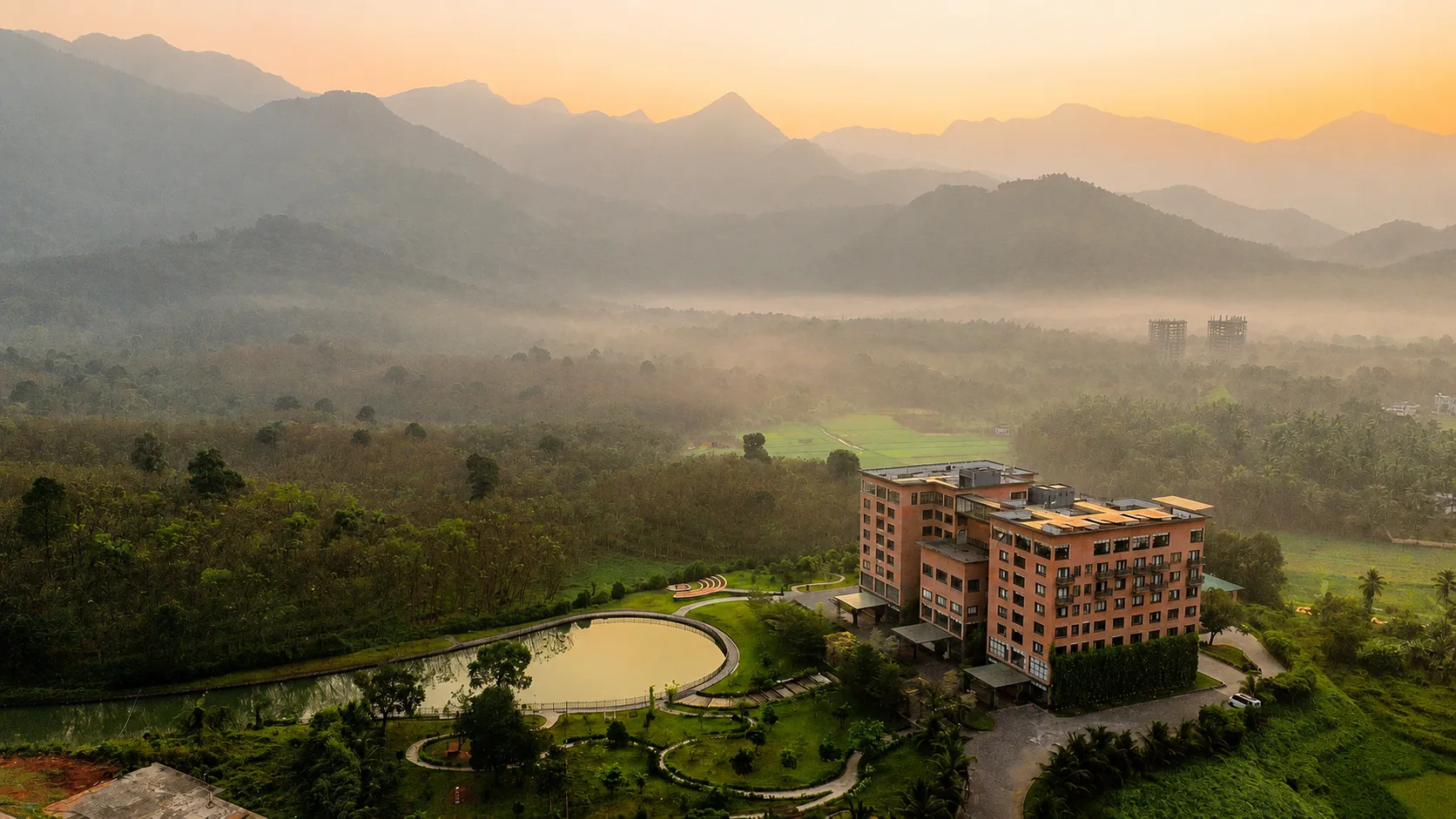
Kaithappoyil, Western Ghats

Before you leave
A physician reads every letter. Book a consultation, or send an inquiry — reservations answers the same day.