
[gtranslate]
MENU
Medical disclaimer: This guide is educational, not a diagnosis. Do not stop prescribed medicines or skip a spine specialist’s advice. Sudden leg weakness, numbness in the groin or saddle area, or loss of bladder or bowel control is an emergency. Go to a hospital the same day.
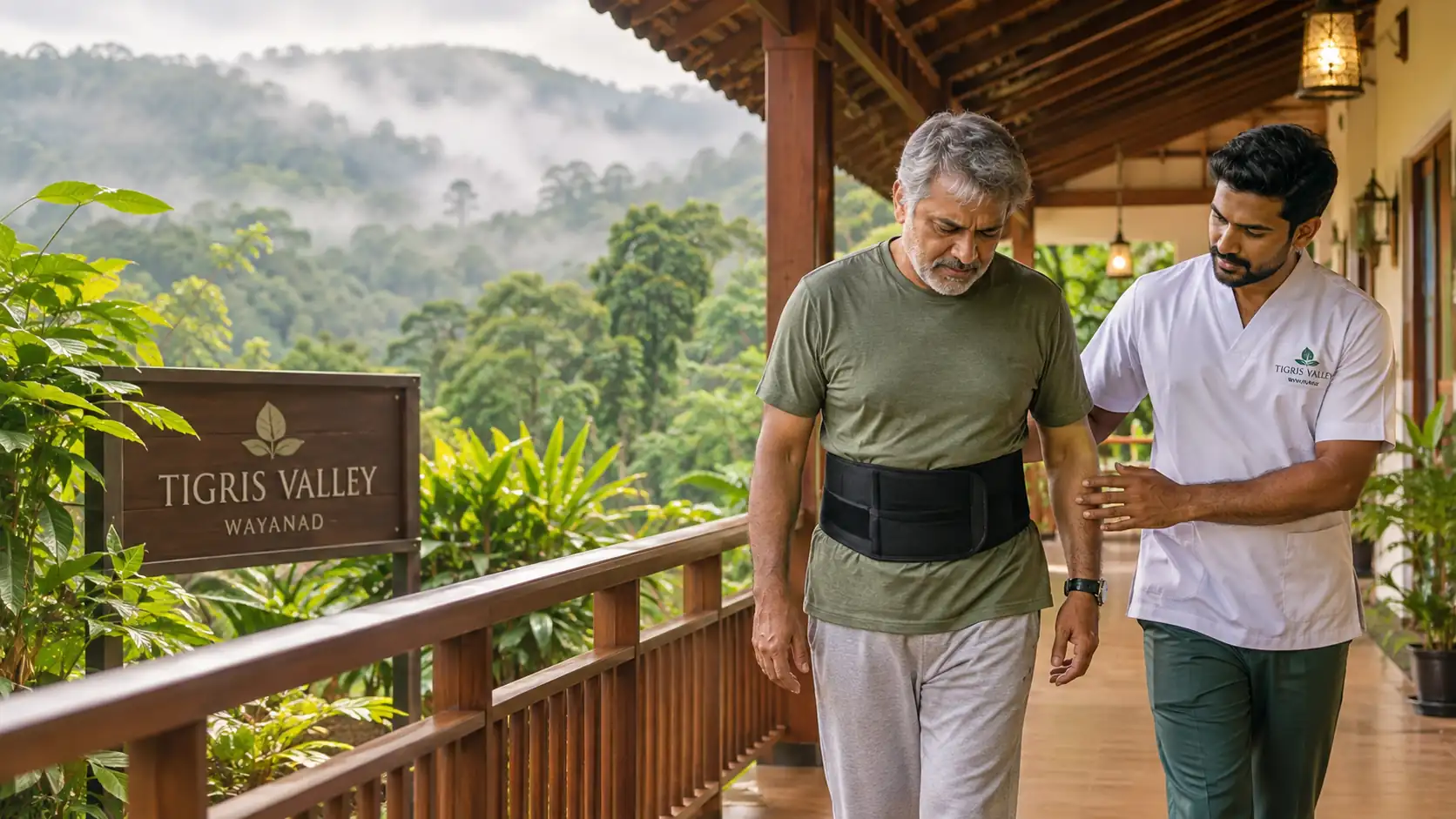
Shooting pain down one leg, a back that locks when you bend, nights you cannot sleep through. Painkillers dull it, and surgery feels like a last resort you are not ready for. Ayurvedic treatment for slipped disc in Kerala offers a supervised, residential alternative for suitable cases. This guide shows what to expect, what to ask, and who should not go.
Table of Contents
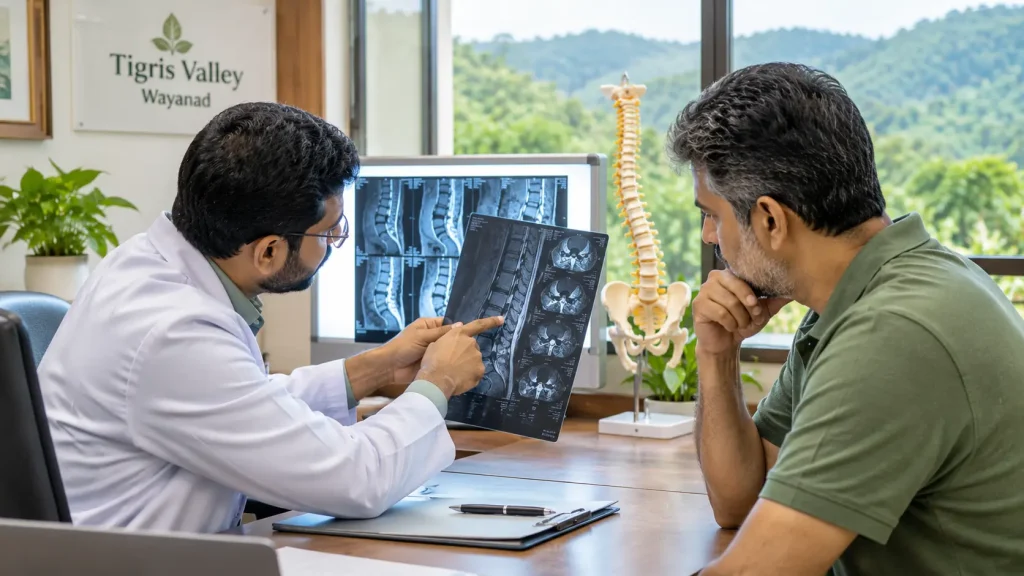
The spine has cushion-like discs between its bones. A “slipped” disc (disc herniation or bulge) means part of a disc has pushed outward. If it presses on a nerve root in the lower back, pain can travel down the buttock and leg. That leg pain is sciatica.
Many mild to moderate cases settle with conservative care. Severe or worsening nerve compression needs a spine specialist first.
Ayurveda links back and leg pain to an aggravated Vata, the principle tied to movement and nerves, and classically describes sciatica as Gridhrasi. Treatment aims to calm that imbalance with oil therapies, heat, herbal medicines, diet and movement, and to strengthen the back so the problem is less likely to return.
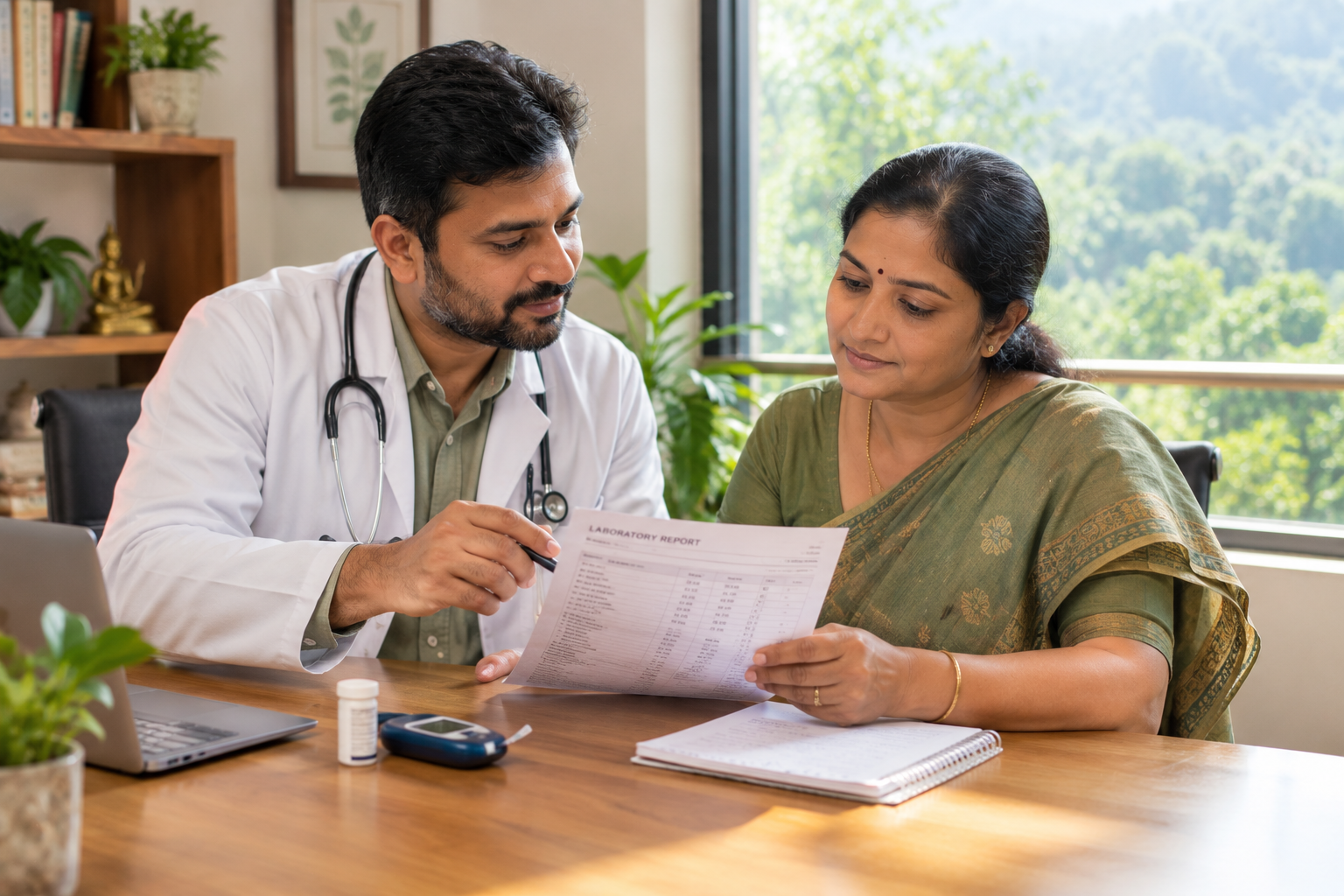
A plan is only as good as its assessment. Tigris Valley’s pain programme begins with a full history review and a diagnostic assessment, including inflammation markers and functional assessments, before a customised plan is set. See the Chronic Pain & Inflammation Management Program for how the team frames this.
Honest note: We found back pain listed among the conditions the pain programme is for. We did not find a dedicated “slipped disc” package or fixed protocol. Treat the items marked “Ask” as unconfirmed until the team replies in writing.
| Topic | Status | What it means for you |
|---|---|---|
| Back, neck and joint pain programme | Confirmed | Back pain is a listed indication |
| Abhyanga, Panchakarma, herbal formulations | Confirmed | Core Ayurvedic tools in the programme |
| Cupping, steam baths, hydrotherapy, yoga | Confirmed | Supportive therapies listed |
| Physical therapy guidance | Confirmed | Exercises to restore strength and mobility |
| 24/7 medical assistance | Confirmed | Listed among facilities |
| Dedicated slipped-disc protocol | Ask | Ask how your case would be planned |
| Kati Basti, Pizhichil or traction | Ask | Not in the sources reviewed; do not assume |
| On-site MRI or spine surgeon | Ask | Bring recent scans |
| Price | Ask | No fixed price published |
Explore the wider Ayurveda and Unani pages, or the Post-Trauma & Rehabilitation Program if your pain followed an injury or surgery.
Important: This is an illustrative outline built from confirmed therapies. It is not Tigris Valley’s official protocol. Your physician sets the real sequence.
| Days | Phase | What may happen |
|---|---|---|
| 1-2 | Assessment | History, scan review, inflammation markers, functional assessment, diet plan, red-flag screening |
| 3-5 | Settle the pain | Gentle Abhyanga, steam, herbal medicines, anti-inflammatory meals, rest and gentle walking |
| 6-9 | Targeted therapy | If judged suitable: Basti or other Panchakarma steps, Hijama, IV nutritional sessions, hydrotherapy |
| 10-12 | Rebuild | Physical therapy guidance, core and posture work, graded yoga, breathwork |
| 13-14 | Review and home plan | Re-assessment, exercises, diet, ergonomic advice, follow-up arrangement |
Tell the team about blood thinners, diabetes, pregnancy and other conditions, because some therapies may be adjusted or avoided.
| Option | Best for | Limits |
|---|---|---|
| Residential Ayurveda programme | Mild to moderate pain; lifestyle reset | Not a substitute for urgent surgery |
| Physiotherapy alone | Strength and mobility | Little help with diet or stress factors |
| Surgery | Severe compression, nerve deficit, red flags | Surgical risks; rehab still needed |
These are not rivals. Many people use conservative care first and surgery only if it is clearly needed, and rehabilitation after surgery may fit a programme like the one above.
No fixed price is published for a slipped-disc programme, so any number here would be a guess. Ask for an itemised quote that covers:
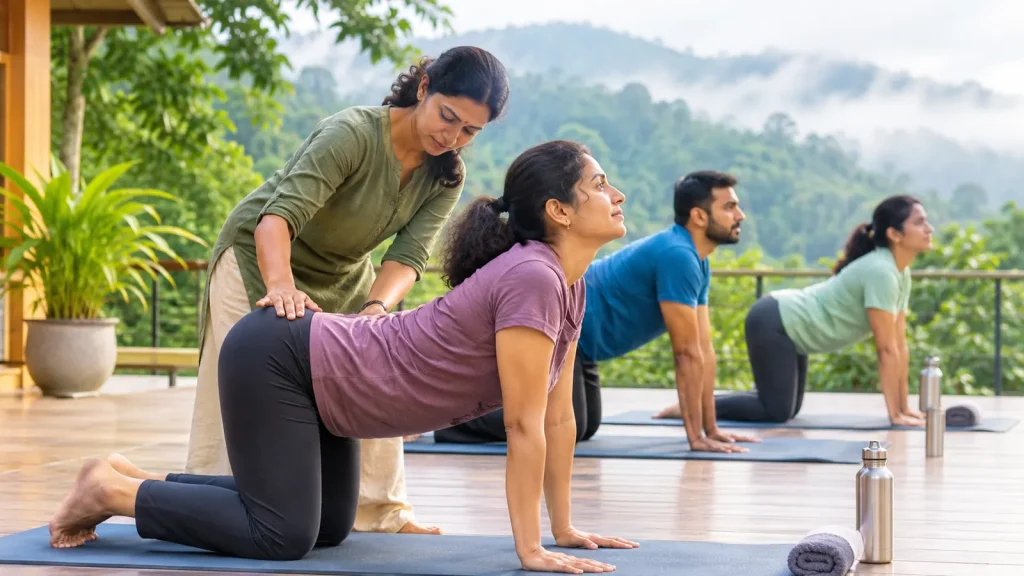
Relief that lasts depends on habits. The programme includes lifestyle guidance, so ask for a written plan covering:
No honest provider can promise a cure. Ayurveda may help manage pain and function in suitable cases. Your physician should explain realistic goals after reading your scan.
Programmes run 7, 14 or 21 days. Fourteen days suits many people, but your physician advises on the right length.
Bring your most recent scan and report. It helps the team judge whether you are a suitable candidate.
In many mild to moderate cases conservative care is tried first. Surgery is advised when there is severe or progressive nerve compression.
Yes. Back, neck and joint pain are listed among conditions the Chronic Pain & Inflammation programme is for.
Only under physician supervision. Some steps are adjusted or avoided depending on your health, medicines and test results.
Do not stop prescribed medicines without your own doctor’s advice. Share the full list with the team.
Yes. 24/7 medical assistance is listed among the facilities.
No fixed price is published. Request an itemised quote that covers stay, meals, therapies, tests and follow-up.
Email reservation@tigrisvalley.com, call +91 9072661622, or use the contact page. Start with a medical consultation.
Send your MRI. Get a straight answer.
The Tigris Valley team can review your reports and tell you whether a residential programme suits your case.

Kaithappoyil, in the Western Ghats.
Markaz Knowledge City Road, Kaithappoyil, Adivaram, Kerala
Get directions +91 90726 61622 reservation@tigrisvalley.com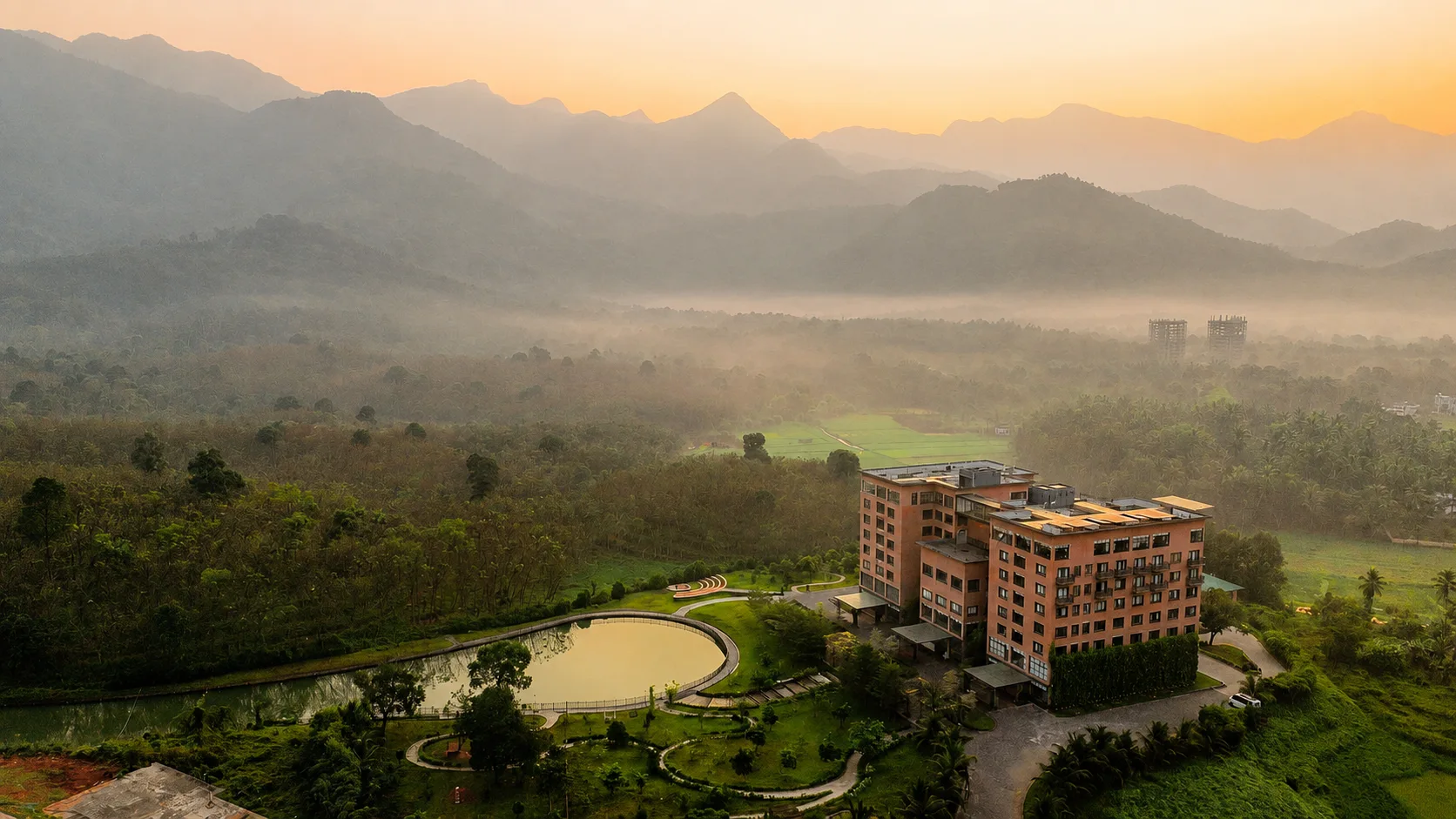
Kaithappoyil, Western Ghats

Before you leave
A physician reads every letter. Book a consultation, or send an inquiry — reservations answers the same day.