
[gtranslate]
القائمة
⚡ حقائق سريعة: العلاج الأيورفيدا لمتلازمة المبيض المتعدد الكيسات في ولاية كيرالا
من المحتمل أنك جربتِ بالفعل الطريقة التقليدية: وصفة طبية لمنع الحمل من أجل “تنظيم” دورتك الشهرية، وربما الميتفورمين لعلاج مقاومة الأنسولين، بالإضافة إلى نصيحة عامة بفقدان الوزن والتحكم في التوتر. تعمل الأدوية على التحكم في القيم التي تظهر على الورق، لكن حب الشباب والتعب والدورات الشهرية غير المنتظمة غالبًا ما تعود فور توقفك عن تناولها — لأن السبب الجذري لم يتغير. إذا كنتِ واحدة من العديد من النساء اللواتي يبحثن عن هذا الموضوع من خارج الهند، فربما لاحظتِ أيضًا مدى قلة المعلومات المتوفرة على الإنترنت التي تشرح فعليًّا ما يتضمنه البرنامج الحقيقي، مقارنةً بقائمة الأعشاب التي يمكن تجربتها في المنزل. يتبع العلاج الأيورفيدا لمتلازمة تكيس المبايض في ولاية كيرالا نهجًا مختلفًا: تشخيص السبب الحقيقي وراء الاختلال، ثم تصحيحه من خلال برنامج منظم يقوده طبيب ومصمم خصيصًا لهذا الغرض. هذا ليس رفضًا للطب الحديث، وليس وعدًا بـ“علاج” متلازمة تكيس المبايض في غضون أسبوع — بل هو عملية أكثر شمولية تركز على السبب الجذري أولًا، وهي عملية لم تُعرض على معظم النساء من قبل. إليكِ كيف يبدو ذلك في الواقع، وما يمكن توقعه بشكل واقعي.
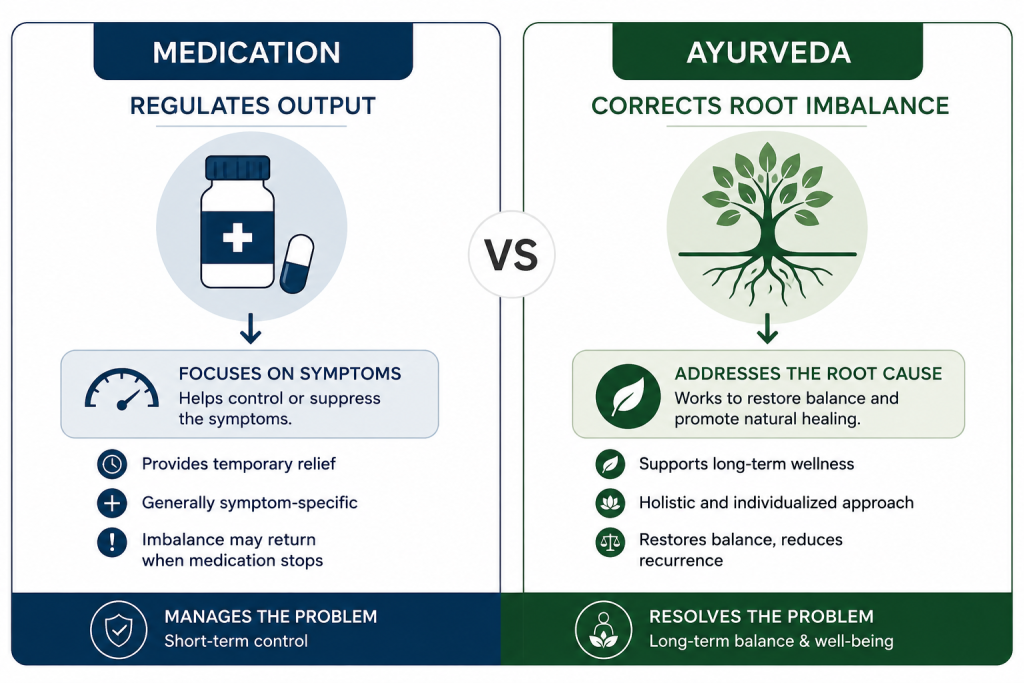
تعمل الأدوية الهرمونية التقليدية لعلاج متلازمة المبيض المتعدد الكيسات — مثل موانع الحمل، والميتفورمين، ومضادات الأندروجينات، والسبيرونولاكتون لعلاج حب الشباب — من خلال تنظيم مستويات الهرمونات أو منع مسارات معينة. وغالبًا ما تكون فعالة في السيطرة على الأعراض، وهي أداة مفيدة حقًّا للعديد من النساء. لكنها تعالج النتيجة، لا الآلية التي تسببها. فبمجرد التوقف عن تناول الأدوية، تجد معظم النساء أن النمط الأساسي لم يتغير وأن الأعراض تعود، أحيانًا خلال دورة شهرية واحدة. وهذا هو مصدر الإحباط الذي يدفع الضيوف الدوليين في المقام الأول إلى البحث عن خيارات مثل هذه: ليس بسبب عدم الرضا عن الطب الحديث في حد ذاته، بل بسبب الشعور بأن هناك مشكلة أصلية لم يتم معالجتها أبدًا.
تنطلق الأيورفيدا من فرضية مختلفة. يُنظر إلى متلازمة المبيض المتعدد الكيسات (PCOS) والاختلال الهرموني المرتبط بها على أنهما اضطراب في دوشة كافا ودوشة فاتا, ، وتفاقم ذلك بسبب أماه — السموم الأيضية المتراكمة التي تعيق عملية الهضم وحساسية الأنسولين ومعالجة الهرمونات. ويرتبط تفاقم «كافا» بزيادة الوزن وبطء عملية التمثيل الغذائي ومقاومة الأنسولين التي تعاني منها العديد من النساء المصابات بمتلازمة تكيس المبايض، في حين يرتبط اختلال «فاتا» بالطبيعة غير المنتظمة وغير المتوقعة للدورة الشهرية نفسها والقلق الذي غالبًا ما يصاحبها. بدلاً من الاكتفاء بتنظيم إفراز الهرمونات، يستهدف العلاج «نار الهضم» (أغني)، ويزيل «أما» المتراكمة من خلال إزالة السموم، ويعيد التوازن إلى «الدوشات» التي تتسبب في عدم انتظام الدورة من الأساس. يتم شرح نموذج «الدوشات والهضم» هذا بمزيد من التفصيل في دليل شامل للعلاج الأيورفيدا للأمراض المزمنة, ، والذي يتناول كيفية انطباق منطق «الأسباب الجذرية» نفسه على الحالات الأيضية والمناعية والهرمونية.
هذا هو الأساس الذي تستند إليه معظم المصادر الموثوقة العلاج الطبيعي لمتلازمة تكيس المبايض في الهند البروتوكولات — لا يتم استبدال أي عشبة بأي حبة دواء، بل يتم إجراء إعادة ضبط شاملة لوظائف الجهاز الهضمي والتمثيل الغذائي والجهاز العصبي، يتم بناؤها على مدار أسابيع بدلاً من تقديمها في جلسة واحدة. وهذا يفسر أيضًا سبب قصور النصائح العامة مثل “تناول الحلبة فحسب” في تحقيق النتائج المرجوة: فالعشب وحده لا يصحح الوضع الهضمي والتمثيلي الغذائي الذي سمح بحدوث الخلل في المقام الأول. وهذا هو السبب أيضًا الذي يجعل الممارسين يركزون في كثير من الأحيان على صحة الأمعاء ووظيفة الجهاز الهضمي إلى جانب الأعراض التناسلية — ففي الأيورفيدا، يُنظر إلى هذين النظامين على أنهما مترابطان، وليس كنظامين منفصلين، حيث يُعتبر اضطراب «أغني» السبب الجذري لعدم انتظام الهرمونات.
والأهم من ذلك، أن هذا لا يعني أن الأدوية والأيورفيدا متعارضتان، أو أنه يتعين التخلي عن إحداهما لتجربة الأخرى. بالنسبة للعديد من النساء، فإن المسار الواقعي والأكثر أمانًا هو اتباع كلا النهجين بالتوازي تحت إشراف طبيب واحد، مع تعديل التوازن بينهما وفقًا لتغير الأعراض — وسنقدم المزيد من التفاصيل حول كيفية عمل ذلك بالضبط لاحقًا في هذا الدليل.
يتم ترتيب تسلسل البرنامج المنظم بشكل سليم من قبل الطبيب، ولا يتم اختياره من قائمة علاجات جاهزة، وعادةً ما يتطور عبر ثلاث مراحل مترابطة بدلاً من أن يكون عبارة عن خدمات منفصلة لا علاقة بينها. وتعد المدة عاملاً مهمًا هنا أيضًا: فنادرًا ما تقل مدة البرنامج الفعال حقًّا لعلاج متلازمة المبيض المتعدد الكيسات (PCOS) أو الاضطرابات الهرمونية عن 10 إلى 14 يومًا، حيث تحتاج كل مرحلة من المراحل المذكورة أدناه إلى وقت كافٍ لتظهر نتائجها فعليًّا قبل أن تبدأ المرحلة التالية في البناء عليها — فإقامة مدتها 3 أو 4 أيام ليست كافية ببساطة لتجاوز مرحلة التشخيص والتحضير.
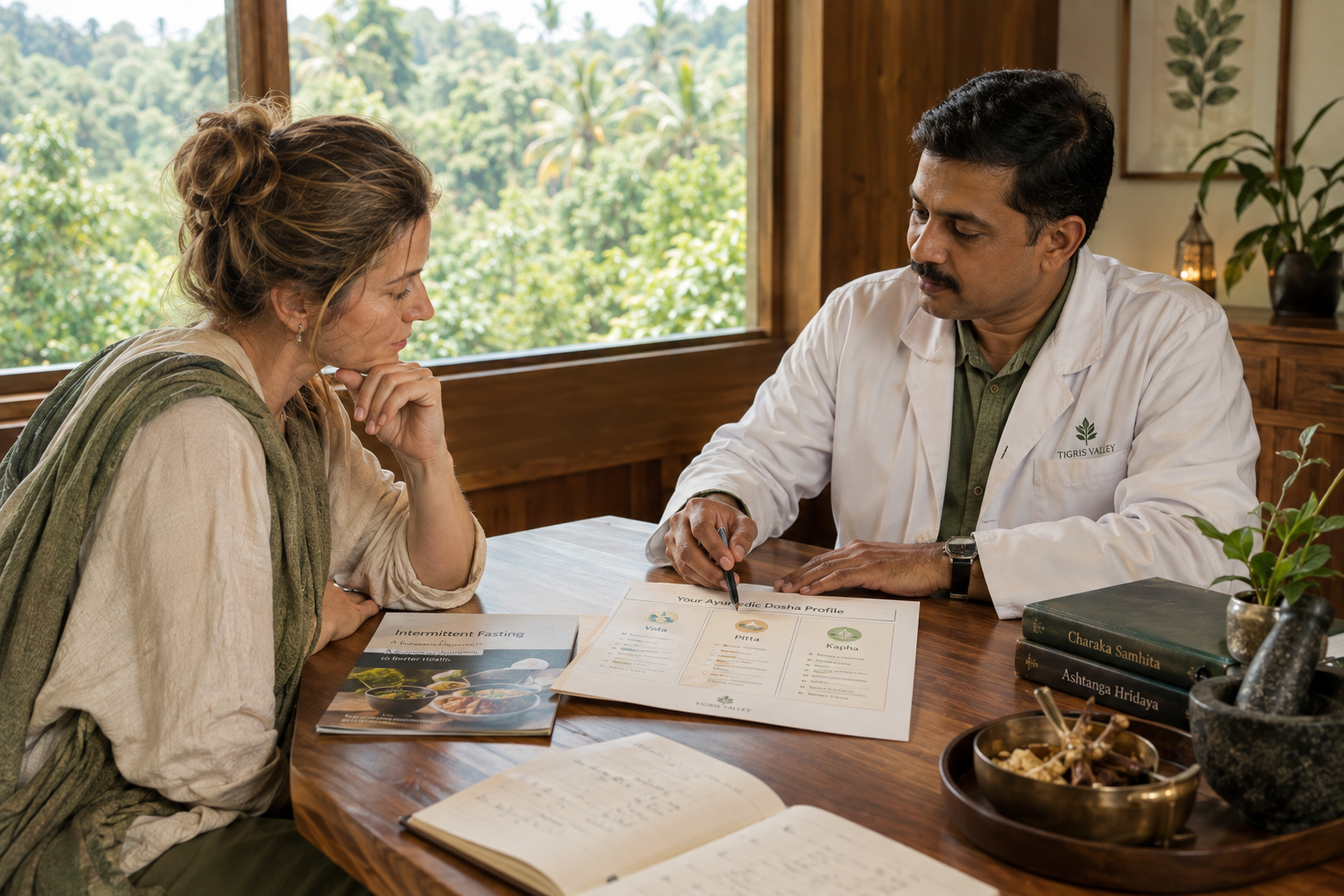
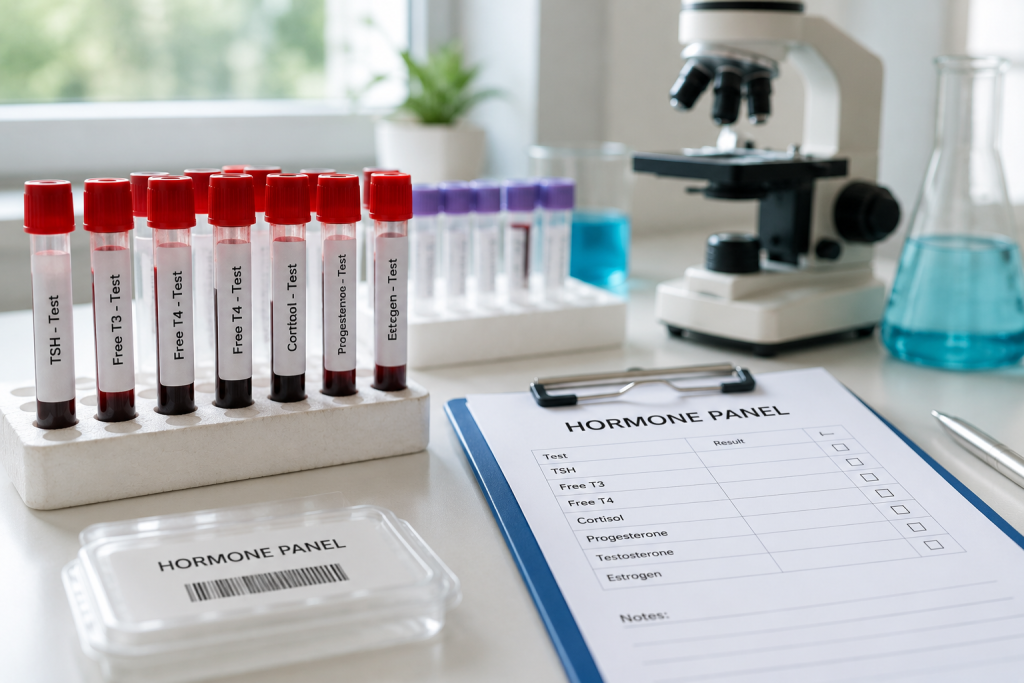
قبل وصف أي علاج، يقوم الطبيب بمراجعة تاريخ دورتك الشهرية، والأدوية التي تتناولينها حالياً، واتجاهات وزنك، والتغيرات التي تطرأ على بشرتك وشعرك، ونوعية نومك، ومستوى التوتر الذي تتعرضين له، ويطلب — عند الضرورة — تشخيص الطب الوظيفي تشمل فحوصات الهرمونات والتمثيل الغذائي: مؤشرات مثل مقاومة الأنسولين، ووظيفة الغدة الدرقية، ومستويات الأندروجين. وقد تم تضمين هذه الخطوة لأن متلازمة تكيس المبايض (PCOS) واختلال وظيفة الغدة الدرقية ومقاومة الأنسولين غالبًا ما تظهر بأعراض متشابهة جدًّا ظاهريًّا: فقد تشير الدورة الشهرية غير المنتظمة، والتعب، وزيادة الوزن، والتغيرات الجلدية إلى أيٍّ من هذه الحالات، أو إلى مزيج منها. تجاهل هذه الخطوة والانتقال مباشرةً إلى العلاج هو السبب الأكبر والأكثر شيوعًا لعدم تحقيق المحاولات الأيورفيدية الذاتية أي نتائج — حيث ينتهي الأمر بالبروتوكول إلى تصحيح الأمر الخاطئ.
وهذا هو بالضبط المكان الذي برنامجنا الخاص بالوزن والتوازن الهرموني صُمم هذا البرنامج لتغطية ما تغفل عنه باقات العافية العامة. فبدلاً من تقديم قائمة ثابتة من جلسات التدليك ومجموعة من المكملات الغذائية، يبدأ البرنامج بهذه المرحلة التشخيصية على وجه التحديد؛ لأن الوزن والتمثيل الغذائي والأعراض الهرمونية غالبًا ما تكون متشابكة لدى المرضى الفعليين — وعلاج أحدها دون فهم العناصر الأخرى نادرًا ما يؤدي إلى نتائج مستدامة على المدى الطويل. بالنسبة للضيوف الذين تشير فحوصاتهم الدموية إلى خلل أوسع في التمثيل الغذائي (مثل مقاومة الأنسولين أو اضطرابات الغدة الدرقية إلى جانب متلازمة تكيس المبايض)، فإن برنامج إدارة الاضطرابات الأيضية أيهما أكثر ملاءمة من الناحية السريرية، وستحدد استشارتك أيّ من الخيارين يناسب حالتك.
بمجرد أن يصبح نمط الدوشا الخاص بك والعوامل المساهمة فيه أكثر وضوحًا، يتم إدخال تغييرات غذائية مخصصة لكل دوشا لتقليل تفاقم الكافا ودعم حساسية الأنسولين. عمليًّا، يعني هذا عادةً تقليل الأطعمة الثقيلة والمصنعة والمفرطة في الحلاوة، واستبدالها بوجبات دافئة وسهلة الهضم تناسب تركيبتك الجسدية المحددة، بدلاً من اتباع خطة عامة لـ“الأكل الصحي”. كما أن توقيت الوجبات مهم هنا أيضًا — حيث تُعتبر أنماط الأكل غير المنتظمة عاملاً مباشرًا في تفاقم «أغني»، وهي نار الهضم التي تعتبرها الأيورفيدا عنصرًا أساسيًا في تنظيم الهرمونات.
يُعامل النوم، وإدارة التوتر، وممارسة الحركة كعناصر علاجية في هذه المرحلة، وليس مجرد اقتراحات متعلقة بنمط الحياة تُضاف بشكل ثانوي. يؤدي التوتر المزمن إلى تفاقم «دوشا فاتا» التي تتحكم في الوظيفة التناسلية بشكل مباشر، ولهذا السبب تتضمن البرامج المنظمة ممارسات يومية للحد من التوتر (تمارين التنفس، واليوغا الخفيفة، والراحة الموجهة) بدلاً من تركها للانضباط الشخصي خلال فترة إقامة مزدحمة. غالبًا ما يعتمد الدعم العشبي خلال هذه المرحلة على تركيبات يوناني إلى جانب الأعشاب الأيورفيدية التقليدية، نظرًا للتداخل الكبير بين النظامين في مجالي التمثيل الغذائي وتصحيح وظائف الجهاز الهضمي.

يُعد التخلص من السموم عنصراً أساسياً في الدور الذي تلعبه «بانشاكارما» في إعادة التوازن الهرموني. وبناءً على تقييم حالتك، قد يشمل ذلك التزييت الداخلي (سنيهابانام) لإعداد الجسم لعملية إزالة السموم بشكل أعمق، و«فيريتشانا» (التطهير العلاجي) لإزالة «أما» المتراكمة المرتبطة بخلل وظائف التمثيل الغذائي، و«أبيانغا» (التدليك بالزيوت العشبية الدافئة المخصصة لكل دوشا) لدعم الدورة الدموية، والتصريف اللمفاوي، ووظائف التمثيل الغذائي بشكل عام. وفي حالات محددة، قد يُنظر أيضًا في استخدام علاجات أكثر تخصصًا للجهاز التناسلي، وذلك دائمًا بعد تقييم الطبيب.
ليس كل ضيف مؤهلاً لخضوعه للبروتوكول الكامل — فقد يؤدي الحمل أو بعض الحالات الحادة أو مؤشرات صحية معينة إلى استبعاد علاجات معينة. ويقوم الطبيب بتحديد العناصر التي تنطبق فعليًّا على حالتك قبل بدء أي إجراء، بدلاً من تطبيق حزمة قياسية على كل ضيف بغض النظر عن حالته.
إلى جانب هذه المستويات الثلاثة، تتضمن معظم البرامج أيضًا مراجعة يومية للتقدم المحرز. فبدلاً من وضع بروتوكول في اليوم الأول وتركه دون تغيير طوال فترة الإقامة، يقوم الطبيب عادةً بمتابعة حالتك كل بضعة أيام لمعرفة كيفية استجابتك — مع تعديل اختيار الزيوت، أو تفاصيل النظام الغذائي، أو شدة العلاج كلما أصبحت استجابة جسمك أكثر وضوحًا. هذا التعديل المستمر هو جزء مما يميز البرنامج الذي يُدار بطريقة طبية عن باقة المنتجع الصحي الثابتة: فمن المتوقع أن يتغير الخطة مع ورود المعلومات الفعلية، ولا يتم اتباعها بصرامة بغض النظر عن استجابتك الفعلية.
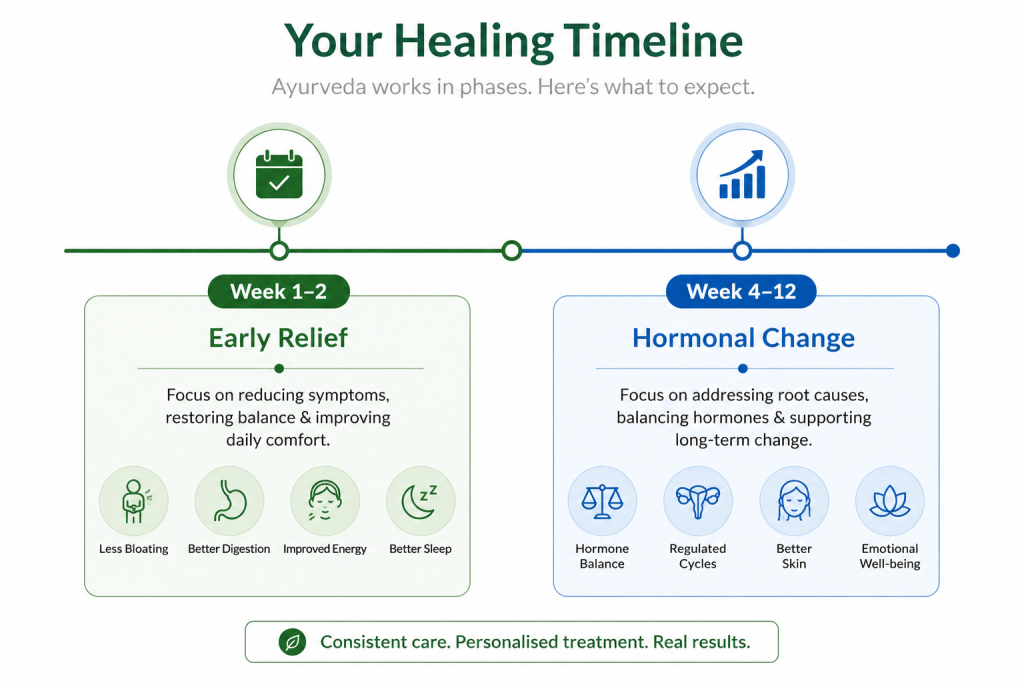
تعتمد الجداول الزمنية بشكل كبير على ما يتم تصحيحه فعليًّا، ويُعد تحديد التوقعات الصحيحة في هذا الصدد أكثر أهمية من أي شيء آخر تقريبًا في هذا الدليل. غالبًا ما تتحسن الأعراض الهضمية، والانتفاخ، ومستويات الطاقة، ونوعية النوم خلال الأسبوع الأول أو الأسبوعين الأولين من العلاج، حيث إن عملية إزالة السموم القائمة على «بانشاكارما» عادةً ما تُحدث تغييرات مبكرة ملحوظة يسهل الشعور بها حتى قبل أن تتغير أي مؤشرات مخبرية.
أما انتظام الدورة الشهرية ومؤشرات التمثيل الغذائي الأعمق، فتتغير بوتيرة أبطأ بكثير. ويتوقع معظم الأطباء 4–12 أسبوعًا من العلاج المنظم قبل أن يصبح التغيير الهرموني الملموس قابلاً للقياس — وتستمر هذه الفترة عادةً، بشكل أخف، لفترة طويلة بعد عودة الضيفة إلى منزلها، من خلال اتباع نظام غذائي مستمر والدعم بالأعشاب. وعادةً ما يتطلب علاج الغدة الدرقية بالأيورفيدا في ولاية كيرالا، على وجه التحديد، بروتوكولًا أطول وأكثر استمراريةً مقارنةً بحالات متلازمة تكيس المبايض وحدها، نظرًا لأن إنتاج هرمونات الغدة الدرقية وتنظيمها يستجيبان عمومًا وفقًا لجدول زمني بيولوجي أبطأ مقارنةً بالأعراض المرتبطة بالمبيض والدورة الشهرية. وينبغي للضيوف الذين يتعاملون مع كلتا الحالتين معًا أن يتوقعوا أن يكون الجزء المتعلق بالغدة الدرقية هو الجزء الأبطأ تقدمًا في الصورة الإجمالية.
أي شخص يعد بإعادة ضبط هرموني كامل من خلال إقامة قصيرة، فإنه يصف خدمة أخف وأقل طابعًا طبيًّا مما نناقشه هنا. ومن الجدير أن نكون صريحين بشأن هذا الأمر منذ البداية: فالتوقعات الواقعية، التي تحددها قبل السفر، تحميك من خيبة الأمل أكثر بكثير مما قد تحميك أي أرقام مغرية لكن غير واقعية.
بالنسبة للضيوف القادمين من خارج البلاد، يؤثر هذا الجدول الزمني أيضًا على تخطيط الرحلة. عادةً ما تكون زيارة واحدة مدتها 10–14 يومًا كافية لإكمال مرحلة إزالة السموم المكثفة وملاحظة تخفيف مبكر للأعراض، مع استمرار اتباع البروتوكول العشبي والغذائي في المنزل بعد ذلك تحت إشراف عن بُعد. أما الضيوف الذين يعانون من أنماط هرمونية أكثر تعقيدًا أو أقدم عهدًا، فيخططون أحيانًا لزيارة ثانية بعد عدة أشهر، بمجرد ظهور النتائج الأولية بوضوح، بدلاً من محاولة ضغط العملية بأكملها في إقامة واحدة ممتدة. وترد التفاصيل المتعلقة بترتيبات السفر والتأشيرات والاستشارات باللغة الإنجليزية في صفحة المرضى الدوليين, ، كما ترد تفاصيل الإقامة التي تركز على الراحة بين جلسات العلاج — بدلاً من الإقامة الفندقية التقليدية — في الغرف والأجنحة الصفحة.

في معظم الحالات، نعم — ولكن ليس أبدًا دون الإفصاح الكامل، ولا كقرار تتخذينه بنفسك. إذا كنتِ تتناولين حاليًا موانع الحمل، أو الميتفورمين، أو أدوية الغدة الدرقية، أو مضادات الأندروجين، فيجب الإفصاح عن ذلك بشكل كامل خلال استشارتك، حيث يحتاج الطبيب الذي يراجع حالتكِ إلى الصورة الدوائية الكاملة قبل التوصية بأي تدخل عشبي. فبعض التركيبات العشبية يمكن أن تتفاعل مع الأدوية الهرمونية، والطبيب المدرب على كلا النظامين هو بالذات من يتيح التعامل مع هذه الحالات بأمان، بدلاً من الاعتماد على التخمينات.
ثم يتم وضع بروتوكولات الطب الأيورفيدا والطب الوظيفي بحيث تعمل جنبًا إلى جنب مع الوصفات الطبية الحالية الخاصة بك، لا أن تحل محلها دون إخطار. وأي تغيير في روتين أدويتك — سواء كان تخفيض الجرعة، أو التوقف المؤقت عن تناول دواء ما، أو تعديل توقيت تناوله — لا يحدث إلا تحت إشراف طبي، وفقط بعد ملاحظة استجابتك الفعلية للعلاج، ولا يتم أبدًا على أساس افتراض مخطط مسبقًا قبل وصولك إلى العيادة.
هذا أحد الأسئلة الأكثر شيوعًا التي تطرحها النساء اللواتي يفكرن في الانضمام إلى برنامج علاجي أيورفيدا لعلاج اختلال التوازن الهرموني للمرة الأولى، وهو أمر مفهوم — فهذه التفاصيل هي التي تحدد ما إذا كان البرنامج مسؤولًا من الناحية الطبية أم لا. من الجدير طرح هذا السؤال بشكل مباشر ومفصل قبل الحجز في أي مكان، وليس هنا فقط: ما هي التركيبات التي تتفاعل مع أي أدوية، وكيف تتم المتابعة الطبية خلال إقامتك، وماذا يحدث إذا تبين أن حالتك تتطلب وقتًا أطول مما كان مخططًا له في البداية؟.
وبالنسبة لأدوية الغدة الدرقية على وجه التحديد، يكتسب هذا التنسيق أهمية أكبر، حيث إن الجرعة غالبًا ما تتطلب إعادة تقييم مع تغير وظائف التمثيل الغذائي أثناء العلاج — وهو سبب آخر يجعل الإشراف الطبي المستمر، وليس الاستشارة لمرة واحدة، هو المعيار الذي يجب البحث عنه. يجب على النساء اللواتي يعانين من متلازمة تكيس المبايض إلى جانب مشكلة في الغدة الدرقية أن يتوقعن مراقبة أكثر تواتراً قليلاً طوال فترة إقامتهن مقارنة بمن تعالجن من أعراض متلازمة تكيس المبايض وحدها، وذلك تحديداً لأن هناك نظامين هرمونيين يتم تتبعهما بدلاً من نظام واحد. يمكنك الاطلاع على مؤهلات الأطباء الذين يقودون هذا النوع من المراقبة المزدوجة للنظامين على صفحة فريقنا.
إذا كنت تقارن هذا المحتوى بمحتويات أخرى نُشرت سابقًا تتناول موضوعات الوزن والهرمونات، فإن هذه المحتويات تتناول مواضيع ذات صلة تستحق المراجعة:
✅ النقاط الرئيسية
ليس تلقائيًّا، ولا بدون إشراف طبي. تستخدمه العديد من النساء جنبًا إلى جنب مع الأدوية التي يتناولنها حاليًّا، وليس بدلاً منها، ولا تُجرى أي تغييرات على الوصفات الطبية إلا تحت إشراف الطبيب بعد مراجعة حالتك بالكامل.
يبدأ البرنامج المخصص لعلاج متلازمة المبيض المتعدد الكيسات (PCOS) والاضطرابات الهرمونية بالتشخيص والإشراف الطبي، بدلاً من تقديم علاجات مستمدة من قائمة عامة على غرار المنتجعات الصحية. ويتم وضع البروتوكول بناءً على حالتك الهرمونية الخاصة، وليس كحزمة ثابتة تُطبق على كل ضيف.
نعم. تصل العديد من النساء وهن يعانين من أعراض — مثل عدم انتظام الدورة الشهرية، وتغيرات في الوزن، والإرهاق — دون أن يكون هناك تشخيص مؤكد. وعادةً ما يبدأ التقييم بالتمييز بين متلازمة المبيض المتعدد الكيسات (PCOS) واختلال وظائف الغدة الدرقية، أو مقاومة الأنسولين، أو الإجهاد، حيث يتطلب كل منها نهجًا مختلفًا.
يمكن أن تساهم العلاجات المنزلية (الحلبة، القرفة، الكركم) في دعم الصحة الأيضية بشكل عام، لكن البرنامج السريري يضيف إلى ذلك الفحوصات التشخيصية، وعلاجات «بانشاكارما» التي يحدد تسلسلها الطبيب، والمتابعة المنظمة — وهو مستوى من الإشراف لا توفره العلاجات المنزلية وحدها.
هناك تداخل بينهما، حيث إن كلاهما من الحالات الأيضية والهرمونية، لكن التركيبات العشبية المحددة وتوقيت العلاج يختلفان — فحالات الغدة الدرقية تتطلب عادةً بروتوكولًا علاجيًا أطول وأكثر استمرارية مقارنةً بالحالات التي تقتصر على متلازمة المبيض المتعدد الكيسات.
نعم، في معظم البرامج التي تُدار بشكل سليم. تساعد فحوصات الهرمونات ومؤشرات التمثيل الغذائي في تأكيد السبب الفعلي لأعراضك قبل وضع أي بروتوكول علاجي يعتمد على الأعشاب أو إزالة السموم.
قد يظهر تحسن حاد في الأعراض في غضون أسبوع إلى أسبوعين، لكن التغيرات الهرمونية والتغيرات في الدورة الشهرية التي يمكن قياسها تتطلب عادةً فترة تتراوح بين 4 و12 أسبوعًا من العلاج المنظم، بالإضافة إلى الالتزام المستمر بنمط حياة صحي بعد ذلك.
بشكل عام، نعم، ولكن يقوم الطبيب بتقييم حالتك الصحية المحددة وأي موانع قبل التوصية بالبرنامج الكامل. لا يتلقى كل ضيف علاجات متطابقة — حيث يتم اختيار مكونات البرنامج بناءً على التقييم الفردي.
نعم. تُجرى الاستشارات باللغة الإنجليزية، ويتمتع الفريق الطبي بخبرة واسعة في التعامل مع الحالات الصحية للمرضى الدوليين، بما في ذلك مراجعة الوصفات الطبية الغربية للتأكد من عدم وجود أي تفاعلات مع المستحضرات الأيورفيدية.
استشارة تركز على الهرمونات، وليست حجزًا. وهذا يتيح للطبيب التأكد من السبب الحقيقي وراء أعراضك، والتوصية بمدة البرنامج وبروتوكوله المناسبين قبل إتمام أي إجراءات.
لا — لا تتوقف أبدًا عن تناول الأدوية الموصوفة لك دون استشارة طبية. احرص على الإفصاح عن قائمة الأدوية التي تتناولها بالكامل أثناء الاستشارة حتى يمكن وضع خطة علاجية آمنة بناءً عليها.
اكتشف السبب الحقيقي وراء أعراضك
تُجري الاستشارة التي تركز على الهرمونات تحديدًا ما إذا كان الأمر يتعلق بمتلازمة المبيض المتعدد الكيسات (PCOS) أو الغدة الدرقية أو مقاومة الأنسولين أو مزيجًا من هذه الحالات — قبل البدء في أي بروتوكول علاجي.
→ حجز استشارة متخصصة في الهرمونات
كايثابويل، في جبال الغات الغربية.
طريق مدينة المعرفة المركزية، كايثابوييل، أديفارام، كيرالا
الحصول على الاتجاهات +91 90726 61622 reservation@tigrisvalley.com
كايثابويل، جبال الغات الغربية

قبل مغادرتك
يقوم طبيب بقراءة كل رسالة. احجز موعدًا استشاريًا، أو أرسل استفسارًا — يتم الرد على الحجوزات في نفس اليوم.