
[gtranslate]
القائمة
Quick Facts: 21-Day Stroke Rehabilitation Programme
A stroke changes a family overnight, and the hardest questions arrive after discharge: where does rehabilitation continue, and for how long? Without structured therapy in the early months, recovery windows narrow and caregivers burn out. This guide explains stroke rehabilitation in Kerala through a physician-led 21-day programme: what it includes, who qualifies, and what families should know before they decide.
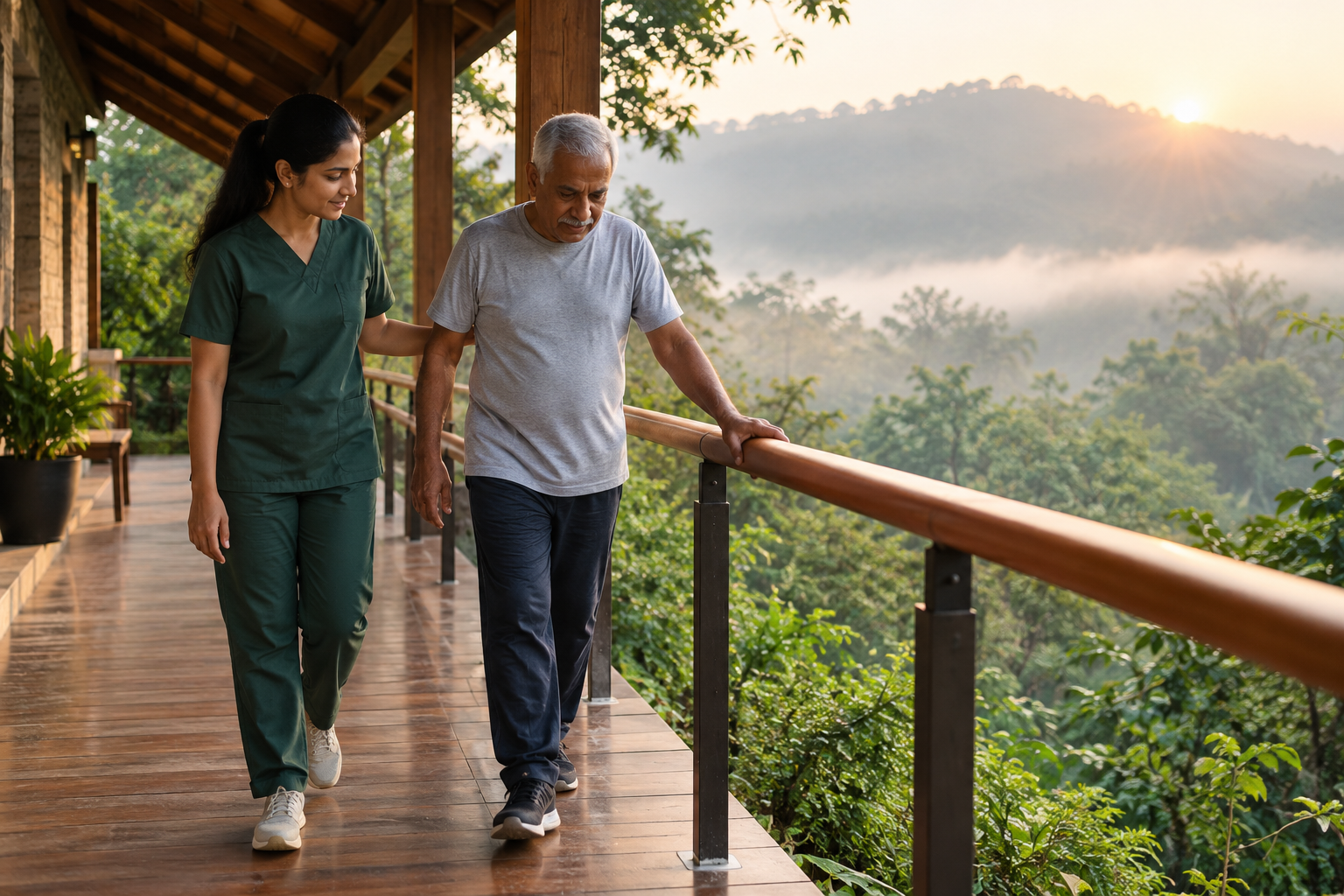
Stroke rehabilitation is a structured programme of therapy that helps a survivor regain movement, speech, thinking skills and independence after the acute medical crisis has passed. It does not replace emergency care. It starts where the hospital stops.
About 85% of strokes are ischaemic, caused by a blocked vessel. The rest are haemorrhagic, caused by bleeding. Both can leave weakness on one side, slurred speech, memory gaps, low mood and fatigue. The brain can form new connections with repeated, purposeful practice. That ability is called neuroplasticity, and it is the reason daily therapy matters.
A good stroke recovery centre in Kerala offers three practical advantages:
For readers comparing options, our guide to the integrated stroke rehabilitation approach in Kerala explains how the clinical model fits together.
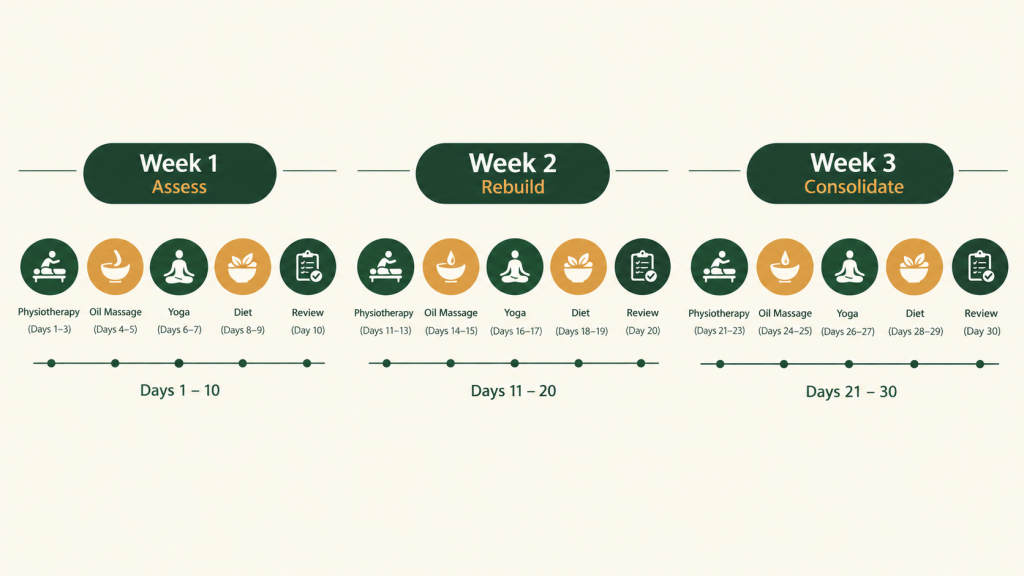
The 21-day programme combines a physician assessment, daily physiotherapy, Ayurvedic and Unani therapies, yoga, therapeutic meals and a home-care plan. Therapies, meals, sleep and movement are timed as one treatment rather than a menu of add-ons. The 21-day post-trauma and stroke rehabilitation programme lists daily rehabilitation with physician review as its core.
The stroke-specific work covers four areas: motor recovery to regain strength and mobility, speech and cognitive therapy, cardiac conditioning where indicated, and emotional support through meditation and counselling.
| Entity | Attribute | Value |
|---|---|---|
| Programme | المدة المعتادة | 21 days, set by the physician |
| التقييم | Covers | Medical history, trauma type, medication, goals |
| العلاج الطبيعي | الغرض | Restore mobility and build strength |
| أبهيانجا | الغرض | Herbal oil massage for pain relief and tissue repair |
| Yoga and meditation | الغرض | Restore balance and mental calm |
| العلاج المائي | الغرض | Support circulation and ease pain |
| IV infusions | الغرض | Nutritional support for tissue repair and energy |
| Forest walks | الغرض | Gentle outdoor movement and mindfulness |
| Discharge plan | يتضمن | Diet plan, daily routine, stress techniques |
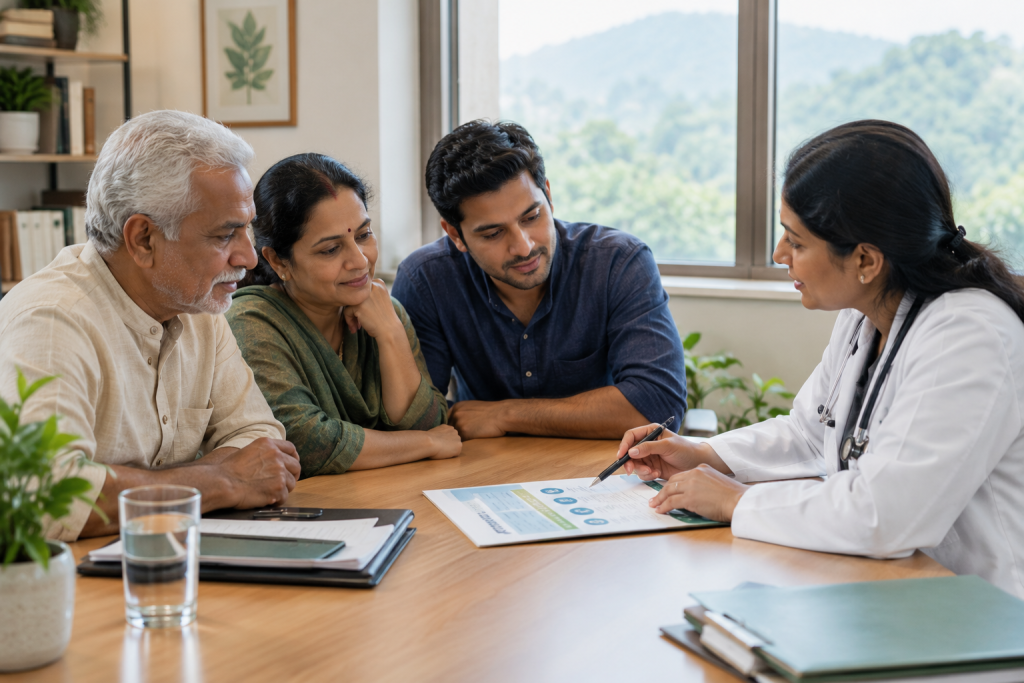
A multidisciplinary team reviews scans, discharge summaries and medicines, then sets goals you can measure, such as walking 20 metres with a frame or buttoning a shirt. Therapy begins gently. Sleep, appetite and blood pressure are watched closely.
This is the heaviest therapy week. Expect physiotherapy, hand and balance work, speech or cognitive practice, Abhyanga, hydrotherapy and yoga, with physician review each day. Rest periods are scheduled, because over-tiring slows progress.
Practice shifts toward real-life tasks. The team writes a diet plan, a daily routine and a stress-management plan, and trains the caregiver in safe transfers and home exercises.
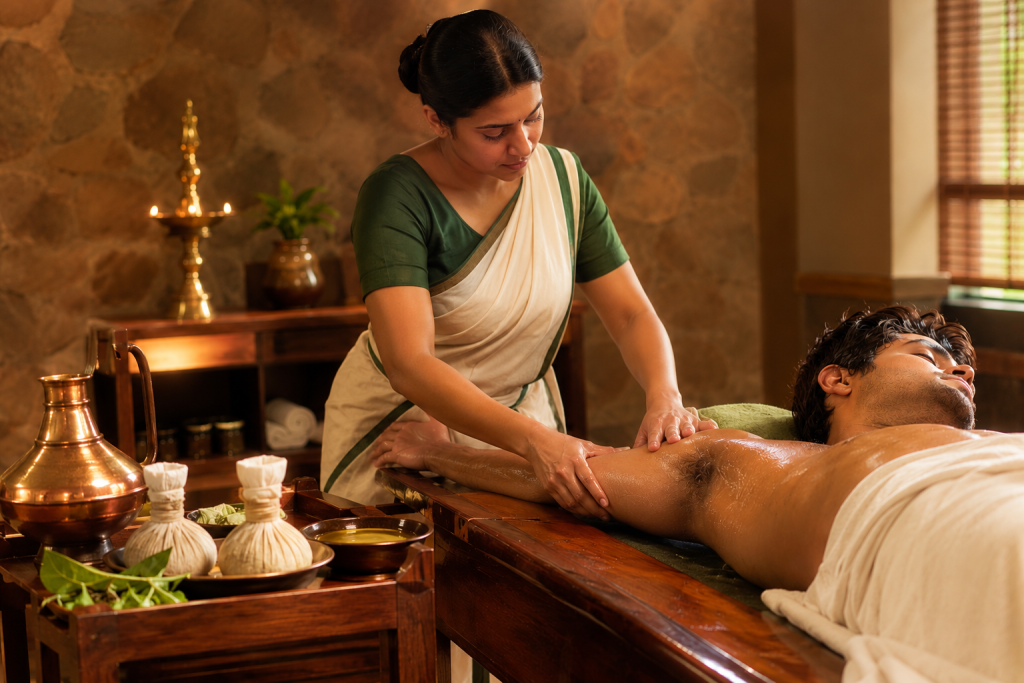
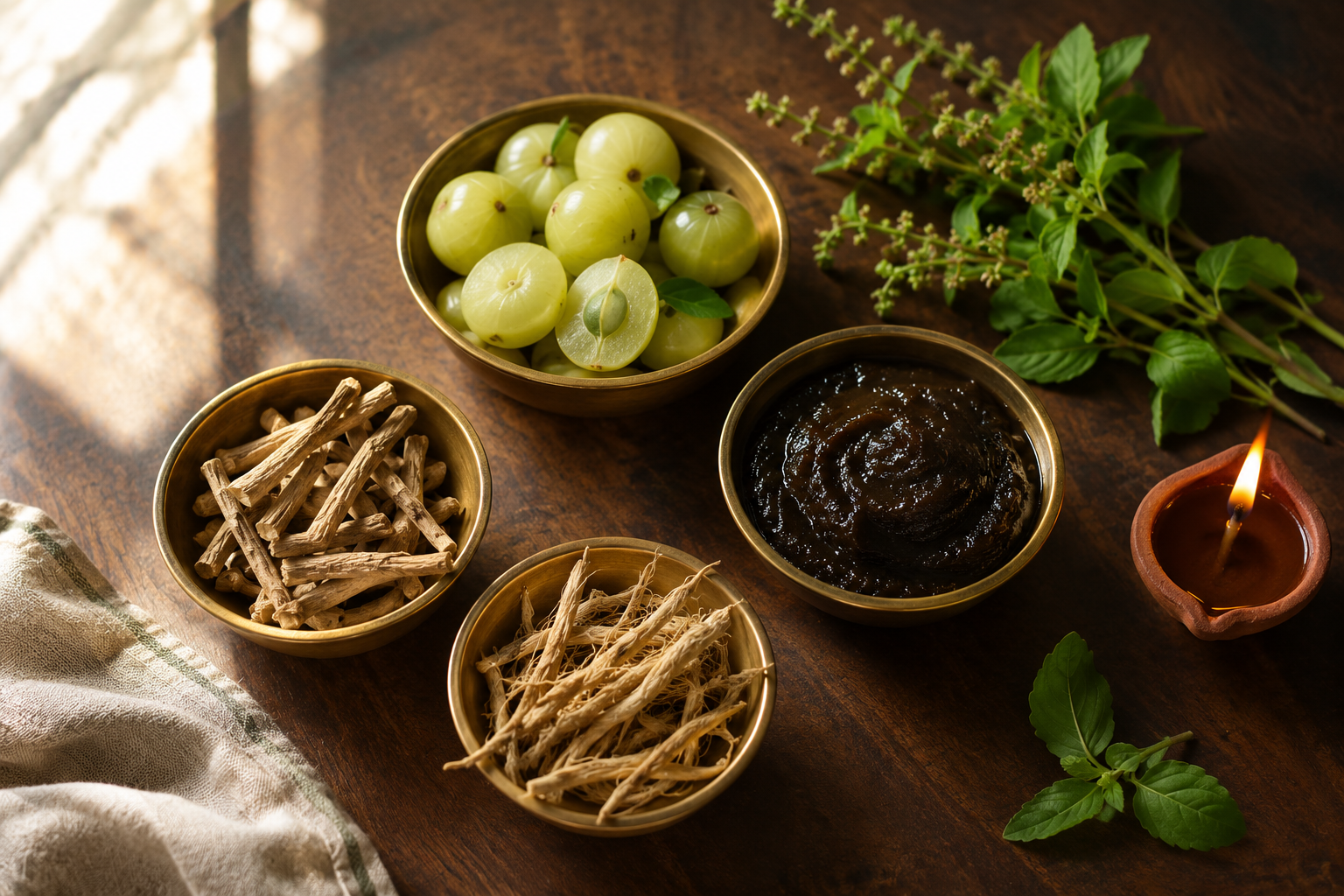
They are layered, not competing: physiotherapy rebuilds movement, while traditional therapies support recovery, sleep and comfort. Each part answers a different need.
For readers researching ayurvedic treatment for stroke in Kerala, the important point is that these therapies sit alongside medical supervision and your existing medicines. Your physician reviews every prescription before the plan is written.
Food is part of the treatment too. Meals follow your treatment phase and your risk profile. Our stroke-prevention diet guide shows the principles behind the menus.
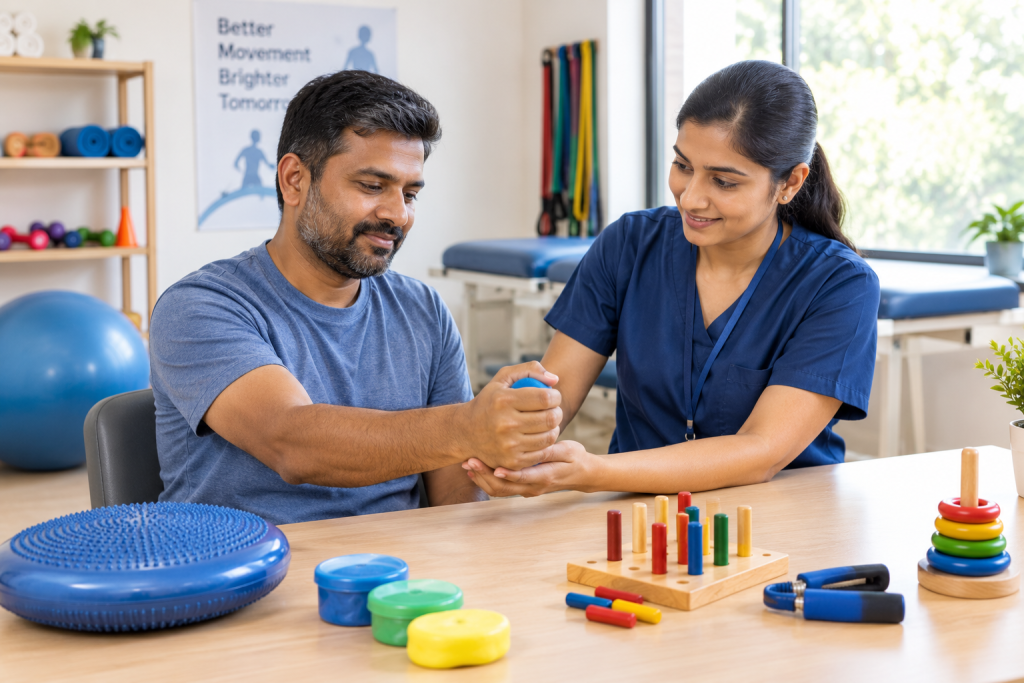
The programme suits stroke survivors who are medically stable, past the acute hospital phase, and able to take part in daily therapy. The physician makes the final decision after reviewing your records. The criteria below are general clinical guidance, so confirm them with the team.
Usually a good fit:
Needs a physician’s review first:
Not a substitute for emergency care. Sudden face drooping, arm weakness or slurred speech needs an ambulance at once. Remember FAST: Face, Arm, Speech, Time.
Key Insight
The biggest gap in stroke care is not the hospital stay. It is the months after discharge, when therapy thins out and families are left alone. A structured 21-day stay closes that gap by giving the patient daily practice and giving the caregiver a plan they can repeat at home.
Post-stroke rehabilitation should begin as soon as the medical team says it is safe, often within days in hospital, and continue for months. Most spontaneous recovery happens in the first three months, so that window deserves intensive effort. Gains can continue well beyond it with consistent practice.
People often ask, how long does stroke recovery take? There is no single answer. It depends on stroke type, the brain area affected, age, other illnesses and how much therapy is done. Some survivors walk independently within weeks. Others work on arm and hand function for a year or more. A 21-day stay is best seen as a focused push that sets up a home routine, not as a one-time cure. For habits that carry the gains forward, read our natural stroke recovery strategies.
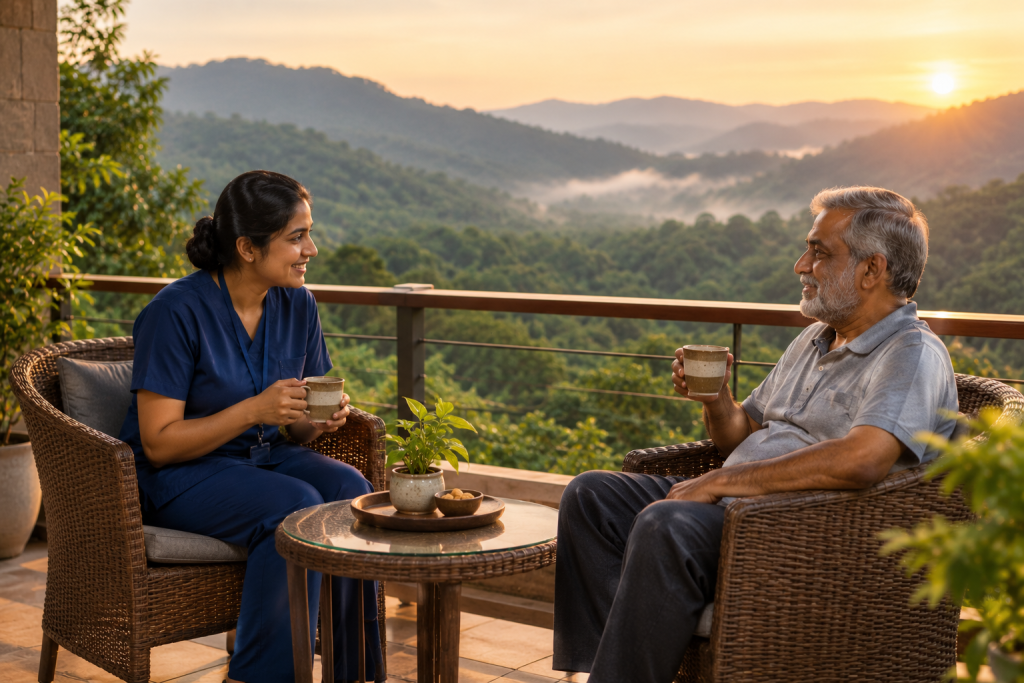
Families get the best outcome when they treat the stay as training for the caregiver as well as therapy for the patient. Keep these points in mind.
Tigris Valley says it provides 24/7 on-site medical assistance and describes itself as NABH-accredited. Ask the team for the current certificate if accreditation matters to your decision. As a physician-led stroke recovery programme, it is run by a named clinical team, so ask who will review you daily.
Realistic goals are measurable gains in strength, balance, speech, sleep and confidence, not a guaranteed return to pre-stroke ability. Outcomes depend on the stroke and on how consistently therapy continues at home. A good team tells you this up front and tracks progress against the goals you set in week one.
الوجبات الرئيسية
No. It suits survivors who are medically stable and past the acute phase. The physician reviews your records and may advise a different route if you are not ready.
The typical stay is 21 days. A physician sets the final length after the assessment, and some people need more time.
It is strongly advised. Caregiver training in transfers and home exercises is one of the most useful parts of the stay.
Yes in most cases. The physician reviews every prescription, and any change is made only under medical supervision.
No. Panchakarma is intensive, so a physician first checks your constitution, health status and history before deciding if any part is suitable.
The stroke work covers speech and cognitive therapy alongside motor recovery and emotional support. Confirm the exact sessions for your case during the consultation.
No. Every programme begins with a paid, physician-led assessment so the plan is built on your real clinical picture.
Fly into Calicut (CCJ). The retreat is about 60 to 90 minutes away by road, and airport pickup can be arranged through the reservations team.
Yes. Consultations are in English, and the team is used to reviewing overseas prescriptions for interactions with herbal formulations.
You leave with a diet plan, a daily routine and stress-management techniques, so progress continues at home.
Call emergency services immediately. Rehabilitation planning comes after the medical team confirms the patient is stable.
Start Your Family’s Recovery Plan
Share your scans and medicine list with a physician, and we will suggest a programme and length of stay for your situation.
احجز استشارة Send an Enquiry Explore Post-Trauma Rehabilitation
كايثابويل، في جبال الغات الغربية.
طريق مدينة المعرفة المركزية، كايثابوييل، أديفارام، كيرالا
الحصول على الاتجاهات +91 90726 61622 reservation@tigrisvalley.com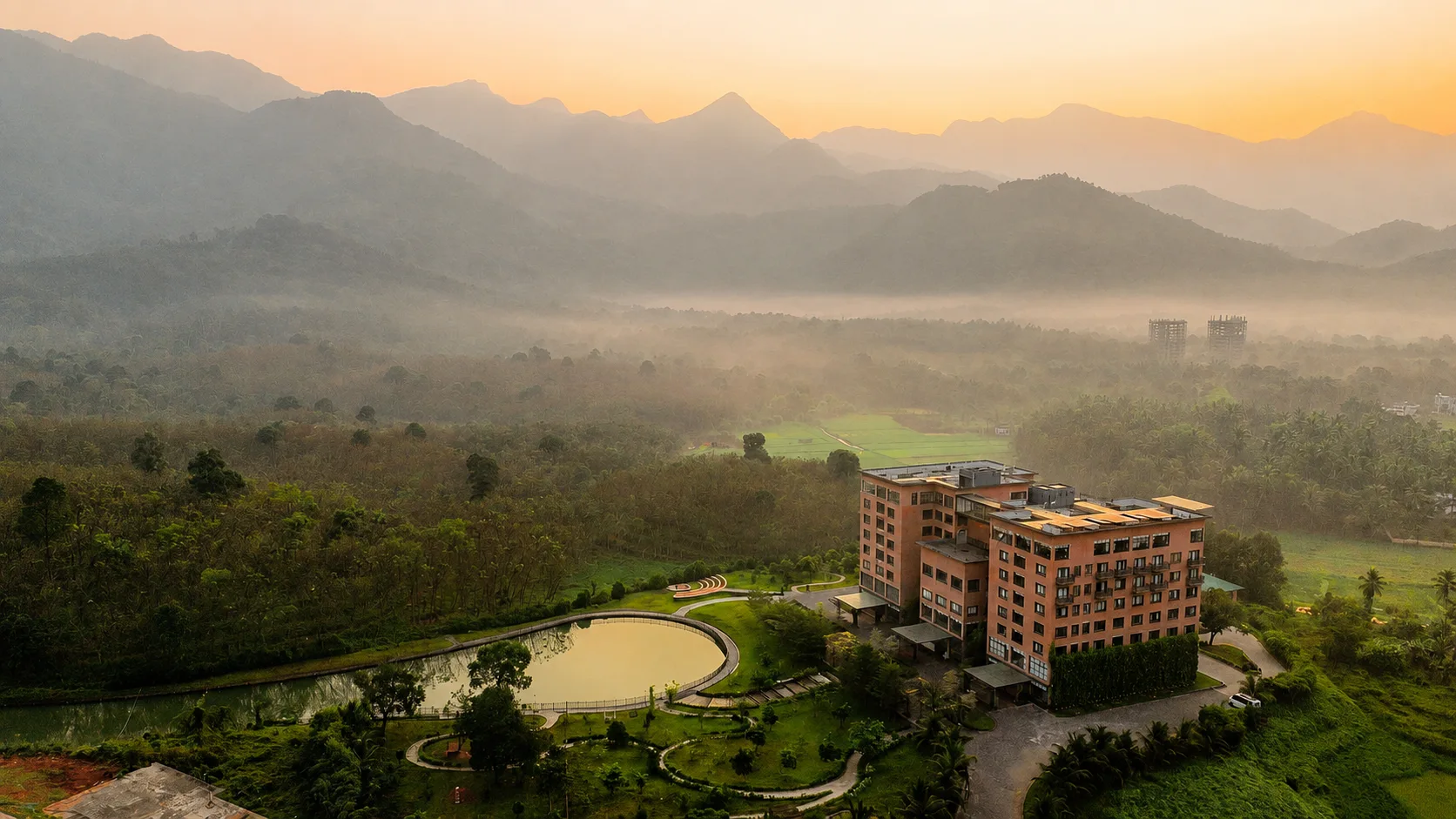
كايثابويل، جبال الغات الغربية
قبل مغادرتك
يقوم طبيب بقراءة كل رسالة. احجز موعدًا استشاريًا، أو أرسل استفسارًا — يتم الرد على الحجوزات في نفس اليوم.