
[gtranslate]
القائمة
Medically reviewed by: د. فهيم نجيب | Last updated: 21 October 2026
⚡ Quick Facts: Rasayana Therapy at a Glance
| What it is | The rejuvenation branch of classical Ayurveda, one of its eight clinical specialities. |
|---|---|
| الفئة | Ayurvedic rejuvenation therapy. |
| Core aim | Support vitality and nourish the seven dhatus (body tissues), according to Ayurvedic principles. |
| Methods | Individualised herbs, diet, daily routines and oil therapies, with cleansing procedures when clinically appropriate. |
| Typical residential stay | Often 14 to 21 days, depending on the treatment plan and individual needs. |
| First changes | Experiences vary; there is limited high-quality evidence establishing a specific timeline for benefits. |
| Long-term practice | Recommendations depend on the individual’s health, treatment plan and Ayurvedic physician’s guidance. |
| الأكثر ملاءمة لـ | Adults seeking Ayurvedic wellbeing support, following an assessment by a qualified practitioner. |
| Supervision | A qualified Ayurvedic physician, with appropriate medical oversight where needed. |
| Not a substitute for | Evidence-based medical diagnosis or treatment of a diagnosed condition. |
You sleep, eat well and still feel drained. Supplements promise vitality, yet the fatigue lingers and your body seems to age faster than your calendar. Left unchecked, that depletion slows recovery and dulls resilience. Rasayana therapy is Ayurveda’s classical answer: a rejuvenation science that rebuilds Ojas, your body’s vital essence. This guide explains how it works, who it suits, and what a supervised programme actually involves.
Rasayana therapy is the rejuvenation branch of Ayurveda. It uses personalised herbs, diet, daily routine and oil therapies to nourish the body’s seven tissues (dhatus), strengthen immunity and rebuild Ojas, the vital essence. It follows detoxification and is practised under physician supervision.
Classical texts call this speciality Rasayana Chikitsa, and it is one of the eight branches of Ashtanga Ayurveda. The Charaka Samhita opens its treatment section with Rasayana, which shows how central rejuvenation is to the tradition. It is also preventive medicine, not only care for the unwell. For the wider system it belongs to, read our overview of Ayurveda treatment in Kerala.
| Entity | Attribute | Value |
|---|---|---|
| العلاج بالراسايانا | Is a branch of | Ashtanga Ayurveda |
| العلاج بالراسايانا | Primary target | Ojas and the seven dhatus |
| أغني | Role | Digestive fire that every outcome depends on |
| أماه | Role | Toxic residue that blocks herb absorption |
| البانشاكارما | Role in Rasayana | The cleansing phase that comes first |
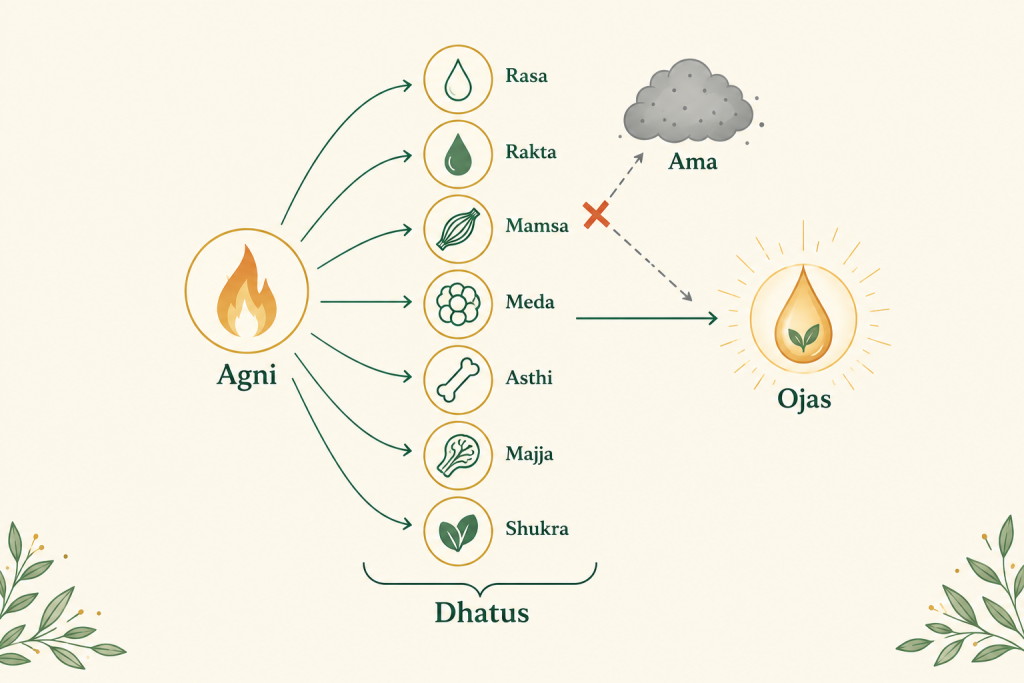
Rasayana therapy works by clearing Ama, restoring Agni, then feeding the dhatus with herbs and diet matched to your dosha, so tissue quality and Ojas improve over weeks rather than hours.
Ayurveda describes seven dhatus, from plasma and blood through to reproductive tissue. Ojas is the refined essence of all seven, linked to immunity, stamina and calm. Agni is the digestive fire that turns food and herbs into usable nourishment. When Agni is weak, Ama builds up and Ojas thins. You feel it as fatigue, dull skin and slow recovery.
Herbs absorb poorly while Ama is active, so the protocol begins with cleansing. A short Panchakarma detox programme comes first. It prepares the body the way you would clear soil before planting. If you are new to the process, ما يتضمنه علاج البانشاكارما is worth reading before you decide.
A note on evidence. Modern research is thinner than the tradition. A 2005 review in the Journal of Ethnopharmacology found that many Rasayana plants show strong antioxidant activity, but that only a few had been studied in detail. That is promising. It is not proof of anti-ageing, and a good physician will tell you so.
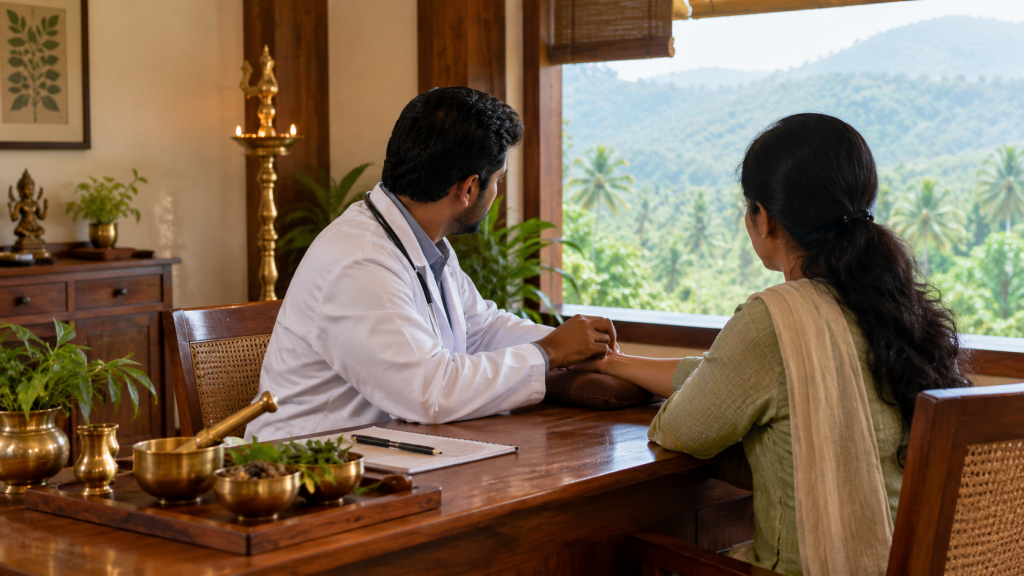
Classical texts sort Rasayana by setting and by purpose. By setting, it is either indoor (Kutipraveshika) or outdoor (Vatatapika). By purpose, it is goal-based, disease-based or part of daily life. The most intensive indoor form is often called Kayakalpa, which means body transformation.
| النوع | What it means | Practical example |
|---|---|---|
| Kutipraveshika (indoor) | Residential, supervised, in a dedicated setting | A 14 to 21 day stay |
| Vatatapika (outdoor) | Taken while living normally | Daily herbs and routine at home |
| Kamya | For a chosen goal such as memory or vitality | Medhya Rasayana for mental clarity |
| Naimittika | For a specific disease | Supportive care beside treatment |
| Ajasrika | Woven into daily diet and habits | Ghee, warm meals, regular sleep |
| Achara | Conduct and discipline as medicine | A calm routine, honest conduct and low-stress living |
Most people start with the indoor form because it is supervised and uninterrupted. The Rasayana rejuvenation programme in Kerala is built on this model. For a view across every therapy in the tradition, see the complete guide to Ayurveda treatments in Kerala.
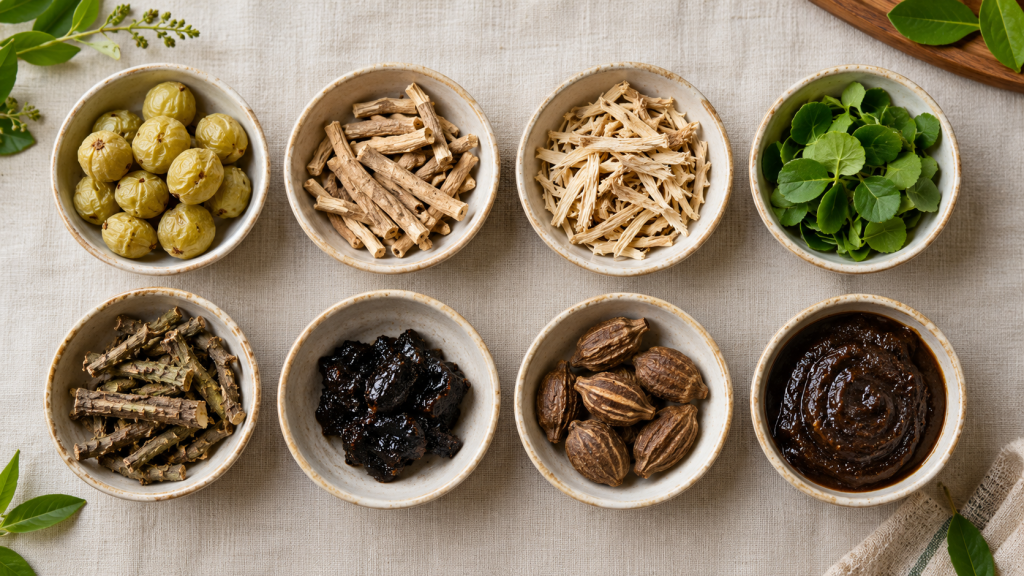
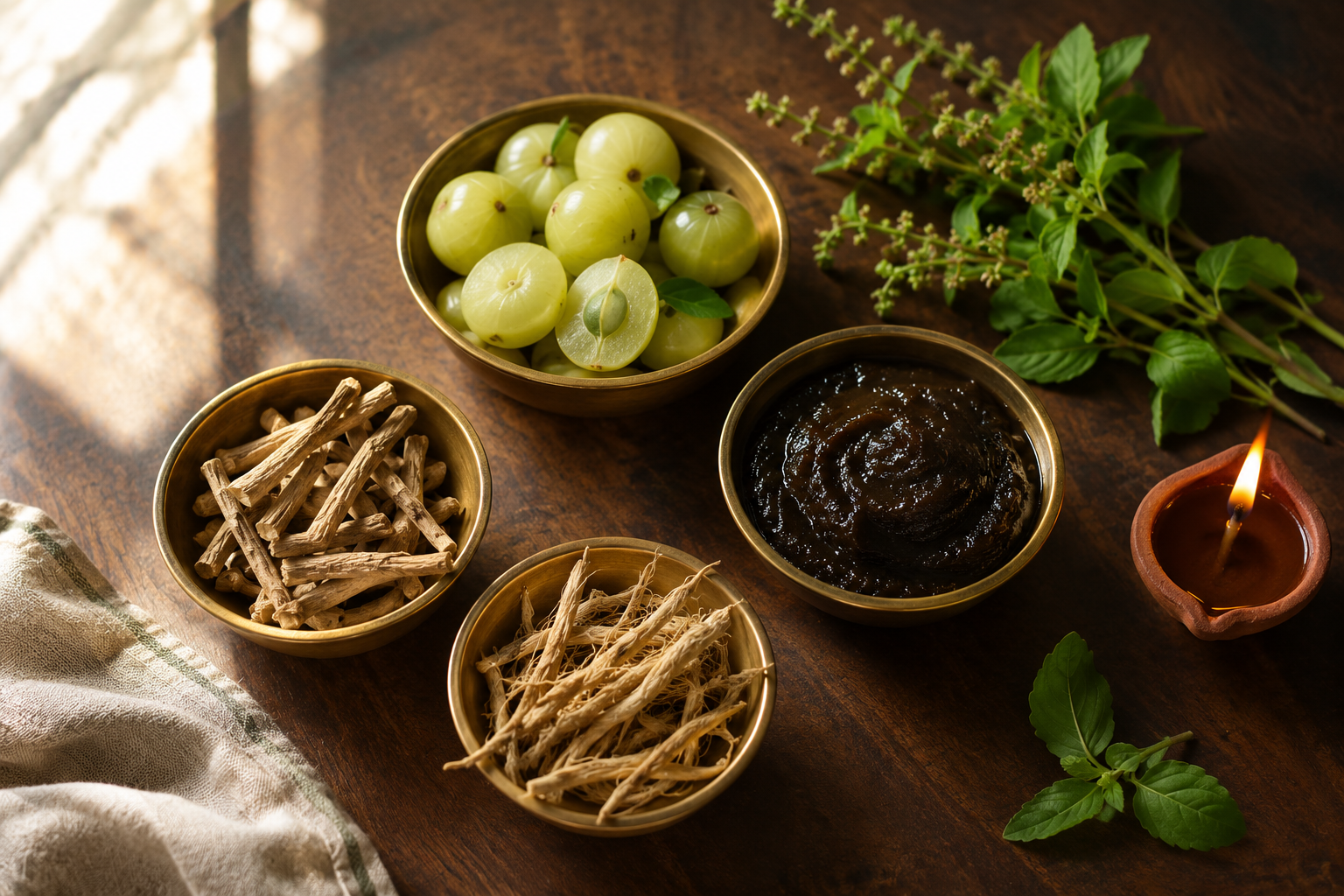
Rasayana herbs are almost never taken alone. Classical practice pairs them with diet, routine and oil therapies, and doses them to your constitution. These are the eight most cited.
| Herb or formula | Classical role |
|---|---|
| تشياوانبراش | A herbal jam of 40 or more ingredients built around Amalaki |
| أشواغاندا | Stress resilience and muscle tissue |
| شاتافاري | Reproductive and hormonal health |
| براهمي | Memory and mental clarity (Medhya Rasayana) |
| أمالاكي | Vitamin C-rich tissue rejuvenator |
| جودوتشي (جيلوي) | Immune modulation and liver function |
| شيلاجيت | تغذية الأنسجة العميقة |
| هاريتاكي | Digestion and gentle detoxification |
Safety matters here. Some of these herbs can interact with thyroid, diabetes or blood pressure medicines, and product quality varies widely. Never self-prescribe a stack from a shop shelf. Disclose every medicine you take to the physician first.
Guests on a supervised programme most often report steadier energy, better skin, sharper focus and deeper sleep. These are the outcomes a physician tracks, not guarantees.
If constant tiredness is what brought you here, read about the common causes of chronic fatigue first, so you know what to rule out. For the bigger picture, see the فوائد العلاج بالأيورفيدا.
Rasayana suits adults who are stable, not acutely unwell. It is not reserved for old age or serious illness.
Good candidates
Wait or get clearance first if you have
Rasayana can sit beside care for arthritis, diabetes or neurological conditions. It never replaces primary treatment. If your goal is long-term vitality, the anti-ageing and longevity program adds diagnostics. If immunity is the concern, the حزمة تقوية المناعة is the closer fit.
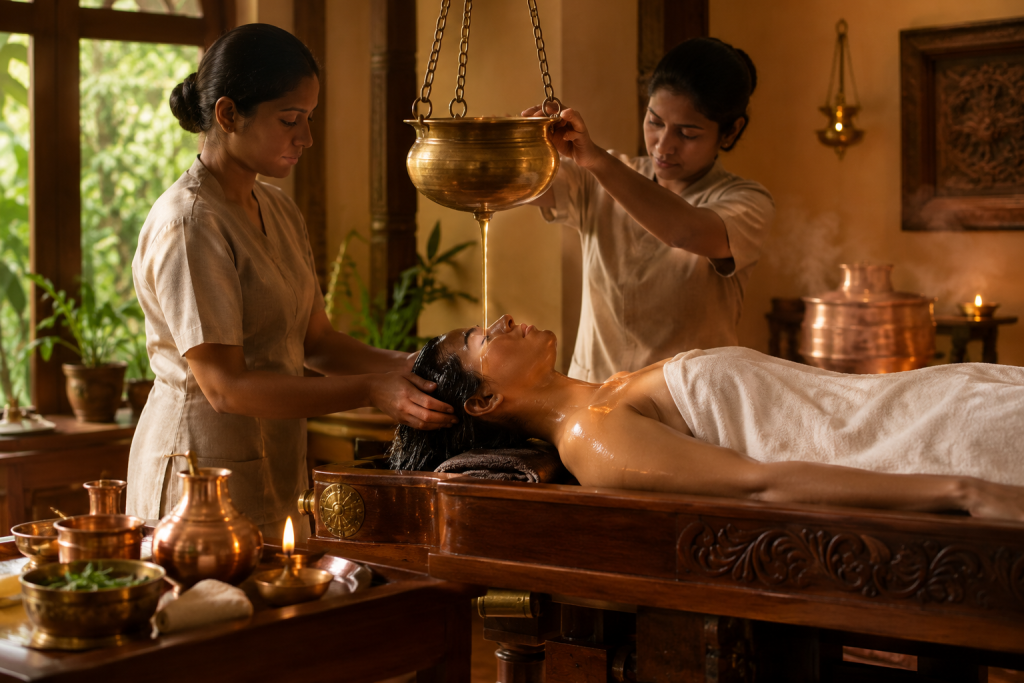
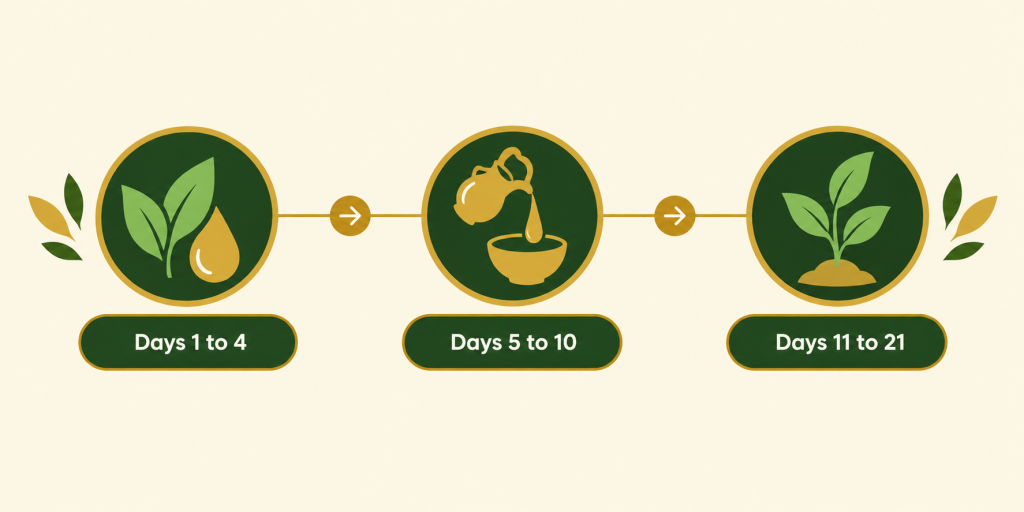
A residential Rasayana programme runs in three phases: assessment and gentle detox, deep Panchakarma with oil therapy, then the Rasayana phase itself. Here is the typical sequence.
The intensive phase typically lasts one to three months in total, then seasonal tune-ups keep the benefit going.
Think of Rasayana as an Ayurveda anti-aging treatment that starts with the system, not the supplement. A capsule delivers one compound. A programme prepares the body, then feeds it.
| العامل | العلاج بالراسايانا | Typical anti-ageing supplement |
|---|---|---|
| النهج | Herbs, diet, routine and oil therapies together | One isolated compound |
| Dosing | Matched to your dosha | الجرعة نفسها للجميع |
| التحضير | Panchakarma cleansing first | لا يوجد |
| Formulation | Classical multi-herb combinations | Single-ingredient extracts |
| Supervision | Physician throughout | Usually none |
Curious how this fits against conventional care? Our comparison of الأيورفيدا مقابل الطب الحديث للأمراض المزمنة is a fair, practical read.
⚡ Key Insights: What the Rasayana Timeline Looks Like
ملاحظة: Individual results vary, and strong clinical evidence for specific Rasayana benefit timelines remains limited. Rasayana therapy should not replace evidence-based medical treatment.
Energy often improves in two to four weeks. Deeper changes build over 60 to 90 days of consistent practice. That is why the take-home plan matters as much as the stay.
To see what a focused three weeks looks like day by day, read what 21 days of Ayurveda can do. Season also matters, and the best time for Ayurvedic treatment depends on your goal.
Choose a centre that diagnoses before it prescribes. Use this checklist.
Kerala is where classical protocols are still practised daily, and our page on the best rejuvenation therapy in Kerala shows how a supervised plan is structured. If budget is a question, the Ayurveda wellness retreat cost guide explains what drives the price.
The bottom line: rasayana therapy is slow, supervised and personal. If you want to rebuild rather than mask, book a consultation and let a physician decide whether now is the right time.
⚡ الوجبات الرئيسية
It is Ayurveda’s rejuvenation treatment. A physician cleanses your system, then rebuilds tissue strength and vital essence using herbs, food, routine and oil therapies tailored to your body type. The goal is lasting resilience, not a short-term boost.
Not exactly. Anti-ageing products usually target how you look. Rasayana targets how your tissues function, which includes energy, digestion, sleep and immunity. Better skin and a younger feel often follow, but they are by-products of restoring the system.
A residential block typically runs 14 to 21 days. The intensive phase usually lasts one to three months overall, with seasonal tune-ups afterwards. Because cleansing comes first, it helps to know how long Panchakarma treatment takes.
For most people it is well tolerated when a qualified Ayurvedic physician supervises it and paces the dosing. Risks rise with self-prescribed herbs, poor-quality products, or ignoring existing conditions. Always share your full medical history and medication list before starting.
Often yes, but only after a physician reviews your prescriptions. Some herbs interact with thyroid, diabetes, blood pressure and sedative medicines. Never stop a prescribed medicine on your own. Changes should be made only under medical supervision.
Classical practice favours roughly 40 to 70, when tissue decline accelerates and the effects are most noticeable. Younger adults with burnout, post-illness weakness or early signs of premature ageing can also benefit when a physician judges them suitable.
In classical protocol, yes. Panchakarma clears Ama so herbs can be absorbed properly. Starting Rasayana while toxins are active limits results. Panchakarma cleanses and Rasayana rebuilds afterwards, so the order matters.
Ojas is Ayurveda’s term for the refined essence of the body’s tissues. It is linked to immunity, stamina and emotional steadiness. When Ojas is strong you recover faster and fall ill less often. When it is depleted, fatigue and low resilience tend to follow.
It is designed for exactly those complaints. Many guests notice more daily energy within two to four weeks, and stronger Ojas shows as fewer infections over time. If exhaustion is severe or sudden, get a medical check first to rule out other causes.
Partly. Research mostly examines individual herbs, many of which show antioxidant activity in lab and animal studies. Well-designed human trials of full Rasayana programmes are limited. Treat it as a traditional, physician-led approach and keep expectations realistic.
Warm, freshly cooked, easy-to-digest, nutrient-dense sattvic foods form the base. Your plan is personalised by dosha and treatment phase. Cold, processed and heavy foods are usually limited, and your physician gives the specifics.
Yes. Consultations run in English and physicians review overseas prescriptions for herb interactions before arrival. Our page for international patients in Kerala covers travel, arrival and what to prepare.
Follow the take-home herbal, diet and routine plan consistently for 60 to 90 days. Keep sleep regular, eat warm meals and book a seasonal tune-up. Benefits fade when the routine does, so treat the stay as the start.
Rebuild your energy, not just mask the tiredness
A physician will review your health history, check whether Rasayana is appropriate for you, and recommend a personalised plan.
Prefer to talk first? Call +91 90726 61622 or write to reservation@tigrisvalley.com. Reservations usually reply the same day.
كايثابويل، في جبال الغات الغربية.
طريق مدينة المعرفة المركزية، كايثابوييل، أديفارام، كيرالا
الحصول على الاتجاهات +91 90726 61622 reservation@tigrisvalley.com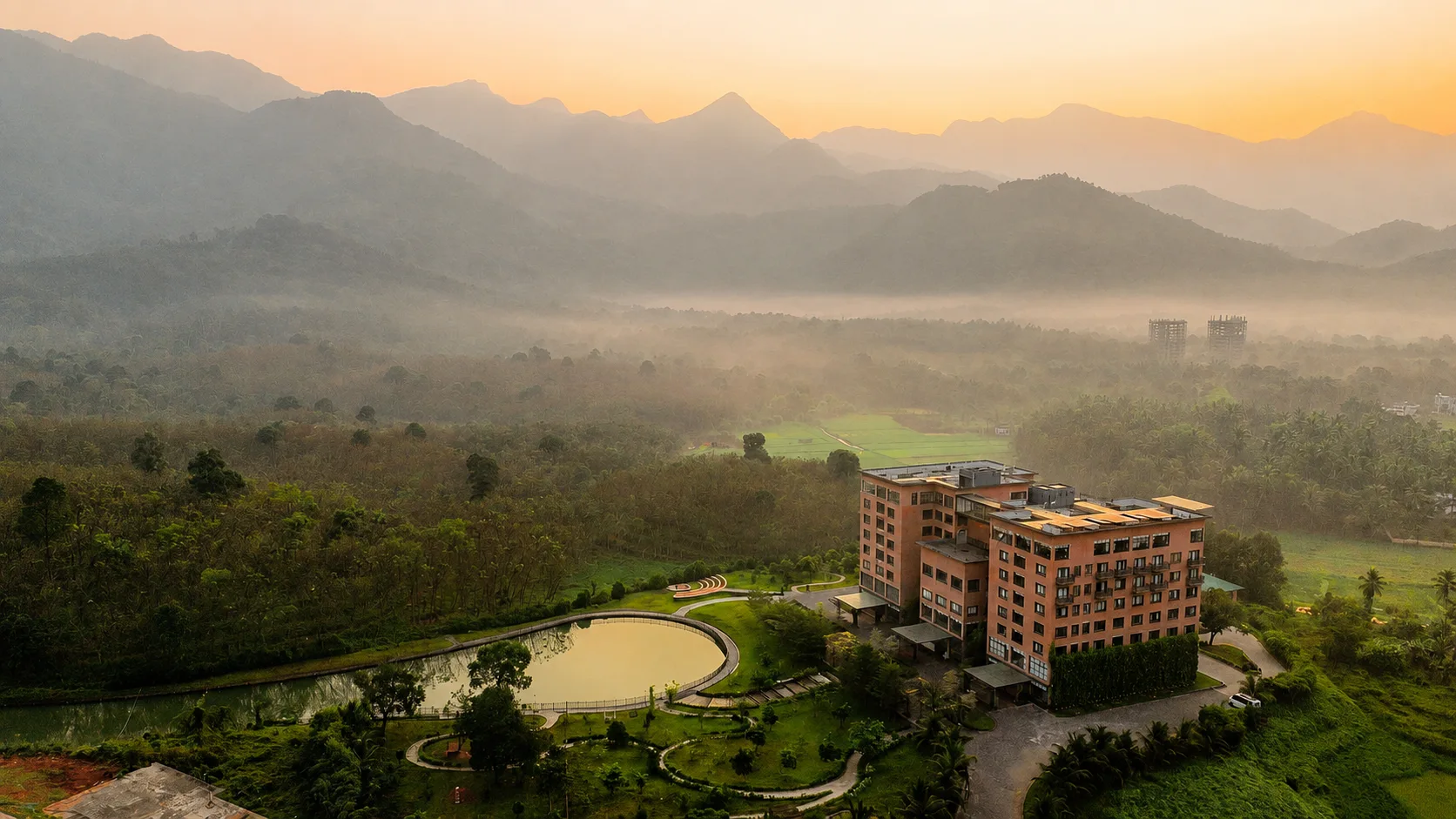
كايثابويل، جبال الغات الغربية

قبل مغادرتك
يقوم طبيب بقراءة كل رسالة. احجز موعدًا استشاريًا، أو أرسل استفسارًا — يتم الرد على الحجوزات في نفس اليوم.