
[gtranslate]
MENÜ
Die globale Wellness-Branche ist Gegenstand außergewöhnlicher Marktprognosen, beeindruckend klingender Zahlen und weitreichender Behauptungen über das Wachstum von Ayurveda. Aber Zahlen ohne Kontext sind nur Schall und Rauch. Was wirklich zählt, ist, was die Daten darüber verraten, warum die Menschen Ayurveda-Retreats einem herkömmlichen Wellnessurlaub vorziehen - und was ein klinisch sinnvolles Wellness-Programm von einem Luxus-Erlebnis in ayurvedischer Kleidung unterscheidet. Dieser Leitfaden stellt die wichtigsten Statistiken vor, interpretiert, was sie für informierte Gesundheitskonsumenten bedeuten, und erklärt, worauf man bei einem Kuraufenthalt achten sollte, der das Versprechen einlöst, das die Daten widerspiegeln.
Inhaltsübersicht
Redaktionelle Anmerkung zur Statistik: Dieser Artikel bezieht sich auf öffentlich zugängliche Marktforschungsergebnisse anerkannter globaler Einrichtungen der Wellness- und Medizintourismusbranche. Wo spezifische Zahlen zitiert werden, ist die Quellenkategorie angegeben. Einzelne Angaben zu klinischen Ergebnissen von Ayurveda-Therapien stammen aus von Experten begutachteter ayurvedischer Medizinliteratur und nicht direkt von Tigris Valley. Die Leser werden gebeten, die aktuellsten Daten in den Originalquellen nachzulesen.
Das Global Wellness Institute (GWI) definiert die Wellness-Wirtschaft als Branchen, die es den Verbrauchern ermöglichen, Wellness-Aktivitäten und -Lebensstile in ihr tägliches Leben zu integrieren. Diese Kategorie ist weiter gefasst als das Gesundheitswesen - sie umfasst körperliche Aktivität, Ernährung, Körperpflege, Präventivmedizin, Wellnesstourismus und Wellness am Arbeitsplatz.
Die Wellness-Wirtschaft ist seit mehr als zwei Jahrzehnten eines der am schnellsten wachsenden Segmente der Weltwirtschaft. Der Wellnesstourismus - Reisen, die in erster Linie zu Wellnesszwecken unternommen werden - ist eine der wachstumsstärksten Unterkategorien des Sektors und übertraf in den Jahren vor und nach der COVID-19-Pandemie den herkömmlichen Freizeittourismus deutlich.
| Wellness-Sektor | Schlüsselmerkmal | Relevanz für Rückzugssuchende |
|---|---|---|
| Wellness-Tourismus | Reisen hauptsächlich zur Verbesserung der körperlichen oder geistigen Gesundheit | Wachsende Nachfrage nach Reisezielen, die nicht nur Entspannung, sondern auch medizinisch sinnvolle Ergebnisse bieten |
| Medizinischer Wellnesstourismus | Wellness-Reisen mit ärztlich begleiteten klinischen Programmen | Am schnellsten wachsende Unterkategorie; angetrieben durch die Belastung durch chronische Krankheiten in Märkten mit hohem Einkommen |
| Präventiver Gesundheitstourismus | Reisen für präventive Programme, bevor eine Krankheit auftritt | Wachstum in der Altersgruppe der 35- bis 55-Jährigen in den europäischen Märkten und in der Golfregion |
| Management chronischer Krankheiten Tourismus | Reisen zur integrativen Behandlung von Krankheiten, die zu Hause nicht ausreichend behandelt werden können | Erheblicher Anteil des Wellnesstourismus aus dem Nahen Osten und Europa nach Indien |

Der globale Ayurveda-Markt umfasst ayurvedische Produkte (pflanzliche Nahrungsergänzungsmittel, Kosmetika, Lebensmittel), ayurvedische Dienstleistungen (klinische Behandlungen, Retreats, Beratungen) und institutionelles Ayurveda (Krankenhäuser, Forschungseinrichtungen). Ayurveda ist eine der Kategorien der traditionellen Medizin, die sich in den internationalen Märkten mit hohem Einkommen am schnellsten durchsetzt.
Mehrere strukturelle Kräfte treiben das Wachstum des Ayurveda-Marktes an, die über Trends und Moden hinausgehen:
Indien ist weltweit führend im Bereich der ayurvedischen klinischen Dienstleistungen - nicht nur als Ursprungsland, sondern auch als einziges Land, in dem das vollständige klinische Panchakarma-Protokoll unter angemessener behördlicher Aufsicht praktiziert werden kann. Innerhalb Indiens ist Kerala als die Region mit der höchsten klinischen Authentizität und dem größten Fachwissen der Ärzte anerkannt.
Der Medizintourismus - Reisen zur medizinischen Behandlung - und der Wellnesstourismus verschmelzen zunehmend in der Kategorie der Medizinischer WellnesstourismusReisen für ärztlich betreute Programme, die sich mit chronischen Erkrankungen, präventiver Gesundheit und systemischer Verjüngung befassen. Das indische AYUSH-System (Ayurveda, Yoga, Unani, Siddha, Homöopathie) nimmt in diesem Bereich eine einzigartige Stellung ein.
Indien ist das einzige Land, in dem das AYUSH-System formell reguliert, institutionell akkreditiert (durch Einrichtungen wie NABH) und auf Krankenhausebene in die moderne Medizin integriert ist. Dieser regulatorische und institutionelle Rahmen macht Indien - und insbesondere Kerala - zu einem glaubwürdigen globalen Ziel für klinisches Ayurveda. Wenn Gäste wählen Tigris-Tal - bestätigt als Südasiens größtes AYUSH-integriertes, NABH-akkreditiertes Wellness-Krankenhaus - sie wählen innerhalb der höchsten Stufe dieses Rahmens.
Der Strom von Medizin- und Wellnesstouristen aus den GCC-Ländern (Saudi-Arabien, VAE, Kuwait, Bahrain, Oman, Katar) nach Kerala ist einer der etabliertesten Korridore für Wellnessreisen in Asien. Die Treiber sind in allen Quellmärkten gleich:

Die entscheidende Frage für jeden potenziellen Gast ist nicht nur “wie groß ist der Ayurveda-Markt?”, sondern “warum entscheiden sich Menschen wie ich für Ayurveda-Retreats im Vergleich zu anderen Wellness-Angeboten?” Die Forschung und die anekdotische Evidenz von Retreat-Demographen konvergieren in mehreren konsistenten Motivationen:
| Motivation | Was Ayurveda bietet | Was die konventionelle Wellness verpasst |
|---|---|---|
| Behebung der Grundursache | Identifiziert und behandelt das doshische Ungleichgewicht, das die Symptome verursacht | Behandelt Symptome, ohne die zugrunde liegenden Ursachen zu ermitteln |
| Nachhaltige Ergebnisse | Panchakarma entfernt auf physikalische Weise angesammelte Giftstoffe; Veränderungen bleiben auch nach dem Programm bestehen | Vorübergehende Linderung; die Symptome kehren nach Beendigung des Programms zurück |
| Personalisierung | Konstitutionsspezifische Therapiesequenzierung auf der Grundlage einer individuellen Dosha-Analyse | Standardisierte Pakete; gleiche Behandlungen für alle Gäste |
| Systemischer Ansatz | Spricht Geist, Körper und Lebensstil gleichzeitig an | Behandelt entweder das körperliche oder das geistige Wohlbefinden, selten beides |
| Protokoll nach dem Programm | Personalisierte Ernährung, Kräuterset, Yogapraxis, Anleitung zur Lebensführung | Das Programm endet an der Kasse und wird nicht strukturiert fortgesetzt. |
Eine der wichtigsten Unterscheidungen im Wellnesstourismus - und eine, die die Marktdaten allmählich widerspiegeln - ist die Kluft zwischen Ayurveda-Erlebnisse im Spa und klinische Ayurveda-Programme. Diese Unterscheidung ist wichtig, denn sie entscheidet darüber, ob ein Gast sinnvolle Gesundheitsergebnisse oder einen angenehmen Urlaub mit ayurvedischer Ästhetik erhält.
Die Verlagerung hin zu klinischen Standards ist im sich entwickelnden Nachfrageprofil des Wellness-Reisemarktes sichtbar:
Wichtige Erkenntnis: Das am schnellsten wachsende Segment des Wellness-Tourismusmarktes ist Medizinischer Wellnesstourismus - Gäste, die ärztlich betreute Programme suchen, um messbare gesundheitliche Ergebnisse zu erzielen, nicht nur zur Entspannung. Dies ist das Segment, für das NABH-akkreditierte integrative Krankenhäuser wie das Tigris Valley speziell gebaut sind. Die Verlagerung vom Spa zur Klinik ist keine Nischenentwicklung - sie spiegelt eine grundlegende Reifung des informierten Wellness-Konsumenten wider.
Ayurveda ist zunehmend Gegenstand formaler klinischer Forschung - sowohl innerhalb der von der indischen Regierung finanzierten AYUSH-Forschungseinrichtungen als auch durch gemeinsame Studien mit internationalen Universitäten. Obwohl eine umfassende Literaturübersicht den Rahmen dieses Artikels sprengen würde, sind einige Bereiche der dokumentierten Beweise für Gäste, die ein Ayurveda-Retreat für ihre Gesundheit in Betracht ziehen, relevant:
In Fachzeitschriften für ayurvedische Medizin veröffentlichte Studien haben die Auswirkungen von Panchakarma auf Stoffwechselmarker untersucht - Blutzuckerregulierung, Lipidprofile, Entzündungsmarker (CRP, IL-6) und Cortisolspiegel. Das übereinstimmende Ergebnis ist, dass vollständige Panchakarma-Protokolle - insbesondere solche, die Virechanam und Basti nacheinander beinhalten - zu einer messbaren Verringerung der systemischen Entzündungslast führen. Dies deckt sich mit den Ergebnissen von Tigris Valley Programm zur Behandlung von Stoffwechselstörungen und Programm für kardio-metabolische Gesundheit und Erholung.
Shirodhara ist Gegenstand klinischer Studien, in denen seine Auswirkungen auf Stresshormone, die Funktion des autonomen Nervensystems und die Schlafqualität untersucht wurden. Zu den übereinstimmenden Ergebnissen gehören eine signifikante Verringerung des Serum-Cortisols, Verbesserungen der HRV (Herzfrequenzvariabilität - ein zuverlässiger Marker für die Funktion des parasympathischen Nervensystems) und subjektive Verbesserungen der Angstzustände und der Schlafqualität. Diese Ergebnisse unterstützen die klinische Begründung für die herausragende Rolle von Shirodhara in der Programm zur Erholung von Stress und Burnout.
Die Evidenzbasis für Yoga und Pranayama in Bezug auf klinische Gesundheitsergebnisse ist vielleicht die solideste in der integrativen Medizinliteratur - mit mehreren randomisierten kontrollierten Studien, die messbare Auswirkungen auf das kardiovaskuläre Risiko, Stoffwechselmarker, die Regulierung der HPA-Achse und entzündliche Biomarker zeigen. Die von Tigris Valley bestätigte Einbeziehung von Yoga & Naturheilkunde über alle Programme hinweg spiegelt diese Evidenzbasis wider.
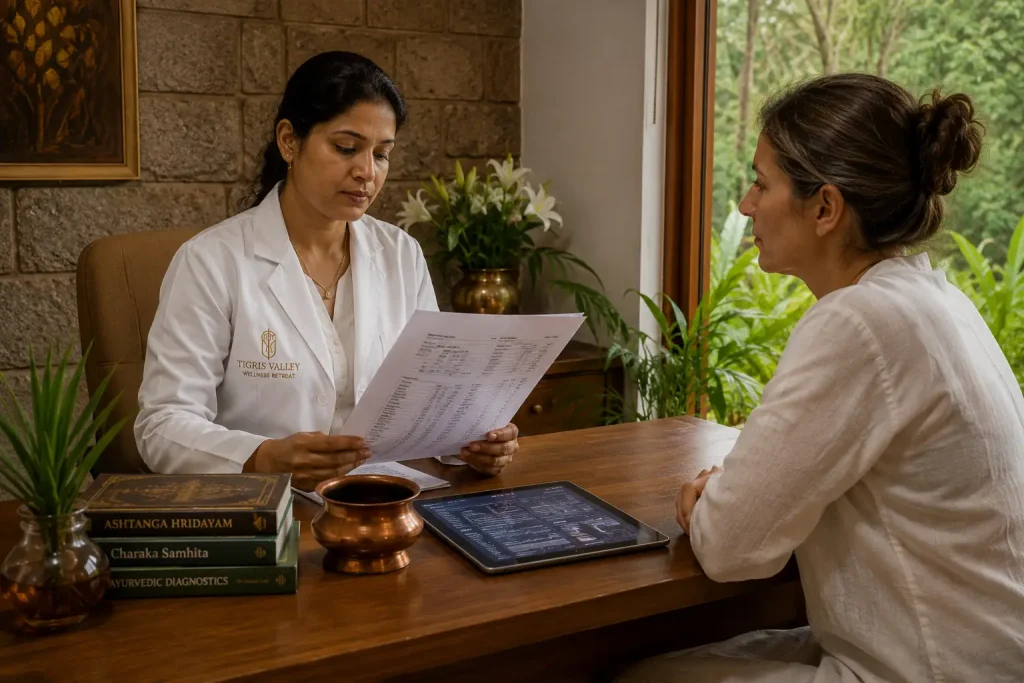
Zu verstehen, wer nach Kerala reist und warum, hilft potenziellen Gästen, ihre eigene Entscheidung zu kontextualisieren.
Der Marktkontext ist wichtig, denn er verdeutlicht, worauf es ankommt. Das am schnellsten wachsende Segment der Wellnesstourismusbranche ist der medizinische Wellnesstourismus - Gäste, die ärztlich betreute Programme in akkreditierten Einrichtungen mit messbaren gesundheitlichen Ergebnissen suchen. Dies ist nicht die Mehrheit des Wellnesstourismus, aber es ist der klinisch bedeutsamste Teil davon.
Tigris-Tal - als Südasiens größtes AYUSH-integriertes, NABH-akkreditiertes Wellness-Krankenhaus - nimmt die höchste Stufe dieses klinischen Standards ein. Die Einrichtung kombiniert:
| Standard | Tigris-Tal | Typisches Ayurveda-Retreat |
|---|---|---|
| Akkreditierung | NABH-akkreditiert | Keine Akkreditierung oder Selbstzertifizierung |
| Medizinische Systeme | Ayurveda + Unani + Siddha + Yoga + Homöopathie + Funktionelle Medizin | Ayurveda + Massage; begrenzte Integration |
| Ärztliche Beaufsichtigung | 24/7 medizinische Betreuung; BAMS-qualifizierte Ärzte | Therapeuten; regelmäßige Verfügbarkeit von Ärzten |
| Diagnostik | Erweiterte Labortests + integrierte Dosha-Bewertung | Nur Dosha-Fragebogen |
| Internationaler Zugang | Unterstützung in arabischer Sprache; Direktflüge an den Golf; Reiseberatung | Nur auf Englisch; keine golfspezifische Infrastruktur |
| Protokoll nach dem Programm | Personalisierter Diätplan, Kräuterrezepturen, Leitlinien für die Yoga-Praxis | Allgemeine Beratung bei der Entlassung; kein strukturiertes Protokoll |
Für Gäste, die ihr erstes Ayurveda-Retreat planen - oder für erfahrene Wellness-Reisende, die von einem Spa-Retreat auf ein klinisches Programm umsteigen wollen - kommen die Erkenntnisse und der Marktkontext zu demselben Schluss: Die Ergebnisse, die Sie anstreben, erfordern den klinischen Standard. Durchsuchen Sie die vollständige Wellness-Programme, erkunden Unterkunftsmöglichkeiten, und überprüfen Sie die Einrichtungen im Tigris-Tal.
Ayurveda ist zunehmend Gegenstand formaler klinischer Forschung innerhalb der von der indischen Regierung finanzierten AYUSH-Forschungseinrichtungen und durch internationale Kooperationsstudien. Für mehrere zentrale ayurvedische Interventionen - einschließlich der Auswirkungen von Panchakarma auf Entzündungsmarker, der Auswirkungen von Shirodhara auf Cortisol und HRV sowie der Auswirkungen von Yoga auf die kardiovaskuläre und metabolische Gesundheit - gibt es von Experten begutachtete Belege für ihre klinischen Auswirkungen. Die Evidenzbasis wächst, hat aber noch nicht das RCT-Volumen der pharmazeutischen Medizin erreicht.
Kerala bewahrte die vollständigste klassische Panchakarma-Tradition durch vererbte Praktikerlinien, entwickelte Kerala-spezifische therapeutische Verfahren und schuf das Modell eines mehrwöchigen Aufenthaltsprogramms, das eine echte klinische Ayurveda-Intervention darstellt. Das Klima, die Artenvielfalt an Heilpflanzen und der gesetzliche Rahmen für die AYUSH-Praxis machen Kerala zum weltweit anerkannten Maßstab für authentisches Panchakarma.
NABH (National Accreditation Board for Hospitals and Healthcare Providers) ist Indiens nationale Akkreditierungsstelle für das Gesundheitswesen und entspricht in seiner Funktion der internationalen JCI. Die NABH-Akkreditierung bestätigt, dass eine Einrichtung festgelegte Standards für medizinische Sicherheit, klinische Führung, Patientenrechte und Qualitätsmanagement erfüllt. Für Wellnesstouristen ist dies das zuverlässigste Signal, dass ein Kurort in Kerala nach klinischen und nicht nach kommerziellen Standards arbeitet.
Die funktionelle Medizin bietet evidenzbasierte Diagnostik (fortschrittliche Labortests, Biomarker-Analyse) und Ernährungsinterventionen (IV-Ernährungstherapie, gezielte Nahrungsergänzung), die die konstitutionsbasierte Beurteilung und die Kräuterinterventionen des Ayurveda ergänzen. Gemeinsam behandeln sie Erkrankungen sowohl auf der ayurvedischen (doshischen, systemischen) Ebene als auch auf der biochemischen (zellulären, metabolischen) Ebene - was zu umfassenderen Ergebnissen führt als jedes der beiden Systeme für sich. Erkunden Sie Funktionelle Medizin im Tigris-Tal.
Die Ozontherapie hat eine wachsende Evidenzbasis in der integrativen Medizin - insbesondere für ihre Auswirkungen auf die zelluläre Sauerstoffversorgung, die Immunmodulation und die Reduzierung von oxidativem Stress. Sie wird im Tigris Valley als Ergänzung zu den klassischen ayurvedischen Entgiftungsverfahren eingesetzt und unterstützt die Ausscheidungsprozesse, die Panchakarma auf Gewebeebene einleitet, auf zellulärer Ebene.
Der Medizintourismus bezieht sich traditionell auf Reisen für chirurgische Eingriffe oder diagnostische Behandlungen. Wellness-Tourismus bezieht sich auf Reisen zur Erhaltung und Verbesserung der Gesundheit. Medizinischer Wellnesstourismus - die am schnellsten wachsende Unterkategorie - ist eine Reise für ärztlich überwachte Programme, die sich mit chronischen Erkrankungen, präventiver Gesundheit und systemischer Verjüngung ohne Operation befassen. Dies ist die Kategorie, die von NABH-akkreditierten integrativen Einrichtungen wie Tigris Valley bedient wird.
In einem klinischen Umfeld wie dem Tigris Valley - wo vor und nach dem Programm eine diagnostische Bewertung durchgeführt wird - können Verbesserungen bei Entzündungsmarkern, Stoffwechselindikatoren, Schlafqualität, Schmerzwerten und Cortisolspiegeln objektiv gemessen werden. Dies ist einer der Hauptvorteile eines medizinisch betreuten integrativen Programms gegenüber einem allgemeinen Wellness-Retreat.
Ja. Das Corporate Wellness Retreat im Tigris Valley wurde speziell für Unternehmen entwickelt, die Burnout, chronischen Stress und die Belastung durch Zivilisationskrankheiten in ihrer Belegschaft bekämpfen wollen. Es kombiniert die klinische Tiefe von individuellen Programmen mit Gruppen-Wellness-Programmen, die für Gruppen von Unternehmen geeignet sind.
Die NABH-Akkreditierung kann direkt über die NABH-Website (nabh.co) überprüft werden. Wenn Sie sich an eine Einrichtung wenden, fragen Sie speziell nach der NABH-Zertifikatsnummer und dem Akkreditierungsstatus. Der NABH-akkreditierte Status von Tigris Valley ist ein bestätigter institutioneller Nachweis.
Kontaktieren Sie das Reservierungsteam unter reservation@tigrisvalley.com oder Anruf/WhatsApp +91 9072661622. Unterstützung in arabischer Sprache ist verfügbar. Anreiseinformationen für internationale Gäste finden Sie auf der Anreise zum Tigris-Tal Seite.
Die Daten stehen hier. Ihre Entscheidung beginnt hier.
Die weltweite Verlagerung hin zu integrativen, medizinisch betreuten Ayurveda-Programmen ist kein Trend - es ist die Erkenntnis, dass chronische Erkrankungen mehr als nur Symptomkontrolle erfordern. Im Tigris Valley ist diese Erkenntnis in jedes Programm integriert.
→ Entdecken Sie das Detox & Cleanse Programm
→ Alle Wellness-Programme im Tigris Valley anzeigen
→ Kontaktieren Sie das Tigris-Tal, um Ihren Besuch zu planen

Kaithappoyil, in den Westghats.
Markaz Knowledge City Road, Kaithappoyil, Adivaram, Kerala
Anfahrtsbeschreibung +91 90726 61622 reservation@tigrisvalley.com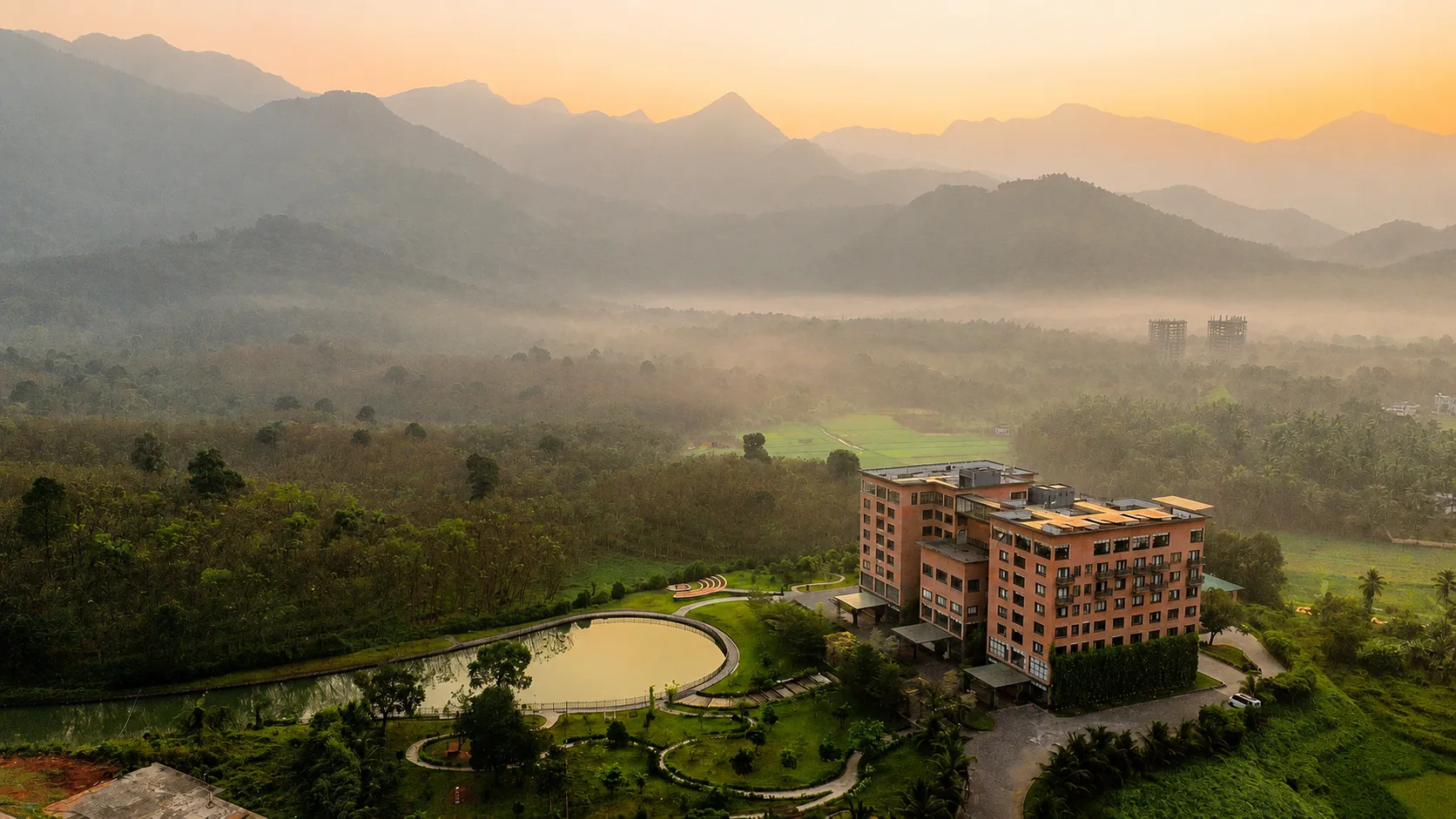
Kaithappoyil, Westghats

Bevor Sie gehen
Ein Arzt liest jede Nachricht. Vereinbaren Sie einen Termin oder senden Sie eine Anfrage – Sie erhalten noch am selben Tag eine Antwort.