[gtranslate]
MENÜ
Wachen Sie erschöpft auf, obwohl Sie 8 Stunden geschlafen haben? Fühlen Sie sich emotional ausgelaugt, abgekoppelt und unfähig, Freude an Dingen zu finden, die Sie einst geliebt haben? Sie sind nicht allein - Sie leiden unter Burnout, und Millionen von Menschen auf der ganzen Welt leiden stillschweigend darunter. Der ständige Leistungsdruck, die endlosen Benachrichtigungen und die unscharfen Grenzen zwischen Arbeit und Privatleben haben eine Burnout-Epidemie ausgelöst, die die körperliche Gesundheit, das geistige Wohlbefinden und die Lebensqualität zerstört.
Aber hier ist die gute Nachricht: Burnout ist reversibel. Mit den richtigen Strategien, Unterstützung und Engagement für ganzheitliches Wohlbefinden können Sie Ihre Energie zurückgewinnen, Ihre geistige Klarheit wiederherstellen und das lebendige, erfüllte Leben wiederentdecken, das Sie verdienen. Dieser umfassende Leitfaden zeigt Ihnen genau, wie Sie sich von einem Burnout erholen können, indem er evidenzbasierte Ansätze mit alten Heilungsweisheiten kombiniert.

Burnout ist ein Zustand der chronischen körperlichen und emotionalen Erschöpfung verursacht durch anhaltenden Stress, der typischerweise mit der Arbeit zusammenhängt, sich aber auf alle Lebensbereiche erstreckt. Die Weltgesundheitsorganisation (WHO) erkennt Burnout offiziell als ein “berufliches Phänomen” an, das durch drei Dimensionen gekennzeichnet ist:
Im Gegensatz zu gewöhnlichem Stress, der sich durch Ruhe bessert, Burnout erzeugt ein anhaltendes Gefühl der Leere die sich nicht mit einem freien Wochenende oder einem Urlaub lösen lässt. Sie wirkt sich gleichzeitig auf Körper, Geist und Seele aus und macht die Genesung zu einem umfassenden Heilungsprozess und nicht zu einer schnellen Lösung.
Wenn Sie unter diesen Symptomen leiden, sollten Sie sich umfassend informieren Stress- und Burnout-Erholungsprogramme kann Ihnen die strukturierte Unterstützung bieten, die Sie brauchen, um sich aus diesem anstrengenden Kreislauf zu befreien.

Eine frühzeitige Erkennung ist entscheidend für eine wirksame Genesung. Burnout äußert sich bei jedem Menschen anders, aber zu den häufigsten Warnzeichen gehören:
Wenn Sie mehrere Symptome in diesen Kategorien erkennen, ist es an der Zeit, sofort zu handeln. Verstehen emotionale Heilung und geistige Gesundheit Wellness Ansätze können Ihr erster Schritt zur Genesung sein.

Burnout tritt nicht über Nacht auf - es ist das Ergebnis chronischer Stressfaktoren. die sich mit der Zeit ansammeln. Die Identifizierung Ihrer spezifischen Auslöser ist für die Erstellung eines wirksamen Wiederherstellungsplans unerlässlich:
Das Verständnis dieser Ursachen hilft Ihnen die zugrundeliegenden Probleme anzugehen, anstatt nur die Symptome zu behandeln, was für eine dauerhafte Erholung unerlässlich ist.
Wenn Sie sich mitten im Burnout befinden, Sofortiges Handeln kann entscheidende Erleichterung bringen und eine weitere Verschlechterung zu verhindern. Hier finden Sie evidenzbasierte Strategien, die Sie noch heute umsetzen können:
Die Festlegung klarer Grenzen ist für die Genesung unverzichtbar. Beginnen Sie damit, Ihre Grenzen zu erkennen und diese klar an Kollegen, Familie und Freunde zu kommunizieren. Schalten Sie Arbeitsbenachrichtigungen nach Feierabend ab, lehnen Sie unwichtige Verpflichtungen ab und schützen Sie Ihre persönliche Zeit mit aller Kraft. Denken Sie daran: “Nein” zu anderen zu sagen, bedeutet, “Ja” zu Ihrer Genesung und Ihrem Wohlbefinden zu sagen.
Qualitativ hochwertiger Schlaf ist der natürliche Heilungsmechanismus des Körpers. Schaffen Sie ein Schlafparadies von:
Wenn Sie mit chronischen Schlafproblemen zu kämpfen haben, sollten Sie Ayurvedische Behandlungen gegen Schlaflosigkeit für natürliche, ganzheitliche Lösungen, die die Ursachen bekämpfen und nicht nur die Symptome überdecken.
Die Natur hat tiefgreifende heilende Eigenschaften durch umfangreiche wissenschaftliche Untersuchungen gestützt. Studien zeigen, dass der Aufenthalt in einer natürlichen Umgebung:
Verbringen Sie täglich mindestens 20-30 Minuten in der Natur, sei es in einem Park, einem Garten oder einem Wald. Praktizieren Sie das “Waldbaden” (Shinrin-yoku), eine japanische Praxis, bei der Sie mit allen fünf Sinnen in die Natur eintauchen.
Ihr Atem ist das am leichtesten zugängliche Instrument zum Stressabbau. Versuchen Sie die 4-7-8-Atemtechnik:
Diese Technik aktiviert Ihr parasympathisches Nervensystem, wodurch die natürliche Entspannungsreaktion Ihres Körpers ausgelöst wird. Üben Sie diese Technik 3-4 Mal täglich, besonders in stressigen Momenten oder vor dem Schlafengehen.
Isolation verstärkt den Burnout. Wenden Sie sich an vertrauenswürdige Freunde, Familienmitglieder oder Selbsthilfegruppen. Teilen Sie Ihre Erfahrungen mit, ohne zu urteilen. Manchmal kann es schon eine große Erleichterung sein, wenn Sie Ihre Probleme in Worte fassen und eine neue Perspektive gewinnen. Wenn Sie das Gefühl haben, dass persönliche Beziehungen nicht ausreichen, sollten Sie professionelle Unterstützung durch Beratung oder Therapie in Betracht ziehen.

Während Soforthilfestrategien eine vorübergehende Atempause bieten, echte Genesung erfordert umfassende Änderungen des Lebensstils und nachhaltiges Engagement. Hier erfahren Sie, wie Sie eine Grundlage für dauerhaftes Wohlbefinden schaffen:
Anstatt nach einem perfekten “Gleichgewicht” zu streben, sollten” Konzentration auf eine sinnvolle Integration von Arbeit und Leben, die Ihren Werten und Prioritäten gerecht wird. Das könnte bedeuten:
Verbundenheit ist die Medizin gegen Burnout. Der Mensch ist ein soziales Wesen, und bedeutungsvolle Beziehungen sind ein Puffer gegen Stress und fördern die Widerstandsfähigkeit. Bevorzugen Sie Beziehungen, die Sie mit Energie versorgen und nicht auslaugen:
Ihre Erfahrungen mit anderen zu teilen, die sie verstehen, kann unglaublich bestärkend und heilsam sein und Sie daran erinnern, dass Sie auf diesem Weg nicht allein sind.
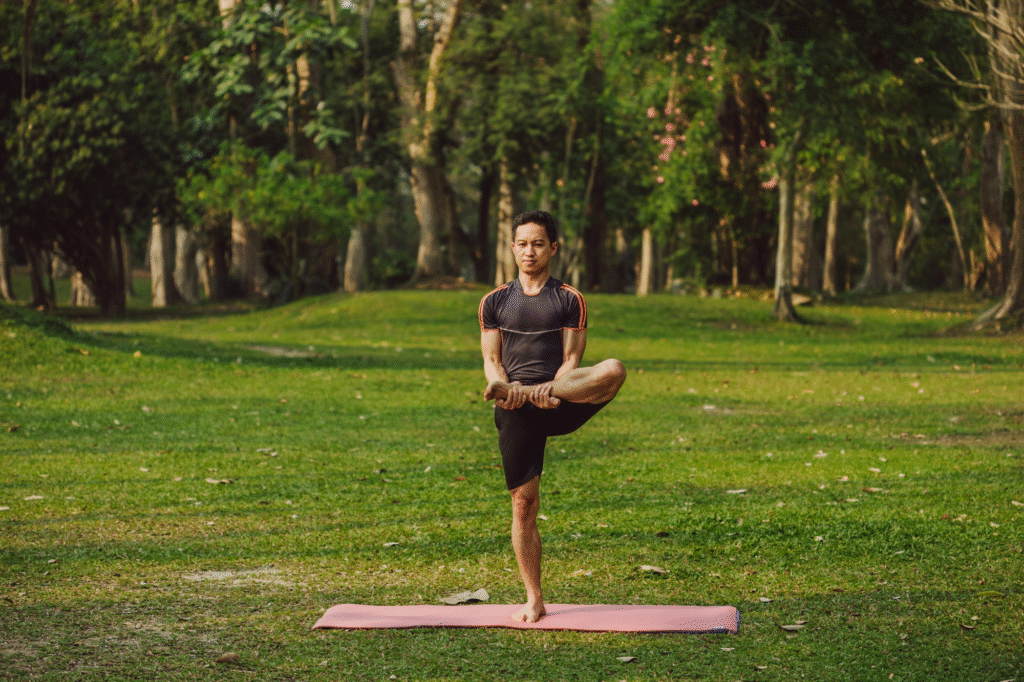
Bewegung ist eines der wirksamsten Mittel gegen Burnout. Es muss nicht intensiv sein - sanfte, gleichmäßige Bewegung ist ebenso förderlich. Körperliche Aktivität:
Denken Sie an Yoga, Schwimmen, Walking, Tanzen, Radfahren oder Tai Chi. Der Schlüssel ist Konsistenz vor Intensität. Schon 15-20 Minuten tägliche Bewegung können Ihre Stimmung und Ihr Energieniveau deutlich verbessern. Entdecken Sie, wie Yoga und Naturheilkunde kann Ihre Genesungsreise mit sanften, heilenden Praktiken unterstützen.
Achtsamkeit ist die Praxis des Bewusstseins für den gegenwärtigen Moment ohne zu urteilen. Die Forschung zeigt, dass regelmäßige Achtsamkeitspraxis:
Beginnen Sie mit nur 5-10 Minuten täglich, indem Sie Apps, geführte Meditationen oder einfache Atemübungen nutzen. Steigern Sie sich allmählich, wenn Sie sich wohler fühlen. Das Ziel ist nicht, den Geist zu leeren, sondern die Gedanken und Gefühle zu beobachten, ohne sich in ihnen zu verfangen.
Spezialisiert erforschen Pakete für Achtsamkeit und geistige Klarheit die eine strukturierte Anleitung für die Entwicklung nachhaltiger Praktiken bieten.
Traditionelle Heilsysteme bieten bewährte Ansätze um Gleichgewicht und Vitalität wiederherzustellen. Diese ganzheitlichen Methoden setzen an den Ursachen des Burnouts an, anstatt nur die Symptome zu behandeln:
Ayurveda, Das 5.000 Jahre alte indische Heilsystem betrachtet Burnout als ein Ungleichgewicht der Doshas (Körperenergien). Zu den ayurvedischen Behandlungen gegen Burnout gehören:
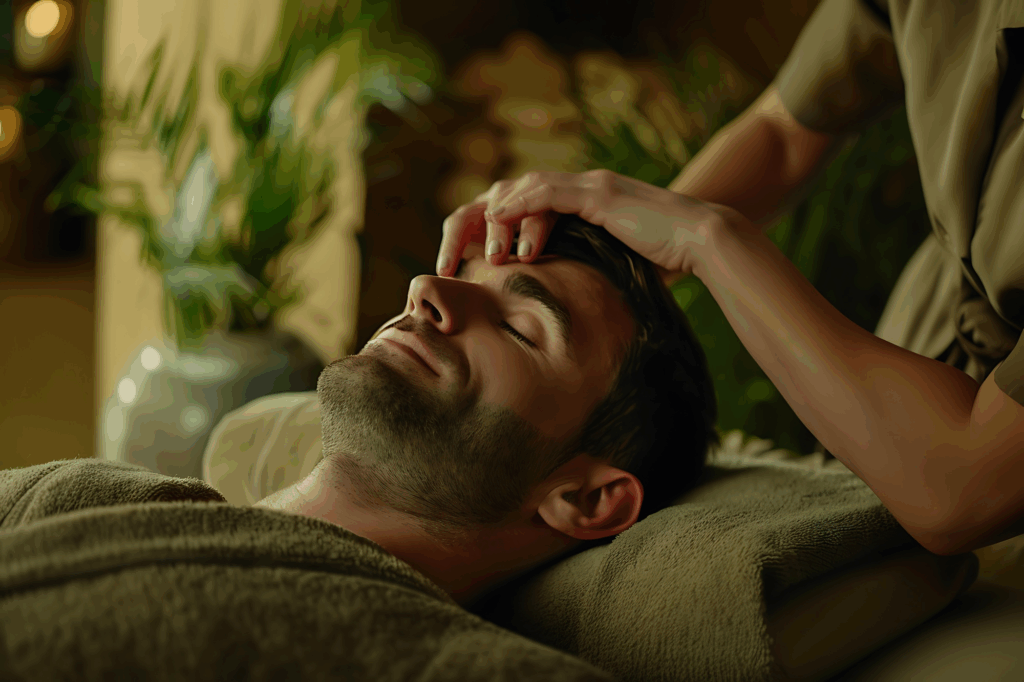
Shirodhara: Eine tief entspannende Therapie, bei der warmes, medizinisches Öl kontinuierlich auf die Stirn (Bereich des dritten Auges) gestrichen wird. Diese Behandlung:
Abhyanga: Therapeutische Ganzkörpermassage mit warmen, pflanzlichen Ölen, die auf Ihre Konstitution abgestimmt sind. Diese Praxis:
Panchakarma: Ein umfassendes Entgiftungs- und Verjüngungsprogramm, das angesammelte Giftstoffe (Ama) beseitigt und das doshische Gleichgewicht wiederherstellt. Erfahren Sie mehr über die transformative Kraft von Panchakarma-Behandlung für eine vollständige Verjüngung von Geist und Körper.
Rasayana-Therapie: Verjüngungsbehandlungen mit spezifischen Kräutern, Nahrungsmitteln und Praktiken zur Wiederherstellung der Vitalität, Stärkung der Immunität und Förderung der Langlebigkeit.
Unani-Medizin, die in der antiken griechischen Medizin wurzelt, konzentriert sich auf die Wiederherstellung des humoralen Gleichgewichts und verwendet natürliche Heilmittel gegen Stress und Erschöpfung:
Funktionelle Medizin untersucht die zugrunde liegenden biochemischen und hormonellen Ungleichgewichte, die zum Burnout beitragen. Die Behandlungen können umfassen:
Traditionell Chinesische Medizin sieht Burnout als eine Erschöpfung von “Qi” (Lebensenergie) an. Akupunktur Behandlungen:
Diese uralten Praktiken werden zunehmend von der modernen Forschung bestätigt, die messbare Verbesserungen bei Stressmarkern, der Gehirnfunktion und dem allgemeinen Wohlbefinden zeigt.

Was Sie essen, wirkt sich direkt auf Ihre Energie, Ihre Stimmung und Ihre Widerstandsfähigkeit aus. Bei einem Burnout werden oft wichtige Nährstoffe verbraucht, was zu einem Teufelskreis aus Erschöpfung und schlechten Ernährungsgewohnheiten führt. Hier erfahren Sie, wie Sie sich erholsam ernähren können:
Setzen Sie Prioritäten bei diesen Nährstoffen:
B-Vitamine: Wesentlich für die Energieproduktion und die Funktion des Nervensystems
Omega-3-Fettsäuren: Die Gesundheit des Gehirns unterstützen, Entzündungen reduzieren und die Stimmung verbessern
Magnesium: Hilft bei der Regulierung der Stressreaktion und fördert die Entspannung
Vitamin C: Unterstützt die Funktion der Nebennieren und die Stressresilienz
Adaptogene Kräuter: hilft dem Körper, sich an Stress anzupassen und das Gleichgewicht wiederherzustellen
Übermäßiges Koffein: Er liefert zwar vorübergehend Energie, verursacht aber Cortisolspitzen und -abstürze, was langfristig das Burnout verschlimmert. Beschränken Sie sich auf 1-2 Tassen am Morgen.
Raffinierter Zucker: Sie verursachen Blutzucker-Achterbahnen, die zu Energieabstürzen, Stimmungsschwankungen und verstärktem Heißhunger führen.
Verarbeitete Lebensmittel: Sie verbrauchen Nährstoffe, verstärken Entzündungen und belasten das Verdauungssystem.
Alkohol: Er stört die Schlafarchitektur und den Hormonhaushalt und verschlimmert Angstzustände und Depressionen.
Ziehen Sie in Erwägung, mit einem Ernährungsberater zusammenzuarbeiten, um eine individuelle Anti-Burnout-Diät zu erstellen. Viele Entgiftungs- und Reinigungsprogramme eine umfassende Ernährungsunterstützung als Teil eines ganzheitlichen Genesungskonzepts.
Manchmal, Selbstfürsorge ist nicht genug - Sie brauchen professionelle Hilfe. Umfassende Wellness-Retreats bieten intensive Heilerfahrungen, die Ihre Genesung beschleunigen können, indem sie Sie aus einer stressigen Umgebung herausholen und Ihnen fachkundige Anleitung bieten.
Suchen Sie professionelle Unterstützung, wenn Sie Probleme haben:
Personalisierte Bewertung: Die Programme sollten mit einer gründlichen Evaluierung Ihres spezifischen Zustands, Ihrer Auslöser und Bedürfnisse beginnen - und nicht mit einem Einheitsansatz, der für alle gilt.
Integrativer Ansatz: Kombination mehrerer Heilungsmodalitäten:
Sachverständige Praktiker: Zugang zu qualifizierten, erfahrenen Ärzten, Therapeuten und Wellness-Spezialisten, die die Komplexität von Burnout verstehen.
Natürliche Umgebung: Standort in einer friedlichen, naturreichen Umgebung abseits des städtischen Stresses. Die Forschung zeigt, dass natürliche Umgebungen den Heilungserfolg dramatisch verbessern.
Umfassend Dauer: Ausreichend Zeit für eine sinnvolle Veränderung (mindestens 7-14 Tage), nicht nur ein Wochenendausflug.
Unterstützung bei der Nachsorge: Anleitung zur Aufrechterhaltung des Wohlbefindens nach Beendigung des Programms, einschließlich Folgeberatungen und fortlaufender Ressourcen.
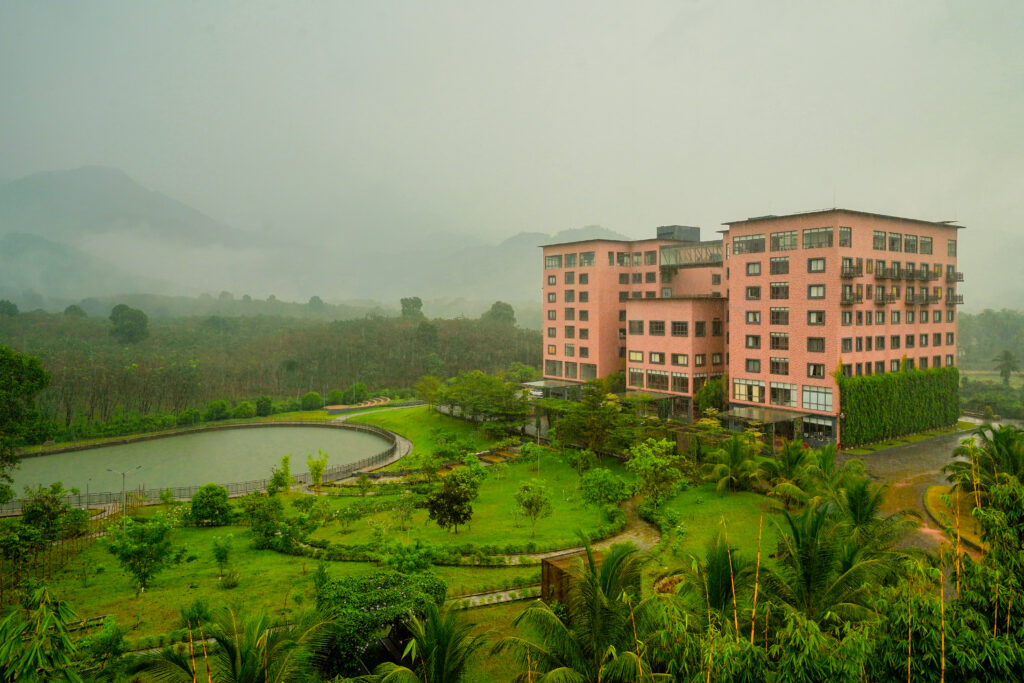
Tigris-Tal Wellness-Rückzug bietet spezialisierte Burnout-Erholungsprogramme die alte Heiltraditionen mit moderner Wellness-Wissenschaft verbinden. Was es einzigartig macht:
Das Retreat bietet verschiedene Programmdauern (7, 14 oder 21 Tage), um unterschiedlichen Bedürfnissen und Zeitplänen gerecht zu werden und einen umfassenden Weg zur Genesung in einer der schönsten und heilsamsten Umgebungen Indiens zu ermöglichen.
Für Unternehmen, denen das Wohlbefinden und die Produktivität ihrer Mitarbeiter am Herzen liegen, Corporate Wellness Retreats können Teams dabei helfen, sich gemeinsam zu erholen und gleichzeitig eine gesündere Arbeitsplatzkultur aufzubauen. Diese Programme behandeln:

Wenn Sie sich vom Burnout erholt haben, wird die Prävention zu Ihrer obersten Priorität. Beim Aufbau von Resilienz geht es nicht darum, härter zu arbeiten - es geht darum, intelligenter zu arbeiten und das eigene Wohlbefinden als nicht verhandelbar zu betrachten.
Morgenrituale (30-60 Minuten):
Während der Arbeitszeiten:
Abendlicher Wind-Down (60-90 Minuten vor dem Schlafengehen):
Technologiefreie Zeit: Legen Sie mindestens einen halben Tag pro Woche fest, an dem Sie keine digitalen Geräte benutzen. Nutzen Sie diese Zeit, um sich mit sich selbst, der Natur und geliebten Menschen zu verbinden.
Eintauchen in die Natur: Verbringen Sie längere Zeit (2-3 Stunden) in der Natur - Wandern, Strandspaziergänge, Parkbesuche, Gartenarbeit.
Soziale Kontakte: Bevorzugen Sie persönliche Treffen mit Freunden und Familie. Planen Sie regelmäßige Treffen, Telefonanrufe oder Videochats mit entfernten Verwandten.
Kreativer Ausdruck: Beschäftigen Sie sich mit kreativen Aktivitäten, die Freude machen - Kunst, Musik, Schreiben, Kochen, Basteln, Tanzen.
Planung und Reflexion: Nehmen Sie sich Zeit, um Ihre Woche Revue passieren zu lassen, die kommende Woche zu planen und darüber nachzudenken, was funktioniert und was angepasst werden muss.
Behandlungen zur Selbstbehandlung: Buchen Sie regelmäßig Massagen, Spa-Behandlungen oder andere pflegende Aktivitäten, die Ihnen helfen, neue Energie zu tanken.
Zielausrichtung: Stellen Sie sicher, dass Ihr tägliches Handeln mit Ihren tieferen Werten und langfristigen Zielen übereinstimmt. Lösen Sie sich von Verpflichtungen, die Ihnen nicht mehr dienen.
Identifizierung von Stressauslösern: Erkennen Sie Muster bei den Auslösern von Stress oder Ängsten. Entwickeln Sie Strategien zur Bewältigung oder Beseitigung dieser Auslöser.
Anpassung der Selbstfürsorge: Wenn sich die Jahreszeiten und die Lebensumstände ändern, sollten Sie Ihre Selbstfürsorgepraxis entsprechend anpassen.
Professionelle Unterstützung: Wenden Sie sich an einen Therapeuten, Coach oder Berater, wenn Sie bemerken, dass Warnzeichen wiederkehren.
Alle 3 Monate, in eine erweiterte Restaurierung investieren:
Erwägen Sie die Einbeziehung regelmäßiger Wellness-Praktiken wie die Immunstärkungspaket oder Programme zur Gewichtskontrolle um eine optimale Gesundheit zu erhalten und ein erneutes Auftreten von Burnout zu verhindern.
Das 80/20-Prinzip: Streben Sie in 80% der Fälle nach Beständigkeit und nicht in 100% der Fälle nach Perfektion. Das verringert den Druck und macht das Wohlbefinden auf lange Sicht nachhaltig.
Flexibilität statt Starrheit: Das Leben passiert - Krankheit, Termine, familiäre Notfälle. Bauen Sie Flexibilität in Ihre Wellness-Praktiken ein, damit ein fehlender Tag nicht alles zunichte macht.
Kontinuierliches Lernen: Informieren Sie sich über Wellness, Stressmanagement und persönliches Wachstum. Lesen Sie Bücher, hören Sie Podcasts, besuchen Sie Workshops.
Unterstützung der Gemeinschaft: Schließen Sie sich Wellness-Gemeinschaften oder Selbsthilfegruppen an oder suchen Sie sich einen Partner, der für Sie einsteht. Gemeinsames Engagement erhöht die Erfolgsquote.
Feiern Sie den Fortschritt: Erkennen Sie kleine Erfolge auf Ihrem Weg zum Wohlbefinden an und feiern Sie sie. Fortschritt, nicht Perfektion, ist das Ziel.

Die Genesung von Burnout ist keine Einheitslösung. Ihr Weg wird einzigartig sein und von Ihren Umständen, Ihrer Persönlichkeit, Ihren Ressourcen und Ihrem Unterstützungssystem geprägt sein. Hier erfahren Sie, wie Sie Ihren persönlichen Fahrplan erstellen können:
Hauptziel: Stabilisieren und weitere Verschlechterung verhindern
Handlungen:
Erfolgsindikatoren:
Hauptziel: Nachhaltige Wellness-Routinen einführen
Handlungen:
Erfolgsindikatoren:
Hauptziel: Grundlegende Probleme angehen und die Vitalität wiederherstellen
Handlungen:
Erfolgsindikatoren:
Hauptziel: Neue Muster verfestigen und Rückfälle verhindern
Handlungen:
Erfolgsindikatoren:
Verfolgen Sie Schlüsselindikatoren:
Verwenden Sie eine einfache Skala von 1-10, um diese Indikatoren wöchentlich zu verfolgen. Wenn Sie Fortschritte sehen, selbst wenn es nur kleine Schritte sind, bestärken Sie Ihre Bemühungen um Genesung und halten die Motivation aufrecht.
Tai Chi: Sanfte Kampfkunst, die Bewegung, Atem und Meditation miteinander verbindet. Reduziert Stress, verbessert das Gleichgewicht und steigert das allgemeine Wohlbefinden.
Tanztherapie: Ausdrucksstarke Bewegung, die Emotionen freisetzt, die Stimmung hebt und Sie wieder mit der Weisheit Ihres Körpers verbindet.
Schwimmen: Ein sanftes Ganzkörpertraining, das meditativ und beruhigend wirkt, vor allem in der natürlichen Umgebung des Wassers.
Kunsttherapie: Visueller Ausdruck durch Malen, Zeichnen oder Bildhauerei hilft bei der Verarbeitung von Gefühlen, die mit Worten nicht erfasst werden können.
Musiktherapie: Das Spielen von Instrumenten, Singen oder einfach nur das Hören von heilsamer Musik kann die Stimmung und den Stresspegel nachhaltig beeinflussen.
Schreibtherapie: Tagebuchschreiben, Poesie oder kreatives Schreiben sorgen für emotionale Entspannung und Klarheit.
Reiki: Japanische Energieheiltechnik, die Entspannung und Stressabbau fördert.
Klangheilung: Verwendung von Klangschalen, Gongs oder Stimmgabeln zur Wiederherstellung des harmonischen Gleichgewichts im Körper.
Kristalltherapie: Arbeit mit Heilsteinen und Kristallen zum Energieausgleich und zur emotionalen Unterstützung.
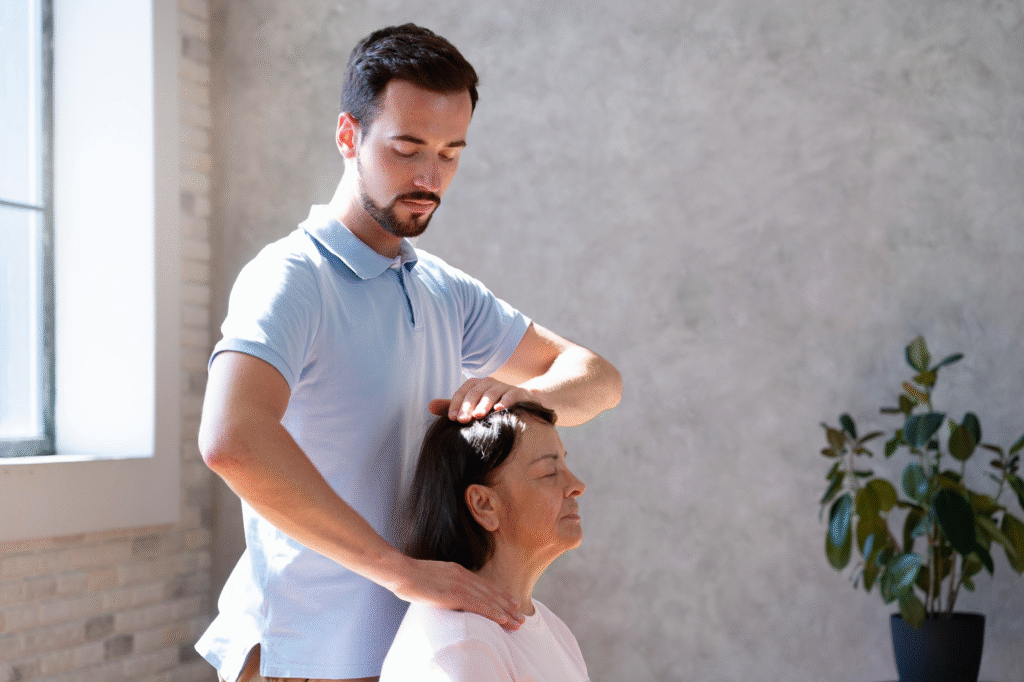
Massage-Therapie: Verschiedene Modalitäten von der schwedischen bis zur Tiefengewebemassage, von der Thai-Massage bis zur Ayurvedische Behandlungen, fördern alle die Entspannung und Heilung.
Chiropraktische Behandlung: Behandlung von Problemen mit der körperlichen Ausrichtung, die zu Schmerzen und Stress beitragen können.
Physiotherapie: Besonders wichtig, wenn Burnout zu körperlichen Schmerzen geführt hat oder chronische Schmerzzustände.
Die Genesungszeit ist je nach Schweregrad und individuellen Umständen sehr unterschiedlich. Ein leichtes Burnout kann sich bei konsequenter Selbstfürsorge innerhalb von 6-12 Wochen bessern, während in schweren Fällen 6-12 Monate oder mehr erforderlich sein können. Professionelle Maßnahmen wie Wellness-Retreats können die Genesung beschleunigen. Entscheidend ist, dass man sich mit den Ursachen und nicht nur mit den Symptomen befasst und Geduld mit dem Heilungsprozess hat.
Ja, absolut. Unbehandeltes Burnout erhöht das Risiko erheblich: Herz-Kreislauf-Erkrankungen, Bluthochdruck, Typ-2-Diabetes, geschwächtes Immunsystem, chronische Schmerzzustände, Verdauungsstörungen, Depressionen und Angstzustände sowie Drogenmissbrauch. Deshalb ist eine frühzeitige Behandlung von Burnout für die langfristige Gesundheit von entscheidender Bedeutung.
Nicht unbedingt sofort. Versuchen Sie zunächst, sich abzugrenzen, Ihre Bedürfnisse mitzuteilen und Unterstützung zu suchen. Manche Arbeitsplätze können so verändert werden, dass sie nachhaltig sind. Wenn Ihr Arbeitsplatz jedoch wirklich giftig ist, sich weigert, auf vernünftige Bedürfnisse einzugehen, oder wenn der Job grundlegend mit Ihren Werten in Konflikt steht, kann es für Ihre Gesundheit notwendig sein, ihn zu verlassen. Ziehen Sie in Erwägung, einen Karriere-Coach oder Therapeuten zu konsultieren, bevor Sie wichtige Entscheidungen treffen.
Stress bedeutet zu viel Druck, Dringlichkeit und Anforderungen. Gestresste Menschen können sich immer noch einbilden, dass sie sich besser fühlen werden, wenn sie alles unter Kontrolle haben. Burnout bedeutet, dass die Motivation, die Energie oder die Sorgfalt nicht ausreichen. Ausgebrannte Menschen fühlen sich leer und hoffnungslos und sehen keine Möglichkeit einer positiven Veränderung. Stress ist durch Überengagement gekennzeichnet, Burnout durch Desengagement.
Ja, aber es erfordert erhebliche Grenzsetzungen und Änderungen im Lebensstil. Viele Menschen erholen sich erfolgreich, während sie weiterarbeiten, indem sie ihre Arbeitszeit vorübergehend reduzieren, flexible Regelungen aushandeln, sich für eine intensive Genesung kurzfristig krankschreiben lassen, ihr Arbeitsleben strikt einschränken, unwichtige Aufgaben streichen und professionelle Unterstützung suchen. Wenn Ihr Arbeitsplatz jedoch aktiv toxisch ist oder Anpassungen verweigert, kann eine vollständige Genesung während der Beschäftigung extrem schwierig sein.
Nicht unbedingt notwendig, aber für viele Menschen sehr nützlich. Wellness-Retreats wie Tigris-Tal bieten: völlige Abkehr von stressigen Umgebungen, intensive professionelle Unterstützung und Anleitung, umfassende integrative Behandlungen, die zu Hause nicht möglich sind, beschleunigte Heilung in heilungsfördernden Umgebungen sowie Instrumente und Praktiken für langfristiges Wohlbefinden. Stellen Sie sich vor, Sie drücken den Reset-Knopf in einer optimierten Umgebung. Bei schwerem Burnout können professionelle Programme den Unterschied zwischen Monaten und Jahren der Erholung ausmachen.
Die Ernährung ist entscheidend, wird aber oft übersehen. Burnout führt zu einem Mangel an essenziellen Nährstoffen (B-Vitamine, Magnesium, Omega-3-Fettsäuren, Vitamin C), die für die Energieproduktion, das Stressmanagement und die Stimmungsregulierung notwendig sind. Eine nährstoffreiche, entzündungshemmende Ernährung unterstützt die Gesundheit der Nebennieren, gleicht den Blutzuckerspiegel aus, reduziert Entzündungen, verbessert die Darmgesundheit (die mit der psychischen Gesundheit zusammenhängt) und liefert anhaltende Energie. Schlechte Ernährung hält den Burnout-Zyklus aufrecht, während eine optimale Ernährung die Heilung beschleunigt.
Prävention erfordert ein kontinuierliches Engagement für: Klare Abgrenzungen, regelmäßige Selbstfürsorge, Stressbewältigungstechniken, unterstützende Beziehungen, sinnvolle Integration von Beruf und Privatleben, regelmäßige Wellness-Check-Ins, Erkennung von Frühwarnsystemen und vierteljährliche Wellness-Retreats oder -Retreats. Stellen Sie sich die Burnout-Prävention wie die Wartung eines Autos vor - regelmäßige Wartung verhindert Pannen. Das Ignorieren von Warnzeichen führt zu großen Problemen.
Dies ist eine häufige und schmerzhafte Herausforderung. Zu den Strategien gehören: Aufklärung über Burnout mit glaubwürdigen Quellen, klare Kommunikation Ihrer Bedürfnisse und Grenzen, Suche nach Unterstützung aus anderen Quellen (Freunde, Selbsthilfegruppen, Therapeuten), Vorleben von Selbstfürsorge als positives Beispiel, Einladung zu Familientherapiesitzungen und Festlegen von Grenzen bei nicht unterstützendem Verhalten. Denken Sie daran, dass Sie nicht die Erlaubnis aller brauchen, um Ihrer Gesundheit und Genesung Priorität einzuräumen.
Ganz genau. Burnout und psychische Erkrankungen überschneiden sich oft. Chronischer Stress durch Burnout kann Depressionen und Angststörungen auslösen oder verschlimmern. Die Forschung zeigt, dass Burnout das Risiko einer Depression um das 2-5fache erhöht. Wenn Sie unter anhaltender Traurigkeit, Hoffnungslosigkeit, Panikattacken oder aufdringlichen, ängstlichen Gedanken leiden, sollten Sie sofort professionelle psychologische Hilfe in Anspruch nehmen. Programme für seelische Heilung und geistige Gesundheit kann beides gleichzeitig angehen.
Suchen Sie professionelle Hilfe, wenn Sie Probleme haben: Unfähigkeit, den täglichen Aktivitäten nachzugehen, Selbstverletzungs- oder Selbstmordgedanken, schwere körperliche Symptome (Schmerzen in der Brust, extreme Müdigkeit), Drogenmissbrauch zur Bewältigung, völlige Unfähigkeit zu schlafen oder zu essen, schwere Angstzustände oder Panikattacken, Symptome, die länger als drei Monate ohne Besserung anhalten, oder Beziehungsabbruch aufgrund von Burnout. Andernfalls sollten Sie mit der Selbstbehandlung beginnen und die Fortschritte wöchentlich überwachen. Tritt innerhalb von 4-6 Wochen keine Besserung ein, sollten Sie professionelle Hilfe in Anspruch nehmen.
Burnout betrifft alle Altersgruppen, auch Teenager und junge Erwachsene. Akademischer Druck, Stress durch soziale Medien, eine ungewisse Zukunft und hohe Erwartungen tragen zum Burnout bei Jugendlichen bei. Zu den Anzeichen bei jungen Menschen gehören schlechtere Noten, Rückzug von Aktivitäten, erhöhte Reizbarkeit, Schlafprobleme und körperliche Beschwerden. Die Präventions- und Behandlungsprinzipien sind ähnlich, sollten aber altersgerecht sein und die Familie mit einbeziehen.
Burnout ist kein persönliches Versagen - es ist ein Zeichen dafür, dass sich etwas in Ihrem Leben ändern muss. Ganz gleich, ob es sich um Ihr Arbeitsumfeld, Ihre persönlichen Grenzen, Ihre Selbstfürsorgepraktiken oder tiefere Lebensstilmuster handelt - das Erkennen von Burnout ist der erste entscheidende Schritt zur Veränderung.
Eine Erholung ist möglich, aber sie erfordert:
Denken Sie an diese wichtigen Grundsätze:
Heute:
Diese Woche:
Diesen Monat:
Dieses Quartal:
Wenn Sie bereit sind für eine umfassende, transformative Heilung in einer unterstützenden Umgebung, dann sollten Sie Tigris-Tal Wellness-Rückzug. Ihre Programm zur Erholung von Stress und Burnout kombiniert:
✓ Alte Heilungsweisheiten aus Ayurveda, Unani, und traditionelle Medizin
✓ Modern funktionelle Medizin nähert sich
✓ Personalisierte Behandlungspläne von erfahrenen Ärzten
✓ Ruhige natürliche Umgebung in den Bergen Keralas
✓ Umfassende Unterstützung für Körper, Geist und Seele
✓ Tools und Praktiken für langfristiges Wohlbefinden
Besuchen Sie ihre Galerie um die heilende Umgebung zu sehen, lesen Sie Empfehlungsschreiben von erholten Gästen, und erfahren Sie mehr über ihre Weltklasse-Team.
Sie sind nicht Ihr Burnout. Unter der Erschöpfung, dem Zynismus und der Leere verbirgt sich der lebendige, energiegeladene und fröhliche Mensch, der Sie wirklich sind. Diese Person wartet darauf, wieder zum Vorschein zu kommen, und mit der richtigen Unterstützung und den richtigen Strategien wird sie das auch tun.
Die Erholung verläuft nicht linear. Manche Tage werden sich wie Rückschläge anfühlen, aber insgesamt werden Sie vorankommen. Seien Sie geduldig und mitfühlend mit sich selbst. Jeder kleine Schritt zählt.
Sie verdienen es, zu gedeihen, nicht nur zu überleben. Das Leben ist dazu da, mit Energie, Sinn und Freude gelebt zu werden. Geben Sie sich nicht damit zufrieden, nur jeden Tag zu überstehen. Wenn Sie sich für Ihre Heilung einsetzen, können Sie das Leben zurückgewinnen, das Sie verdienen.
Ihre Burnout-Erholungsreise beginnt jetzt. Machen Sie heute den ersten Schritt. Ihr zukünftiges Ich wird es Ihnen danken.
Kontakt Tigris-Tal um Ihren Beratungstermin zu vereinbaren und Ihre Transformation zu dauerhaftem Wohlbefinden und Vitalität zu beginnen.