
[gtranslate]
MENÜ
Sie haben Panchakarma auf Bali, in Thailand und mehreren indischen Bundesstaaten erforscht - aber jede ernsthafte Spur führt zurück nach Kerala. Dafür gibt es einen Grund. Kerala ist nicht nur ein beliebtes Ziel für Panchakarma, es ist der Ursprung, der Standard und immer noch der Maßstab an dem jede andere Region gemessen wird. Dieser Leitfaden zeigt genau auf, warum internationale Gäste - aus Europa, dem Nahen Osten und der ganzen Welt - nach Kerala reisen und was eine echte klinische Ayurveda-Erfahrung von einem verkappten Wellnessurlaub unterscheidet.
Inhaltsübersicht
Während Ayurveda als System seinen Ursprung auf dem gesamten vedischen indischen Subkontinent hat, wurde die spezifische klinische Praxis des Panchakarma als formalisiertes, stationäres therapeutisches System in Kerala bewahrt und verfeinert. Ashtavaidya Familien - erbliche Linien von ayurvedischen Ärzten, die die klassischen Protokolle über Jahrhunderte hinweg mit außerordentlicher Treue beibehalten haben.
Dies ist keine Werbeaussage. Die Panchakarma-Tradition in Kerala zeichnet sich durch mehrere konkrete Merkmale aus, die sie vom anderswo praktizierten Ayurveda unterscheiden:
Wenn internationale Gäste nach authentisch Panchakarma - das medizinisch strukturierte, ärztlich überwachte Protokoll und nicht eine verwässerte kommerzielle Version - sie kommen nach Kerala, weil das Original hier lebt.
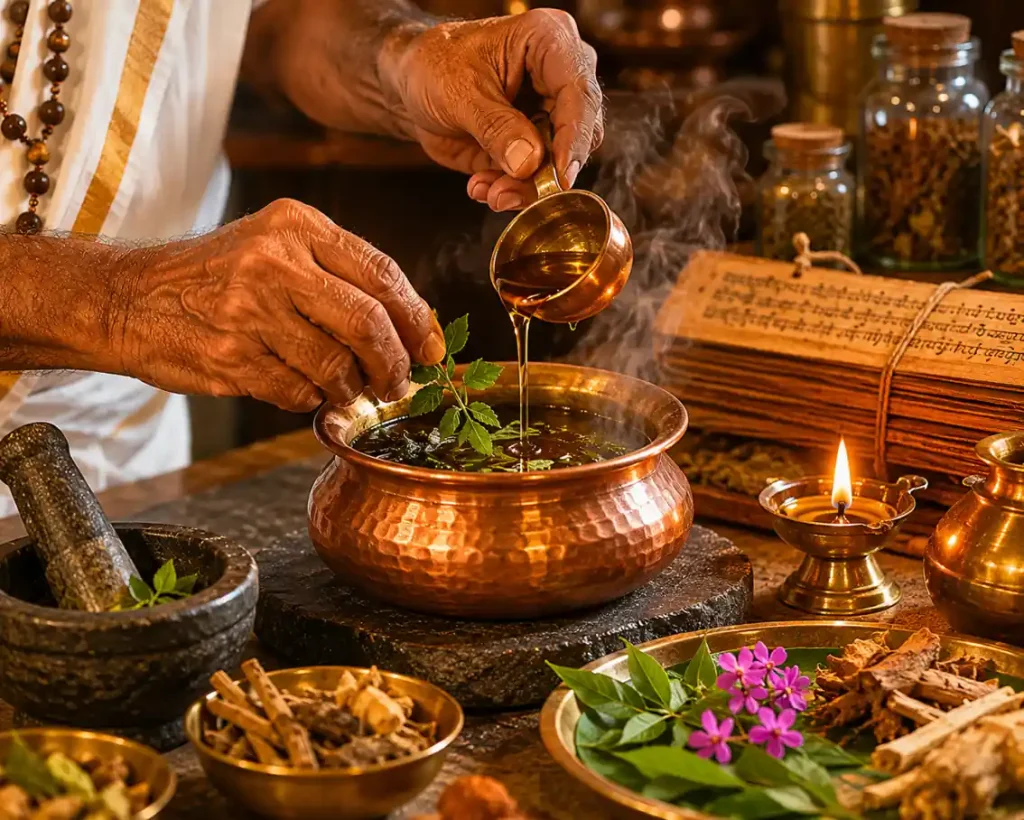
Das Klima in Kerala ist eine zentrale medizinische Variable für die Ergebnisse von Panchakarma - und keine Kulisse. In den klassischen ayurvedischen Texten werden die idealen Bedingungen für Panchakarma als warme, feuchte Umgebungen beschrieben, in denen die Körperkanäle (Srotas) auf natürliche Weise geweitet bleiben und die Poren der Haut offen und aufnahmebereit für die Aufnahme von Kräuteröl bleiben. Keralas Kombination aus konstanter Wärme, hoher Luftfeuchtigkeit und sauberer Bergluft schafft genau diese physiologische Umgebung - das ganze Jahr über.
| Faktor | Der Vorteil von Kerala | Wirkung auf Panchakarma |
|---|---|---|
| Klima | Ganzjährig warm, feucht und gemäßigt | Poren bleiben offen; pflanzliches Öl zieht tiefer ins Gewebe ein |
| Arzneipflanzen | Western Ghats - einer der 36 Biodiversitäts-Hotspots der Welt | Frische, lokal bezogene Heilkräuter von höchster Potenz |
| Luftqualität | Dichter Wald, saubere Bergluft, geringe Umweltverschmutzung | Unterstützt die Atemwege und die zelluläre Entgiftung während der Reinigung |
| Wasser | Bergquellwasser, mineralreich, sauber | Unterstützt Flüssigkeitszufuhr, Kräuterabkochungen und medizinische Bäder |
| Monsunzeit | Juni-August: klassisches optimales Panchakarma-Fenster | Der Körper ist maximal empfänglich für tiefe Entgiftung; klassische Texte bestätigen diesen Zeitpunkt |
Wayanad - wo Tigris-Tal liegt in den Western Ghats auf einer Anhöhe, die alle klimatischen Vorteile Keralas mit den zusätzlichen therapeutischen Vorteilen der Bergluft, des artenreichen Waldes und der kortisolreduzierenden Wirkung des tiefen Eintauchens in die Natur kombiniert.
Eine der größten Sorgen, die internationale Gäste haben, wenn sie Panchakarma außerhalb Indiens buchen, ist die Frage, ob die Praktiker wirklich ausgebildet sind - oder ob sie eine Kurzzertifizierung absolviert haben und nun medizinische Einläufe und innere Öltherapien an zahlenden Gästen durchführen.
Die Gemeinschaft der Ayurveda-Praktiker in Kerala unterliegt einem strengen Ausbildungs- und Zulassungsrahmen. Qualifiziert vaidyas ein 5,5-jähriges BAMS-Studium (Bachelor of Ayurvedic Medicine and Surgery) absolvieren, oft gefolgt von einer postgradualen Spezialisierung. Die erfahrensten Praktiker stammen aus Familien, in denen das Panchakarma-Wissen über Generationen weitergegeben wurde - eine lebendige Tradition, keine rekonstruierte.
Wichtige Erkenntnis: Fragen Sie bei der Bewertung eines Panchakarma-Retreats in Kerala gezielt nach: Werden die Therapien von BAMS-qualifizierten Ärzten oder von ausgebildeten Therapeuten unter ärztlicher Aufsicht durchgeführt? Gibt es rund um die Uhr eine medizinische Aufsicht? Ist die Einrichtung NABH-akkreditiert? Im Tigris Valley lauten alle drei Antworten "Ja" - und dies sind die unverzichtbaren Punkte, die jeder ernsthafte internationale Gast vor der Buchung überprüfen sollte.
Ein entscheidender Unterschied, den erfahrene Wellness-Reisende verstehen - und den Neulinge oft erst nach einer enttäuschenden Erfahrung entdecken - ist der Unterschied zwischen einem AYUSH-integriertes Krankenhaus und eine Wellness-Retreat mit Ayurveda-Dienstleistungen.
Die meisten Reiseziele außerhalb Keralas bieten Letzteres an: ein schönes Resort, das Ayurveda-Massagen in sein Angebot aufgenommen hat. Die führenden Panchakarma-Zentren in Kerala sind medizinische Einrichtungen, in denen Ayurveda das klinische System ist, mit ärztlicher Beratung, diagnostischer Beurteilung, medizinisch aufeinander abgestimmten Therapien und dokumentierten Behandlungsprotokollen.
Das AYUSH-Programm des Tigris-Tals stellt die umfassendste Version dieses integrierten Modells dar, das alle Aspekte miteinander verbindet:
Dieses breite Angebot, das unter NABH-Akkreditierung und medizinischer Aufsicht rund um die Uhr steht, ist es, was internationale Gäste meinen, wenn sie sagen, dass sie eine “richtige” Panchakarma-Erfahrung wünschen - und es ist das, was sie speziell nach Kerala bringt.
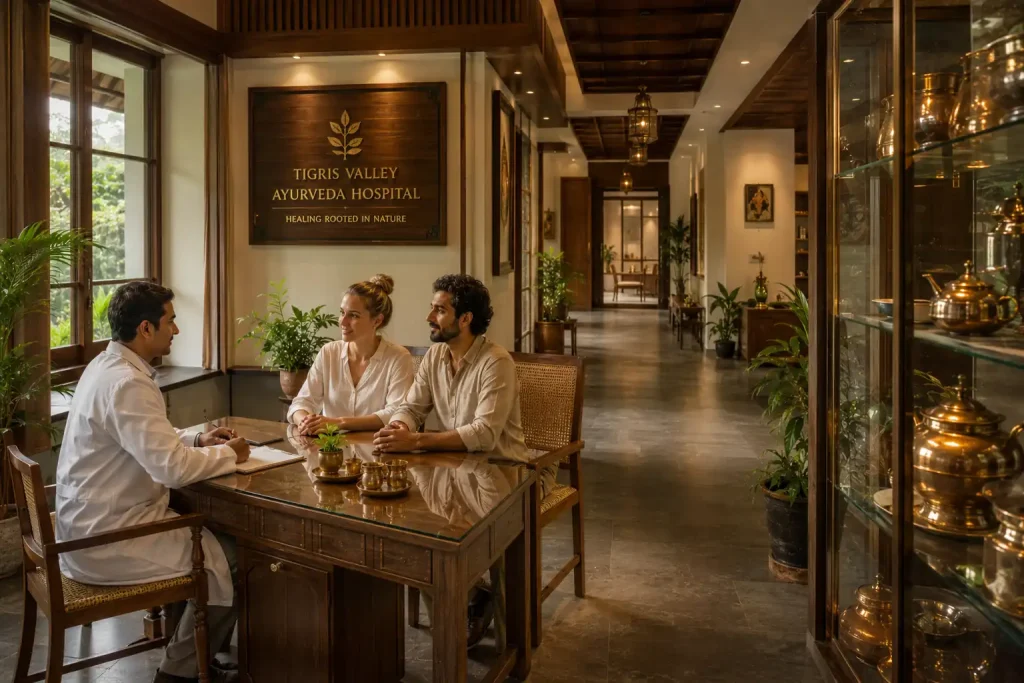
Kerala hat eine tiefe, jahrhundertealte Beziehung zur arabischen Welt - durch Handel, Migration und kulturellen Austausch. Heute manifestiert sich dies in einem Wellness-Kontext, der für Gäste aus dem Nahen Osten, die Kerala für Panchakarma aufsuchen, einzigartig ist.
Die Integration des Tigris Valley von Unani-Medizin - die klassische islamische medizinische Tradition, die ihre Wurzeln in der griechisch-arabischen Medizin hat - macht das Retreat für arabische Gäste philosophisch und medizinisch so vertraut, wie es rein ayurvedische Zentren nicht sind. Hijama (nasses Schröpfen), eine in der islamischen prophetischen Medizin etablierte Praxis, ist ein bewährtes therapeutisches Angebot im Tigris Valley und wird im Rahmen der Entgiftungs- und Schmerzbehandlungsprogramme eingesetzt.
Der internationale Flughafen Kozhikode (Calicut) - der dem Tigris-Tal am nächsten gelegene Großflughafen - bietet Direktflüge von Riad, Dammam, Jeddah, Dubai, Abu Dhabi, Muscat und Doha. Die Flugzeit von Dubai beträgt weniger als 2,5 Stunden. Dies macht Kerala zu einem der am leichtesten zugänglichen internationalen Wellness-Ziele für Golfbewohner. Die vollständigen Reisedaten finden Sie auf der Website Anreise zum Tigris-Tal Seite.
Das Tigris Valley verfügt über arabischsprachiges Personal - ein bestätigtes Merkmal der Einrichtung. Für Gäste, deren Englischkenntnisse begrenzt sind oder die es vorziehen, medizinische Informationen auf Arabisch zu erhalten, wird damit eine wesentliche Barriere beseitigt, die in den meisten indischen Wellnesszentren besteht.
Die kulinarische Kultur Keralas bedeutet, dass die Zubereitung von Halal-kompatiblen Mahlzeiten kulturell verankert ist - und nicht etwa eine spezielle Anfrage an die Unterkunft. Die biologischen, lokal bezogenen Mahlzeiten des Retreats entsprechen natürlich den Halal-Ernährungsanforderungen.
Europäische Wellnesstouristen - insbesondere aus Deutschland, Frankreich, Großbritannien, der Schweiz und den Niederlanden - stellen einen bedeutenden Teil der internationalen Panchakarma-Besucher in Kerala dar. Ihre Beweggründe sind unterschiedlich und sollten gesondert betrachtet werden.
Europäische Gäste, insbesondere aus dem deutschsprachigen Raum, betrachten Panchakarma oft als Präventivmedizin - nicht als Krisenbehandlung. Sie kommen gut an, suchen einen tiefen jährlichen Reset und kehren zurück, weil die Ergebnisse durchweg messbar sind: besserer Schlaf, klarere Haut, geringere Entzündungen und anhaltende Energie, die noch Monate nach der Rückkehr nach Hause anhält.
Viele europäische Gäste kommen speziell deshalb, weil ihre chronischen Erkrankungen - Müdigkeit, Autoimmunität, Stoffwechselstörungen, stressbedingte Krankheiten - von ihren heimischen Gesundheitssystemen nur unzureichend behandelt wurden. Das Tigris Valley Entgiftungs- und Reinigungsprogramm und Programm zur Erholung von Stress und Burnout unmittelbar diesem Bedürfnis dienen.
Erfahrene europäische Wellness-Reisende erkundigen sich nach der NABH-Akkreditierung, der Qualifikation der Ärzte und danach, ob die Therapien medizinisch aufeinander abgestimmt sind oder aus einem Menü ausgewählt werden. Keralas klinische Ayurveda-Tradition - und Krankenhäuser wie das Tigris Valley - erfüllen diesen Standard in einer Weise, wie es “Ayurveda-Retreats” auf Bali oder in Thailand in der Regel nicht können.
Nicht alle Panchakarma-Zentren in Kerala sind gleich. Internationale Gäste, die viel Zeit und Reisen investieren, sollten die Zentren anhand dieser nicht verhandelbaren Kriterien bewerten:
| Kriterium | Was zu überprüfen ist | Rote Flagge |
|---|---|---|
| Medizinische Akkreditierung | NABH-Akkreditierung bestätigt | Keine Akkreditierung; behauptet, sie sei “in Bearbeitung”.” |
| Ärztliche Beaufsichtigung | BAMS-qualifizierte Ärzte; 24/7 medizinische Unterstützung | Therapeuten, die Verfahren ohne ärztliche Aufsicht durchführen |
| Personalisiertes Protokoll | Erstkonsultation + Dosha-Bewertung vor Beginn der Therapie | Behoben: “Panchakarma-Pakete” aus einem Menü ausgewählt |
| Hausinterne Formulierungen | Vor Ort zubereitete Kräuteröle und -abkochungen | Handelsübliche ayurvedische Produkte von der Stange |
| Therapeutische Ernährung | Phasenspezifische Bio-Mahlzeiten, abgestimmt auf Dosha und Programmstufe | Standard-Resort-Menü mit “ayurvedischer” Kennzeichnung |
| Protokoll nach der Entlassung | Personalisierter Diätplan, Kräuterset, Lebensstilberatung | Keine Nachbetreuung; Programm endet an der Kasse |
Tigris-Tal - im Bergheiligtum von Wayanad gelegen - ist bestätigt als Südasiens größtes AYUSH-integriertes, NABH-akkreditiertes Wellness-Krankenhaus. Für internationale Gäste, die Panchakarma in Kerala suchen, stellt es den vollsten Ausdruck dessen dar, was das Modell Kerala bieten kann.
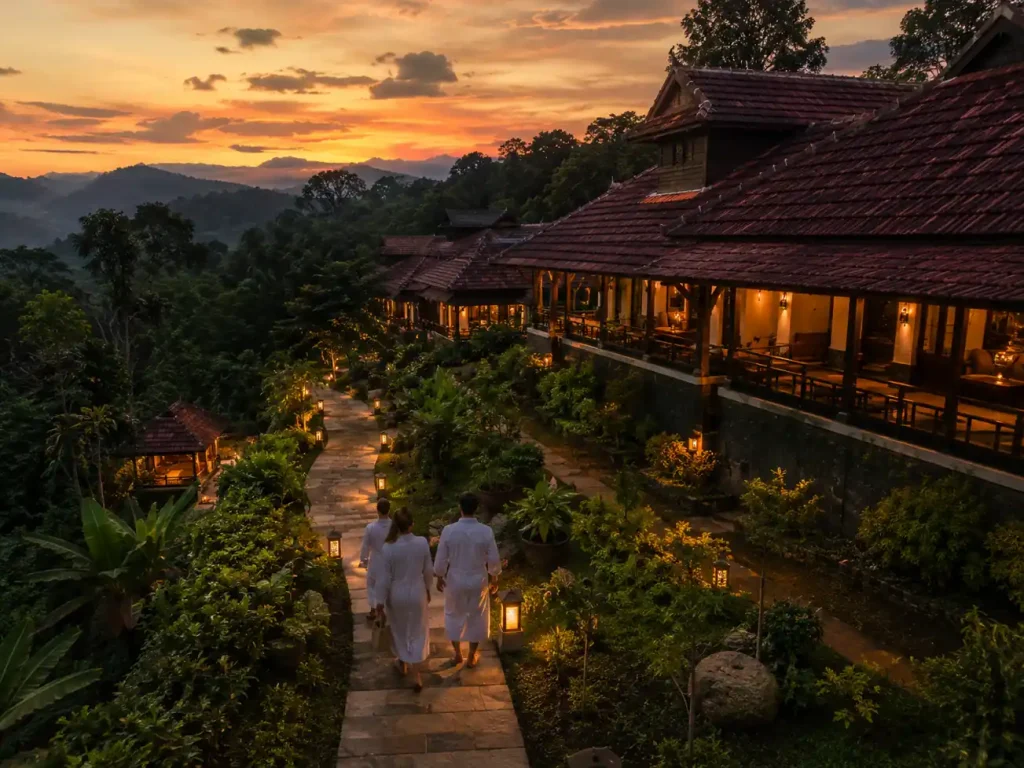
Wichtige bestätigte Merkmale, die für internationale Gäste relevant sind:
Ja. Kerala ist einer der sichersten Staaten Indiens für internationale Touristen. Rückzugsorte wie das Tigris Valley bieten ein vollständig betreutes Umfeld - Unterkunft, Mahlzeiten, Therapie und Sicherheit sind vor Ort. Viele internationale Gäste reisen allein, weil das strukturierte Retreat-Format bedeutet, dass sie sich nie allein in einer unbekannten Umgebung bewegen müssen.
In den klassischen ayurvedischen Texten wird die Monsunzeit (Juni-August) als das optimale therapeutische Zeitfenster bezeichnet. Das Klima in Kerala unterstützt jedoch das ganze Jahr über ein effektives Panchakarma. Viele internationale Gäste bevorzugen die kühleren Monate von Oktober bis Februar, um bequemer reisen und sich im Freien bewegen zu können.
Tigris Valley's Nahegelegene Fluchten Programm bietet einen geführten Zugang zu Wayanads bemerkenswerten natürlichen und kulturellen Attraktionen - Wasserfälle, Wildtierschutzgebiete, Stätten des Stammeserbes und Gewürzplantagen - die mit den übrigen Tagen Ihres Programms vereinbar sind.
Die meisten Nationalitäten können das e-Touristenvisum für Indien online beantragen. Staatsangehörige der meisten EU-Länder, des Vereinigten Königreichs, der USA und der Staaten des Golf-Kooperationsrates sind berechtigt. Das Reservierungsteam von Tigris Valley kann bei Bedarf Einladungsschreiben zur Unterstützung von Visumanträgen ausstellen.
Das vollständige klinische Panchakarma-Protokoll - einschließlich Basti und Virechanam - ist aufgrund von behördlichen Beschränkungen nur in Indien erhältlich. In Kerala wird es in seiner authentischsten, klinisch strengsten Form unter ärztlicher Aufsicht und mit hauseigenen medizinischen Präparaten praktiziert.
Tigris Valley bietet eine breite Palette spezialisierter Wellness-Programme, darunter Management chronischer Schmerzen und Entzündungen, Kardio-metabolische Gesundheit und Erholung, Krebshilfe & Palliativmedizin, Management von Stoffwechselkrankheiten, und Wellness-Retreats für Unternehmen. Alle sehen Programme hier.
Panchakarma wird an den Einzelnen angepasst - es ist kein Einheitsprotokoll. Das Ärzteteam von Tigris Valley führt vor dem Programm eine gründliche Untersuchung durch, um Kontraindikationen zu ermitteln, die Verfahren bei Bedarf zu ändern und ein Programm zu entwickeln, das Ihrem Alter, Ihrer Konstitution und Ihrem Gesundheitszustand entspricht.
Ja. Die verschiedenen Programme von Tigris Valley ermöglichen es, dass Familienmitglieder mit unterschiedlichen Gesundheitszielen gleichzeitig untergebracht werden können, wobei jedes Mitglied sein eigenes individuelles Therapieprotokoll verfolgt. Die gemeinsame Einrichtungen - Fitnessraum, Yogaraum, Schwimmbäder, Wanderwege, Ruhe Café - bieten Raum für Entspannung und Verbindung zwischen den Sitzungen.
Der nächstgelegene größere Flughafen ist der internationale Flughafen Calicut (Kozhikode) mit Direktflügen von Dubai, Abu Dhabi, Riad, Dammam, Jeddah, Muscat, Bahrain und Doha. Ausführliche Informationen zur Anreise finden Sie auf der Website Anreise zum Tigris-Tal Seite.
Für die Spitzenmonate (Oktober-März) wird empfohlen, 6-8 Wochen im Voraus zu buchen, damit genügend Zeit für die Reisevorbereitungen und die medizinische Beratung vor der Ankunft bleibt. Kontaktieren Sie das Team unter Tigris Valley's Kontaktseite oder unter reservation@tigrisvalley.com, um den Prozess zu beginnen.
Planen Sie Ihre Kerala Panchakarma-Reise im Tigris-Tal
Südasiens größtes AYUSH-integriertes, NABH-akkreditiertes Wellness-Krankenhaus ist bereit, Ihr persönliches Programm zu entwickeln. Unterstützung in arabischer Sprache verfügbar. Direktflüge aus der Golfregion.
→ Entdecken Sie das Detox & Cleanse Programm
→ Alle Wellness-Programme anzeigen
→ Kontaktieren Sie das Tigris-Tal und buchen Sie Ihr Beratungsgespräch
Kaithappoyil, in den Westghats.
Markaz Knowledge City Road, Kaithappoyil, Adivaram, Kerala
Anfahrtsbeschreibung +91 90726 61622 reservation@tigrisvalley.com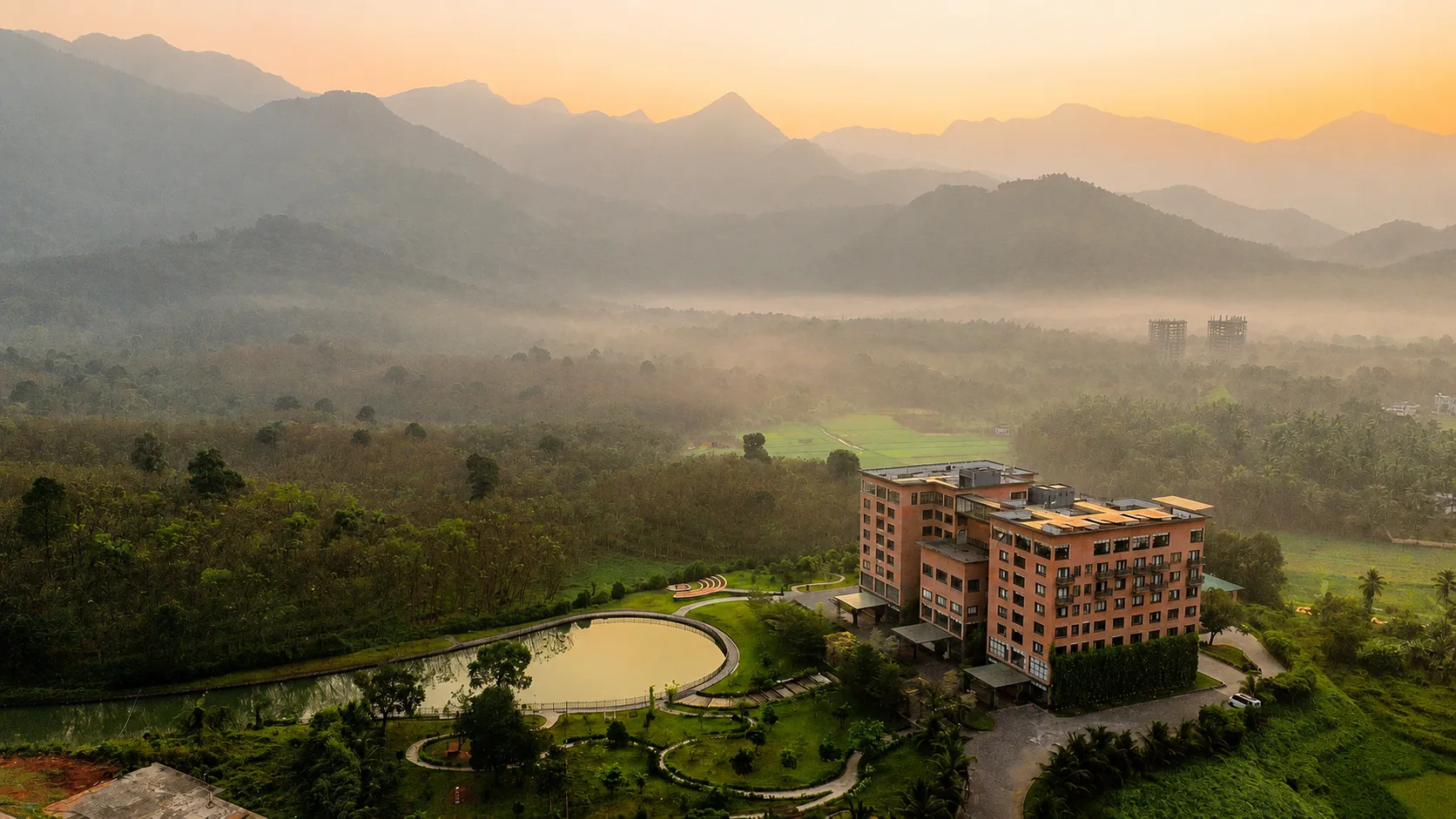
Kaithappoyil, Westghats

Bevor Sie gehen
Ein Arzt liest jede Nachricht. Vereinbaren Sie einen Termin oder senden Sie eine Anfrage – Sie erhalten noch am selben Tag eine Antwort.