
[gtranslate]
MENÜ
Quick Facts: Diabetes Care at an Ayurveda Retreat
You manage your sugar every day, and the idea of a retreat that “reduces medicines” can feel both hopeful and frightening. Stopping metformin or cutting insulin without a plan can push glucose dangerously high or low. This guide explains when an Ayurveda retreat safe for diabetes is realistic, what doctors check before touching any dose, and which questions to ask before you book.
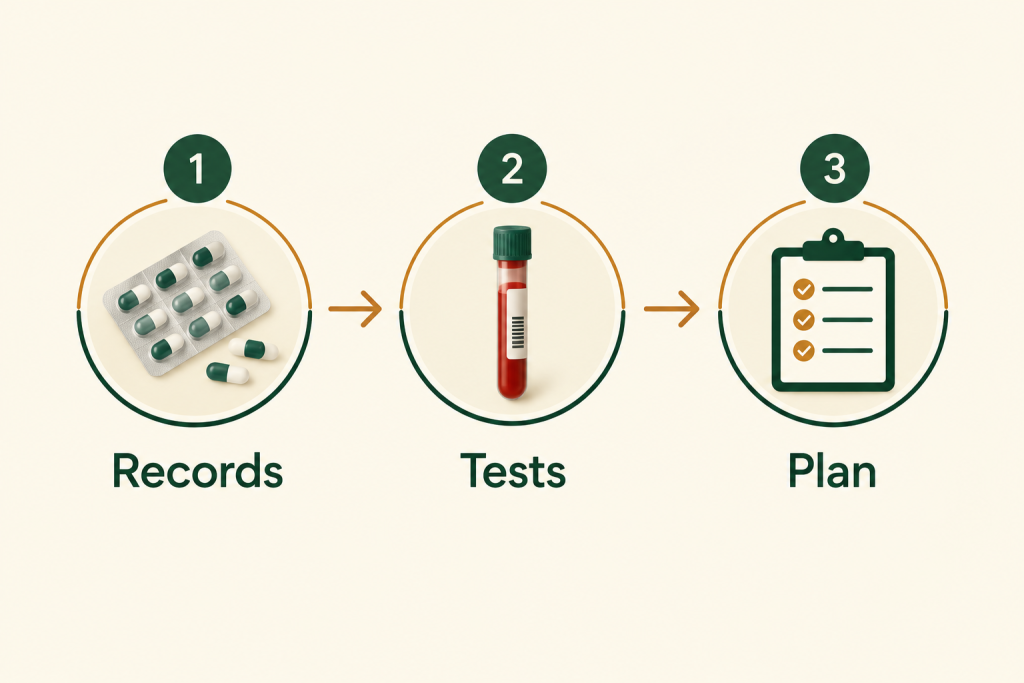
Yes, it can be, but only when the retreat works like a medical setting: records reviewed first, medicines continued, sugar monitored and doses changed only by a doctor. Safety comes from the process, not from the word “Ayurveda”.
Is an Ayurveda retreat safe for diabetes if you take metformin, insulin or both? The honest answer is that it depends on four things:
Be wary of any centre that promises to “cure” diabetes or tells you to stop medicines on arrival. The better programmes say plainly that Ayurveda does not cure diabetes. They aim to improve blood sugar, rebuild metabolic habits and, for some people with Type 2 diabetes, reduce medicine needs slowly.
If you want the broader picture of how this care is offered, see our guide to Ayurvedische Behandlung für Diabetes in Kerala.
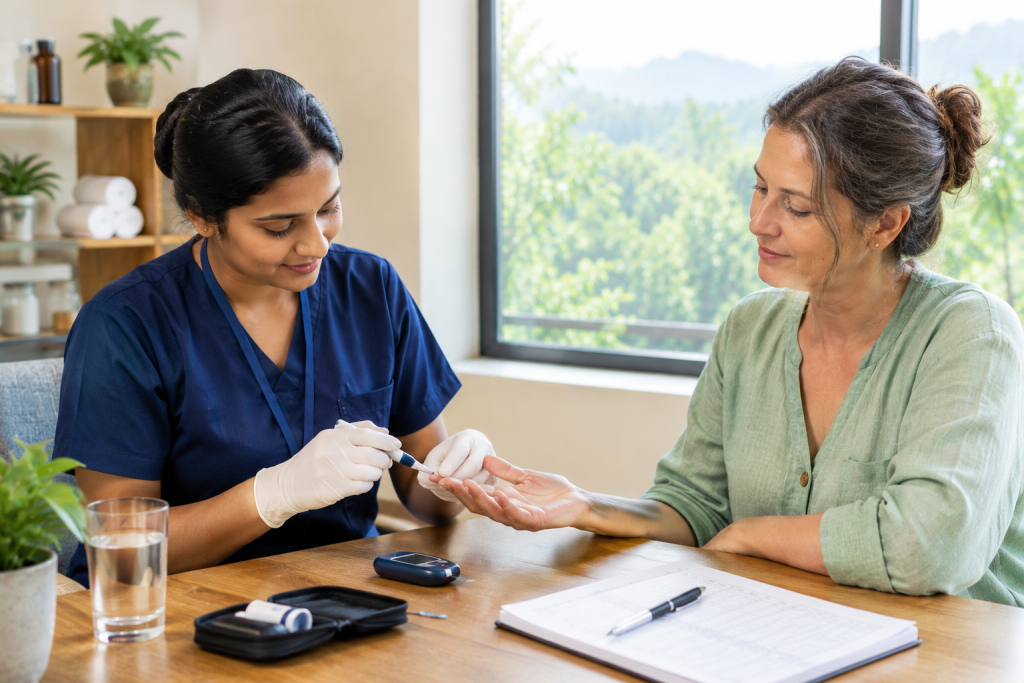
Before touching metformin or insulin, doctors confirm your diabetes type, your recent glucose pattern, your kidney and liver function, and your risk of low sugar. Nothing is adjusted on day one.
| Entity | What is checked | Why it matters |
|---|---|---|
| Diabetes type | Type 1, Type 2 or other | Type 1 always needs insulin |
| HbA1c | Average control over about 2 to 3 months | Shows the baseline before therapy |
| Fasting and post-meal glucose | Daily pattern | Reveals highs and lows that HbA1c hides |
| Kidney function (eGFR) | Blood test | Metformin dosing depends on it |
| Liver function and lipids | Blood panel | Guides herbs and diet |
| Medicine list | Every drug and supplement | Finds overlaps and interactions |
| Hypoglycaemia history | Past low-sugar episodes | Sets the safety margin for insulin and sulfonylureas |
| Complications | Eyes, feet, nerves, heart | Decides which therapies are safe |
A program built on a metabolic disorder management programme starts with this kind of assessment: a metabolic panel (fasting glucose, HbA1c, insulin, lipids), a thyroid panel and a review of medical history, before therapy begins. Ask any retreat for its equivalent list.
That is why reputable teams continue your medicines at first, watch the numbers, and reduce a dose only when readings consistently allow it and your own physician agrees.
Expect regular glucose checks, a written log, and a doctor review that links your readings to what you ate and which therapy you had. Tigris Valley describes continuous blood sugar monitoring with regular assessments, HbA1c tracking and doctor consultations.
Understand what each test can and cannot show:
Your own tracking helps. If you use a meter or sensor at home, bring it, along with your last three months of readings.
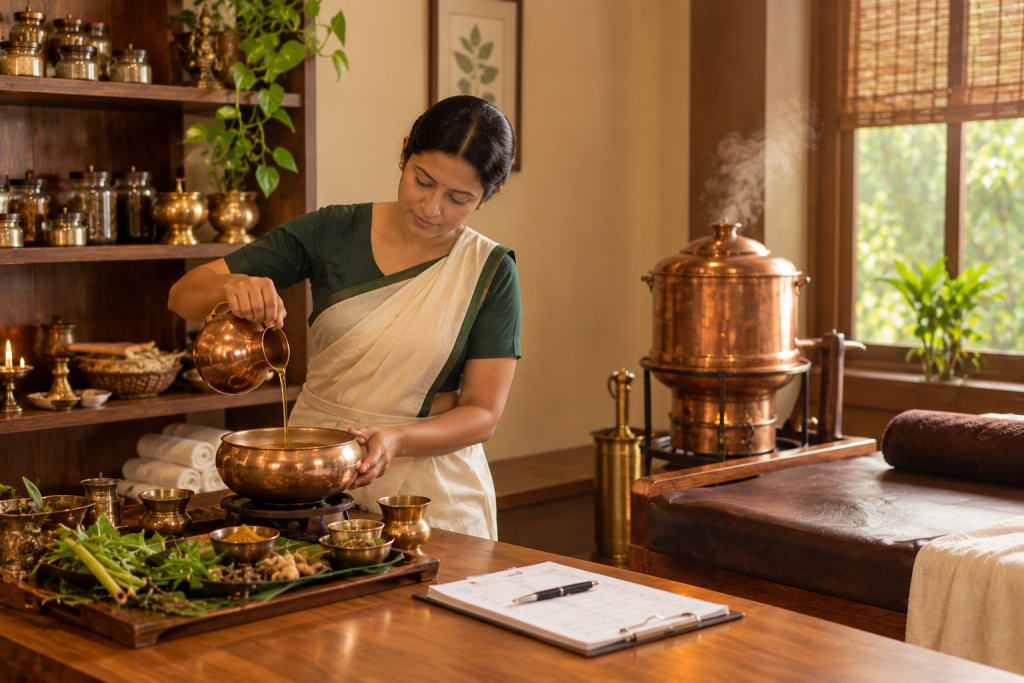
The treatments that need the most care are those that change fluids, food intake or glucose directly. A physician should explain each one before it starts.
Funktionsmedizinische Diagnostik add a useful layer here, because insulin markers, inflammation markers and nutrient levels can show what is driving your sugar.
Know the Low-Sugar Warning Signs
Shaking, sweating, sudden hunger, confusion, blurred vision or a pounding heart can mean low blood sugar. Tell staff immediately and treat it as an emergency. Never wait for the next scheduled check.
Type 1 diabetes always needs insulin, so a retreat can only support it. Type 2 diabetes sometimes allows medicine reduction under supervision.
Be cautious about any claim of “Type 2 diabetes reversal” without published data. Remission is possible for some people through weight loss and lifestyle change, but it needs ongoing follow-up and is not guaranteed.
Key Insight
The real risk is not the retreat. It is the mismatch between a changed lifestyle and an unchanged dose. A better diet and daily walking lower sugar, so the same insulin or tablet can suddenly become too strong. A retreat that watches your readings and adjusts doses together with your own doctor is safer than managing the same change alone at home.
Speak to your own doctor first if any of these apply. They do not always rule out a stay, but they change the plan.

It can offer structure: supervised diet, daily movement, stress and sleep work, and a clear plan for home. Those are the pillars that improve insulin sensitivity.
It cannot undo years of risk in three weeks, and it should never replace your diabetologist. For the traditional logic behind these methods, read how Ayurveda approaches blood sugar.
Wichtigste Erkenntnisse
No. Metformin should not be stopped abruptly. Doctors continue it at first, review kidney function and glucose readings, and reduce it only if the numbers and your own physician agree.
Sometimes for Type 2 diabetes, under daily monitoring, because diet and activity can lower dose needs quickly. Reduction is gradual and doctor-led. For Type 1 diabetes, insulin continues.
It can be when tailored. Intensive procedures such as purgation affect fluids and food intake, so a physician reviews your kidney function, medicines and glucose pattern first. It is not suitable for everyone.
They can. Several herbs lower glucose, so the effect may add to your tablets or insulin. Share every medicine and supplement with the physician before starting.
Through regular glucose checks, a written log, doctor reviews and repeat blood tests. HbA1c is tracked, but it changes slowly, so daily readings guide short-term decisions.
No retreat can promise a cure. Some people achieve lower sugar and fewer medicines through lasting lifestyle change, but it needs follow-up and is not guaranteed.
People with recent ketoacidosis, severe or unaware hypoglycaemia, advanced kidney disease, active foot ulcers or pregnancy need their own physician’s clearance first.
Programmes of this kind are described as 21 to 28 days, with the physician setting the final length. Short stays can start habits but give less time to observe your response.
Recent lab reports, a full medicine list, your meter or sensor with readings, spare supplies, glucose tablets and a letter from your doctor.
Yes. Consultations are in English, and the team reviews overseas prescriptions before the plan is written. Share records ahead of arrival.
You receive a diet plan, herbal guidance and a routine, and you should book blood tests with your own doctor within four to six weeks.
Check If a Supervised Diabetes Stay Fits You
Share your reports and current medicines with a physician. You will get a plan that keeps your own doctor in the loop.
Konsultation buchen Send an Enquiry Explore the Diabetes Reversal Programme
Kaithappoyil, in den Westghats.
Markaz Knowledge City Road, Kaithappoyil, Adivaram, Kerala
Anfahrtsbeschreibung +91 90726 61622 reservation@tigrisvalley.com
Kaithappoyil, Westghats
Bevor Sie gehen
Ein Arzt liest jede Nachricht. Vereinbaren Sie einen Termin oder senden Sie eine Anfrage – Sie erhalten noch am selben Tag eine Antwort.