[gtranslate]
MENÜ
Haben Sie sich jemals in Mustern von Angst, Furcht oder emotionaler Erstarrung festgefahren gefühlt, ohne zu verstehen, warum? Ein Trauma lebt nicht nur in unseren Erinnerungen, sondern auch in unserem Körper, Geist und Nervensystem., die sich auf jeden Aspekt unseres Lebens auswirken. Ob es sich um Kindheitserlebnisse, Unfälle, emotionalen Missbrauch oder chronischen Stress handelt - ungelöste Traumata können sich als körperliche Schmerzen, Beziehungsprobleme, Schlafstörungen und anhaltende psychische Probleme äußern.
Die Folgen des Ignorierens von Traumata sind schwerwiegend: erhöhtes Risiko für chronische Krankheiten, Drogenmissbrauch, Depressionen und eine verminderte Lebensqualität. Viele Menschen mühen sich jahrelang ab, probieren verschiedene Behandlungen aus, ohne dauerhafte Erleichterung zu finden, ohne zu erkennen, dass verschiedene Arten von Traumata unterschiedliche Heilungsansätze erfordern.
Die Lösung liegt im Verständnis der verschiedenen Arten von Traumatherapie, die heute zur Verfügung stehen. Von evidenzbasierten psychologischen Interventionen bis hin zu ganzheitlichen Körper-Geist-Ansätzen bietet die moderne Traumabehandlung mehrere Wege zur Heilung. Dieser umfassende Leitfaden stellt bewährte Therapieformen vor und hilft Ihnen zu verstehen, welche Ansätze für Ihren individuellen Heilungsweg am besten geeignet sind.
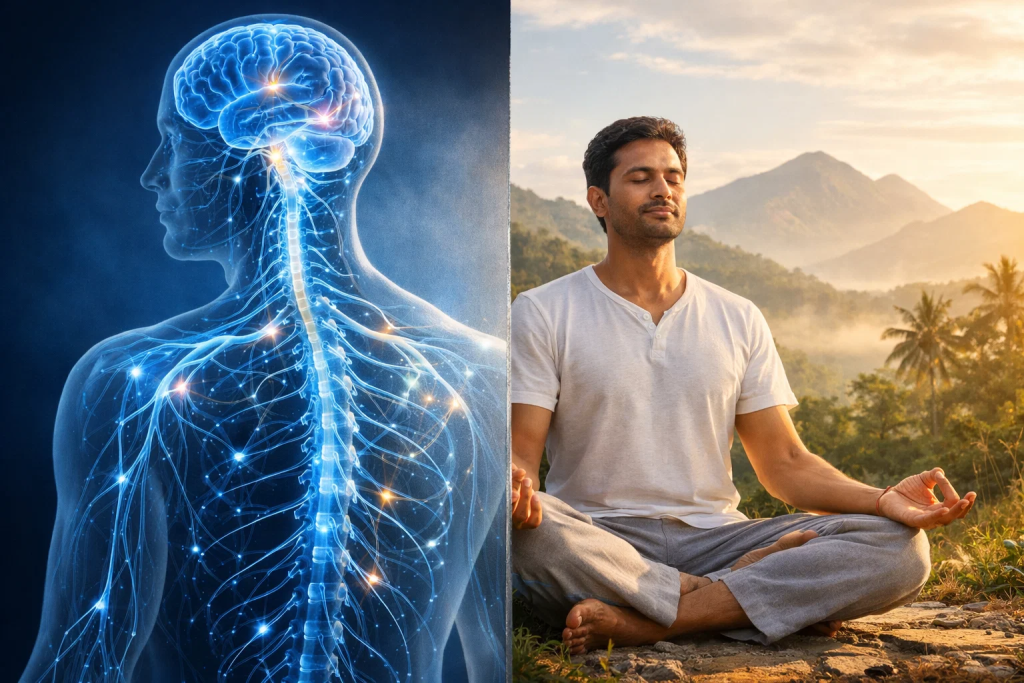
Ein Trauma ist mehr als nur eine belastende Erinnerung, es ist eine physiologische Prägung, die die Funktionsweise des Nervensystems beeinflusst.. Wenn wir überwältigende Ereignisse erleben, wird das System unseres Gehirns zur Erkennung von Bedrohungen hyperaktiv, selbst lange nachdem die Gefahr vorüber ist. Dadurch entsteht ein Zustand chronischer Hypervigilanz, bei dem der Körper im “Kampf-, Flucht- oder Erstarrungsmodus” bleibt.
Die Auswirkungen von Traumata gehen weit über die psychische Gesundheit hinaus. Die Forschung zeigt, dass Unverarbeitete Traumata erhöhen das Risiko von Herz-Kreislauf-Erkrankungen, Autoimmunerkrankungen, chronischen Schmerzen und Stoffwechselstörungen erheblich.. Diese Verbindung zwischen Geist und Körper ist der Grund, warum eine wirksame Traumabehandlung sowohl psychologische als auch physiologische Aspekte der Heilung berücksichtigen muss.
Unter Tigris-Tal Wellness-Rückzug, mit der Maßgabe, dass Das Trauma lebt sowohl im Körper als auch in der Psyche informiert über einen integrativen Ansatz zur Heilung. Durch die Kombination traditioneller psychologischer Therapien mit Ganzheitliche Wellness-Programme, Mit Hilfe dieser Methode kann der Einzelne tiefere Ebenen der Heilung erreichen, die mit konventionellen Behandlungen allein nicht möglich sind.

EMDR ist eine der am besten erforschten und wirksamsten Formen der Traumatherapie, Diese Methode ist von der Weltgesundheitsorganisation und der American Psychological Association anerkannt. Bei diesem Ansatz werden bilaterale Stimulationen, typischerweise Augenbewegungen, eingesetzt, um das Gehirn bei der Verarbeitung traumatischer Erinnerungen zu unterstützen.
Wie EMDR funktioniert: Während der EMDR-Sitzungen konzentrieren Sie sich auf traumatische Erinnerungen, während Sie gleichzeitig mit Ihren Augen den Handbewegungen des Therapeuten folgen. Diese doppelte Aufmerksamkeit scheint dem Gehirn zu helfen, die Erinnerung vollständiger zu verarbeiten, ihre emotionale Ladung zu reduzieren und neue, adaptive Informationen zu ermöglichen.
Am besten geeignet für: Einmalige Traumata (Unfälle, Überfälle), PTBS, Phobien und Leistungsangst. Viele Menschen erfahren innerhalb von 6-12 Sitzungen eine deutliche Linderung.
CBT ist ein strukturierter, zielgerichteter Ansatz, der Ihnen hilft, ungünstige Denkmuster zu erkennen und zu verändern. die als Folge eines Traumas entstanden sind. Die traumafokussierte CBT befasst sich speziell damit, wie traumatische Erfahrungen verzerrte Überzeugungen über sich selbst, andere und die Welt hervorrufen.
Die wichtigsten Komponenten sind:
Am besten geeignet für: Komplexe Traumata, traumabedingte Depressionen, Angststörungen und Situationen, in denen kognitive Verzerrungen das tägliche Funktionieren erheblich beeinträchtigen.
Ursprünglich für die Borderline-Persönlichkeitsstörung entwickelt, DBT hat sich bei Menschen mit traumatischen Erlebnissen als äußerst wirksam erwiesen., insbesondere diejenigen, die mit emotionaler Regulierung, Selbstverletzung oder Beziehungsproblemen zu kämpfen haben.
Die DBT lehrt vier Kernkompetenzen:
Am besten geeignet für: Komplexe Entwicklungstraumata, emotionale Dysregulation, selbstzerstörerische Verhaltensweisen und zwischenmenschliche Schwierigkeiten. Dieser Ansatz ist besonders wertvoll, wenn er kombiniert wird mit Stress- und Burnout-Erholungsprogramme.
Prolonged Exposure hilft Ihnen, sich allmählich traumabezogenen Erinnerungen, Gefühlen und Situationen zu stellen, die Sie bisher vermieden haben.. Durch wiederholte, kontrollierte Exposition in einem sicheren therapeutischen Umfeld lernt das Gehirn, dass diese Erinnerungen und Erinnerungen nicht mehr gefährlich sind.
Wie es funktioniert:
Am besten geeignet für: PTBS, spezifische traumatische Ereignisse, Vermeidungsverhalten, das Ihr Leben einschränkt. PE erfordert Engagement und kann emotional intensiv sein, aber die Forschung zeigt eine starke Wirksamkeit.
Psychodynamische Ansätze untersuchen, wie frühere Erfahrungen, insbesondere frühkindliche Traumata, aktuelle Denk-, Gefühls- und Beziehungsmuster prägen. Diese tiefenorientierte Therapie hilft Ihnen, unbewusste Muster zu verstehen und Einsicht zu entwickeln, wie ein Trauma Ihre Persönlichkeitsentwicklung beeinflusst hat.
Wichtige Aspekte:
Am besten geeignet für: Komplexe Entwicklungstraumata, Beziehungsprobleme, sich wiederholende Muster, die sich der bewussten Kontrolle zu entziehen scheinen. Dieser Ansatz funktioniert gut neben Programme für emotionale Heilung und geistige Gesundheit.

Entwickelt von Peter Levine, Somatic Experiencing erkennt an, dass ein Trauma im Nervensystem “stecken bleibt”.. Anstatt sich in erster Linie auf Erinnerungen und Gedanken zu konzentrieren, hilft SE Ihnen, Abwehrreaktionen zu vervollständigen, die während des traumatischen Ereignisses unterbrochen wurden.
Wie SE funktioniert:
Am besten geeignet für: Schocktraumata, Unfälle, medizinische Traumata und Situationen, in denen sich das Sprechen über das Trauma überwältigend oder retraumatisierend anfühlt. SE ist besonders effektiv, wenn es integriert wird mit naturbasierte Therapien die die Regulierung des Nervensystems unterstützen.
Sensomotorische Psychotherapie integriert körperzentrierte Techniken mit kognitiver und emotionaler Verarbeitung. Dieser Ansatz erkennt an, dass ein Trauma die Körperhaltung, die Bewegungsmuster und die körperliche Spannung beeinflusst, nicht nur die Gedanken und Gefühle.
Zu den wichtigsten Techniken gehören:
Am besten geeignet für: Entwicklungstraumata, Bindungswunden und Menschen, die ein ausgeprägtes Körperbewusstsein haben oder bei denen die herkömmliche Gesprächstherapie nicht wirksam war.
Traumasensibles Yoga hat sich als wirksame ergänzende Behandlung erwiesen, und hilft Menschen, sich auf sichere und ermutigende Weise wieder mit ihrem Körper zu verbinden. Im Gegensatz zu regulären Yogakursen betonen traumainformierte Ansätze die Wahlmöglichkeiten, die Kontrolle und das Bewusstsein für den gegenwärtigen Moment, ohne die Komfortzone zu sprengen.
Die Vorteile umfassen:
Die Programme für Yoga und Naturheilkunde im Tigris Valley beruhen auf trauma-informierten Prinzipien und schaffen einen sicheren Raum für Menschen, die sanfte Bewegung und Atemarbeit als Teil ihrer Heilungsreise erkunden wollen.
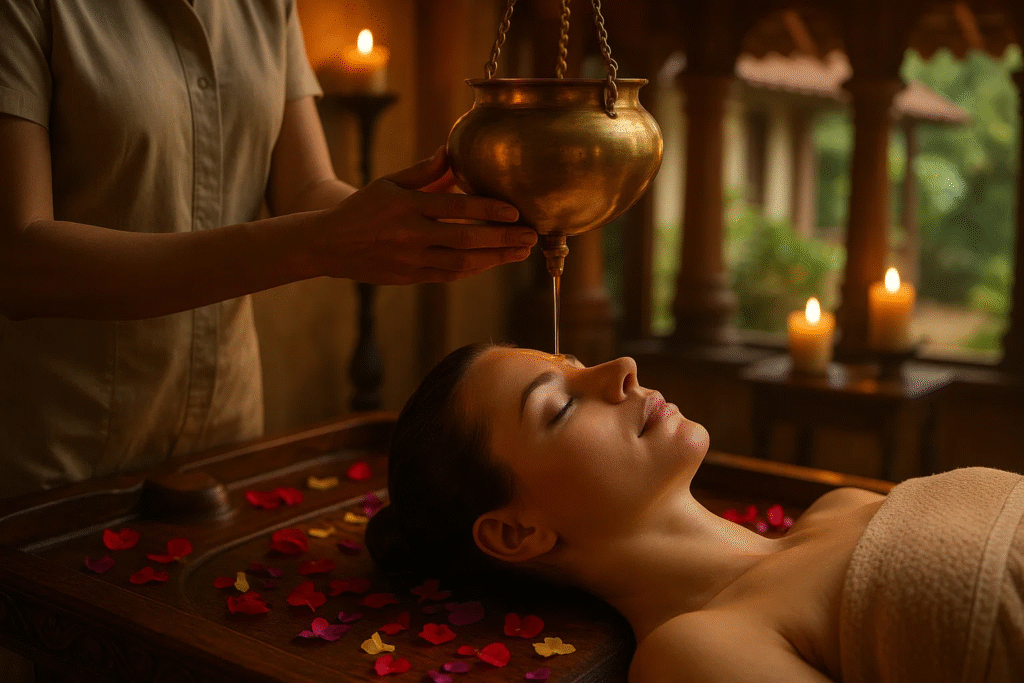
Die alte ayurvedische Weisheit weiß, dass Traumata das Gleichgewicht der Doshas (biologische Energien) stören und Ama (Giftstoffe) in Körper und Geist erzeugen.. Ayurvedische Behandlungen für Trauma konzentrieren sich auf die Wiederherstellung des Gleichgewichts durch:
Die Ayurvedische Behandlungen bieten einen sanften, nicht-invasiven Weg zur Traumaheilung, der die Verbindung von Körper, Geist und Seele respektiert.
Die Unani-Medizin betrachtet ein Trauma als ein Ungleichgewicht der vier Körpersäfte die sowohl die körperliche als auch die geistige Gesundheit beeinträchtigt. Zu den Behandlungsansätzen gehören:
Erfahren Sie mehr über Ansätze der Unani-Medizin die die Traumaheilung durch natürliche, bewährte Methoden unterstützen.
Funktionelle Medizin befasst sich mit den biologischen Grundlagen von Traumata, Dabei wird berücksichtigt, dass chronischer Stress den Hormonhaushalt, die Darmgesundheit, Entzündungen und den Nährstoffstatus beeinflusst. Die Interventionen können umfassen:
Die Programme für funktionelle Medizin im Tigris-Tal ergänzen die psychologischen Therapien, indem sie die körperlichen Erscheinungsformen des Traumas behandeln.
Der Aufenthalt in der Natur hat eine tiefgreifende heilende Wirkung auf Traumata, einschließlich:
Waldbaden, Bergwanderungen und Achtsamkeitsübungen im Freien. schaffen Möglichkeiten für das Nervensystem, sich in einer unterstützenden, nicht bedrohlichen Umgebung neu zu kalibrieren. Die ruhige Bergkulisse von Tigris-Tal bietet eine ideale Kulisse für die Heilung in der Natur.
Achtsamkeitsbasierte Interventionen helfen Menschen, ein anderes Verhältnis zu traumatischen Erinnerungen und schmerzhaften Gefühlen zu entwickeln. Anstatt schwierige Erfahrungen zu bekämpfen oder zu vermeiden, lehrt Achtsamkeit, sie mit Neugier und Mitgefühl zu beobachten.
Zu den durch die Forschung gestützten Vorteilen gehören:
Die Programme für Achtsamkeit und geistige Klarheit bieten eine strukturierte Anleitung zur Entwicklung von Meditationspraktiken, die die Traumaheilung unterstützen.

Es gibt keinen einheitlichen Ansatz für die Traumaheilung. Welche Behandlung am wirksamsten ist, hängt von mehreren Faktoren ab:
Manche Menschen empfinden es als hilfreich, über ihr Trauma zu sprechen, während andere sich durch narrative Ansätze retraumatisiert fühlen. Bedenken Sie:
Die umfassendste Heilung wird oft durch die Kombination verschiedener therapeutischer Modalitäten erreicht. Zum Beispiel:
Die umfassende Wellness-Programme im Tigris Valley sind ein Beispiel für diesen integrativen Ansatz und bieten individuelle Kombinationen aus psychologischer Unterstützung, körperbasierten Therapien und ganzheitlichen Heilpraktiken.
Nicht alle Therapeuten sind gleichermaßen in der Traumabehandlung ausgebildet. Suchen Sie nach Praktikern, die:
Für einige Personen, Wöchentliche Therapiesitzungen reichen möglicherweise nicht aus, um die Heilung voranzutreiben.. Zu den intensiven Behandlungsmöglichkeiten gehören:
Die Rehabilitationsprogramm nach einem Trauma bietet ein umfassendes Heilungsumfeld, in dem Sie sich voll und ganz auf Ihre Genesung konzentrieren können, unterstützt von einem multidisziplinären Team und umgeben von heilender Natur.
Die Forschung zeigt, dass EMDR und Prolonged Exposure Therapy die stärkste Evidenzbasis für PTSD haben, Die Wirksamkeit ist jedoch von Person zu Person unterschiedlich. Viele Menschen finden, dass die Kombination von evidenzbasierten psychologischen Therapien mit körperzentrierten und ganzheitlichen Ansätzen die umfassendste Heilung ermöglicht. Die beste Therapie ist diejenige, die sich für Sie richtig anfühlt und auf Ihre spezifische Art von Trauma eingeht.
Wenn die Therapie von geschulten Traumaspezialisten durchgeführt wird, ist sie sicher und wirksam.. Schlecht getimte oder unangemessene Interventionen können jedoch vorübergehend den Leidensdruck erhöhen. Deshalb ist es wichtig, mit traumainformierten Therapeuten zusammenzuarbeiten, die die Behandlung angemessen timen. Sie stellen sicher, dass Sie über angemessene Bewältigungsfähigkeiten und Unterstützung verfügen, bevor Sie schwieriges Material verarbeiten.
Nicht unbedingt. Viele wirksame Trauma-Therapien erfordern keine detaillierte narrative Verarbeitung. Somatic Experiencing, EMDR und bestimmte Achtsamkeitsansätze können die Heilung erleichtern, ohne dass ausgiebig über traumatische Details gesprochen wird. Dies ist besonders wichtig für Personen, die die Verarbeitung von Erzählungen als retraumatisierend empfinden oder für die Worte unzureichend sind.
Ein Trauma äußert sich häufig in körperlichen Symptomen: chronische Schmerzen, Spannungskopfschmerzen, Verdauungsprobleme, Autoimmunerkrankungen, Müdigkeit, Schlafstörungen, Muskelverspannungen, Kieferkrämpfe und Herzklopfen. Die Programm zur Bewältigung von Autoimmunkrankheiten befasst sich damit, wie chronischer Stress und Trauma zu körperlichen Erkrankungen beitragen.
Ja, absolut. Während ein frühes Trauma die Entwicklung prägt, bleibt die Neuroplastizität des Gehirns ein Leben lang erhalten, Das heißt, Heilung ist immer möglich. Viele Menschen stellen fest, dass die Bewältigung von Kindheitstraumata im Erwachsenenalter, wenn sie über mehr Ressourcen und Unterstützung verfügen, zu tiefgreifenden Veränderungen führt. Integrative Ansätze, die Therapie mit körperbasierter Heilung und Praktiken des Selbstmitgefühls kombinieren, sind bei Entwicklungstraumata besonders wirksam.
Zu den Anzeichen für ein unbewältigtes Trauma gehören: Hypervigilanz, Schwierigkeiten, anderen zu vertrauen, emotionale Gefühllosigkeit oder Überwältigung, Beziehungsschwierigkeiten, chronische Angst oder Depression, Vermeidungsverhalten, aufdringliche Erinnerungen oder Alpträume, Schwierigkeiten, sich zu entspannen, chronische Schmerzen ohne klare medizinische Ursache und das Gefühl, vom eigenen Körper abgekoppelt zu sein. Wenn diese Symptome auf Sie zutreffen, sollten Sie sich von einer traumainformierten Fachkraft untersuchen lassen.
Die Traumatherapie befasst sich speziell damit, wie sich traumatische Erfahrungen auf das Nervensystem, das Gehirn und den Körper auswirken., Dabei werden spezielle Techniken eingesetzt, um traumatische Erinnerungen zu verarbeiten und physiologische Reaktionen zu regulieren. Eine reguläre Therapie kann sich mit den Symptomen befassen, ohne direkt mit der Traumaprägung zu arbeiten. Traumainformierte Ansätze legen den Schwerpunkt auf Sicherheit, Wahlmöglichkeiten und das Verständnis der Auswirkungen von Traumata.
Ja. Die Forschung zeigt starke Zusammenhänge zwischen ungelösten Traumata und chronischen Schmerzen. Eine traumafokussierte Therapie kann Schmerzen deutlich reduzieren, indem sie Dysregulationen des Nervensystems anspricht, im Körper gehaltene Spannungen löst und emotionale Komponenten des Schmerzes verarbeitet. Die kardiales Rehabilitationsprogramm zeigt, wie die Bewältigung psychischer Traumata die körperliche Gesundheit verbessert.
Viele natürliche Ansätze unterstützen wirksam die Traumaheilung, Dazu gehören Yoga, Meditation, ayurvedische Kräuter, Ernährungstherapie und naturbasierte Praktiken. Während Medikamente für manche Menschen hilfreich sein können, insbesondere kurzfristig, setzen integrative Ansätze an den Ursachen an und fördern eine nachhaltige Heilung ohne Abhängigkeit oder Nebenwirkungen. Die Website Entgiftungs- und Reinigungsprogramm hilft, die natürlichen Heilungssysteme des Körpers wieder in Gang zu bringen.
Die ersten Sitzungen konzentrieren sich auf den Aufbau von Sicherheit und Vertrauen. Ihr Therapeut wird in der Regel Ihre Traumageschichte, Ihre aktuellen Symptome, Ihre Bewältigungsstrategien und Ihre Behandlungsziele einschätzen, ohne eine detaillierte Offenlegung des Traumas zu verlangen. Er wird Ihnen seine Vorgehensweise erklären und sicherstellen, dass Sie sich wohl fühlen, bevor er mit der Traumaverarbeitung beginnt. Der Schwerpunkt liegt auf der Zusammenarbeit und der informierten Zustimmung während der gesamten Behandlung.

Traumaheilung ist keine lineare Reise, sondern ein spiralförmiger Prozess, bei dem Sie Aspekte Ihrer Erfahrung auf tieferen Ebenen wieder aufgreifen., jedes Mal mit mehr Ressourcen und Verständnis. Die verschiedenen Arten der Traumatherapie, die heute zur Verfügung stehen, bedeuten, dass Heilung möglich ist, unabhängig davon, wie lange Sie schon damit zu kämpfen haben oder wie komplex Ihre Trauma-Geschichte ist.
Die Integration von evidenzbasierten psychologischen Behandlungen mit ganzheitlichen Heilungsansätzen bietet den umfassendsten Weg zur Genesung. Indem Sie sich mit den Auswirkungen des Traumas auf Körper, Geist und Seele auseinandersetzen, können Sie eine Transformation erreichen, die über die Linderung von Symptomen hinausgeht und zu echtem Wohlbefinden führt.
Egal, ob Sie sich von der gezielten Aufarbeitung durch EMDR, der Körperweisheit der somatischen Therapie oder dem ganzheitlichen Ausgleich durch Ayurveda angezogen fühlen, die richtige Kombination von Ansätzen für Ihre einzigartige Heilungsreise existiert. Der Schlüssel liegt darin, Therapeuten und Programme zu finden, die Ihre Individualität respektieren und gleichzeitig die für eine tiefgreifende Heilung notwendige Struktur und Unterstützung bieten.
Im Tigris Valley Wellness Retreat wird die Genesung von Traumata als eine heilige Reise der Rückkehr zur Ganzheit betrachtet.. Durch personalisierte Wellness-Programme die psychologische Unterstützung, körperbasierte Therapien, uralte Heilweisheiten und moderne medizinische Interventionen integrieren, finden die Menschen die umfassende Unterstützung, die sie für eine dauerhafte Veränderung benötigen.
Umgeben von der heilenden Präsenz der Natur in den ruhigen Bergen Keralas finden Sie die tiefe Ruhe und Sicherheit, die Ihr Nervensystem braucht, um sich wieder zu regenerieren. Kombiniert mit der fachkundigen Anleitung von multidisziplinäre Spezialisten, haben Sie alles, was Sie brauchen, um vom Überleben zum Gedeihen zu kommen.
Heilung ist nicht nur möglich, sie ist Ihr Geburtsrecht. Jeder Schritt, den Sie unternehmen, um Ihr Trauma zu verstehen und zu bewältigen, sei es durch Therapie, Körperarbeit, ganzheitliche Praktiken oder immersive Heilungsprogramme, bringt Sie der Freiheit, dem Frieden und der Vitalität näher, die Sie verdienen.
Die Anti-Aging- und Langlebigkeitsprogramm erkennt an, dass ungelöste Traumata den Alterungsprozess beschleunigen und die Bewältigung emotionaler Wunden für die Vitalität unerlässlich ist. In ähnlicher Weise ist die Programm zur Behandlung von Stoffwechselstörungen befasst sich damit, wie chronischer Stress und Trauma zu Stoffwechselstörungen beitragen.
Ganz gleich, ob Sie sich von einem kürzlich erlittenen Trauma erholen oder jahrzehntelang bestehende Wunden aufarbeiten wollen, die umfassende Einrichtungen und spezialisierte Dienstleistungen im Tigris Valley bieten die Umgebung und das Fachwissen, die für eine tiefgreifende Heilung erforderlich sind. Von Unterstützung bei der Gewichtskontrolle die sich mit emotionalen Essgewohnheiten befasst, um kardio-metabolische Erholung die stressbedingte Herzerkrankungen heilt, wird jeder Aspekt des Wohlbefindens angesprochen.
Wenn Sie bereit sind, Ihren Weg der Traumaheilung zu beginnen oder zu vertiefen, sollten Sie sich für ein Beratung um herauszufinden, welche therapeutischen Ansätze Ihnen am besten helfen könnten. Ihr zukünftiges Selbst, das friedlich schläft, tiefes Vertrauen hat und mit Zuversicht und Freude durchs Leben geht, wartet darauf, dass Sie diesen Schritt tun.
Die Zeit der Heilung ist jetzt. Deine Transformation erwartet dich.