
[gtranslate]
القائمة
جدول المحتويات
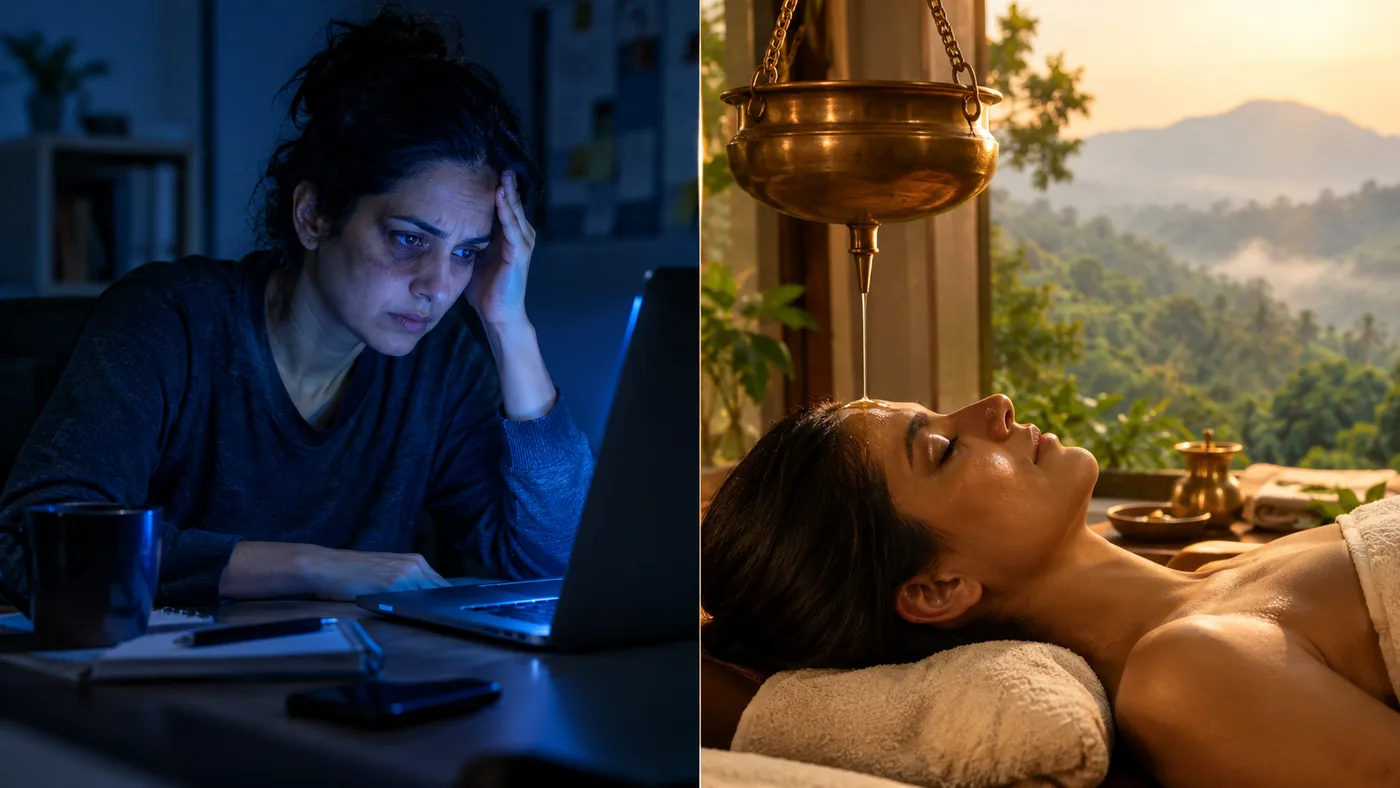
لقد كنتِ تعملين على مدار شهور وأنتِ فارغة. يتكلف المنتجع الصحي الذي يستمر لمدة أسبوع في الولايات المتحدة ما بين 1TP4,000 إلى 1TP4,15,000 - وذلك قبل الرحلات الجوية. تجاهل ذلك، وسيستمر الإرهاق والالتهاب والإجهاد المزمن في التفاقم. ولكن إليكم الحقيقة التي لا يعرفها معظم الناس: إن نفس جودة الشفاء بالضبط - أو أفضل - متاح في الهند مقابل جزء بسيط من التكلفة. يشرح هذا الدليل بالضبط لماذا منتجعات الاستجمام والعافية في الهند تكلف ما يصل إلى 70% أقل من نظيراتها في الولايات المتحدة، وما الذي تحصل عليه بالفعل، وكيفية تحقيق أقصى استفادة منها.
يتراوح متوسط تكلفة معتكف صحي لمدة 7 أيام في الولايات المتحدة بين 1TP4,000 إلى 1TP4,000TP4TP15 للشخص الواحد، باستثناء الرحلات الجوية والإضافات. في الهند - خاصة في الوجهات الشاملة مثل منطقة واياناد في كيرالا - يمكن أن يتكلف معتكف مماثل أو أكثر شمولاً ما بين $P800 و $500T لنفس المدة.
هذا ليس خطأ مطبعي. وليس لأن الجودة أقل.
| العامل | معتكف الولايات المتحدة الأمريكية | تراجع الهند (على سبيل المثال، وادي دجلة) |
|---|---|---|
| تكلفة البرنامج لمدة 7 أيام | $5،000 - $15،000 | $800 - $2,500 |
| الجلسات العلاجية اليومية | 1-2 في اليوم | 3-5 في اليوم |
| أنظمة المعالجة | الغربية في المقام الأول | الأيورفيدا، اليوناني، الطب الوظيفي، الطب الصيني التقليدي، الطب الصيني التقليدي |
| الإقامة | مشترك أو خاص أساسي أو خاص أساسي | أجنحة خاصة مطلة على الجبل |
| الوجبات العضوية متضمنة | في بعض الأحيان | دائماً |
| استشارات الأطباء | التكلفة الإضافية | متضمنة |
تكلفة المعيشة في الهند أقل بكثير من الولايات المتحدة. فأجور الموظفين، والعقارات، والمرافق، ومصادر الغذاء، كلها جزء بسيط من تكلفتها في أمريكا الشمالية أو أوروبا. يكسب طبيب الأيورفيدا المؤهل تأهيلاً عالياً في ولاية كيرالا معيشة مريحة براتب يتراوح بين $800-1T4T2T2 شهرياً - مقابل طبيب ممارس صحي أمريكي يكسب ما يزيد عن $6000-1T4T412000 شهرياً. هذا ليس استغلالاً؛ إنه تعادل القوة الشرائية في العمل.
وتنتج ولاية كيرالا وحدها أكثر من 801 تيرابايت من النباتات الطبية في الهند. تنمو أشواغاندا والكركم والبراهمي والنيم ومئات الأعشاب الأيورفيدا في نفس الجبال التي تُبنى فيها الخلوات. لا توجد سلسلة استيراد، ولا توجد أسعار متميزة “للمكونات الغريبة”، ولا توجد ثغرات في الإمدادات. قد تكون الأعشاب المستخدمة في شاي التخلص من السموم الصباحي قد تم حصادها من حديقة المنتجع في ذلك الصباح.
الأيورفيدا علم عمره 5,000 عام. تقاليد اليوغا والتأمل ليست ابتكارات حديثة - فهي جزء لا يتجزأ من المناهج الثقافية والأكاديمية في الهند. يتدرب الممارسون لمدة 5 إلى 6 سنوات في مؤسسات الأيورفيدا المعترف بها من الحكومة. البنية التحتية الفكرية راسخة بعمق، مما يعني أن الخلوات لا تبني هذه الأنظمة من الصفر.
تعمل وزارة السياحة الهندية بنشاط على الترويج للسياحة العلاجية والاستشفائية بما في ذلك الشهادات ودعم البنية التحتية والشراكات الدولية. وهذا يقلل من العبء التنظيمي والتسويقي على مشغلي المنتجعات - وهي وفورات يتم تمريرها إلى النزلاء.
توظف المعتكفات الهندية بشكل روتيني من 4 إلى 6 موظفين لكل ضيف. أما في الولايات المتحدة، فغالباً ما يفرض الاقتصاد نسبة 1:2 أو 1:3. ستحصل على المزيد من الاهتمام الشخصي والمزيد من ساعات العلاج والرعاية الفردية - بسعر أقل.
أماكن مثل وادي دجلة في كيرالا تجمع بين الأيورفيدا والطب اليوناني والطب الوظيفي والطب الصيني واليوغا والعلاج الطبيعي والتشخيص الحديث في منشأة واحدة. أما في الولايات المتحدة، فستدفع للأخصائيين بشكل منفصل لكل طريقة - مما يضاعف التكلفة الإجمالية ثلاث مرات بسهولة.
تتحمل المراكز الصحية الأمريكية تكاليف هائلة للتأمين ضد المسؤولية وتكاليف الامتثال القانوني. وتُضاف هذه النفقات العامة إلى رسوم كل جلسة. يعمل قطاع السياحة الصحية في الهند بجزء بسيط من تلك النفقات العامة القانونية، مما يقلل مباشرة من الأسعار دون أي انخفاض في جودة الرعاية.
إليك القلق الذي ينتاب معظم المسافرين الدوليين: “هل أحصل على تجربة أقل لأن التكلفة أقل؟ تقول البيانات لا، وغالباً ما يكون العكس هو الصحيح.
في منتجع عالمي في كيرالا مثل وادي دجلة, يستقبل الضيوف:
إن أحد أكثر الأسباب التي لا تحظى بالتقدير الكافي لاختيار منتجع صحي في الهند هو عمق واتساع نطاق أنظمة العلاج المتاحة. لا يقتصر الأمر على اليوغا والتدليك فقط.
علاجات الأيورفيدا الأصيلة مثل البانشاكارما - وهو بروتوكول متعدد المراحل لإزالة السموم - يستغرق أسابيع لإجرائه بشكل صحيح ويكلف ما بين 1TP4,000 إلى 1TP4,000 إلى 1TP4,15 في الولايات المتحدة عندما يتم إجراؤه بواسطة ممارسين معتمدين. في ولاية كيرالا، مهد الأيورفيدا، يتم إجراء نفس العلاج على يد ممارسين تدربوا على تقاليد الجوروكولا المحلية والبرامج الجامعية المعتمدة من BAMS.
إضافة تشخيصات الطب الوظيفي, العلاجات بالأعشاب اليوناني, الوخز بالإبر الصينية, و الطب الصيني إلى هذا المزيج، وستحصل على نظام بيئي علاجي تكاملي لا يوجد ببساطة - بأي سعر - في معظم الدول الغربية.
| مكون التكلفة | معتكف الولايات المتحدة (7 أيام) | ملاذ الهند - وادي دجلة (7 أيام) |
|---|---|---|
| رسوم البرنامج | $6,500 دولار في المتوسط | $1,500 1متوسط سنوي |
| الإقامة | متضمنة | متضمنة |
| الوجبات (عضوية) | $350 إضافي أو أساسي | متضمنة - الوجبات الطبية |
| استشارات الأطباء | $500 إضافي | متضمنة |
| الاختبارات المعملية / التشخيص | $300-$800 إضافية | غالبًا ما تكون مشمولة أو منخفضة التكلفة |
| عدد العلاجات/اليوم | 1-2 | 3-5 |
| التكلفة الإجمالية المقدرة | $7،650 - $16،000 | $1,500 - $2,500 |
إن الخلوات من الدرجة الأولى في الهند معتمدة دولياً ومعتمدة من المعهد الوطني للصحة العامة في الهند (NABH) وتلتزم بمعايير وزارة الصحة في الهند. كما أن العديد منها حاصل على اعتماد اللجنة الدولية المشتركة (JCI) - المعيار الذهبي في مجال الرعاية الصحية العالمية.
تُعد كيرالا واحدة من أكثر الولايات الهندية تعليماً في الهند، حيث ينتشر فيها الإلمام باللغة الإنجليزية بشكل شبه شامل. يتم تدريب الموظفين في منتجعات الاستجمام المتميزة على الضيافة الدولية. الانغماس في الثقافة هو ميزة وليس عائقاً.
الأيورفيدا والأيورفيدا واليوناني هما من العلوم المعترف بها من الحكومة في الهند، مدعومة بعقود من الأبحاث السريرية. تكمّل خلوات مثل وادي دجلة الممارسات التقليدية بالطب الوظيفي الحديث, العلاج بالأوزون, والتشخيص القائم على الأدلة.
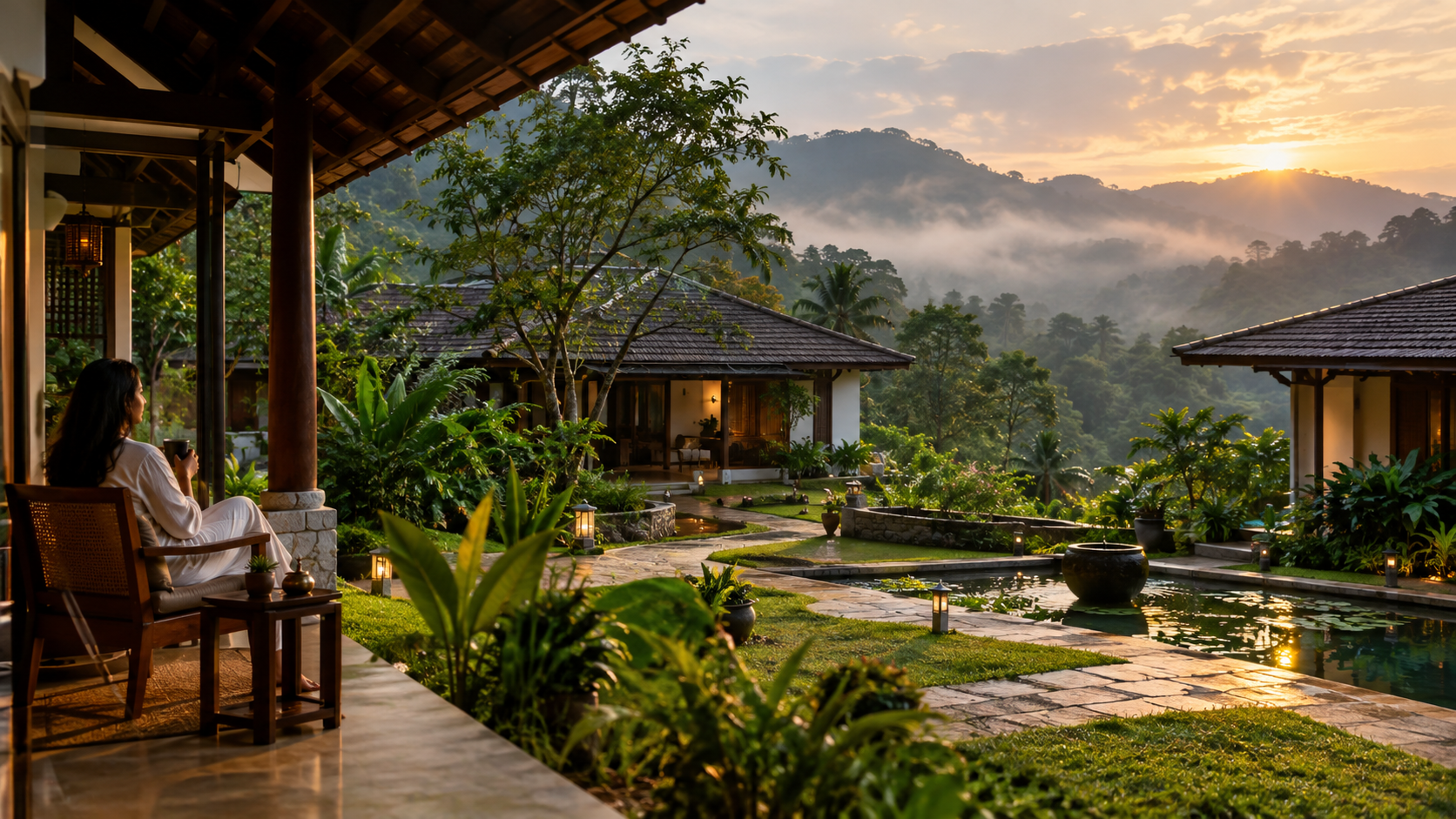
ليس في الخلوات المميزة. غرف وأجنحة وادي دجلة توفر أماكن إقامة خاصة مطلة على الجبل، وأحواض سباحة لا متناهية، وجاكوزي، ووسائل راحة من فئة السبا. أنت لا تقضون وقتاً عصيباً - بل تستشفون في رفاهية.
يُعدّ المنتجع الصحي في الهند مكاناً مثالياً لـ:
بالنسبة لأولئك الذين يتعاملون مع الإجهاد المزمن، فإن وادي دجلة برنامج التعافي من الإجهاد والإرهاق يوفر مساراً منظماً وموجهاً طبياً للتعافي - بتكلفة لا يمكن أن يضاهيها أسبوع في منتجع صحي أمريكي.
ليست كل الخلوات متساوية. إليك ما يجب تقييمه:
وادي دجلة يتحقق كل شيء. مع تخصصه برامج العافية يغطي التخلص من السموم والآلام المزمنة واضطرابات التمثيل الغذائي ودعم السرطان ومكافحة الشيخوخة، فهذا ليس منتجعاً صحياً عاماً - إنه خلوة الاستشفاء الموجهة طبياً تقع في واحدة من أكثر المحميات الجبلية تنوعاً بيولوجياً في العالم.
عادةً ما يتكلف معتكف الأيورفيدا الشامل كلياً لمدة 7 أيام في كيرالا ما بين $800 و$2500T دولار أمريكي، بما في ذلك الإقامة والوجبات والعلاجات واستشارات الطبيب. قد تصل تكلفة الخلوات الطبية المتميزة إلى 1TP4,000TP4TP4,000 دولار أمريكي، ولكنها لا تزال تمثل توفيراً يتراوح بين 60 و70%P3 مقارنةً بالمرافق الأمريكية المماثلة.
نعم. تتبع المعتكفات ذات السمعة الحسنة إرشادات وزارة الصحة الآسيوية، وتوظف موظفين يتحدثون الإنجليزية، وتوفر معايير غذائية عالمية، والعديد منها حاصل على اعتمادات عالمية. تحقق دائماً من أوراق الاعتماد قبل الحجز.
البانشاكارما هو بروتوكول أيورفيدا كلاسيكي للتطهير العميق يتضمن خمسة إجراءات علاجية - فامانا وفيريشانا وباستي وناسيا وراكتاموكشانا - مصممة للقضاء على السموم المتراكمة على المستوى الخلوي. وهو أكثر شمولاً بكثير من عملية التخلص من السموم القياسية في المنتجع الصحي ويجب أن يشرف عليه طبيب أيورفيدا مؤهل.
نعم، توفر المعتكفات التكاملية خلوات منظمة إدارة الاضطرابات الأيضية و برامج اضطرابات المناعة الذاتية الجمع بين الأيورفيدا والطب الوظيفي والعلاج الغذائي والتدريب على نمط الحياة. يتم الإشراف عليها طبياً وليست بديلاً عن طبيبك الأساسي.
من أكتوبر إلى مارس هو أكثر المواسم راحة في كيرالا - فهو موسم جاف ودرجات حرارة لطيفة وسماء صافية. ومع ذلك، يعتبر موسم الرياح الموسمية (يونيو-سبتمبر) هو الوقت المثالي لبانشاكارما، حيث تعزز المسام المفتوحة والمناخ البارد فعالية العلاج.
نعم. توفر الخلوات التكاملية مثل وادي دجلة برنامج دعم مرضى السرطان والوقاية والرعاية التلطيفية التي تركز على التحكم في الأعراض وتعديل المناعة وجودة الحياة - تعمل جنبًا إلى جنب مع الرعاية الطبية للأورام وليس بدلاً منها.
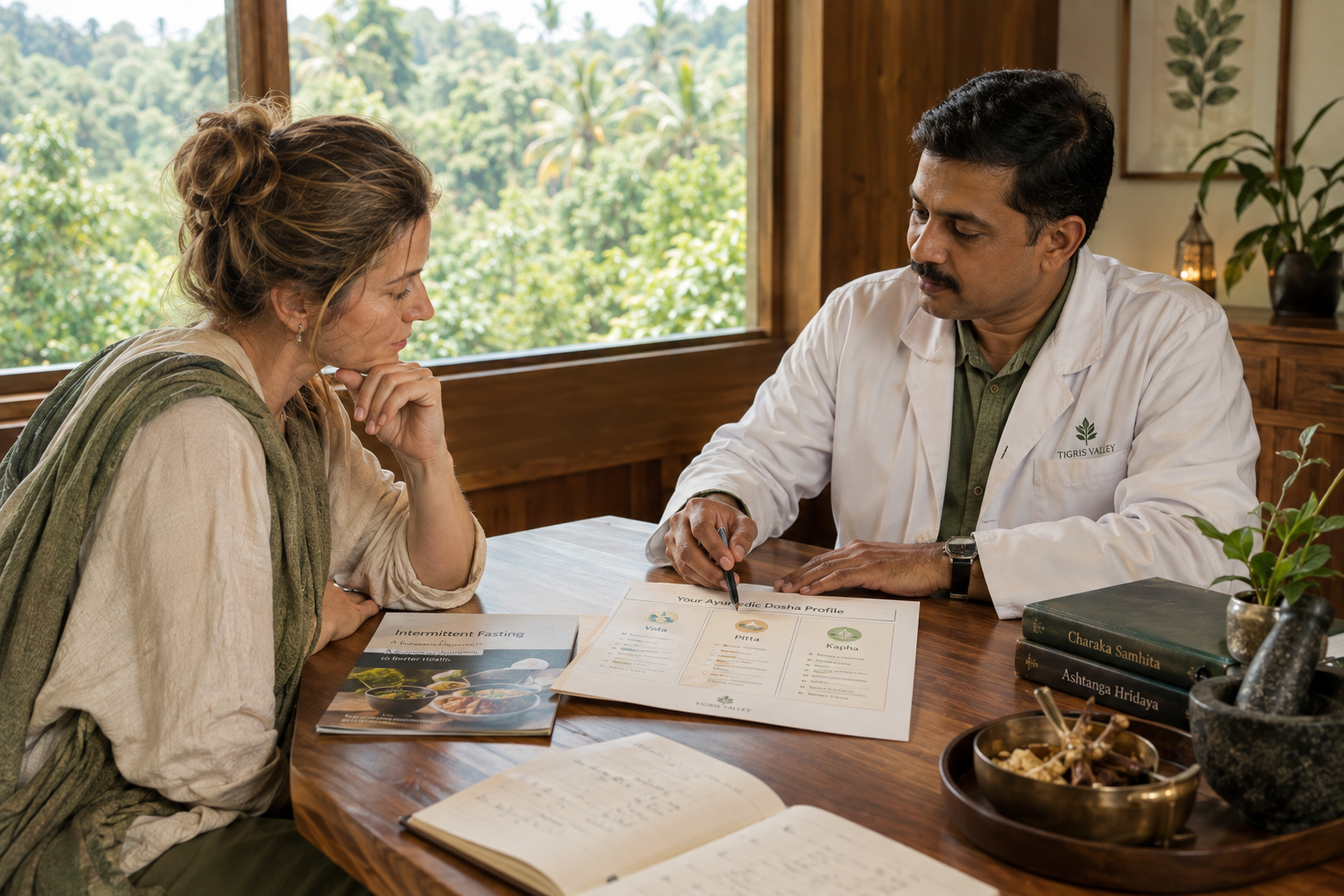
تتضمن استشارة الأيورفيدا تشخيص النبض (نادي باريكشا)، وتقييم البراكريتي (تكوين الجسم)، وتقييم نار الجهاز الهضمي (أغني)، وتحديد اختلالات الدوشا. تعالج خطة العلاج الأسباب الجذرية وليس فقط الأعراض - مما يجعلها تختلف اختلافاً جوهرياً عن الطب الغربي الذي يعتمد على الأعراض.
بالتأكيد. تصمم الخلوات الهندية الممتازة بروتوكولات علاجية مخصصة بناءً على استشارة الاستقبال الخاصة بك. يمكن تصميم البرامج حول أهداف محددة مثل إدارة الوزن أو الشفاء العاطفي أو إعادة التأهيل بعد الصدمة أو مكافحة الشيخوخة.
احزم ملابس خفيفة الوزن وقابلة للتنفس وملابس مريحة للتأمل ودفتر يوميات. الوصول مع نظام غذائي قبل الوصول لمدة 3 أيام قبل التخلص من السموم إن أمكن (قلل من السكر والكحول والأطعمة المصنعة). سترسل معظم الخلوات دليل ما قبل الوصول مع توصيات محددة.
يوصى بمدة لا تقل عن 7 أيام للحصول على نتائج مجدية. 14-21 يومًا مثالية للتخلص العميق من السموم أو إدارة الحالات المزمنة أو برامج الشفاء العاطفي. تتضاعف النتائج بشكل كبير مع زيادة المدة، خاصة بالنسبة لبروتوكولات البانشاكارما والطب الوظيفي.
ملاذات العافية في الهند ليست حل وسط للميزانية - إنها أذكى استثمار يمكن أن يقوم به الشخص المهتم بالصحة. يمكنك الحصول على المزيد من العلاجات، والمزيد من الخبرة، والمزيد من طرق العلاج، والتخصيص الأعمق، والبيئات الطبيعية الهادئة - مقابل 70% أقل من أي منتجع مماثل في الولايات المتحدة.
إذا كنت مستعداً لتجربة ذلك بنفسك, منتجع وادي دجلة الصحي في كيرالا هو واحد من أكثر الملاذات العلاجية شمولاً في الهند - يجمع بين الحكمة القديمة للأيورفيدا والأيورفيدا والطب الوظيفي الحديث، ويقع في جبال واياناد البكر. يمكن للمسافرين الأمريكيين أيضًا استكشاف ملاذ العافية في الهند للمسافرين من الولايات المتحدة الأمريكية الصفحة لمعرفة المزيد حول التخطيط لرحلة العافية في ولاية كيرالا. كما يمكن للضيوف الدوليين معرفة المزيد حول التخطيط لرحلة العلاج من خلال موقعنا المرضى الأجانب في ولاية كيرالا الصفحة.
🌿 هل أنت مستعد لبدء رحلة الشفاء؟
استكشف مجموعة كاملة من البرامج الصحية في وادي دجلة واحجز استشارتك الشخصية اليوم.
كايثابويل، في جبال الغات الغربية.
طريق مدينة المعرفة المركزية، كايثابوييل، أديفارام، كيرالا
الحصول على الاتجاهات +91 90726 61622 reservation@tigrisvalley.com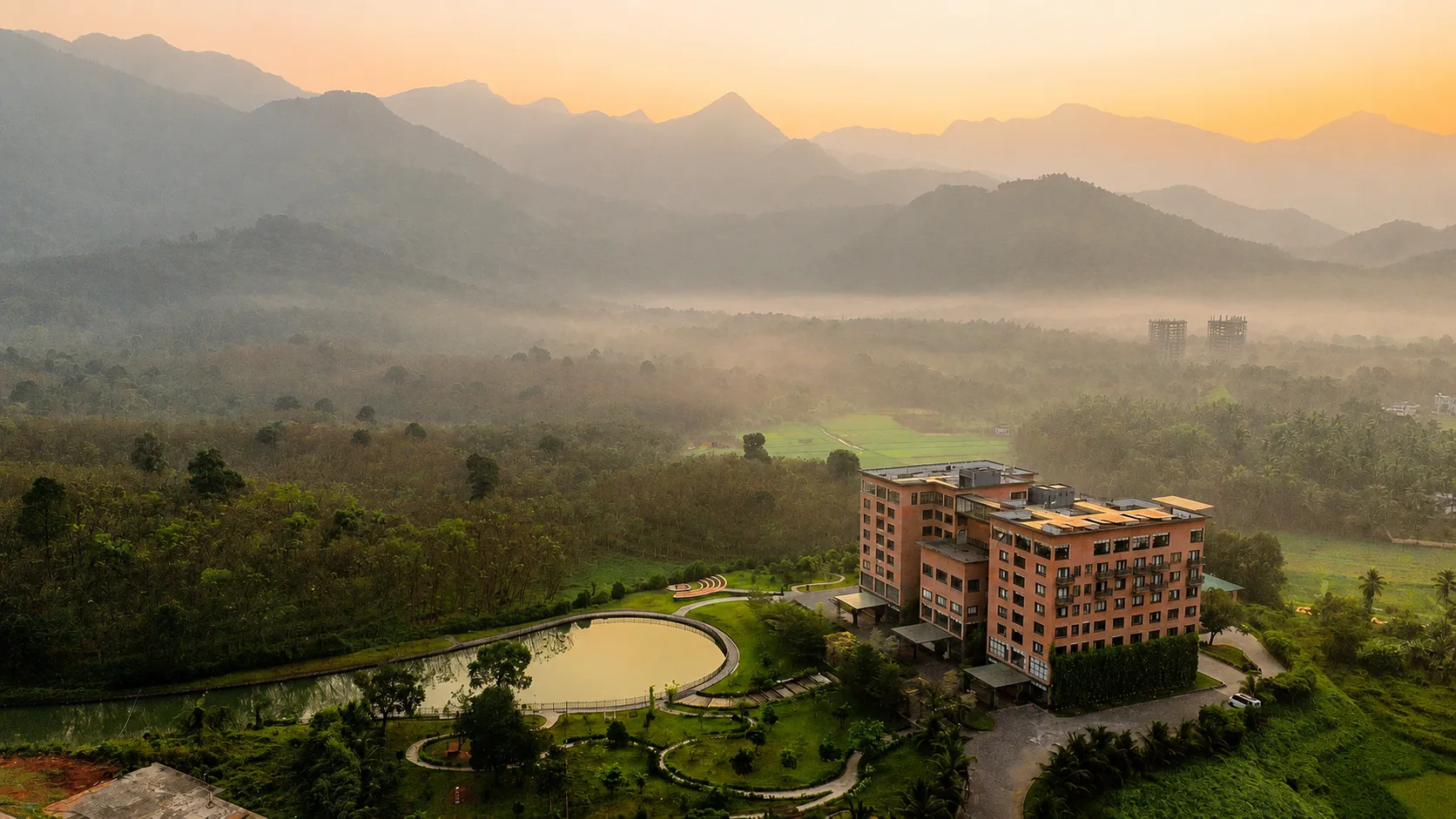
كايثابويل، جبال الغات الغربية

قبل مغادرتك
يقوم طبيب بقراءة كل رسالة. احجز موعدًا استشاريًا، أو أرسل استفسارًا — يتم الرد على الحجوزات في نفس اليوم.