
[gtranslate]
MENÜ
Inhaltsübersicht
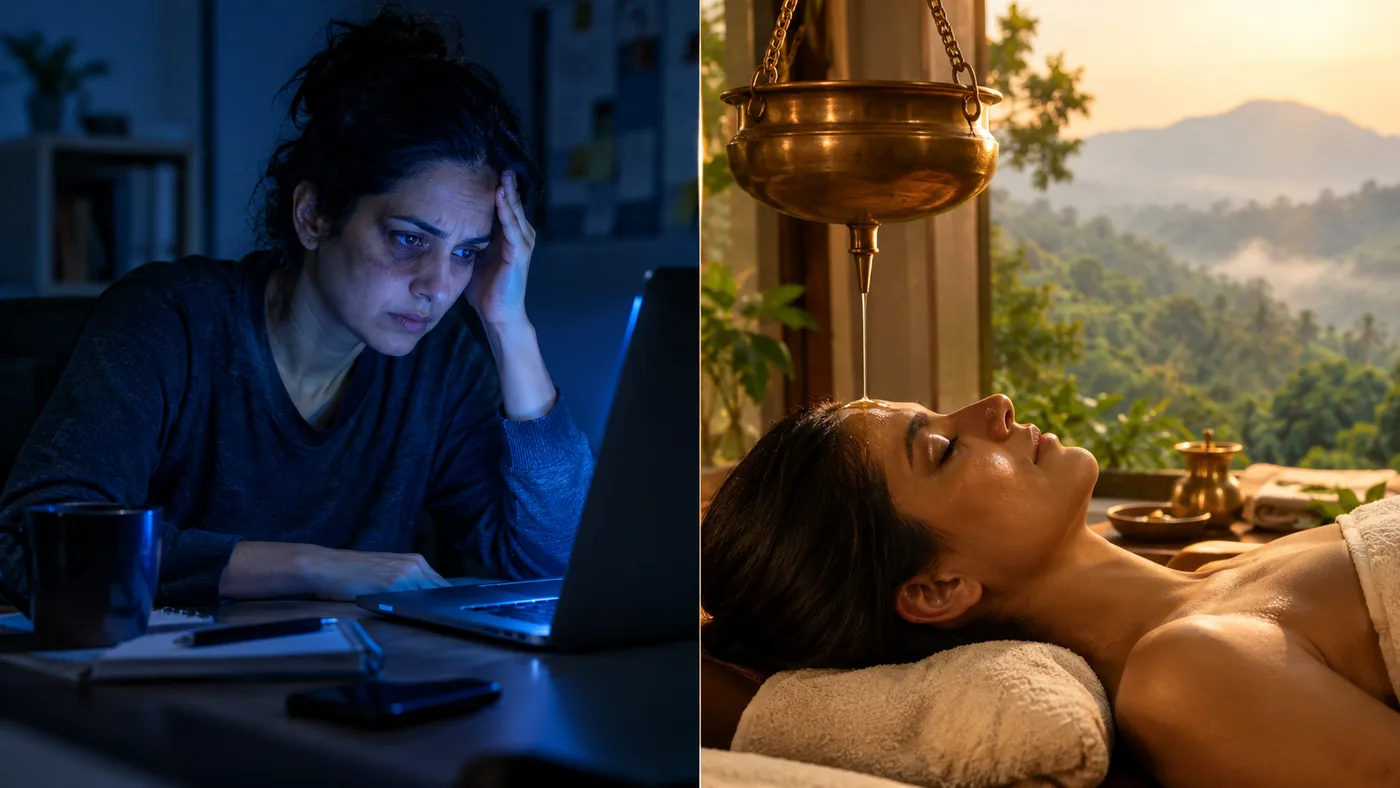
Sie sind schon seit Monaten mit leeren Händen unterwegs. Ein einwöchiges Wellness-Retreat in den USA kostet $5.000 bis $15.000+ - und das vor den Flügen. Wenn man das ignoriert, werden Burnout, Entzündungen und chronischer Stress immer schlimmer. Aber hier ist die Wahrheit, die die meisten Menschen nicht wissen: Die genau dieselbe Qualität der Heilung - oder besser - ist in Indien für einen Bruchteil der Kosten erhältlich. Dieser Leitfaden zeigt genau auf, warum Wellness-Retreats in Indien kosten bis zu 70% weniger als ihre US-Gegenstücke, was Sie wirklich bekommen und wie Sie das Beste daraus machen können.
Die durchschnittlichen Kosten für ein 7-tägiges Wellness-Retreat in den Vereinigten Staaten liegen zwischen $4.000 und $15.000 pro Person, ohne Flüge und Extras. In Indien - insbesondere in ganzheitlichen Reisezielen wie dem Wayanad-Distrikt in Kerala - kann ein vergleichbares oder umfassenderes Retreat für dieselbe Dauer zwischen $800 und $2.500 kosten.
Das ist kein Tippfehler. Und es liegt nicht daran, dass die Qualität schlechter ist.
| Faktor | USA Rückzug | Indien Rückzug (z. B. Tigris-Tal) |
|---|---|---|
| 7-Tage-Programm Kosten | $5.000 - $15.000 | $800 - $2.500 |
| Tägliche Therapiesitzungen | 1-2 pro Tag | 3-5 pro Tag |
| Behandlungssysteme | Vorwiegend westlich | Ayurveda, Unani, Funktionelle Medizin, TCM |
| Unterkunft | Gemeinsame oder einfache private Nutzung | Private Suiten mit Bergblick |
| Bio-Mahlzeiten inbegriffen | Manchmal | Immer |
| Arztkonsultationen | Zusätzliche Kosten | Eingeschlossen |
Die Lebenshaltungskosten in Indien sind drastisch niedriger als in den USA. Die Löhne der Mitarbeiter, Immobilien, Versorgungsleistungen und Lebensmittel sind nur ein Bruchteil dessen, was sie in Nordamerika oder Europa kosten. Ein hochqualifizierter ayurvedischer Arzt in Kerala verdient ein komfortables Leben mit einem Gehalt von umgerechnet etwa $800-$2.000 pro Monat - im Gegensatz zu einem US-Wellness-Praktiker, der $6.000-$12.000+ monatlich verdient. Das ist keine Ausbeutung, das ist Kaufkraftparität.
Allein in Kerala werden über 80% der indischen Heilpflanzen angebaut. Ashwagandha, Kurkuma, Brahmi, Neem und Hunderte von ayurvedischen Kräutern wachsen in denselben Bergen, in denen die Retreats gebaut werden. Es gibt keine Importkette, keine Premiumpreise für exotische Zutaten“ und keine Versorgungslücken. Die Kräuter, die Sie für Ihren morgendlichen Entgiftungstee verwenden, könnten an diesem Morgen im eigenen Garten des Resorts geerntet worden sein.
Ayurveda ist eine 5.000 Jahre alte Wissenschaft. Yoga- und Meditationstraditionen sind keine Boutique-Innovationen - sie sind in den kulturellen und akademischen Lehrplan Indiens eingebettet. Die Praktizierenden werden 5-6 Jahre lang in staatlich anerkannten AYUSH-Einrichtungen ausgebildet. Die intellektuelle Infrastruktur ist tief verwurzelt, was bedeutet, dass die Retreats diese Systeme nicht von Grund auf neu aufbauen.
Das indische Tourismusministerium fördert aktiv den Wellness- und Medizintourismus, einschließlich Zertifizierungen, Infrastrukturunterstützung und internationaler Partnerschaften. Dies senkt den Regulierungs- und Marketingaufwand für die Betreiber von Ferienanlagen - Einsparungen, die an die Gäste weitergegeben werden.
In indischen Retreats kommen auf einen Gast in der Regel 4-6 Mitarbeiter. In den USA erzwingt die Wirtschaft oft ein Verhältnis von 1:2 oder 1:3. Sie erhalten mehr persönliche Aufmerksamkeit, mehr Therapiestunden und eine individuellere Betreuung - zu einem niedrigeren Preis.
Orte wie Tigris-Tal in Kerala kombinieren Ayurveda, Unani-Medizin, funktionelle Medizin, chinesische Medizin, Yoga, Naturheilkunde und moderne Diagnostik in einer einzigen Einrichtung. In den USA müssten Sie die Spezialisten für jede Modalität einzeln bezahlen, was die Gesamtkosten leicht verdreifachen würde.
Die US-Wellnesszentren tragen enorme Kosten für Haftpflichtversicherungen und die Einhaltung von Gesetzen. Diese Gemeinkosten werden in jede Behandlungsgebühr eingerechnet. Der indische Wellnesstourismussektor arbeitet mit einem Bruchteil dieser Kosten, wodurch die Preise direkt gesenkt werden können, ohne dass die Qualität der Behandlung leidet.
Das ist die Sorge, die die meisten internationalen Reisenden haben: “Bekomme ich ein schlechteres Erlebnis, weil es weniger kostet?” Die Daten sagen nein - und oft ist das Gegenteil der Fall.
In einem Weltklasse-Retreat in Kerala wie Tigris-Tal, erhalten die Gäste:
Einer der am meisten unterschätzten Gründe, sich für ein Wellness-Retreat in Indien zu entscheiden, ist die Tiefe und Breite der verfügbaren Heilsysteme. Es geht nicht nur um Yoga und Massagen.
Authentische ayurvedische Behandlungen wie Panchakarma - ein mehrstufiges Entgiftungsprotokoll - dauern Wochen, um korrekt durchgeführt zu werden, und kosten in den USA $8.000-$15.000, wenn sie von zertifizierten Ärzten durchgeführt werden. In Kerala, dem Geburtsort des Ayurveda, wird die gleiche Behandlung von Ärzten durchgeführt, die in lokalen Gurukula-Traditionen und BAMS-zertifizierten Universitätsprogrammen ausgebildet wurden.
Hinzufügen der Diagnostik der funktionellen Medizin, Unani-Kräutertherapien, Akupunktur, und Chinesische Medizin und Sie haben ein integratives Heilungsökosystem, das es in den meisten westlichen Ländern einfach nicht gibt - zu keinem Preis -.
| Kostenkomponente | US-Rückzug (7 Tage) | Indien-Rückzug - Tigris-Tal (7 Tage) |
|---|---|---|
| Programm-Gebühr | $6,500 Durchschnittswert | $1,500 Durchschnittswert |
| Unterkunft | Eingeschlossen | Eingeschlossen |
| Mahlzeiten (Bio) | $350 extra oder basic | Eingeschlossen - Mahlzeiten mit Medikamenten |
| Arztkonsultationen | $500 extra | Eingeschlossen |
| Labortests / Diagnostik | $300-$800 extra | Oft enthalten oder kostengünstig |
| Anzahl der Therapien/Tag | 1-2 | 3-5 |
| Geschätzte Gesamtkosten | $7.650 - $16.000 | $1.500 - $2.500 |
Erstklassige Retreats in Indien sind international akkreditiert, NABH-anerkannt und erfüllen die Standards des AYUSH-Ministeriums. Viele sind auch von JCI (Joint Commission International) akkreditiert - dem Goldstandard im globalen Gesundheitswesen.
Kerala ist einer der am besten ausgebildeten Bundesstaaten Indiens, in dem fast alle Menschen Englisch lesen und schreiben können. Die Mitarbeiter der Premium-Wellness-Retreats sind in internationaler Gastfreundschaft geschult. Kulturelles Eintauchen ist ein Merkmal, kein Hindernis.
Ayurveda und Unani sind in Indien staatlich anerkannte Wissenschaften, die sich auf jahrzehntelange klinische Forschung stützen. Retreats wie Tigris Valley ergänzen traditionelle Praktiken mit moderner funktioneller Medizin, Ozontherapie, und evidenzbasierte Diagnostik.
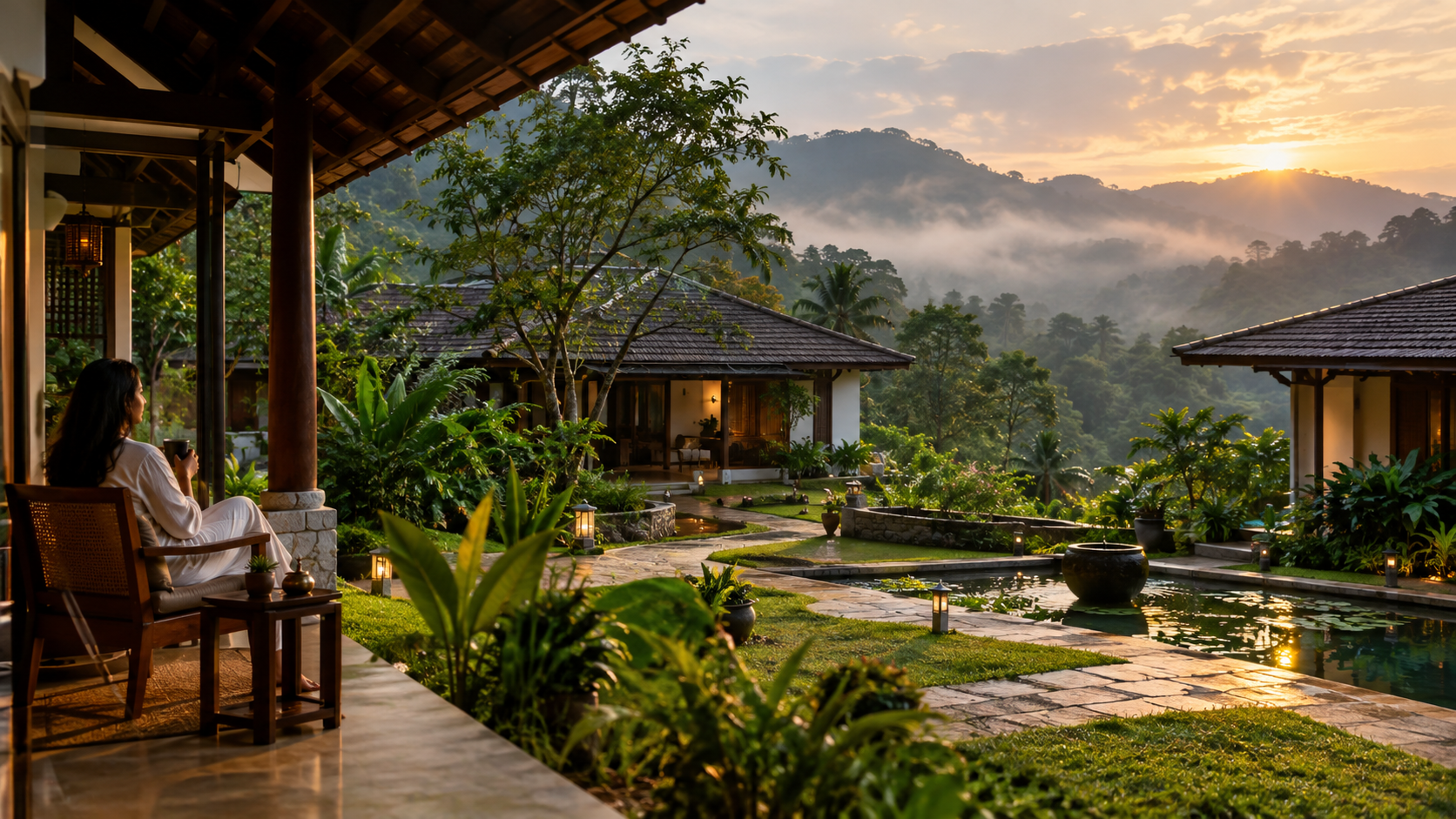
Nicht bei Premium-Retreats. Die Zimmer und Suiten des Tigris Valley bieten Privatunterkünfte mit Bergblick, Infinity-Pools, Zugang zu Whirlpools und Annehmlichkeiten auf Spa-Niveau. Sie sind nicht auf der Flucht - Sie heilen im Luxus.
Ein Wellness-Retreat in Indien ist ideal für:
Für diejenigen, die mit chronischem Stress zu kämpfen haben, ist Tigris Valley's Programm zur Erholung von Stress und Burnout bietet einen strukturierten, medizinisch begleiteten Weg zur Genesung - zu Kosten, die eine Woche in einem US-Kurort nicht annähernd erreichen kann.
Nicht alle Rückzugsorte sind gleich. Hier ist, was zu bewerten ist:
Tigris Valley erfüllt alle Kriterien. Mit spezialisierten Wellness-Programme Entgiftung, chronische Schmerzen, Stoffwechselstörungen, Krebshilfe und Anti-Aging - dies ist kein gewöhnliches Spa-Resort - es ist ein medizinisch orientiertes Healing Retreat in einem der artenreichsten Gebirgsschutzgebiete der Welt.
Ein 7-tägiges All-inclusive-Ayurveda-Retreat in Kerala kostet in der Regel zwischen $800 und $2.500 USD, einschließlich Unterkunft, Mahlzeiten, Behandlungen und Arztbesuchen. Premium Medical Retreats können bis zu $4.000 USD kosten, sind aber immer noch 60-70% günstiger als vergleichbare Einrichtungen in den USA.
Ja. Seriöse Retreats befolgen die Richtlinien des AYUSH-Ministeriums, beschäftigen englischsprachiges Personal, bieten internationale Lebensmittelstandards und viele sind weltweit anerkannt. Überprüfen Sie vor der Buchung immer die Anmeldedaten.
Panchakarma ist ein klassisches ayurvedisches Tiefenreinigungsprotokoll mit fünf therapeutischen Maßnahmen - Vamana, Virechana, Basti, Nasya und Raktamokshana -, die darauf abzielen, angesammelte Giftstoffe auf Zellebene zu beseitigen. Es ist weitaus umfassender als eine herkömmliche Kurentgiftung und muss von einem qualifizierten ayurvedischen Arzt überwacht werden.
Ja, integrative Retreats bieten strukturierte Management von Stoffwechselstörungen und Programme für Autoimmunkrankheiten eine Kombination aus Ayurveda, funktioneller Medizin, Ernährungstherapie und Lebensstilberatung. Diese sind medizinisch überwacht und kein Ersatz für Ihren Hausarzt.
Oktober bis März ist die angenehmste Jahreszeit in Kerala - trocken, angenehme Temperaturen und klarer Himmel. Die Monsunzeit (Juni-September) gilt jedoch als die ideale Zeit für Panchakarma, da die offenen Poren und das kühle Klima die Wirksamkeit der Behandlung verbessern.
Ja. Integrative Retreats wie das Tigris Valley bieten Programme zur Krebshilfe, -prävention und -palliativmedizin die sich auf die Behandlung von Symptomen, die Modulation des Immunsystems und die Lebensqualität konzentrieren - und zwar parallel zur onkologischen Behandlung und nicht an deren Stelle.
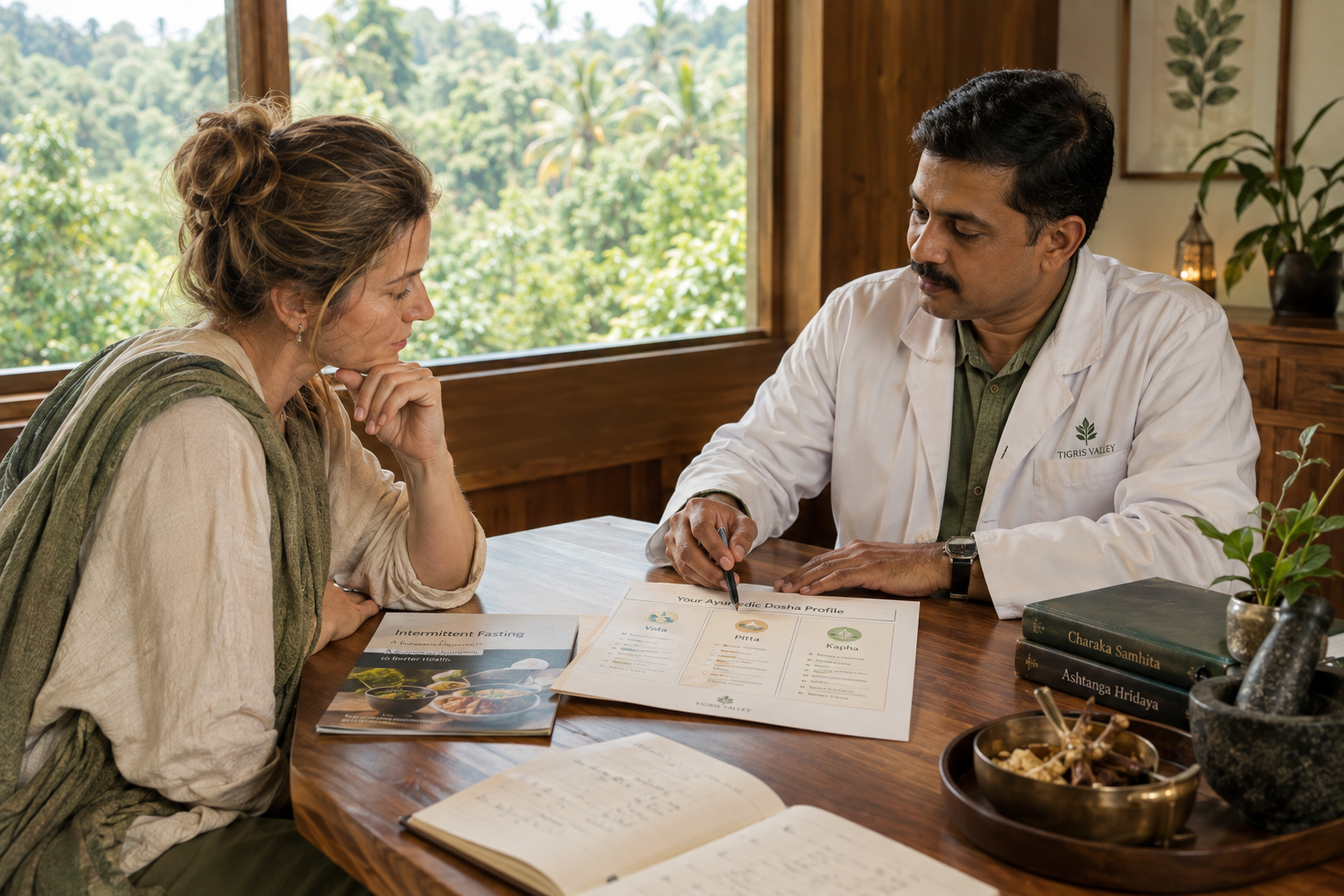
Eine ayurvedische Konsultation umfasst eine Pulsdiagnose (Nadi Pariksha), eine Beurteilung Ihrer Prakriti (Körperkonstitution), eine Bewertung des Verdauungsfeuers (Agni) und die Ermittlung von Dosha-Ungleichgewichten. Der Behandlungsplan befasst sich mit den Grundursachen und nicht nur mit den Symptomen, wodurch er sich grundlegend von der symptomatischen westlichen Medizin unterscheidet.
Unbedingt. Premium Indian Retreats erstellen auf der Grundlage Ihres Beratungsgesprächs individuelle Behandlungsprotokolle. Die Programme können auf spezifische Ziele wie Gewichtsmanagement, emotionale Heilung, Rehabilitation nach einem Trauma oder Anti-Aging zugeschnitten werden.
Packen Sie leichte, atmungsaktive Kleidung, bequeme Meditationskleidung und ein Tagebuch ein. Reisen Sie nach Möglichkeit mit einer 3-tägigen Pre-Detox-Diät an (reduzieren Sie Zucker, Alkohol und verarbeitete Lebensmittel). Die meisten Retreats schicken vor der Anreise einen Leitfaden mit spezifischen Empfehlungen.
Für aussagekräftige Ergebnisse wird eine Mindestdauer von 7 Tagen empfohlen. 14-21 Tage sind ideal für tiefgreifende Entgiftungen, die Behandlung chronischer Erkrankungen oder emotionale Heilungsprogramme. Die Ergebnisse verbessern sich mit zunehmender Dauer erheblich, insbesondere bei Panchakarma- und Funktionsmedizin-Protokollen.
Wellness-Retreats in Indien sind kein Budgetkompromiss - sie sind die klügste Investition, die ein gesundheitsbewusster Mensch tätigen kann. Sie erhalten mehr Behandlungen, mehr Fachwissen, mehr Heilmethoden, eine stärkere Personalisierung und eine ruhigere natürliche Umgebung - für 70% weniger als ein vergleichbares Retreat in den USA.
Wenn Sie bereit sind, dies selbst zu erleben, Tigris Valley Wellness-Rückzug in Kerala ist eines der umfassendsten Heilzentren Indiens, das die alten Weisheiten von Ayurveda und Unani mit moderner funktioneller Medizin verbindet und in den unberührten Bergen von Wayanad liegt. Reisende aus den USA können außerdem unser Wellness-Retreat in Indien für US-Reisende Seite, um mehr über die Planung ihres Wellness-Aufenthalts in Kerala zu erfahren. Internationale Gäste können sich außerdem über unsere Ausländische Patienten in Kerala Seite.
🌿 Sind Sie bereit, Ihre Heilungsreise zu beginnen?
Informieren Sie sich über die gesamte Palette der Wellness-Programme von Tigris Valley und buchen Sie noch heute Ihr persönliches Beratungsgespräch.
Kaithappoyil, in den Westghats.
Markaz Knowledge City Road, Kaithappoyil, Adivaram, Kerala
Anfahrtsbeschreibung +91 90726 61622 reservation@tigrisvalley.com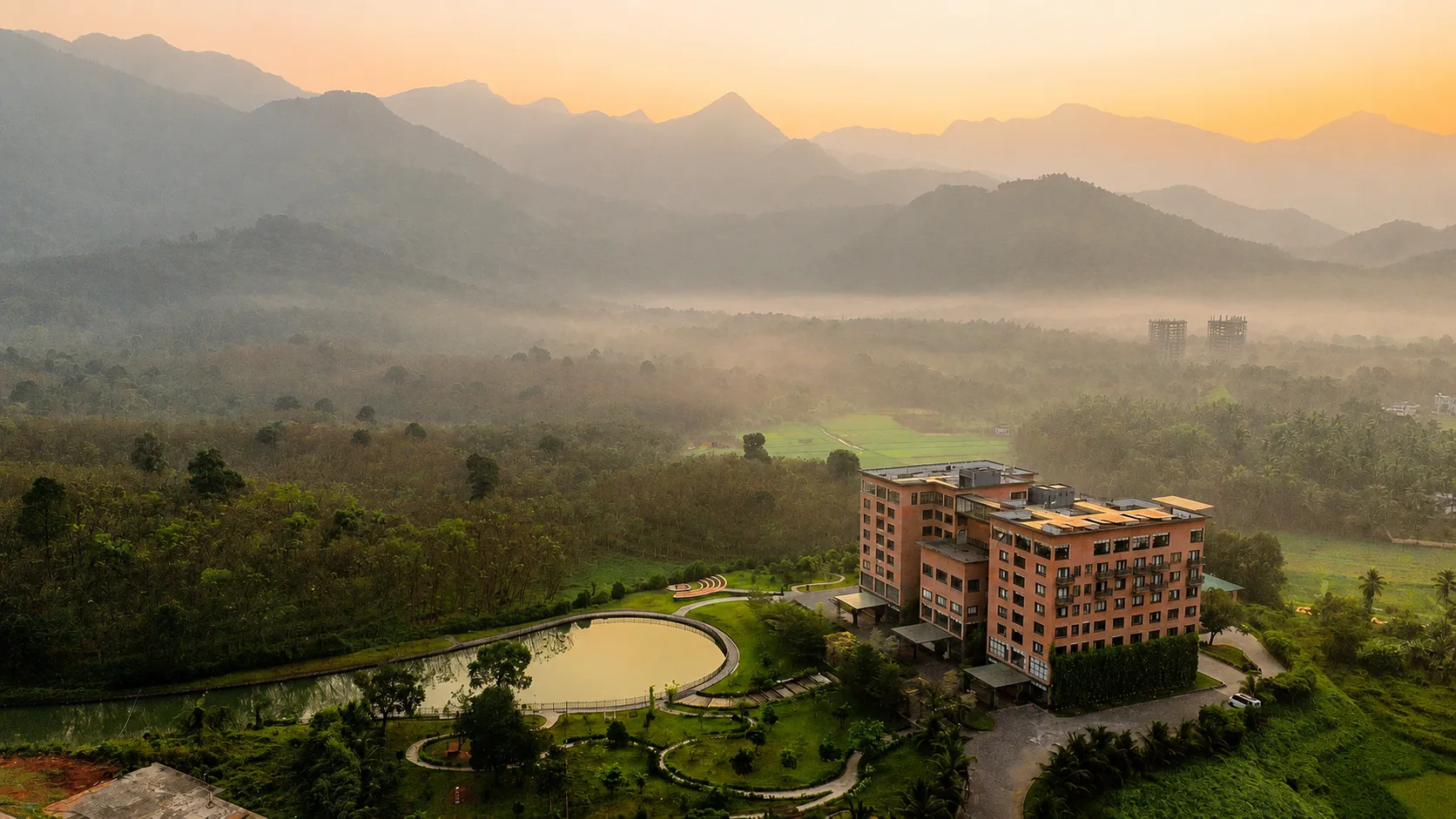
Kaithappoyil, Westghats

Bevor Sie gehen
Ein Arzt liest jede Nachricht. Vereinbaren Sie einen Termin oder senden Sie eine Anfrage – Sie erhalten noch am selben Tag eine Antwort.