
[gtranslate]
MENÜ
⚡ Kurzinfo: Kosten für einen Ayurveda-Urlaub in Kerala
Sie haben Ihre Suche auf Kerala eingegrenzt. Nun nennt jede Website eine andere Zahl – ein Strandresort wirbt mit einer “Ayurveda-Woche” für $500, eine Wellness-Klinik gibt Tausende an, und dazwischen gibt es keine Erklärung dafür. Wenn Sie sich allein nach dem Preis richten, riskieren Sie entweder einen Wellnessurlaub mit Kräuter-Flair oder ein echtes klinisches Programm, dessen Preis keine Ahnung davon vermittelt, wofür Sie eigentlich bezahlen. Wenn Sie dies mit den Preislisten für Wellness-Retreats in Kerala aus einem Dutzend verschiedener Tabs vergleichen, ist die Verwirrung kein Zeichen dafür, dass Sie etwas falsch machen – sie ist ein Zeichen dafür, dass fast niemand in dieser Branche seine Preisgestaltung erklärt. Dieser Leitfaden beantwortet die Frage nach den Kosten für einen Ayurveda-Urlaub in Kerala direkt: Was bestimmt sie, wie sieht eine realistische Preisspanne je nach Programm aus und wie kommen Sie zu einer Zahl, mit der Sie tatsächlich planen können?.
Dies sollte vor allem anderen angesprochen werden, da es jede Zahl in diesem Leitfaden erklärt. Eine Festpreisliste eignet sich für ein Hotelzimmer oder ein Spa-Massageangebot – also für ein festes, standardisiertes Produkt, das für jeden Gast, der es bucht, identisch ist. Sie eignet sich jedoch nicht für ein klinisches Programm, das auf Ihre spezifische Diagnose, Ihre Medikamentenanamnese und Ihr Ansprechen auf die Behandlung zugeschnitten ist, bei dem zwei Personen mit denselben Ausgangsbeschwerden eine deutlich unterschiedliche Versorgung benötigen können.
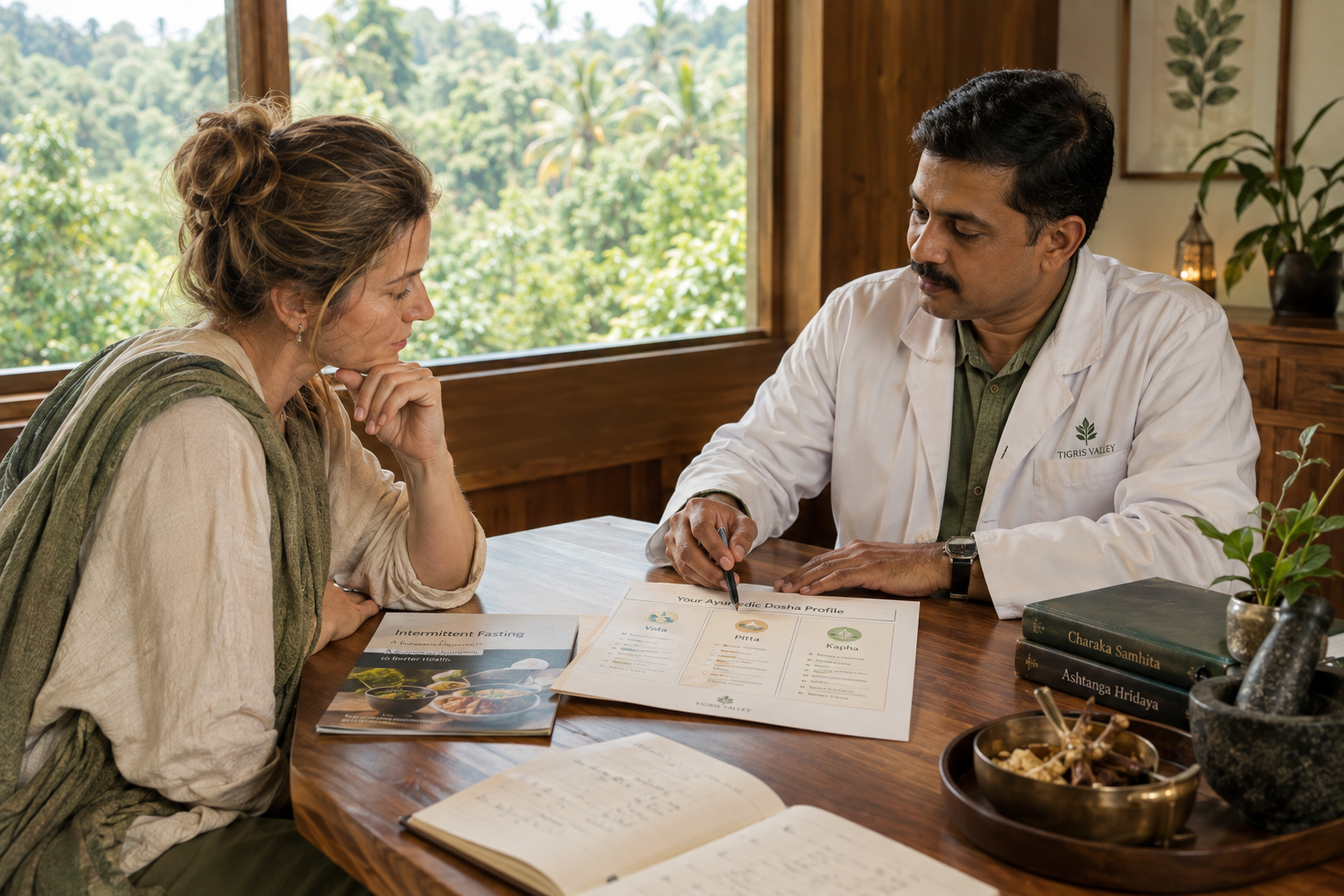
Im Tigris Valley beginnt jedes Programm damit, dass ein Arzt Ihren Gesundheitszustand, Ihre derzeitigen Medikamente und Ihre Gesundheitsziele überprüft, bevor ein Behandlungsplan – und damit auch der Preis – festgelegt wird. Zwei Gäste, die dasselbe “Entgiftungsprogramm” buchen, können unterschiedliche Endkosten haben, weil der eine eine zusätzliche Woche Überwachung, weitere Diagnostik oder eine andere Zimmerkategorie benötigte, der andere hingegen nicht. Dies ist kein Versuch, Transparenz zu vermeiden – im Gegenteil: Die Veröffentlichung einer Pauschalpreisliste würde bedeuten, ein generisches Paket zu bepreisen, anstatt Ihren tatsächlichen Behandlungsplan, was der gesamten Prämisse einer ärztlich geleiteten, NABH-akkreditierten Klinik widerspricht.
Es lohnt sich auch, sich darüber im Klaren zu sein, warum dies für Sie als denjenigen, der das Budget plant, von Bedeutung ist. Eine auf einer Website veröffentlichte “ab”-Zahl sagt fast nichts darüber aus, was Sie tatsächlich bezahlen werden, da sie in der Regel auf dem kürzesten Programm, dem kleinsten Zimmer und dem geringsten Untersuchungsaufwand basiert – also nicht auf dem Fall, der Ihrem tatsächlichen Gesundheitszustand entspricht. Die folgenden Spannen sollen dieses Problem lösen: Sie sollen Ihnen einen realistischen Rahmen für Ihre Planung bieten, aufgeschlüsselt nach genau den Variablen, die den Preis beeinflussen, sodass sich ein Beratungsgespräch zur Programmauswahl eher wie die Bestätigung eines Plans anfühlt als wie eine Verhandlung von Null an.
Drei Variablen sind für fast die gesamte Preisspanne verantwortlich, die Sie bei Vergleichen der Kosten für Ayurveda-Programme in Indien feststellen werden, und wenn Sie diese verstehen, lässt sich aus einer unübersichtlichen Preisspanne ein planbares Budget machen.
Ein allgemeiner Reset kostet weniger als ein Programm, das auf eine diagnostizierte Erkrankung zugeschnitten ist. Ein 7-tägiges Entgiftungs- und Reinigungsprogramm wird anders berechnet als ein 21-Tage- Programm zur Rehabilitation nach Traumata die eine tägliche, von einem Arzt überwachte Rehabilitation beinhalten, schlichtweg, weil die erforderlichen Diagnosen, die Therapieintensität und die medizinische Betreuung nicht vergleichbar sind. Dies ist die Variable, die in den meisten Preisvergleichsartikeln gänzlich außer Acht gelassen wird, da es weitaus einfacher ist, “ab $X” anzugeben, als zu erklären, dass sich $X auf das möglichste leichteste Programm bezieht und nicht auf dasjenige, das Ihrem tatsächlichen Gesundheitszustand entspricht.
Keralas klassische Ayurveda-Tradition basiert auf Behandlungszyklen, nicht auf Wochenendpaketen. Die Programme sind in der Regel auf 7, 10, 14 oder 21 Tage ausgelegt, und die Dauer ist meist der wichtigste Faktor für die Gesamtkosten – nicht, weil jeder zusätzliche Tag zu einem willkürlichen Tagessatz abgerechnet wird, sondern weil bestimmte therapeutische Effekte (tiefgreifende Entgiftung, Schmerzlinderung auf Gewebeebene, nachhaltige neurologische Rehabilitation) einfach eine Mindestanzahl an Tagen erfordern, um sich zu entfalten. Ein kürzerer Aufenthalt ist keine vergünstigte Version des längeren; es handelt sich um ein wirklich anderes, weniger umfassendes Behandlungsangebot.
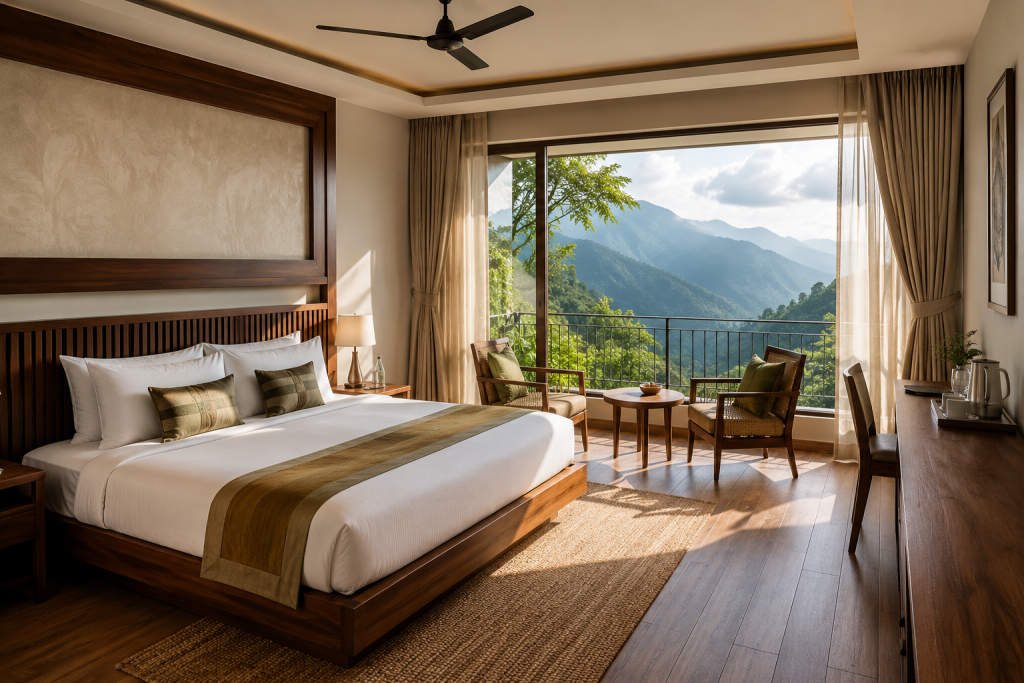
Der Preis für die Zimmerkategorie richtet sich unabhängig vom klinischen Protokoll. Zwei Gäste im selben Programm zur Behandlung chronischer Schmerzen und Entzündungen können allein je nachdem, ob sie sich für ein Standardzimmer oder eine Suite entscheiden, deutlich unterschiedliche Gesamtbeträge ergeben – siehe die Zimmer & Suiten Seite mit den verfügbaren Kategorien. Dies ist zudem der am besten steuerbare Posten in Ihrem Budget: Wenn die Kosten eine Einschränkung darstellen, ist die Anpassung der Zimmerkategorie anstelle einer Verkürzung der klinisch notwendigen Programmdauer fast immer der bessere Kompromiss, da eine zu kurze Behandlungsdauer bei einer echten Erkrankung das Risiko birgt, dass das Ergebnis, wegen dem Sie ursprünglich angereist sind, nicht erreicht wird.
Die folgenden Bereiche sind vorläufige Schätzungen zu Planungszwecken, basierend auf öffentlich zugänglichen, vergleichbaren Preisdaten aus Kerala und dem internationalen Ayurveda-Bereich. Wie die meisten NABH-akkreditierten Krankenhäuser bestätigt auch das Tigris Valley den genauen Betrag erst nach einer ärztlichen Beratung – betrachten Sie diese Tabelle daher als Mindestbetrag für Ihre Budgetplanung und nicht als verbindliches Angebot.
| Programm | Länge | Richtwerte für den Ausgangsbereich (INR) | Ungefähre Preisspanne (USD) |
|---|---|---|---|
| Entgiftungs- und Reinigungsprogramm | 7 Tage | 110.000 – 190.000 Rupien | $1.300 – $2.300 |
| Anti-Aging- und Langlebigkeits-Programm | 10 Tage | 160.000 – 280.000 Rupien | $1.900 – $3.300 |
| Programm zur Behandlung chronischer Schmerzen und Entzündungen | 14 Tage | 220.000 – 400.000 Rupien | $2.600 – $4.700 |
| Programm zur Rehabilitation nach Traumata | 21 Tage | 340.000 – 620.000 Rupien | $4.000 – $7.300 |
Die Entgiftungs- und Reinigungsprogramm Es befindet sich am erschwinglicheren Ende des Spektrums, da es in der Regel kürzer ist und weniger spezialisierte Diagnostik umfasst als krankheitsspezifische Programme. Es richtet sich an Gäste ohne chronische Diagnose, die einen strukturierten Stoffwechsel-Reset anstreben – Mahlzeiten, auf Panchakarma basierende Therapien und ärztliche Beratungen anstelle eines mehrwöchigen Rehabilitationsprogramms. Die typischen Leistungen des “Detox & Cleanse”-Programms finden Sie weiter unten im Abschnitt „Was ist in den einzelnen Preisstufen enthalten?“ für das Komplettpaket; der kürzere Zeitrahmen ist der Hauptgrund dafür, dass dieses Programm am unteren Ende der Preisspanne angesiedelt ist, nicht etwa ein geringerer Versorgungsstandard innerhalb dieser sieben Tage.
Die Programm zur Behandlung chronischer Schmerzen und Entzündungen kostet pro Tag mehr als eine allgemeine Entgiftungskur, da sie in der Regel 18 oder mehr individuell aufeinander abgestimmte Therapiesitzungen umfasst, ergänzt durch funktionelle Diagnostik zur Identifizierung von Entzündungsauslösern, anstatt Schmerzen pauschal zu behandeln. Gäste, die mit einer seit Langem bestehenden Diagnose (Arthritis, Wirbelsäulenprobleme, fibromyalgieähnliche Beschwerden) anreisen, benötigen oft eine Anpassung der Therapieintensität während des Programms, je nach Ansprechen auf die Behandlung. Dies ist einer der Gründe, warum diese Kategorie preislich deutlich über dem Entgiftungsbereich liegt, selbst bei gleicher oder geringfügig längerer Dauer.
Die Preisgestaltung des 21-tägigen Rehabilitationsprogramms hängt von der Intensität der Betreuung ab: die Programm zur Rehabilitation nach Traumata Umfasst eine tägliche, von Ärzten überwachte Rehabilitation über drei volle Wochen – das ist das längste und am intensivsten begleitete Programm in diesem Vergleich. Gäste, die sich von einem Schlaganfall, einem schweren Trauma oder erheblichen körperlichen Einschränkungen erholen, benötigen ein Maß an täglicher klinischer Betreuung, das ein kürzeres oder weniger intensives Programm einfach nicht bieten kann – der Preis spiegelt drei Wochen kontinuierlicher, ärztlich begleiteter Genesungsarbeit wider, nicht einen längeren Urlaub.
Die Anti-Aging- und Langlebigkeits-Programm Es liegt im mittleren Preissegment, da die Diagnostik (in der Regel etwa 12 Kontrolltermine während des Aufenthalts) vor Beginn der Rasayana-Therapien (Verjüngungstherapien) im Vordergrund steht – Sie bezahlen für ein Konzept, bei dem die Diagnostik an erster Stelle steht, und nicht nur für eine verlängerte Wellnesszeit. Diese Kategorie ist hilfreich zu verstehen, da sie den Unterschied zwischen den Programmtypen direkt verdeutlicht: Zwei 10-tägige Aufenthalte können in einer Broschüre identisch aussehen, aber einer, der auf einer echten Diagnostik basiert, kostet deutlich mehr als einer, der ausschließlich auf Massage und Entspannung ausgerichtet ist.
Gäste, die neben diesen Hauptkategorien auch Stoffwechsel- oder Hormonstörungen behandeln lassen, bewerten häufig auch die Programm zur Behandlung von Stoffwechselstörungen oder die Gewichtsmanagement-Paket, deren Preise sich ebenso wie die der vier oben genannten Kernprogramme nach dem Umfang der Diagnostik und der Behandlungsdauer richten. Gäste mit komplexeren oder langjährigen Erkrankungen ziehen manchmal das Programm für Krebshilfe und Palliativmedizin oder die Programm zur Bewältigung von Autoimmunkrankheiten, deren Preise beide über den hier angegebenen Spannen liegen, da die sichere Behandlung dieser Erkrankungen einen zusätzlichen Aufwand für Diagnostik und Überwachung mit sich bringt. Organisationen, die einen Gruppenaufenthalt planen, können die Wellness-Retreat für Unternehmen für die Gestaltung von Gruppentarifen anstelle der oben genannten Einzelpreisklassen, da sich die Preisgestaltung für Gruppen von der für Einzelgäste unterscheidet. Die vollständige Liste finden Sie auf der Seite „Programme“ falls keine der vier oben genannten Hauptkategorien auf Ihre Situation zutrifft.
🔍 Wichtigste Erkenntnis
Der größte Fehler bei der Preisgestaltung besteht nicht darin, zu viel auszugeben – sondern darin, die Dauer zu kurz anzusetzen, um das Budget einzuhalten, und dann nicht das klinische Ergebnis zu erzielen, wegen dem man angereist ist. Ein 7-tägiges Programm, dessen Preis auf einen 14-tägigen Behandlungsbedarf abgestimmt ist, kostet auf Langzeit oft mehr, sobald eine zweite Reise notwendig wird. Planen Sie die Dauer ein, die Ihre Erkrankung tatsächlich erfordert, und passen Sie dann die Zimmerkategorie an – nicht die Programmdauer –, um die Gesamtkosten im Griff zu behalten.
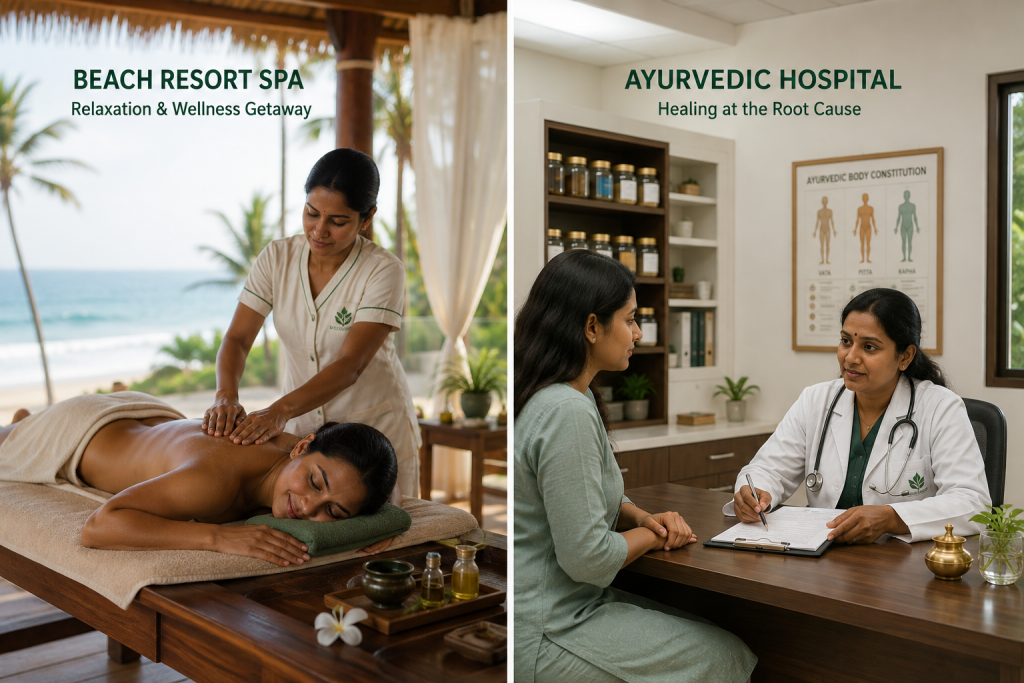
Genau hier werden die meisten Kostenvergleiche irreführend. Ein Ayurveda-Pauschalangebot in einem Strandresort in Kovalam oder Varkala wirbt oft mit einem niedrigeren Tagespreis als ein NABH-zertifiziertes Krankenhaus – doch die Leistungen sind nicht gleichwertig, und ein Vergleich allein anhand des Preises bedeutet, zwei unterschiedliche Dienstleistungskategorien so zu vergleichen, als wären sie eine einzige.
Ayurveda im Resort-Stil bedeutet in der Regel, dass vom Therapeuten ausgewählte Massagen in ein Urlaubsprogramm eingebettet werden: Abhyanga am Morgen, Schwimmen am Nachmittag, Abendessen und Abendunterhaltung, wobei Ayurveda eher als Wellness-Angebot denn als Hauptzweck der Reise dient. Die Diagnostik ist in der Regel begrenzt und es gibt keine spezielle medizinische Betreuung – man wählt Therapien aus einem Angebot aus, je nachdem, wie sie klingen, und nicht auf der Grundlage einer ärztlichen Beurteilung des eigenen Gesundheitszustands. Ein Programm auf Krankenhausniveau ist genau umgekehrt aufgebaut: Zuerst die Diagnose, dann die medizinisch abgestimmte Therapie und erst an dritter Stelle die Gastfreundschaft. Der Tagesablauf dient dem Behandlungsplan und nicht umgekehrt.
Wenn Ihr Ziel echte Entspannung mit leichten ayurvedischen Elementen ist und Sie keine Grunderkrankung behandeln müssen, könnte ein Strandresort die richtige und kostengünstigere Wahl sein – es ist völlig in Ordnung, sich für diese Option zu entscheiden, wenn man sie als das betrachtet, was sie tatsächlich ist. Wenn Sie jedoch eine diagnostizierte Erkrankung behandeln lassen müssen – chronische Schmerzen, posttraumatische Genesung, Stoffwechsel- oder Autoimmunerkrankungen –, sorgen die zusätzlichen Kosten für eine ärztlich geleitete, NABH-zertifizierte Versorgung in der Regel für diagnostische Genauigkeit und medizinische Sicherheit, die ein Resort-Paket nicht bieten kann, ganz gleich, wie gut die Massagen auch sein mögen. Einen umfassenden Überblick darüber, wie sich die Preise in Kerala im internationalen Vergleich darstellen, finden Sie unter Warum Wellness-Aufenthalte in Indien deutlich weniger kosten als vergleichbare Angebote im Westen, und insbesondere für internationale Gäste, die Kerala mit anderen Reisezielen vergleichen, Warum ausländische Gäste Kerala für Panchakarma wählen erläutert die Kriterien für die Zulassung und die Qualifikation von Ärzten, die Sie unbedingt prüfen sollten, bevor Sie überhaupt Preise vergleichen. Gäste, die sich aus amerikanischer Perspektive mit diesem Thema befassen, finden möglicherweise auch Ein praktischer Leitfaden für Amerikaner zum Panchakarma in Kerala Nützlich für einen direkten Vergleich, was sich konkret bei einer Reise aus den USA ändert, einschließlich eines Vergleichs der Panchakarma-Preise in den USA unter Berücksichtigung der Flugkosten und der benötigten Freizeit.
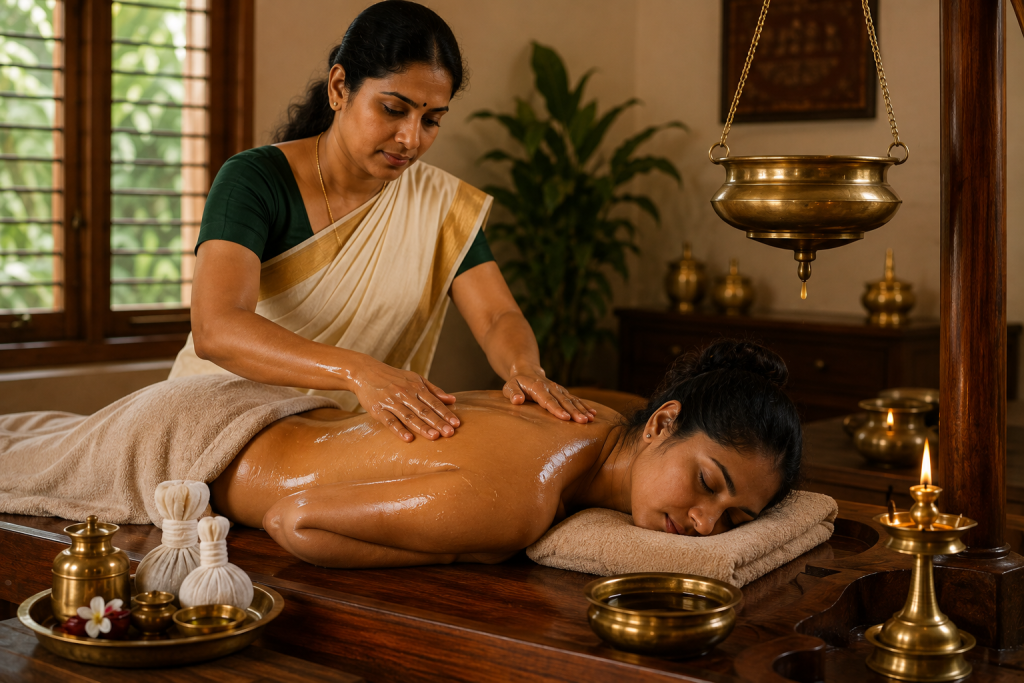
In allen vier Kernprogrammen sollte ein ordnungsgemäß kalkulierter Preis dieselben Kernkomponenten umfassen, auch wenn sich die spezifischen Therapien innerhalb der einzelnen Programme je nach Erkrankung unterscheiden:
Was normalerweise dort steht draußen der von jedem seriösen Zentrum angegebene Preis: internationale Flüge, Visa, optionale Zusatztherapien, die während des Aufenthalts beschlossen werden, sobald die Diagnostik einen zusätzlichen Bedarf aufzeigt, sowie der Versand von Medikamenten nach der Abreise. Internationale Gäste können die logistischen Details auf der Seite „Internationale Patienten“ sowie Einzelheiten zur Reise unter Anreise zum Tigris-Tal Bevor Sie die Gesamtkosten Ihrer Reise veranschlagen – und zwar nicht nur den Programmpreis –, sollten Sie bedenken, dass allein die Flugkosten Ihr Gesamtbudget erheblich beeinflussen können, je nachdem, von wo aus Sie anreisen. Es lohnt sich außerdem, die Qualifikationen der Ärzte zu prüfen, die Ihr Behandlungsprotokoll und den Preis auf Unsere Team-Seite, da die Qualifikationen, die hinter dem Angebot stehen, genauso wichtig sind wie der Preis selbst; ein niedrigerer Preis von einer Einrichtung ohne vergleichbare ärztliche Qualifikationen ist nicht automatisch das bessere Angebot.
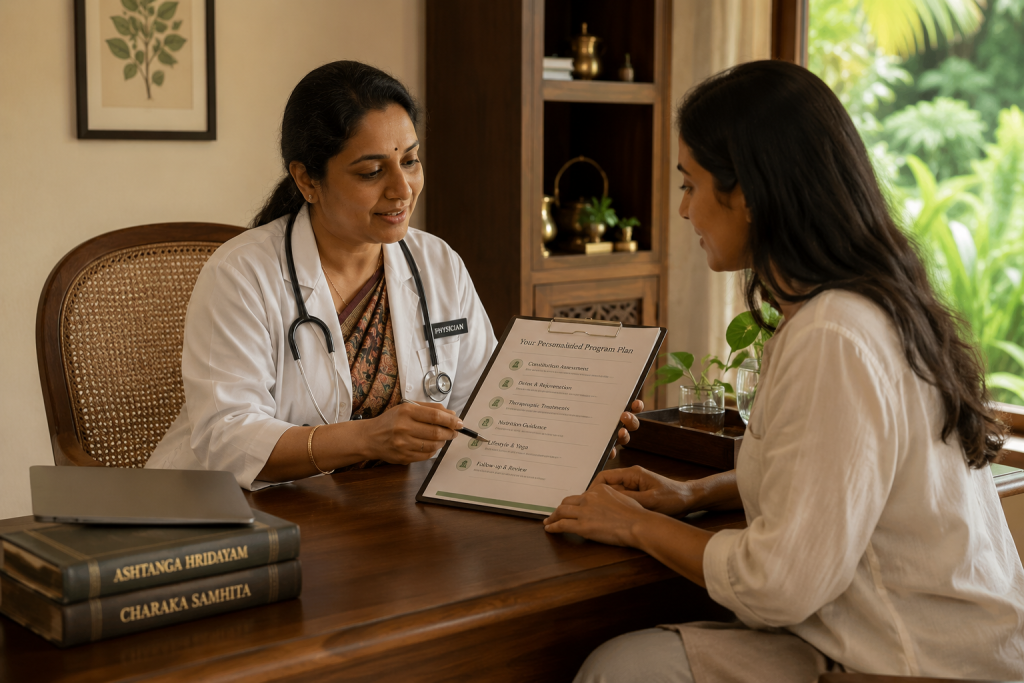
Da die Preise von der Diagnose, der Behandlungsdauer und der Zimmerkategorie abhängen, führt der schnellste Weg zu einem konkreten Preis nicht über weiteres Stöbern, sondern über eine Kostenlose Überprüfung der Programm-Passgenauigkeit. Ein Arzt beurteilt Ihren Gesundheitszustand und Ihre Ziele, legt aus den vier (oder mehr) oben genannten Optionen das passende Programm und die richtige Dauer fest und erstellt Ihnen ein Angebot, das auf Ihrem konkreten Fall basiert und nicht auf einer Schätzung von der Website.
Gäste, die bereits bei der Beratung ihre ungefähre Preisklasse kennen – anhand der Spannen in diesem Leitfaden –, führen in der Regel das effizienteste erste Gespräch mit dem klinischen Team – Sie können Kompromisse (beispielsweise Zimmerkategorie vs. Programmdauer) mit einem klareren Verständnis dafür besprechen, wo Flexibilität besteht. Dies ist ein ganz anderes Erlebnis als das Versenden einer allgemeinen E-Mail-Anfrage ohne Kontext und das Warten auf eine Rückmeldung; wenn man bereits informiert zur Beratung erscheint, verkürzt sich der Weg vom ersten Kontakt bis zu einem bestätigten Plan.
✅ Wichtigste Erkenntnisse
Ein 14-tägiges, krankheitsspezifisches Programm wie das „Chronic Pain & Inflammation Management Program“ kostet in der Regel zwischen 220.000 und 400.000 Rupien (etwa $2.600–$4.700), je nach erforderlichen diagnostischen Untersuchungen und Zimmerkategorie. Allgemeine Wellness-Resorts werben zwar möglicherweise mit niedrigeren Preisen für einen vergleichbaren Aufenthalt, bieten jedoch in der Regel von Therapeuten ausgewählte Behandlungen anstelle eines ärztlich verordneten Behandlungsprotokolls an.
Ja, und zwar erheblich. Ein vergleichbares mehrphasiges Panchakarma-Protokoll kann in den USA $8,000–$15.000, wenn es von zertifizierten Therapeuten durchgeführt wird, während die gleiche klinische Behandlung in Kerala – durchgeführt von BAMS-zertifizierten Ärzten in einem NABH-akkreditierten Krankenhaus – in der Regel nur einen Bruchteil davon kostet.
Weil es sich um unterschiedliche Produkte handelt. Ein Strandresort bietet ayurvedische Massagen als Ergänzung zum Urlaubsprogramm an; ein NABH-zertifiziertes Krankenhaus hingegen bietet ein vom Arzt verordnetes klinisches Behandlungsprotokoll mit Diagnostik und ärztlicher Betreuung. Die zweite Kategorie ist teurer, da Sie hier für Präzision und Sicherheit bezahlen und nicht nur für Entspannung.
In erster Linie die Art des Programms (allgemeine Kur vs. bedarfsbezogene Kur), die Aufenthaltsdauer und Ihre Unterkunftskategorie. Die Programme werden auf der Grundlage einer ärztlichen Beurteilung zusammengestellt und nicht als festes Pauschalangebot verkauft.
Die ungefähren Preisklassen liegen zwischen 110.000 und 190.000 Rupien ($1.300–$2.300) und umfassen Arztkonsultationen, Panchakarma-basierte Therapien, Bio-Mahlzeiten und Standardunterkunft.
Es liegt am oberen Ende der Preisspanne (etwa 340.000–620.000 Rupien / $4.000–$7.300) liegt, da es eine tägliche, ärztlich überwachte Rehabilitation über drei volle Wochen umfasst – das längste und am intensivsten begleitete Programm im Vergleich, nicht nur eine längere Version eines kürzeren Pakets.
Nein. Ein ordnungsgemäß ausgewiesener Programmpreis umfasst in der Regel Beratungen, Therapien, Verpflegung und Unterkunft; internationale Flüge, Visa, optionale Zusatztherapien, die während des Aufenthalts gebucht werden, sowie der Versand von Medikamenten nach der Abreise werden jedoch in der Regel separat berechnet.
Nicht unbedingt – das hängt davon ab, was Sie benötigen. Wenn Sie sich allgemein erholen möchten und keine diagnostizierte Erkrankung vorliegt, ist möglicherweise ein kostengünstigeres Resort-Paket die richtige Wahl. Wenn Sie jedoch mit einer diagnostizierten Erkrankung leben, sorgen die zusätzlichen Kosten für eine ärztlich geleitete, NABH-akkreditierte Betreuung in der Regel für eine diagnostische Genauigkeit, die eine günstigere Option aufgrund ihrer Ausgestaltung nicht bieten kann.
Da die Programmkosten von Ihrem individuellen Gesundheitszustand, den erforderlichen diagnostischen Untersuchungen und der Behandlungsdauer abhängen – was alles erst nach einem ärztlichen Beratungsgespräch bestätigt werden kann –, würde eine Pauschalkarte bedeuten, dass ein allgemeines Paket berechnet wird und nicht Ihr tatsächliches klinisches Behandlungsprotokoll.
Ja. Die Zimmerkategorie wird unabhängig vom klinischen Protokoll berechnet, sodass die Wahl eines Standardzimmers anstelle einer Suite Ihre Gesamtkosten deutlich senken kann, ohne die klinisch erforderliche Programmdauer zu verkürzen.
Buchen Sie eine kostenlose Programmberatung. Ein Arzt beurteilt Ihren Gesundheitszustand und Ihre Ziele, ermittelt das passende Programm und die richtige Dauer und erstellt Ihnen ein individuelles Angebot, das auf Ihren konkreten Fall zugeschnitten ist und nicht auf den allgemeinen Preisrahmen auf der Website basiert.
Erhalten Sie ein individuelles Angebot – nicht nur eine Preisspanne
Erhalten Sie nach Ihrer kostenlosen Eignungsprüfung ein individuelles Angebot – ein Arzt bestätigt das für Ihren Fall geeignete Programm, die Dauer und die Unterbringung.
→ Fordern Sie ein individuelles Angebot an

Kaithappoyil, in den Westghats.
Markaz Knowledge City Road, Kaithappoyil, Adivaram, Kerala
Anfahrtsbeschreibung +91 90726 61622 reservation@tigrisvalley.com
Kaithappoyil, Westghats

Bevor Sie gehen
Ein Arzt liest jede Nachricht. Vereinbaren Sie einen Termin oder senden Sie eine Anfrage – Sie erhalten noch am selben Tag eine Antwort.