[gtranslate]
MENU
You’ve maxed out your US healthcare options — the prescriptions manage symptoms but nothing resets the root cause. You’ve read about Panchakarma in Kerala, watched the documentaries, and now you’re wondering if it’s real or just wellness tourism with good lighting. It’s real — but only when you know exactly what to look for, what to ask, and how to plan. This is the guide written for Americans: honest about costs, clear about the clinical standards, and specific about what happens from the moment you land.
📋 Table of Contents
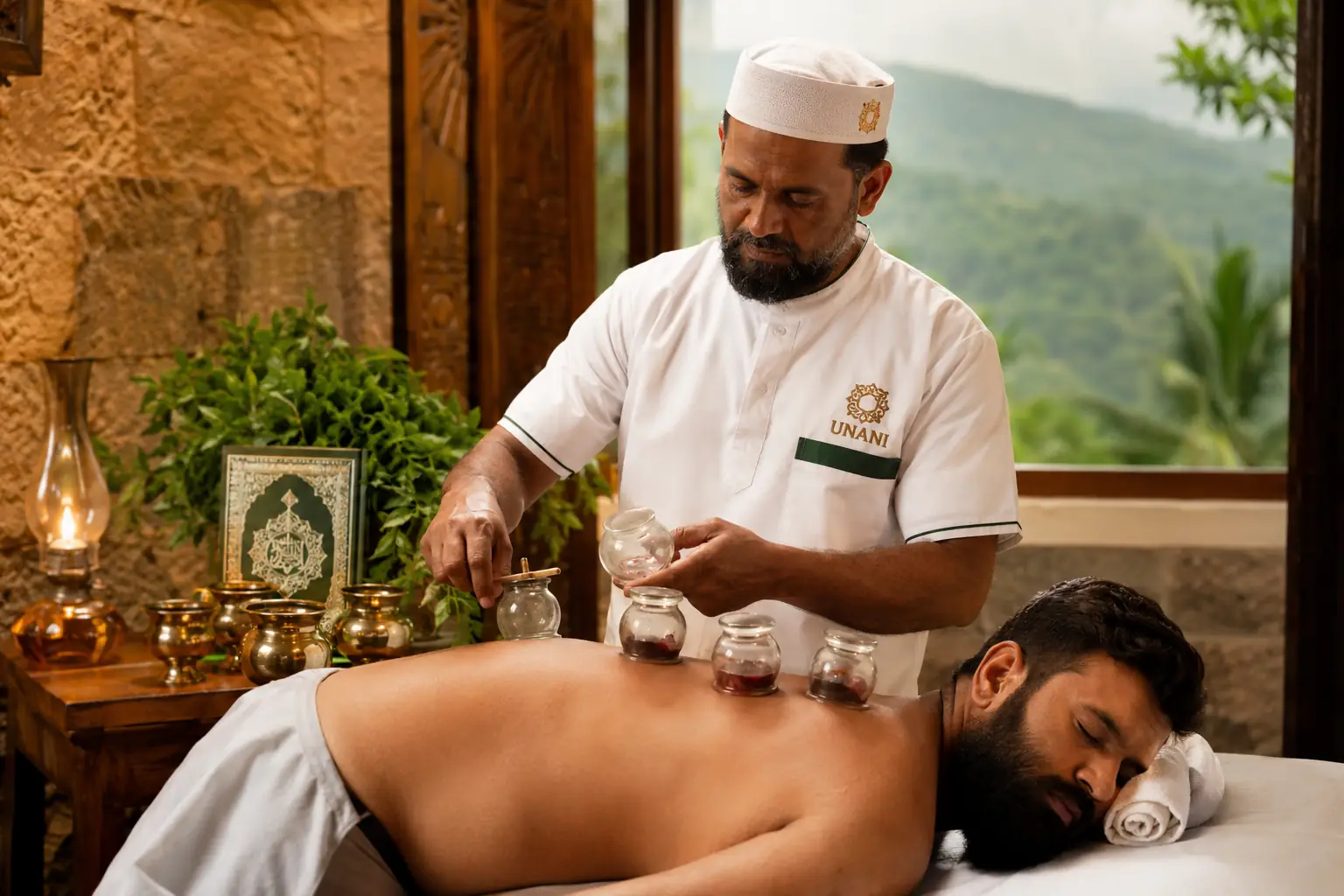
Panchakarma is Ayurveda’s flagship five-action detoxification system — a medically structured, sequential protocol designed to loosen, mobilise, and eliminate deep-seated toxins from every tissue layer of the body. The word breaks down as Pancha (five) + Karma (actions).
The five core procedures are:
Here’s the uncomfortable fact most US Ayurveda centres won’t advertise: the full clinical Panchakarma protocol is not legally administered in the United States as a medical procedure. American Ayurvedic practitioners typically hold certifications from private institutes — not government-regulated medical degrees. Procedures like Basti and Virechanam are restricted or offered in heavily modified forms. What many American wellness centres call “Panchakarma” is often an Abhyanga massage series with herbal teas.
In India, Ayurveda is a government-regulated medical system under the AYUSH Ministry. Practitioners hold a 5.5-year BAMS degree (Bachelor of Ayurvedic Medicine and Surgery). The full clinical protocol is legally practiced, institutionally supervised, and at NABH-accredited hospitals like Tigris Valley — medically accountable.
Americans researching Panchakarma abroad often shortlist India, Bali, and Sri Lanka. Kerala wins consistently for reasons that matter clinically — not just aesthetically.
| Factor | Kerala | Bali | Sri Lanka |
|---|---|---|---|
| Ayurveda legal status | Govt-regulated medical system (AYUSH) | Unregulated spa / wellness offering | Traditional medicine system; smaller institutional base |
| Practitioner qualification | 5.5-year BAMS degree (government accredited) | Private certificate courses; variable quality | BAMS-equivalent; smaller practitioner pool |
| Hospital accreditation | NABH — India’s JCI equivalent | None equivalent for Ayurveda | Limited institutional accreditation |
| Medicinal herbs | Western Ghats — global biodiversity hotspot | Limited Ayurvedic plant base; often imported | Good but smaller range than Western Ghats |
| English proficiency | Excellent — full medical consultation in English | Good for hospitality; variable for clinical | Good |
For Americans who approach their healthcare the way they approach any major investment — researching credentials, seeking verifiable standards, and demanding accountability — Kerala’s NABH-accredited hospital model is the clear answer.
Americans don’t typically fly 20 hours on a whim. The health conditions that push US travelers toward a genuine Panchakarma in Kerala fall into consistent patterns:
Key Insight for Americans: The US healthcare system excels at acute, crisis-level intervention. It consistently underserves chronic, lifestyle-driven conditions — the exact category Panchakarma’s root-cause, systemic approach is built for. This structural gap is the single biggest driver of American wellness tourism to Kerala.
Most Americans want specifics — not mystical descriptions. Here is what the three-phase Panchakarma process actually involves:
Before any elimination procedure begins, your body must be prepared. This phase involves:
The active elimination phase — the part most people picture when they think of Panchakarma:
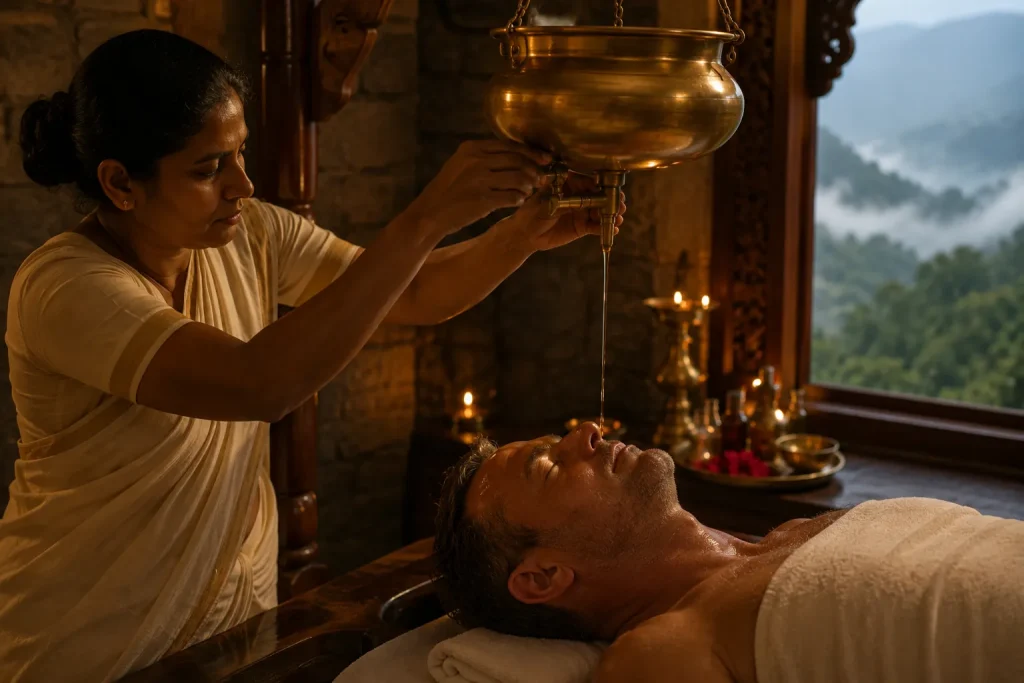
Americans are accustomed to healthcare sticker shock. The Kerala Panchakarma cost comparison requires honest context — and the math consistently surprises first-timers.
| Expense Category | US Equivalent | Kerala (Tigris Valley) |
|---|---|---|
| Integrative physician consultation | $300–$600 per session; rarely covered by insurance | Included within residential program |
| IV Nutritional Therapy (per infusion) | $150–$400 per IV drip at US wellness clinics | Integrated into program protocol |
| Daily therapeutic massage | $120–$200 per session; daily adds up to $1,400–$2,800/week | Daily Abhyanga included within program |
| Accommodation (per night) | US wellness retreat: $400–$800/night for comparable quality | Luxury mountain accommodation included |
| Organic therapeutic meals | US retreat meal plans: $80–$150/day additional | Three therapeutic meals from Mazra Organic Farm included |
| 24/7 medical oversight | Rarely offered at US wellness retreats at any price | Confirmed facility feature as NABH-accredited hospital |
| International flight (round trip) | N/A for domestic options | ~$800–$1,400 from major US cities via Gulf hubs |
Bottom line: Americans who run a full cost comparison consistently find that a 14–21 day residential Panchakarma program at a NABH-accredited Kerala hospital — including flights — costs a fraction of assembling equivalent services piecemeal in the US. The flight is real; the cost advantage is larger.
Tigris Valley’s program architecture maps directly onto the health priorities American guests arrive with. Here are the strongest matches:
Browse the complete Tigris Valley wellness programs to compare program options and durations.
No direct flights currently operate from US cities to Kerala airports. The routing Americans use most consistently:
Target airport: Calicut (Kozhikode) International Airport (CCJ) — 60–90 minutes from Tigris Valley. Full transfer and routing details are on the Getting to Tigris Valley page.
American citizens are eligible for India’s e-Tourist Visa (eTV). Apply online at indianvisaonline.gov.in. Processing: 48–72 hours. Valid for 90 days, double entry, $25–$80 fee depending on duration. Tigris Valley provides a stay confirmation letter on request to support applications.
US health insurance generally does not cover international Ayurveda retreat costs. Travel insurance covering medical evacuation is recommended for any international health travel — check World Nomads or your existing travel card benefits. The NABH-accredited clinical standard at Tigris Valley means your safety is medically supervised regardless of insurance coverage.
Americans arriving at Tigris Valley for the first time consistently note that the experience more closely resembles a private hospital with luxury amenities than a spa resort with clinical pretensions. That distinction is deliberate — and it’s the right one.
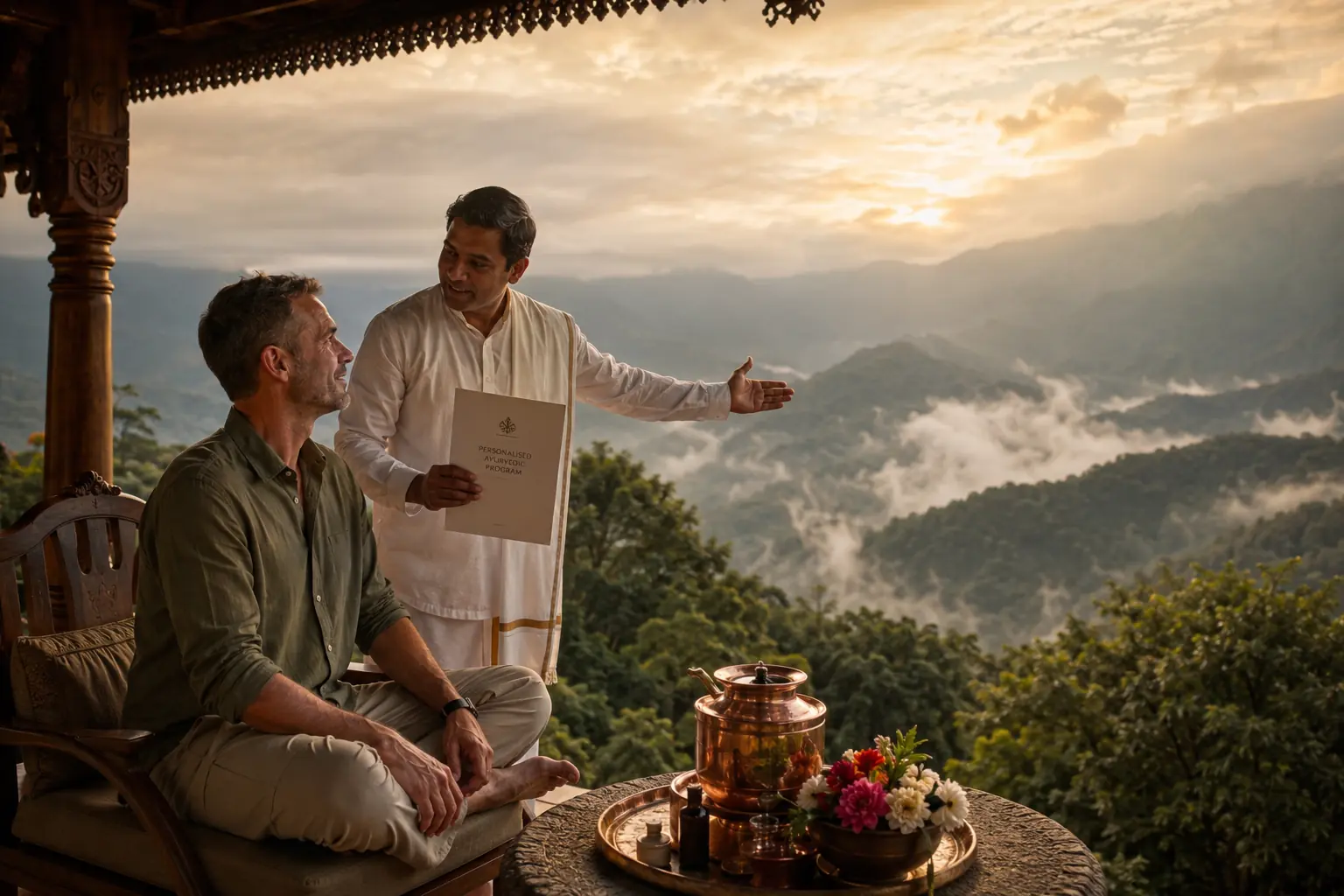
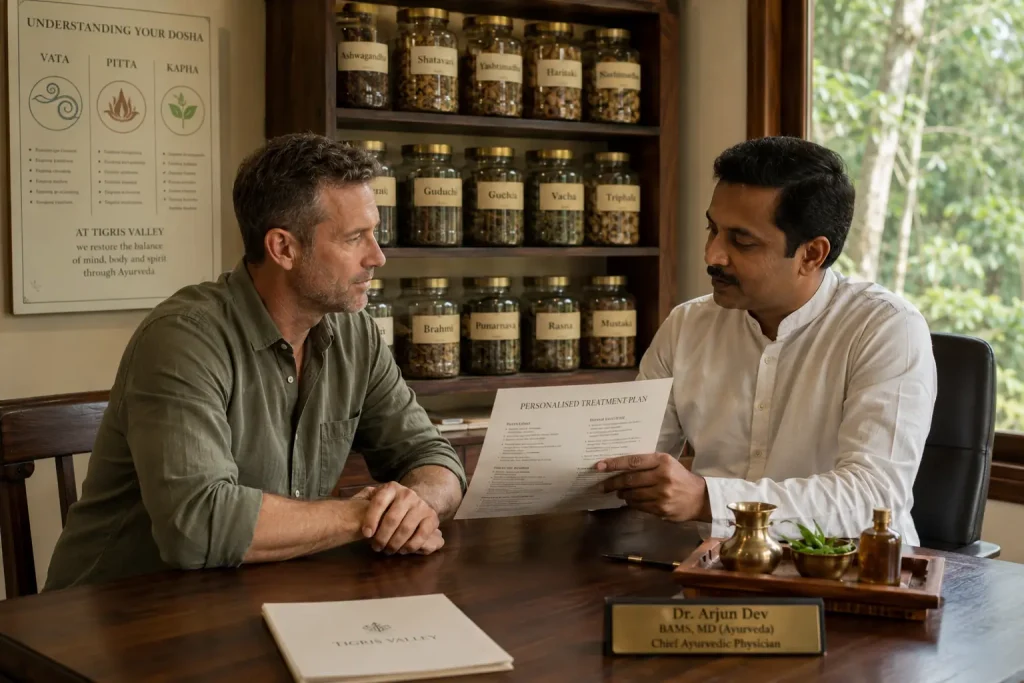
After your airport transfer, you are welcomed and oriented before your first physician consultation — a comprehensive intake covering health history, current medications, dosha analysis, and program design. Your personalised protocol is explained clearly, in English, with opportunity for questions. Nothing begins until you understand and agree to your program.
Tigris Valley’s confirmed facilities include: indoor swimming pools, sauna, Jacuzzi, herbal baths, steam therapy, gym with personal trainers, walking tracks, gazebos, an amphitheatre, a meditation hall, the Ruhe Café, and the Mazra Organic Farm. Nearby attractions in Wayanad are accessible through the Nearby Escapes program on designated rest days. Rooms and suites are viewable on the Rooms & Suites page.
Every meal is therapeutic and organic — sourced from the on-site Mazra Organic Farm and prepared in alignment with your dosha protocol and program phase. Americans typically note surprise at how satisfying and flavourful therapeutic Ayurvedic food is. The Ruhe Café provides healthy options outside the formal meal schedule.

American travelers are among the most demanding wellness consumers in the world — and rightly so. When you’re flying 20 hours and committing 2–3 weeks, the standard of care must match the investment. Here is the specific Tigris Valley credential stack that meets that bar:
| What Americans Demand | What Tigris Valley Delivers |
|---|---|
| Independently verifiable accreditation | NABH-accredited — South Asia’s largest AYUSH-integrated wellness hospital |
| Qualified medical physicians, not just therapists | BAMS-qualified Ayurvedic physicians as the baseline standard of care |
| Evidence-informed alongside traditional | Functional Medicine, IV Nutritional Therapy, Ozone Therapy, advanced diagnostics alongside classical Panchakarma |
| 24/7 medical safety net | Confirmed 24/7 medical assistance as a hospital-level facility feature |
| English-language communication throughout | Full English-language medical consultations; English-speaking guest services team |
| Luxury comfort without sacrificing clinical depth | Private mountain-view suites, organic farm dining, pools, sauna, Jacuzzi — alongside hospital-grade clinical care |
| Post-discharge follow-up, not just a checkout | Personalised diet plan, herbal kit, yoga practice guide, lifestyle protocol to sustain outcomes after returning to the US |
Yes. Tigris Valley’s intake process is designed explicitly for guests with no prior Ayurveda background. Your pre-arrival consultation covers your health history comprehensively; every procedure is explained before it begins; and the pacing of your protocol is adjusted to your individual response. First-timers make up a substantial portion of international guests.
Minimum recommended duration is 14 days to complete the preparation and active cleanse phases meaningfully. The 21-day program allows the full three-phase cycle including the critical rejuvenation phase. Americans booking 7 days receive a genuine introduction but should expect more limited therapeutic depth. Factor in the travel days — most Americans plan 16–23 total days including travel.
Yes — and that is part of the program’s therapeutic mechanism. Panchakarma requires genuine disconnection from work stress for full efficacy. Most American guests who try to “stay connected” during the first week report that they disengage completely by Day 4–5 as the nervous system begins to reset. Planning for genuine digital detox alongside the physical detox significantly improves outcomes.
The CDC recommends that US travelers to India be current on routine vaccinations and consider Hepatitis A and Typhoid vaccines. Review current CDC India travel recommendations and consult your physician 4–6 weeks before departure. Tigris Valley’s mountain location in Wayanad carries minimal tropical disease risk compared to coastal or urban Indian destinations.
Yes — many Americans extend their trip to explore Kerala’s backwaters, Wayanad’s wildlife sanctuaries, or other parts of India before or after their program. During the retreat itself, Tigris Valley’s Nearby Escapes program provides day-trip access to Wayanad’s most remarkable natural sites on designated rest days.
Yes. Tigris Valley regularly serves international guests including Americans, Europeans, and Middle Eastern guests. The medical team is accustomed to the health profiles and expectations of Western patients — including managing interactions with US pharmaceutical medications and communicating clinical information clearly in English.
All food at Tigris Valley is prepared from organic, locally sourced produce from the on-site Mazra Organic Farm. Dietary restrictions and allergies are noted during your pre-arrival consultation and accommodated. Therapeutic Ayurvedic diets are primarily plant-based, warm, and freshly prepared — most American guests report appreciating the food quality significantly. The Ruhe Café provides additional dining variety.
Yes. Carry medications in original labelled containers with a letter from your prescribing physician. Certain controlled substances have import restrictions — check the relevant regulations for your specific medications before travel. Disclose all current medications during your pre-arrival physician consultation, as some interact with herbal formulations used in the program.
American holiday windows align well with Kerala’s best travel months. The December–January window (using Christmas/New Year leave) coincides with Kerala’s cool, clear peak season. October–November (using fall leave) offers spectacular post-monsoon landscapes. July–August (summer vacation) coincides with Kerala’s classical monsoon Panchakarma season — considered the most therapeutically optimal by classical Ayurveda, though Americans should expect daily rainfall during outdoor activities.
Email the reservations team at reservation@tigrisvalley.com or WhatsApp +91 9072661622 (time zone: IST, approximately 10.5 hours ahead of EST). The team typically responds within 24 hours. The first step is a pre-arrival video consultation to assess your health history and design your personalised program. For peak-season bookings (October–February), begin the process 8–10 weeks before your intended arrival date.
Ready to Plan Your Panchakarma in Kerala?
The US healthcare system got you this far. For what comes next — chronic conditions resolved at the root, cellular rejuvenation that lasts, nervous system reset that holds — Tigris Valley’s NABH-accredited team is ready to design your program. Your pre-arrival consultation is the starting point.
→ Explore the Detox & Cleanse Program