
[gtranslate]
MENÜ
Medizinisch geprüft von Dr. Faheem Najeeb, Ärztlicher Direktor · Aktualisiert 2026
⚠️ Medizinischer Haftungsausschluss: Dieser Artikel dient zu Informationszwecken und ersetzt nicht den Rat Ihres Arztes. Setzen Sie Ihre Blutdruckmedikamente nicht ohne Rücksprache mit Ihrem behandelnden Arzt ab und ändern Sie die Dosierung nicht. Bei Brustschmerzen, starken Kopfschmerzen, Sehstörungen oder Blutdruckwerten über 180/120 mmHg suchen Sie unverzüglich einen Notarzt auf.
Inhaltsübersicht
⚡ Kurzinfo: Kuraufenthalte bei Bluthochdruck
- Ungefähr Jeder dritte Erwachsene in Indien leidet unter Bluthochdruck; weltweit sind davon über 1,2 Milliarden Erwachsene betroffen.
- Die sichersten Rückzugsorte bei hohem Blutdruck sind ärztliche Betreuung, tägliche Blutdruckmessungen und eine Überprüfung der Medikamenteneinnahme bevor ein pflanzliches Mittel oder eine Therapie verabreicht wird.
- Allein die Ernährung ist entscheidend: Das DASH-Ernährungsmodell senkte den Blutdruck um etwa 11/6 mmHg bei Menschen mit Bluthochdruck in NIH-Studien.
- Die meisten Ärzte empfehlen 14-21 Tage für einen tiefgreifenden Wandel; 7 Tage eignen sich am besten für einen Neustart und einen Bildungsaufenthalt.
- Ihr Blutdruckmedikament sollte unverändert fortfahren Während der Kur – Dosisanpassungen nimmt anschließend Ihr behandelnder Arzt vor.
- Messwerte durchgehend über 180/120 mmHg brauchen eine Notfallversorgung, keinen Rückzugsort.
Ihre Werte steigen trotz der Tabletten immer weiter an, und jeder “Wellness-Urlaub” verspricht Entspannung, ohne Ihnen zu sagen, wer Ihren Blutdruck misst. Wenn Sie sich für den falschen entscheiden, können ein heißes Dampfbad, ein nicht geprüfte Kräuterpräparat oder ein anspruchsvoller Yoga-Kurs Ihre Werte in die falsche Richtung treiben. Dieser Leitfaden vergleicht die Die besten Kurorte bei Bluthochdruck nach Art, zeigt, welche Therapien wirklich helfen, und bietet Ihnen eine Checkliste für eine sichere Buchung.
Die beste Kur bei Bluthochdruck ist ein von Ärzten geleitetes Programm, bei dem Ihr Blutdruck täglich gemessen wird, alle Medikamente überprüft werden, bevor pflanzliche Präparate verschrieben werden, Ihre bisherigen Tabletten weiterhin eingenommen werden und über einen Zeitraum von mindestens 14 Tagen gezielt die Ursachen Ihrer Blutdruckwerte – Stress, Schlaf, Ernährung, Gewicht und Blutzucker – angegangen werden. Ein Wellnesscenter, das ausschließlich Entspannung bietet, kann zwar wunderbar sein, aber es ändert selten etwas an den Zahlen, auf die es ankommt, sobald man wieder zu Hause ist.
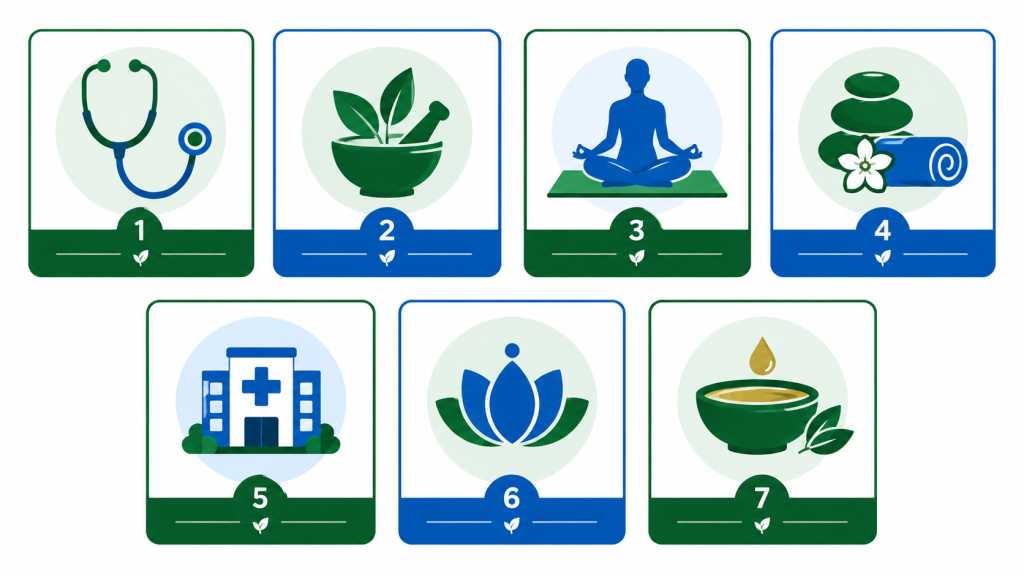
Anhand dieser sieben unverzichtbaren Kriterien lassen sich klinische Kuren von Urlaubspaketen unterscheiden:
Wenn ein Retreat nicht alle sieben Punkte schriftlich bestätigen kann, betrachten Sie es als Erholungsurlaub – nicht als Behandlung. Einen tieferen Einblick in die klinische Seite finden Sie unter Was überwachen Ärzte während eines Ayurveda-Aufenthalts zur Behandlung von Bluthochdruck?.
Nicht jeder Programm zur Behandlung von Bluthochdruck ist genauso aufgebaut. Hier sehen Sie einen Vergleich der Hauptkategorien hinsichtlich der Faktoren, die die Sicherheit und die Ergebnisse beeinflussen:
| Art der Klausur | Medizinische Überwachung | Tägliche Blutdruckmessungen | Medikamentenüberprüfung | Typischer Aufenthalt | Am besten für | Achte auf |
|---|---|---|---|---|---|---|
| 1. Von Ärzten geleiteter integrativer Retreat (Ayurveda + funktionelle Medizin, NABH-zertifiziert) | Hoch – MD/BAMS-Team, rund um die Uhr | Ja | Ja, vor jedem Kraut | 14-21 Tage | Diagnostizierte Hypertonie unter medikamentöser Behandlung, mit Stress, Gewicht oder Blutzucker als Auslöser | Wählen Sie ausschließlich akkreditierte Zentren aus |
| 2. Wohnzentrum für Lebensstilmedizin | Mäßig bis hoch | Normalerweise | Normalerweise | 7–21 Tage | Ernährungsbedingte Hypertonie, Gewichtsabnahme | Oft nur über die Ernährung; weniger Stress und Schlafmangel |
| 3. Klinik für integrierte Naturheilkunde und Yoga | Mäßig | Normalerweise | Variiert | 10–21 Tage | Strukturierte, budgetbewusste Aufenthalte | Fastenprotokolle erfordern eine engmaschige Überwachung |
| 4. Luxuriöses Wellness-Resort mit einem BP-Programm | Je nach Marke unterschiedlich | Manchmal | Manchmal | 5–14 Tage | Stressbedingte Hypertonie, Komfort hat Vorrang | Die klinische Tiefe variiert; hohe Kosten |
| 5. Europäisches Medical-Spa / Rehabilitationsklinik | Hoch | Ja | Ja | 21 Tage | Rehabilitation nach einem Herzereignis | Weniger Fokus auf Geist-Körper-Therapien |
| 6. Yoga- und Meditations-Retreat / Ashram | Niedrig | Selten | Nein | 5–30 Tage | Leichte, gut eingestellte Hypertonie | Kopfstand, Luftanhalten, kein Arzt |
| 7. Ayurveda-Spa im Resort-Stil | Gering bis mäßig | Selten | Selten | 3–14 Tage | Entspannung | Nicht geprüfte Kräuter, unbehandelter Dampf |
Das Wichtigste auf einen Blick: Für die meisten Menschen, die bereits Medikamente einnehmen, Typ 1 bietet das umfassendste Sicherheitsnetz und die breiteste Palette an Werkzeugen — klinische Überwachung sowie Therapien, die gleichzeitig auf Stress, Stoffwechsel und Entzündungen abzielen. Das ist das Modell, das hinter dem Programm für kardio-metabolische Gesundheit und Erholung, in dem die Stabilisierung des Blutdrucks als zentrales Ziel genannt wird.
✅ Wichtige Erkenntnisse unserer Ärzte
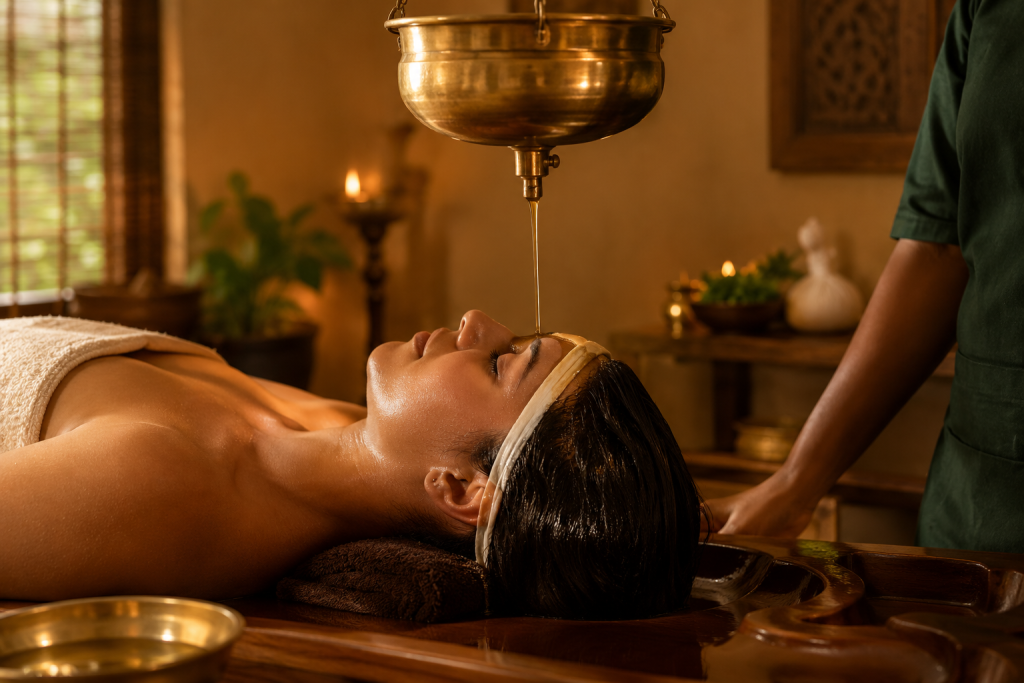
Die besten Retreats kombinieren mehrere bescheidene, bewährte Wirkungen, anstatt einer einzigen “Wundertherapie” hinterherzujagen:
| Therapie | Warum das ein Problem ist | Sicheres Vorgehen |
|---|---|---|
| Heißdampfbad (Swedana), Sauna | Hitze kann zu erhöhten Messwerten führen und zu Dehydrierung führen | Kürzere, angenehmere Trainingseinheiten; Blutdruckmessung vor und nach dem Training |
| Virechana (therapeutische Entleerung) | Flüssigkeits- und Elektrolytverschiebungen, insbesondere unter Diuretika | Wird nur durchgeführt, wenn der morgendliche Blutdruck im Normbereich liegt, unter Einhaltung des Flüssigkeitszufuhrprotokolls |
| Süßholzwurzel (Yashtimadhu) | Es ist bekannt, dass es den Blutdruck erhöht | Nicht geeignet für Gäste mit Bluthochdruck |
| Kopfstand, Schulterstand | Den Druck im Kopf erhöhen | Durch regenerierende Posen ersetzt |
| Atem anhalten (Kumbhaka) | Kann den Blutdruck akut erhöhen | Stattdessen eine langsame Atmung mit langem Ausatmen |
| Längeres Wasser- oder Saftfasten | Probleme mit Elektrolyten und Medikamentendosen | Nur unter ärztlicher Aufsicht |
Ein Retreat, das Ihnen eine solche Liste bereits vor Ihrer Ankunft aushändigt, zeigt Ihnen damit, dass es echte klinische Betreuung praktiziert.
| Länge | Was ist realistisch? | Am besten geeignet für |
|---|---|---|
| 7 Tage | Stressabbau, Verbesserung der Schlafqualität, Aufklärung zum Blutdruck, Ernährungsberatung | Frühzeitiger oder gut eingestellter Bluthochdruck |
| 14 Tage | Messbare Veränderung bei stressbedingten Messwerten; Gewohnheitsbildung | Die meisten Menschen nehmen 1–2 Blutdruckmedikamente ein |
| 21 Tage und mehr | Stoffwechselveränderungen (Gewicht, Insulinsensitivität), die den Blutdruck positiv beeinflussen | Bluthochdruck in Verbindung mit Diabetes, Adipositas oder nach kardiologischer Unbedenklichkeitsbescheinigung |
Länger ist nicht automatisch besser – aber chronischer Bluthochdruck mit mehreren Ursachen lässt sich selten an einem langen Wochenende beeinflussen. Hilfe bei der Budgetplanung finden Sie in unserer Aufschlüsselung von Kosten für Ayurveda-Retreats in Kerala nach Programm und Dauer.
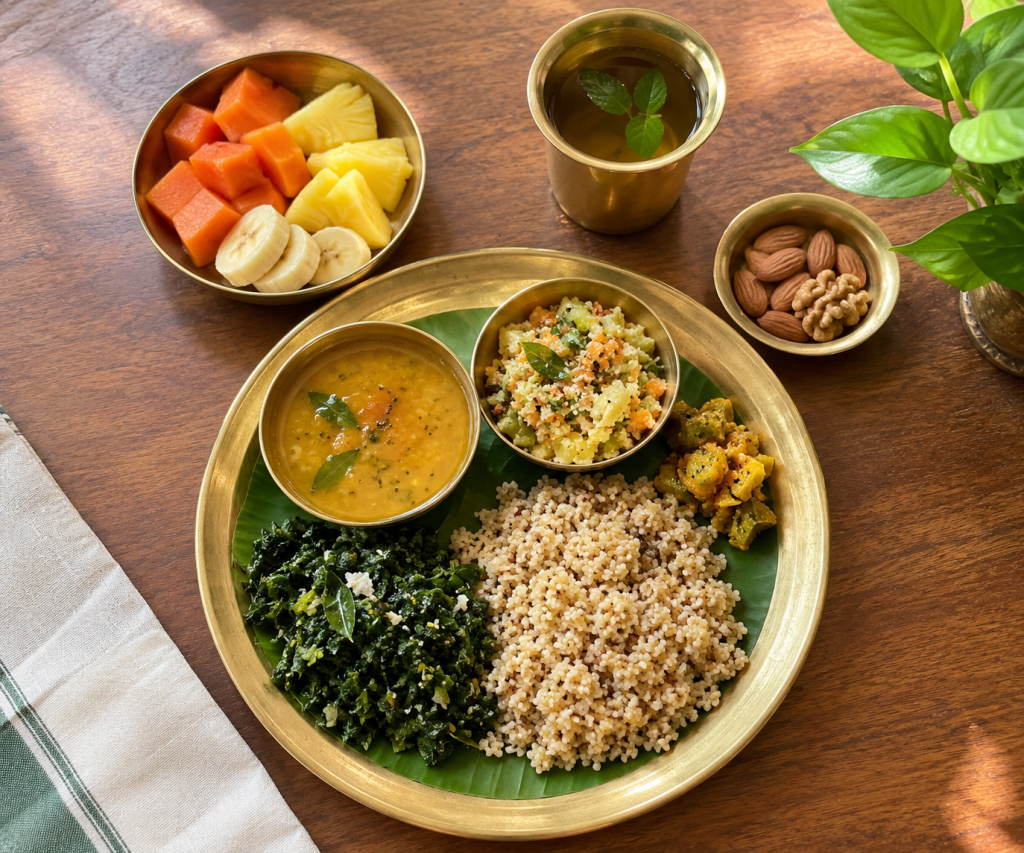
Beispielzeitplan – jeder Plan wird vom behandelnden Arzt festgelegt.
| Zeit | Tätigkeit | Warum dies für BP von Bedeutung ist |
|---|---|---|
| 6:30 Uhr | Blutdruckmessung im Sitzen + langsames Pranayama | Ausgangswert und Vagusnerv-Aktivierung |
| 7:30 Uhr | Sanftes, inversionsfreies Yoga | Verbessert auf sichere Weise den Gefäßtonus |
| 8:30 Uhr | Natriumarmes, kaliumreiches Frühstück | Die DASH-Prinzipien in der Praxis |
| 10:00 Uhr | Ärztevisite | Überprüft die Befunde, passt die Therapien an |
| 11:00 Uhr | Abhyanga oder Shirodhara | Senkt den Spiegel von Stresshormonen |
| 15:30 Uhr | Geführte Waldwanderung | Mäßige aerobe körperliche Aktivität, Aufenthalt in der Natur |
| 17:00 Uhr | Workshop zur Herzgesundheit | Beachten der Packungsbeilage, Blutdruckmessung zu Hause |
| 21:30 Uhr | Bildschirme aus, Lichter aus | Schlaf ist eine Maßnahme zur Blutdruckbehandlung |

A Blutdruck-Kur in Kerala vereint drei Dinge, die anderswo nur schwer an einem Ort zu finden sind: eine lebendige ayurvedische klinische Tradition mit qualifizierten BAMS-Ärzten, NABH-akkreditierte integrative Krankenhäuser, die auch moderne Diagnostik anbieten, und eine ruhige Lage in den Westghats, wo die Reizarme Umgebung Teil der Therapie ist. Für internationale Gäste betragen die Kosten in der Regel nur einen Bruchteil vergleichbarer westlicher stationärer Programme. Leser, die dies mit anderen stressorientierten Behandlungsformen abwägen, vergleichen es oft mit einem Stress- und Burnout-Erholungsprogramm, da chronischer Stress einer der häufigsten versteckten Auslöser für erhöhte Werte ist.
Tipp: Stellen Sie diese Fragen schriftlich. Eine selbstbewusste, konkrete Antwort ist ein deutliches Zeichen für klinische Reife; eine vage Aussage wie “Unsere Therapien sind natürlich und sicher” hingegen nicht.
Sorgen Sie zunächst für eine Stabilisierung – und sprechen Sie mit Ihrem Kardiologen –, wenn einer der folgenden Punkte auf Sie zutrifft:
Sobald Ihr Arzt bestätigt hat, dass Ihr Zustand stabil ist, kann ein betreuter Rückzug ein wirkungsvoller nächster Schritt sein. Um einen umfassenderen Überblick über die Genesung des Herzens zu erhalten, lesen Sie unseren Umfassender Leitfaden zur kardiologischen Rehabilitation.
Fazit: Die besten Kurprogramme bei Bluthochdruck versprechen keine Heilung. Sie bieten Ihnen tägliche medizinische Betreuung, Therapien zur Beruhigung des Nervensystems, eine heilungsfördernde Ernährung und einen Plan, auf den Ihr behandelnder Arzt aufbauen kann – damit Ihr nächster Blutdruckmesswert zu Hause ein besseres Bild vermittelt.
✅ Wichtigste Erkenntnisse
Weiterführende Artikel
Für die meisten Menschen, die Medikamente einnehmen, ist ein von Ärzten geleiteter, zertifizierter integrativer Kuraufenthalt die beste Wahl. Dort wird täglich der Blutdruck gemessen, die Medikamenteneinnahme vor der Verschreibung von Kräutern überprüft und über einen Zeitraum von 14 bis 21 Tagen gemeinsam an Stress, Schlaf, Ernährung und Gewicht gearbeitet. reine Entspannungskurorte können zwar die Stimmung verbessern, führen jedoch selten zu einer langfristigen Veränderung der Messwerte.
Ja, sofern Ihr Blutdruck angemessen eingestellt ist, Ihre Medikation stabil ist, Ihr behandelnder Arzt Ihnen die Teilnahme genehmigt hat und die Kuranstalt eine medizinische Betreuung rund um die Uhr gewährleistet. Die Teilnahme ist nicht geeignet, wenn Ihre Blutdruckwerte über 180/120 mmHg liegen oder Sie in den letzten drei Monaten einen Herzinfarkt oder Schlaganfall erlitten haben.
Nein. Bei einem verantwortungsvollen Retreat nehmen Sie Ihre blutdrucksenkenden Medikamente genau wie verschrieben weiter ein. Wenn sich Ihre Blutdruckwerte verbessern, entscheidet später Ihr behandelnder Arzt – und nicht das Retreat –, ob eine Dosisanpassung angebracht ist.
Es wirkt am besten als Ergänzung zur herkömmlichen Behandlung, nicht als Ersatz dafür. Integrative Programme, die ayurvedische Therapien, Ernährung, Yoga und Stressbewältigung mit der Standardmedikation kombinieren, wurden in Indien untersucht und lieferten vielversprechende Ergebnisse, insbesondere bei stressbedingter und durch den Lebensstil bedingter Hypertonie.
Das ist möglich, wenn die Behandlung individuell angepasst wird. Maßnahmen wie Spülung und Dampfbehandlung werden je nach Ihrem Messwert an diesem Morgen angepasst oder ausgesetzt. Erfahren Sie, was eine betreute Panchakarma-Behandlung in Kerala Informieren Sie sich darüber, bevor Sie buchen.
Shirodhara fördert eine tiefe Entspannung und eine Umstellung auf das beruhigende parasympathische Nervensystem, was besonders dann hilft, wenn Stress ein Hauptfaktor für Ihre Messwerte ist. Es unterstützt die Blutdruckregulierung; es ist jedoch kein eigenständiges Heilmittel.
Achten Sie auf Therapien für das Nervensystem (Shirodhara, Pranayama, Meditation), Beratung und legen Sie besonderen Wert auf einen guten Schlaf – schlechter Schlaf hält den Blutdruck hoch. Siehe Wie Ayurveda und funktionelle Medizin chronische Schlaflosigkeit behandeln.
Ja – und eine gemeinsame Behandlung beider Erkrankungen ist in der Regel erfolgreicher, da Insulinresistenz und Bluthochdruck gemeinsame Ursachen haben. A Programm zur Behandlung von Stoffwechselstörungen wirkt gleichzeitig auf die Faktoren ein, die den Blutzucker, das Gewicht und den Blutdruck beeinflussen.
Ja, mit einigen Anpassungen. Sanftes, regeneratives Yoga und Atemübungen mit langsamer Ausatmung gehören zu den am besten belegten Lebensstilmaßnahmen bei Bluthochdruck; vermeiden Sie Kopf- und Schulterstände sowie das Anhalten des Atems. Probieren Sie es unter Anleitung aus Yoga und naturheilkundliche Therapien.
Die Ergebnisse variieren. Allein durch eine Ernährungsumstellung lassen sich die Blutdruckwerte bei Erwachsenen mit Bluthochdruck um etwa 11/6 mmHg senken; Yoga oder Stressbewältigungstherapien tragen in geringerem Maße dazu bei. Eine dauerhafte Verbesserung hängt davon ab, dass der Plan zu Hause fortgesetzt wird.
Ja. Anerkannte Zentren in Kerala empfangen regelmäßig Gäste aus der Golfregion, Europa und Nordamerika und prüfen westliche Behandlungsansätze im Hinblick auf deren Wechselwirkungen. Einzelheiten zu Visa, Reisevorbereitungen und Konsultationen finden Sie auf der Seite für internationale Patienten.
Ein Ort, an dem eine ruhige, reizarme Umgebung mit echter klinischer Betreuung und Untersuchungen zur Ermittlung der Ursachen – Blutfette, Blutzucker, Nierenfunktion, Stress und Schlaf – einhergeht. Das ist der Ansatz von Funktionsmedizin bei chronischen Erkrankungen in Verbindung mit Ayurveda.
EECP wird hauptsächlich bei Angina pectoris und Durchblutungsstörungen der Herzkranzgefäße eingesetzt; vor der Anwendung muss der Blutdruck unter Kontrolle sein. Ihr Arzt entscheidet über die Eignung – lesen Sie mehr darüber unter EECP-Therapie zur Förderung der Herzdurchblutung.
Sind Sie bereit, Ihren Blutdruck zu senken – und zwar auf sichere Weise?
Teilen Sie uns Ihre Messwerte und Ihre Medikamentenliste mit. Ein Arzt wird Ihre Krankengeschichte prüfen und Ihnen die richtige Programmdauer, Therapien und Vorsichtsmaßnahmen empfehlen – noch bevor Sie auch nur eine einzige Übernachtung buchen.
Einen Arzttermin vereinbaren Sprechen Sie mit dem BetreuungsteamNABH-akkreditiert · Medizinische Betreuung rund um die Uhr · Ihre Medikamente werden unverändert weiter verabreicht
Kaithappoyil, in den Westghats.
Markaz Knowledge City Road, Kaithappoyil, Adivaram, Kerala
Anfahrtsbeschreibung +91 90726 61622 reservation@tigrisvalley.com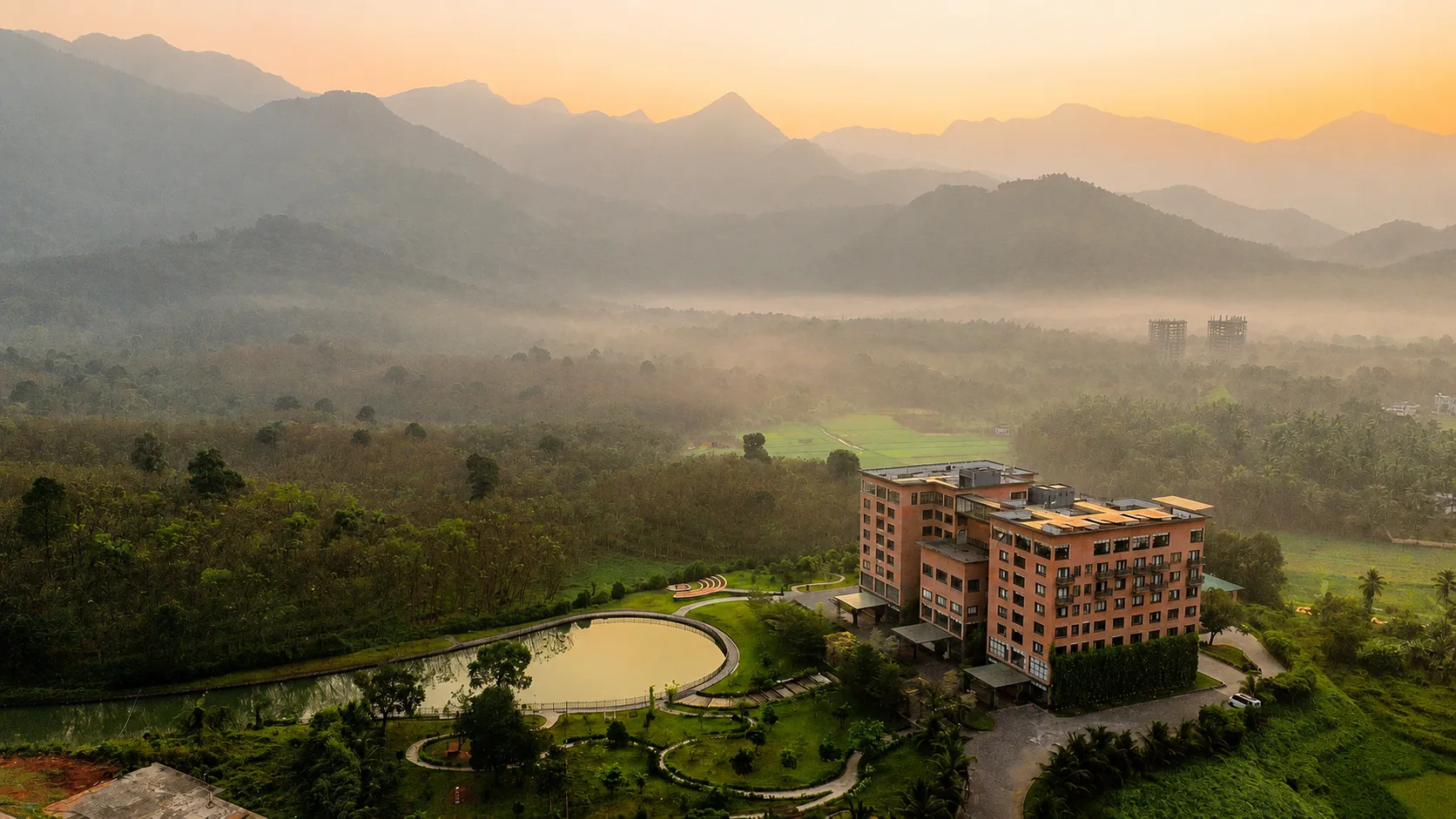
Kaithappoyil, Westghats

Bevor Sie gehen
Ein Arzt liest jede Nachricht. Vereinbaren Sie einen Termin oder senden Sie eine Anfrage – Sie erhalten noch am selben Tag eine Antwort.