
[gtranslate]
MENU
High blood pressure is one of the most common — and most underestimated — conditions of our time. It rarely causes symptoms until the damage is done: a heart attack, a stroke, or irreversible kidney injury. Conventional medicine manages it effectively with lifelong medication, but that comes with its own trade-offs. Panchakarma for high blood pressure offers something different: a time-tested Ayurvedic detoxification system that addresses hypertension at its root — accumulated toxins, chronic stress, nervous system dysregulation, and imbalanced lifestyle. This guide explains exactly how Panchakarma works to bring blood pressure back into a healthy range, naturally and sustainably.

Hypertension — defined as a sustained systolic blood pressure of 130 mmHg or above, or diastolic pressure of 80 mmHg or above — affects approximately 1.28 billion adults worldwide. It is a primary risk factor for coronary artery disease, stroke, heart failure, and chronic kidney disease.
What makes hypertension so dangerous is its silent nature. Most people with high blood pressure experience no symptoms until a serious cardiovascular event occurs. Contributing factors include:
While antihypertensive medications are essential for many patients, there is growing clinical and patient-driven interest in complementary approaches that address these underlying drivers — and Panchakarma is among the most comprehensive available.
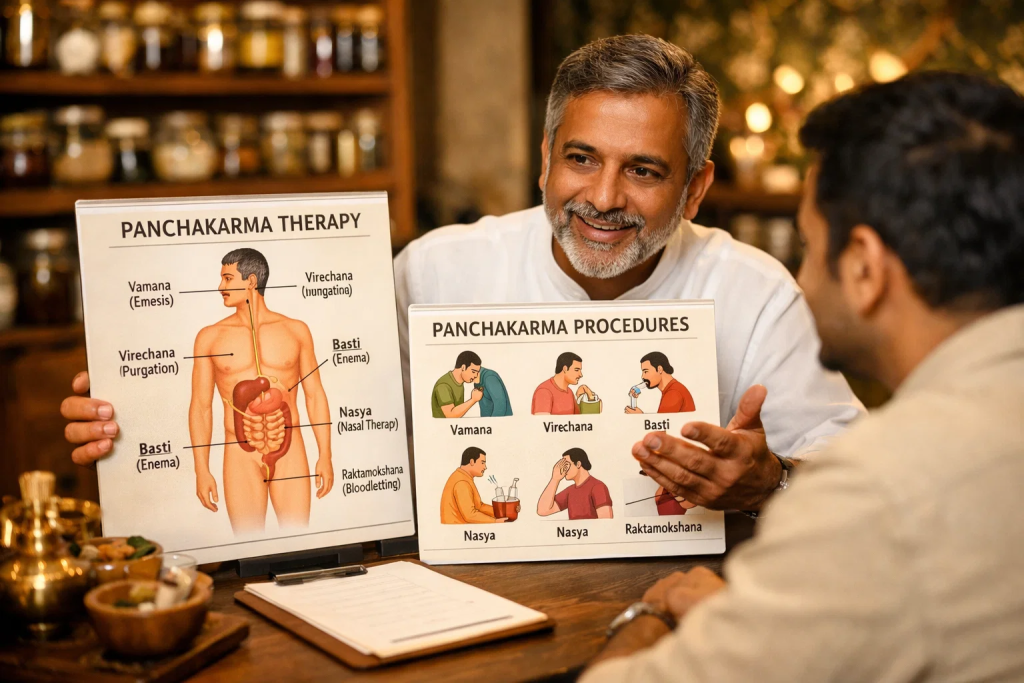
Panchakarma is the cornerstone detoxification and rejuvenation system of Ayurveda, one of the world’s oldest medical traditions. The name derives from two Sanskrit words: Pancha (five) and Karma (actions), referring to five primary therapeutic procedures designed to cleanse the body of accumulated toxins (known as Ama) and restore the natural balance of the three doshas — Vata, Pitta, and Kapha.
The five classical Panchakarma procedures are:
A full Panchakarma programme at Tigris Valley is preceded by Purvakarma (preparatory therapies including Snehana oil therapies and Swedana steam treatments) and followed by Paschatkarma (post-detox rejuvenation). The entire process is carefully supervised by qualified Ayurvedic physicians.
Learn more about this ancient healing system at Tigris Valley’s Ayurveda page.
In Ayurvedic medicine, high blood pressure (Raktagata Vata) is understood as a condition rooted in the aggravation of Vata and Pitta doshas, combined with the accumulation of Ama (undigested metabolic toxins) in the Rasa and Rakta dhatus (plasma and blood tissues).
Key Ayurvedic factors contributing to hypertension include:
Panchakarma addresses all three dimensions simultaneously — removing the Ama that burdens the cardiovascular system, calming aggravated Vata through oil therapies, and cooling Pitta through purgative and dietary interventions. This tri-directional approach is what gives Panchakarma its particular relevance for hypertension management.
Panchakarma for high blood pressure works through several well-defined physiological and systemic mechanisms:
Panchakarma’s preparatory therapies — particularly Abhyanga (full-body oil massage) and Shirodhara (continuous warm oil pouring on the forehead) — activate the parasympathetic nervous system. This shifts the body out of the chronic fight-or-flight state that keeps blood pressure persistently elevated, promoting deep physiological relaxation that directly lowers vascular resistance and heart rate.
The principal Panchakarma procedures, especially Virechana and Basti, facilitate deep-tissue toxin elimination. By clearing Ama from the blood and tissues, these therapies improve endothelial function — the health of the blood vessel lining — which is critical for proper blood pressure regulation. Cleaner blood flows with less resistance, reducing the workload on the heart.
Chronic psychological stress is one of the most significant modifiable risk factors for hypertension. Panchakarma’s combination of medicated oil therapies, herbal treatments, Yoga, and meditation has been clinically associated with reductions in cortisol and adrenaline levels — directly addressing the stress-hypertension connection.
Vata and Pitta imbalances contribute to cardiovascular hyperreactivity in Ayurvedic terms. Basti therapy is the most powerful Vata-pacifying treatment in Ayurveda, calming the nervous system and reducing the erratic nervous impulses that contribute to blood pressure spikes. Virechana, meanwhile, cools and purifies Pitta, reducing arterial inflammation.
This integrative approach is incorporated into Tigris Valley’s Cardio-Metabolic Health & Recovery Program, which combines Panchakarma with functional medicine diagnostics and modern cardiac support.
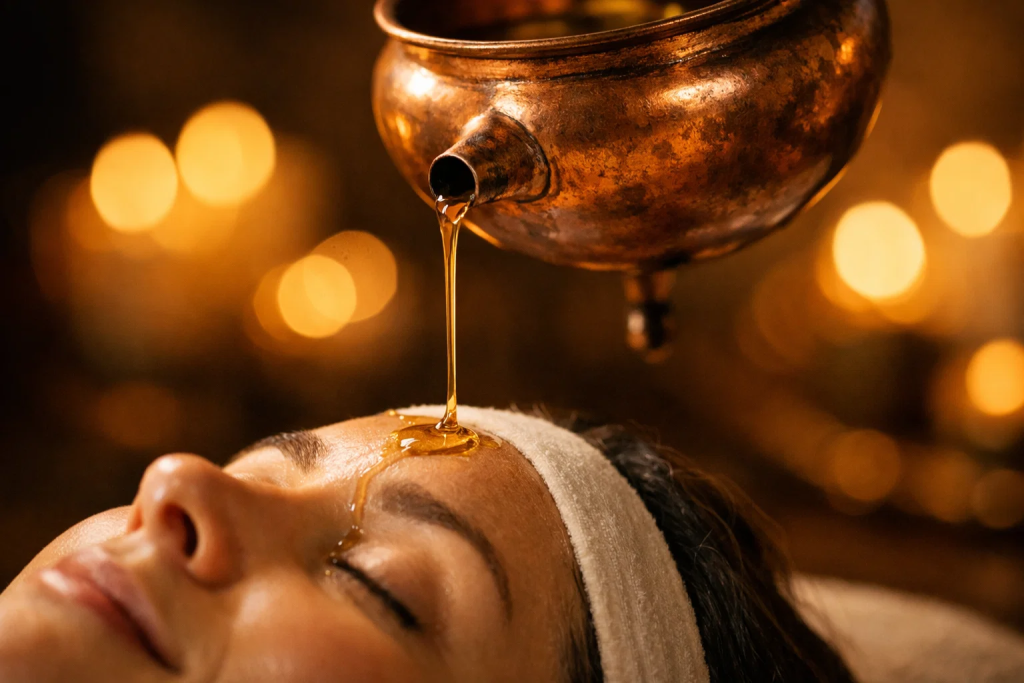
Shirodhara involves a continuous, rhythmic stream of warm medicated oil poured over the forehead — specifically the Ajna marma point (the third eye region). This deeply meditative therapy activates the hypothalamus-pituitary axis, stimulates serotonin and melatonin production, and produces a profound calming effect on the central nervous system.
Clinical relevance: Studies on Shirodhara have demonstrated measurable reductions in systolic and diastolic blood pressure, anxiety scores, and cortisol levels — making it one of the most targeted Ayurvedic interventions for stress-related hypertension.
Abhyanga is a full-body synchronised massage performed by two therapists using warm, medicated herbal oils selected according to the patient’s dosha profile and clinical condition. The rhythmic strokes penetrate deep tissue layers, improving lymphatic drainage, reducing cortisol, enhancing peripheral circulation, and relieving the muscular tension that compounds hypertension.
When performed as part of Panchakarma’s preparatory phase, daily Abhyanga primes the body for deeper detoxification while delivering immediate cardiovascular relaxation benefits.
Virechana uses carefully selected Ayurvedic purgative medicines to facilitate a controlled, gentle cleanse of the gastrointestinal tract and liver. By eliminating Pitta-related toxins from the blood and digestive system, Virechana reduces systemic inflammation, improves hepatic function, and lowers the burden of metabolic waste on the cardiovascular system.
This is particularly beneficial for hypertension patients with concomitant conditions such as high cholesterol, fatty liver, or metabolic syndrome — all of which compound blood pressure dysregulation.
Basti — considered the king of Panchakarma therapies — involves the introduction of medicated oils or herbal decoctions into the colon. Since Vata is primarily governed by the large intestine in Ayurvedic physiology, Basti is the most direct method of calming aggravated Vata. By pacifying the nervous system at its root, Basti reduces vascular hyperreactivity, normalises heart rhythm variability, and promotes sustained blood pressure stability.
Nasya involves the administration of medicated oils or herbal preparations through the nasal passages. The head region in Ayurveda governs the master control of all body systems, and Nasya directly nourishes the Prana Vata — the form of Vata governing the brain and nervous system. For hypertension accompanied by headaches, mental tension, or sleep disturbances, Nasya provides significant therapeutic relief.
Panchakarma treatment for hypertension is always complemented by personalised Ayurvedic herbal formulations. Key herbs with well-documented cardiovascular benefits include:
At Tigris Valley, herbal formulations are personalised to each patient’s prakriti (constitution), dosha imbalance, and comorbid conditions — never applied as a generic protocol.
Beyond blood pressure reduction, Panchakarma delivers a comprehensive constellation of cardiovascular benefits:
These interconnected benefits make Panchakarma one of the most holistically effective approaches available for cardiovascular health maintenance and hypertension management.
A typical Panchakarma programme at Tigris Valley Wellness Retreat for hypertension management spans 14–21 days and follows a structured progression:
Days 1–3: Consultation and Baseline Assessment Comprehensive evaluation including blood pressure monitoring, dosha assessment, dietary analysis, functional medicine diagnostics, and design of a personalised treatment protocol.
Days 4–7: Purvakarma (Preparation Phase) Daily Abhyanga, Swedana (herbal steam therapy), and internal Snehapana (medicated ghee administration) to loosen toxins from deep tissues and prepare the body for elimination.
Days 8–14: Principal Panchakarma Procedures Execution of the primary Panchakarma therapies — Virechana, Basti, Shirodhara, and Nasya — in a carefully sequenced protocol under physician supervision.
Days 15–21: Paschatkarma (Rejuvenation Phase) Rasayana therapy, dietary reintegration, Yoga and meditation, and personalised herbal supplementation to consolidate the therapeutic gains and restore strength.
Tigris Valley guests also benefit from serene mountain surroundings, chef-curated anti-hypertensive meals, nature walks, and access to the full spectrum of AYUSH treatments — creating a genuinely transformative healing environment.
Panchakarma is particularly well-suited for:
Note: Panchakarma is a complementary therapy. Patients on existing antihypertensive medication should not stop or modify their prescriptions without guidance from their attending physician. Tigris Valley’s medical team works in close coordination with patients’ existing healthcare providers to ensure safety.
Panchakarma is not positioned as a permanent cure but as a powerful therapeutic tool for managing and reducing hypertension. Many patients experience significant and sustained blood pressure reductions, particularly when lifestyle modifications — diet, stress management, and regular exercise — are maintained after treatment.
Shirodhara activates the parasympathetic nervous system, stimulates the release of serotonin and GABA, and reduces cortisol levels. These combined effects lower vascular resistance and heart rate, producing measurable reductions in both systolic and diastolic blood pressure.
Yes, with appropriate medical supervision. At Tigris Valley, the Ayurvedic team coordinates with patients’ existing physicians to ensure all Panchakarma treatments are safely compatible with current medications. No herbal prescriptions are issued that could create dangerous interactions without thorough review.
A clinically effective Panchakarma programme for hypertension typically requires 14–21 days. Shorter programmes of 7–10 days can provide preparatory and partial benefits, but the full therapeutic effect of dosha rebalancing and deep detoxification is best achieved with a complete programme.
An Ayurvedic hypertension diet typically includes low-sodium foods, bitter leafy vegetables, whole grains, garlic, flaxseeds, fresh fruits, and cooling herbs like coriander and fennel. Foods that aggravate Pitta and Vata — such as processed foods, excess caffeine, alcohol, and fried foods — are reduced or eliminated.
Abhyanga has been associated with measurable reductions in anxiety, cortisol, and sympathetic nervous system activity — all of which contribute to blood pressure elevation. While it is not a standalone treatment for hypertension, regular Abhyanga as part of Panchakarma provides meaningful cardiovascular support.
Yes. Virechana therapy, liver-supporting herbs like Triphala and Arjuna, and the dietary interventions embedded in Panchakarma programmes collectively address both hypertension and dyslipidaemia. Tigris Valley’s Cardio-Metabolic Health & Recovery Program specifically targets this combination.
Conventional antihypertensive drugs manage blood pressure through specific biochemical mechanisms (diuresis, vasodilation, beta blockade). Panchakarma addresses the root causes — toxin accumulation, dosha imbalance, chronic stress, and lifestyle dysfunction — aiming to restore the body’s natural self-regulatory capacity over time.
Certain Panchakarma procedures require modification or avoidance for patients with severe uncontrolled hypertension, active cardiovascular events, pregnancy, or severe debility. A thorough pre-treatment consultation at Tigris Valley ensures that every programme is safe and appropriately tailored.
Stress is one of the most potent drivers of hypertension, and Panchakarma addresses it comprehensively through Shirodhara, Abhyanga, Yoga, meditation, and herbal nervines. The Stress & Burnout Recovery Program at Tigris Valley specifically combines these elements for patients where psychological stress is a primary contributor to elevated blood pressure.
High blood pressure is not simply a number on a monitor — it is a signal that the body is under sustained physiological strain, whether from accumulated toxins, unresolved stress, poor circulation, or a lifestyle that has drifted away from balance. Medication can bring that number down, but it rarely addresses what drove it up in the first place.
Panchakarma for high blood pressure represents something genuinely different: a comprehensive system of detoxification, nervous system restoration, dosha rebalancing, and cardiovascular nourishment that works with your body’s own intelligence rather than overriding it. Shirodhara calms the system from within. Virechana cleanses the pathways that carry your blood. Basti restores the neurological stability that keeps your vascular system regulated. And the entire programme is personalised — because no two cases of hypertension are identical.
When Panchakarma is delivered in a setting like Tigris Valley — where serene mountain air, expert Ayurvedic physicians, integrative medicine practitioners, and restorative nutrition all converge — the results go far beyond lower readings on a blood pressure cuff. Guests return home with calmer nervous systems, cleaner blood, more resilient hearts, and the practical knowledge to sustain those gains through daily life.
Managing blood pressure is not a lifelong sentence of medication and restriction. With the right approach, it is the beginning of a deeper, more vibrant relationship with your own health.
Begin Your Panchakarma Journey for Heart Health at Tigris Valley
If you are ready to address high blood pressure at its root — not just manage symptoms — our Ayurvedic and functional medicine experts are here to guide you. Every programme at Tigris Valley begins with a thorough consultation and ends with a personalised plan you can sustain long after you leave.
Schedule Your Consultation Today →
You can also explore the Cardio-Metabolic Health & Recovery Program for a comprehensive overview of how Tigris Valley treats hypertension, cardiac health, and metabolic wellness through an integrated, evidence-aligned approach.
Your heart has kept its rhythm your entire life. Now it is your turn to suppo