What is the Role of Nutrition in Managing Autoimmune Diseases?

Living with an autoimmune disease can feel overwhelming—unpredictable flare-ups, chronic inflammation, and constant fatigue disrupt daily life. Conventional treatments often focus on symptom management while overlooking a critical factor: nutrition. The right dietary choices can be transformative, reducing inflammation, strengthening immunity, and restoring balance. Understanding the role of nutrition in managing autoimmune diseases empowers you to take control of your health naturally and effectively.

Bottom Line Up Front: Nutrition is a cornerstone of autoimmune disease management. An anti-inflammatory, nutrient-dense diet can reduce symptoms, prevent flare-ups, and support immune system balance—offering hope beyond pharmaceutical interventions alone.

Understanding Autoimmune Diseases and Their Impact

Autoimmune diseases occur when your immune system mistakenly attacks healthy tissues, causing chronic inflammation and tissue damage. Conditions like rheumatoid arthritis, lupus, psoriasis, Hashimoto’s thyroiditis, multiple sclerosis, and inflammatory bowel disease affect millions globally, significantly impacting quality of life.

The conventional approach typically involves immunosuppressive medications that manage symptoms but often come with side effects. This is where integrative medicine and nutritional therapy emerge as powerful complementary strategies, addressing root causes rather than just symptoms.
Why Nutrition Matters in Autoimmune Disease Management

The Gut-Immune Connection

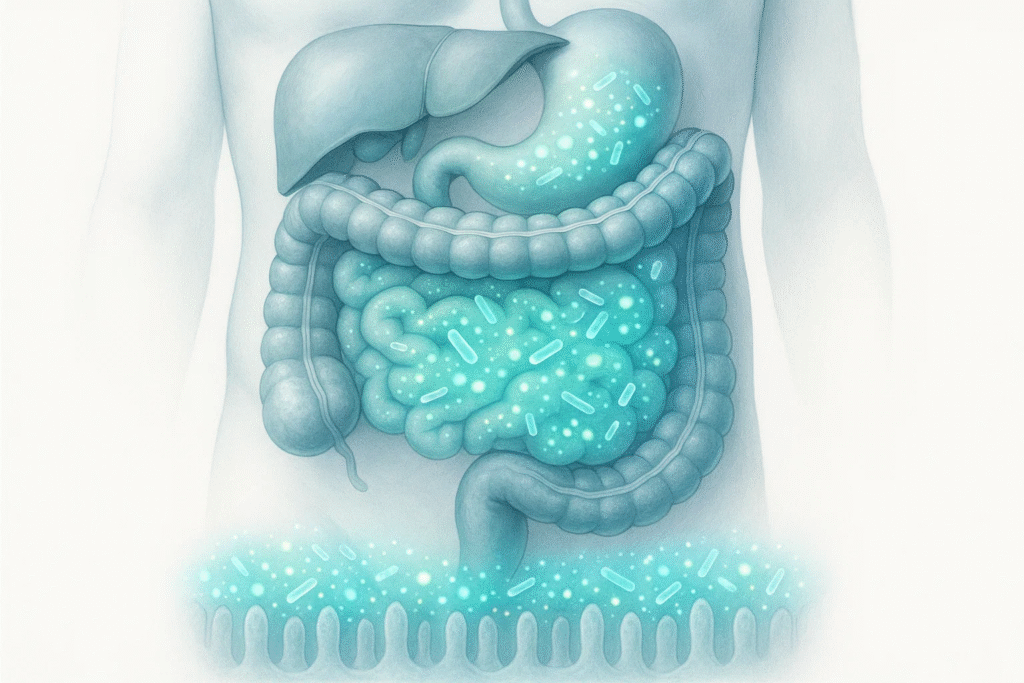
70% of your immune system resides in your gut. The gut microbiome—trillions of bacteria, fungi, and other microorganisms—plays a crucial role in immune function. When gut health is compromised through poor diet, stress, or medications, it can trigger or worsen autoimmune responses.

A condition called ‘leaky gut’ or increased intestinal permeability allows undigested food particles and toxins to enter the bloodstream, potentially triggering immune reactions. Strategic nutrition can heal the gut lining, restore microbial balance, and calm immune system hyperactivity.

Inflammation: The Common Thread

Chronic inflammation is the hallmark of all autoimmune conditions. While acute inflammation is protective, persistent inflammation damages tissues and perpetuates disease. Many foods either promote or combat inflammation, making dietary choices a powerful tool in disease management.
Key Nutritional Strategies for Autoimmune Disease Management

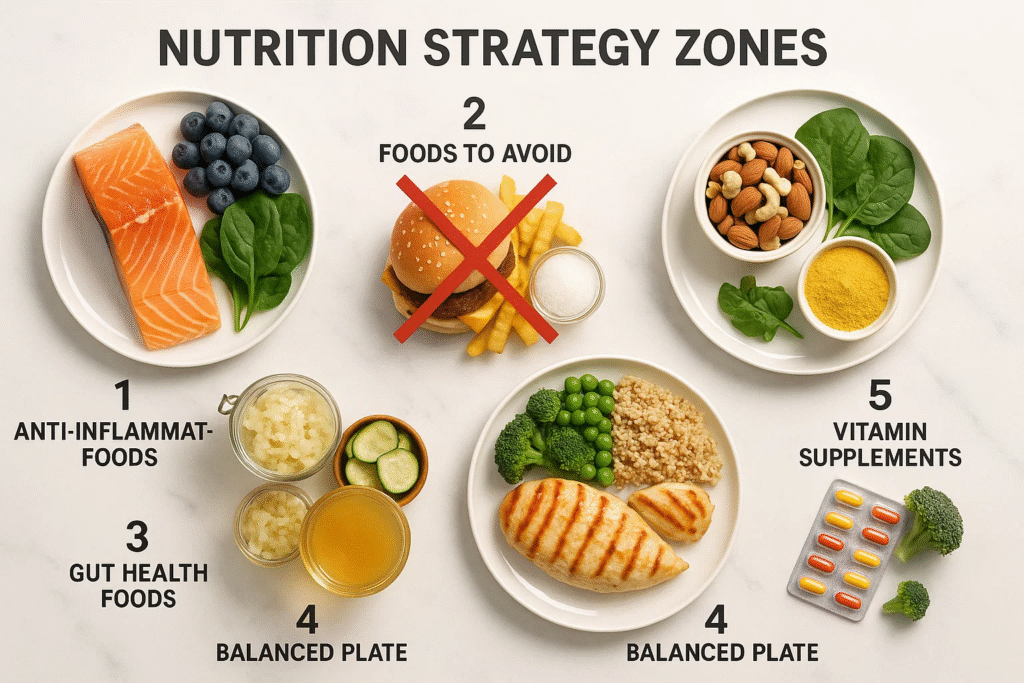
1. Embrace Anti-Inflammatory Foods

The foundation of an autoimmune-friendly diet is reducing inflammation through nutrient-dense, whole foods:

  • Fatty Fish: Salmon, mackerel, sardines rich in omega-3 fatty acids EPA and DHA reduce inflammatory markers
  • Leafy Greens: Spinach, kale, Swiss chard packed with antioxidants and vitamins that combat oxidative stress
  • Colorful Vegetables: Bell peppers, tomatoes, carrots containing phytonutrients with anti-inflammatory properties
  • Berries: Blueberries, strawberries, blackberries loaded with anthocyanins that reduce inflammation
  • Turmeric and Ginger: Powerful anti-inflammatory spices with curcumin and gingerol compounds
  • Olive Oil: Extra virgin olive oil contains oleocanthal, a natural anti-inflammatory compound
  • Green Tea: Rich in polyphenols that modulate immune responses

2. Eliminate Inflammatory Triggers

Certain foods can exacerbate inflammation and trigger autoimmune flare-ups:

  • Refined Sugars and Carbohydrates: Spike blood sugar, promote inflammation, and feed harmful gut bacteria
  • Processed Foods: Contain additives, preservatives, and trans fats that disrupt immune function
  • Gluten: Can trigger inflammation in sensitive individuals, especially those with celiac disease or gluten sensitivity
  • Dairy Products: May worsen symptoms in some autoimmune conditions due to lactose or casein
  • Nightshade Vegetables: Tomatoes, peppers, eggplants can aggravate symptoms in certain individuals
  • Alcohol: Increases intestinal permeability and systemic inflammation

3. Support Gut Health

Healing and maintaining gut integrity is essential for autoimmune disease management:

  • Probiotics: Fermented foods like yogurt, kefir, kimchi, sauerkraut introduce beneficial bacteria
  • Prebiotics: Fiber-rich foods like garlic, onions, asparagus, bananas feed beneficial gut bacteria
  • Bone Broth: Contains collagen and amino acids that repair intestinal lining
  • L-Glutamine: An amino acid that strengthens gut barrier function

4. Balance Blood Sugar Levels

Blood sugar imbalances contribute to inflammation and immune dysfunction. Eating balanced meals with adequate protein, healthy fats, and complex carbohydrates helps stabilize blood sugar, reduce insulin spikes, and minimize inflammatory responses.

5. Ensure Adequate Micronutrient Intake

Several vitamins and minerals play critical roles in immune regulation:
  • Vitamin D: Modulates immune responses; deficiency linked to multiple autoimmune conditions
  • Vitamin A: Supports immune function and gut barrier integrity
  • Zinc: Essential for immune cell function and wound healing
  • Selenium: Antioxidant that reduces oxidative stress and inflammation
  • Magnesium: Calms the nervous system and reduces inflammation
  • B Vitamins: Support energy production and nervous system health

Evidence-Based Dietary Approaches for Autoimmune Diseases

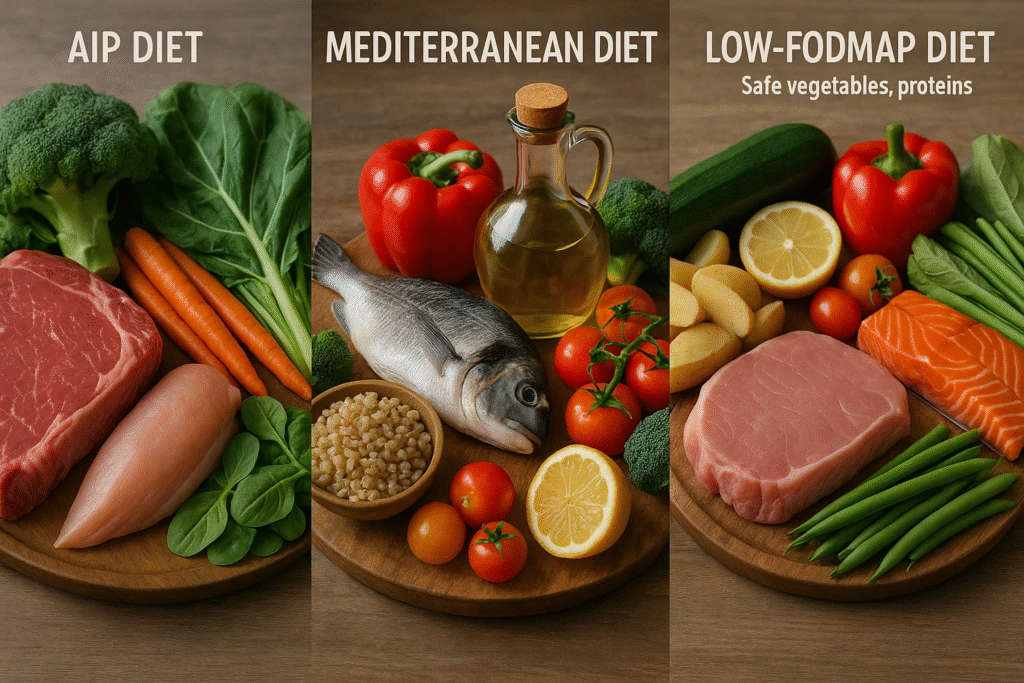
The Autoimmune Protocol (AIP)

The AIP diet is a stricter version of the paleo diet designed specifically for autoimmune conditions. It eliminates potential inflammatory foods and focuses on nutrient-dense options. Research shows AIP can significantly reduce symptoms and improve quality of life in conditions like inflammatory bowel disease and Hashimoto’s thyroiditis.

Mediterranean Diet

Rich in fruits, vegetables, whole grains, fish, and olive oil, the Mediterranean diet has strong anti-inflammatory properties. Multiple studies demonstrate its benefits for reducing autoimmune disease severity and preventing cardiovascular complications common in autoimmune conditions.

Low-FODMAP Diet

For autoimmune conditions with significant digestive symptoms, a low-FODMAP diet can reduce bloating, gas, and abdominal pain by eliminating fermentable carbohydrates that feed problematic gut bacteria.

The Holistic Approach: Beyond Nutrition

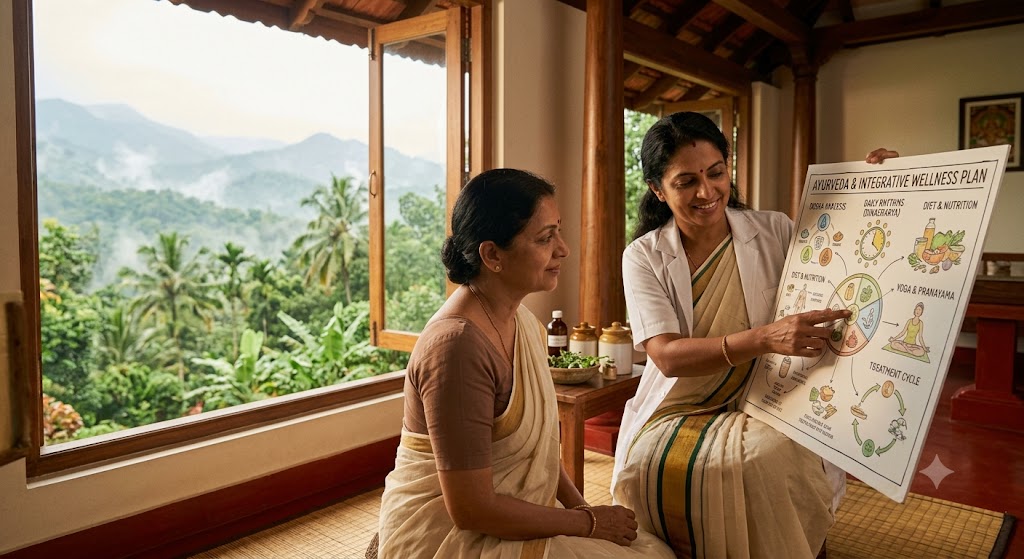
While nutrition is paramount, managing autoimmune diseases requires a comprehensive approach. At Tigris Valley Wellness Retreat, we understand that true healing encompasses mind, body, and spirit.

Our Autoimmune Disorder Management Program combines personalized nutrition plans with Ayurveda, Unani Medicine, Functional Medicine, and Nature Therapy. This integrative approach addresses not just symptoms but root causes, offering:

  • Customized Anti-Inflammatory Meal Plans: Designed by expert nutritionists based on your specific condition
  • Panchakarma Detoxification: Ancient Ayurvedic cleansing to eliminate toxins
  • Herbal Formulations: Natural remedies to regulate immune function
  • Stress Management: Yoga, meditation, and mindfulness practices
  • IV Nutritional Therapy: Delivers essential nutrients directly for maximum absorption

For those dealing with chronic inflammation and pain, our Chronic Pain & Inflammation Management Program offers targeted relief through integrative therapies that work synergistically with optimal nutrition.

Lifestyle Factors That Complement Nutritional Therapy

Stress Management

Chronic stress elevates cortisol, weakens immune function, and triggers inflammation. Our Stress & Burnout Recovery Program teaches sustainable stress reduction techniques essential for autoimmune disease management.

Quality Sleep

Sleep is when your body repairs and regenerates. Poor sleep disrupts immune function and increases inflammatory markers. Aim for 7-9 hours of quality sleep nightly in a cool, dark environment.

Regular Movement

Gentle exercise like yoga, swimming, or walking reduces inflammation and improves mood without overtaxing the body. Our nature-based therapies incorporate movement in serene surroundings, enhancing both physical and mental wellbeing.

Toxin Reduction

Environmental toxins from cleaning products, personal care items, and pollution contribute to immune dysregulation. Our Detox & Cleanse Program helps eliminate accumulated toxins while teaching sustainable practices for minimizing future exposure.

Practical Implementation: Getting Started with Nutritional Therapy

Step 1: Identify Your Triggers

Keep a detailed food diary tracking meals, symptoms, and flare-ups for 2-4 weeks. This helps identify specific food sensitivities and patterns. Consider working with a healthcare provider for comprehensive food sensitivity testing.

Step 2: Start with Elimination

Remove common inflammatory foods for 30-60 days: gluten, dairy, processed sugar, alcohol, and processed foods. This ‘reset’ allows your body to heal and establishes a baseline for reintroductions.

Step 3: Reintroduce Systematically

After the elimination phase, reintroduce foods one at a time every 3-5 days, monitoring for reactions. This identifies which foods you can tolerate and which worsen symptoms.

Step 4: Build Your Healing Protocol

Create a sustainable eating plan focused on tolerated anti-inflammatory foods. Prioritize variety, organic when possible, and adequate protein and healthy fats at each meal.

Step 5: Consider Professional Guidance

Working with integrative medicine practitioners ensures personalized protocols. At Tigris Valley, our Metabolic Disorder Management Program includes comprehensive nutritional counseling alongside medical treatments for optimal results.

Real Results: The Transformative Power of Nutrition

Research consistently demonstrates nutrition’s impact on autoimmune diseases. Studies on rheumatoid arthritis patients following anti-inflammatory diets show significant reductions in joint pain, swelling, and morning stiffness. Lupus patients adopting Mediterranean-style eating experience fewer flare-ups and improved cardiovascular markers.

At Tigris Valley, guests in our holistic programs report dramatic improvements—reduced medication dependence, enhanced energy levels, decreased pain, and improved quality of life. Our Anti-Aging & Longevity Program demonstrates that proper nutrition combined with stress management and detoxification creates lasting wellness transformation.

Prevention: Reducing Autoimmune Disease Risk

For those with family history or early autoimmune markers, preventive nutritional strategies can delay or even prevent disease onset. Focus on maintaining gut health, minimizing inflammatory foods, managing stress, and supporting optimal vitamin D levels from an early age.

Integrating Nutrition with Other Healing Modalities

Nutrition works synergistically with other therapeutic approaches:

  • Ayurvedic Medicine: Personalized dosha-balancing diets complement herbal treatments
  • Unani Medicine: Traditional dietary therapies restore humoral balance
  • Functional Medicine: Advanced testing identifies specific nutritional deficiencies
  • Nature Therapy: Fresh, organic mountain air enhances nutrient absorption and healing

Your Journey to Healing Starts with Nutrition

Managing autoimmune diseases naturally through nutrition is not just possible—it’s powerful. By understanding the role of nutrition in managing autoimmune diseases and implementing strategic dietary changes, you can reduce inflammation, strengthen immunity, and reclaim your vitality.

At Tigris Valley Wellness Retreat, nestled in Kerala’s serene mountains, we provide the perfect environment for healing transformation. Our integrative approach combines ancient wisdom with modern science, offering personalized nutrition plans within comprehensive wellness programs.

Whether you’re seeking relief from chronic symptoms, prevention strategies, or post-recovery support, our expert team creates customized protocols addressing your unique needs. From our Cancer Support & Palliative Care Program to our Cardio-Metabolic Health & Recovery Program, nutrition forms the foundation of every healing journey.

Key Takeaways

  • Nutrition profoundly impacts autoimmune disease progression and symptom severity
  • The gut-immune connection makes digestive health crucial for immune regulation
  • Anti-inflammatory foods reduce symptoms while inflammatory foods trigger flare-ups
  • Evidence-based diets like AIP and Mediterranean eating show significant clinical benefits
  • Micronutrient optimization supports immune system balance
  • Combining nutrition with stress management, sleep, and movement amplifies healing
  • Professional guidance ensures personalized, effective protocols

Frequently Asked Questions

Can diet alone cure autoimmune diseases?

While diet cannot ‘cure’ autoimmune diseases, it can significantly reduce symptoms, prevent flare-ups, and improve quality of life. Many patients achieve remission through comprehensive lifestyle changes including optimal nutrition, though medical supervision remains important for disease monitoring.

What is the best diet for autoimmune disorders?

The best diet varies by individual and condition. The Autoimmune Protocol (AIP), Mediterranean diet, and anti-inflammatory approaches show strong evidence. Working with healthcare providers to identify personal triggers and sensitivities creates the most effective plan.

How long does it take to see results from dietary changes?

Most people notice improvements within 2-4 weeks of eliminating inflammatory foods, though significant changes may take 3-6 months. Gut healing and immune system rebalancing require patience and consistency.

Should I eliminate gluten if I have an autoimmune disease?

Many autoimmune patients benefit from gluten elimination, especially those with celiac disease, Hashimoto’s, or rheumatoid arthritis. A trial elimination (30-60 days) followed by reintroduction helps determine individual sensitivity.

Are supplements necessary for managing autoimmune conditions?

While food should be the primary source of nutrients, targeted supplementation often helps address deficiencies common in autoimmune diseases—particularly vitamin D, omega-3s, probiotics, and certain minerals. Professional testing identifies specific needs.

Can nutrition help reduce medication dependence?

Many patients successfully reduce medication dosages under medical supervision as symptoms improve with nutritional therapy. However, never discontinue prescribed medications without consulting your healthcare provider.

What foods help strengthen immune system in autoimmune diseases?

Focus on nutrient-dense foods that modulate rather than stimulate immunity: fatty fish, leafy greens, colorful vegetables, berries, bone broth, fermented foods, and anti-inflammatory spices like turmeric and ginger.

How does gut health influence autoimmune disease progression?

The gut houses 70% of immune cells and influences systemic inflammation. Compromised gut barrier function (‘leaky gut’) allows inflammatory compounds into bloodstream, triggering immune responses. Healing gut lining through nutrition reduces autoimmune activity.

Can stress affect nutrition absorption in autoimmune patients?

Yes, chronic stress impairs digestion, reduces nutrient absorption, and increases inflammation. Combining nutritional therapy with stress management—through programs like our Stress & Burnout Recovery Program—optimizes healing outcomes.

What role do omega-3 fatty acids play in autoimmune disease management?

Omega-3s (EPA and DHA) possess potent anti-inflammatory properties, reducing production of inflammatory cytokines. Research shows they decrease disease activity in rheumatoid arthritis, lupus, and inflammatory bowel disease.

Is it beneficial to follow an anti-inflammatory eating plan long-term?

Absolutely. An anti-inflammatory diet provides lasting benefits for autoimmune disease management—reducing flare-up frequency, improving overall health, and preventing secondary complications. It becomes a sustainable lifestyle rather than temporary intervention.

Take Control of Your Health Today

Understanding and implementing the role of nutrition in managing autoimmune diseases empowers you to take an active role in your healing journey. The food on your plate becomes medicine, reducing inflammation, supporting immune balance, and restoring vitality.

Ready to transform your health through integrative, personalized care? Schedule a consultation with our expert team at Tigris Valley Wellness Retreat. Experience the healing power of combining optimal nutrition with ancient wisdom and modern science in our serene mountain sanctuary.

Your journey to balanced health begins with a single step.

Share on:

Dr. Faheem Najeeb

Dr. Faheem is a Functional & Integrative Medicine Practitioner, Palliative Care Physician and Emergency Medicine Specialist. He is also the Medical Director of Tigris Valley, a leading destination for personalized healing and preventive healthcare in Kerala, India.

With over a decade of clinical experience and combining modern medicine with nutritional science he treats people dealing with autoimmune conditions, chronic lifestyle diseases, and cancer.

Vanaparvam Biodiversity Park

Unleash your curiosity at Vanaparvam Biodiversity Park, a vibrant living museum in the heart of Kerala. This 112-acre park is a collector’s dream, sheltering over 2,300 species of rare plants, exotic orchids, and medicinal flora. Meandering footpaths guide visitors through bamboo forests, butterfly gardens, and the unique “Nakshatra Vanam”—where trees represent the stars, inviting all to discover their zodiac connection with nature.​

Each step through Vanaparvam is a step into a thriving ecological symphony. Wooden bridges arch over gentle streams, shaded benches invite quiet reflection, and children’s laughter echoes from botanical learning corners. The park’s tranquil ambience makes it perfect for families, nature enthusiasts, or anyone seeking to reconnect with earth’s wild heart. Every visit promises new discoveries—whether you’re hunting for rare blooms or losing track of time under a forest canopy.​

Kozhikode Thusharagiri Waterfalls

Thusharagiri Waterfalls is where nature performs its masterpiece—three dazzling cascades pouring down rocky cliffs, filling the valley with a melody of gushing water and cool mist. True to its name, meaning “snow-capped mountains”, the waterfalls cloak visitors in an ethereal spray, evoking the magic of a hidden Himalayan land. Thick forests envelop the falls, creating a lush sanctuary for birds, butterflies, and explorers thrilled by the adventure of trekking through unspoiled wilderness.​

For those seeking peace, Thusharagiri offers tranquil picnic spots beside sparkling pools, where time seems to pause and the only soundtrack is the rush of water and birdsong overhead. Adventurous spirits can challenge forest trails, crossing bamboo bridges and discovering secret viewpoints. Whether chasing waterfalls or soaking in the scenery, Thusharagiri is a sensory escape that will leave visitors both rejuvenated and in awe of Kerala’s raw natural beauty.​

Banasura Sagar Dam

Experience the grandeur of India’s largest earth dam at Banasura Sagar, where engineering marvel and natural beauty collide. A panorama of glistening waters—dotted with tiny emerald islets—spreads out beneath imposing hills, creating one of Wayanad’s most stunning vistas. Here, adventure blends with tranquility: visitors can embark on thrilling boat rides, enjoy breezy treks, or simply relax and soak in the awe-inspiring views.​

Banasura Sagar is more than just a dam—it’s a place steeped in legend and wrapped in the harmony of rolling hills and dense forests. Myths speak of King Banasura, adding an air of mystique to the already magical location. With every sunrise and sunset casting new colors across the water, this is a destination where the spirit of nature and the imagination of visitors soar unhindered.​

Chembra Peak

Climb to the clouds with a trek to Chembra Peak, Wayanad’s highest summit and a beacon for adventure lovers. At 2,100 meters, the invigorating climb weaves through tea plantations, wild grasslands, and wooded slopes, every step unveiling new vistas of breathtaking beauty. The journey’s crown jewel is the legendary heart-shaped lake—nestled high among the hills and perpetually shrouded in mist—a symbol of enduring love and the magic of the wild.​

The views from Chembra Peak are unrivaled, stretching across endless blue mountains and sparkling valleys far below. Trekking here is more than a physical adventure—it’s a soul-stirring experience, connecting explorers with the rhythm of the earth and the melody of the breeze. Whether savoring sunrise from the summit or simply marveling at the lush expanse, Chembra Peak promises inspiration for dreamers, lovers, and all who seek the extraordinary.​

Wildlife

Venture into the untamed wilds of Wayanad, where life pulses with each birdcall, each rustle of leaves, and each distant trumpet of elephants. The region’s wildlife sanctuaries are a true Eden—spacious havens where Asian elephants, Bengal tigers, Malabar giant squirrels, and countless exotic species roam free among teak and rosewood giants. Jeep safaris and eco-walks invite discovery, promising a firsthand glimpse of nature at its most raw and majestic.​

For families, wildlife enthusiasts, and adventurers, a day spent here is a treasure trove of memories: spotting herds of deer, pausing for butterflies, and witnessing the harmonious ballet of creatures great and small. In Wayanad’s wild heart, every encounter tells a story, every pathway leads to wonder, and every visitor departs with a newfound reverence for the planet’s extraordinary diversity.

Unravel the Mystique of Edakkal Caves

Step into the enigmatic world of the Edakkal Caves, where history whispers through ancient stone carvings perched high on Ambukuthi Hill. These aren’t just caves—they’re natural rock shelters formed when a massive boulder was wedged between two giants, creating a mystical passage to the past. As you trek up lush, green trails, anticipation heightens with every step until you’re greeted by awe-inspiring petroglyphs—carvings of humans, animals, and mysterious symbols—that date as far back as 6,000 BCE. The sheer scale and mystery of the engravings have captivated archaeologists and adventurers alike, with links to the Indus Valley Civilization adding an extra layer of intrigue.​

But Edakkal is more than an archaeological marvel; it’s an experience that fuses story with adventure. Legends say the caves were formed by the arrows of Lord Rama’s sons—myth woven with reality! The trek itself is a sensory delight, winding through coffee plantations and vibrant forest, rewarded by panoramic views from the summit. Inside, every mark and figure carved into the walls reveals tales of a civilization lost to time. For anyone passionate about discovery, the Edakkal Caves promise an unforgettable, almost magical journey into the very soul of human history.​

Immerse Yourself in the Serenity of Kuruva Island

Discover the untouched paradise of Kuruva Island, a 950-acre wonderland floating gently in the Kabini River. Here, ancient trees stretch their limbs skyward, bamboo rafts meander across quiet, winding waters, and rare orchids bloom in riotous color. Each step transports you further from the noise of the world and deeper into a haven teeming with vibrant flora, wild herbs, and the melodic calls of exotic birds.​

Kuruva Island is an adventure in serenity—a lush labyrinth where time stands still and every sound is the song of nature. Follow winding trails shaded by towering trees and cross rustic wooden bridges to discover hidden groves, secret beaches, and tranquil riverbanks. Explorers and solitude-seekers alike will find themselves enchanted by the sense of discovery in every corner of this untouched sanctuary.​

Delight in the Serene Beauty of Pookode Lake

Lose yourself in the serene embrace of Pookode Lake, where shimmering waters mirror the emerald hills and dense forests that surround it. This enchanting freshwater lake invites you to glide across its surface in a rowboat, while lush greenery whispers its secrets and playful birds create a symphony overhead. The air is cool and crisp, scented with earth and the promise of adventure, making every moment here pure, unfiltered bliss.​

Pookode Lake is not just a feast for the senses—it’s a sanctuary for the soul. Nature trails wind along its edge, each path revealing vibrant wildflowers, hidden nooks, and mesmerizing views. For families, romantics, and dreamers, the magic of Pookode is undeniable: sunbeams dancing on water, the call of a kingfisher, and a sense of peace that lingers long after the visit ends.​
html[lang="ar"] body { direction: rtl; text-align: right; }