
[gtranslate]
MENU
Are you confused between functional medicine and integrative medicine? You’re not alone. Many people struggle with chronic health issues despite following conventional medical advice. The question is: which holistic approach truly addresses the root cause of your condition?
Whether you’re dealing with persistent fatigue, unexplained pain, digestive issues, or chronic diseases that haven’t responded to traditional treatments, understanding the difference between functional and integrative medicine can be life changing.
This comprehensive guide reveals the key differences between functional and integrative medicine, helping you make an informed decision for your wellness journey.

Functional medicine is a patient centered, science based approach that focuses on identifying and addressing the root causes of disease. Unlike conventional medicine, which often treats symptoms with medications or surgery, functional medicine practitioners dig deeper to understand why the symptoms are occurring in the first place.
Think of conventional medicine as turning off a car’s “check engine” light without actually fixing the engine problem. Functional medicine, on the other hand, opens the hood, runs comprehensive diagnostics, and repairs the actual mechanical issues causing the warning light to illuminate.
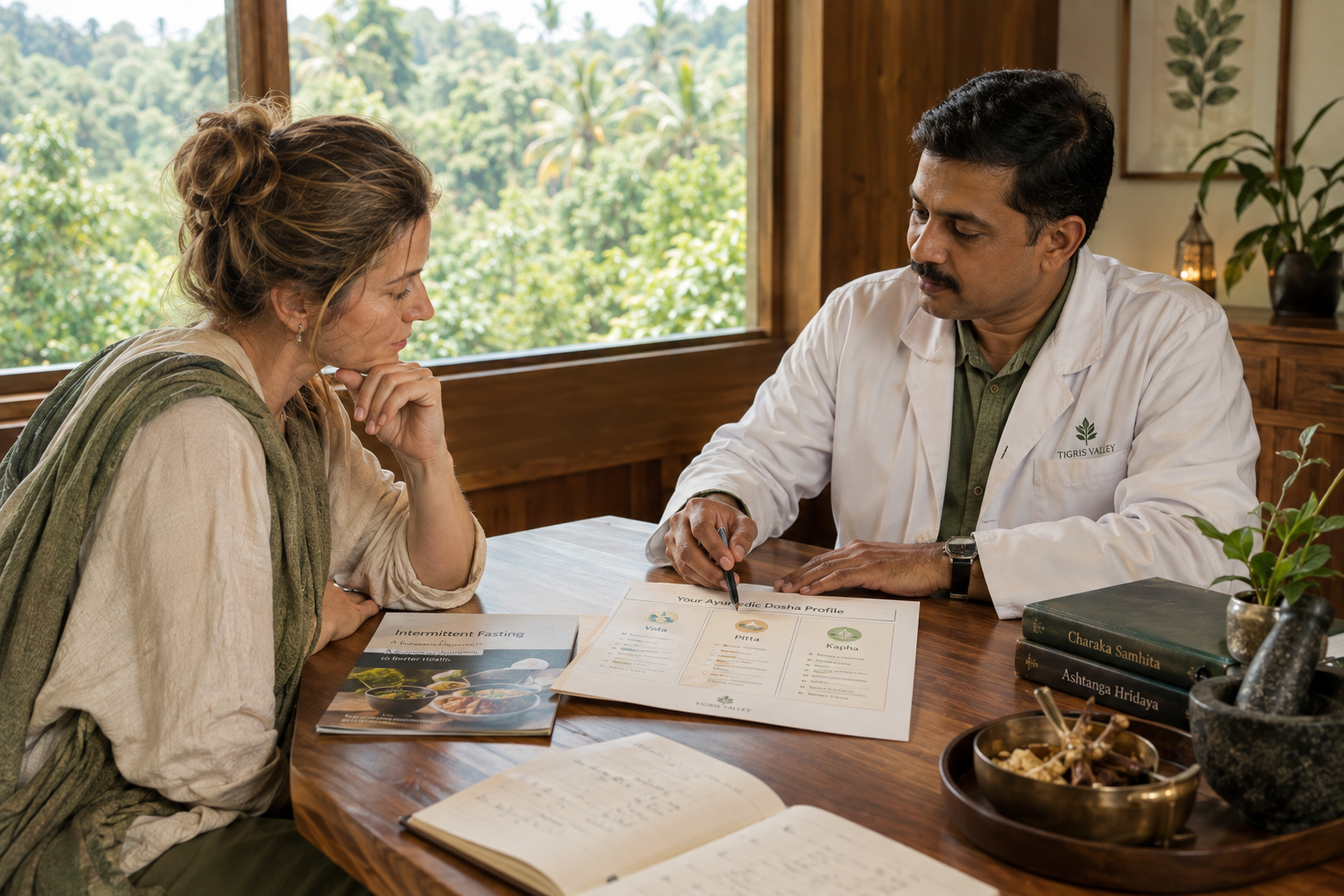
At Tigris Valley wellness retreat, we embrace functional medicine principles by conducting comprehensive diagnostic assessments that examine hormonal profiles, oxidative stress markers, inflammation levels, and gut health. This thorough analysis allows us to create personalized treatment protocols that target the underlying imbalances causing your health issues.
• Root Cause Resolution: Identifies biochemical and physiological imbalances rather than just managing symptoms
• Systems Biology Approach: Views the body as an interconnected system where dysfunction in one area affects others
• Personalized Treatment: Recognizes biochemical individuality and creates customized protocols based on advanced testing
• Prevention Focus: Emphasizes optimizing health before disease develops
• Evidence Based Interventions: Uses cutting edge testing and research backed therapies
One of the defining features of functional medicine is its sophisticated diagnostic approach. Rather than relying solely on basic blood panels, functional medicine uses advanced testing including:
Our functional medicine treatments in Kerala include advanced therapies such as IV nutritional therapy, ozone therapy, colon hydrotherapy, and targeted supplementation. Learn more about benefits of functional medicine and how it can transform your health.

Integrative medicine combines conventional Western medicine with complementary and alternative therapies to treat the whole person body, mind, and spirit. This approach recognizes that healing involves more than just physical interventions and incorporates practices from Ayurveda, Unani medicine, yoga, meditation, and nature therapy.
The philosophy of integrative medicine rests on the understanding that human beings are complex organisms existing within physical, emotional, mental, social, and spiritual dimensions. Disease rarely affects just one dimension a physical illness impacts emotional wellbeing, chronic stress manifests as physical symptoms, and spiritual disconnection can contribute to mental health challenges.
What makes integrative medicine unique is its emphasis on the therapeutic relationship between practitioner and patient, alongside evidence based treatments from multiple healing traditions. Unlike functional medicine’s primary focus on biochemistry and systems biology, integrative medicine takes a broader view that includes emotional, social, and spiritual dimensions of health.
• Whole Person Care: Addresses physical, emotional, mental, spiritual, and social factors
• Partnership Based: Patients and practitioners work together as partners in healing
• Multiple Modalities: Combines the best of conventional and complementary therapies from diverse healing traditions
• Natural Healing: Promotes the body’s inherent healing abilities using less invasive interventions when possible
• Prevention and Wellness: Focuses on maintaining health and preventing disease through lifestyle
• Evidence Informed Practice: Uses both scientific research and traditional healing wisdom validated through centuries of use
At Tigris Valley, our integrative approach draws from ancient healing wisdom while incorporating modern diagnostic capabilities. Explore what is holistic medicine and understand the comprehensive difference between holistic vs modern Western medicine.
While both approaches prioritize root cause healing and patient centered care, they differ in scope and methodology. Understanding these distinctions helps you choose the right healing path for your specific health needs.
The primary distinction lies in their focus and scope. Functional medicine primarily operates within the biomedical model, using advanced scientific understanding of biochemistry, genetics, and physiology to identify and correct imbalances. Integrative medicine takes a broader view that encompasses not just the physical body but also emotional, mental, social, and spiritual dimensions of health.
| Aspect | Functional Medicine | Integrative Medicine |
|---|---|---|
| Primary Focus | Biochemical and physiological systems | Mind body spirit connection |
| Diagnostic Approach | Advanced lab testing, biomarkers, genetic analysis | Conventional tests + traditional assessments |
| Treatment Modalities | Targeted supplements, IV therapy, specialized protocols | Multiple healing traditions, lifestyle medicine, mind body practices |
| Best For | Complex chronic conditions, metabolic disorders, autoimmune diseases | Holistic wellness, stress related issues, chronic pain |
| Scope | Narrower, biology focused | Broader, whole person focused |
| Time Frame | Often 3-6 months for significant improvement | Varies; some benefits immediate, others gradual |

Functional medicine practitioners use sophisticated diagnostic tools to uncover hidden imbalances. For example, when treating diabetes, a functional medicine approach examines insulin resistance, inflammation markers, gut health, hormonal balance, and nutritional deficiencies not just blood sugar levels.
Common functional medicine interventions include:
• IV Nutritional Therapy: Delivers essential nutrients directly to cells for faster recovery, bypassing digestive absorption issues
• Ozone Therapy: Enhances oxygenation, reduces inflammation, and supports detoxification
• Gut Health Restoration: Heals intestinal permeability and optimizes microbiome balance through the “4R Program” Remove, Replace, Reinoculate, and Repair
• Hormonal Optimization: Balances thyroid, adrenal, and reproductive hormones naturally using bioidentical hormones, adaptogenic herbs, and targeted nutrients
• Targeted Supplementation: Addresses specific nutrient deficiencies identified through testing rather than generic multivitamins
• Detoxification Protocols: Supports the body’s natural detoxification pathways through liver support and enhanced elimination
Integrative medicine recognizes that emotional stress, lifestyle factors, and spiritual disconnection significantly impact physical health. When treating conditions like chronic pain or psoriasis, an integrative approach combines physical treatments with mind body therapies to address all contributing factors.
Common integrative medicine modalities include:
• Ayurvedic Therapies: Panchakarma detox, Abhyanga massage, herbal medicine for constitutional balance (explore Ayurveda treatment benefits)
• Yoga and Meditation: Reduces stress hormones, improves nervous system regulation, and enhances emotional balance
• Nature Therapy: Forest bathing, hydrotherapy, outdoor mindfulness practices that reduce cortisol and improve immune function
• Acupuncture and Traditional Chinese Medicine: Balances energy flow through endorphin release and nervous system modulation
• Mind Body Counseling: Cognitive behavioral techniques, breathwork, stress management coaching
• Nutritional Medicine: Therapeutic diets tailored to individual needs, healing foods, and elimination of dietary triggers

The truth is, you don’t have to choose just one. The most effective healing often occurs when functional and integrative medicine principles work together. However, understanding each approach helps you make informed decisions about your care.
• You have complex chronic conditions that haven’t responded to conventional treatment
• You want detailed lab testing to identify specific biochemical imbalances
• You prefer science based, protocol driven interventions with clear biochemical rationales
• You’re dealing with metabolic issues, autoimmune conditions, or hormonal disorders requiring precise targeting
• You’re seeking whole person healing that addresses mind, body, and spirit
• You value traditional healing practices alongside modern medicine
• You prefer less invasive, natural interventions when possible
• You’re managing stress related conditions, chronic pain, or seeking preventive wellness
• You recognize that emotional, social, or spiritual factors contribute significantly to your health challenges
At Tigris Valley, we believe the most powerful healing occurs when you combine the precision of functional medicine with the wisdom of integrative healing traditions. Our programs seamlessly blend advanced diagnostics, targeted interventions, ancient Ayurvedic therapies, and holistic lifestyle practices.
Whether you’re recovering from stress and burnout, seeking body detoxification, managing cardiovascular issues, or pursuing comprehensive wellness, our multidisciplinary team creates personalized treatment plans that honor your unique biochemistry while addressing your whole person needs.
• Comprehensive Diagnostic Assessment: Advanced lab testing combined with traditional Ayurvedic pulse diagnosis and constitutional analysis
• Functional Medicine Interventions: IV therapy, ozone treatment, targeted supplements, hormonal optimization, gut health protocols, and detoxification support
• Ayurvedic Healing Therapies: Panchakarma detox, therapeutic massages (Abhyanga, Shirodhara), herbal medicine protocols, and constitutional balancing
• Mind Body Practices: Yoga tailored to your constitution, meditation and breathwork training, cognitive behavioral techniques, and emotional release work
• Nature Based Healing: Forest therapy, hydrotherapy using pristine mountain water, outdoor mindfulness practices, and mountain air rejuvenation in our serene Kerala retreat
• Personalized Nutrition: Anti inflammatory meal plans, gut healing protocols, metabolic optimization diets, and Ayurvedic constitutional eating guidelines
Discover how our chronic pain and inflammation management program and detox and cleanse program blend both approaches for transformative results. Learn about how to recover from burnout and explore our specialized stroke rehabilitation treatments.
A 52 year old executive came to Tigris Valley with metabolic syndrome high blood pressure, elevated blood sugar, high triglycerides, and abdominal obesity. Conventional treatment had focused on multiple medications but hadn’t addressed the underlying causes.
Our integrated approach included:
Within three months, his blood sugar normalized, blood pressure dropped to healthy levels, he lost 15 kilograms, energy increased dramatically, and he reduced medications significantly under medical supervision.

Understanding the difference between functional and integrative medicine empowers you to make informed decisions about your health journey. While functional medicine excels at identifying and correcting biochemical imbalances, integrative medicine offers comprehensive whole person healing that addresses the interconnected nature of body, mind, and spirit.
The most powerful healing happens when we combine both approaches using the precision of modern functional medicine diagnostics with the timeless wisdom of holistic healing traditions. At Tigris Valley, this is exactly what we offer: a seamless integration of science and tradition, delivered in a serene mountain sanctuary designed to facilitate your deepest healing.
Functional medicine focuses on identifying and treating biochemical imbalances through advanced testing and targeted interventions. Integrative medicine takes a broader approach, combining conventional treatments with complementary therapies like Ayurveda, acupuncture, and mind body practices to address physical, emotional, and spiritual health.
Absolutely! Combining both approaches often produces the best results. Functional medicine provides precise diagnostic insights and targeted treatments, while integrative medicine addresses lifestyle, stress, and holistic wellness. At Tigris Valley, we seamlessly blend both methodologies in personalized treatment programs.
Both excel at managing chronic diseases but differently. Functional medicine is particularly effective for metabolic disorders, hormonal imbalances, and autoimmune conditions requiring detailed biochemical analysis. Integrative medicine works exceptionally well for conditions influenced by stress, lifestyle, and emotional factors like chronic pain and digestive issues.
Yes, functional medicine emphasizes natural interventions including nutritional therapy, herbal supplements, lifestyle modifications, IV nutritional infusions, and ozone therapy. However, it may incorporate medications when clinically necessary, particularly in acute situations.
Yes, reputable integrative medicine practices use evidence based treatments. Therapies like Ayurveda, acupuncture, and yoga have substantial research supporting their efficacy. At Tigris Valley, we only incorporate therapies with demonstrated clinical benefits.
Treatment duration varies based on condition complexity. Most chronic conditions require 3-6 months to see significant improvements, as functional medicine focuses on addressing root causes rather than just suppressing symptoms. Some patients experience benefits within weeks.
Integrative medicine effectively treats chronic pain, stress related disorders, digestive issues, skin conditions, cardiovascular disease, diabetes, autoimmune disorders, hormonal imbalances, and supports cancer care. It’s particularly valuable for conditions where emotional and lifestyle factors play significant roles.
Insurance coverage varies. Basic blood panels and comprehensive metabolic panels are often covered, while specialized tests like food sensitivity panels, micronutrient testing, and genetic testing rarely are. At Tigris Valley, we provide transparent pricing and work with you to create affordable treatment plans.
Yes, integrative medicine works alongside conventional treatments. Our practitioners coordinate with your existing healthcare providers to ensure safe, complementary care. As your health improves through integrative therapies, medication needs may be reduced under medical supervision.
Tigris Valley uniquely combines functional medicine precision with integrative healing wisdom in a serene mountain retreat setting. Our multidisciplinary team includes functional medicine specialists, Ayurvedic doctors, Unani practitioners, and wellness experts who collaborate on personalized treatment plans. This comprehensive approach produces transformative results that address your complete well being.
Ready to experience the transformative power of combined functional and integrative medicine? At Tigris Valley, we don’t believe in one size fits all healing. Our expert team creates personalized treatment programs that harness the precision of modern functional medicine and the wisdom of ancient healing traditions.
Schedule your consultation today and discover how our holistic approach can help you:
• Identify and address root causes of chronic health issues
• Balance your body’s biochemistry naturally
• Restore energy, vitality, and optimal wellness
• Heal mind, body, and spirit in a serene mountain sanctuary
• Prevent future health challenges through sustainable lifestyle practices
Visit Tigris Valley Wellness Retreat or call us today to begin your journey toward complete wellness.
Kaithappoyil, in the Western Ghats.
Markaz Knowledge City Road, Kaithappoyil, Adivaram, Kerala
Get directions +91 90726 61622 reservation@tigrisvalley.com
Kaithappoyil, Western Ghats

Before you leave
A physician reads every letter. Book a consultation, or send an inquiry — reservations answers the same day.