
[gtranslate]
MENU
📅 2026 Update: This guide has been updated to reflect new research on Ayurvedic treatment efficacy, including findings from the 2024–25 CCRAS (Central Council for Research in Ayurvedic Sciences) clinical studies on Panchakarma for chronic lifestyle diseases, and updated guidance from the Ministry of AYUSH on integrative care protocols.
Ayurvedic treatment has been practiced for over 5,000 years — and yet its core principles are more relevant today than ever. Chronic lifestyle diseases, stress-related conditions, hormonal imbalances, and inflammatory disorders are at epidemic levels globally, and conventional medicine’s symptom-management approach often leaves patients still unwell despite years of treatment.
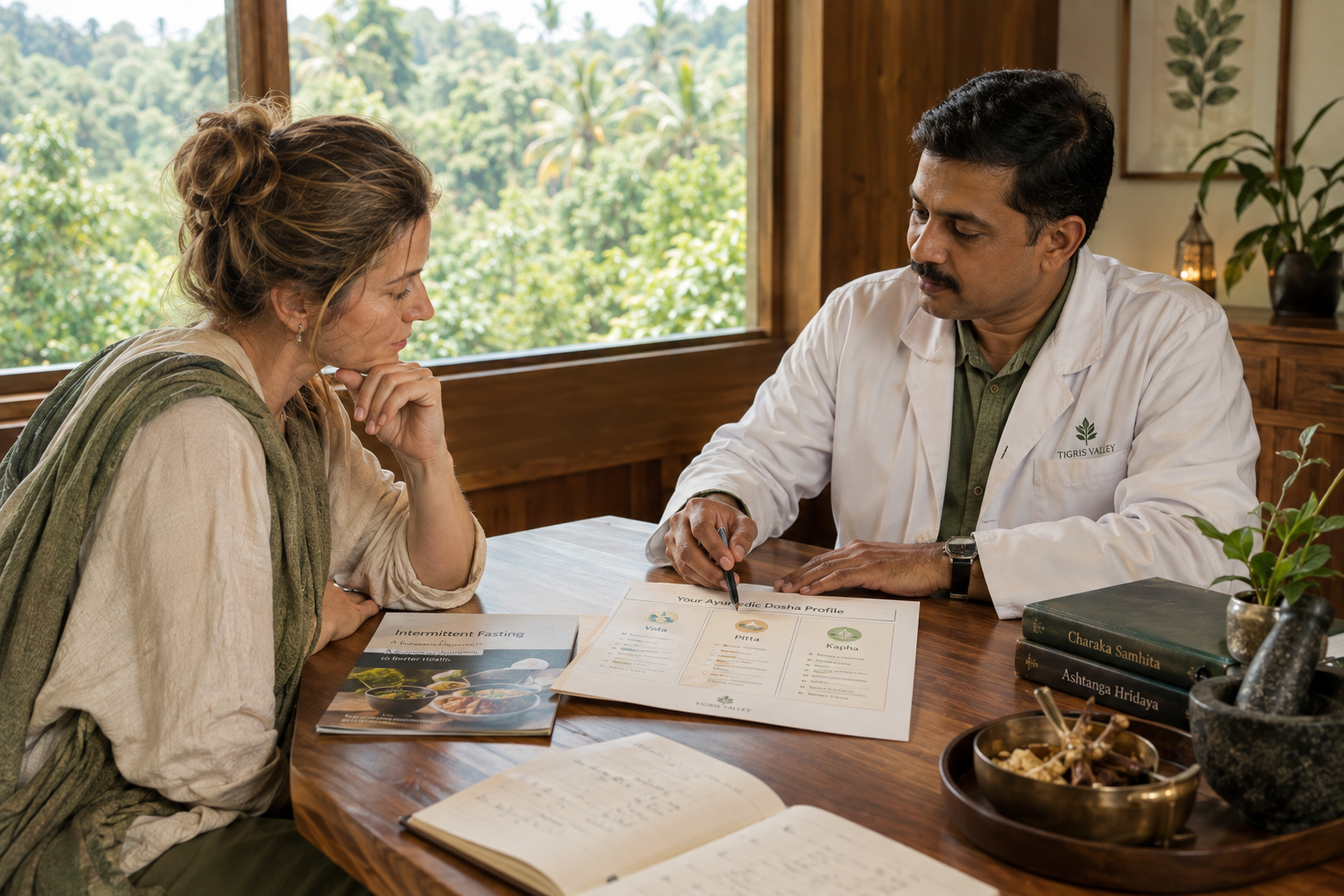
At Tigris Valley Wellness Retreat in Kerala, our Ayurvedic doctors use classical treatment protocols — Panchakarma, herbal formulations, dietary therapy, and specialized physical treatments — integrated with modern diagnostics and Functional Medicine, to address the root cause of your condition. This guide explains how Ayurvedic treatment works, what it can realistically treat, and what to expect from a properly supervised program.
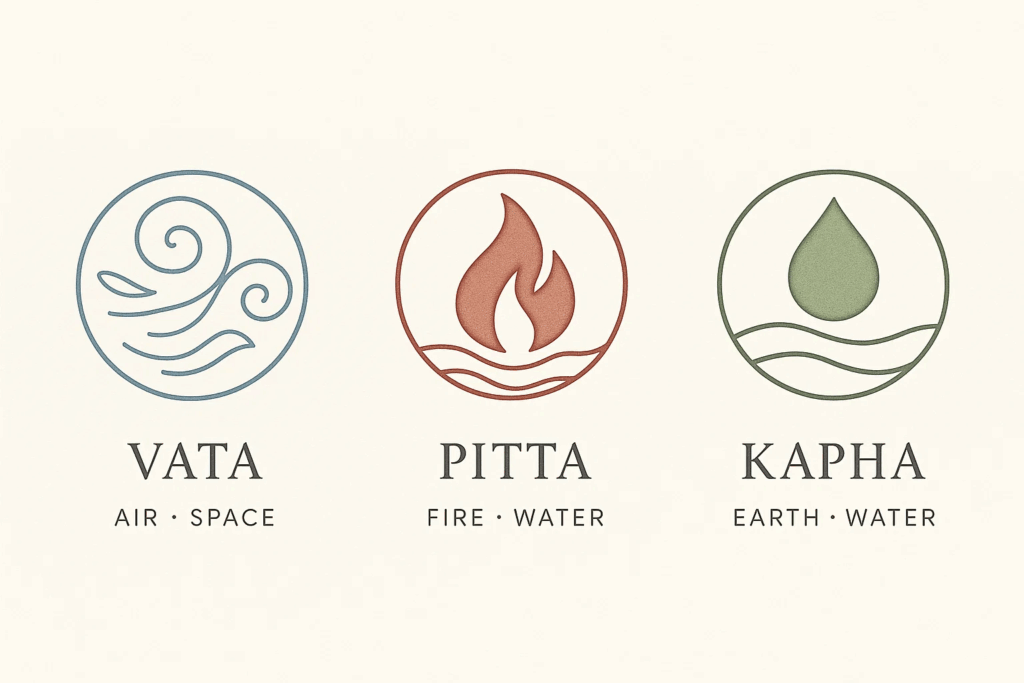
Ayurveda, which translates to “knowledge of life” (Ayur = life, Veda = knowledge), is based on the principle that health is a state of balance between the body, mind, and consciousness. According to Ayurvedic philosophy, every person is unique with a specific constitution or “Prakriti,” determined by the three doshas: Vata (air and space), Pitta (fire and water), and Kapha (earth and water).
These doshas govern all physical and mental processes and provide a framework for understanding how to maintain health. When doshas are balanced, we experience health and wellness; when imbalanced, disease can occur. Ayurvedic treatments aim to restore this balance through various therapeutic approaches.
At Tigris Valley, Ayurveda is recognized as not just a medical system but a way of life that promotes well-being through harmonizing with nature’s rhythms and one’s own constitution.
Ayurvedic treatments offer numerous benefits that extend beyond merely addressing symptoms:
Unlike conventional medicine that often treats isolated symptoms or specific body parts, Ayurveda views the body as an interconnected whole. Treatments address physical, mental, emotional, and spiritual aspects simultaneously, leading to comprehensive healing.
Ayurveda recognizes that each person is unique, with different constitutions and imbalances. Treatments are customized according to an individual’s dosha profile, current imbalances, and specific health concerns.
One of Ayurveda’s greatest strengths is its emphasis on preventing disease before it manifests. Through appropriate diet, lifestyle modifications, and preventive treatments, Ayurveda helps maintain optimal health and prevent potential health issues.
Ayurvedic treatments primarily use natural substances such as herbs, oils, and minerals, reducing the risk of side effects commonly associated with synthetic drugs. Most therapies are non-invasive and gentle, making them suitable for long-term use.
Many Ayurvedic therapies, such as meditation, yoga, and specialized massage techniques, effectively reduce stress and anxiety, promoting mental clarity and emotional balance. At Tigris Valley’s Stress & Burnout Recovery Program, these approaches form a cornerstone of treatment.
Ayurveda places great emphasis on eliminating toxins (Ama) from the body through specialized detoxification procedures (Panchakarma) and rejuvenating therapies (Rasayana) that restore vitality and strengthen immunity.
Ayurveda considers digestion (Agni) the cornerstone of good health. Many treatments focus on optimizing digestive function, which in turn improves nutrient absorption, energy levels, and overall well-being.

Ayurveda offers a wide range of therapeutic procedures, each with specific benefits:
This full-body massage using warm herbal oils is customized to your dosha type. Benefits include:
At Tigris Valley, Abhyanga is an essential component of the Chronic Pain & Inflammation Management Program, providing relief from musculoskeletal pain and promoting deep relaxation.
In this therapy, a continuous stream of warm herbal oil is poured over the forehead, specifically targeting the “third eye” area. Benefits include:
This comprehensive detoxification program includes five primary procedures (depending on individual needs):
The benefits of Panchakarma include:
The Tigris Valley Detox & Cleanse Program incorporates modified Panchakarma procedures suitable for modern needs, helping clients experience profound cleansing and renewal.
This therapy involves sitting in a chamber filled with steam infused with medicinal herbs. Benefits include:
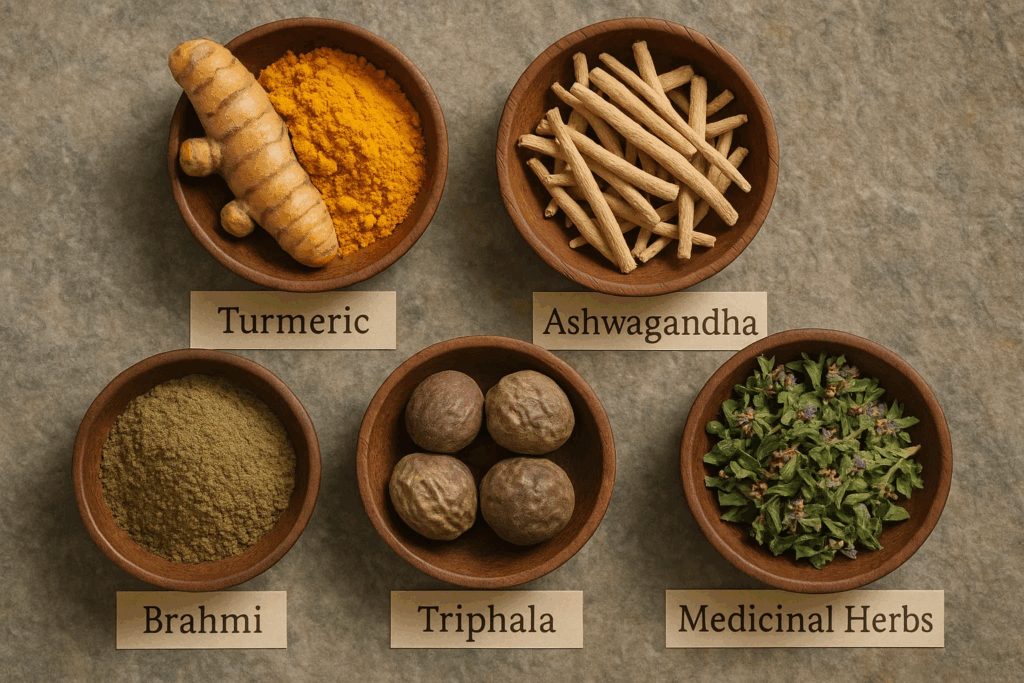
Herbs are central to Ayurvedic treatment, with thousands of medicinal plants used either individually or in formulations:
Often called “Indian ginseng,” Ashwagandha is renowned for its adaptogenic properties that help the body resist stress. Benefits include:
This golden spice contains curcumin, a powerful anti-inflammatory compound. Benefits include:
A combination of three fruits (Amalaki, Bibhitaki, and Haritaki), Triphala is considered a cornerstone of Ayurvedic medicine. Benefits include:
This herb is prized for its effects on the nervous system and brain function. Benefits include:
At Tigris Valley, these and many other herbs form the foundation of personalized herbal formulations in the Anti-Aging & Longevity Program, supporting cellular health and vitality.
Ayurveda offers targeted approaches for various health conditions:
Ayurvedic treatments for stress and anxiety focus on balancing the nervous system through:
The Stress & Burnout Recovery Program at Tigris Valley combines these approaches to help individuals break free from chronic stress patterns.
Ayurveda excels in addressing digestive issues through:
Ayurvedic approaches to pain management include:
The Chronic Pain & Inflammation Management Program at Tigris Valley offers comprehensive solutions for those suffering from persistent pain conditions.
Ayurveda addresses metabolic conditions through:
Tigris Valley’s Metabolic Disorder Management Program provides holistic solutions for conditions like diabetes, thyroid disorders, and obesity.
While Ayurveda has been practiced successfully for thousands of years, modern scientific research is increasingly validating many of its approaches:
Scientific studies have confirmed the therapeutic properties of many Ayurvedic herbs:
Research is beginning to validate the efficacy of Ayurvedic therapeutic procedures:
While more research is needed, the growing body of evidence supports many Ayurvedic practices as effective complementary approaches to health and wellness.

The future of healthcare likely lies in integrative approaches that combine the best of traditional systems like Ayurveda with conventional medicine:
Ayurveda can work alongside conventional treatments to:
Ayurveda’s emphasis on prevention aligns with modern healthcare’s growing focus on preventive medicine:
At Tigris Valley, the integration of Ayurveda with functional medicine represents this balanced approach, combining ancient wisdom with modern scientific understanding.
While Ayurveda offers numerous benefits, certain precautions should be observed:
Always seek treatment from qualified Ayurvedic practitioners with proper training and credentials. At Tigris Valley, all Ayurvedic treatments are supervised by experienced professionals.
The quality of Ayurvedic preparations can vary. Choose products from reputable sources that follow good manufacturing practices and test for purity and potency.
What works for one person may not work for another. Personalization is key in Ayurvedic treatment, and adjustments may be necessary based on individual responses.
If you are under treatment for medical conditions, inform both your conventional doctor and Ayurvedic practitioner about all treatments and medications you are receiving to avoid potential interactions.
From personalized diet plans to therapeutic procedures and lifestyle guidance, Tigris Valley provides all the elements necessary for successful Ayurvedic treatment outcomes.
Tigris Valley is located in Kaithappoyil, Adivaram in Kerala — widely regarded as the birthplace of authentic Ayurvedic practice. Our retreat sits within a natural valley in the Western Ghats, where Kerala’s forest ecosystem itself becomes part of the healing environment. Patients travel from across India, the Middle East, Europe, and Southeast Asia to experience authentic Ayurvedic treatment in Kerala’s most clinically advanced integrative setting.
At Tigris Valley, Ayurveda is integrated with other healing modalities to provide comprehensive wellness solutions:
Each client undergoes a thorough evaluation to determine their constitution, current imbalances, and specific health concerns, forming the basis for personalized treatment plans.
The mountain retreat setting enhances the healing process, allowing guests to disconnect from stressors and connect with nature, an essential aspect of Ayurvedic healing.
Ayurvedic treatments offer a profound approach to health and wellness that addresses the whole person—body, mind, and spirit. By focusing on restoring balance rather than merely suppressing symptoms, Ayurveda provides sustainable solutions for numerous health concerns while enhancing overall quality of life.
As modern research continues to validate traditional Ayurvedic practices, this ancient system is finding its place in contemporary healthcare as a valuable complement to conventional medicine. Whether you seek relief from specific health conditions, want to prevent future problems, or simply wish to optimize your wellbeing, Ayurveda offers time-tested wisdom that remains relevant in today’s world.
For those looking to experience the benefits of authentic Ayurvedic treatments in a supportive environment, Tigris Valley provides comprehensive programs guided by experienced practitioners who blend ancient wisdom with modern understanding.
Ayurveda focuses on treating the whole person rather than just symptoms, emphasizes prevention, personalizes treatment based on individual constitution, and primarily uses natural substances and non-invasive therapies to restore balance across body, mind, and spirit.
Results vary based on the condition, its severity, and individual factors. Some benefits like stress reduction and improved sleep may be felt immediately, while chronic conditions may require consistent treatment over several months for significant improvement.
Yes, in most cases Ayurvedic treatments can complement conventional medicine. However, it’s important to inform both your conventional doctor and Ayurvedic practitioner about all treatments you’re receiving to avoid potential interactions.
When properly prescribed by qualified practitioners and sourced from reputable suppliers, Ayurvedic herbs are generally safe. However, like any medicine, they can have contraindications and potential interactions with medications.
Ayurveda can be particularly effective for chronic conditions like digestive disorders, stress-related problems, skin conditions, metabolic imbalances, joint and musculoskeletal issues, and general vitality enhancement.
Highly personalized—treatments are based on your unique constitution (Prakriti), current imbalances (Vikriti), age, strength, digestive capacity, and specific health concerns, making each treatment plan unique to the individual.
Panchakarma is a comprehensive detoxification and rejuvenation program involving specialized therapies. Traditionally, it’s recommended seasonally (2-4 times per year) for preventive health, though frequency depends on individual needs and health status.
Yes, Ayurveda has specialized approaches for children, with modified treatments and dosages appropriate for their age and constitution. Many gentle therapies are suitable for children.
Ayurveda considers mental and physical health inseparable, with each influencing the other. Treatments address both aspects simultaneously, recognizing that mental balance is essential for physical health and vice versa.
Common recommendations include establishing regular daily routines, eating according to your constitution, proper sleep hygiene, stress management practices, moderate exercise appropriate for your type, and seasonal adjustments to diet and lifestyle.
Kaithappoyil, in the Western Ghats.
Markaz Knowledge City Road, Kaithappoyil, Adivaram, Kerala
Get directions +91 90726 61622 reservation@tigrisvalley.com
Kaithappoyil, Western Ghats

Before you leave
A physician reads every letter. Book a consultation, or send an inquiry — reservations answers the same day.