
[gtranslate]
MENU
Most people living with chronic back pain have already been through the standard route painkillers, physiotherapy, MRI scans, and in more serious cases, the looming recommendation of surgery. Some get temporary relief. Most don’t get answers.
The question that brings patients to Kerala isn’t just how do I stop this pain – it’s why does it keep coming back, and why doesn’t anything fix it permanently?
Ayurveda answers that question differently from modern medicine. Not by masking the pain signal, but by identifying why the tissues are degenerating, why inflammation won’t resolve, and why the spine – a structure designed to last a lifetime is breaking down faster than it should.
This guide explains the Ayurvedic approach to back pain: what it is, what causes it at the doshic level, which specific therapies work and why, and what a medically supervised Panchakarma programme for back pain actually involves at Tigris Valley in Kerala.
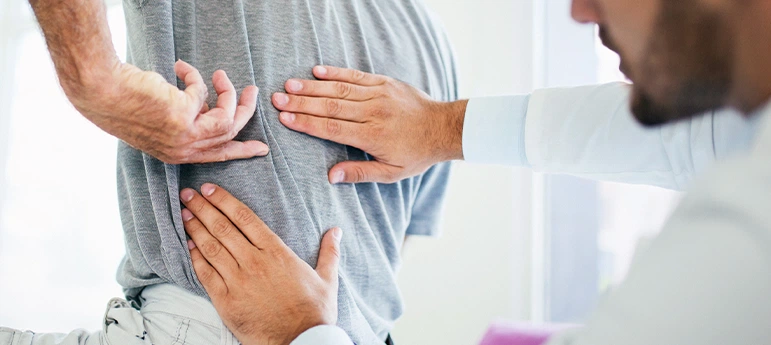
In Ayurvedic medicine, the spine and all structures surrounding it are governed primarily by Vata dosha – the biological energy responsible for movement, nerve signals, and structural integrity of the musculoskeletal system.
Back pain in Ayurveda is most commonly classified as Katigraha (stiffness and pain in the lower back) or Katishoola (acute or chronic pain in the lumbar region), both resulting from the vitiation of Vata – particularly Apana Vata, the downward-moving subtype that governs the pelvis, lower back, and elimination.
When Apana Vata becomes aggravated, it causes:
Critically, Vata imbalance in the spine is rarely just a local problem. It reflects a systemic issue – poor digestion reducing nutrient delivery to bone and cartilage tissue (asthi dhatu), accumulated toxins (Ama) blocking the channels that feed the spinal structures, and often emotional stress (which Ayurveda recognises as a significant Vata aggravator) sustained over years.
This is why Ayurvedic back pain treatment is never just a course of local massage. It is a systemic, root-cause intervention.
Understanding your cause is the first step to effective treatment. At Tigris Valley, every back pain case begins with a clinical evaluation combining both modern diagnostic findings (MRI, X-ray, blood markers) and Ayurvedic assessment (prakriti, vikruti, Agni, dosha profile).
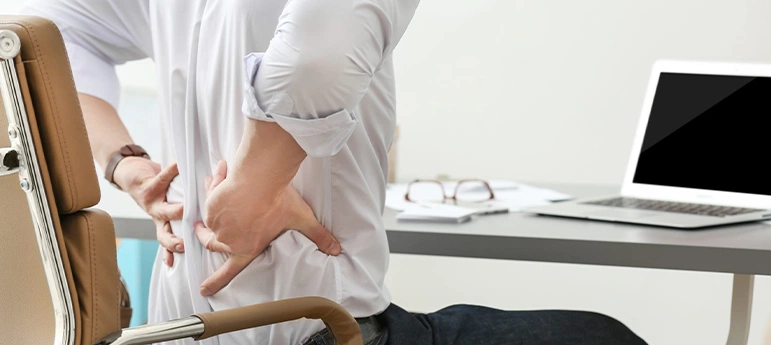
Structural causes:
Muscular and postural causes:
Systemic and lifestyle causes:
The Ayurvedic read: All of the above, regardless of the clinical label, involve either excess Vata (dryness, degeneration, nerve pain) or a combination of Vata and Pitta (inflammation plus degeneration). The Ayurvedic physician’s role is to identify the precise doshic pattern and prescribe accordingly – not apply the same protocol to every back pain patient.
This is the most important section for anyone evaluating treatment options. The following therapies are used at Tigris Valley as part of a physician-designed protocol – they are not administered as standalone spa treatments.
What it is: A dam of black gram dough is formed over the lumbar spine, and warm medicated oil is retained within it for 30–45 minutes. The oil is periodically replaced to maintain temperature.
How it works: The sustained warmth of medicated oil deeply penetrates the facet joints, intervertebral discs, and paraspinal muscles. The specific oils used typically Mahanarayana Taila, Dhanwantharam Taila, or Ksheerabala Taila depending on the case, contain herbal compounds with documented anti-inflammatory, analgesic, and tissue-nourishing properties. Transdermal absorption of these compounds acts locally on the affected structures.
Best indicated for:
Typical duration: 7-14 sessions, part of a broader programme
What it is: Medicated oils (Anuvasana Vasti) or herbal decoctions (Asthapana Vasti) administered rectally.
How it works: Vata’s primary seat in the body is the large intestine. By delivering medicated substances through the rectal route, they bypass hepatic metabolism and are directly absorbed at the intestinal level – from where they travel into the deeper tissues, including asthi dhatu (bone tissue). The periosteum (outer bone covering) and the colonic mucosa share an embryological relationship in Ayurvedic anatomy, which is why rectal administration has a profound effect on spinal and bone disorders.
Vasti is considered the single most effective Ayurvedic therapy for Vata-dominant conditions and the majority of chronic, degenerative spinal disorders fall into this category.
Best indicated for:
Two main types are used for back pain at Tigris Valley:
Elakizhi (Podikizhi – Herbal Leaf Bolus): Fresh medicinal leaves are bundled into a bolus, heated in medicated oil, and applied rhythmically to the back and spine. The combination of heat, herbal active compounds, and massage action reduces inflammation, relieves muscle spasm, and improves local circulation.
Njavara Kizhi (Shashtika Shali Pinda Sweda): Boluses made from Njavara rice cooked in medicated milk and herbal decoctions are applied in a specific massage technique. Njavara Kizhi is uniquely nourishing – it rebuilds muscle mass, strengthens the paraspinal muscles, and rehabilitates degenerative tissue. It is particularly indicated where there is muscle wasting alongside pain.
Best indicated for:
What it is: Continuous streams of warm medicated oil are poured over the body by two or more therapists, combined with gentle massage, for 45–60 minutes.
How it works: The combination of sustained heat, oil penetration, and massage creates a deeply relaxing, nourishing, and anti-inflammatory effect. Pizhichil is particularly effective when back pain involves a significant inflammatory component, when the nervous system is sensitised, or when there is widespread musculoskeletal involvement beyond the lumbar spine.
Best indicated for:
A full-body massage using specific medicated oils, performed in a particular rhythm and direction. In the context of back pain treatment, Abhyanga serves multiple functions: it pacifies systemic Vata, improves lymphatic drainage, reduces cortisol-driven inflammation, and prepares the deeper tissues for more specific therapies. It is typically performed daily as part of the broader programme rather than as a standalone treatment.
For chronic, recurrent, or treatment-resistant back pain, local therapies alone are insufficient. The toxins driving inflammation, the doshic imbalances degrading spinal tissue, and the systemic patterns maintaining the pain cycle require a deeper intervention.
Panchakarma – specifically a programme combining Purvakarma preparation (Snehana and Swedana), followed by Vasti as the primary Pradhana Karma, and supported by the above local therapies – is the gold standard for chronic back pain in Ayurveda.
A complete Panchakarma programme for back pain at Tigris Valley typically runs 14–21 days and includes:
| Condition | Primary Therapies | Duration |
|---|---|---|
| Lumbar spondylosis | Kati Basti, Vasti, Kizhi | 14–21 days |
| Herniated / prolapsed disc | Vasti, Kati Basti, Pizhichil | 21 days |
| Sciatica | Vasti, Elakizhi, Kati Basti | 14–21 days |
| Ankylosing spondylitis | Pizhichil, Vasti, Njavara Kizhi | 21+ days |
| Muscle spasm / postural pain | Abhyanga, Elakizhi, Kati Basti | 7–14 days |
| Post-surgical pain management | Vasti, Njavara Kizhi, Abhyanga | 14–21 days |
| Osteoporosis-related back pain | Vasti, Njavara Kizhi, Rasayana | 21 days |
| Stress-related back pain | Abhyanga, Pizhichil, Shirodhara | 7–14 days |
Duration is indicative. Final prescription is made by our physician following consultation.
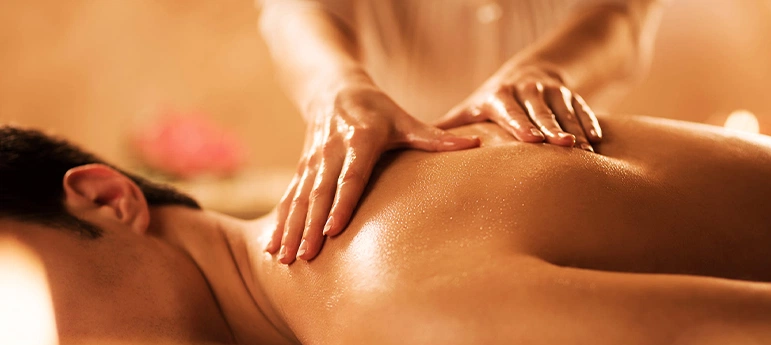
At Tigris Valley, back pain is not treated as a musculoskeletal complaint alone. It is treated as a clinical condition with multiple contributing factors – structural, metabolic, neurological, and often emotional.
Step 1 – Clinical Consultation Your programme begins with a detailed assessment by Dr. Faheem Najeeb and our Ayurvedic physicians. This includes a review of all existing investigations (MRI, X-ray, blood reports), a full Ayurvedic assessment of your constitution and dosha state, and an evaluation of contributing lifestyle and nutritional factors.
Step 2 – Customised Treatment Protocol Based on your consultation, a day-by-day treatment plan is designed specifically for your condition. No two patients receive an identical protocol. The specific oils, herbal preparations, therapy sequence, and dietary plan are all individually prescribed.
Step 3 – Daily Treatment Your daily programme at Tigris Valley integrates multiple therapies in a specific sequence designed to maximise their combined effect. Therapies are performed by trained Ayurvedic therapists under continuous physician supervision.
Step 4 – Nutrition and Lifestyle Integration Diet plays a significant role in Ayurvedic back pain management. Foods that aggravate Vata — cold, dry, processed, and raw foods — are replaced with warm, nourishing, easily digestible meals. Anti-inflammatory herbal preparations are given alongside food.
Step 5 – Discharge Protocol and Follow-up At discharge, you receive a complete home care protocol — Ayurvedic medicines, oils for self-application, dietary guidelines, and a yoga/exercise programme tailored to your condition. Remote follow-up consultations are available.
| Factor | Conventional Approach | Ayurvedic Approach at Tigris Valley |
|---|---|---|
| Focus | Symptom suppression | Root-cause elimination |
| Tools | Painkillers, injections, surgery | Herbal therapies, Panchakarma, diet |
| Long-term results | Often temporary | Structural and systemic improvement |
| Side effects | Significant (NSAIDs, steroids) | Minimal when correctly administered |
| Tissue healing | Limited | Active — nourishes and rebuilds tissue |
| Nerve recovery | Slow | Enhanced through Vasti and oil therapies |
| Addresses stress component | Rarely | Central to the protocol |
Whether you are undergoing treatment or looking to prevent recurrence, these evidence-backed Ayurvedic lifestyle principles are non-negotiable:
Protect your Agni (digestive fire). Poor digestion means poor absorption of calcium, magnesium, and vitamin D — the essential nutrients for bone and cartilage maintenance. Chronic low Agni is a primary driver of degenerative spinal disease in Ayurveda.
Avoid Vata-aggravating patterns. Irregular eating schedules, skipping meals, excessive raw or cold food, chronic sleep deprivation, and constant travel all aggravate Vata and accelerate spinal degeneration.
Move daily, but wisely. Sedentary behaviour weakens the paraspinal muscles and reduces disc hydration. Gentle, consistent movement – walking, specific yoga postures, and guided core strengthening is part of every Tigris Valley back pain protocol.
Manage stress actively. The connection between chronic psychological stress and lower back pain is well-established in both modern medicine and Ayurveda. Cortisol-driven inflammation and muscle tension are direct contributors to spinal pain. Pranayama, meditation, and sleep hygiene are prescribed components, not optional add-ons.
Ayurvedic treatment can produce lasting, sometimes complete resolution of back pain — particularly for muscle-dominant, postural, and early-stage degenerative conditions. For structural conditions like advanced disc herniation or ankylosing spondylitis, the realistic goal is significant pain reduction, restored mobility, and halted progression. The outcome depends on the type and duration of the condition, your compliance with home-care protocols, and lifestyle changes maintained post-treatment.
Most conditions show meaningful improvement within 14–21 days of inpatient treatment. Chronic or severe conditions may require longer programmes or repeat visits. The physician determines this during your initial assessment.
Yes, when administered by qualified Ayurvedic physicians. Vasti therapy and Kati Basti are specifically indicated for disc conditions. Treatment is non-invasive and does not carry the risks associated with surgery or long-term steroid use.
They are the same therapy — Kati Basti and Kati Vasti are two transliterations of the same Sanskrit term. Both refer to the retention of warm medicated oil over the lumbar spine in a dough dam.
Sciatica caused by lumbar disc compression, piriformis syndrome, or Vata-dominant nerve inflammation responds particularly well to Ayurvedic treatment. Vasti is the cornerstone therapy, supported by Kati Basti and specific Kizhi protocols.
No. At Tigris Valley, our integrative medicine approach means we work alongside your existing medications, not against them. Dr. Faheem Najeeb will review your current prescription and advise on any necessary adjustments. You will never be asked to abruptly discontinue prescribed medicines.
For mild to moderate, recent-onset back pain, local therapies (Kati Basti, Kizhi, Abhyanga) may be sufficient. For chronic, recurrent, or degenerative back conditions, Panchakarma particularly Vasti – is significantly more effective because it addresses the systemic Vata imbalance driving the condition, not just the local symptoms.
A warm, easily digestible, Vata-pacifying diet is standard. This includes cooked grains, soupy lentils, warm milk, ghee, root vegetables, and well-spiced foods. Cold, raw, processed, and fermented foods are avoided during treatment. Your physician will provide a specific dietary plan at consultation.
Tigris Valley operates as a medical institution, not a wellness resort. Every programme is physician-led by Dr. Faheem Najeeb, a Functional and Integrative Medicine Practitioner with over a decade of clinical experience. Our approach combines traditional Panchakarma protocols with modern diagnostic inputs — MRI findings, blood markers, and functional assessment to design treatments that are both authentic and clinically sound.
If you have been managing back pain with painkillers, injections, or are facing a surgical recommendation – speak with our clinical team before making any irreversible decisions.
Ayurvedic treatment for back pain in Kerala, when delivered as a medically supervised, individualised programme, has the potential to produce results that symptom-management approaches cannot.
At Tigris Valley, we begin with a thorough consultation. We look at your full clinical picture. And we design a programme around your specific condition – not a generic protocol applied to everyone who walks in with lower back pain.
Speak to a Tigris Valley wellness specialist for a personalised consultation. Our integrative team combines Ayurveda, Unani, and functional medicine to design a programme for your exact needs.
Kaithappoyil, in the Western Ghats.
Markaz Knowledge City Road, Kaithappoyil, Adivaram, Kerala
Get directions +91 90726 61622 reservation@tigrisvalley.com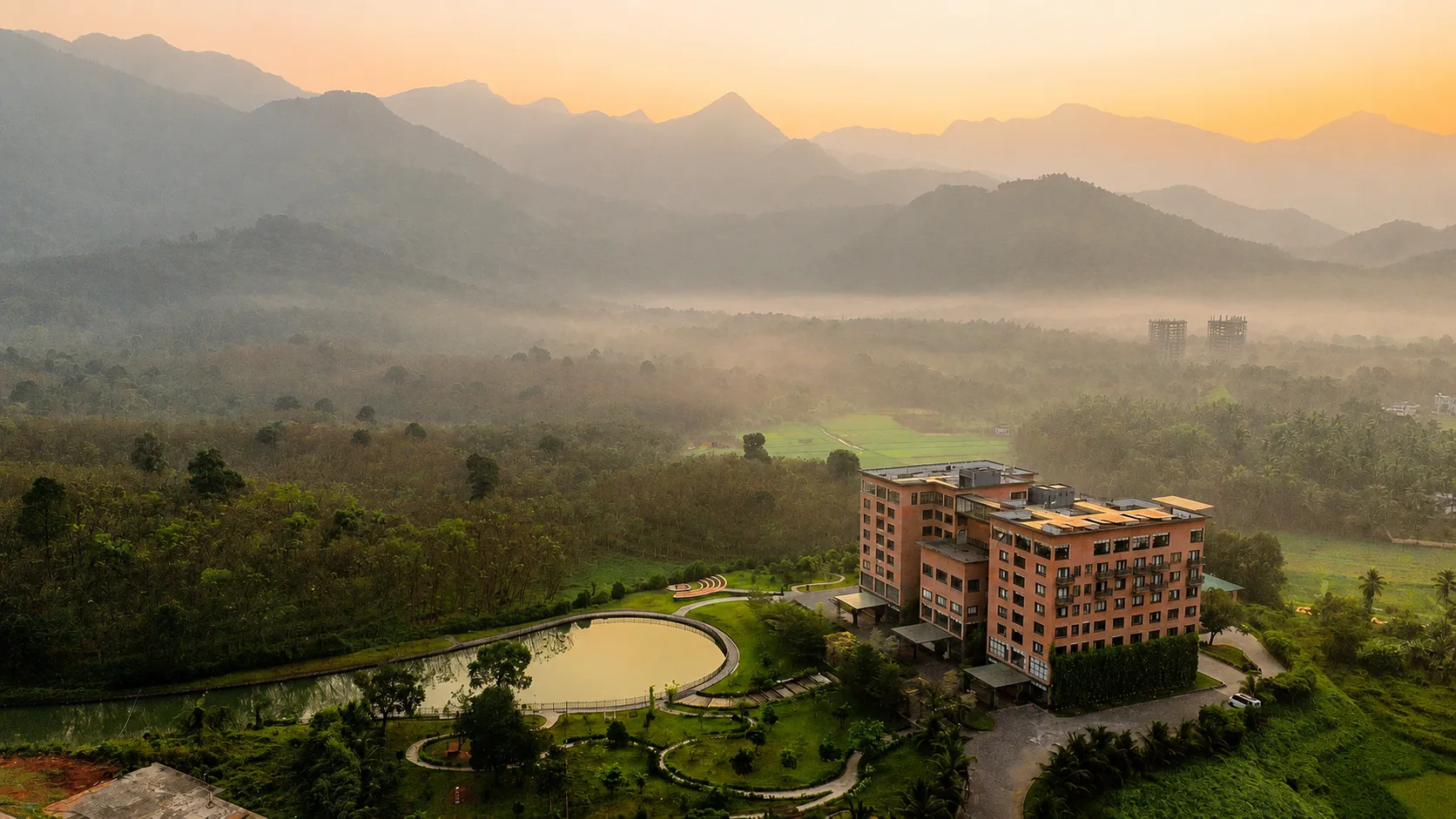
Kaithappoyil, Western Ghats

Before you leave
A physician reads every letter. Book a consultation, or send an inquiry — reservations answers the same day.