[gtranslate]
MENU
Your skin is telling you something your skincare shelf can’t fix. Dullness, uneven tone, persistent dark spots — these aren’t just cosmetic concerns. They often point to something deeper: oxidative stress, hormonal shifts, or accumulated toxins that topical creams simply don’t reach.
That’s exactly where glutathione injections for skin whitening enter the conversation. Once quietly used in dermatology circles, they’ve moved firmly into mainstream wellness. But with popularity comes confusion — and a lot of misinformation.
This guide cuts through the noise. You’ll learn what glutathione actually does in your body, how injections work, whether the results are real, and what to watch out for before booking a session.
Glutathione is often called the body’s “master antioxidant” — and for good reason. It’s a tripeptide molecule made of three amino acids: glutamine, cysteine, and glycine. Your liver produces it naturally, and nearly every cell in your body depends on it.
When it comes to skin specifically, glutathione does several things that matter:
1. It Neutralises Free Radicals UV exposure, pollution, stress, and processed food all generate free radicals — unstable molecules that damage skin cells, accelerate ageing, and worsen pigmentation. Glutathione neutralises these molecules before they cause lasting harm.
2. It Inhibits Melanin Production This is the mechanism most relevant to skin brightening. Glutathione works by inhibiting the enzyme tyrosinase, which is required for melanin synthesis. Less tyrosinase activity means less melanin is produced, which gradually leads to a lighter, more even skin tone. It also shifts melanin production from the darker eumelanin to the lighter phaeomelanin.
3. It Supports Cellular Detoxification Glutathione binds to toxins, heavy metals, and harmful compounds and helps the body flush them out through the liver and kidneys. When this detox pathway is functioning well, the downstream effect on skin is often noticeable — clearer texture, reduced dullness, fewer breakouts. This is why programs like the Detox & Cleanse Program at Tigris Valley often incorporate antioxidant support as part of a broader skin and wellness reset.
4. It Supports Collagen Integrity Glutathione helps protect collagen fibres from oxidative degradation. This indirectly supports skin firmness and reduces premature wrinkling — making it a relevant player in anti-aging and longevity protocols.
Key Takeaway: Glutathione doesn’t just lighten skin — it addresses the underlying oxidative and metabolic processes that cause uneven pigmentation in the first place.
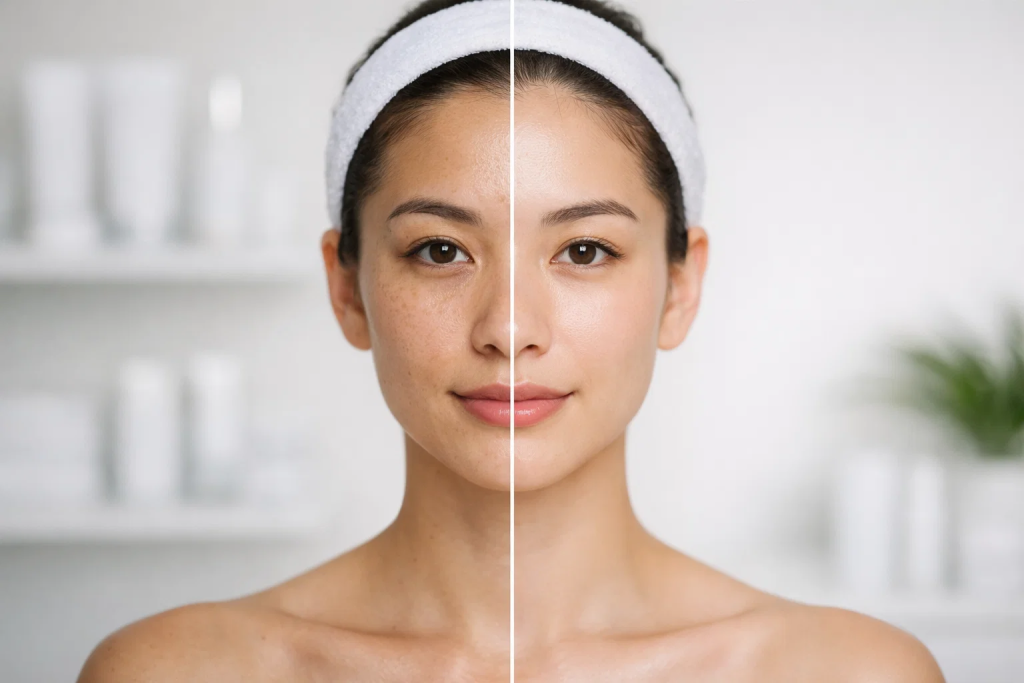
This is the question most people are really asking — and the honest answer is: they can be effective, but results are not universal and are heavily influenced by dosage, frequency, delivery method, and individual biology.
Multiple clinical observations and dermatological studies have noted skin brightening effects from glutathione, particularly in individuals with hyperpigmentation, melasma, and post-inflammatory darkening (from acne scars, for instance). A study published in the Journal of Clinical and Aesthetic Dermatology found that oral and intravenous glutathione supplementation produced measurable skin lightening effects over a period of weeks to months.
The key difference between oral and intravenous delivery is absorption. Oral glutathione has low bioavailability — much of it is broken down in the digestive tract before it can reach cells. IV glutathione bypasses this entirely, delivering the antioxidant directly into the bloodstream for near-complete cellular uptake.
Glutathione injections are not a solution for skin conditions rooted in structural or hormonal causes without treating those underlying issues. If chronic stress, poor gut health, or hormonal imbalance is driving your pigmentation, those factors need addressing too — which is why integrative wellness centres that take a whole-body approach, like Tigris Valley, tend to see better outcomes than standalone injection clinics.
Key Takeaway: IV glutathione is among the most effective delivery methods for skin brightening, but sustained results require a holistic approach, not just a single course of injections.
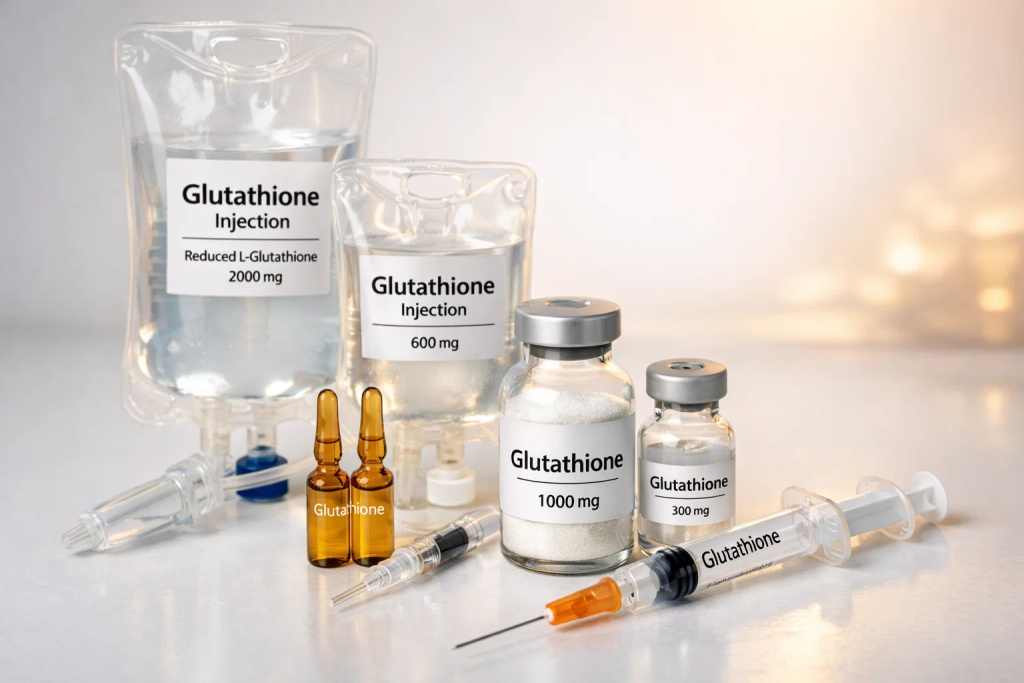
Not all glutathione treatments are delivered the same way, and the method matters for both safety and efficacy.
The gold standard. Administered directly into the bloodstream via a drip, this method achieves the highest bioavailability. IV glutathione is often combined with Vitamin C, which enhances glutathione’s antioxidant effects and stability. At Tigris Valley, IV Glutathione therapy is offered as part of a medically supervised functional medicine protocol.
Injected into muscle tissue — typically the arm or thigh. Absorption is good but slightly slower than IV. This method is less commonly used for skin brightening specifically, but is sometimes preferred for ease of administration.
Many clinics (and Tigris Valley’s IV therapy menu) combine glutathione with complementary compounds to amplify results:
Injected under the skin, similar to insulin injections. Less commonly used in aesthetic contexts but sometimes employed in home-administration protocols — which carries its own risks without medical supervision.
Primarily used in respiratory and pulmonary contexts rather than for skin brightening — relevant context for those exploring glutathione’s broader antioxidant applications.
Key Takeaway: IV glutathione — particularly when combined with Vitamin C or ALA — offers the most reliable outcomes for skin brightening. Always ensure any injection is administered in a medically supervised environment.
Glutathione injections are suitable for a range of individuals, but they’re not a one-size-fits-all solution.
You may benefit from glutathione IV therapy if you:
You should approach with caution — or avoid — if you:
A thorough pre-treatment consultation with a qualified physician — as part of a functional medicine assessment — is essential before beginning any IV therapy protocol.
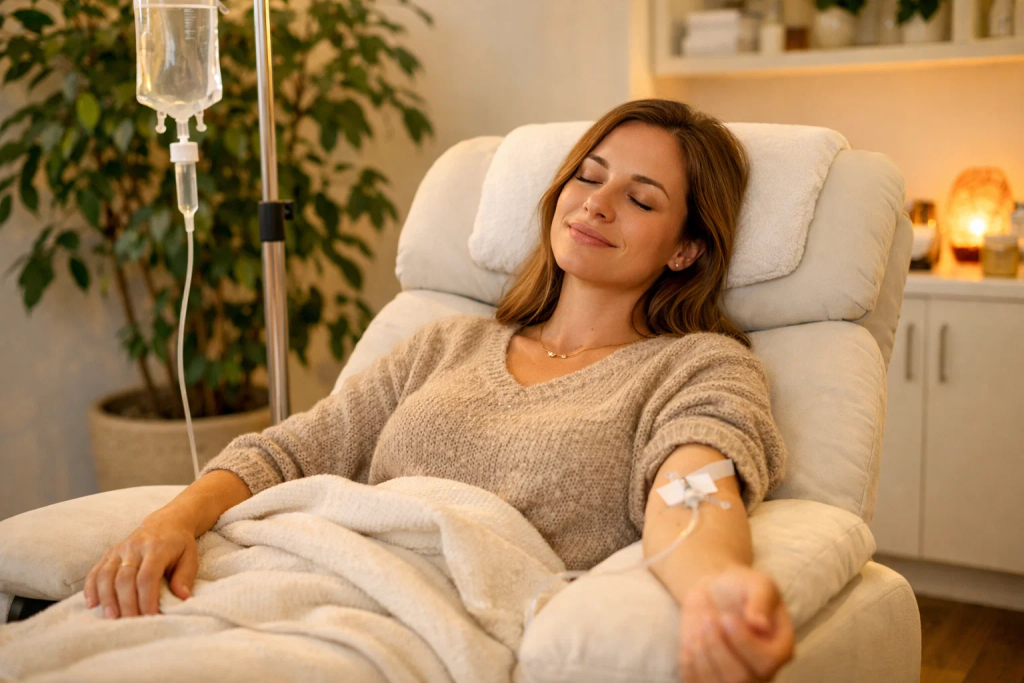
If you’ve never received IV therapy before, here’s a realistic picture of what a glutathione session looks like:
Before the session: A medical consultation reviews your health history, skin concerns, and goals. Blood work may be recommended to assess baseline glutathione levels and liver function.
During the session: A trained healthcare professional inserts a small cannula into a vein — typically in the arm. The IV drip runs over 20 to 60 minutes, depending on the formulation and dosage. Most people find it comfortable and use the time to rest.
After the session: You can resume normal activities immediately. Some people notice a slight warmth or mild fatigue afterward, which typically resolves quickly. No downtime is required.
Frequency: Most protocols recommend a course of weekly sessions for 8 to 12 weeks, followed by monthly maintenance. Your practitioner will tailor this based on your response.
For those seeking a more comprehensive experience, integrating glutathione therapy within a residential wellness program — like those offered at Tigris Valley’s wellness retreat — allows for continuous monitoring, dietary support, and complementary treatments like ozone therapy and Ayurveda that enhance overall results.
It helps to know how glutathione stacks up against the alternatives you’ve likely already heard about.
| Treatment | Mechanism | Delivery | Downtime | Duration of Results |
|---|---|---|---|---|
| IV Glutathione | Inhibits tyrosinase, reduces oxidative stress | Intravenous | None | Months (with maintenance) |
| Topical Vitamin C | Antioxidant, mild tyrosinase inhibition | Topical | None | Ongoing (daily use) |
| Chemical Peels | Exfoliates pigmented outer layers | Topical/clinic | 3–7 days | Weeks to months |
| Laser Therapy | Targets melanin deposits | Clinical device | 1–5 days | Months |
| Oral Glutathione | Same mechanism, lower bioavailability | Oral | None | Variable |
| Kojic Acid | Inhibits tyrosinase topically | Topical cream | None | Ongoing (daily use) |
The main advantage of IV glutathione is its systemic reach and high bioavailability — it doesn’t just treat the surface, it works from within. For individuals where pigmentation has a metabolic or oxidative origin (rather than a purely superficial one), this makes a meaningful difference.
That said, the best outcomes typically involve a combination approach — addressing external skin health through natural facials and skin therapies alongside internal antioxidant support through IV therapy.
Glutathione is naturally produced by the human body, which means it has a strong safety profile when administered correctly. However, side effects are possible — particularly when sourced from unregulated providers or administered without medical oversight.
Mild and generally transient:
Serious concerns with unregulated use:
The safest approach is always to receive IV glutathione therapy from licensed medical professionals in a clinical setting — not pop-up beauty salons or unverified home delivery services. A centre like Tigris Valley, which integrates functional medicine and evidence-based wellness programs, ensures treatments are administered safely, with proper pre-screening and monitoring.
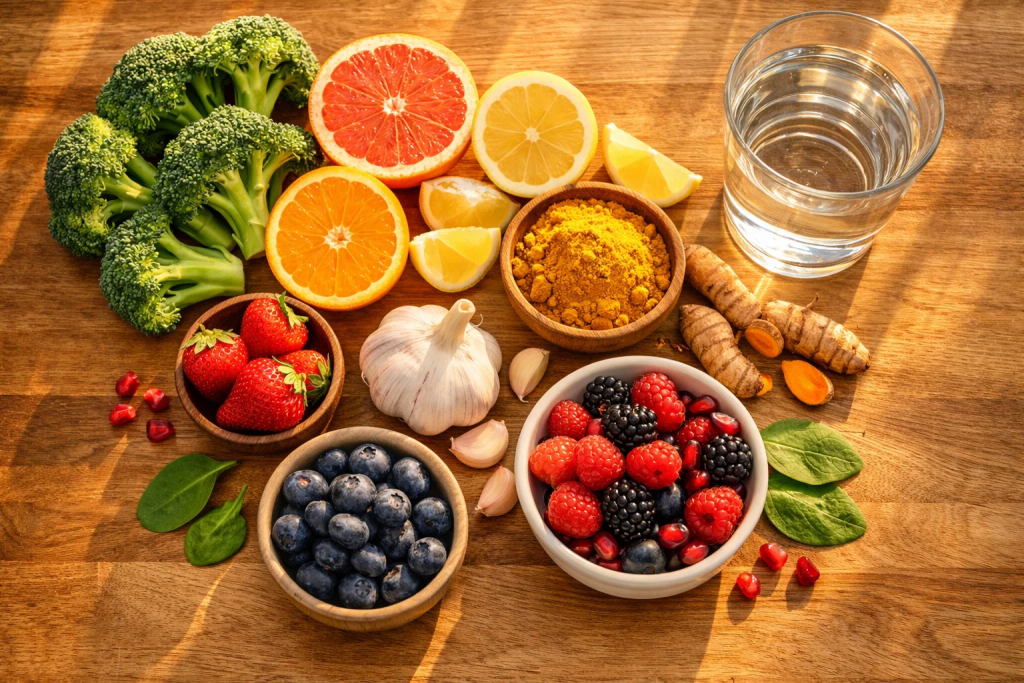
Getting IV glutathione injections and then returning to a high-stress lifestyle, poor diet, and minimal sleep is a bit like inflating a tyre with a slow puncture. The treatment helps, but the results won’t hold.
Here’s how to genuinely support and extend your results:
Nutrition that boosts glutathione naturally:
Lifestyle factors that deplete glutathione:
Managing stress is particularly important. Tigris Valley’s Stress & Burnout Recovery Program addresses the cortisol-oxidative stress relationship directly, which has downstream benefits for skin health and antioxidant balance.
Complementary therapies worth considering:
Yes, with an important qualifier. IV glutathione can produce genuine skin brightening by inhibiting tyrosinase — the enzyme that drives melanin production — and by reducing oxidative stress that worsens pigmentation. Most users report improvement in skin tone, clarity, and reduction in dark spots after a consistent course of treatment. However, results vary by individual, and claiming dramatic changes in a few sessions would be an exaggeration. Realistic expectations and a medically supervised protocol are key.
Most people begin noticing subtle improvements in skin brightness and texture after 4 to 8 sessions, typically over 4 to 8 weeks. More significant changes in pigmentation and skin tone usually become visible after 10 to 12 weeks of consistent treatment. Maintenance sessions are typically needed to sustain results long-term, as the body’s glutathione levels naturally fluctuate.
They work differently and are not directly comparable. Kojic acid is a topical treatment that inhibits tyrosinase at the skin surface — it’s effective for localised dark spots and surface-level pigmentation. Glutathione, particularly via IV delivery, works systemically — addressing oxidative stress and melanin regulation at the cellular level throughout the body. For deeper or more widespread pigmentation concerns, IV glutathione often produces more comprehensive results. Many dermatologists use both together as part of a layered approach.
The main types are intravenous (IV) glutathione, which delivers the antioxidant directly into the bloodstream for maximum absorption; intramuscular (IM) injections into muscle tissue; and subcutaneous injections under the skin. IV glutathione is the most effective for skin brightening and is often administered as part of a cocktail combining Vitamin C, Alpha Lipoic Acid, or N-Acetylcysteine (NAC) to enhance results. The right type depends on your health profile and treatment goals, which a qualified physician should assess.
When administered by trained medical professionals in a clinical setting, IV glutathione has a strong safety profile — largely because it’s a compound the body produces naturally. Risks increase significantly with unregulated providers, improper dosing, or non-sterile administration environments. A pre-treatment health assessment, including liver and kidney function evaluation, is essential.
Melasma is one of the conditions most commonly treated with glutathione therapy, and clinical evidence suggests meaningful improvement in many cases. Because melasma is often driven by hormonal factors and UV exposure, the best outcomes combine IV glutathione with sun protection, dietary support, and in some cases hormonal evaluation through a functional medicine lens.
This varies, but most protocols recommend a minimum of 8 to 12 weekly sessions as an initial course, followed by monthly maintenance. Some individuals respond sooner; others with deeper pigmentation or higher oxidative stress may require more sessions. Your practitioner should review and adjust the protocol based on your progress.
Yes, and this is often the most effective approach. At Tigris Valley, IV glutathione is offered alongside ozone therapy, Ayurvedic treatments, Hijama cupping, and nutritional support as part of comprehensive wellness programs. Combining detox, circulation-enhancing, and antioxidant therapies produces synergistic benefits for skin and overall health.
Absolutely. Glutathione is the body’s primary antioxidant and is involved in immune function, liver detoxification, cellular repair, inflammation regulation, and energy metabolism. It’s also increasingly studied for its role in neurological health and metabolic conditions. Tigris Valley incorporates IV glutathione within broader detox, chronic pain, and metabolic disorder management programs for this reason.
Not necessarily. After an initial course, many people transition to monthly maintenance sessions or use oral supplementation alongside lifestyle changes to maintain their results. Supporting glutathione levels through diet, stress management, and holistic wellness practices reduces dependence on frequent IV sessions over time.
Glutathione injections for skin whitening are not just a trend — for the right candidate, they represent a genuinely effective, science-backed approach to addressing pigmentation and improving skin radiance from the inside out.
But they work best when understood correctly: as part of a broader health picture, not a standalone cosmetic fix. The body’s relationship with oxidative stress, melanin, and cellular detoxification is complex, and the most meaningful skin improvements come when treatment addresses root causes rather than surface symptoms alone.
Whether you’re exploring glutathione therapy as a standalone treatment or as part of a comprehensive wellness retreat, the quality of the clinical environment matters — as does the holistic philosophy behind it. Tigris Valley Wellness Retreat offers medically supervised IV therapy, including glutathione protocols, as part of an integrated approach to health that combines functional medicine, Ayurveda, detox programs, and anti-aging therapies — all in a serene mountain setting in Kerala.
If you’re ready to explore what’s right for your skin and your health, connect with the Tigris Valley team to begin with a proper consultation.
If you’re looking for more than temporary fixes and want a science-backed, holistic approach to skin brightening, glutathione IV therapy at Tigris Valley could be the right step for you.
With medically supervised treatments, personalised protocols, and a focus on root-cause healing, you’re not just improving your skin — you’re investing in your overall health.
Explore all wellness programs: https://tigrisvalley.com/programs/
Book your consultation today: https://tigrisvalley.com/contact-us/
Take the first step toward clearer, healthier, and more radiant skin — guided by experts who prioritise long-term results over quick fixes.