Holistic vs Modern Western Medicine: Key Differences

Introduction

Are you struggling with chronic health issues despite multiple doctor visits? Do you feel like your symptoms are being treated, but the root cause remains unaddressed? You’re not alone. Millions worldwide face this frustration, caught between conventional treatments that offer quick fixes and holistic approaches promising comprehensive healing.

The consequences of choosing the wrong treatment path can be severe—wasted time, mounting medical bills, persistent symptoms, and deteriorating quality of life. Without understanding the fundamental differences between holistic and modern Western medicine, you risk making decisions that may not align with your health goals.

This comprehensive guide reveals the critical distinctions between these two medical philosophies, empowering you to make informed healthcare decisions that truly serve your wellness journey.


What is Modern Western Medicine?

Modern Western medicine, also known as conventional medicine or allopathic medicine, is the predominant healthcare system in most developed countries. This approach emerged during the scientific revolution and is grounded in evidence-based research, clinical trials, and technological advancement.

Modern Western medicine with advanced diagnostic technology and clinical healthcare setting

Key Characteristics of Western Medicine:

Evidence-Based Practice: Treatments undergo rigorous scientific testing through randomized controlled trials before approval.

Symptom-Focused Treatment: Primary emphasis on diagnosing and treating specific symptoms or diseases with targeted interventions.

Pharmaceutical Interventions: Heavy reliance on prescription medications, surgery, and advanced medical technology.

Specialization: Healthcare providers focus on specific body systems or organs (cardiologists, neurologists, gastroenterologists, etc.).

Acute Care Excellence: Unparalleled effectiveness in emergency situations, trauma care, infectious diseases, and surgical interventions.

Strengths of Western Medicine:

  • Life-saving emergency interventions
  • Advanced diagnostic technology (MRI, CT scans, blood tests)
  • Effective treatment for acute infections
  • Surgical precision for complex procedures
  • Rapid symptom relief

What is Holistic Medicine?

Holistic medicine represents an ancient yet increasingly popular approach to healthcare that treats the whole person—body, mind, spirit, and emotions—in the quest for optimal health and wellness.
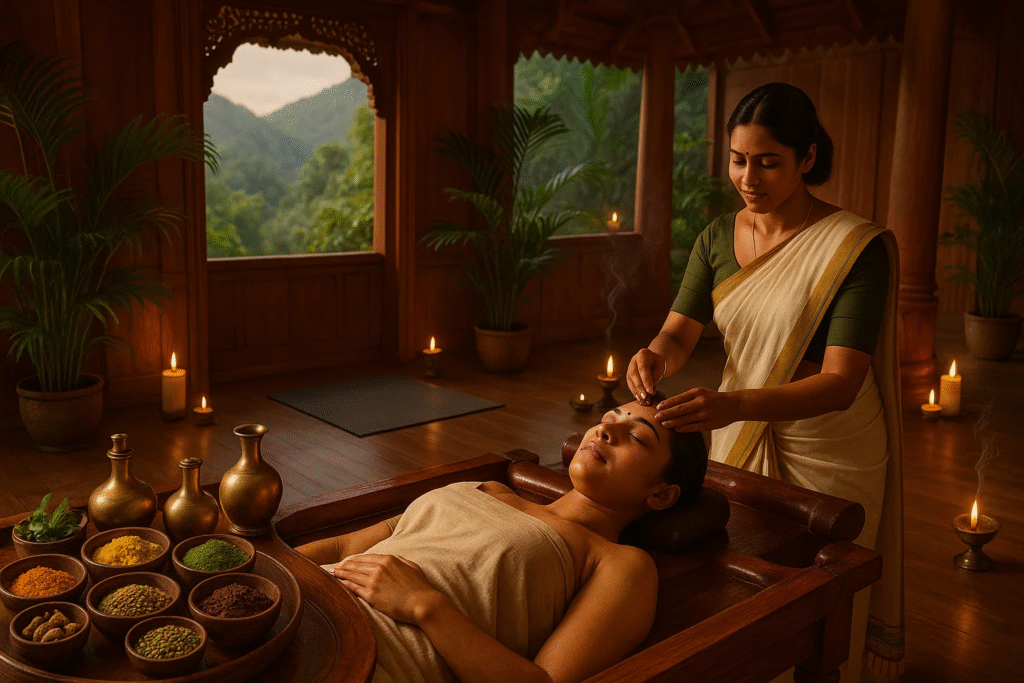
Holistic medicine Ayurveda treatment with natural herbs and therapeutic healing at wellness retreat

Foundational Principles of Holistic Medicine:

Whole-Person Care: Recognizes the interconnection between physical, mental, emotional, and spiritual health.

Root Cause Focus: Seeks to identify and address underlying causes rather than merely suppressing symptoms.

Prevention-Oriented: Emphasizes lifestyle modifications, nutrition, and preventive care to maintain health.

Natural Therapies: Utilizes Ayurveda, Unani medicine, herbal remedies, acupuncture, and other traditional healing systems.

Patient Empowerment: Encourages active participation in the healing process through education and self-care practices.

Core Holistic Treatment Systems:

At Tigris Valley Wellness Retreat, we integrate multiple holistic healing traditions:

  • Ayurvedic Medicine: 5,000-year-old Indian healing system focusing on balance and natural remedies
  • Unani Medicine: Traditional Greco-Arabic medicine emphasizing humoral balance
  • Functional Medicine: Modern science-based approach identifying root causes
  • Nature Therapy: Healing through connection with natural environments
  • Mind-Body Practices: Yoga, meditation, and breathwork for holistic wellness

Core Differences Between Holistic and Modern Medicine

1. Treatment Philosophy

AspectModern Western MedicineHolistic Medicine
FocusDisease-centeredPatient-centered
ApproachTreat symptomsAddress root causes
GoalEliminate diseaseOptimize wellness
TimeframeQuick reliefSustainable healing

2. Diagnostic Methods

Western Medicine: Relies on laboratory tests, imaging technology, biopsies, and quantifiable biomarkers to diagnose specific diseases.

Holistic Medicine: Incorporates comprehensive lifestyle assessments, constitutional analysis, tongue and pulse diagnosis, and evaluation of physical, emotional, and spiritual factors.

3. Treatment Modalities

Western Approach:

  • Pharmaceutical medications
  • Surgical interventions
  • Radiation and chemotherapy
  • Medical devices and implants

Holistic Approach:

  • Herbal formulations and natural remedies
  • Dietary modifications and nutritional therapy
  • Therapeutic massages like Abhyanga
  • Detoxification programs such as Panchakarma
  • Energy healing and acupuncture
  • Lifestyle and behavioral modifications

4. Patient-Practitioner Relationship

Western Medicine: Often hierarchical with the doctor as the primary decision-maker; appointments are typically brief and focused on specific complaints.

Holistic Medicine: Collaborative partnership where practitioners spend extensive time understanding the patient’s complete health history, lifestyle, and personal goals.


Treatment Approaches: A Comparative Analysis

Managing Chronic Pain

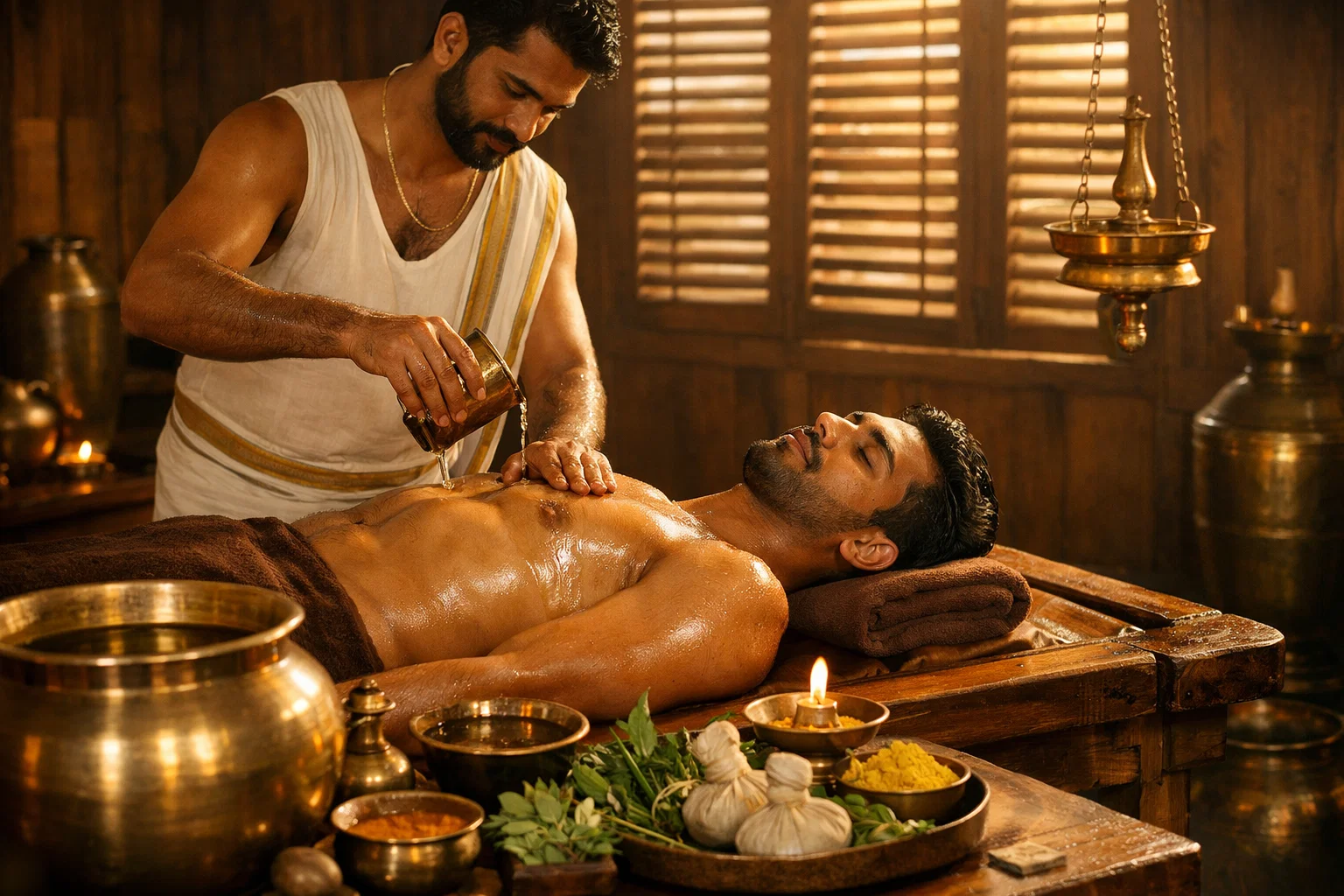
Holistic pain management with Ayurvedic massage compared to modern physical therapy treatment

Western Medical Approach:

  • Prescription pain medications (NSAIDs, opioids)
  • Corticosteroid injections
  • Surgical interventions for structural issues
  • Physical therapy referrals

Holistic Medicine Approach:

Our Chronic Pain & Inflammation Management Program demonstrates holistic pain management:
  • Ayurvedic Abhyanga: Therapeutic oil massages improve circulation and reduce inflammation
  • Herbal Anti-Inflammatory Formulations: Natural compounds targeting pain pathways
  • Panchakarma Detox: Eliminates toxins contributing to chronic inflammation
  • Cupping Therapy: Traditional Unani treatment improving blood flow to affected areas
  • Mind-Body Integration: Meditation and breathwork addressing stress-induced pain

Cardiovascular Health Management

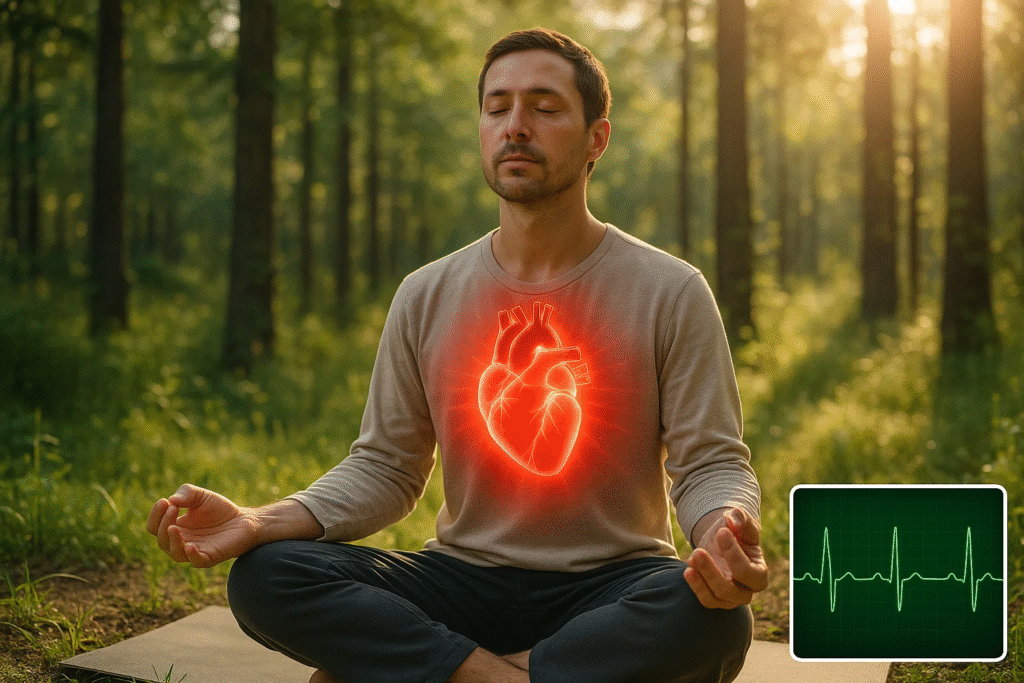
Cardiovascular health improvement through holistic yoga and nature therapy at mountain retreat

Western Approach:

  • Statin medications for cholesterol
  • Antihypertensive drugs
  • Angioplasty and stent placement
  • Bypass surgery when necessary

Holistic Approach:

Through our Cardio-Metabolic Health & Recovery Program, we offer:

  • Ayurvedic Shirodhara: Reduces stress hormones affecting heart health
  • Customized Heart-Healthy Nutrition: Anti-inflammatory diets supporting cardiovascular function
  • Herbal Cardio Support: Traditional formulations improving circulation
  • Stress Management Therapies: Yoga and meditation reducing cardiac risk factors
  • Nature-Based Rehabilitation: Forest walks and outdoor activities for gentle cardiovascular conditioning

Cancer Support and Recovery

Holistic cancer support program with IV nutritional therapy in peaceful wellness retreat setting

Western Medicine:

  • Chemotherapy
  • Radiation therapy
  • Surgical tumor removal
  • Immunotherapy

Holistic Complementary Approach:

Our Cancer Support, Prevention & Palliative Care Program provides:

  • IV Vitamin C Therapy: Powerful antioxidant supporting immune function
  • Ozone Therapy: Cellular detoxification and oxygenation
  • Rasayana Therapy: Ayurvedic rejuvenation promoting longevity
  • Nutritional Support: Cancer-specific diets (anti-inflammatory, alkaline, ketogenic)
  • Stress Reduction: Meditation and mindfulness for emotional resilience
  • Side Effect Management: Natural remedies for nausea, fatigue, and neuropathy

Benefits and Limitations of Each Approach

Modern Western Medicine

Benefits:

  • ✓ Life-saving in emergencies and acute conditions
  • ✓ Precise diagnostic technology
  • ✓ Rapid symptom relief
  • ✓ Evidence-based protocols
  • ✓ Effective surgical interventions
  • ✓ Advanced pharmaceutical options

Limitations:

  • ✗ Potential for significant side effects
  • ✗ Often addresses symptoms rather than root causes
  • ✗ High healthcare costs
  • ✗ Risk of over-medication
  • ✗ Limited time with healthcare providers
  • ✗ Fragmented care across specialists

Holistic Medicine

Benefits:

  • ✓ Addresses root causes of illness
  • ✓ Minimal side effects with natural treatments
  • ✓ Comprehensive whole-person care
  • ✓ Preventive health focus
  • ✓ Patient empowerment and education
  • ✓ Cost-effective long-term solutions
  • ✓ Sustainable wellness practices

Limitations:

  • ✗ Results may take longer to manifest
  • ✗ Less effective for acute emergencies
  • ✗ Limited insurance coverage in some regions
  • ✗ Requires patient commitment and lifestyle changes
  • ✗ Quality varies among practitioners
  • ✗ Less standardization in treatment protocols

When to Choose Holistic vs Western Medicine

Choose Modern Western Medicine For:

Emergency Situations: Heart attacks, strokes, severe injuries, acute infections requiring immediate intervention.

Surgical Needs: Appendicitis, traumatic injuries, tumor removal, organ transplants.

Acute Infections: Bacterial infections requiring antibiotics, severe viral infections.

Life-Threatening Conditions: Advanced cancer requiring chemotherapy, severe organ failure.

Choose Holistic Medicine For:

Chronic Health Conditions:

  • Autoimmune disorders like lupus, rheumatoid arthritis, psoriasis
  • Metabolic disorders including diabetes and thyroid dysfunction
  • Persistent digestive issues and gut health problems
  • Chronic fatigue and fibromyalgia

Preventive Healthcare:

Quality of Life Enhancement:

  • Mental and emotional wellness
  • Sleep disorders
  • Hormonal balance
  • Energy and vitality optimization

The Rise of Integrative Medicine

The future of healthcare lies not in choosing between holistic and Western medicine, but in integrative medicine—a model combining the best of both worlds.
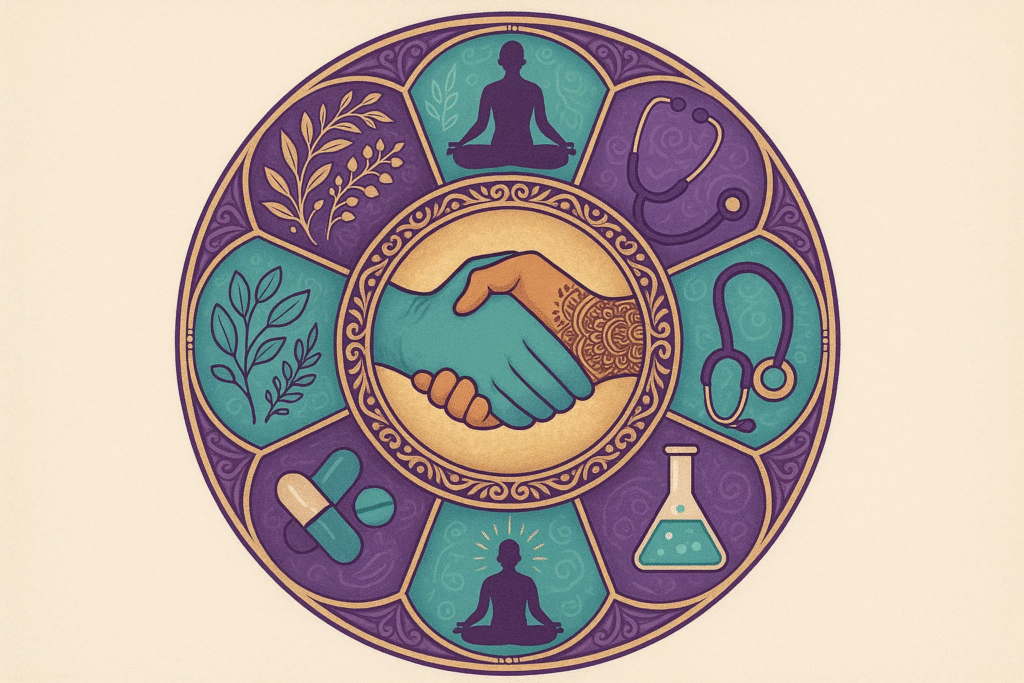
Integrative medicine approach combining holistic healing with modern Western medical practices

What is Integrative Medicine?

Integrative medicine strategically combines evidence-based conventional treatments with proven complementary therapies. This approach:

  • Uses Western diagnostics for accurate assessment
  • Incorporates holistic treatments for root cause healing
  • Minimizes pharmaceutical side effects with natural support
  • Optimizes patient outcomes through comprehensive care
  • Focuses on prevention while treating existing conditions

How Tigris Valley Embodies Integrative Medicine

At Tigris Valley, we’ve perfected the integrative approach by blending:

Ancient Wisdom: Ayurveda, Unani medicine, and traditional healing systems with thousands of years of empirical evidence.

Modern Science: Functional medicine, advanced diagnostics, IV nutritional therapy, and ozone therapy.

Nature-Based Healing: Forest therapy, hydrotherapy, and our serene mountain retreat environment.

Personalized Care: Comprehensive assessments creating individualized treatment plans addressing your unique health profile.

The Integrative Advantage

For Chronic Pain: Combine physical therapy with Ayurvedic massage and herbal anti-inflammatories for superior pain relief without medication dependency.

For Metabolic Health: Use functional medicine testing to identify deficiencies, then address them through targeted supplementation and traditional herbal formulations.

For Emotional Wellness: Integrate counseling with meditation, breathwork, and nature therapy for comprehensive mental health support.


Real-World Applications and Success Stories

Patient success story showing stress recovery transformation through holistic wellness program

Challenge: Corporate executive experiencing severe burnout, hypertension, insomnia, and digestive issues.

Western Approach Attempted: Prescribed antihypertensives, sleeping pills, and antacids—addressing symptoms but not underlying stress.

Holistic Solution at Tigris Valley:

  • Comprehensive stress assessment
  • Ayurvedic Shirodhara for nervous system regulation
  • Personalized stress recovery program
  • Dietary modifications and herbal adaptogens
  • Daily meditation and yoga practice

Outcome: Within 14 days, blood pressure normalized, sleep quality improved dramatically, and digestive function restored—all without long-term medication dependency.

Case Study 2: Post-Surgical Recovery

Challenge: Patient recovering from cardiac surgery seeking to prevent future incidents.

Integrated Approach:

  • Continued Western cardiac monitoring and check-ups
  • Cardio-metabolic recovery program for holistic rehabilitation
  • Ayurvedic cardiac support herbs
  • Supervised cardiovascular conditioning
  • Nutritional optimization for heart health

Outcome: Enhanced recovery speed, improved cardiovascular markers, and sustainable lifestyle changes preventing recurrence.

Case Study 3: Chronic Inflammatory Condition

Challenge: Patient with autoimmune-related inflammation experiencing limited relief from conventional immunosuppressants.

Holistic Intervention:

Outcome: Significant reduction in inflammation markers, decreased medication requirements, and improved quality of life.


FAQs

Can holistic medicine replace modern Western medicine completely?

No, holistic medicine should not completely replace Western medicine, especially for emergencies, acute infections, or life-threatening conditions. However, holistic approaches excel at managing chronic conditions, preventive care, and addressing root causes. The ideal approach is integrative medicine combining both systems strategically.

Is holistic medicine scientifically proven?

Many holistic practices have robust scientific backing. Ayurveda, acupuncture, and herbal medicine have been studied extensively with published research demonstrating efficacy. At Tigris Valley, we emphasize evidence-based holistic treatments while honoring traditional wisdom.

How long does holistic treatment take to show results?

Holistic medicine typically requires more patience than conventional treatments. Acute symptoms may improve within days to weeks, while chronic conditions often show significant improvement in 4-12 weeks. However, the results tend to be more sustainable and comprehensive than symptomatic relief alone.

Are there side effects with holistic treatments?

Holistic treatments generally have minimal side effects compared to pharmaceutical interventions. Natural therapies like Ayurveda and herbal medicine work with the body’s natural healing processes. However, qualified practitioners should always oversee treatment to ensure safety and effectiveness.

Can I use holistic medicine alongside my current medications?

Yes, but coordination is essential. Many holistic therapies complement Western medications effectively. At Tigris Valley, our multidisciplinary team reviews your complete medical history and current medications to create safe, integrated treatment plans without contraindications.

What is the cost difference between holistic and Western medicine?

Initial holistic consultations may cost more due to comprehensive assessments, but long-term costs often decrease significantly. Preventive holistic care reduces expensive emergency interventions and chronic medication expenses. Our wellness programs offer comprehensive care packages optimizing value.

Which approach is better for preventive healthcare?

Holistic medicine excels in preventive healthcare by addressing lifestyle factors, nutrition, stress management, and early imbalances before they become diseases. Western medicine’s preventive focus primarily involves screening and early detection rather than comprehensive wellness optimization.

Can holistic medicine help with mental health conditions?

Absolutely. Holistic approaches recognize the mind-body connection and address mental health through multiple modalities: meditation, breathwork, nutritional psychiatry, herbal adaptogens, and lifestyle modifications. Our emotional healing programs integrate these approaches effectively.

What qualifications should holistic practitioners have?

Reputable holistic practitioners should have formal training and certification in their specific modalities (Ayurveda, Unani, acupuncture, etc.). At Tigris Valley, our team includes world-class doctors with expertise in multiple healing systems, ensuring qualified, comprehensive care.

How do I know if holistic medicine is right for me?

Holistic medicine is ideal if you have chronic health issues with limited conventional treatment success, want to address root causes rather than just symptoms, prefer natural treatments with minimal side effects, or seek preventive and wellness-oriented healthcare. Schedule a consultation at Tigris Valley to explore personalized options.

Conclusion

The debate between holistic vs modern Western medicine isn’t about determining a winner—it’s about understanding when and how to utilize each approach optimally. Modern Western medicine offers unparalleled acute care, advanced diagnostics, and life-saving interventions. Holistic medicine provides comprehensive root cause healing, preventive care, and sustainable wellness practices.

The future of optimal healthcare is integrative—strategically combining the precision of Western medicine with the comprehensive healing wisdom of holistic traditions.

At Tigris Valley Wellness Retreat, we’ve perfected this integration, offering personalized programs that honor your unique health journey while delivering measurable results. Whether you’re managing chronic conditions, recovering from illness, or optimizing your wellness, our multidisciplinary approach ensures you receive the best of both worlds.

Your Health Deserves a Comprehensive Approach

Stop settling for fragmented care that treats symptoms while ignoring root causes. Discover how integrative medicine at Tigris Valley can transform your health journey.

Ready to Experience Holistic Healing?

Schedule your consultation with our expert team today and take the first step toward comprehensive wellness. Explore our specialized programs:

Your journey to optimal health begins with informed choices. Choose integrative medicine. Choose Tigris Valley.


Share on:

Dr. Sara Shareef

Dr. Sara Shareef is a distinguished Unani doctor, wellness coach, and internationally recognized authority on emotional well-being and transformational leadership. With clients from more than 45 countries, she empowers individuals through a holistic approach that blends Emotional Freedom Techniques (EFT), Neuro-Linguistic Programming (NLP), medication, ancient wisdom, and spiritual alignment.

In addition to her clinical practice, Dr. Sara leads online and in-person Art of Wellness Living programs and marriage enrichment trainings, guiding participants toward healthier, more fulfilling lives.

Vanaparvam Biodiversity Park

Unleash your curiosity at Vanaparvam Biodiversity Park, a vibrant living museum in the heart of Kerala. This 112-acre park is a collector’s dream, sheltering over 2,300 species of rare plants, exotic orchids, and medicinal flora. Meandering footpaths guide visitors through bamboo forests, butterfly gardens, and the unique “Nakshatra Vanam”—where trees represent the stars, inviting all to discover their zodiac connection with nature.​

Each step through Vanaparvam is a step into a thriving ecological symphony. Wooden bridges arch over gentle streams, shaded benches invite quiet reflection, and children’s laughter echoes from botanical learning corners. The park’s tranquil ambience makes it perfect for families, nature enthusiasts, or anyone seeking to reconnect with earth’s wild heart. Every visit promises new discoveries—whether you’re hunting for rare blooms or losing track of time under a forest canopy.​

Kozhikode Thusharagiri Waterfalls

Thusharagiri Waterfalls is where nature performs its masterpiece—three dazzling cascades pouring down rocky cliffs, filling the valley with a melody of gushing water and cool mist. True to its name, meaning “snow-capped mountains”, the waterfalls cloak visitors in an ethereal spray, evoking the magic of a hidden Himalayan land. Thick forests envelop the falls, creating a lush sanctuary for birds, butterflies, and explorers thrilled by the adventure of trekking through unspoiled wilderness.​

For those seeking peace, Thusharagiri offers tranquil picnic spots beside sparkling pools, where time seems to pause and the only soundtrack is the rush of water and birdsong overhead. Adventurous spirits can challenge forest trails, crossing bamboo bridges and discovering secret viewpoints. Whether chasing waterfalls or soaking in the scenery, Thusharagiri is a sensory escape that will leave visitors both rejuvenated and in awe of Kerala’s raw natural beauty.​

Banasura Sagar Dam

Experience the grandeur of India’s largest earth dam at Banasura Sagar, where engineering marvel and natural beauty collide. A panorama of glistening waters—dotted with tiny emerald islets—spreads out beneath imposing hills, creating one of Wayanad’s most stunning vistas. Here, adventure blends with tranquility: visitors can embark on thrilling boat rides, enjoy breezy treks, or simply relax and soak in the awe-inspiring views.​

Banasura Sagar is more than just a dam—it’s a place steeped in legend and wrapped in the harmony of rolling hills and dense forests. Myths speak of King Banasura, adding an air of mystique to the already magical location. With every sunrise and sunset casting new colors across the water, this is a destination where the spirit of nature and the imagination of visitors soar unhindered.​

Chembra Peak

Climb to the clouds with a trek to Chembra Peak, Wayanad’s highest summit and a beacon for adventure lovers. At 2,100 meters, the invigorating climb weaves through tea plantations, wild grasslands, and wooded slopes, every step unveiling new vistas of breathtaking beauty. The journey’s crown jewel is the legendary heart-shaped lake—nestled high among the hills and perpetually shrouded in mist—a symbol of enduring love and the magic of the wild.​

The views from Chembra Peak are unrivaled, stretching across endless blue mountains and sparkling valleys far below. Trekking here is more than a physical adventure—it’s a soul-stirring experience, connecting explorers with the rhythm of the earth and the melody of the breeze. Whether savoring sunrise from the summit or simply marveling at the lush expanse, Chembra Peak promises inspiration for dreamers, lovers, and all who seek the extraordinary.​

Wildlife

Venture into the untamed wilds of Wayanad, where life pulses with each birdcall, each rustle of leaves, and each distant trumpet of elephants. The region’s wildlife sanctuaries are a true Eden—spacious havens where Asian elephants, Bengal tigers, Malabar giant squirrels, and countless exotic species roam free among teak and rosewood giants. Jeep safaris and eco-walks invite discovery, promising a firsthand glimpse of nature at its most raw and majestic.​

For families, wildlife enthusiasts, and adventurers, a day spent here is a treasure trove of memories: spotting herds of deer, pausing for butterflies, and witnessing the harmonious ballet of creatures great and small. In Wayanad’s wild heart, every encounter tells a story, every pathway leads to wonder, and every visitor departs with a newfound reverence for the planet’s extraordinary diversity.

Unravel the Mystique of Edakkal Caves

Step into the enigmatic world of the Edakkal Caves, where history whispers through ancient stone carvings perched high on Ambukuthi Hill. These aren’t just caves—they’re natural rock shelters formed when a massive boulder was wedged between two giants, creating a mystical passage to the past. As you trek up lush, green trails, anticipation heightens with every step until you’re greeted by awe-inspiring petroglyphs—carvings of humans, animals, and mysterious symbols—that date as far back as 6,000 BCE. The sheer scale and mystery of the engravings have captivated archaeologists and adventurers alike, with links to the Indus Valley Civilization adding an extra layer of intrigue.​

But Edakkal is more than an archaeological marvel; it’s an experience that fuses story with adventure. Legends say the caves were formed by the arrows of Lord Rama’s sons—myth woven with reality! The trek itself is a sensory delight, winding through coffee plantations and vibrant forest, rewarded by panoramic views from the summit. Inside, every mark and figure carved into the walls reveals tales of a civilization lost to time. For anyone passionate about discovery, the Edakkal Caves promise an unforgettable, almost magical journey into the very soul of human history.​

Immerse Yourself in the Serenity of Kuruva Island

Discover the untouched paradise of Kuruva Island, a 950-acre wonderland floating gently in the Kabini River. Here, ancient trees stretch their limbs skyward, bamboo rafts meander across quiet, winding waters, and rare orchids bloom in riotous color. Each step transports you further from the noise of the world and deeper into a haven teeming with vibrant flora, wild herbs, and the melodic calls of exotic birds.​

Kuruva Island is an adventure in serenity—a lush labyrinth where time stands still and every sound is the song of nature. Follow winding trails shaded by towering trees and cross rustic wooden bridges to discover hidden groves, secret beaches, and tranquil riverbanks. Explorers and solitude-seekers alike will find themselves enchanted by the sense of discovery in every corner of this untouched sanctuary.​

Delight in the Serene Beauty of Pookode Lake

Lose yourself in the serene embrace of Pookode Lake, where shimmering waters mirror the emerald hills and dense forests that surround it. This enchanting freshwater lake invites you to glide across its surface in a rowboat, while lush greenery whispers its secrets and playful birds create a symphony overhead. The air is cool and crisp, scented with earth and the promise of adventure, making every moment here pure, unfiltered bliss.​

Pookode Lake is not just a feast for the senses—it’s a sanctuary for the soul. Nature trails wind along its edge, each path revealing vibrant wildflowers, hidden nooks, and mesmerizing views. For families, romantics, and dreamers, the magic of Pookode is undeniable: sunbeams dancing on water, the call of a kingfisher, and a sense of peace that lingers long after the visit ends.​
html[lang="ar"] body { direction: rtl; text-align: right; }