[gtranslate]
MENU
Waking up with a stiff neck or experiencing persistent discomfort that radiates down your shoulders? You’re not alone—over 30% of adults experience neck-related pain each year, yet many struggle to understand whether they’re dealing with simple neck pain or a more serious cervical spine condition. This confusion often leads to delayed treatment, worsening symptoms, and unnecessary suffering.
The consequences of ignoring cervical spine issues can be severe: chronic pain, reduced mobility, nerve damage, and a significantly diminished quality of life. Without proper diagnosis and treatment, what starts as occasional discomfort can evolve into debilitating chronic conditions requiring extensive medical intervention.
Here’s the solution: Understanding the critical differences between neck pain and cervical pain empowers you to seek appropriate treatment early. This comprehensive guide reveals everything you need to know about neck pain vs cervical pain, including symptoms, causes, and proven holistic treatment approaches available at Tigris Valley Wellness Retreat.
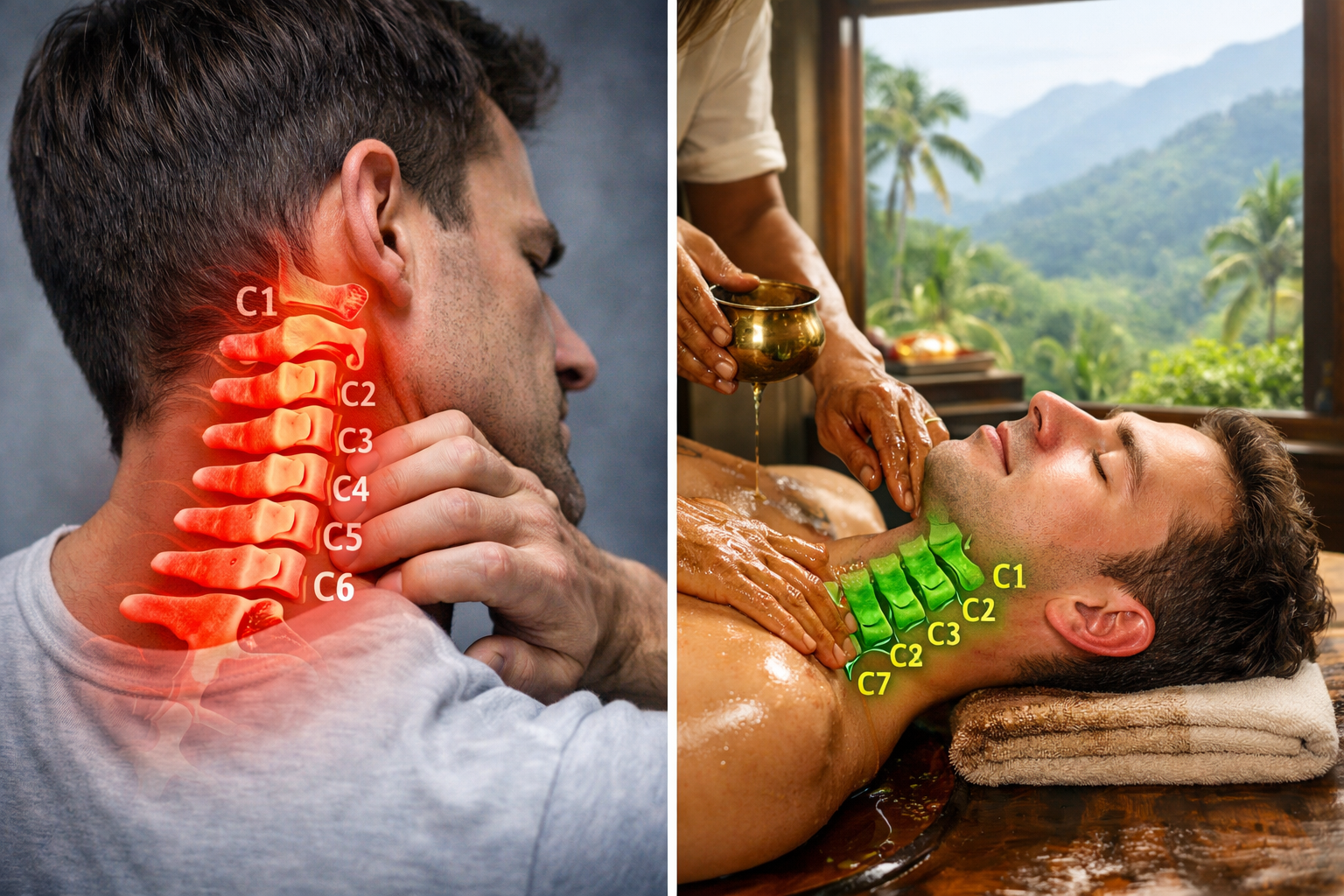
The terms “neck pain” and “cervical pain” are frequently used interchangeably in everyday conversation, creating widespread confusion about their actual meanings. While they’re closely related, understanding the distinction is crucial for proper diagnosis and treatment.
Neck pain is a general, descriptive term referring to any discomfort experienced in the neck region. It’s a symptom that can arise from various causes—muscle strain, poor posture, stress, or underlying medical conditions. Think of it as the umbrella term that encompasses all types of neck-related discomfort.
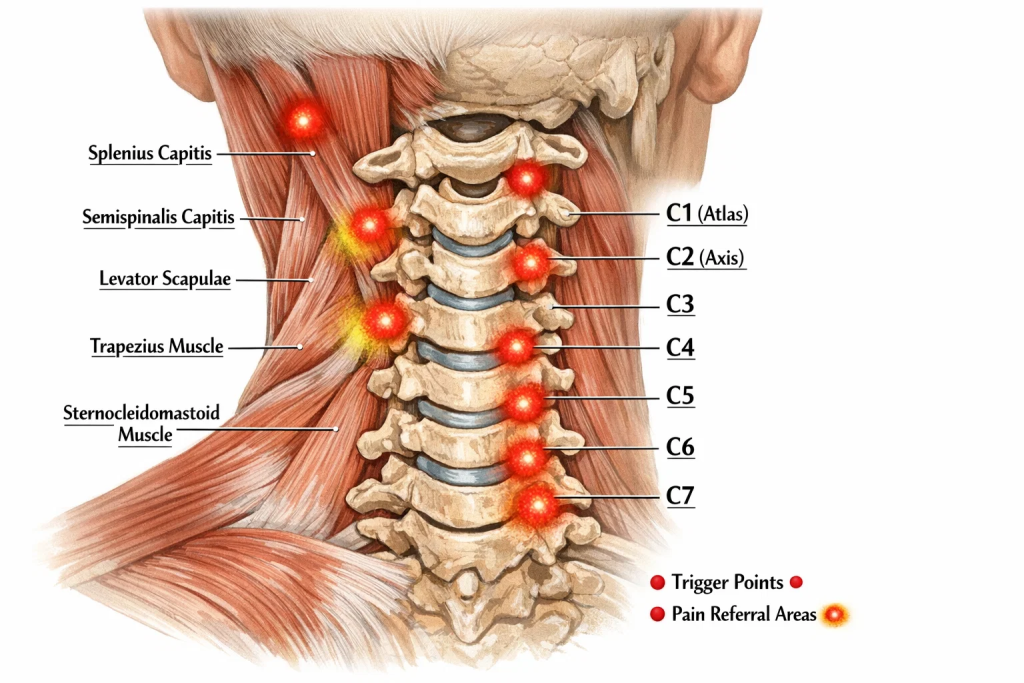
Cervical pain, on the other hand, is a more specific medical term referring to pain originating from the cervical spine—the seven vertebrae (C1-C7) that form your neck’s structural foundation. When healthcare professionals use “cervical pain,” they’re typically indicating involvement of the spine, discs, nerves, or vertebrae rather than just soft tissue.
The confusion stems from the anatomical overlap: your cervical spine is located in your neck, so cervical spine problems naturally cause neck pain. However, not all neck pain indicates cervical spine involvement. Understanding this distinction helps determine whether you need conservative treatment like massage and stretching or more specialized medical intervention for spinal issues.
At Tigris Valley’s Chronic Pain & Inflammation Management Program, our integrative approach addresses both superficial muscle pain and deeper cervical spine conditions through personalized assessment and treatment.
Neck pain refers to any discomfort, aching, stiffness, or soreness experienced in the anatomical neck region—from the base of the skull to the upper shoulders. It’s one of the most common musculoskeletal complaints, affecting people across all age groups and lifestyles.
Acute Neck Pain:
Chronic Neck Pain:
Muscle Strain and Tension: The most frequent cause of neck pain results from overuse, poor posture, or stress. Modern lifestyle factors—extended screen time, smartphone usage (“tech neck”), and sedentary work—place enormous strain on neck muscles. Studies show that forward head posture increases the weight burden on your cervical spine by up to 60 pounds.
Poor Ergonomics: Improper workstation setup forces your neck into unnatural positions for extended periods. Without proper monitor height, chair support, and keyboard placement, your neck muscles work overtime to maintain head position, leading to fatigue and pain.
Stress and Emotional Tension: Psychological stress manifests physically as muscle tension, particularly in the neck and shoulders. The mind-body connection is powerful—chronic stress triggers sustained muscle contraction, reducing blood flow and creating pain cycles.
Sleep Position Issues: Sleeping with inadequate neck support or in awkward positions prevents proper muscle relaxation and spinal alignment. Your pillow height, mattress firmness, and sleeping posture directly impact morning neck stiffness and pain levels.
Most general neck pain responds well to conservative treatments including rest, heat therapy, gentle stretching, and stress management techniques available through Ayurveda treatments at Tigris Valley.
Cervical pain specifically refers to discomfort originating from structures within the cervical spine—the seven vertebrae (C1-C7), intervertebral discs, facet joints, ligaments, and nerve roots that comprise your neck’s skeletal framework. Unlike general neck pain involving primarily soft tissues, cervical pain indicates potential structural or neurological involvement.
Your cervical spine serves three critical functions: supporting your head’s weight (approximately 10-12 pounds), enabling extensive neck movement, and protecting the spinal cord. The unique anatomy of cervical vertebrae allows for remarkable flexibility while maintaining stability—a delicate balance easily disrupted by injury, degeneration, or disease.
The cervical spine consists of:
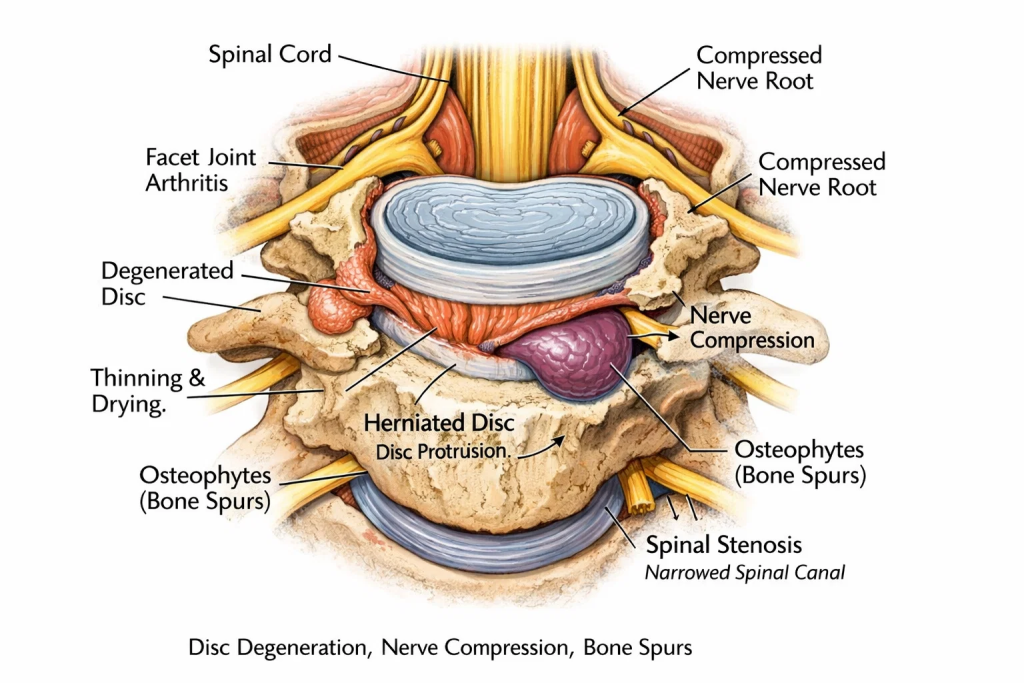
Cervical Spondylosis (Degenerative Arthritis): Age-related wear and tear affects the cervical spine’s discs and joints. Over 85% of people over 60 show radiographic evidence of cervical spondylosis, though not all experience symptoms. Degeneration leads to disc space narrowing, bone spur formation, and potential nerve compression.
Herniated Cervical Disc: When the soft inner portion of an intervertebral disc protrudes through its outer ring, it can compress nearby nerve roots. This causes characteristic radiating pain, numbness, or weakness following the affected nerve’s pathway—often into the shoulder, arm, or hand.
Cervical Radiculopathy: Nerve root compression from disc herniation, bone spurs, or spinal stenosis creates pain, numbness, tingling, or weakness in specific distribution patterns. C6 and C7 nerve roots are most commonly affected, causing symptoms in the thumb/index finger and middle finger respectively.
Cervical Spinal Stenosis: Narrowing of the spinal canal compresses the spinal cord itself (myelopathy) or nerve roots. This condition often develops gradually through degenerative changes and may cause progressive symptoms affecting balance, coordination, and hand dexterity.
Whiplash and Cervical Strain: Sudden acceleration-deceleration forces (commonly from vehicle accidents) stretch or tear cervical ligaments and muscles. While often classified as soft tissue injury, severe whiplash can damage discs and facet joints, creating long-term cervical spine problems requiring specialized rehabilitation like our Post-Trauma & Rehabilitation Program.
Red flag symptoms indicating cervical spine involvement:
These symptoms warrant immediate professional evaluation, as they may indicate nerve compression or spinal cord involvement requiring specialized treatment combining Functional Medicine and traditional approaches.
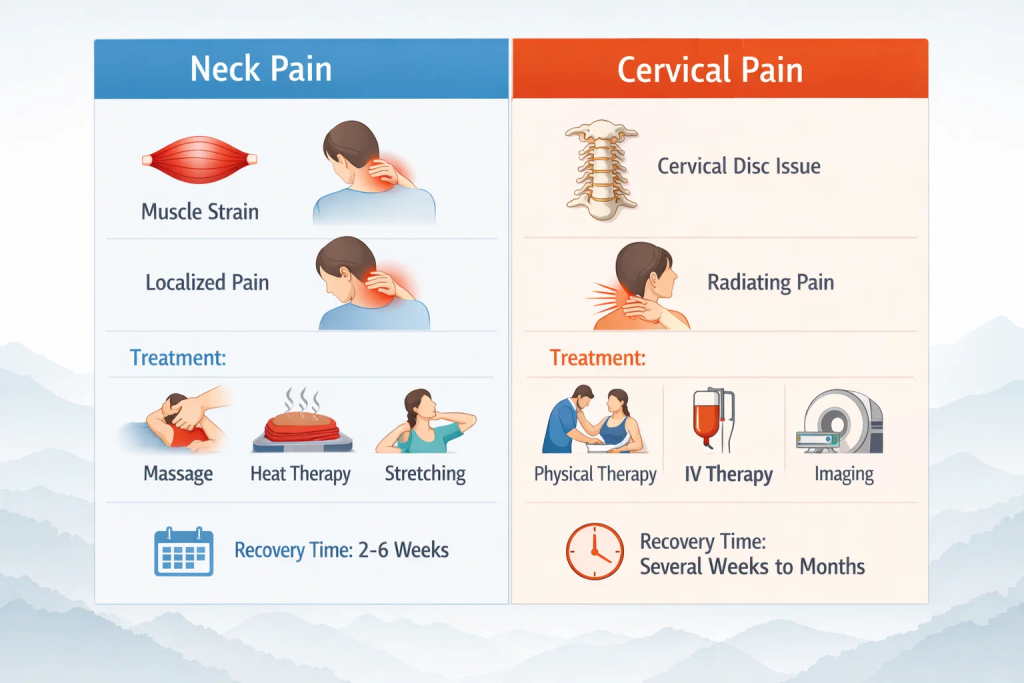
Understanding the distinctions between general neck pain and cervical spine-specific pain helps you make informed decisions about treatment and when to seek specialized care.
Neck Pain:
Cervical Pain:
Neck Pain:
Cervical Pain:
Neck Pain Evaluation:
Cervical Pain Diagnosis:
At Tigris Valley, our multidisciplinary team performs thorough assessments to accurately differentiate between muscular neck pain and cervical spine conditions, ensuring you receive the most appropriate treatment.
Neck Pain Treatment: The good news is that most general neck pain resolves with conservative treatments:
Cervical Pain Treatment: Cervical spine conditions often require more specialized interventions:
Our Chronic Pain & Inflammation Management Program offers comprehensive treatment for both conditions through personalized, integrative protocols.
Neck Pain:
Cervical Pain:
The critical takeaway: While general neck pain is usually temporary and manageable with conservative care, cervical pain involving spinal structures demands professional evaluation and targeted treatment to prevent progression and neurological complications.
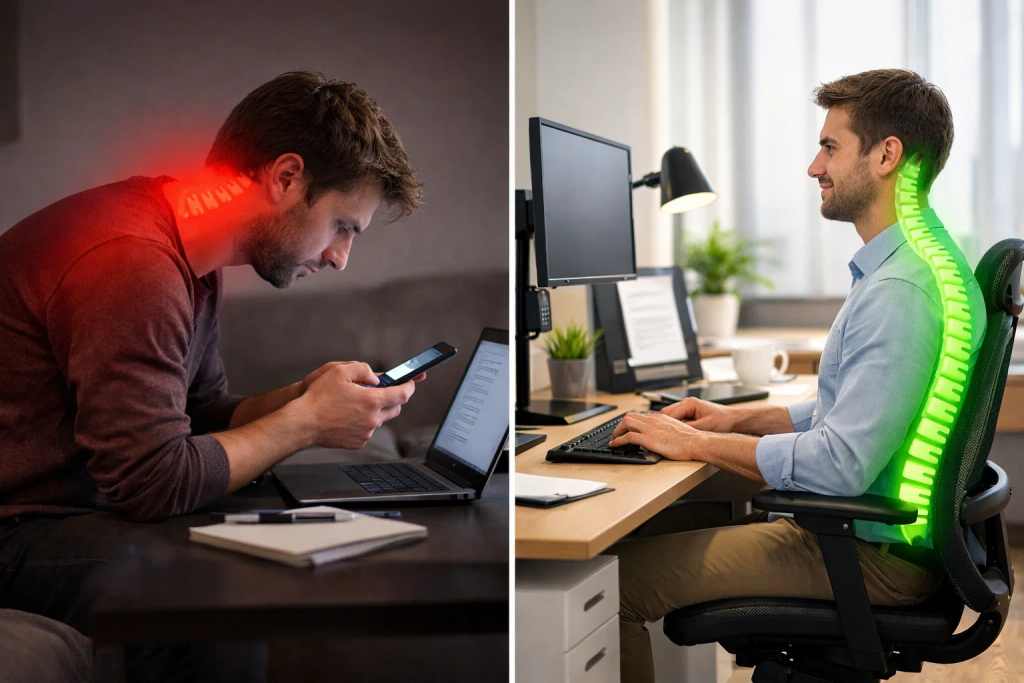
Digital Device Overuse (“Tech Neck”): Smartphones, tablets, and computers have revolutionized our lives while simultaneously creating an epidemic of neck problems. Research shows the average person spends 4-6 hours daily looking down at devices, tilting the head forward by 60 degrees and multiplying gravitational forces on the cervical spine.
This sustained forward head posture:
Sedentary Work Environments: Office workers face unique cervical spine challenges from prolonged sitting with static head positions. Without regular movement breaks and proper ergonomics, cumulative microtrauma develops over weeks, months, and years—eventually manifesting as chronic neck or cervical pain.
Poor Sleep Habits: Your sleeping environment significantly impacts cervical health. Unsupportive pillows, old mattresses, and stomach sleeping force your neck into extreme positions for 6-8 hours nightly. This prolonged stress prevents tissue recovery and may contribute to disc degeneration over time.
Natural Aging Process: Starting in our 30s, intervertebral discs gradually lose water content, becoming less effective shock absorbers. Facet joints develop arthritis, ligaments thicken, and bone spurs form—all natural aging processes that can cause cervical pain even without specific injury.
Osteoarthritis and Disc Degeneration: Cervical spondylosis develops progressively with age, affecting disc height, joint alignment, and nerve root spaces. While many people adapt without symptoms, others experience significant pain and functional limitation requiring intervention.
Whiplash Injuries: Vehicle accidents, sports collisions, and falls create sudden acceleration-deceleration forces that stretch or tear cervical ligaments and muscles. Even “minor” accidents can cause lasting cervical spine problems, particularly if initial treatment is inadequate.
Sports and Repetitive Strain: Contact sports, overhead activities (swimming, tennis), and repetitive occupational movements create cumulative trauma to cervical structures. Athletes and manual laborers face elevated risk of both acute injuries and chronic degenerative changes.
Rheumatoid Arthritis: This autoimmune condition affects cervical joints, particularly the upper cervical spine (C1-C2), creating inflammation, instability, and potential spinal cord compression. Early diagnosis and treatment through our Autoimmune Disorder Management Program is crucial.
Fibromyalgia and Myofascial Pain: These chronic pain conditions often manifest prominently in the neck and shoulder region. The widespread muscular pain, tender points, and fatigue create complex treatment challenges requiring holistic approaches.
Cervical Radiculopathy from Disc Herniation: Acute disc herniations compress nerve roots, creating characteristic radiating pain patterns. C6 and C7 radiculopathies are most common, affecting the thumb/index finger and middle finger respectively.
Chronic Stress and Anxiety: The mind-body connection profoundly influences neck pain. Psychological stress triggers sustained muscle tension, particularly in the neck and shoulders, creating pain cycles difficult to break without addressing underlying stressors through programs like our Stress & Burnout Recovery Program.
Depression and Pain Amplification: Mental health conditions alter pain perception and processing, making neck and cervical pain feel more severe and resistant to treatment. Integrative approaches addressing both physical and psychological aspects—like our Mental Health Retreat program—prove most effective.
Seek emergency care immediately if you experience:
These symptoms may indicate spinal cord compression, infection, or other serious conditions requiring urgent intervention.
Schedule a consultation when:
Early professional evaluation prevents minor problems from becoming chronic conditions. Our comprehensive assessment process at Tigris Valley identifies root causes and develops personalized treatment strategies.
Addressing neck and cervical pain early provides significant advantages:
At Tigris Valley, we believe in treating the whole person, not just symptoms. Our integrative approach combines traditional wisdom with modern diagnostics, ensuring comprehensive care for your cervical spine health.

Tigris Valley’s unique approach to neck and cervical pain combines ancient healing traditions with cutting-edge functional medicine. Rather than simply masking symptoms, we address root causes through personalized, multi-modal treatment plans that restore balance to your entire system.
Abhyanga (Therapeutic Oil Massage): This cornerstone Ayurvedic treatment involves warm, medicated herbal oils applied through specific massage techniques. For neck pain, Abhyanga:
Our therapists use specialized strokes focusing on marma points (vital energy centers) in the neck and shoulder region, releasing deep-seated tension that conventional massage cannot access.
Panchakarma Detoxification: This comprehensive cleansing process eliminates accumulated toxins (ama) that contribute to inflammation and pain. For cervical conditions, Panchakarma protocols may include:
Learn more about our Detox & Cleanse Program designed to restore systemic balance.
Customized Herbal Formulations: Based on your constitution (Prakriti) and current imbalances (Vikriti), our Ayurvedic physicians prescribe herbal combinations targeting:
Unani Medicine offers powerful complementary treatments for neck and cervical conditions:
Hijama (Cupping Therapy): This ancient technique involves creating suction on specific points to:
Ilaj Bil Ghiza (Dietary Therapy): Unani practitioners recognize food as medicine, prescribing anti-inflammatory diets customized to your temperament (Mizaj) that support healing while reducing pain-promoting substances.
Our Functional Medicine protocols address cervical pain through advanced, evidence-based treatments:
IV Nutritional Therapy: Direct intravenous delivery of therapeutic nutrients provides:
Ozone Therapy: Medical-grade ozone delivered through various protocols:
Targeted Supplementation: Based on comprehensive testing, we may recommend:
Traditional Acupuncture offers remarkable benefits for neck and cervical pain:
Mechanism of Action:
Evidence-Based Results: Research consistently demonstrates acupuncture’s effectiveness for neck pain, with many patients experiencing significant relief after just 6-8 sessions. Our licensed practitioners combine traditional Chinese medicine diagnosis with modern understanding of cervical spine anatomy.
Tigris Valley’s serene mountain location provides unique healing opportunities:
Forest Bathing (Shinrin-yoku): Immersion in natural environments:
Hydrotherapy: Therapeutic water treatments including:
Yoga and Meditation: Our Yoga & Naturopathy program includes:
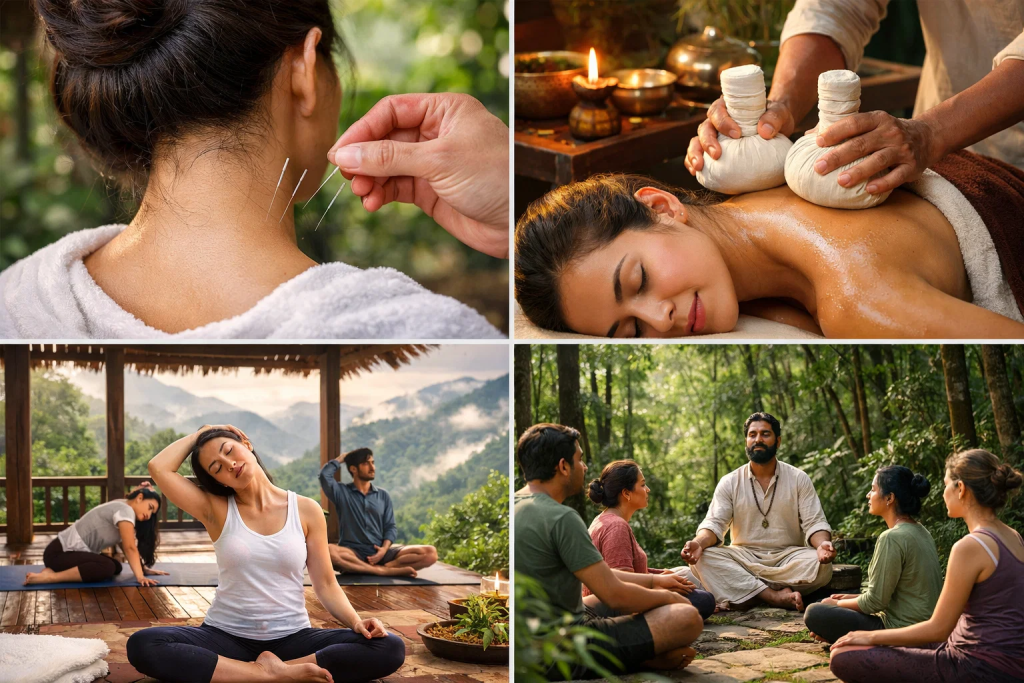
For General Neck Pain: Our typical protocol combines:
For Cervical Spine Conditions: More intensive protocols may include:
No two patients are identical, which is why our expert team at Tigris Valley develops completely customized treatment plans based on:
Contact us to schedule your initial consultation and begin your journey toward lasting relief from neck and cervical pain.
Workstation Setup: Proper ergonomics significantly reduces neck strain risk:
Take regular breaks: The 20-20-20 rule—every 20 minutes, look 20 feet away for 20 seconds, combined with standing and stretching every hour.
Maintain neutral spine alignment:
Smartphone and device usage:
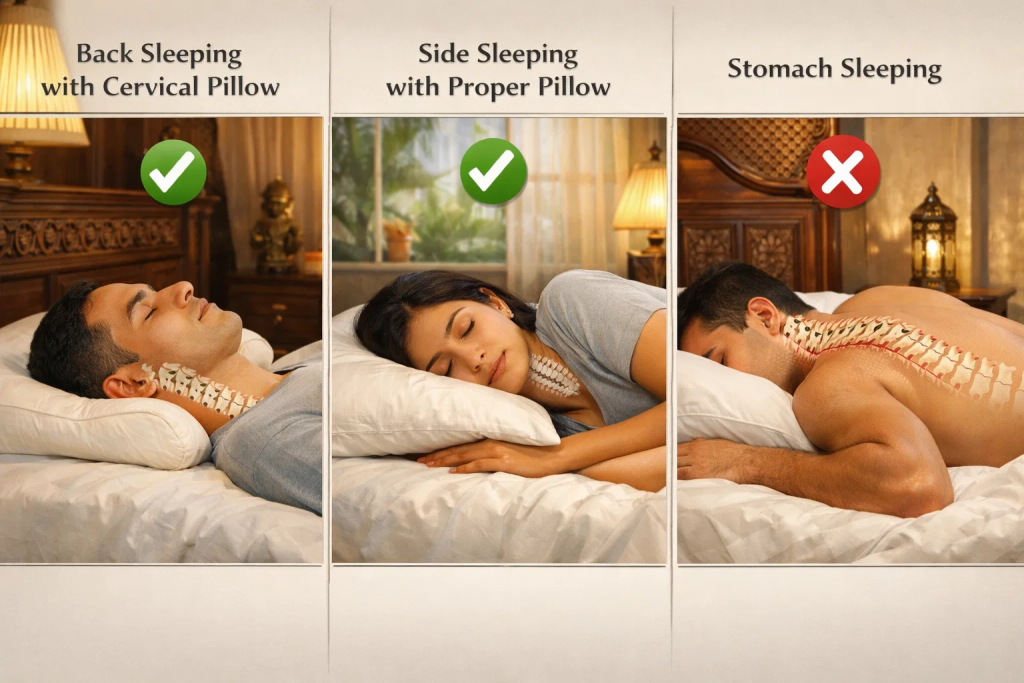
Ideal sleeping positions for cervical health:
Pillow selection:
Neck-specific exercises:
Overall fitness:
Chronic stress directly contributes to neck tension. Effective management strategies include:
Nutrition for spine health:
Avoid risk factors:
Preventive care strategies:
Prevention is always more effective than treatment. Our Anti-Aging & Longevity Program includes comprehensive strategies for maintaining spinal health throughout life.
Not exactly. While related, neck pain is a general term describing any discomfort in the neck region (often muscular), whereas cervical pain specifically refers to pain originating from the cervical spine structures—vertebrae, discs, and nerves. All cervical pain causes neck pain, but not all neck pain involves the cervical spine.
Not exactly. While related, neck pain is a general term describing any discomfort in the neck region (often muscular), whereas cervical pain specifically refers to pain originating from the cervical spine structures—vertebrae, discs, and nerves. All cervical pain causes neck pain, but not all neck pain involves the cervical spine.
Absolutely. Chronic poor posture, especially forward head posture from device use, creates sustained stress on cervical vertebrae, discs, and ligaments. Over time, this can accelerate degenerative changes, cause disc problems, and contribute to conditions like cervical spondylosis—even in younger individuals.
Consult a healthcare professional if neck pain persists beyond 2-3 weeks, progressively worsens, causes significant functional limitation, includes neurological symptoms (numbness, tingling, weakness), follows trauma, or accompanies fever. Early evaluation prevents minor problems from becoming chronic conditions.
Yes. Chronic psychological stress triggers sustained muscle tension, particularly in the neck and shoulders, creating pain cycles. Additionally, stress affects pain perception and processing, making cervical conditions feel more severe. Addressing the mind-body connection through our Mental Health Retreat program improves outcomes.
Cervical radiculopathy involves nerve root compression causing radiating pain, numbness, or weakness following specific nerve pathways into the arm and hand. Neck muscle strain creates localized pain without radiation or neurological symptoms. Radiculopathy requires more specialized treatment targeting nerve compression.
Yes. While severe disc herniation may require surgical intervention, many cases improve with conservative, natural treatments. Our integrative approach combines Ayurvedic therapies, acupuncture, functional medicine interventions, specialized exercises, and lifestyle modifications. Functional Medicine treatments and IV nutritional support have shown promising results for disc healing.
Absolutely. The cervical spine connects intimately with shoulder and upper back structures through muscles, nerves, and fascia. Cervical spine problems frequently cause referred pain in shoulders and between shoulder blades. Conversely, shoulder and upper back tension can stress the cervical spine, creating a pain cycle requiring comprehensive treatment.
Ayurveda offers highly effective treatments for both muscular neck pain and cervical spine conditions. Therapies like Abhyanga, Panchakarma, and Greeva Basti address inflammation, improve circulation, release tension, and support tissue healing. Combined with modern functional medicine, Ayurvedic approaches provide comprehensive, natural solutions. Explore our Ayurveda treatments for personalized protocols.
Back sleeping with proper neck support is ideal, maintaining natural cervical lordosis. Side sleeping with appropriate pillow height (filling the shoulder-to-head space) is also acceptable. Avoid stomach sleeping, which forces extreme neck rotation. Use a cervical contour pillow or memory foam pillow that maintains your neck’s natural curve.
Extended smartphone use with forward head posture creates significant stress on cervical structures. Studies show that tilting your head forward 60 degrees (typical phone viewing angle) multiplies gravitational forces on your spine to 60 pounds—equivalent to carrying an 8-year-old child on your neck. Over time, this accelerates degenerative changes and can cause chronic cervical pain.
Not at all. Most cervical disc herniations improve with conservative treatment over 6-12 weeks. Surgery is typically reserved for cases with progressive neurological deficits, severe spinal cord compression, or symptoms not responding to comprehensive conservative care. Our integrative approach at Tigris Valley successfully treats many cervical disc conditions without surgical intervention.
Our Cardio-Metabolic Health & Recovery Program addresses systemic inflammation, circulation, and metabolic factors that influence pain conditions. Cardiovascular health, diabetes management, and metabolic optimization create an internal environment supporting tissue healing and reducing chronic pain—including neck and cervical pain.
Tigris Valley combines ancient healing wisdom (Ayurveda, Unani, Chinese Medicine) with cutting-edge functional medicine in a serene mountain retreat setting. Rather than simply managing symptoms with medications, we address root causes through personalized, multi-modal protocols. Our holistic approach treats the whole person—body, mind, and spirit—creating lasting transformation rather than temporary relief.
Understanding the distinction between general neck pain and cervical spine-specific pain empowers you to seek appropriate treatment and prevent minor problems from becoming chronic conditions. Whether you’re experiencing simple muscle tension or complex cervical spine issues, comprehensive evaluation and personalized treatment are essential.
At Tigris Valley Wellness Retreat, we offer a unique integration of time-tested healing traditions and modern medical advances in a serene mountain setting designed to facilitate deep healing. Our expert practitioners develop customized protocols addressing your specific condition, contributing factors, and wellness goals.
Don’t let neck or cervical pain limit your life any longer. Schedule your consultation with our expert team today and discover how our holistic approach can restore your comfort, mobility, and quality of life.
Explore our comprehensive wellness programs designed to support your journey toward optimal health and vitality in the tranquil embrace of Kerala’s mountains.
Break free from neck and cervical pain with Tigris Valley’s integrative healing approach. Our expert team combines Ayurveda, Functional Medicine, and Nature Therapy to address root causes and restore your wellbeing.
✅ Schedule Your Consultation
✅ Explore Our Chronic Pain Management Program
✅ Learn About Our Holistic Approach