Nipah Virus: Understanding Transmission, Threats, and Prevention Strategies

Nipah Virus: Understanding Transmission, Threats, and Prevention Strategies

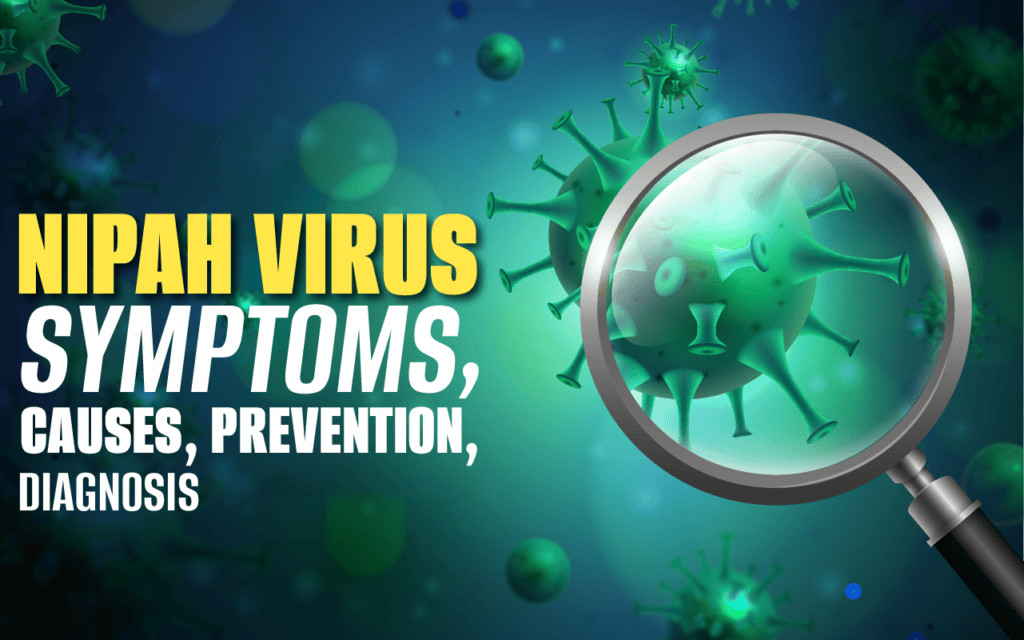
Nipah virus (NiV) is a zoonotic virus, which can spread between animals and humans. It was
first identified during an outbreak in Malaysia and Singapore in 1998-1999. The virus caused
severe respiratory illness in pigs and encephalitis (inflammation of the brain) in humans,
leading to significant mortality.

Origins and Transmission of Nipah Virus

The Nipah virus belongs to the Henipavirus genus, a group of viruses in the family
Paramyxoviridae. The natural reservoir for the Nipah virus is fruit bats of the Pteropodidae family,
particularly species belonging to the genus Pteropus. Transmission to humans can occur
through:

Human-Animal Interaction: Close contact with infected bats or pigs, either directly
or through their bodily fluids, can lead to the transmission of the virus. In Malappuram,
it is suspected that the initial cases were linked to bat-to-human transmission.

Contaminated Food: Consumption of fruits or fruit products (such as raw date palm
sap) contaminated with saliva or urine from infected bats can also spread the virus. This
route is particularly relevant in regions where such practices are common.

Human-to-Human Transmission: Once the virus infects a human, it can spread to
others through direct contact with the infected person’s bodily fluids, such as saliva,
urine, or respiratory droplets. This secondary transmission has contributed to the spread
of the virus in the community.

Symptoms and Clinical Features of Nipah Virus Infection

The incubation period (time from infection to the onset of symptoms) ranges from 4 to 14 days.
Initial symptoms include fever, headache, dizziness, and vomiting. As the disease progresses,
it can lead to severe respiratory issues and encephalitis. Symptoms of encephalitis include:

 Fever
 Headache
 Drowsiness
 Disorientation
 Mental confusion
 Respiratory symptoms such as cough and shortness of breath
 Seizures (in severe cases)

In severe cases, the infection can lead to encephalitis (inflammation of the brain), resulting in
coma and death. The incubation period typically ranges from 4 to 14 days.

Diagnosis

Diagnosis of Nipah virus infection can be confirmed through laboratory tests such as:

 Real-time polymerase chain reaction (RT-PCR) from throat and nasal swabs,
cerebrospinal fluid, urine, and blood.
 ELISA (enzyme-linked immunosorbent assay) to detect NiV-specific antibodies.

Treatment and Prevention

There is no specific antiviral treatment for Nipah virus infection. Treatment is supportive and
focuses on managing symptoms. Intensive supportive care is essential, particularly in severe
cases with respiratory and neurological complications.

Prevention strategies include:

 Avoiding Contact: With sick animals, particularly pigs and bats.

 Consuming Safe Food: Avoiding consumption of raw date palm sap and ensuring food
hygiene.

 Protective Measures: In healthcare settings, use of personal protective equipment
(PPE) to prevent nosocomial transmission.

 Public Health Education: Raising awareness about avoiding contact with bats,
consuming only pasteurized fruit products, and practicing good hygiene can prevent
infection.

 Surveillance and Reporting: Strengthening surveillance systems to identify quickly
and respond to outbreaks.
Management and Control Measures

Effective management and control of the Nipah virus outbreak involve several strategies:

 Early Detection and Isolation: Rapid identification and isolation of suspected cases
are crucial to prevent further spread. Health authorities have implemented screening
and testing protocols to identify infected individuals promptly.

 Contact Tracing: Extensive contact tracing efforts are underway to identify and
monitor individuals who have been in close contact with confirmed cases. This helps
in the early detection and isolation of secondary cases.

 Quarantine and Isolation Facilities: Dedicated quarantine and isolation facilities have
been established to care for infected individuals and prevent transmission to others.

 Public Awareness and Education: Public health campaigns are being conducted to
educate the community about the symptoms, transmission routes, and preventive
measures. This includes advising people to avoid consuming potentially contaminated
fruits and to practice good hygiene.

 Personal Protective Equipment (PPE): Healthcare workers and those involved in
managing the outbreak are provided with appropriate PPE to protect themselves from
infection.

 Travel Restrictions and Movement Control: Temporary travel restrictions and
movement controls have been implemented in affected areas to limit the spread of the
virus.

 Animal Surveillance and Control: Surveillance of animal populations, particularly
bats and pigs, is being conducted to identify and manage potential sources of infection.

 Research and Development: Efforts are ongoing to develop vaccines and antiviral
treatments for Nipah virus. While no specific treatment currently exists, supportive care
and management of symptoms are provided to patients.

Outbreaks and Public Health Impact
Since its discovery, Nipah virus has caused several outbreaks, predominantly in South and
Southeast Asia. Notable outbreaks have occurred in:

 Malaysia and Singapore (1998-1999): Resulted in over 100 human deaths and the
culling of over a million pigs.
 Bangladesh and India (since 2001): Regular outbreaks with high fatality rates, are often
linked to consumption of contaminated date palm sap.

Nipah virus poses a significant public health threat due to its high mortality rate, potential for
human-to-human transmission, and lack of specific treatment. Continued surveillance,
research, and public health measures are crucial to managing and mitigating the risk of Nipah
virus outbreaks.

Conclusion

Nipah virus remains a deadly pathogen with significant implications for public health.
Understanding its transmission dynamics, enhancing diagnostic capabilities, and implementing
robust prevention strategies are key to controlling future outbreaks and protecting public health.

Share on:

Dr. Faheem Najeeb

Dr. Faheem is a Functional & Integrative Medicine Practitioner, Palliative Care Physician and Emergency Medicine Specialist. He is also the Medical Director of Tigris Valley, a leading destination for personalized healing and preventive healthcare in Kerala, India.

With over a decade of clinical experience and combining modern medicine with nutritional science he treats people dealing with autoimmune conditions, chronic lifestyle diseases, and cancer.

Vanaparvam Biodiversity Park

Unleash your curiosity at Vanaparvam Biodiversity Park, a vibrant living museum in the heart of Kerala. This 112-acre park is a collector’s dream, sheltering over 2,300 species of rare plants, exotic orchids, and medicinal flora. Meandering footpaths guide visitors through bamboo forests, butterfly gardens, and the unique “Nakshatra Vanam”—where trees represent the stars, inviting all to discover their zodiac connection with nature.​

Each step through Vanaparvam is a step into a thriving ecological symphony. Wooden bridges arch over gentle streams, shaded benches invite quiet reflection, and children’s laughter echoes from botanical learning corners. The park’s tranquil ambience makes it perfect for families, nature enthusiasts, or anyone seeking to reconnect with earth’s wild heart. Every visit promises new discoveries—whether you’re hunting for rare blooms or losing track of time under a forest canopy.​

Kozhikode Thusharagiri Waterfalls

Thusharagiri Waterfalls is where nature performs its masterpiece—three dazzling cascades pouring down rocky cliffs, filling the valley with a melody of gushing water and cool mist. True to its name, meaning “snow-capped mountains”, the waterfalls cloak visitors in an ethereal spray, evoking the magic of a hidden Himalayan land. Thick forests envelop the falls, creating a lush sanctuary for birds, butterflies, and explorers thrilled by the adventure of trekking through unspoiled wilderness.​

For those seeking peace, Thusharagiri offers tranquil picnic spots beside sparkling pools, where time seems to pause and the only soundtrack is the rush of water and birdsong overhead. Adventurous spirits can challenge forest trails, crossing bamboo bridges and discovering secret viewpoints. Whether chasing waterfalls or soaking in the scenery, Thusharagiri is a sensory escape that will leave visitors both rejuvenated and in awe of Kerala’s raw natural beauty.​

Banasura Sagar Dam

Experience the grandeur of India’s largest earth dam at Banasura Sagar, where engineering marvel and natural beauty collide. A panorama of glistening waters—dotted with tiny emerald islets—spreads out beneath imposing hills, creating one of Wayanad’s most stunning vistas. Here, adventure blends with tranquility: visitors can embark on thrilling boat rides, enjoy breezy treks, or simply relax and soak in the awe-inspiring views.​

Banasura Sagar is more than just a dam—it’s a place steeped in legend and wrapped in the harmony of rolling hills and dense forests. Myths speak of King Banasura, adding an air of mystique to the already magical location. With every sunrise and sunset casting new colors across the water, this is a destination where the spirit of nature and the imagination of visitors soar unhindered.​

Chembra Peak

Climb to the clouds with a trek to Chembra Peak, Wayanad’s highest summit and a beacon for adventure lovers. At 2,100 meters, the invigorating climb weaves through tea plantations, wild grasslands, and wooded slopes, every step unveiling new vistas of breathtaking beauty. The journey’s crown jewel is the legendary heart-shaped lake—nestled high among the hills and perpetually shrouded in mist—a symbol of enduring love and the magic of the wild.​

The views from Chembra Peak are unrivaled, stretching across endless blue mountains and sparkling valleys far below. Trekking here is more than a physical adventure—it’s a soul-stirring experience, connecting explorers with the rhythm of the earth and the melody of the breeze. Whether savoring sunrise from the summit or simply marveling at the lush expanse, Chembra Peak promises inspiration for dreamers, lovers, and all who seek the extraordinary.​

Wildlife

Venture into the untamed wilds of Wayanad, where life pulses with each birdcall, each rustle of leaves, and each distant trumpet of elephants. The region’s wildlife sanctuaries are a true Eden—spacious havens where Asian elephants, Bengal tigers, Malabar giant squirrels, and countless exotic species roam free among teak and rosewood giants. Jeep safaris and eco-walks invite discovery, promising a firsthand glimpse of nature at its most raw and majestic.​

For families, wildlife enthusiasts, and adventurers, a day spent here is a treasure trove of memories: spotting herds of deer, pausing for butterflies, and witnessing the harmonious ballet of creatures great and small. In Wayanad’s wild heart, every encounter tells a story, every pathway leads to wonder, and every visitor departs with a newfound reverence for the planet’s extraordinary diversity.

Unravel the Mystique of Edakkal Caves

Step into the enigmatic world of the Edakkal Caves, where history whispers through ancient stone carvings perched high on Ambukuthi Hill. These aren’t just caves—they’re natural rock shelters formed when a massive boulder was wedged between two giants, creating a mystical passage to the past. As you trek up lush, green trails, anticipation heightens with every step until you’re greeted by awe-inspiring petroglyphs—carvings of humans, animals, and mysterious symbols—that date as far back as 6,000 BCE. The sheer scale and mystery of the engravings have captivated archaeologists and adventurers alike, with links to the Indus Valley Civilization adding an extra layer of intrigue.​

But Edakkal is more than an archaeological marvel; it’s an experience that fuses story with adventure. Legends say the caves were formed by the arrows of Lord Rama’s sons—myth woven with reality! The trek itself is a sensory delight, winding through coffee plantations and vibrant forest, rewarded by panoramic views from the summit. Inside, every mark and figure carved into the walls reveals tales of a civilization lost to time. For anyone passionate about discovery, the Edakkal Caves promise an unforgettable, almost magical journey into the very soul of human history.​

Immerse Yourself in the Serenity of Kuruva Island

Discover the untouched paradise of Kuruva Island, a 950-acre wonderland floating gently in the Kabini River. Here, ancient trees stretch their limbs skyward, bamboo rafts meander across quiet, winding waters, and rare orchids bloom in riotous color. Each step transports you further from the noise of the world and deeper into a haven teeming with vibrant flora, wild herbs, and the melodic calls of exotic birds.​

Kuruva Island is an adventure in serenity—a lush labyrinth where time stands still and every sound is the song of nature. Follow winding trails shaded by towering trees and cross rustic wooden bridges to discover hidden groves, secret beaches, and tranquil riverbanks. Explorers and solitude-seekers alike will find themselves enchanted by the sense of discovery in every corner of this untouched sanctuary.​

Delight in the Serene Beauty of Pookode Lake

Lose yourself in the serene embrace of Pookode Lake, where shimmering waters mirror the emerald hills and dense forests that surround it. This enchanting freshwater lake invites you to glide across its surface in a rowboat, while lush greenery whispers its secrets and playful birds create a symphony overhead. The air is cool and crisp, scented with earth and the promise of adventure, making every moment here pure, unfiltered bliss.​

Pookode Lake is not just a feast for the senses—it’s a sanctuary for the soul. Nature trails wind along its edge, each path revealing vibrant wildflowers, hidden nooks, and mesmerizing views. For families, romantics, and dreamers, the magic of Pookode is undeniable: sunbeams dancing on water, the call of a kingfisher, and a sense of peace that lingers long after the visit ends.​
html[lang="ar"] body { direction: rtl; text-align: right; }