
[gtranslate]
MENU
Your periods are unpredictable. Your energy crashes in the afternoon regardless of how much you sleep. Your skin is doing things it hasn’t done since your teens. You snap at people you love over things that wouldn’t normally bother you. You’ve searched the symptoms individually and gotten five different answers. The common thread you haven’t been told clearly enough is this: these symptoms frequently share a single root — hormonal imbalance — and understanding it is the first step toward actually addressing it.
⚠️ Medical Disclaimer: This article is educational and does not constitute medical advice. Hormonal imbalance symptoms can overlap with serious medical conditions requiring diagnosis and treatment by a qualified physician or gynaecologist. If you are experiencing significant or worsening symptoms — particularly irregular bleeding, suspected pregnancy, or symptoms suggesting thyroid or adrenal disease — please seek medical assessment before pursuing any wellness program.
📋 Table of Contents
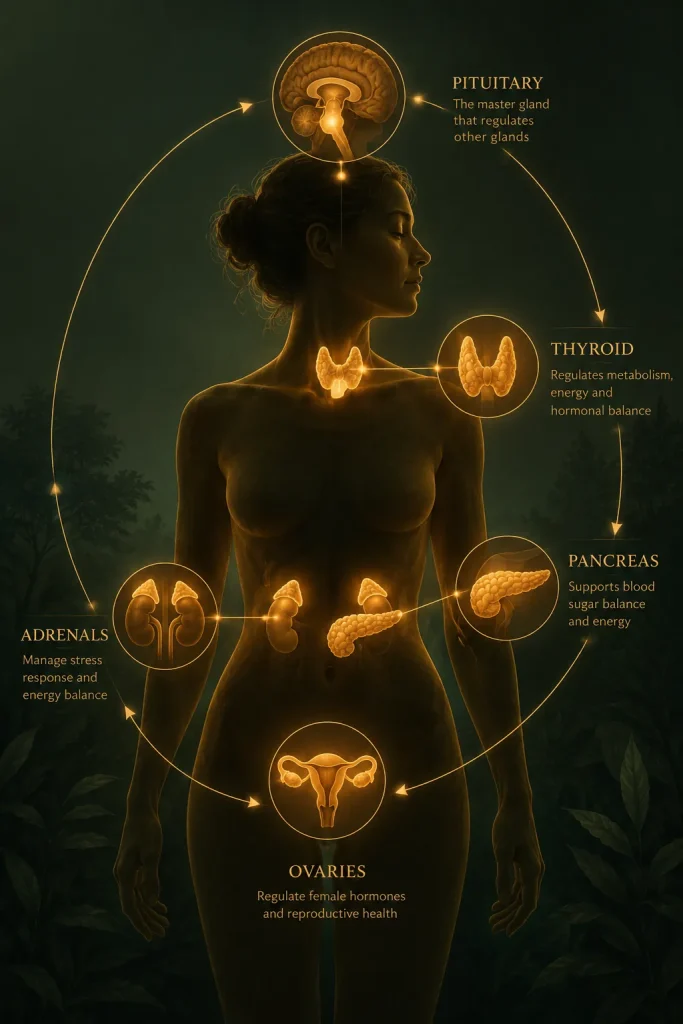
Hormones are chemical messengers produced by the body’s endocrine glands — including the ovaries, thyroid, adrenal glands, pituitary gland, pancreas, and hypothalamus. They travel through the bloodstream to target organs and tissues, regulating virtually every physiological process: metabolism, sleep, mood, reproduction, digestion, immune function, skin health, and energy production.
A hormonal imbalance occurs when one or more hormones are produced in quantities that are either too high or too low for the body’s regulatory system to compensate. Because hormones function in interconnected feedback loops — the output of one gland influencing another — an imbalance in one hormone frequently creates cascading effects across multiple systems simultaneously.
This is why a woman with PCOS (Polycystic Ovary Syndrome) may present with irregular periods, insulin resistance, acne, and anxiety at the same time. These are not four separate problems — they are four downstream effects of the same upstream hormonal disruption.
The hormones most commonly involved in the symptom clusters described in this article include:
The following signs are the most consistent indicators of hormonal imbalance across the reproductive, metabolic, and stress-hormone systems. They are presented system by system — because recognising the pattern across systems is more clinically meaningful than identifying any single symptom in isolation.
Key Pattern Recognition: Individual symptoms have many possible causes. What gives these symptoms their hormonal significance is their pattern — appearing in clusters, cyclically (around the menstrual cycle), or progressively (worsening over months). A single episode of fatigue is not a hormonal signal; persistent fatigue accompanied by irregular periods, mood changes, and weight shifts is a pattern that warrants investigation.
The following are medically recognised conditions that commonly present with the symptom clusters described above. This is not a diagnostic tool — it is a framework for understanding what a physician may investigate when these symptoms are present.
| Condition | Core Hormonal Disruption | Most Common Presenting Signs |
|---|---|---|
| PCOS (Polycystic Ovary Syndrome) | Elevated androgens; insulin resistance; LH/FSH ratio disruption | Irregular or absent periods, hormonal acne, excess body hair, weight gain, subfertility |
| Hypothyroidism | Insufficient T3/T4 production | Fatigue, weight gain, cold intolerance, dry skin, hair thinning, constipation, low mood |
| Hashimoto’s Thyroiditis | Autoimmune-driven thyroid insufficiency | As hypothyroidism above, with autoimmune inflammation and fluctuating thyroid levels |
| Oestrogen Dominance | Relative excess of oestrogen to progesterone | Heavy/painful periods, PMS, breast tenderness, bloating, mood changes, weight around hips |
| Perimenopause | Declining oestrogen and progesterone; irregular ovulation | Irregular periods, hot flushes, night sweats, sleep disruption, mood changes, cognitive shifts |
| HPA Axis Dysregulation (Burnout) | Chronic cortisol elevation suppressing sex hormones | Missed or irregular periods, fatigue, low libido, anxiety, disrupted sleep, weight gain |
| Insulin Resistance / Metabolic Syndrome | Elevated insulin disrupting sex hormone binding and ovarian function | Abdominal weight gain, sugar cravings, energy crashes after meals, PCOS features |
This section is structural — not an afterthought. Hormonal imbalance in women exists on a spectrum from mild lifestyle-driven disruption to serious medical conditions requiring diagnosis and pharmaceutical or surgical management. An integrative wellness program is appropriate for the former; it is not a substitute for medical care when the following apply.
Seek a physician or gynaecologist assessment without delay if you experience:
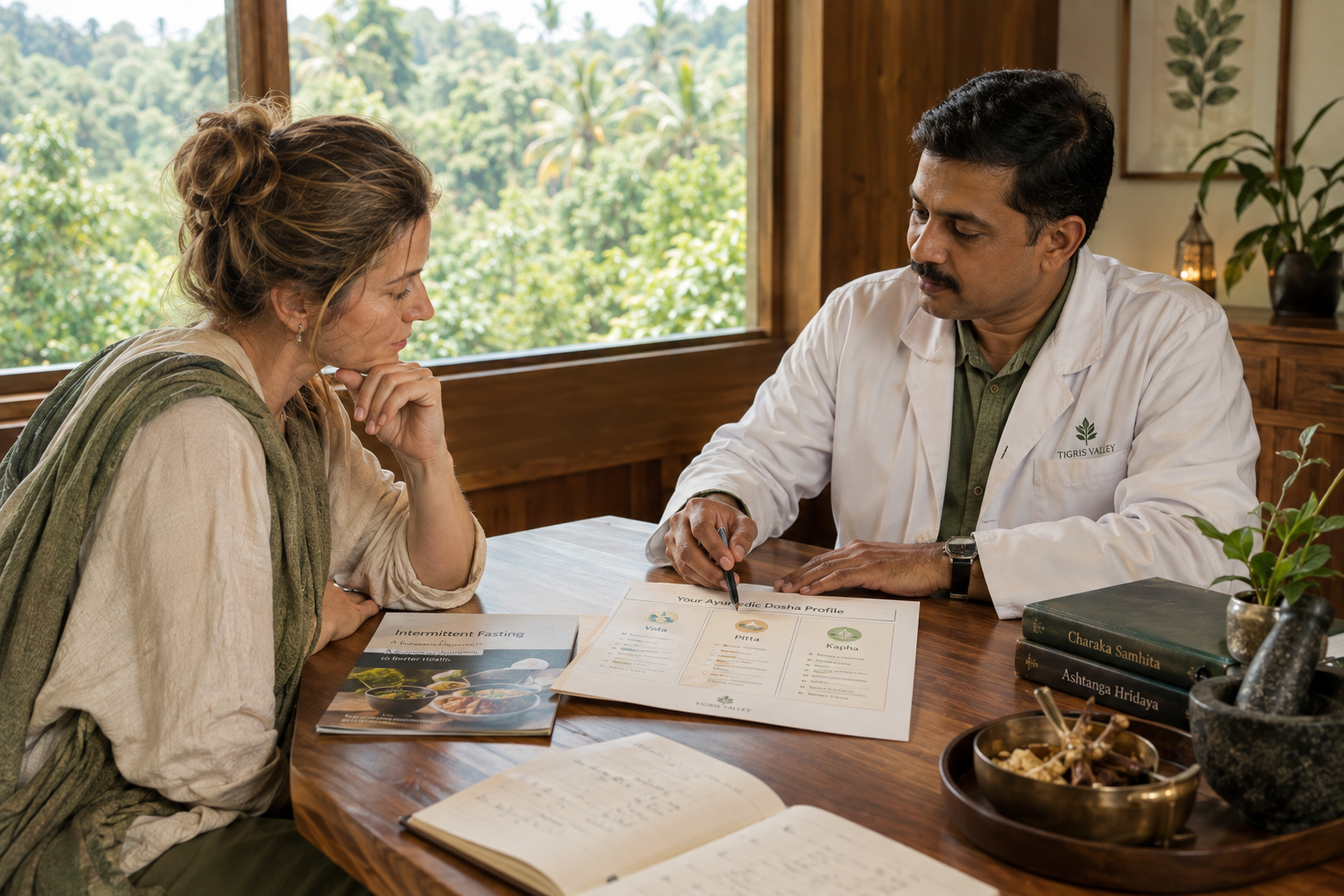
Tigris Valley’s physician consultation reviews all of the above before any program begins. Guests whose symptom profile indicates conditions requiring medical diagnosis or pharmaceutical management are assessed individually, and appropriate referrals are made. The NABH-accredited clinical standard at Tigris Valley means this assessment is not waived for wellness program efficiency.
Ayurveda does not use the term “hormonal imbalance” — but its clinical architecture maps the same territory with remarkable precision, and its therapeutic interventions address the same biological realities through a different conceptual framework.
Artava Dhatu is Ayurveda’s seventh and deepest tissue layer — the reproductive tissue system. It is the tissue most dependent on the health of all preceding layers: plasma, blood, muscle, fat, bone, and nerve. When the upstream tissue layers are compromised by Ama (metabolic toxins), poor digestion, or doshic imbalance, the Artava Dhatu is affected last but most significantly. This explains why hormonal disruption so frequently appears as the final symptom in a woman who has been experiencing digestive complaints, fatigue, and skin issues for months or years beforehand — the upstream disruption has finally reached the deepest tissue layer.
Artava Kshaya describes the depletion or diminishment of reproductive energy — characterised in classical texts by irregular or absent menstruation, dryness, reduced libido, and premature ageing features. This closely parallels what modern endocrinology describes as oestrogen deficiency or low ovarian reserve.
Each dosha produces a recognisable hormonal pattern when elevated:
Ojas — Ayurveda’s concept of the body’s primary vital essence and immune reserve — is intimately connected to reproductive health. Ojas depletion through chronic stress, overwork, inadequate nutrition, or sustained illness directly impairs hormonal resilience. Rasayana Therapy — confirmed at Tigris Valley — is specifically directed at rebuilding Ojas in the deepest tissue layers.
Where Ayurveda provides the constitutional framework, dosha-specific diagnosis, and deep tissue restoration protocols, Functional Medicine provides the diagnostic precision and targeted clinical tools that modern hormonal assessment requires.
At Tigris Valley, the confirmed integrative approach for hormonal conditions includes:
The Anti-Aging & Longevity Program at Tigris Valley confirms “advanced diagnostics, including hormonal profiles, oxidative stress markers, and inflammation levels” as part of its initial assessment. This means hormonal profiling — not guesswork — informs the treatment protocol before any therapy begins. The Metabolic Disorder Management Program also confirms “detailed evaluation of medical history, lifestyle, and metabolic function” with “advanced diagnostics to identify underlying causes.”
The confirmed Anti-Aging & Longevity Program explicitly includes “Hormonal Optimization: Natural approaches to balance hormones and restore vitality” as a Functional Medicine component. This is directly relevant to women in perimenopause, those with oestrogen-progesterone imbalance, and women managing post-reproductive hormonal transition.
PCOS and hormonal conditions with an insulin resistance component are confirmed in the Metabolic Disorder Management Program, which explicitly lists PCOS as a target condition. The confirmed Functional Medicine interventions include Ozone Therapy to boost oxygen utilisation and metabolic efficiency, IV Nutritional Therapy providing essential vitamins and minerals, and Gut Health Restoration to optimise digestion and nutrient absorption.

The following therapies are confirmed at Tigris Valley, with each benefit drawn directly from Tigris Valley’s own clinical documentation. No unconfirmed claims are made.
Ayurvedic clinical experience consistently recognises the relationship between systemic toxin accumulation (Ama), impaired liver detoxification of hormones, and downstream hormonal imbalance. The liver is responsible for metabolising and clearing excess oestrogen — when liver function is burdened by Ama, oestrogen clearance is impaired and oestrogen dominance can result. Panchakarma’s detoxification procedures — Abhyanga, Virechanam, and Basti — address this through systematic Ama clearance. The Detox & Cleanse Program confirms Panchakarma for “eliminating accumulated toxins” and enhancing “overall well-being.”
Abhyanga — full-body warm medicated oil massage — is confirmed at Tigris Valley. It improves circulation, supports lymphatic flow, and delivers Vata-pacifying therapeutic oil to the deep tissues. For women with HPA axis dysregulation (stress-driven hormonal disruption), Abhyanga’s confirmed action on the nervous system — releasing physical and emotional tension — directly addresses the cortisol elevation that suppresses reproductive hormone production.
Shirodhara is confirmed at Tigris Valley as calming “the nervous system with a warm herbal oil flow.” For stress-driven hormonal imbalance — where elevated cortisol is suppressing LH, FSH, and progesterone — sustained nervous system calming through Shirodhara directly addresses the upstream driver.
Rasayana Therapy is confirmed across multiple Tigris Valley programs. The Anti-Aging & Longevity Program describes it as “ancient rejuvenation treatments to enhance longevity and vitality” using “special blends to nourish tissues, boost immunity, and slow aging.” Rasayana specifically rebuilds Ojas and the deepest tissue layers — including Artava Dhatu — making it directly relevant to women with reproductive tissue depletion, perimenopausal hormone transition, and post-illness hormonal disruption.
IV Alpha Lipoic Acid is confirmed at Tigris Valley. The confirmed documentation explicitly states it “improves insulin sensitivity” and is “supportive in diabetes, metabolic syndrome and PCOS.” This is directly relevant to women with PCOS, where insulin resistance is a core hormonal driver. ALA’s confirmed antioxidant action also “reduces chronic inflammation” — relevant to the inflammatory component of conditions like Hashimoto’s thyroiditis.
IV NAC is confirmed at Tigris Valley. The confirmed documentation states it provides “metabolic and skin benefits” including “improves insulin sensitivity” and “reduces inflammation in metabolic syndrome and PCOS” — directly naming PCOS as a target application. Additionally, “antioxidant benefits help reduce acne and improve skin glow” — specifically relevant to women with hormonal acne driven by androgen excess.
Ozone Therapy is confirmed at Tigris Valley, with its confirmed benefits including “enhances detoxification” — specifically “supports liver function and improves toxin elimination” — which is directly relevant to oestrogen clearance and hormone metabolism. The Metabolic Disorder Management Program confirms Ozone Therapy for “boosting oxygen utilisation and metabolic efficiency” in conditions including PCOS.
The Metabolic Disorder Management Program explicitly confirms “forest walks and nature immersion for stress reduction and hormonal balance” — directly naming hormonal balance as a confirmed outcome of this nature-based component. This is one of the few places in Tigris Valley’s documentation where hormonal balance is explicitly cited as a therapeutic target of a non-pharmacological intervention.
Confirmed across multiple programs at Tigris Valley for “mental well-being and support metabolic health” and “emotional balance.” For women with HPA axis dysregulation, yoga and meditation’s established effects on cortisol reduction directly support hormonal recalibration. The Metabolic Disorder Management Program confirms these specifically for conditions including PCOS and thyroid disorders.
Confirmed in the Metabolic Disorder Management Program as a Functional Medicine intervention “to optimise digestion and nutrient absorption.” The gut-hormone axis is an established physiological relationship: the gut microbiome influences oestrogen metabolism through the “estrobolome” — a collection of gut bacteria that modulate oestrogen reabsorption. Restoring gut health supports hormonal clearance and balance.

The integrative program addresses hormonal imbalance clinically. What follows is the daily maintenance framework drawn from evidence-based lifestyle medicine and Ayurvedic daily routine (Dinacharya) principles:
| Factor | Hormone-Supporting Approach | Hormone-Disrupting Pattern |
|---|---|---|
| Sleep | 7–9 hours; consistent bedtime; dark room; sleep before 10:30pm — critical for growth hormone, melatonin, and cortisol rhythm | Chronic sleep deprivation; irregular hours; screen exposure until midnight |
| Blood sugar regulation | Regular balanced meals; adequate protein and fibre; avoiding prolonged fasting; warm cooked foods — reduces insulin spikes that drive androgen excess | Skipping meals then overeating; high refined sugar intake; excessive caffeine |
| Stress management | Daily Pranayama; scheduled rest periods; clear work-life boundaries; nature exposure — reduces cortisol that suppresses reproductive hormones | Chronic always-on working; no recovery time; unmanaged emotional stress |
| Exercise | Moderate, consistent movement — yoga, walking, swimming; supports insulin sensitivity and cortisol regulation | Excessive high-intensity exercise suppresses LH and can cause amenorrhoea; sedentary lifestyle worsens insulin resistance |
| Liver support | Adequate cruciferous vegetables; reduced alcohol; avoiding unnecessary medications — supports oestrogen clearance | Regular alcohol consumption; excess environmental toxins; over-the-counter medication overuse |
| Gut health | Prebiotic-rich whole foods; fermented foods; adequate fibre — supports the estrobolome and oestrogen metabolism | Antibiotic overuse without microbiome restoration; ultra-processed diet |
| Environmental toxins | Reducing exposure to endocrine-disrupting chemicals (EDCs) in plastics, synthetic fragrances, and non-organic produce where possible | High EDC exposure — BPA from plastic bottles, phthalates in cosmetics — directly interfere with hormone receptor function |
Guests completing any Tigris Valley program receive a post-discharge lifestyle protocol tailored to their dosha, their identified hormonal pattern, and their home environment. This is where the clinical gains made during a residential program are sustained and extended. Explore the relevant programs at Tigris Valley: the Metabolic Disorder Management Program for PCOS and thyroid conditions, the Anti-Aging & Longevity Program for perimenopausal hormone transition, and the Stress & Burnout Recovery Program for HPA axis dysregulation driving hormonal disruption.
Hormonal imbalance can occur at any age after puberty. PCOS, the most common endocrine disorder in women of reproductive age, typically presents in the late teens to early 30s. Thyroid conditions can occur at any age. Perimenopause — during which significant hormonal fluctuation occurs — typically begins in the early to mid-40s, though it can begin earlier. HPA axis dysregulation (stress-driven hormonal suppression) has no age minimum — it is increasingly presenting in women in their late 20s and 30s.
Yes — and this is one of the most underappreciated causal pathways. Sustained cortisol elevation from chronic stress directly suppresses the HPG (hypothalamic-pituitary-gonadal) axis — the hormonal command system governing reproductive function. This can produce irregular or absent periods, low progesterone, reduced libido, and PCOS-like presentations in women without ovarian pathology. Addressing the stress axis is a prerequisite for restoring reproductive hormone balance in this pattern.
PCOS is a chronic condition, not a curable disease in the conventional sense. However, its symptoms and hormonal drivers — particularly insulin resistance, androgen excess, and inflammation — are highly responsive to lifestyle, dietary, and integrative interventions. Many women achieve menstrual regularity, improved metabolic markers, and significantly reduced symptoms through sustained integrative management. This is the focus of Tigris Valley’s Metabolic Disorder Management Program.
Ayurveda approaches PCOS through the lens of Kapha-dominant metabolic imbalance with elevated Pitta (inflammation) and Vata disruption of the menstrual cycle. The treatment framework emphasises metabolic detoxification (Panchakarma), digestive restoration, dosha-specific dietary management, and Rasayana Therapy to rebuild the Artava Dhatu. This aligns closely with the lifestyle and metabolic interventions modern endocrinology identifies as effective for PCOS management.
Yes. Rasayana Therapy is specifically indicated in Ayurvedic medicine for the rejuvenation of deep tissue layers — including the Artava Dhatu (reproductive tissue) and Majja Dhatu (nervous tissue) — which are the primary tissue systems affected by the hormonal transition of perimenopause. The Anti-Aging & Longevity Program at Tigris Valley includes Rasayana as a confirmed component alongside Hormonal Optimization through Functional Medicine.
Yes. Tigris Valley’s confirmed clinical documentation explicitly states IV Alpha Lipoic Acid is “supportive in diabetes, metabolic syndrome and PCOS” through its confirmed mechanism of “improving insulin sensitivity” and “reducing chronic inflammation.” It is used as part of the Metabolic Disorder Management Program for PCOS and related metabolic conditions.
The gut microbiome influences oestrogen metabolism through the estrobolome — a group of gut bacteria that produce enzymes capable of reactivating oestrogen metabolites for reabsorption. When the microbiome is disrupted (dysbiosis), oestrogen may be either over-reabsorbed (contributing to oestrogen dominance) or under-recycled. Additionally, gut inflammation drives systemic inflammation that disrupts hormonal signalling across multiple axes. Gut Health Restoration is a confirmed Functional Medicine component at Tigris Valley’s Metabolic Disorder Management Program.
Yes, in important ways. Perimenopause involves a declining oestrogen pattern — dryness, hot flushes, night sweats, cognitive changes, and mood instability in women typically 40–55. PCOS typically involves excess androgens and insulin resistance in younger women — hormonal acne, weight gain, irregular periods, excess body hair. Overlapping symptoms (mood, fatigue, irregular periods) can make these difficult to distinguish without hormonal profiling — which is why diagnostic assessment precedes any program at Tigris Valley.
Thyroid conditions — particularly Hashimoto’s (autoimmune thyroiditis) and hypothyroidism — respond to integrative approaches that address the inflammatory, gut, and nutritional drivers that conventional medicine often manages with hormone replacement alone. Tigris Valley’s Metabolic Disorder Management Program explicitly lists thyroid disorders as a target condition. Guests currently on thyroid medication must disclose this during the pre-arrival consultation — no herbal formulations are prescribed without medication review.
Contact the team at reservation@tigrisvalley.com or call/WhatsApp +91 9072661622. The first step is a pre-arrival physician consultation reviewing your hormonal symptom history, menstrual pattern, current medications, and diagnostic results if available. Your personalised program is designed from this consultation before you travel. Use the contact page to submit your initial enquiry.
Your Hormones Are Not Working Against You — They’re Waiting for the Right Conditions
Tigris Valley’s NABH-accredited medical team addresses hormonal imbalance at its root — through hormonal profiling, Panchakarma detox, Rasayana Therapy, IV Alpha Lipoic Acid, IV NAC, Ozone Therapy, forest immersion, and personalised dietary management. Your pre-arrival consultation is where it begins.
→ Explore the Metabolic Disorder Management Program (PCOS, Thyroid)
→ View the Anti-Aging & Longevity Program (Perimenopause, Hormonal Optimisation)

Kaithappoyil, in the Western Ghats.
Markaz Knowledge City Road, Kaithappoyil, Adivaram, Kerala
Get directions +91 90726 61622 reservation@tigrisvalley.com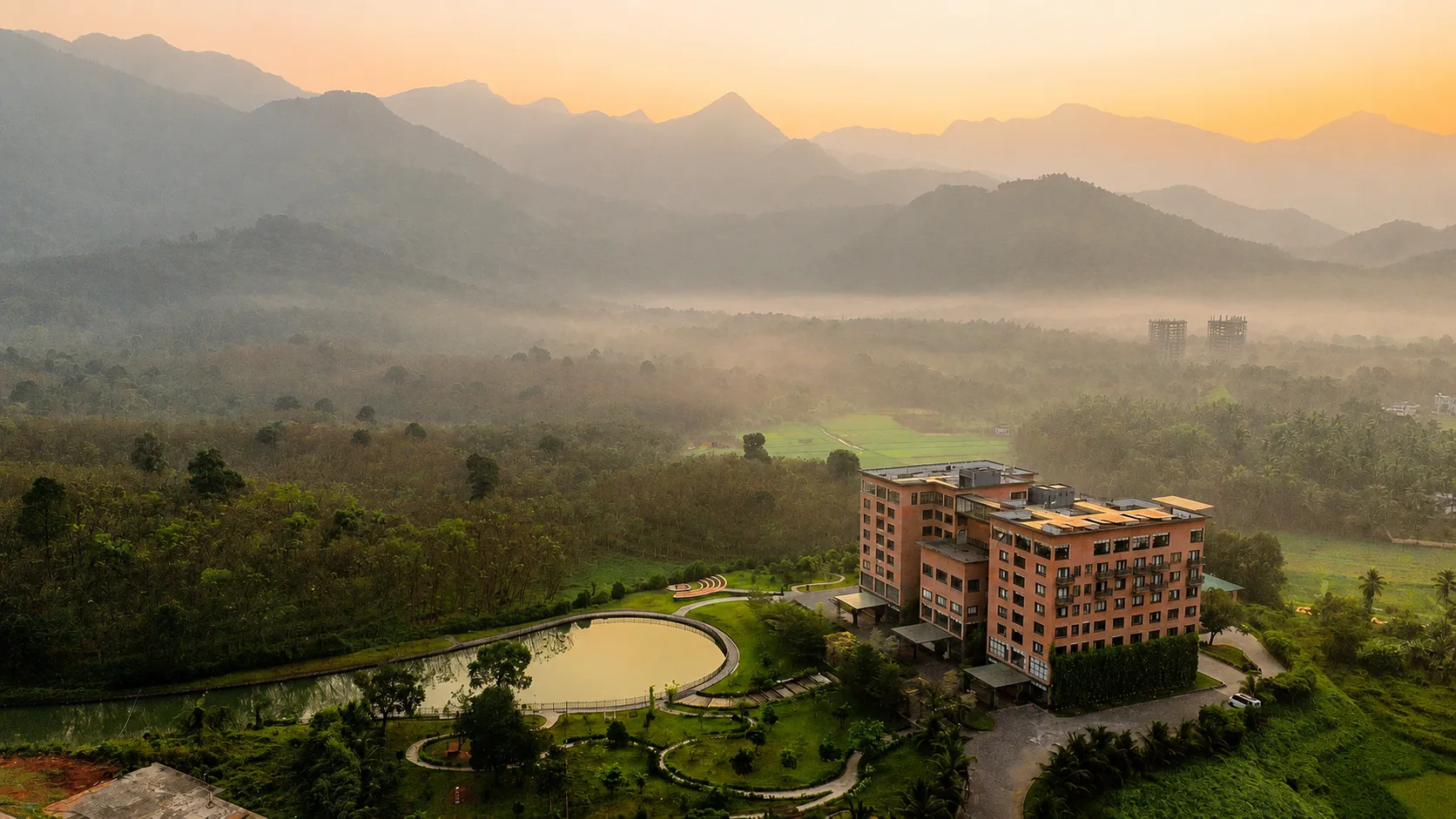
Kaithappoyil, Western Ghats

Before you leave
A physician reads every letter. Book a consultation, or send an inquiry — reservations answers the same day.