
[gtranslate]
MENU

You know that feeling — the tight chest, the racing thoughts at 2 AM, the exhaustion that sleep doesn’t seem to fix. ou’re not lazy. You’re not weak. You’re overwhelmed, and your body is paying the price.?
Stress management therapy is a structured, evidence-based approach to identifying the root causes of stress and equipping individuals with tools to reduce, manage, and ultimately recover from its effects. It goes far beyond breathing exercises or weekend retreats. When delivered holistically, it addresses the physiological, psychological, and behavioural dimensions of chronic stress simultaneously.
At Tigris Valley Wellness Retreat, stress management therapy is not a single treatment — it is a personalised system combining Ayurveda, Unani medicine, Functional Medicine, and nature-based therapies, all calibrated to your specific stress profile and health history.
Key Insight: Stress management therapy is most effective when it treats the whole person — not just the symptoms. This means addressing cortisol dysregulation, nervous system imbalances, gut health, sleep disruption, and emotional patterns together.
Most people underestimate how deeply prolonged stress reshapes the body. What begins as an emotional burden quietly becomes a physiological crisis.
Chronic stress is clinically linked to:
According to the American Institute of Stress, over 77% of people regularly experience physical symptoms caused by stress — yet fewer than 30% seek structured support.
This is the gap that stress management therapy is designed to close.
If three or more of the following describe your daily experience, structured therapy is not optional — it’s necessary.
These are not personality flaws. They are physiological distress signals. Stress management therapy helps decode and reverse them.

Not all stress therapies are created equal. Here is a clinical overview of the most evidence-supported approaches — and why integrating multiple modalities produces the best outcomes.
CBT helps individuals identify negative thought patterns that amplify stress responses. It is particularly effective for anxiety-driven stress, where catastrophic thinking feeds the nervous system’s threat response. Structured CBT interventions typically span 8–12 sessions and have shown significant reductions in perceived stress scores.
Developed at the University of Massachusetts, MBSR is an 8-week structured programme combining meditation, body scanning, and mindful movement. Clinical trials consistently show 30–40% reductions in cortisol levels and improved emotional regulation among participants.
Traditional Indian medicine offers some of the most powerful tools in integrative stress management:
Trauma-informed somatic therapies work directly with the nervous system by releasing physical tension stored in the body. Techniques include progressive muscle relaxation, trauma-release exercises (TRE), and breathwork (Pranayama).
Functional medicine treats the biochemical drivers of chronic stress — adrenal fatigue, cortisol dysregulation, micronutrient deficiencies (magnesium, B vitamins, Vitamin D), and gut-brain axis dysfunction. Personalised IV nutritional therapy and ozone therapy are used at Tigris Valley to accelerate cellular recovery.
Yoga is one of the most studied non-pharmacological interventions for chronic stress — and the science strongly supports it.
A 2023 meta-analysis published in Frontiers in Psychiatry examined 35 randomised controlled trials and found that consistent yoga practice reduces salivary cortisol, lowers resting heart rate variability, and improves self-reported anxiety scores by a clinically significant margin.
Here is what is happening physiologically when you practise yoga for stress:
To understand the full depth of this connection, read our detailed guide on how yoga helps in stress management — covering specific styles, postures, and sequencing for stress reduction.
At Tigris Valley, yoga is not offered as a standalone class. It is integrated into a medically supervised stress recovery protocol, adapted to your constitution (Prakriti) and current health status.
Two of the most underestimated pillars of stress management therapy are what you eat and how you sleep.
Chronic stress depletes key nutrients at an accelerated rate. Therapeutic nutrition for stress recovery focuses on:
At Tigris Valley, anti-stress meals are crafted by our nutrition team using locally sourced, organic ingredients. Herbal teas, medicinal tonics, and personalised supplementation protocols are built into every recovery programme.
Sleep is when the brain’s glymphatic system clears metabolic waste, cortisol resets, and cellular repair occurs. Without adequate sleep, stress recovery is physiologically impossible — no matter how many other therapies you engage in.
If you are struggling with sleep disorders related to stress, explore our approach to treating insomnia with sound healing — an increasingly evidence-supported modality that uses specific frequencies to entrain brainwaves into restorative sleep states.
Many people use “stress” and “burnout” interchangeably. Clinically, they are distinct conditions requiring different treatment approaches.
| Feature | Stress | Burnout |
|---|---|---|
| Energy | Overactive, hyperaroused | Depleted, flat, disengaged |
| Emotions | Urgent, anxious, overwhelmed | Numb, detached, hopeless |
| Motivation | Still present (driven by fear) | Absent — loss of purpose |
| Physical symptoms | Tension, headaches, GI issues | Chronic fatigue, immune collapse |
| Cognitive function | Racing thoughts, poor focus | Brain fog, memory impairment |
| Recovery time | Can recover with rest | Requires structured intervention |
Burnout is not resolved by taking a week off. It requires a systematic, medically guided recovery process — one that addresses the nervous system, hormonal axis, nutritional deficiencies, and psychological patterns simultaneously.
If you recognise yourself in the burnout column, our comprehensive resource on how to recover from burnout outlines a step-by-step protocol used at Tigris Valley — including timelines, therapies, and what to expect during each phase of recovery.
The Stress and Burnout Recovery Programme at Tigris Valley is built on a fundamentally different premise than conventional stress management: symptoms are messengers, not problems to be silenced.
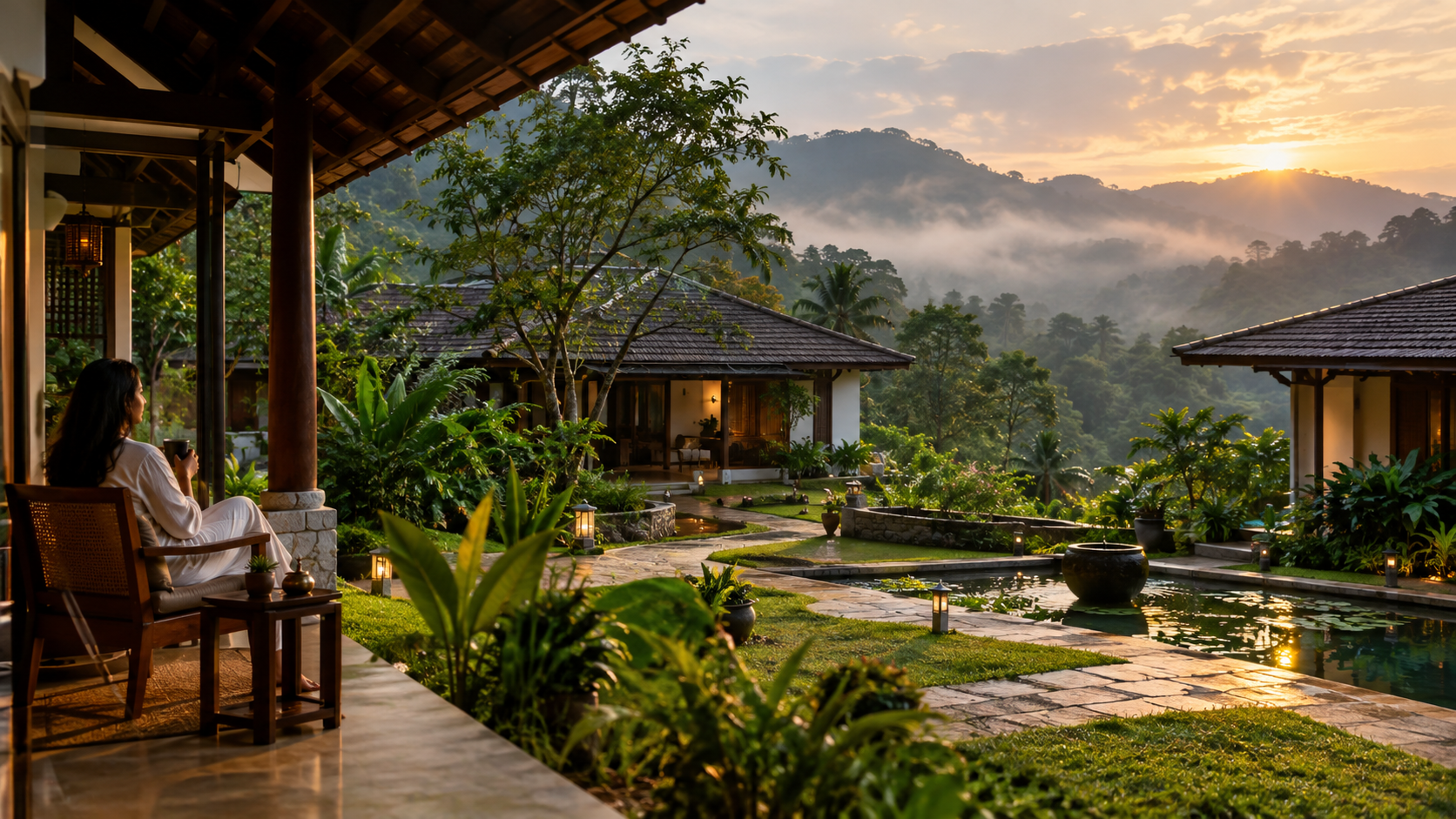
Set in the serene mountains near Wayanad, Kerala, the retreat removes you from the environmental triggers of chronic stress while simultaneously treating its physiological roots.
Phase 1 — Assessment & Personalisation Every programme begins with a detailed medical evaluation covering stress biomarkers, hormonal profiles, gut health indicators, and lifestyle triggers. This informs a bespoke treatment plan — not a generic template.
Phase 2 — Therapeutic Treatment
Phase 3 — Restorative Recovery Herbal baths, steam therapy, Aroma Massage, Kalari Massage, and access to therapeutic swimming pools — all within a healing environment designed to activate the parasympathetic nervous system.
Phase 4 — Resilience Building Daily Pranayama, structured meditation, and coaching sessions equip guests with tools that sustain recovery long after they leave the retreat.
| Duration | Who It’s For |
|---|---|
| 7 Days | Quick reset — immediate symptom relief |
| 14 Days | Sustained recovery and deeper intervention |
| 21 Days | Comprehensive transformation and long-term resilience |
| Aspect | Tigris Valley | Conventional Approach |
|---|---|---|
| Healing environment | Mountain nature retreat, Wayanad | Clinical or urban setting |
| Treatment philosophy | Root cause resolution | Symptom suppression |
| Modalities | Ayurveda + Unani + Functional Medicine | Primarily pharmaceutical |
| Personalisation | Individual assessment and tailored plan | Standardised protocols |
| Long-term focus | Resilience tools for daily life | Minimal post-treatment support |
Stress-induced insomnia is one of the most debilitating consequences of chronic stress — and one of the hardest to break without targeted intervention.
The cycle is physiologically self-reinforcing: stress elevates cortisol → elevated cortisol disrupts melatonin → poor sleep increases cortisol → sleep deprivation amplifies stress reactivity. Breaking this cycle requires addressing both the neurological and hormonal dimensions simultaneously.
At Tigris Valley, sleep restoration is embedded into every stress recovery protocol. Therapies include:
For a full clinical overview of non-pharmaceutical sleep recovery, read our detailed guide on treating insomnia with sound healing.
Stress management therapy is a structured, evidence-based system of treatments designed to reduce the physiological and psychological impact of chronic stress. It is for anyone experiencing persistent anxiety, burnout, emotional exhaustion, stress-related physical symptoms, or difficulty functioning in daily life. It is particularly relevant for working professionals, caregivers, individuals managing chronic illness, and those recovering from major life events.
Results vary depending on the severity of stress, individual physiology, and the modalities used. At Tigris Valley, most guests report significant symptom relief within 5–7 days of beginning a structured programme. For burnout recovery, a 14–21 day immersive programme produces the most durable results. Maintenance practices — yoga, meditation, dietary changes — extend and sustain the benefits beyond the retreat.
Yes. While stress and anxiety disorders are clinically distinct, they share overlapping physiological mechanisms — particularly HPA axis dysregulation and nervous system hyperactivation. Stress management therapy directly addresses these mechanisms through a combination of therapeutic treatments, mindfulness practices, and functional medicine interventions. For severe anxiety disorders, it is best used as a complementary approach alongside professional psychiatric care.
Stress management therapy focuses on reducing the intensity of the stress response and building coping capacity. Burnout treatment addresses a more advanced state of depletion — requiring nervous system rehabilitation, hormonal restoration, and psychological reconditioning. At Tigris Valley, our Stress and Burnout Recovery Programme is calibrated to both — with assessment determining the appropriate depth of intervention for each guest.
Yes — yoga is one of the most evidence-supported non-pharmacological interventions for chronic stress. It activates the parasympathetic nervous system, reduces cortisol levels, improves heart rate variability, and builds neurological resilience. At Tigris Valley, yoga is integrated into medical stress recovery protocols rather than offered as a standalone class. Learn more about how yoga helps in stress management.
Stress management therapy has demonstrated clinical effectiveness in reducing: chronic fatigue, tension headaches and migraines, muscle pain (particularly neck, shoulders, and lower back), irritable bowel syndrome and digestive complaints, palpitations and elevated blood pressure, skin conditions worsened by stress (eczema, psoriasis), and frequent illness caused by immune suppression.
Our integrative medicine doctors specialise in stress and burnout recovery. Whether you’re experiencing chronic fatigue, anxiety, sleep disorders, or emotional exhaustion — we’ll build a personalised programme around your needs.
Book a Free Consultation → tigrisvalley.com/contact-us/
Available via call, WhatsApp, or email — speak with a specialist within 24 hours.
Kaithappoyil, in the Western Ghats.
Markaz Knowledge City Road, Kaithappoyil, Adivaram, Kerala
Get directions +91 90726 61622 reservation@tigrisvalley.com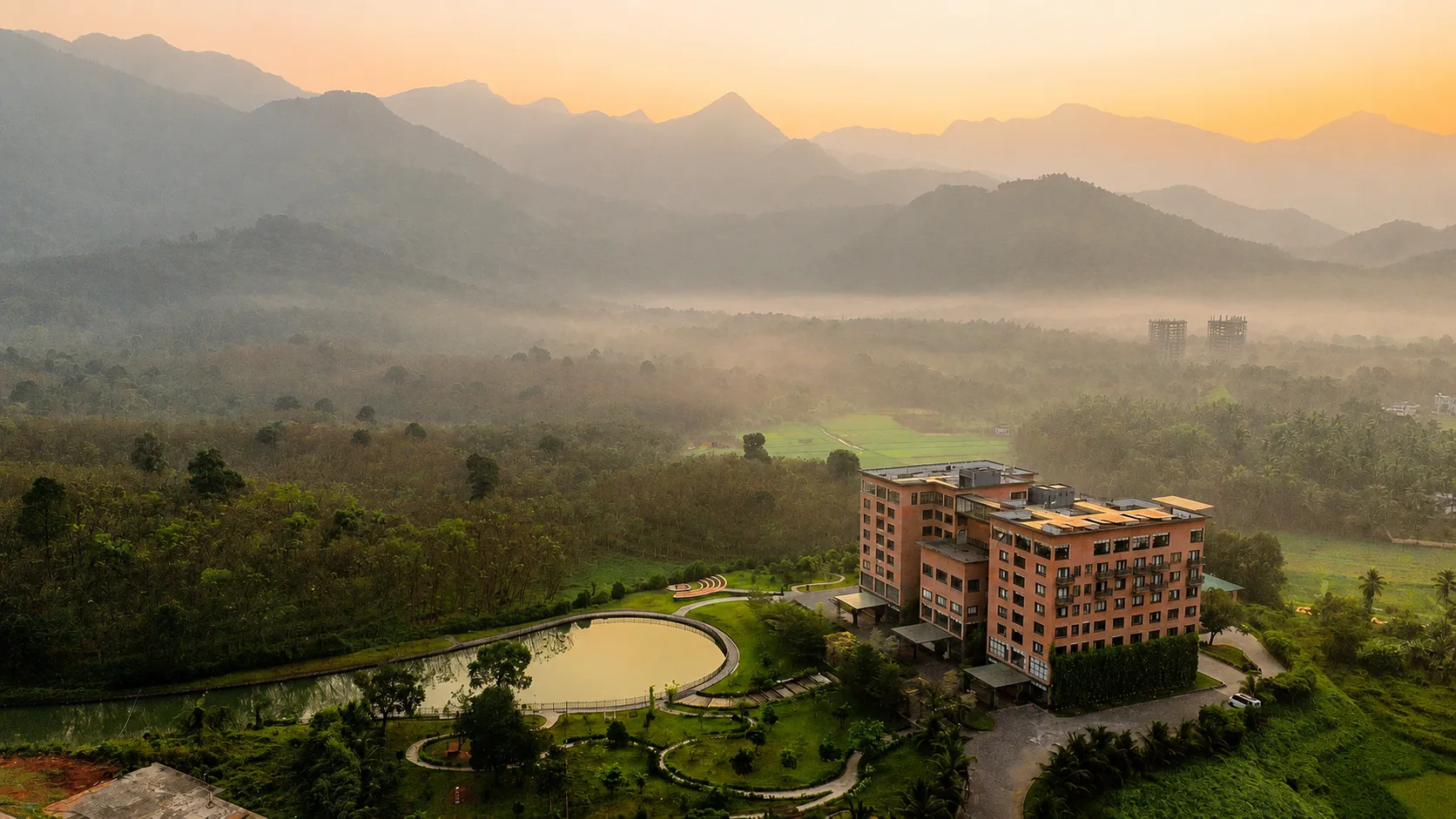
Kaithappoyil, Western Ghats

Before you leave
A physician reads every letter. Book a consultation, or send an inquiry — reservations answers the same day.