
[gtranslate]
MENU
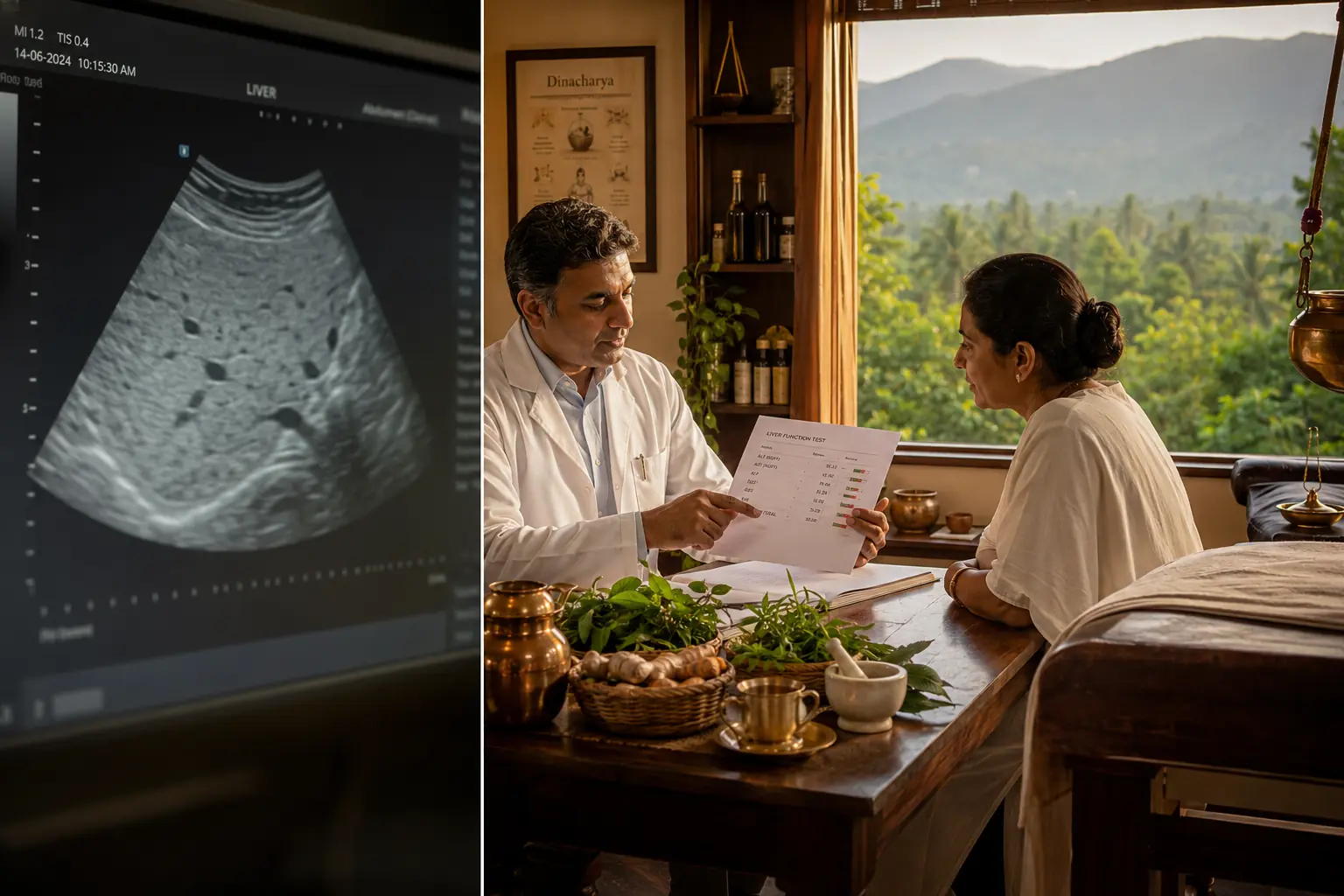
You have heard that Kerala is the home of authentic Ayurveda. But with thousands of retreats, clinics, and hotels claiming to offer it, it is increasingly hard to know what genuine Ayurvedic treatment actually involves — and what separates a clinical programme that produces lasting results from a wellness holiday with herbal-branded massages. This guide covers everything you need to know about Ayurveda treatments in Kerala — the therapies, the conditions they address, what a real programme looks like, and why Tigris Valley’s integrative model in the Wayanad mountains delivers outcomes that standalone Ayurveda centres cannot.
Table of Contents
What are Ayurveda treatments in Kerala?
Ayurveda treatments in Kerala are personalised therapeutic procedures rooted in a 5,000-year-old Indian medical system — including Panchakarma detox, Abhyanga oil massage, Shirodhara, Kizhi herbal poultice therapy, Nasya, and customised herbal formulations — designed to remove the root cause of disease rather than suppress symptoms. Kerala is considered the global home of authentic Ayurveda, with its humid climate, rich medicinal plant biodiversity, and centuries-old practitioner lineages producing treatment outcomes unmatched elsewhere in the world.
Ayurveda — from the Sanskrit Ayur (life) and Veda (knowledge) — is one of the world’s oldest and most complete medical systems, originating in India over 5,000 years ago. Unlike modern medicine, which diagnoses and treats disease as a localised malfunction, Ayurveda treats the whole person — body, mind, and consciousness — as an interconnected system that is always either moving toward or away from its natural balance.
The foundation of Ayurvedic theory is the three doshas — Vata (air and space), Pitta (fire and water), and Kapha (earth and water) — which govern every physiological and psychological function in the body. Every individual has a unique constitutional proportion of these three doshas (Prakriti). Disease arises when one or more doshas deviate significantly from the individual’s natural balance, usually through the accumulation of metabolic toxins (Ama) that block the body’s self-regulating channels (srotamsi).
Why Kerala specifically? Kerala is widely regarded as the birthplace of classical Ayurveda as a clinical practice — not just a philosophy. Its humid tropical climate is uniquely suited to Panchakarma administration, enhancing transdermal absorption of medicated oils. The Western Ghats — one of the world’s biodiversity hotspots — provide the medicinal plant diversity that makes Kerala-sourced Ayurvedic formulations pharmacologically superior to those produced elsewhere. And a continuous, unbroken lineage of Ashtavaidya physician families has preserved classical treatment protocols in their original clinical form for over a millennium.
At Tigris Valley’s Ayurveda programme, this classical foundation is combined with modern diagnostics and complementary medical systems — producing outcomes that neither tradition nor modernity achieves alone. To understand the full range of benefits Ayurveda delivers, read Ayurveda Treatment Benefits.
The following therapies are confirmed on the Tigris Valley website and programme documentation. Each is briefly described here — for in-depth guides, follow the linked pages.
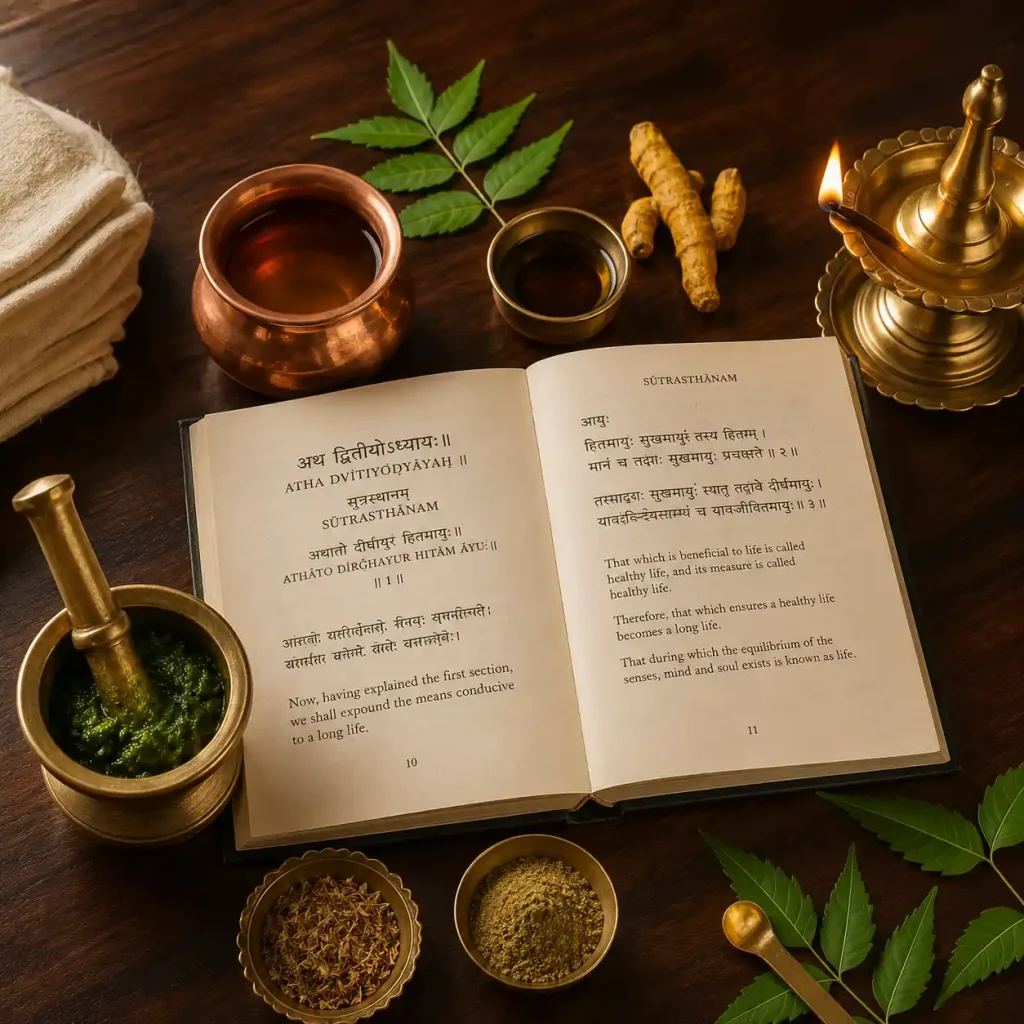
Panchakarma is Ayurveda’s most powerful therapeutic system — five classical purification procedures that systematically remove accumulated toxins (Ama) and restore doshic balance at the tissue level. At Tigris Valley, the five Panchakarma actions are performed under the guidance of experienced physicians and include Vamana (therapeutic emesis), Virechana (therapeutic purgation), Basti (medicated enema — the most powerful Vata-balancing procedure), Nasya (nasal administration of medicated oils), and Raktamokshana (blood purification). Each procedure is indicated for specific conditions and is always preceded by preparatory Snehana (oleation) and Swedana (fomentation) procedures.
Tigris Valley’s Panchakarma is described as a transformative journey offering detoxification, stress relaxation, and rejuvenation — with post-treatment dietary and lifestyle guidance to sustain the benefits long-term.
→ Deep dive: What Is Panchakarma Treatment? | Comfort Through Panchakarma
Abhyanga is the foundational Ayurvedic therapy and an essential preparatory procedure before Panchakarma. A full-body oil massage using warm, herbal oils customised to your dosha — it improves circulation, releases muscle stiffness, promotes deep relaxation, and nourishes joint and soft tissue through sustained transdermal oleation. At Tigris Valley, Abhyanga is applied with therapeutic precision: oil selection, stroke direction, pressure, and duration are all calibrated to your specific constitution and condition — not a generic protocol.
→ Deep dive: What Is Abhyanga Massage and Its Benefits?
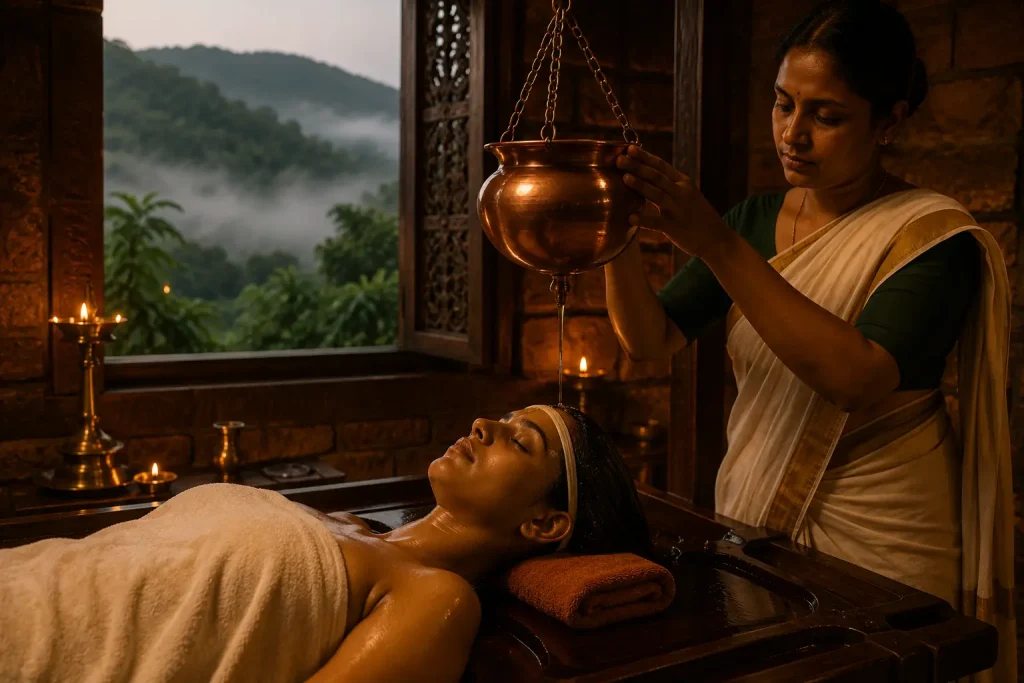
Shirodhara involves the gentle, continuous pouring of warm medicated oil over the forehead — specifically targeting the third eye (Ajna marma) region — for 30 to 60 minutes. The Tigris Valley Shirodhara guide confirms it can be administered for 7, 14, 21, or 28-day courses depending on the condition, with sessions typically held in the early morning hours. It delivers a deeply relaxing, coolant effect on the brain and nervous system, releasing stress and anxiety, improving sleep quality, enhancing mental clarity, and reducing the chronic sympathetic nervous system overactivation that amplifies pain, anxiety, and insomnia. Various types of Shirodhara are used depending on the condition — medicated oils for Vata conditions, medicated buttermilk (Takradhara) for Pitta conditions, and herbal decoctions for specific presentations.
→ Deep dive: A Comprehensive Guide to Shirodhara at Tigris Valley
Kizhi involves warm cloth bundles filled with medicinal herbs and powders applied rhythmically to affected joints, muscles, and spinal regions. The combination of sustained therapeutic heat and the phytochemical compounds released from the herbs achieves deep penetration into tissue — reducing inflammation, improving local circulation, and mobilising Ama from joint spaces. It is particularly effective where joint pain and muscle involvement coexist, as in fibromyalgia, Osteoarthritis, and back pain with muscle guarding. Nasya therapy is used alongside Kizhi for cervical and head region conditions.
Snehapanam involves the oral administration of medicated ghee in increasing doses over several days — a critical preparatory procedure before intensive Panchakarma. The medicated ghee saturates tissues progressively, softening and loosening deep-seated Ama so it can be mobilised and eliminated during subsequent purification procedures. It is also prescribed independently as a nourishing Rasayana (rejuvenation) therapy for depleted conditions.
Nasya is the Panchakarma procedure for conditions above the clavicle — the nose is the gateway through which medicated substances reach the head, neck, and neurological system. It is prescribed for cervical spondylosis, sinusitis, chronic headache, migraine, stress-related headaches, and nervous system conditions. Tigris Valley confirms Nasya as a confirmed component of both Panchakarma and standalone stress treatment protocols.
Rasayana therapy follows detoxification and involves the administration of rejuvenating herbs, medicated preparations, and nourishing treatments — Abhyanga and Shirodhara — to restore vitality, strengthen immunity, and rebuild the tissues depleted by disease or ageing. It is the Ayurvedic equivalent of biological renewal — offered at Tigris Valley as part of the Anti-Aging & Longevity Programme.
Karkidaka Chikitsa is the classical monsoon treatment protocol, observed during the Malayalam month of Karkidakam (approximately mid-July to mid-August). Tigris Valley’s own page on this topic explains the seasonal rationale: the skin softens due to monsoon humidity, making toxin removal and medicated oil absorption significantly more effective than in any other period. The protocol includes Panchakarma therapies, Abhyanga, Swedana (herbal steam therapy), herbal medicines, and the medicinal monsoon diet including Karkidaka Kanji — a therapeutic medicinal gruel. This is the most therapeutically potent window of the year for intensive Ayurvedic treatment.
→ Deep dive: Karkidaka Chikitsa — Monsoon Treatment in Ayurveda
Every Tigris Valley programme includes customised herbal formulations — unique blends prescribed based on your individual constitutional assessment and current condition. These may include classical Ayurvedic, Unani, and Siddha pharmacopoeial preparations in the form of decoctions, powders, oils, and tablets. The formulations are not off-the-shelf products but physician-prescribed clinical preparations matched to your dosha imbalance, Ama burden, and specific health presentation.
Ayurveda is a complete medical system — it addresses the full spectrum of human health conditions, not just lifestyle complaints. The following are the major condition categories actively treated through Tigris Valley’s wellness programmes.
| Condition Category | Specific Conditions | Primary Ayurvedic Approach |
|---|---|---|
| Chronic Pain & Musculoskeletal | Arthritis, back pain, neck pain, knee pain, fibromyalgia, disc bulge, sciatica | Panchakarma, Abhyanga, Kizhi, Kati Basti, herbal formulations |
| Stress, Burnout & Mental Health | Chronic stress, burnout, anxiety, insomnia, mental fatigue, emotional imbalance | Shirodhara, Abhyanga, Nasya, Pranayama, CBT, meditation |
| Autoimmune & Inflammatory | Rheumatoid Arthritis, Psoriatic Arthritis, Lupus, inflammatory bowel disease | Virechanam, Ozone Therapy, IV Nutrition, herbal immune modulation |
| Metabolic Disorders | Diabetes, obesity, thyroid disorders, PCOS, hormonal imbalance | Panchakarma, dietary medicine, herbal formulations, functional medicine |
| Cardio-Metabolic Health | Hypertension, elevated cholesterol, post-cardiac recovery, post-stroke rehabilitation | Ayurvedic heart tonics, dietary medicine, lifestyle restructuring |
| Digestive Health | IBS, colitis, gastritis, gut dysbiosis, chronic constipation | Basti, dietary Ayurveda, herbal formulations, Virechanam |
| Skin Conditions | Psoriasis, eczema, acne, inflammatory skin disorders | Vamana, Virechanam, Raktamokshana, Abhyanga, herbal applications |
| Post-Trauma & Rehabilitation | Post-surgical recovery, injury rehabilitation, sports injuries, post-stroke | Abhyanga, Kizhi, physiotherapy, Rasayana, hydrotherapy |
| Anti-Ageing & Longevity | Premature ageing, cellular depletion, low immunity, vitality decline | Rasayana therapy, Snehapanam, Panchakarma, rejuvenation herbs |
| Cancer Support | Treatment support, palliative care, post-chemotherapy recovery | Rasayana, immune-building herbs, gentle Panchakarma, supportive nutrition |
Not Sure Which Programme Is Right for You?
The Tigris Valley clinical team will assess your condition and recommend the most appropriate Ayurvedic programme during your initial consultation — at no obligation.
Kerala has thousands of Ayurvedic centres. The vast majority offer one system — Ayurveda — administered to varying standards by practitioners of varying qualification levels. What makes Tigris Valley categorically different is its genuinely integrative model: multiple complete medical systems working in coordinated sequence on the same patient.
| Medical System | What It Contributes | Confirmed Therapies |
|---|---|---|
| Ayurveda | Constitutional diagnosis, root-cause detoxification, tissue nourishment | Panchakarma, Abhyanga, Shirodhara, Kizhi, Nasya, Rasayana, herbal formulations |
| Unani Medicine | Localised pain decompression, herbal pharmacology, dietary therapy | Hijama (cupping therapy), specialised herbal medicines, anti-inflammatory diet |
| Functional Medicine | Precision diagnostics, biochemical correction, IV therapy | IV Nutritional Therapy, Ozone Therapy, targeted supplements, gut health restoration |
| Chinese Medicine | Energy pathway restoration, pain modulation, vitality enhancement | Acupuncture, Qi Gong |
| Nature Therapy | Cortisol reduction, immune modulation, psychological reset | Forest bathing, hydrotherapy, outdoor yoga and meditation, mountain walks |
| Psychological Support | Pain catastrophising reduction, stress pattern interruption | CBT, guided meditation, breathwork (Pranayama) |
Tigris Valley is NABH-accredited (National Accreditation Board for Hospitals & Healthcare Providers) and is confirmed as South Asia’s largest AYUSH-integrated wellness hospital. This means every programme is overseen by medical doctors who review your pharmaceutical profile before any herbal intervention is prescribed — a clinical safeguard absent from most wellness retreats. The website confirms: “Your care is guided by Kerala’s leading Ayurvedic physicians, each dedicated to your transformation.”
Post-programme support is also confirmed: “Your wellness journey doesn’t end when you leave. We provide post-programme follow-ups, continued guidance, and resources to maintain your health progress.”
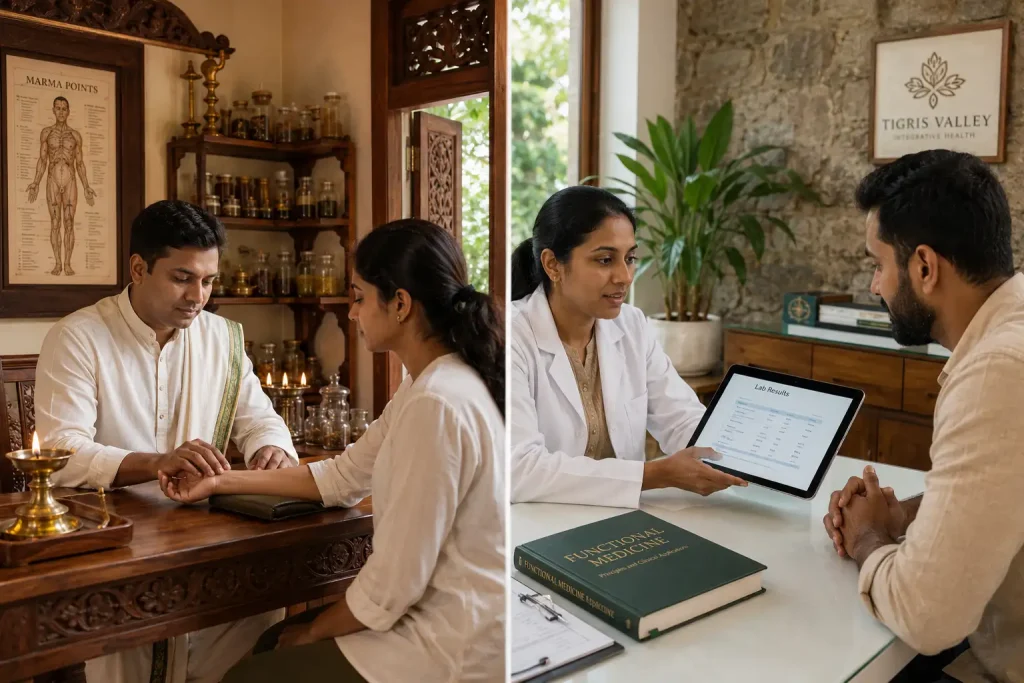
Many first-time guests arrive with expectations shaped by day-spa Ayurveda — a massage, some herbal teas, and a gentle routine. A clinical Ayurvedic programme at Tigris Valley is a different experience in structure, depth, and physical demand. Here is an honest overview of what each phase involves.
Every programme begins with a comprehensive intake: detailed medical history review, identification of pain and health triggers, Nadi Pariksha (pulse diagnosis) to map your doshic constitution, and advanced diagnostic testing including inflammation markers and relevant blood work. From this assessment, the physician designs a personalised treatment plan — specific therapies, sequencing, herbal prescriptions, and a customised dietary protocol for your stay.
Before any major Panchakarma procedure, the body must be prepared. This involves Snehana (internal oleation through Snehapanam) and Swedana (herbal steam therapy). These open the body’s channels, soften and loosen Ama from deep tissues, and prime the system to release toxins safely during the purification phase. Abhyanga is administered daily during this phase.
Depending on your condition and the physician’s assessment, the core phase includes the prescribed Panchakarma procedures, daily Abhyanga, Kizhi for joint or back conditions, Shirodhara for nervous system and stress conditions, Nasya for head and neck conditions, and any indicated Functional Medicine interventions (IV Nutritional Therapy, Ozone Therapy). This phase requires rest between sessions — your schedule is structured to allow the therapies to integrate fully.
Meals throughout your stay are prepared by expert chefs from the Mazra Organic Farm on site — anti-inflammatory, seasonal, and aligned with your therapeutic protocol. Herbal teas and infusions are served throughout the day. The daily rhythm — wake time, meal times, treatment sessions, yoga practice, rest periods — is intentionally structured as part of the therapeutic protocol, not merely a schedule. During intensive Panchakarma, a graduated Samsarjana Krama (post-purification diet) is followed to rebuild Agni safely.
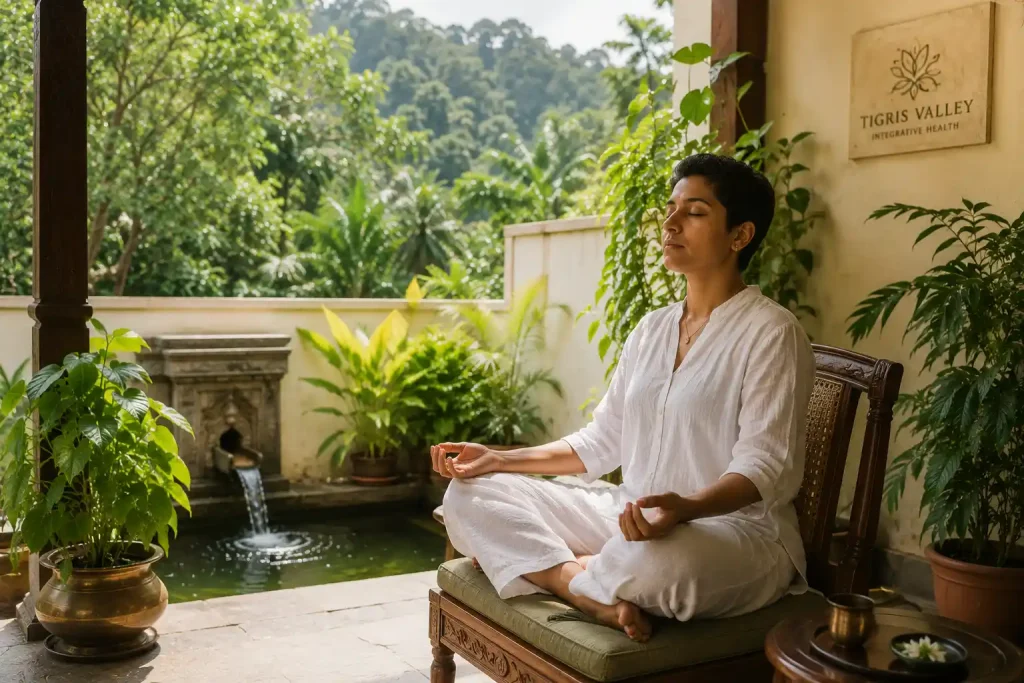
Daily outdoor yoga and meditation sessions, Pranayama coaching, CBT sessions (where indicated), and guided forest bathing in the Wayanad mountain environment are structured components of every programme — not leisure options. These address the psychological and autonomic nervous system dimensions of your condition that physical therapies alone cannot reach.
Before you leave, the physician conducts a final medical review and provides: a personalised post-discharge diet plan, a customised herbal formulation kit for home continuation, a yoga and Pranayama practice sequence for your condition, and lifestyle guidance. The programme has confirmed post-programme follow-ups and continued guidance — your treatment does not end at the airport.
Karkidaka Chikitsa note: If you visit during the monsoon Karkidakam month (approximately mid-July to mid-August), your programme will incorporate Karkidaka Chikitsa protocols — the classical monsoon treatment sequence that offers the most powerful detoxification and absorption outcomes of the year. Read more: Karkidaka Chikitsa — Monsoon Treatment in Ayurveda
Ayurvedic treatment in Kerala is appropriate for a wide range of people. The following profiles represent the most common guest types at Tigris Valley — and the conditions for which the integrative clinical model is most clinically compelling.
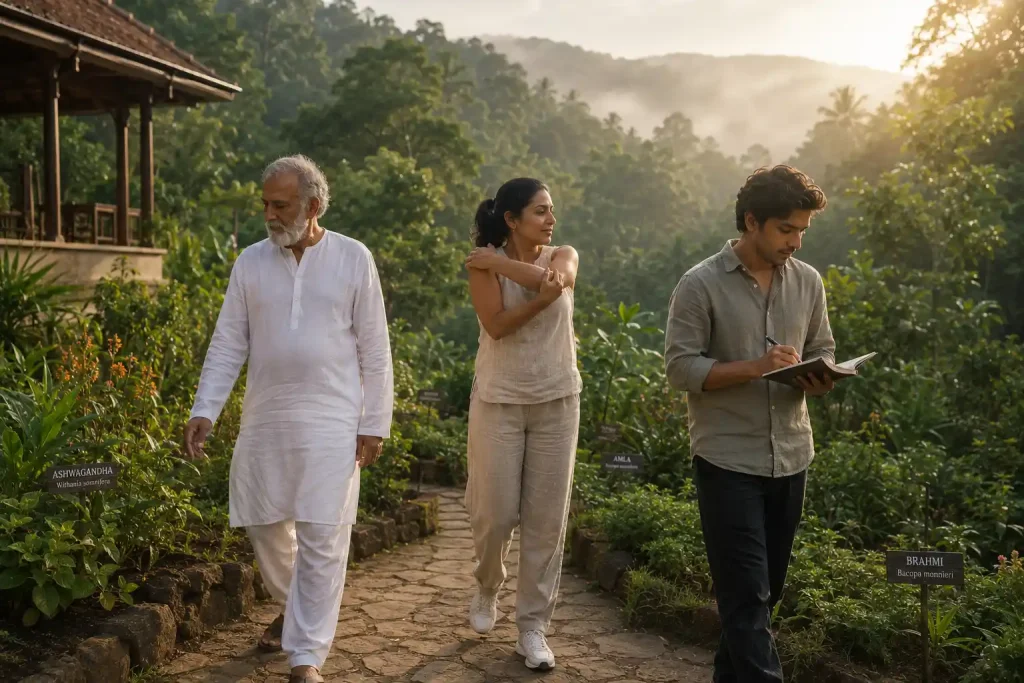
This is the single most common profile at Tigris Valley. Patients with arthritis, fibromyalgia, chronic back pain, autoimmune conditions, or metabolic disorders who have spent years on pharmaceutical management — with limited improvement and significant side effects — find that the root-cause Ayurvedic model produces results their previous treatments could not, because it addresses what conventional medicine was never designed to clear: the accumulated Ama and doshic imbalance driving the condition.
Corporate executives, IT professionals, and high-demand workers increasingly present with a specific combination: chronic stress, poor sleep, spinal pain from sedentary posture, and metabolic dysregulation from lifestyle. Tigris Valley has a dedicated approach for IT professionals’ pain management and a Corporate Wellness Retreat programme. Shirodhara and Abhyanga address the nervous system component; Panchakarma clears the metabolic burden; Yoga and CBT rebuild sustainable stress resilience.
Guests from Europe, the UK, and the Middle East who want genuine classical Ayurveda — not a hotel spa with herbal labels — find Tigris Valley’s NABH-accredited clinical model represents the highest standard available. The Wayanad mountain location delivers the authentic Kerala environment (monsoon climate, Western Ghats forests, fresh mountain air) in a luxury residential setting. Direct flights from Riyadh, Dammam, and Jeddah to Calicut Airport make it highly accessible for Middle Eastern guests. Arabic language support is confirmed.
Panchakarma is not only remedial — it is the most powerful preventive health intervention in classical Ayurveda, removing accumulated Ama before it manifests as disease. Annual Panchakarma — ideally during the Karkidakam monsoon season — is a traditional practice among those who prioritise long-term vitality and disease prevention.
Patients recovering from surgery or injury find the combination of Abhyanga for tissue repair, Kizhi for local inflammation, physiotherapy, and Rasayana herbs significantly accelerates recovery timelines and reduces residual pain — particularly when conventional post-operative rehabilitation has plateaued.
The following outcomes are confirmed in Tigris Valley’s programme documentation and website content — not generic claims but specifically documented benefits of the integrative Ayurvedic programme model.
| Outcome | How It Is Achieved |
|---|---|
| Pain Reduction | Targeted therapies (Abhyanga, Kizhi, Basti) alleviate chronic pain and improve mobility |
| Reduced Inflammation | Holistic treatments including Virechanam, Ozone Therapy, and IV Nutrition lower systemic inflammation — confirmed via repeat blood markers |
| Improved Mobility | Restored strength, flexibility, and ease of movement from Kizhi, physiotherapy, and therapeutic yoga |
| Stress and Burnout Recovery | Shirodhara, Pranayama, and forest bathing measurably reduce cortisol and restore autonomic nervous system balance |
| Better Sleep Quality | Shirodhara and nervous system regulation therapies consistently improve sleep depth and duration |
| Detoxification | Panchakarma removes accumulated Ama, cleanses tissues and channels, promoting better organ function and energy |
| Mental Clarity and Emotional Balance | Shirodhara, meditation, and CBT reduce anxiety, improve focus, and restore emotional resilience |
| Long-Term Relief | Post-discharge herbal kit, diet plan, and lifestyle protocol sustain and extend in-programme results |
| Natural Approach | Minimally invasive treatments with little to no side effects — confirmed across all programme documentation |
Clinical research context: Studies on Panchakarma have shown significant reductions in inflammatory markers and improvements in subjective well-being. Research on meditation and yoga — integral components of Ayurvedic lifestyle — consistently demonstrates benefits for stress reduction, cardiovascular health, and mental wellness. Clinical trials on specific Ayurvedic formulations for arthritis, diabetes, and metabolic conditions have shown promising results. The growing body of evidence supports many Ayurvedic practices as effective complementary approaches — a position now formally acknowledged in the AYUSH framework adopted by India’s Ministry of Health.
The most clinically significant Ayurveda treatments in Kerala are Panchakarma (the five-procedure detoxification system including Vamana, Virechana, Basti, Nasya, and Raktamokshana), Abhyanga (therapeutic herbal oil massage), Shirodhara (continuous warm oil flow on the forehead), Kizhi (herbal poultice therapy), Snehapanam (internal oleation with medicated ghee), and Rasayana (rejuvenation therapy). At Tigris Valley, these classical therapies are combined with Functional Medicine, Unani Medicine, Chinese Medicine, and Nature Therapy for comprehensive clinical outcomes.
Kerala is widely regarded as the global home of authentic classical Ayurveda for three reasons: its humid tropical climate enhances transdermal absorption of medicated oils during Panchakarma; the Western Ghats biodiversity provides medicinal plants with superior phytochemical profiles; and continuous, unbroken lineages of Ayurvedic physicians have preserved classical treatment protocols for over a millennium. The monsoon season (Karkidakam) is the most therapeutically potent period of the year — when skin conductivity, herb potency, and doshic responsiveness are all at their annual peak.
Karkidaka Chikitsa is the classical monsoon Ayurvedic treatment observed during Karkidakam — the Malayalam month corresponding approximately to mid-July to mid-August. Tigris Valley’s own page on this topic explains that the skin softens due to monsoon humidity, making toxin removal and medicated oil absorption significantly more effective than in any other period. The protocol includes Panchakarma, Abhyanga, Swedana, herbal medicines, and the medicinal Karkidaka Kanji gruel. It is the most powerful annual window for intensive Ayurvedic treatment.
For acute or mild conditions and first-time guests, a 7-day programme produces meaningful initial results. For chronic conditions including arthritis, fibromyalgia, metabolic disorders, and post-trauma recovery, 14–21 days allows a complete Panchakarma cycle — preparatory phase, core procedures, and rehabilitation — which is where the deepest and most lasting results are produced. The physician will recommend a duration based on your specific condition during the initial consultation.
Shirodhara is generally safe for most age groups — it is gentle and non-invasive. However, consultation with an Ayurvedic practitioner is recommended before receiving it if you have a fever, head injury, recent surgery, or pregnancy. Tigris Valley confirms Shirodhara can be administered for 7 to 28-day courses depending on the condition, with sessions typically held in the early morning hours for optimal nervous system response.
Abhyanga is a therapeutic full-body oil massage — it is both a standalone therapy and the essential preparatory procedure (Purvakarma) before Panchakarma. Panchakarma is a complete therapeutic system comprising five purification procedures that systematically remove accumulated toxins from specific body systems. Abhyanga prepares the body for Panchakarma; Panchakarma performs the deep systemic cleansing. Both are offered at Tigris Valley, typically as part of the same programme sequence.
In most cases, yes. Tigris Valley’s website confirms that all treatments are supervised by medical doctors who review your pharmaceutical profile before prescribing any herbal interventions. External Ayurvedic therapies (Abhyanga, Kizhi, Shirodhara) are generally compatible with pharmaceutical medications. Internal herbal prescriptions are clinically screened for potential interactions with blood thinners, DMARDs, or other drugs before being prescribed.
Wear loose, light cotton clothing — treatments require easy access to the body, and cotton breathes well in the Kerala climate. Arrive well-rested and with an open mind regarding dietary changes. Avoid heavy meals and alcohol in the days before arrival. The Tigris Valley team will provide pre-arrival instructions specific to your programme, including any dietary preparatory steps. All treatment attire, towels, and therapeutic materials are provided on-site.
Yes. Tigris Valley explicitly confirms Arabic translators, Arabic-speaking support staff, and Arabic-friendly food and accommodation. Direct international flights from Riyadh, Dammam, and Jeddah to Calicut (Kozhikode) International Airport — the nearest airport — make it highly accessible for Middle Eastern guests. Full travel directions are on the Getting to Tigris Valley page.
Contact Tigris Valley at reservation@tigrisvalley.com or call/WhatsApp +91 9072661622. The retreat is located at Markaz Knowledge City Road, Kaithappoyil, Adivaram, Kerala. You can also submit an enquiry on the Contact Us page. The clinical team will assess your condition and recommend the right programme and duration for your needs — at no obligation.
Authentic Ayurveda treatments in Kerala — done at the right standard, in the right environment, at the right time of year — produce results that no other medical system fully replicates. The depth of detoxification through Panchakarma, the nervous system reset of Shirodhara, the tissue repair of Abhyanga, the joint healing of Kizhi, and the metabolic precision of Functional Medicine IV therapy: together, these represent a standard of integrative care that Tigris Valley has built over years of clinical practice at its NABH-accredited Wayanad retreat.
Whether you are seeking relief from a chronic condition, recovery from burnout, prevention through annual detox, or simply the most authentic and clinically rigorous Ayurvedic experience in India — the starting point is a conversation with the Tigris Valley clinical team.
Begin Your Ayurvedic Journey at Tigris Valley
Kerala’s most comprehensive integrative Ayurvedic hospital — NABH-accredited, physician-led, results-focused.
📞 +91 9072661622 | ✉ reservation@tigrisvalley.com