[gtranslate]
MENU
Medically reviewed by the integrative medicine team at Tigris Valley Wellness Retreat, Kerala · Last updated July 2026
⚡ Quick Facts
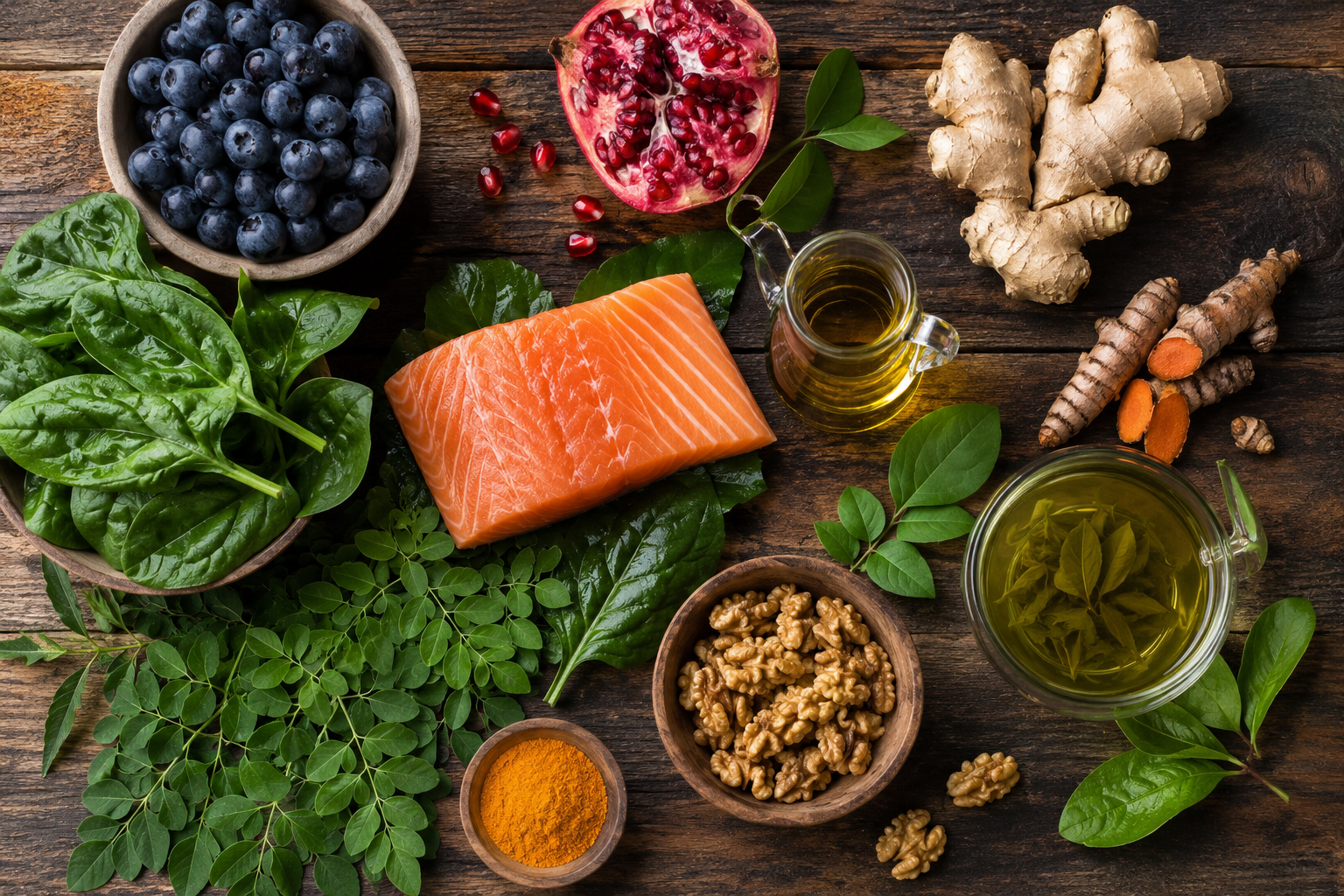
You eat “healthy,” yet the stiffness, bloating, brain fog and low-grade aches never fully leave. That is often chronic inflammation quietly running in the background — and left unchecked, it drives everything from joint pain and fatigue to autoimmune flares and heart disease. The fix rarely starts in a pharmacy. It starts on your plate. This guide breaks down exactly which foods calm inflammation and which quietly fuel it.
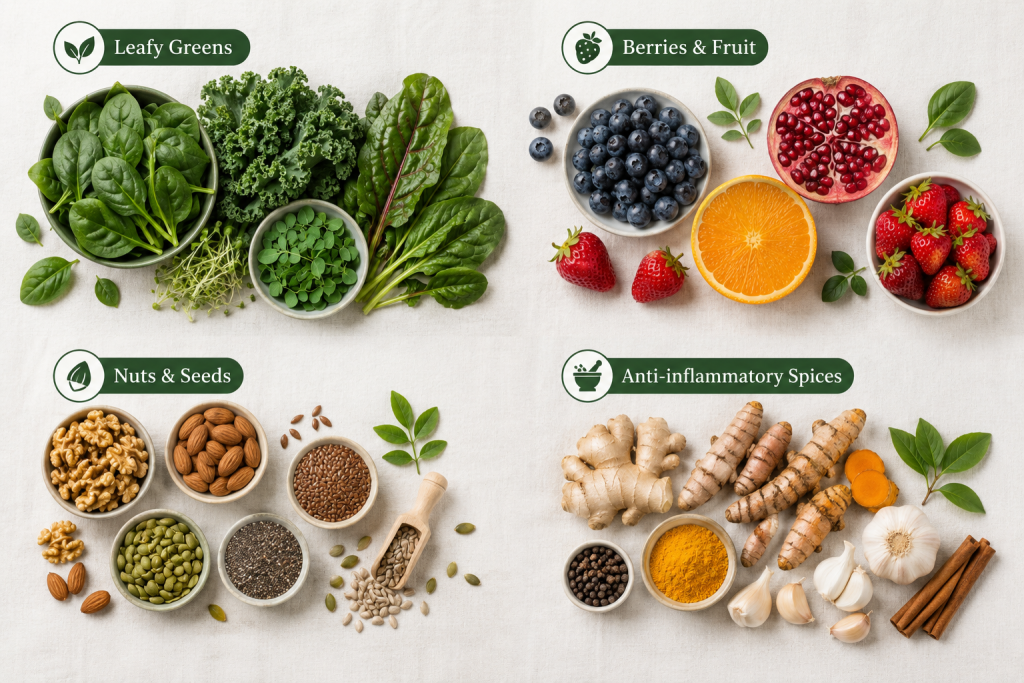
An anti-inflammatory diet is a way of eating that reduces the chronic, low-grade inflammation linked to most modern lifestyle diseases. Rather than a rigid, branded “plan,” it is a pattern: mostly whole plants, healthy fats, quality protein, and spices — with sugar, refined carbohydrates, and processed food kept to a minimum.
In simple entity terms:
The Mediterranean diet is the best-studied version of this pattern, but the same principle appears across traditional food cultures — including the spice-forward, plant-heavy cuisine of Kerala, where turmeric, ginger, curry leaves, and coconut have been used therapeutically for centuries.
Key Insight: You are not “going on a diet.” You are removing the foods that provoke your immune system and adding the ones that calm it.
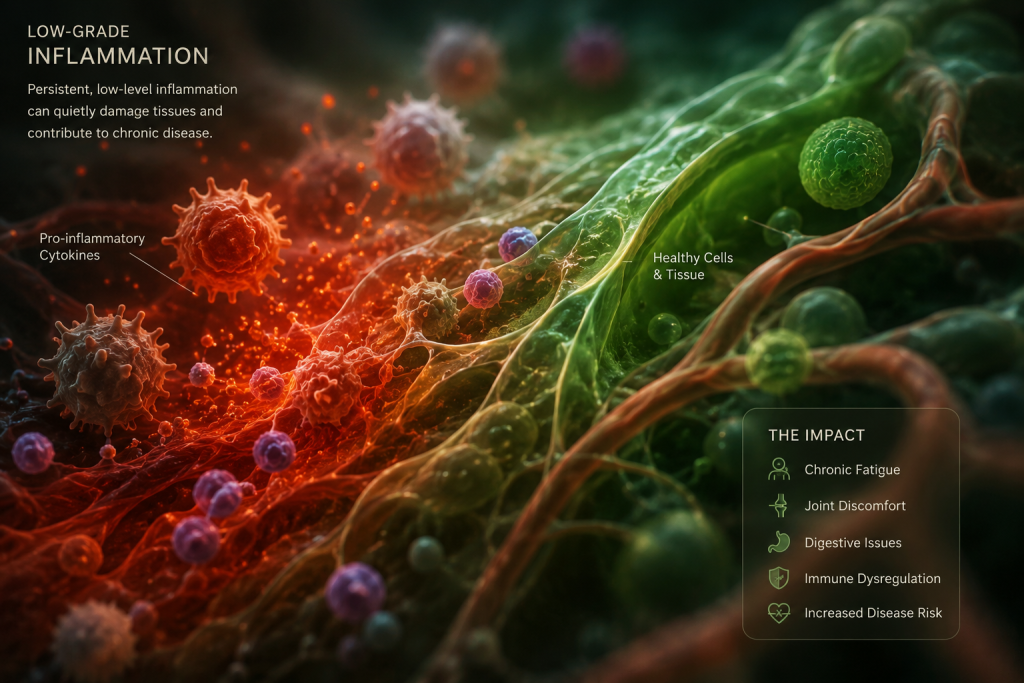
Acute inflammation is helpful — it heals a cut or fights a cold, then switches off. Chronic inflammation is the problem: it never fully switches off, quietly damaging tissue for months or years.
Left unaddressed, chronic inflammation is now linked to:
The common thread across these very different conditions is systemic inflammation — which is exactly why a root-cause approach matters more than chasing one symptom at a time. For a fuller clinical picture of how these conditions connect, see this complete guide to Ayurvedic treatment for chronic diseases, which maps the shared inflammatory roots behind arthritis, diabetes, thyroid and autoimmune disorders.
When inflammation is already driving daily pain, food alone may not be enough. Tigris Valley’s chronic pain and inflammation management programme in Kerala combines an anti-inflammatory diet with Panchakarma detox, targeted herbs, and IV nutritional therapy to break the cycle at the source.
These are the foods that actively lower inflammatory markers. Build 80% of your plate from this list.
| Food Group | Best Choices | Why It Helps |
|---|---|---|
| Leafy greens | Spinach, kale, moringa, amaranth, curry leaves | Rich in antioxidants & polyphenols that neutralise free radicals |
| Berries & colourful fruit | Blueberries, pomegranate, cherries, oranges, papaya | Anthocyanins and vitamin C reduce oxidative stress |
| Fatty fish | Salmon, sardines, mackerel | Omega-3 fatty acids (EPA/DHA) directly lower inflammation |
| Healthy fats | Extra-virgin olive oil, avocado, coconut | Oleocanthal in olive oil acts like a natural anti-inflammatory |
| Nuts & seeds | Walnuts, almonds, flaxseed, chia | Plant omega-3s, fibre, magnesium |
| Anti-inflammatory spices | Turmeric, ginger, garlic, cinnamon | Curcumin and gingerol are among the most studied natural compounds |
| Whole grains & legumes | Oats, brown rice, lentils, chickpeas | Fibre feeds a healthy gut microbiome, calming immune activity |
| Green tea | Green tea, matcha, herbal infusions | EGCG polyphenols reduce inflammatory signalling |
Star performer — turmeric: Its active compound, curcumin, is one of the most researched natural anti-inflammatories in the world. Paired with black pepper (which boosts absorption up to 20-fold) and a little fat, it becomes far more effective. This is one reason Ayurvedic and Unani formulations have relied on turmeric for centuries — explored further in this breakdown of proven Ayurvedic treatment benefits and healing herbs.
Key Insight: Colour is a shortcut. The more natural colours on your plate — deep greens, reds, purples, oranges — the wider the range of anti-inflammatory plant compounds you are eating. A beige plate is usually a pro-inflammatory plate.
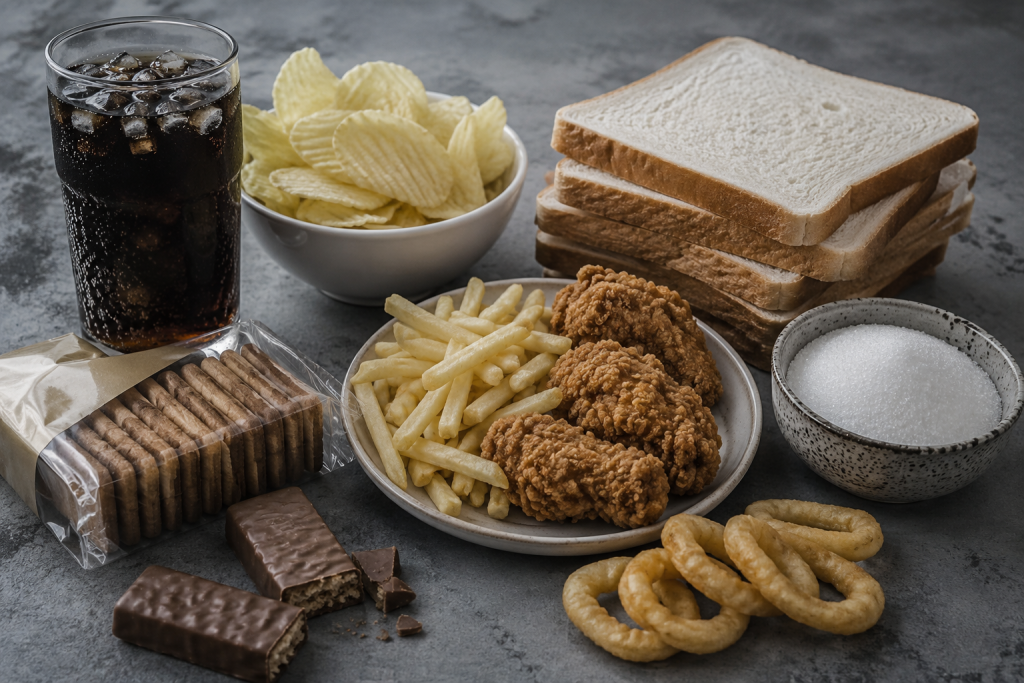
These are the foods that quietly keep the inflammatory fire burning. You do not need perfection — you need to make these the exception, not the base of your diet.
| Avoid / Limit | Common Sources | Why It Inflames |
|---|---|---|
| Added sugar | Soft drinks, sweets, packaged juice, desserts | Spikes blood sugar and drives inflammatory cytokines |
| Refined carbs | White bread, maida, biscuits, most packaged snacks | Rapid glucose spikes and poor fibre |
| Processed & red meat | Sausages, bacon, deli meats, excess red meat | Linked to higher inflammatory markers |
| Deep-fried food | Restaurant fried snacks, reheated oil | Produces advanced glycation end-products (AGEs) |
| Trans & industrial seed oils | Vanaspati, margarine, cheap refined oils | Directly promote inflammatory pathways |
| Excess alcohol | Regular or heavy drinking | Stresses the liver and gut lining |
| Ultra-processed foods | Instant noodles, chips, ready meals | Additives + sugar + poor fats combined |
Key Insight: If a food is engineered in a factory to be hyper-palatable and shelf-stable, it is usually working against you. If it grew from the earth or swam in the sea, it is usually working for you.
For many people, years of these foods also create a “toxic load” the body struggles to clear. A supervised Ayurvedic detox and cleanse programme at Tigris Valley can reset the gut and give an anti-inflammatory diet a stronger foundation to build on.
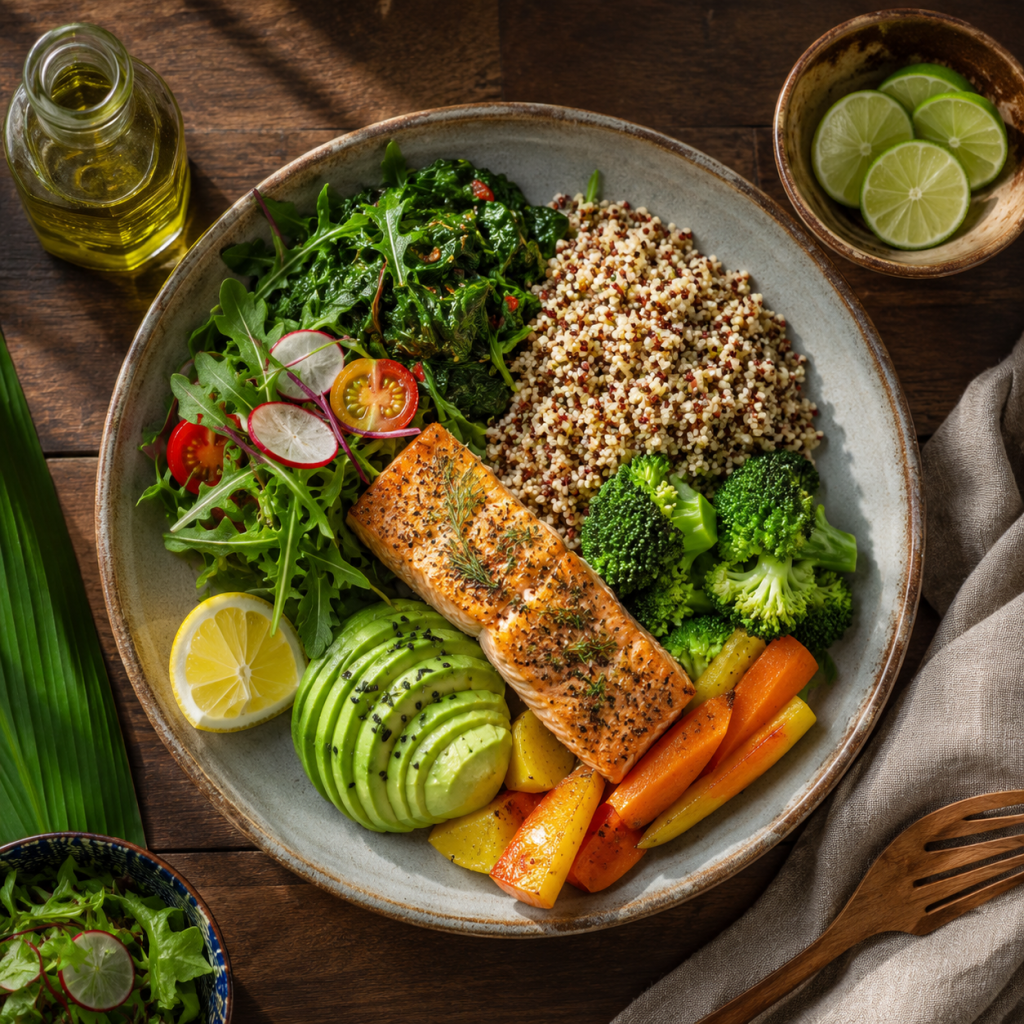
You do not need exotic ingredients. Here is a realistic anti-inflammatory meal plan built from everyday foods:
Pro tip: Change one meal at a time. Swapping a sugary breakfast for the oats-and-berries option is a smaller, more sustainable win than overhauling everything overnight.
Modern science calls it “chronic inflammation.” Ayurveda has described the same phenomenon for thousands of years and calls it Ama — a sticky metabolic residue that builds up when digestion is weak and the body cannot fully process what it takes in.
In Ayurvedic terms:
This is why an anti-inflammatory diet in an Ayurvedic setting is never just a food list — it is paired with therapies that clear existing Ama and strengthen digestion. This gut-first logic is well documented in this look at how Panchakarma reverses inflammation and autoimmune triggers, where restoring gut integrity is central to calming an overactive immune system.
For those whose inflammation is driven by immune dysfunction — psoriasis, rheumatoid arthritis, Hashimoto’s — the autoimmune disorder management programme at Tigris Valley builds the anti-inflammatory diet into a wider, doctor-supervised protocol.
An anti-inflammatory diet helps almost everyone, but it is especially powerful for:
Key Insight: If your condition ends in “-itis” or involves the immune system, blood sugar, or the gut, an anti-inflammatory diet is almost certainly relevant to you.
✅ Key Takeaways
There is no single winner, but fatty fish (for omega-3s) and turmeric (for curcumin) are consistently among the most effective. A variety of colourful whole foods beats relying on any one “superfood.”
Many people notice less bloating, stiffness, and fatigue within 2–4 weeks. Deeper changes — immune balance, metabolic markers like CRP — usually take 8–12 weeks of consistency.
Moderate black coffee is actually anti-inflammatory for most people due to its polyphenols. The problem is usually what goes in it — sugar, syrups, and heavy creamers.
For most people, yes, in moderation. But dairy and eggs can trigger inflammation in sensitive individuals, especially with autoimmune conditions. Trial-and-observe is the best approach.
Yes. Reducing sugar and processed foods while increasing omega-3s and antioxidants is one of the most effective dietary strategies for easing joint pain and stiffness.
Absolutely. Focus on flaxseed, chia, walnuts, and algae oil for omega-3s, plus abundant vegetables, legumes, and spices. Kerala’s traditional plant-forward cuisine is a natural fit.
Often, yes — indirectly. By removing sugar and ultra-processed food and stabilising blood sugar, most people naturally reduce cravings and excess weight, which further lowers inflammation.
Water, green tea, turmeric–ginger infusions, and moderate black coffee. Avoid sugary sodas, packaged juices, and energy drinks, which do the opposite.
No, though they can overlap. Allergies are acute immune reactions; chronic inflammation is a slow, systemic process. Some food intolerances can, however, feed chronic inflammation.
Food should come first. Some people benefit from targeted omega-3, vitamin D, or curcumin supplementation — ideally guided by testing rather than guesswork.
Diet is powerful but rarely sufficient on its own for established autoimmune disease. It works best combined with detox, stress management, sleep, and medical supervision.
If pain, fatigue, digestive issues, or flare-ups persist despite dietary changes, a root-cause assessment is worthwhile. A structured programme can identify and treat the underlying drivers diet alone can’t reach.
Ready to Calm Inflammation at the Root?
Food is the foundation — but stubborn inflammation often needs more. At Tigris Valley in Kerala, our doctors combine anti-inflammatory nutrition with Panchakarma detox, herbal medicine, and functional diagnostics to treat the cause, not just the symptom.
→ Explore the Ayurvedic Detox & Cleanse Programme
This article is for general educational purposes and is not a substitute for personalised medical advice. Always consult a qualified doctor before making significant dietary changes, especially if you have an existing medical condition or take medication.