
[gtranslate]
MENU
Karkidakam is the last month of the Malayalam calendar, which falls during July or August.In Kerala, the Malayalam month of Karkidakam is traditionally considered to be most ideal for undergoing Karkidaka ayurveda treatment. The rains are slowly declining, and this is the time considered to be ideal for undergoing Ayurveda-based body rejuvenation therapies.
Karkidaka Masam is considered the best for Ayurvedic treatments because the skin softens due to the humidity and monsoon climate. Removal of toxins and negativity from both mind and body is significantly easier than in any other period.
According to Ayurvedic science, Karkidakam comes under the Varsha Ritu, so Vata dosha will be dominant and thus the Bala and Ojas (immunity) will be less. It can lead to a poor immune system, so the chances of waterborne and airborne communicable diseases are high.
➢ Low digestion power
➢ Low immunity and Low body strength
Varsha Ritu Charya, rainy/monsoon season regimen according to Ayurveda
Due to moistness and coldness in land and plants, there is an increase of coldness and moistness in the body too. This produces sluggishness of digestive fire, which leads to the accumulation of pitta. There is a simultaneous aggravation of vata in this season. Therefore one should follow the regimen of this season and follow food and lifestyle practices to balance vata and pitta.
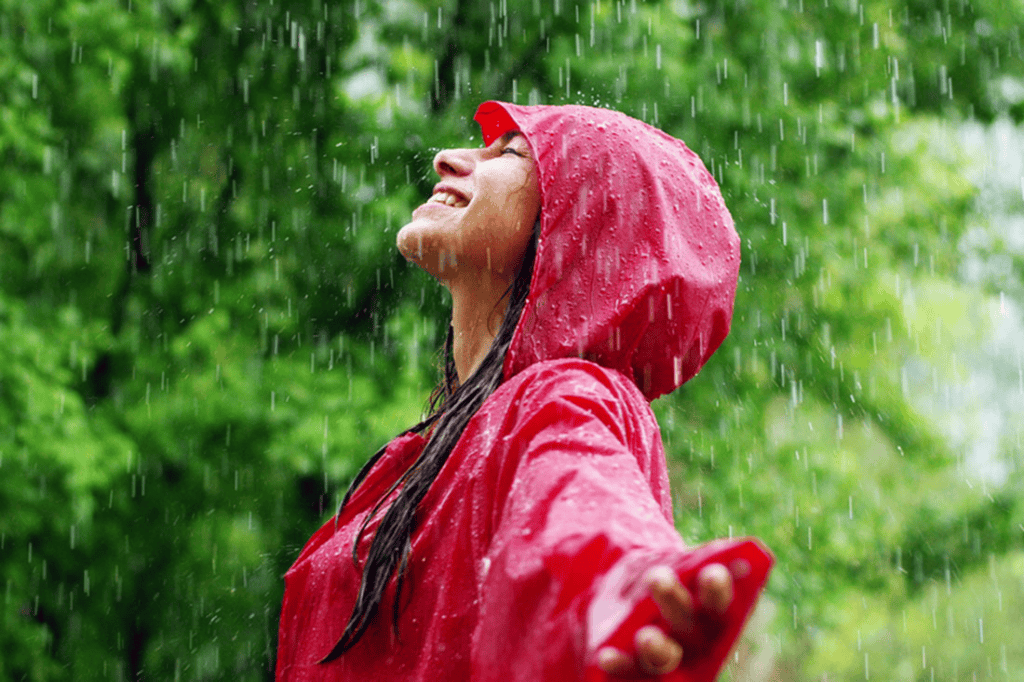
Varsha Rtu (rainy season) is the first season of the Visarga Kala or Dakshinayana i.e. Southern Solstice. It is preceded by Greeshma Rtu (summer season), which happens to be the third and last season of Adana Kala i.e. Northern Solstice. The rainy season is followed by Sharad / Sharat Rtu i.e. autumn season, the second season of the Visarga Kala. Southern Solstice. Thus, rainy season is the first season of the Southern Solstice.
Moon is predominant in this season. In this season, like any other season of Southern Solstice, the Sun moves southwards.
This season gives strength to the person. This happens because the heat reduces in this season as the heat-predominant northern solstice ends with the end of summer. The climate too becomes cold in comparison to the summer. Along with this, the sky is covered with clouds and there is rain. There is an increase in watery ingredients, moistness, fluidity, and strength of the plants and living beings.
The winds are present. The winds in southern solstice are not dry and fierce, but in the rainy season, the winds are comparably dry since the climate is closer to the summer. This further causes aggravation of vata in the body.
One should remember that vata accumulated naturally in the summer season due to extreme dryness but had not undergone aggravation due to the presence of heat, which is antagonistic to the coldness quality of vata.
But in the monsoon season, the dryness of the climate is associated with coldness. Both these together become strong aggravating factors for vata. Therefore vata aggravation takes place in the rainy season. If not controlled, it may cause vata disorders. During this period, karkidaka ayurveda treatment is highly recommended to help balance the aggravated vata dosha and enhance overall health. Sour, salt, and sweet tastes are predominant in food, plants, water, and medicines. These three tastes increase the strength of an individual. These three tastes are antagonistic to Vata. These three tastes enhance the water content of the body and keep the body hydrated. Therefore the foods and medicines having these tastes shall be consumed to keep the vata in control.
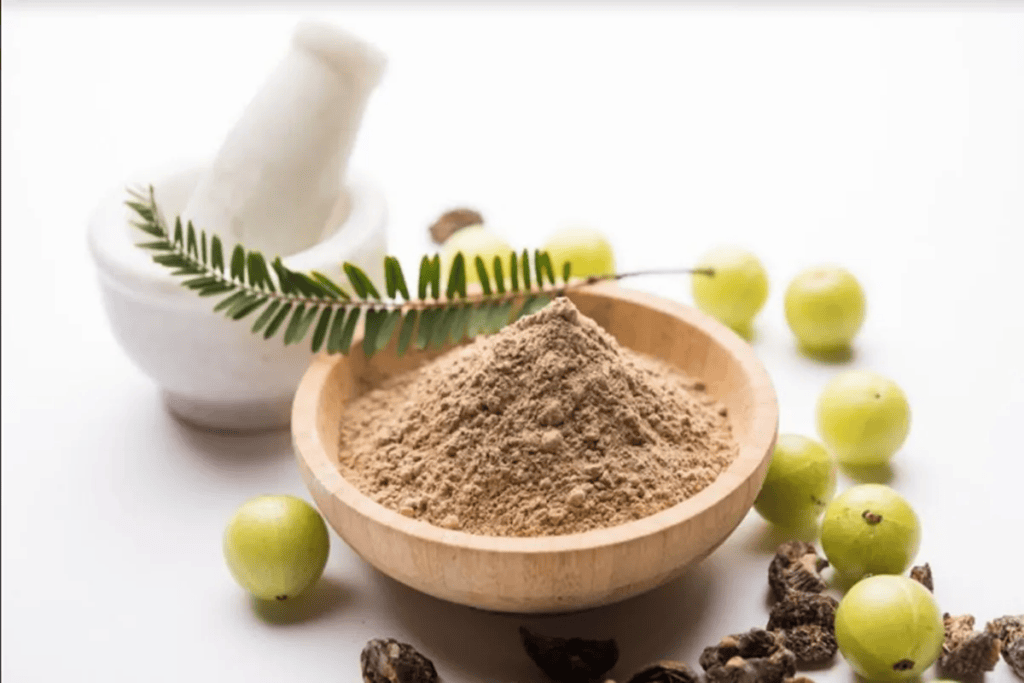
In the rainy season, the aggravation of vata takes place. At the same time, the accumulation of pitta takes place. Vata aggravates due to the dryness of the climate associated with coldness. In the rainy season, the medicines are of less potency owing to the cloud-filled sky and water content of the earth due to constant rain. The land gets moist with rain. So the moistness in the body also eventually increased along with the coldness. The effect of all these events leads to reduced digestive power/fire leading to improper digestion of food. This leads to the accumulation of pitta in the monsoon season.
Taste predominance: Predominant taste of rainy season – Amla rasa i.e. sour taste is predominant in the rainy season. This taste is made up of earth and fire elements. To an extent, the sour taste pacifies vata. In the monsoon season, as we have discussed already, there is vitiation of vata.
A sour taste helps in combating vata when taken in the form of food and medicines having a sour taste. At the same time, the fiery quality of the sour taste and the sour taste itself is responsible for increasing pitta. In the rainy season, pitta accumulation takes place. Though the unctuousness etc qualities of the karkitaka chikitsa in Tigris Valley are favorable for pitta accumulation, the coldness of the season being antagonistic to pitta doesn’t allow aggravation of pitta. Thus pitta only undergoes accumulation but doesn’t undergo aggravation in this season
o In rainy season, one should drink medicated water and rice along with honey.
o One should consume sour, salt and unctuous foods. These foods are anti-vata and would pacify the aggravated vata in rainy season,
o One should be allowed to use old grains for preparing foods and also to consume meat juice processed with spices.
o Meat and meat soup of animals living in desert-like lands should be used.
o There are variations and fluctuations of digestive fire in the rainy season. Therefore, foods that balance and protect the digestive fire should be given to the ear.
For example, foods prepared with old barley, wheat, rice, processed meat soup, dal soups, etc.
o Alcoholic preparations shall be taken in small quantities and diluted form. One can take medicated alcoholic preparations like madhvika and arishta added with honey in limited proportions. Wine prepared from grapes and fermented decoctions which are old shall be used.
o Honey usually increases vata but in the rainy season wherein there is aggravation of vata, honey can be taken in small proportions. When taken in little quantities it helps in combating excessive moistness in the body. Excessive moisture in the body will cause an increase of kapha and pitta which will cause diminution of digestive fire, consequentially leading to deficit nutrition to the tissues and tissue destruction eventually causing Vata increase. Honey controls the excessive formation of moistness in the body.
o One should drink boiled water, well water, or water from the reservoirs in the rainy season. These waters should be well boiled before consumption.
o One is permitted to consume the supernatant part of curds/whey mixed with powder of salt and powder of panchakola.
o One needs to avoid drinking river water in the rainy season. At the same time, he shall also avoid churned preparations having a lot of quantity of water.
Other Regimens, Activities, and therapies
During the rainy season, ayurveda karkidaka chikitsa is highly recommended to maintain health and prevent seasonal ailments.
o Sleeping during day time
o Exposure to mist
o Excessive exercise
o Excessive indulgence in sexual intercourse
o Excessive exposure to hot sun
o Moving about on foot
o River water
o Beverage prepared with flour of corns mixed with ghee.
o Rubbing the body with coarse medicated powders or thick cloth
o Rubbing the body with unctuous powders of medicinal herbs
o Bathing
o Wearing of fragrant garlands
o Wearing light and clean clothes
o One should expose his clothes to fragrant fumes before wearing
o Should use perfumes
o Staying in a place devoid of moisture
o One should dwell in upper stairs of the house devoid of heat, snow or cold
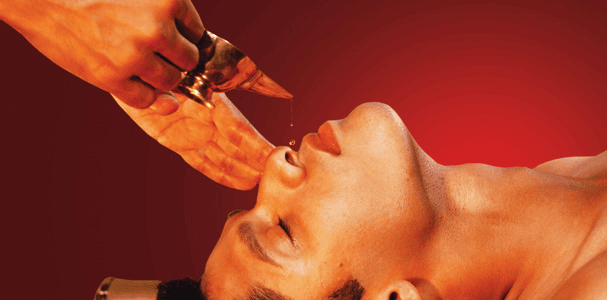
Varmana i.e. therapeutic emesis and Virechana i.e. therapeutic purgation should be administered for purifying the body in rainy season. After the body gets purified following the administration of emesis and purgation, cleansing/decoction enemas should be administered to control vata.
Ayurveda has selectively recognized monsoon season as the best time for receiving Panchakarma Rejuvenation therapies. Panchakarma is a curative treatment that deeply cleanses and detox body treatment without damaging the tissues. It reinforces the immune system and leaves the body healthier, stronger and free from chronic ailments.
The Panchakarma treatment program is a unique opportunity to cleanse and rejuvenate both physically and mentally in a pure, spiritual and yogic environment. One should approach the program with the desire to retreat from normal life and use the time to reconnect to body, mind and soul.
Speak to a Tigris Valley wellness specialist for a personalised consultation. Our integrative team combines Ayurveda, Unani, and functional medicine to design a programme for your exact needs.

Kaithappoyil, in the Western Ghats.
Markaz Knowledge City Road, Kaithappoyil, Adivaram, Kerala
Get directions +91 90726 61622 reservation@tigrisvalley.com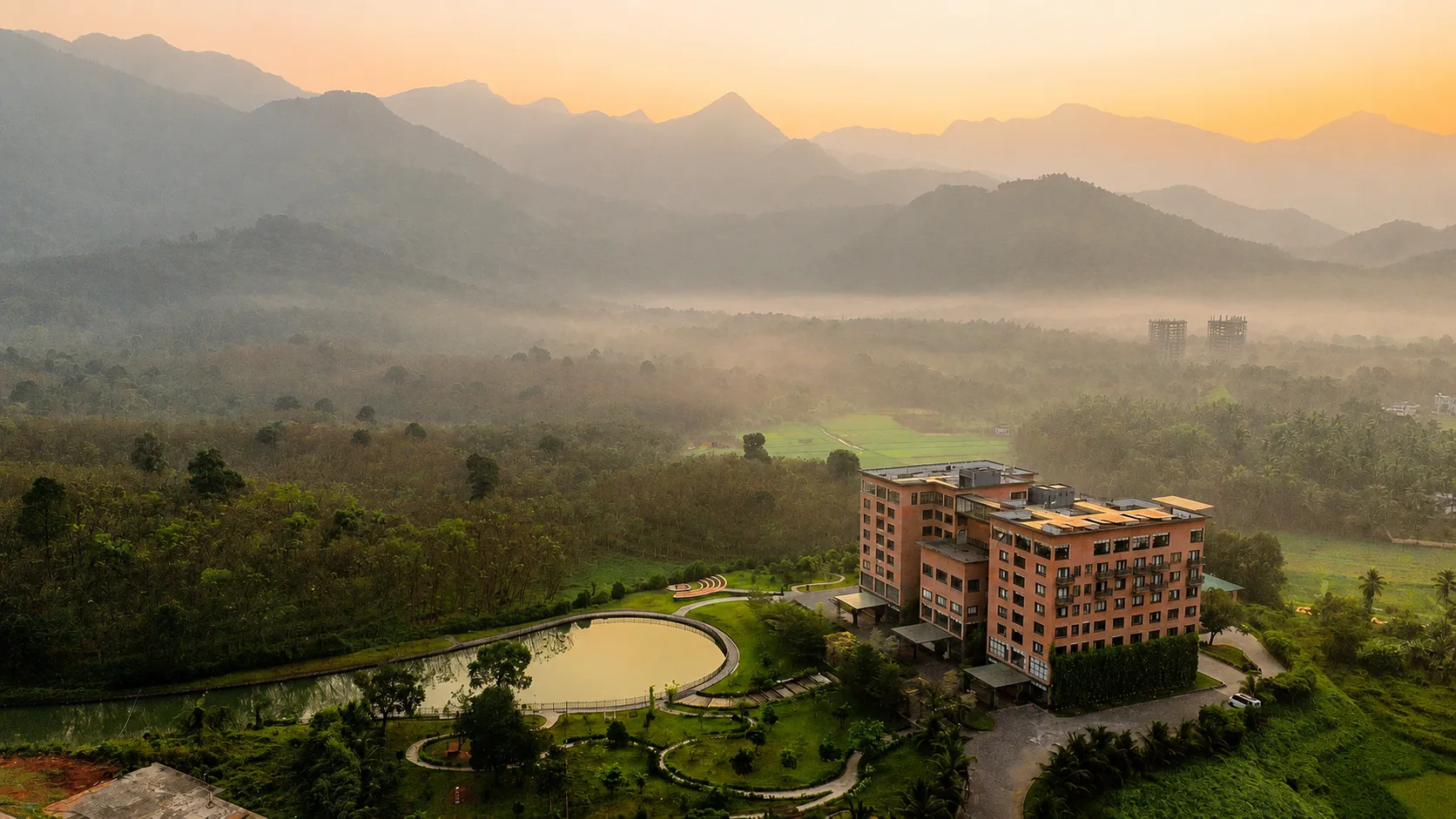
Kaithappoyil, Western Ghats

Before you leave
A physician reads every letter. Book a consultation, or send an inquiry — reservations answers the same day.