Ayurvedic Remedies for Air Pollution Related Issues

Introduction

Are you constantly battling coughs, breathing difficulties, and fatigue due to deteriorating air quality? Air pollution has become a silent killer, affecting millions worldwide and triggering respiratory distress, allergies, and chronic health conditions. The toxic air we breathe daily can weaken immunity, damage lung tissue, and accelerate aging. But what if ancient Ayurvedic wisdom holds the key to protecting your body from pollution’s harmful effects? This comprehensive guide reveals time-tested Ayurvedic remedies for air pollution related issues that naturally detoxify your system, strengthen respiratory health, and build resilience against environmental toxins.
The Growing Air Pollution Crisis in India

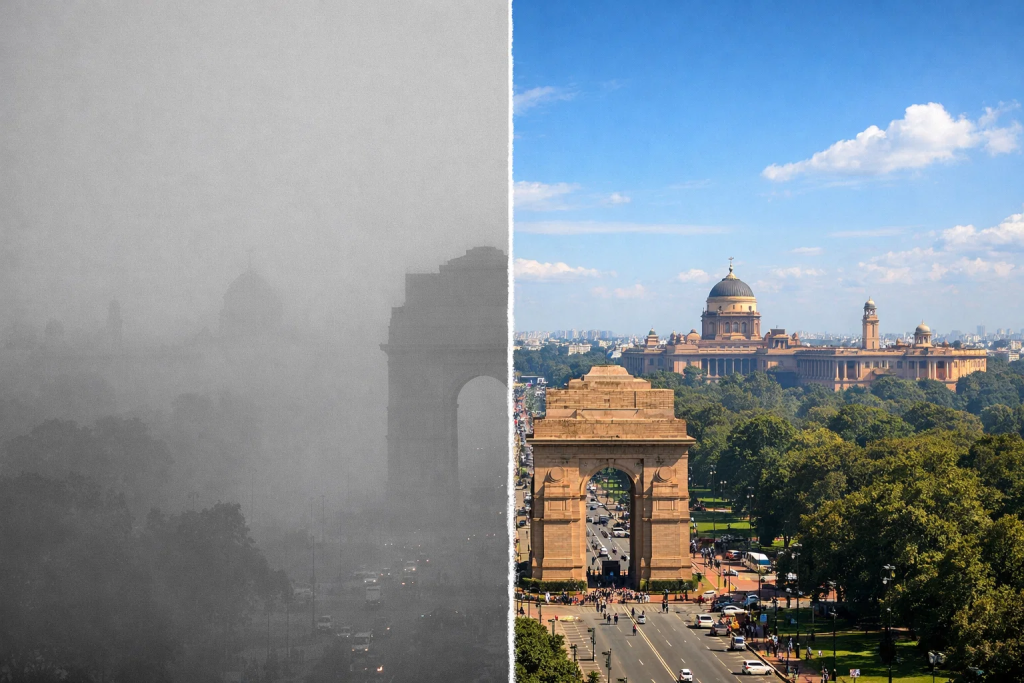
India is currently facing one of its worst air quality emergencies, with major cities recording hazardous Air Quality Index (AQI) levels that far exceed safe limits. Delhi-NCR, Mumbai, Kolkata, and other metropolitan areas regularly experience AQI levels above 400, placing them in the “severe” category that poses serious health risks to all residents.

Current Air Pollution Scenario:

Recent data reveals alarming trends:

  • Delhi’s air quality deteriorates to “severe plus” category during winter months, with PM2.5 levels reaching 15-20 times the WHO safe limits
  • Stubble burning in Punjab and Haryana contributes to 30-40% of Delhi’s pollution during October-November
  • Industrial emissions, vehicular pollution, and construction dust create a year-round toxic cocktail in urban centers
  • Children and elderly populations face the highest risk, with respiratory hospital admissions increasing by 40-50% during peak pollution periods

The Health Emergency We’re Facing:

Medical experts across India report unprecedented rises in:

  • Chronic Obstructive Pulmonary Disease (COPD) cases
  • Asthma attacks and bronchitis
  • Cardiovascular emergencies
  • Eye infections and skin allergies
  • Premature deaths attributed to air pollution (estimated at 1.67 million annually in India)

The situation demands immediate action, not just at policy levels but at individual levels too. While government initiatives like odd-even vehicle schemes and construction bans provide temporary relief, personal protection through Ayurvedic immunity building and detoxification has become essential for survival in Indian cities.

This is where ancient Ayurvedic wisdom meets modern necessity. The time-tested remedies that protected our ancestors from environmental toxins are now more relevant than ever in combating this contemporary health crisis.
Understanding Air Pollution and Its Health Impact

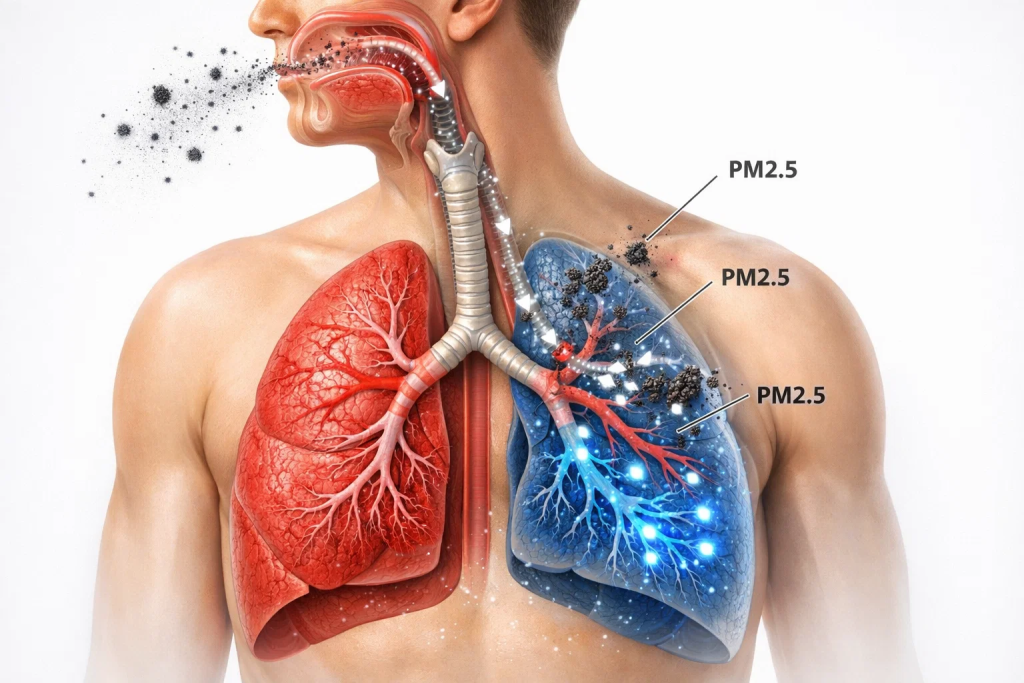
Air pollution has emerged as one of the most pressing health challenges of our time. Particulate matter (PM2.5 and PM10), nitrogen dioxide, sulfur dioxide, and ozone create a toxic cocktail that penetrates deep into our respiratory system, causing both immediate and long-term health consequences.

Common Health Issues Caused by Air Pollution:

  • Respiratory Problems: Chronic cough, bronchitis, asthma, and reduced lung function
  • Cardiovascular Stress: Increased risk of heart disease and stroke
  • Weakened Immunity: Frequent infections and slower recovery times
  • Skin Problems: Premature aging, acne, and inflammatory skin conditions
  • Eye Irritation: Redness, watering, and burning sensation
  • Neurological Effects: Headaches, fatigue, and cognitive decline

Understanding these impacts is crucial for taking proactive measures. At Tigris Valley Wellness Retreat, we’ve witnessed firsthand how integrative Ayurvedic treatments can reverse pollution-induced damage and restore optimal health.

Ayurveda, the 5,000-year-old science of life, offers a holistic framework for understanding and treating pollution-related health disorders. According to Ayurvedic principles, air pollution disturbs the body’s natural balance (doshas) and accumulates toxins (ama) in the respiratory and circulatory systems.

The Ayurvedic Perspective:

Vata-Kapha Imbalance: Air pollution primarily aggravates Vata (air element) and Kapha (water and earth elements). This creates:

  • Respiratory congestion (Kapha accumulation)
  • Dry, irritated airways (Vata aggravation)
  • Compromised immunity
  • Toxic buildup in lung tissues

Toxin Accumulation (Ama Formation): Polluted air introduces external toxins while impaired digestion creates internal toxins. This double burden of ama weakens the body’s natural defense mechanisms.

The Ayurvedic approach focuses on:

  1. Detoxification (Shodhana): Eliminating accumulated toxins
  2. Rejuvenation (Rasayana): Strengthening respiratory tissues and immunity
  3. Prevention (Nidana Parivarjana): Lifestyle modifications to minimize exposure

This holistic methodology differs significantly from conventional approaches. Discover more about holistic vs modern western medicine and why integrative healing is more effective for pollution-related issues.

Our specialized Detox & Cleanse Program at Tigris Valley incorporates these principles to provide comprehensive pollution detoxification.

Top 15 Ayurvedic Remedies for Air Pollution Protection

1. Turmeric (Haridra) – The Golden Healer

Turmeric is nature’s most powerful anti-inflammatory agent, containing curcumin which protects lung tissue from oxidative damage. Daily consumption helps:

  • Reduce respiratory inflammation
  • Enhance detoxification pathways
  • Strengthen immune response

How to Use: Mix 1 teaspoon turmeric powder with warm milk and a pinch of black pepper. Consume twice daily, especially during high-pollution periods.

2. Tulsi (Holy Basil) – The Respiratory Protector

Tulsi is revered as the “Queen of Herbs” in Ayurveda for its remarkable ability to purify the respiratory system. It contains powerful phytochemicals that:

  • Clear congestion and mucus
  • Protect against airborne pathogens
  • Reduce allergic responses

How to Use: Chew 5-7 fresh tulsi leaves on an empty stomach or prepare tulsi tea by boiling 10-12 leaves in water. Our Ayurveda treatment programs include therapeutic tulsi formulations.

3. Ginger (Shunthi) – The Warming Expectorant

Ginger’s warming properties make it exceptional for clearing respiratory passages. It stimulates circulation, breaks down mucus, and reduces inflammation in airways.

How to Use: Prepare fresh ginger tea with honey, or chew small pieces of fresh ginger throughout the day. Add to soups and meals for sustained benefits.

4. Pippali (Long Pepper) – The Lung Revitalizer

Pippali is specifically indicated for chronic respiratory conditions and pollution-induced damage. It:

  • Strengthens lung capacity
  • Removes deep-seated mucus
  • Enhances oxygen absorption

How to Use: Mix 1/4 teaspoon pippali powder with honey twice daily. Always consult an Ayurvedic practitioner for proper dosage.

5. Licorice Root (Yashtimadhu) – The Soothing Demulcent

Licorice coats and soothes irritated respiratory passages, making it invaluable for pollution-induced throat irritation and cough.

How to Use: Prepare licorice tea or suck on small pieces of licorice root. Note: Avoid if you have hypertension.

6. Amla (Indian Gooseberry) – The Immunity Powerhouse

Amla contains 20 times more Vitamin C than oranges, making it a potent immune booster and antioxidant. It:

  • Neutralizes free radicals from pollution
  • Strengthens respiratory immunity
  • Supports liver detoxification

How to Use: Consume 1-2 fresh amlas daily or take amla juice (20ml) mixed with water on an empty stomach.

7. Neem – The Natural Purifier

Neem’s blood-purifying properties make it essential for pollution detox. It eliminates toxins from blood and supports healthy skin despite pollution exposure.

How to Use: Boil neem leaves in water and inhale the steam, or consume neem capsules as directed by an Ayurvedic physician.

8. Brahmi (Bacopa Monnieri) – The Neuroprotector

Air pollution affects cognitive function and mental clarity. Brahmi protects brain cells from oxidative stress and improves mental resilience.

How to Use: Take brahmi powder mixed with ghee or as prescribed supplements. Our Stress & Burnout Recovery Program includes brahmi-based treatments.

9. Ashwagandha – The Adaptogenic Shield

Ashwagandha strengthens overall immunity and helps the body adapt to environmental stressors like pollution. It reduces inflammation and supports respiratory health.

How to Use: Mix 1 teaspoon ashwagandha powder with warm milk before bed. Available as part of our Immune Strengthening Package.

10. Triphala – The Three-Fruit Detoxifier

Triphala gently cleanses the entire digestive and respiratory system, removing accumulated toxins. Its antioxidant properties protect against pollution-induced cellular damage. For a deeper understanding, read about what is body detoxification treatment.

How to Use: Take 1 teaspoon triphala powder with warm water before bed for gentle overnight detoxification.

11. Vasaka (Malabar Nut) – The Bronchial Healer

Vasaka is specifically indicated for bronchitis and asthma aggravated by pollution. It:

  • Dilates bronchial passages
  • Expels toxic mucus
  • Reduces coughing spasms

How to Use: Prepared as medicated syrup or decoction under professional guidance at centers like Tigris Valley.

12. Giloy (Guduchi) – The Universal Immune Modulator

Giloy strengthens immunity against airborne pathogens and allergens, making it crucial during high-pollution seasons.

How to Use: Boil giloy stem pieces in water and consume the decoction, or take as prescribed supplements.

13. Black Pepper (Maricha) – The Bioavailability Enhancer

Black pepper not only clears congestion but enhances the absorption of other healing herbs, multiplying their effectiveness.

How to Use: Add freshly ground black pepper to warm water, teas, and meals daily.

14. Honey – The Natural Antimicrobial

Raw, unprocessed honey soothes irritated airways and provides antimicrobial protection against pollution-borne pathogens.

How to Use: Take 1 teaspoon raw honey with warm water or herbal teas. Never heat honey above 40°C.

15. Chyawanprash – The Complete Respiratory Tonic

Chyawanprash is a comprehensive Ayurvedic jam containing 40+ herbs, specifically formulated for respiratory immunity and rejuvenation.

How to Use: Take 1-2 teaspoons daily with warm milk or water. Especially beneficial during winter and high-pollution months.

Panchakarma: The Ultimate Ayurvedic Detox for Pollution

When herbal remedies aren’t enough, Panchakarma offers deep cellular detoxification to eliminate pollution-induced toxins. This ancient five-fold purification therapy is the gold standard for reversing pollution damage. To understand more about this powerful treatment, read our comprehensive guide on what is Panchakarma treatment.

Key Panchakarma Therapies for Pollution Detox:

Nasya (Nasal Administration)

Nasya directly treats the nasal passages and sinuses, removing accumulated pollutants and strengthening the respiratory mucosa. Medicated oils or herbal preparations are administered through the nostrils, providing:

  • Immediate relief from congestion
  • Protection against airborne toxins
  • Enhanced olfactory function
  • Clearer breathing passages

Virechana (Therapeutic Purgation)

This controlled cleansing therapy eliminates toxins from the liver and intestinal tract, where many pollution-derived toxins accumulate.

Basti (Medicated Enema)

Basti cleanses the colon and balances Vata, which is crucial since air pollution primarily aggravates Vata dosha.

Raktamokshana (Blood Purification)

For severe cases of pollution-induced toxicity, therapeutic blood purification removes deep-seated toxins from circulation.

Our comprehensive Detox & Cleanse Program at Tigris Valley incorporates authentic Panchakarma under expert supervision, providing measurable improvements in respiratory function and overall vitality.

Dietary Guidelines to Combat Air Pollution Effects

What you eat directly influences your body’s ability to neutralize pollution toxins. Ayurveda recommends a specific dietary approach to strengthen immunity and support detoxification.

Foods to Include:

Antioxidant-Rich Vegetables:

  • Leafy greens (spinach, kale, moringa)
  • Cruciferous vegetables (broccoli, cauliflower)
  • Bell peppers and tomatoes
  • These foods neutralize free radicals from pollution exposure

Warming Spices:

  • Turmeric, ginger, black pepper, cinnamon
  • Cumin, coriander, fennel
  • Support digestion and eliminate toxins

Healthy Fats:

  • Ghee (clarified butter) – lubricates respiratory passages
  • Coconut oil – antimicrobial properties
  • Nuts and seeds – provide essential nutrients

Hydrating Foods:

  • Soups and broths
  • Herbal teas
  • Warm water throughout the day
  • Proper hydration helps flush out toxins

Foods to Avoid:

  • Cold and refrigerated foods – weaken digestive fire
  • Processed and packaged foods – add to toxic burden
  • Excessive dairy – increases mucus formation
  • Fried and oily foods – difficult to digest during pollution exposure
  • Refined sugar – suppresses immunity

Our nutrition experts at Tigris Valley create personalized anti-pollution meal plans that align with your dosha constitution and health goals.

Lifestyle Practices for Respiratory Wellness

women doing yoga

Beyond herbs and diet, specific lifestyle modifications significantly reduce pollution’s impact on your health.

Morning Routines (Dinacharya):

  1. Oil Pulling (Gandusha): Swish coconut or sesame oil in your mouth for 10-15 minutes to remove toxins absorbed overnight.
  2. Nasal Cleansing (Jala Neti): Use a neti pot with warm saline water to flush pollutants from nasal passages.
  3. Tongue Scraping: Remove bacterial coating and toxins from the tongue.
  4. Pranayama (Breathing Exercises):
    • Anulom Vilom (Alternate Nostril Breathing) – balances respiratory function
    • Kapalbhati (Skull Shining Breath) – expels toxins and strengthens lungs
    • Bhramari (Bee Breath) – calms airways and reduces inflammation

Our Yoga & Naturopathy programs include specialized breathing techniques for pollution protection.

Environmental Modifications:

  • Use air purifiers with HEPA filters at home and office
  • Keep indoor plants like spider plants, snake plants, and peace lilies
  • Avoid outdoor activities during peak pollution hours (early morning and evening)
  • Wear N95 masks when air quality is poor
  • Create a pollution-safe zone in at least one room of your home

Spending time in nature away from polluted urban areas can significantly improve recovery. Learn about the health benefits of spending time in nature and why it’s essential for respiratory wellness.

Steam Therapy:

Regular steam inhalation with eucalyptus or tulsi helps:

  • Clear congestion
  • Open airways
  • Kill airborne pathogens
  • Soothe irritated mucous membranes

Add a few drops of eucalyptus essential oil or fresh tulsi leaves to boiling water and inhale the steam for 10-15 minutes daily.

Exercise and Movement:

Indoor yoga and light exercises strengthen respiratory capacity without exposure to polluted outdoor air. Focus on:

  • Chest-opening asanas
  • Pranayama practices
  • Walking meditation indoors
  • Swimming (in clean, filtered pools)

Pollution-induced stress and fatigue can lead to burnout. Our guide on how to recover from burnout provides additional strategies for restoring vitality. Our Stress & Burnout Recovery Program includes guided movement therapies suitable for pollution-affected individuals.

When to Seek Professional Ayurvedic Treatment

While home remedies provide significant protection, certain symptoms require professional Ayurvedic intervention:

Warning Signs:

  • Persistent cough lasting more than 3 weeks
  • Shortness of breath or wheezing
  • Chest pain or tightness
  • Frequent respiratory infections
  • Chronic fatigue despite adequate rest
  • Skin conditions worsening with pollution exposure
  • Allergic reactions intensifying

Comprehensive Programs at Tigris Valley:

Our holistic wellness retreat offers specialized programs for pollution-related health issues:

Chronic Pain & Inflammation Management:

For pollution-induced inflammatory conditions affecting joints and muscles. Our most effective pain management treatments in Ayurveda can help alleviate pollution-related pain.

Autoimmune Disorder Management:

Pollution can trigger or worsen autoimmune responses. Our integrative approach provides relief.

Cardio-Metabolic Health & Recovery:

Air pollution significantly impacts cardiovascular health. This program addresses heart-related concerns.

Anti-Aging & Longevity:

Combat premature aging caused by pollution with rejuvenating Rasayana therapies.

What Makes Tigris Valley Different?

Located in the pristine mountains of Kerala, Tigris Valley combines traditional Ayurveda with modern diagnostics to provide:

  • Personalized treatment plans based on your unique constitution
  • Authentic Panchakarma therapies under expert supervision
  • Integration of multiple healing systems: Ayurveda, Unani Medicine, Functional Medicine, and nature therapy
  • Clean, pollution-free environment for optimal healing
  • 24/7 medical support from experienced practitioners

Explore the comprehensive Ayurveda treatment benefits and benefits of functional medicine to understand how our integrative approach delivers superior results.

Advanced Functional Medicine Approaches

In addition to traditional Ayurveda, Tigris Valley offers cutting-edge functional medicine treatments for pollution detoxification. Our comprehensive AYUSH treatments at India’s No 1 wellness hospital combine multiple healing systems for optimal results:

Ozone Therapy:

Enhances oxygenation and supports cellular detoxification from pollution-induced damage.

IV Nutritional Therapy:

Direct delivery of antioxidants and nutrients to neutralize free radicals and repair tissues.

Chelation Therapy:

Removes heavy metals accumulated from air pollution.

Learn more about our Functional Medicine treatments that complement Ayurvedic approaches.

Seasonal Considerations

Pollution levels fluctuate seasonally, requiring adjusted protocols:

Winter (High Pollution Season):

  • Increase warming herbs like ginger and black pepper
  • Practice pranayama more frequently
  • Consume Chyawanprash daily
  • Use humidifiers to prevent dry airways

Monsoon (Moderate Pollution):

  • Focus on digestive health to prevent ama formation
  • Continue detox teas regularly
  • Maintain indoor exercise routines

Summer (Relatively Lower Pollution):

  • Undergo Panchakarma detoxification during this optimal season
  • Build immunity for upcoming high-pollution months
  • Consume cooling, antioxidant-rich foods

Integrative Wellness: The Tigris Valley Approach

True healing from pollution damage requires a multi-system approach. At Tigris Valley, we integrate:

  1. Ayurveda – for constitutional balance and detoxification
  2. Unani Medicine – for additional herbal support
  3. Yoga & Naturopathy – for respiratory strengthening
  4. Functional Medicine – for targeted interventions
  5. Nature Therapy – for environmental healing

This comprehensive approach ensures sustainable recovery and long-term wellness despite ongoing pollution exposure. Learn more about the benefits of wellness retreats and how they can transform your health.

Special Programs for Specific Needs

For Corporate Professionals:

Our Corporate Wellness Retreat includes pollution detox as part of comprehensive stress management.

For Chronic Conditions:

If pollution has triggered or worsened chronic health issues, explore:

For Cancer Patients:

Pollution is a known carcinogen. Our Cancer Support & Palliative Care Program provides holistic support.

Creating Your Personal Pollution Protection Plan

Sustainable wellness requires a personalized approach. Here’s how to create your plan:

Step 1: Assessment

  • Monitor local air quality daily
  • Track your symptoms
  • Identify your primary concerns (respiratory, skin, immunity, etc.)

Step 2: Daily Routine

  • Implement morning detox practices
  • Take appropriate herbal remedies
  • Follow dietary guidelines
  • Practice pranayama

Step 3: Weekly Practices

  • Steam therapy 2-3 times weekly
  • Deep cleaning of living spaces
  • Review and adjust herb dosages

Step 4: Seasonal Detox

  • Schedule annual or bi-annual Panchakarma
  • Adjust protocol based on pollution levels
  • Strengthen immunity before high-pollution seasons

Frequently Asked Questions

Tulsi, ginger, and licorice are the most effective herbs for pollution-induced cough. Prepare a decoction by boiling these herbs together, add honey after cooling slightly, and consume 2-3 times daily. Additionally, practice steam inhalation with eucalyptus oil for immediate relief.

2. How long does it take to detox from air pollution using Ayurvedic methods?

Initial improvement can be noticed within 7-10 days of starting herbal remedies, but complete detoxification requires 3-6 months of consistent practice. Panchakarma therapy accelerates this process significantly, with many patients experiencing dramatic improvements within 2-3 weeks of treatment.

3. Can Ayurvedic remedies prevent respiratory damage from pollution?

Yes, regular use of Ayurvedic herbs and practices creates a protective shield against pollution damage. Herbs like tulsi, turmeric, and ashwagandha enhance antioxidant defenses, strengthen respiratory tissues, and support the body’s natural detoxification mechanisms when taken consistently.

4. Are there any side effects of Ayurvedic pollution remedies?

When taken appropriately under professional guidance, Ayurvedic remedies are generally safe with minimal side effects. However, certain herbs like licorice should be avoided by people with hypertension. Always consult an Ayurvedic practitioner before starting any new herbal regimen, especially if you have existing health conditions.

5. Which dosha is most affected by air pollution?

Air pollution primarily aggravates Vata and Kapha doshas. Vata creates dryness and irritation in airways, while Kapha causes mucus accumulation and congestion. Treatment must address both doshas through specific herbs, dietary modifications, and Panchakarma therapies tailored to your constitution.

6. Can children take Ayurvedic remedies for pollution protection?

Yes, children can safely benefit from certain Ayurvedic remedies with adjusted dosages. Tulsi tea, turmeric milk, honey with ginger, and Chyawanprash are excellent for children above 2 years. However, always consult a pediatric Ayurvedic specialist for appropriate herbs and dosages based on the child’s age and constitution.

7. How does Panchakarma help with pollution detox specifically?

Panchakarma eliminates deeply embedded toxins at the cellular level, which regular herbs cannot reach. Nasya clears the nasal passages and sinuses, Virechana removes toxins from the liver and intestines, and Basti balances the disturbed Vata. This comprehensive approach reverses pollution-induced damage to organs and tissues.

8. How can I protect my lungs from pollution using Ayurvedic lifestyle practices?

A comprehensive approach includes: Daily pranayama (especially Anulom Vilom and Kapalbhati), regular steam inhalation with medicinal herbs, nasal cleansing with saline water, consuming lung-supporting herbs like vasaka and pippali, following an anti-inflammatory diet, and avoiding cold foods that increase mucus. Practice these consistently along with avoiding peak pollution hours outdoors.

9. What dietary changes should I make to combat air pollution effects?

Follow a warming, easily digestible diet rich in antioxidants. Include turmeric, ginger, garlic, leafy greens, seasonal fruits, and warming spices in every meal. Avoid cold, heavy, and processed foods that create more toxins. Drink warm water throughout the day and consume herbal teas. Our nutritionists at Tigris Valley create personalized anti-pollution diet plans.

10. Is it necessary to visit a wellness retreat for pollution detox, or can I do it at home?

Basic pollution protection can be maintained at home with herbs and lifestyle practices. However, for deep detoxification and reversal of significant damage, a retreat like Tigris Valley provides essential benefits: expert-supervised Panchakarma, clean environment away from pollution, professional monitoring, authentic treatments, and comprehensive healing protocols that are difficult to replicate at home.

Conclusion: Your Path to Pollution-Free Wellness

Air pollution is an unavoidable reality of modern life, but its harmful effects don’t have to be. Through the wisdom of Ayurveda and the comprehensive programs at Tigris Valley, you can protect yourself, reverse existing damage, and build lasting resilience against environmental toxins.

The key is consistency and personalization. Start with simple daily practices like tulsi tea and pranayama, incorporate protective herbs into your routine, and plan for deeper detoxification through authentic Panchakarma when needed.

Remember, your respiratory health is the foundation of overall vitality. Don’t wait until symptoms become severe. Take proactive steps today to shield your body from pollution’s damaging effects.

Ready to Begin Your Healing Journey?

At Tigris Valley Wellness Retreat, we combine ancient Ayurvedic wisdom with modern diagnostics to provide personalized pollution detoxification and respiratory wellness programs. Our expert team, pristine mountain environment, and comprehensive integrative approach ensure optimal results.

Schedule a consultation today and discover how Ayurvedic remedies can transform your health despite the challenges of air pollution. Your journey to clean lungs, vibrant energy, and lasting wellness begins here.

Share on:

Dr. Faheem Najeeb

Dr. Faheem is a Functional & Integrative Medicine Practitioner, Palliative Care Physician and Emergency Medicine Specialist. He is also the Medical Director of Tigris Valley, a leading destination for personalized healing and preventive healthcare in Kerala, India.

With over a decade of clinical experience and combining modern medicine with nutritional science he treats people dealing with autoimmune conditions, chronic lifestyle diseases, and cancer.

Vanaparvam Biodiversity Park

Unleash your curiosity at Vanaparvam Biodiversity Park, a vibrant living museum in the heart of Kerala. This 112-acre park is a collector’s dream, sheltering over 2,300 species of rare plants, exotic orchids, and medicinal flora. Meandering footpaths guide visitors through bamboo forests, butterfly gardens, and the unique “Nakshatra Vanam”—where trees represent the stars, inviting all to discover their zodiac connection with nature.​

Each step through Vanaparvam is a step into a thriving ecological symphony. Wooden bridges arch over gentle streams, shaded benches invite quiet reflection, and children’s laughter echoes from botanical learning corners. The park’s tranquil ambience makes it perfect for families, nature enthusiasts, or anyone seeking to reconnect with earth’s wild heart. Every visit promises new discoveries—whether you’re hunting for rare blooms or losing track of time under a forest canopy.​

Kozhikode Thusharagiri Waterfalls

Thusharagiri Waterfalls is where nature performs its masterpiece—three dazzling cascades pouring down rocky cliffs, filling the valley with a melody of gushing water and cool mist. True to its name, meaning “snow-capped mountains”, the waterfalls cloak visitors in an ethereal spray, evoking the magic of a hidden Himalayan land. Thick forests envelop the falls, creating a lush sanctuary for birds, butterflies, and explorers thrilled by the adventure of trekking through unspoiled wilderness.​

For those seeking peace, Thusharagiri offers tranquil picnic spots beside sparkling pools, where time seems to pause and the only soundtrack is the rush of water and birdsong overhead. Adventurous spirits can challenge forest trails, crossing bamboo bridges and discovering secret viewpoints. Whether chasing waterfalls or soaking in the scenery, Thusharagiri is a sensory escape that will leave visitors both rejuvenated and in awe of Kerala’s raw natural beauty.​

Banasura Sagar Dam

Experience the grandeur of India’s largest earth dam at Banasura Sagar, where engineering marvel and natural beauty collide. A panorama of glistening waters—dotted with tiny emerald islets—spreads out beneath imposing hills, creating one of Wayanad’s most stunning vistas. Here, adventure blends with tranquility: visitors can embark on thrilling boat rides, enjoy breezy treks, or simply relax and soak in the awe-inspiring views.​

Banasura Sagar is more than just a dam—it’s a place steeped in legend and wrapped in the harmony of rolling hills and dense forests. Myths speak of King Banasura, adding an air of mystique to the already magical location. With every sunrise and sunset casting new colors across the water, this is a destination where the spirit of nature and the imagination of visitors soar unhindered.​

Chembra Peak

Climb to the clouds with a trek to Chembra Peak, Wayanad’s highest summit and a beacon for adventure lovers. At 2,100 meters, the invigorating climb weaves through tea plantations, wild grasslands, and wooded slopes, every step unveiling new vistas of breathtaking beauty. The journey’s crown jewel is the legendary heart-shaped lake—nestled high among the hills and perpetually shrouded in mist—a symbol of enduring love and the magic of the wild.​

The views from Chembra Peak are unrivaled, stretching across endless blue mountains and sparkling valleys far below. Trekking here is more than a physical adventure—it’s a soul-stirring experience, connecting explorers with the rhythm of the earth and the melody of the breeze. Whether savoring sunrise from the summit or simply marveling at the lush expanse, Chembra Peak promises inspiration for dreamers, lovers, and all who seek the extraordinary.​

Wildlife

Venture into the untamed wilds of Wayanad, where life pulses with each birdcall, each rustle of leaves, and each distant trumpet of elephants. The region’s wildlife sanctuaries are a true Eden—spacious havens where Asian elephants, Bengal tigers, Malabar giant squirrels, and countless exotic species roam free among teak and rosewood giants. Jeep safaris and eco-walks invite discovery, promising a firsthand glimpse of nature at its most raw and majestic.​

For families, wildlife enthusiasts, and adventurers, a day spent here is a treasure trove of memories: spotting herds of deer, pausing for butterflies, and witnessing the harmonious ballet of creatures great and small. In Wayanad’s wild heart, every encounter tells a story, every pathway leads to wonder, and every visitor departs with a newfound reverence for the planet’s extraordinary diversity.

Unravel the Mystique of Edakkal Caves

Step into the enigmatic world of the Edakkal Caves, where history whispers through ancient stone carvings perched high on Ambukuthi Hill. These aren’t just caves—they’re natural rock shelters formed when a massive boulder was wedged between two giants, creating a mystical passage to the past. As you trek up lush, green trails, anticipation heightens with every step until you’re greeted by awe-inspiring petroglyphs—carvings of humans, animals, and mysterious symbols—that date as far back as 6,000 BCE. The sheer scale and mystery of the engravings have captivated archaeologists and adventurers alike, with links to the Indus Valley Civilization adding an extra layer of intrigue.​

But Edakkal is more than an archaeological marvel; it’s an experience that fuses story with adventure. Legends say the caves were formed by the arrows of Lord Rama’s sons—myth woven with reality! The trek itself is a sensory delight, winding through coffee plantations and vibrant forest, rewarded by panoramic views from the summit. Inside, every mark and figure carved into the walls reveals tales of a civilization lost to time. For anyone passionate about discovery, the Edakkal Caves promise an unforgettable, almost magical journey into the very soul of human history.​

Immerse Yourself in the Serenity of Kuruva Island

Discover the untouched paradise of Kuruva Island, a 950-acre wonderland floating gently in the Kabini River. Here, ancient trees stretch their limbs skyward, bamboo rafts meander across quiet, winding waters, and rare orchids bloom in riotous color. Each step transports you further from the noise of the world and deeper into a haven teeming with vibrant flora, wild herbs, and the melodic calls of exotic birds.​

Kuruva Island is an adventure in serenity—a lush labyrinth where time stands still and every sound is the song of nature. Follow winding trails shaded by towering trees and cross rustic wooden bridges to discover hidden groves, secret beaches, and tranquil riverbanks. Explorers and solitude-seekers alike will find themselves enchanted by the sense of discovery in every corner of this untouched sanctuary.​

Delight in the Serene Beauty of Pookode Lake

Lose yourself in the serene embrace of Pookode Lake, where shimmering waters mirror the emerald hills and dense forests that surround it. This enchanting freshwater lake invites you to glide across its surface in a rowboat, while lush greenery whispers its secrets and playful birds create a symphony overhead. The air is cool and crisp, scented with earth and the promise of adventure, making every moment here pure, unfiltered bliss.​

Pookode Lake is not just a feast for the senses—it’s a sanctuary for the soul. Nature trails wind along its edge, each path revealing vibrant wildflowers, hidden nooks, and mesmerizing views. For families, romantics, and dreamers, the magic of Pookode is undeniable: sunbeams dancing on water, the call of a kingfisher, and a sense of peace that lingers long after the visit ends.​