
[gtranslate]
MENU
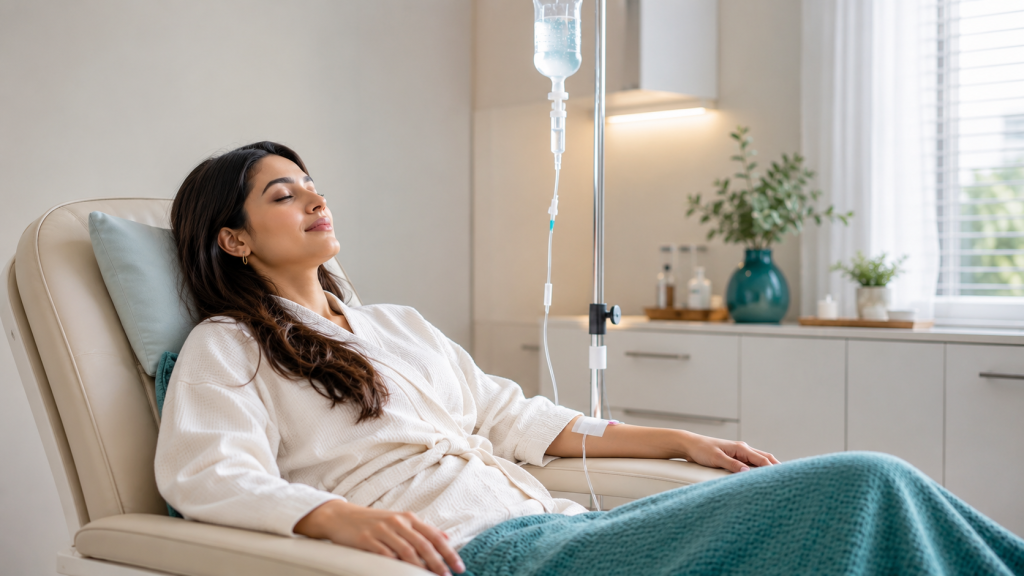
Glutathione injections for skin whitening deliver glutathione — the body’s “master antioxidant” — directly into the bloodstream (IV) or muscle (IM), bypassing the digestive system for higher absorption than oral supplements.
Glutathione is a tripeptide made of three amino acids (glutamine, cysteine, glycine), produced naturally by your liver. In a skin context, it’s used to help fade pigmentation and even skin tone. Importantly, the goal is brightening and tone correction, not permanent bleaching — and honest clinics set that expectation up front.
At Tigris Valley, glutathione is offered as part of a medically supervised functional medicine protocol rather than a standalone cosmetic quick-fix.
This is a topic where the regulatory record matters as much as the marketing claims. Injectable glutathione has only ever been approved for one indication: as an adjunct in cisplatin chemotherapy, to reduce the drug’s toxic side effects — not for skin lightening. Regulatory bodies, including the Philippines’ Food and Drug Administration, have stated explicitly that no clinical trials have evaluated injectable glutathione for skin whitening, and no published dosing guidelines exist for that use.
The safety concerns aren’t theoretical. In 2019, the U.S. FDA documented an adverse event cluster involving seven patients who received compounded intravenous glutathione — all seven developed nausea, vomiting, chills, and body aches within minutes, traced to a formulation with bacterial endotoxin levels up to five times the acceptable limit. Regulators in multiple countries have separately warned that repeated high-dose glutathione injections carry documented risks including liver and kidney toxicity, Stevens-Johnson syndrome, and — because glutathione interferes with melanin production — a theoretical long-term skin cancer risk that has not been ruled out.
This is exactly why Tigris Valley frames skin brightening and detoxification through supervised, evidence-informed protocols rather than unregulated injectable glutathione — the goal is genuine skin health, not an unproven and potentially risky shortcut.
Glutathione influences skin through several well-described pathways:
1. Tyrosinase inhibition. Glutathione inhibits tyrosinase, the key enzyme in melanin synthesis. Less tyrosinase activity means less melanin, which can gradually lead to a lighter, more even tone.
2. Pigment pathway switching. It shifts melanin production from darker eumelanin toward lighter phaeomelanin.
3. Cellular detoxification. As a core antioxidant, glutathione neutralises free radicals from UV, pollution and stress — the same oxidative stress that drives dark spots and dullness. This is why antioxidant support features in our Detox & Cleanse Program.
4. Collagen protection. By limiting oxidative degradation of collagen, it indirectly supports firmness — relevant to anti-aging and longevity protocols.
Key takeaway: Glutathione doesn’t “bleach” skin — it reduces melanin production and oxidative stress, which over time can produce a brighter, more even complexion.
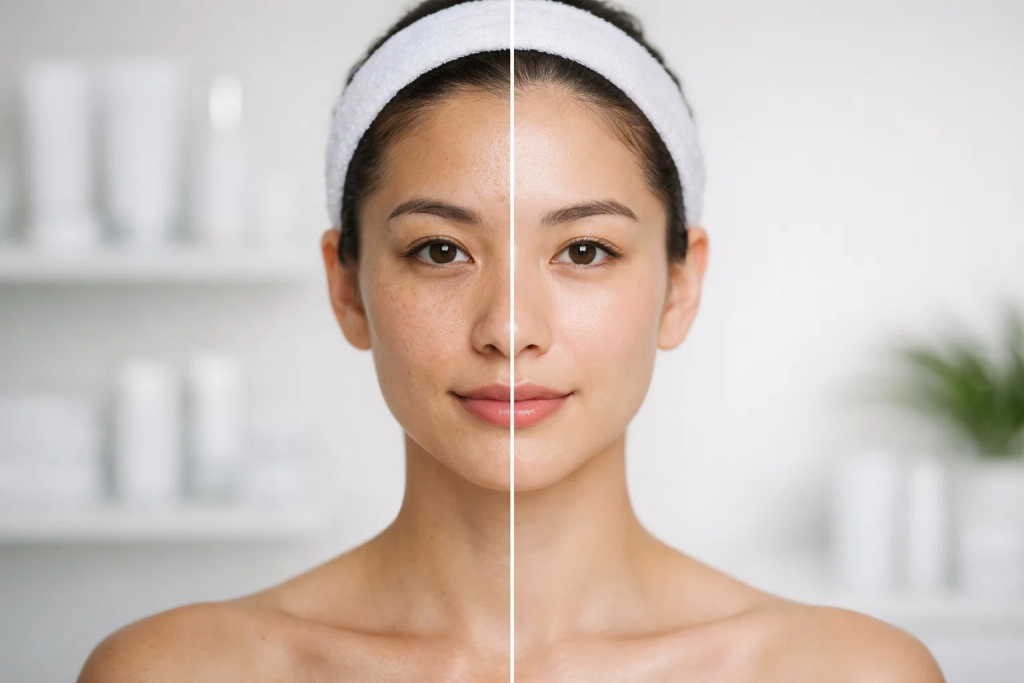
This is the question most people searching “glutathione injection before and after” really want answered. Here’s an honest, evidence-based picture of the typical progression — not a guarantee. Individual results vary widely based on starting skin tone, degree of pigmentation, dosage, frequency, and overall health.
The timeline below reflects commonly reported experiences and clinical observations. It is illustrative, not a promise of results.
Before treatment (baseline) Typical starting concerns: dullness, uneven tone, hyperpigmentation, dark spots, or tired-looking skin.
After ~2 weeks Some people notice a subtle “glow” and slightly clearer, more hydrated-looking skin. Changes at this stage are usually mild.
After ~3–4 weeks Skin texture may look smoother and tone slightly more even. This is usually a gradual, subtle shift rather than a dramatic change.
After ~1–3 months Dark spots and hyperpigmentation may begin to fade, and overall dullness can decrease. This is when many people report the most noticeable difference.
After ~3–6 months More visible brightening and tone evenness for those who respond well, alongside antioxidant/anti-ageing support — typically with ongoing maintenance sessions.
Important realities about “before and after”:
Honest bottom line: Think gradual radiance and tone correction over months, supported by lifestyle — not an instant or permanent transformation.
They can be effective for brightening — but results aren’t universal, and honesty matters here.
What the evidence suggests: dermatological observations have noted skin-brightening effects, particularly in hyperpigmentation, melasma, and post-inflammatory darkening. However, glutathione injections are not FDA-approved for skin whitening, and researchers agree more robust evidence is still needed. Google’s own AI Overview reflects this balanced view — which is exactly the kind of honest framing that builds trust and rankings on this topic.
Why IV/IM over oral: oral glutathione has low bioavailability (much is broken down in digestion). Injectable delivery bypasses this for higher cellular uptake — the main reason clinics prefer it.
What it won’t do: it won’t permanently whiten skin, and it won’t fix pigmentation rooted in hormonal or structural causes without treating those too. Integrative centres that address nutrition, oxidative stress and liver health alongside therapy — like Tigris Valley — tend to see better, longer-lasting outcomes than standalone injection clinics.
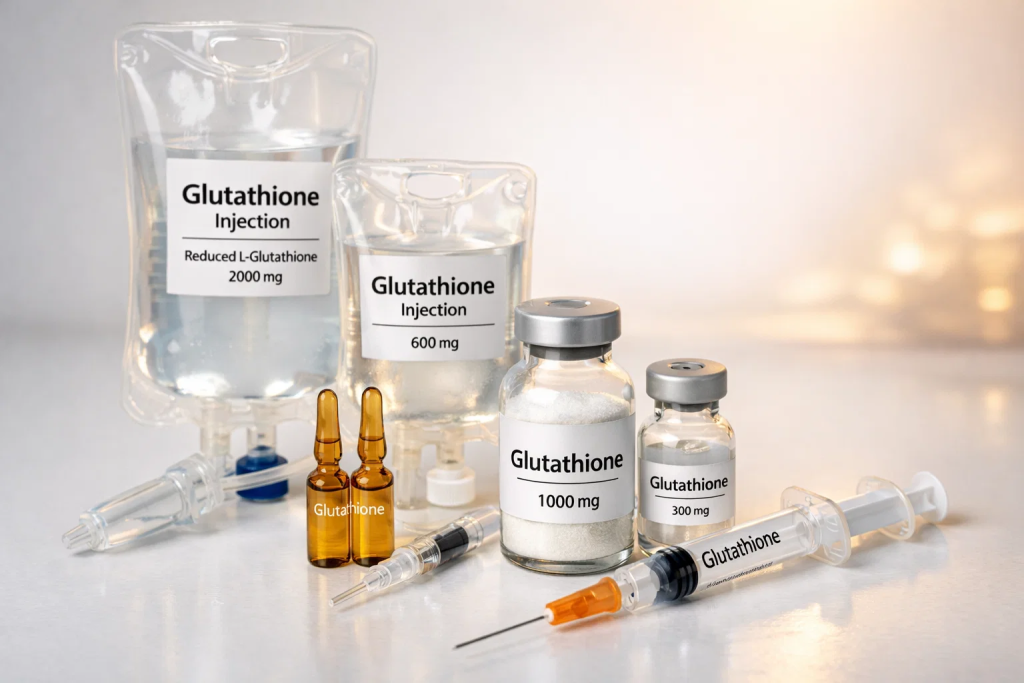
1. Intravenous (IV) glutathione — the most common method for brightening; highest bioavailability; often combined with Vitamin C.
2. Intramuscular (IM) glutathione — injected into muscle; good absorption, slightly slower than IV.
3. Glutathione drip cocktails — combined with boosters:
4. Subcutaneous — less common in aesthetics.
5. Nebulised/inhaled — mainly respiratory, not for skin.
At Tigris Valley, IV glutathione is delivered as part of a supervised protocol — explore the IV Glutathione program in Kerala.
Key takeaway: IV glutathione — especially with Vitamin C or ALA — offers the most reliable brightening, always in a medically supervised setting.
May benefit if you:
Approach with caution / avoid if you:
A pre-treatment consultation and functional medicine assessment is essential before starting.
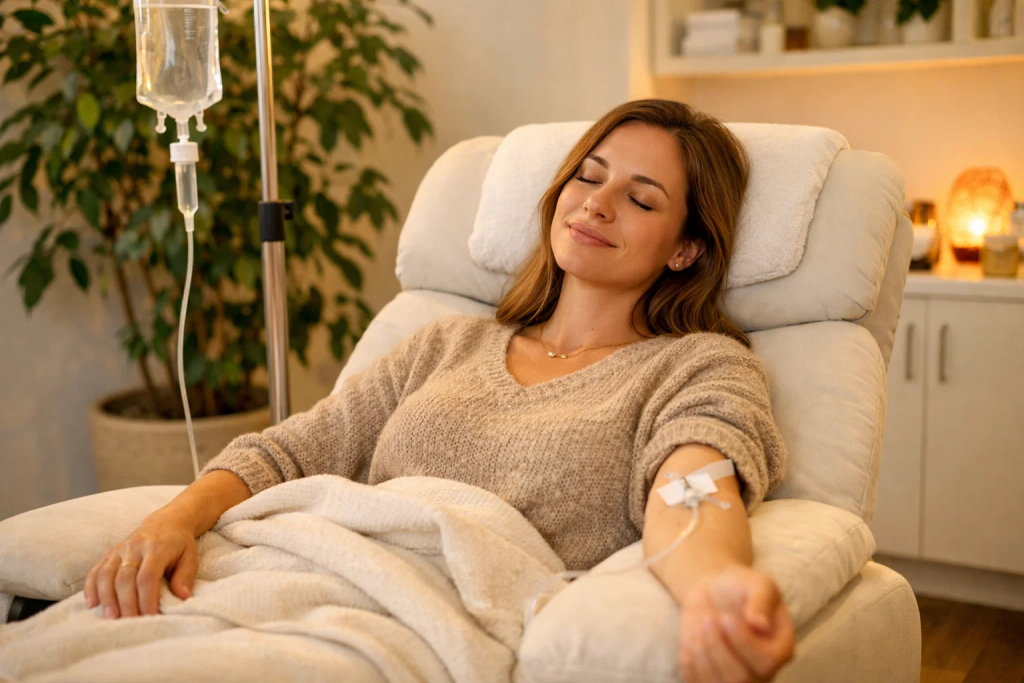
Before: medical consultation reviews your history, skin concerns and goals; blood work may be advised.
During: a small cannula is placed (usually in the arm); the IV drip runs 20–60 minutes; most people rest comfortably.
After: you can resume normal activities immediately; mild warmth or slight fatigue may occur briefly. No downtime.
Frequency: protocols commonly involve weekly sessions for 8–12 weeks, then monthly maintenance — tailored to your response.
For a deeper experience, glutathione can be integrated into a residential program at Tigris Valley’s retreat with monitoring, dietary support, and complementary therapies like ozone therapy and Ayurveda.
| Treatment | Mechanism | Delivery | Downtime | Duration of Results |
|---|---|---|---|---|
| IV Glutathione | Inhibits tyrosinase, reduces oxidative stress | Intravenous | None | Months (with maintenance) |
| Topical Vitamin C | Antioxidant, mild tyrosinase inhibition | Topical | None | Ongoing (daily use) |
| Chemical Peels | Exfoliates pigmented outer layers | Topical/clinic | 3–7 days | Weeks to months |
| Laser Therapy | Targets melanin deposits | Clinical device | 1–5 days | Months |
| Oral Glutathione | Same mechanism, lower bioavailability | Oral | None | Variable |
| Kojic Acid | Inhibits tyrosinase topically | Topical cream | None | Ongoing (daily use) |
The best outcomes usually combine internal antioxidant support (IV) with external skincare and professional skin therapies.
Cost is one of the most-searched aspects of this treatment — and it varies widely. Key factors:
Costs in India are considerably lower than in the US, UK or Middle East, which is why India is a popular destination for supervised IV therapy. At Tigris Valley, glutathione IV is offered at transparent, per-session pricing as part of a supervised plan — contact us for current rates. (See also why wellness care in India costs far less than in the West.)
Glutathione is produced naturally by the body and has a strong safety profile when administered correctly by professionals. Risks rise sharply with unregulated providers or home use.
| Side effect | Frequency | Typical duration |
|---|---|---|
| Injection-site irritation / mild burning | Common | Clears within days |
| Nausea or light-headedness | Occasional | During/shortly after infusion |
| Temporary skin rash | Rare | Short-lived |
| Flu-like symptoms (chills, headache) | Rare | Varies |
| Allergic reaction | Very rare | Requires medical attention |
Serious concerns with unregulated/high-dose use: infections from non-sterile settings, kidney or liver stress at very high doses over time, and (rarely) thyroid disruption. People with asthma should be cautious, and anyone on chemotherapy should inform their oncologist.
Safest approach: licensed medical professionals in a clinical setting — never pop-up salons or home-delivery kits. Tigris Valley provides pre-screening, sterile administration and monitoring as part of its evidence-based wellness programs.
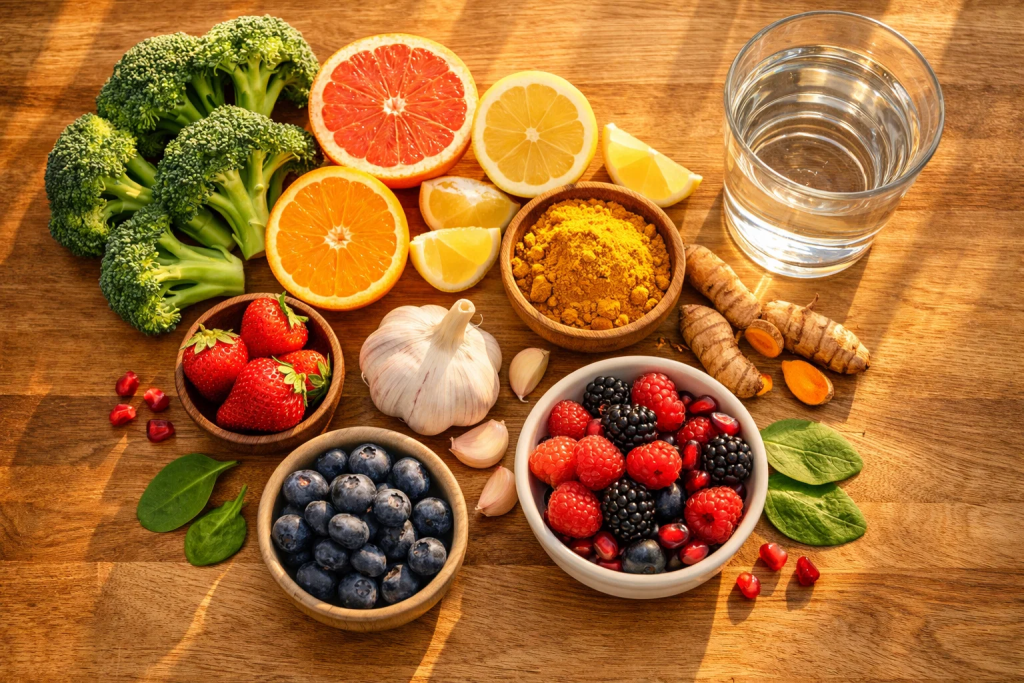
Injections work best alongside the right habits:
Boost glutathione naturally: sulphur-rich foods (garlic, onions, cruciferous veg), whey protein (cysteine), turmeric (curcumin), and vitamin-C-rich foods (citrus, amla, bell peppers).
Avoid what depletes it: chronic stress (cortisol), alcohol, smoking, ultra-processed food, and poor sleep.
Protect your skin: daily broad-spectrum SPF 30+ is non-negotiable — it’s what preserves any brightening.
Complementary therapies: ozone therapy, Ayurvedic treatments, and our Stress & Burnout Recovery Program (managing cortisol protects your antioxidant reserves).
Most people see gradual changes: a subtle glow within ~2 weeks, more even texture by 3–4 weeks, fading of dark spots over 1–3 months, and clearer brightening by 3–6 months in those who respond. Results vary and are not permanent without maintenance.
They can produce a temporary skin-brightening effect by reducing melanin production and oxidative stress — but they don’t permanently “whiten” skin, and results differ between individuals.
Subtle improvements often appear after 4–8 sessions (roughly 4–8 weeks), with more noticeable changes around 10–12 weeks. Maintenance sessions sustain results.
No. Glutathione levels naturally decline, so results fade over time without maintenance sessions and good skincare.
No. They are not FDA-approved for cosmetic skin whitening, and evidence is still evolving — which is why medical supervision and realistic expectations matter.
Injectable (IV/IM) glutathione has much higher bioavailability than oral forms, since it bypasses digestion, and is generally more effective for brightening.
Most protocols suggest 8–12 weekly sessions initially, then monthly maintenance. Deeper pigmentation may need more.
Melasma is one of the more commonly treated concerns, and many report improvement — but because melasma is hormone- and UV-driven, results are best combined with sun protection and, where relevant, hormonal evaluation.
It has a strong safety profile when done by trained professionals in a sterile setting. Risks increase with unregulated providers or improper dosing. A pre-treatment health assessment is essential.
Usually mild — injection-site irritation, occasional nausea, rare rash. Serious effects are uncommon and mainly linked to unregulated, high-dose, or non-sterile use.
Yes. At Tigris Valley, glutathione is combined with ozone therapy, Ayurvedic treatments, Hijama cupping, and nutritional support for synergistic benefits.
Cost depends on dosage, number of sessions, glutathione quality, added ingredients, and clinic location. Prices in India are considerably lower than in Western countries. Contact Tigris Valley for current per-session pricing.
Yes — it supports immune function, liver detoxification, cellular repair and oxidative-stress reduction, which is why it features in broader detox and metabolic health programs.
Glutathione injections for skin whitening can support a brighter, more even complexion — but they work best understood honestly: the effect is a gradual, temporary brightening, not permanent whitening, and before-and-after results build over weeks to months with maintenance and good skincare.
The most meaningful improvements come when treatment addresses root causes — oxidative stress, nutrition, liver health, and lifestyle — rather than surface symptoms alone. At Tigris Valley Wellness Retreat, medically supervised IV glutathione is offered within an integrative approach combining functional medicine, Ayurveda, detox programs and anti-aging therapies in a serene Kerala setting.
Ready to explore what’s right for your skin?
Book a Consultation
Kaithappoyil, in the Western Ghats.
Markaz Knowledge City Road, Kaithappoyil, Adivaram, Kerala
Get directions +91 90726 61622 reservation@tigrisvalley.com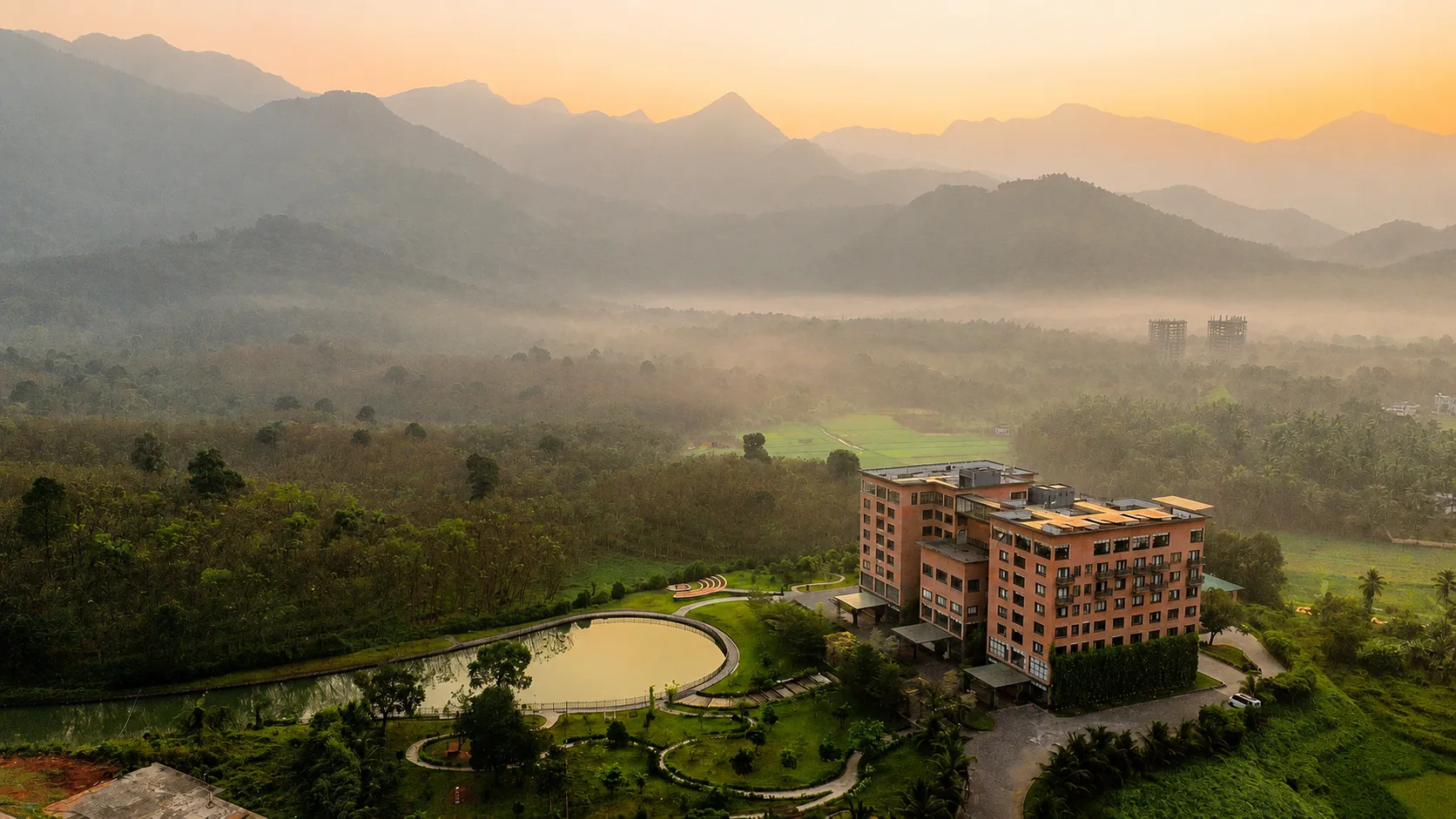
Kaithappoyil, Western Ghats

Before you leave
A physician reads every letter. Book a consultation, or send an inquiry — reservations answers the same day.