
[gtranslate]
MENU
You’ve probably heard the term Panchakarma thrown around in wellness circles. But if you’re seriously considering it for a chronic health condition, you need straight answers — not vague “it depends” responses.
Here’s the truth: most people underestimate how long Panchakarma takes, book a 3-day weekend retreat, barely scratch the surface, and walk away wondering what the fuss was about. That’s not Panchakarma. That’s a spa day with herbal oil.
Authentic Panchakarma is a clinical detoxification and rejuvenation protocol rooted in a 5,000-year-old Ayurvedic tradition. The word itself breaks down into Pancha (five) and Karma (actions) — referring to five deep-cleansing procedures designed to eliminate accumulated toxins (called ama) from every tissue layer of the body.
To understand what Panchakarma treatment really is, you need to appreciate that it’s not a single therapy — it’s a sequenced, medically supervised program. And the duration isn’t arbitrary. It’s directly tied to how deeply the treatment can work.
At Tigris Valley, Kerala’s integrative wellness retreat, Panchakarma is delivered within structured clinical programs combining authentic Ayurveda, Unani medicine, and functional diagnostics — so the duration is always calibrated to your actual health needs.
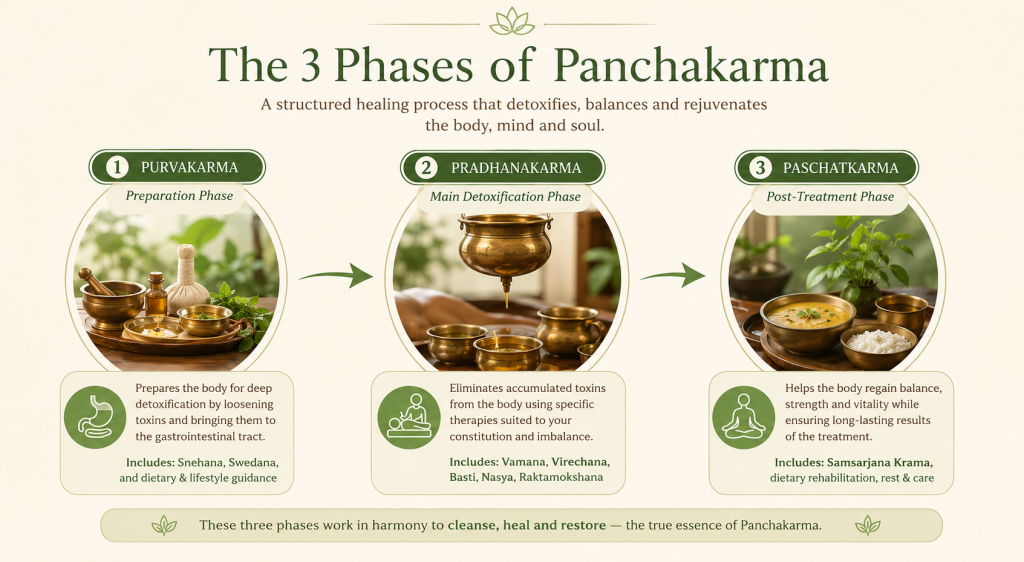
Understanding duration starts with understanding structure. Panchakarma isn’t one long therapy — it moves through three distinct phases, each with a specific purpose and time requirement.
Before the main detox begins, your body needs to be prepared. Purvakarma uses two key preparatory techniques:
Skip this phase, and the main treatments won’t work as effectively — toxins won’t have been properly dislodged. This is why 3-day Panchakarma packages are rarely authentic.
This is the core cleansing phase where the five classical Panchakarma procedures are applied based on your prakriti (body constitution) and specific condition. Not every patient requires all five:
| Procedure | Purpose | Duration per Session |
|---|---|---|
| Vamana (Therapeutic emesis) | Clears excess Kapha from upper respiratory and digestive tract | 1–2 days |
| Virechana (Purgation therapy) | Eliminates Pitta toxins from liver and intestines | 1–3 days |
| Basti (Medicated enema) | Pacifies Vata; cleanses colon | 8–30 days (Karma or Kala Basti) |
| Nasya (Nasal administration) | Clears head, neck, and sinus channels | 7–14 days |
| Raktamokshana (Bloodletting) | Purifies blood; used for skin and joint conditions | Varies |
This is the recovery and rebuilding phase — often the most underappreciated. After intensive cleansing, the body’s tissues are sensitive and open. Rasayana (rejuvenation) therapies, specific dietary protocols, lifestyle guidance, and gentle yoga are used to restore strength, immunity, and long-term balance.
Skipping Paschatkarma is like rebuilding a house without finishing the interior. The structure is there, but it’s not functional.
Total standard Panchakarma duration: 21 to 28 days minimum for meaningful clinical outcomes.
Different types of Panchakarma programs are structured for different goals. Here’s a clear breakdown:
| Program Type | Duration | Best For |
|---|---|---|
| Express/Introductory | 7 days | General detox, stress relief, first-timers |
| Standard Panchakarma | 14–21 days | Digestive disorders, metabolic conditions, early-stage chronic illness |
| Intensive Panchakarma | 21–28 days | Chronic disease management, autoimmune conditions, post-trauma recovery |
| Extended Therapeutic | 28–45 days | Advanced neurological, cardiac, or severe chronic conditions |
| Seasonal (Karkitaka Chikitsa) | 14–21 days (Monsoon) | Annual detox, preventive care, immune strengthening |
Key insight: A 7-day program can deliver meaningful benefits for stress and minor detox. For chronic illness management, anything under 14 days is preparatory at best.
There is no universal answer to “how long does Panchakarma take?” because duration is determined by several clinical and individual variables:
1. Your Body Constitution (Prakriti) Vata-dominant types typically require longer, gentler programs. Pitta and Kapha types may respond faster to specific therapies.
2. Degree of Toxin Accumulation (Ama) The more chronic your condition and the longer you’ve lived with poor diet, stress, and environmental exposure, the more preparation and deep cleansing is needed.
3. Target Health Condition Metabolic disorders, autoimmune conditions, and neurological recovery programs require longer durations than general wellness programs. For instance, someone managing chronic pain and inflammation will typically need a 21–28 day protocol.
4. Age and Current Health Status Older patients or those with compromised immunity often need gentler, extended protocols to avoid healing reactions that are too intense.
5. Response to Treatment Experienced Ayurvedic physicians monitor daily progress and may extend or modify the program based on how your body responds — a feature impossible in standardized timelines.
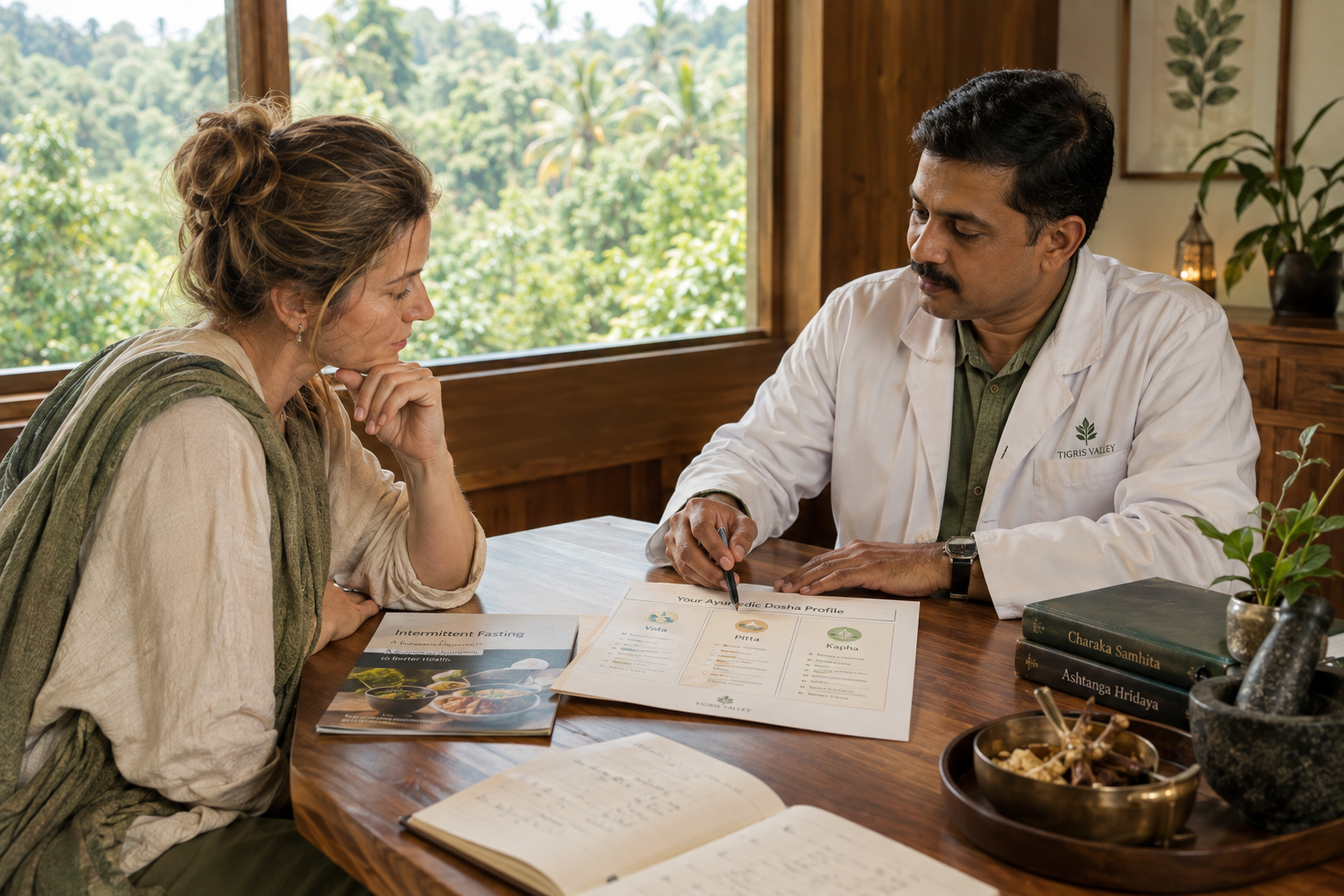
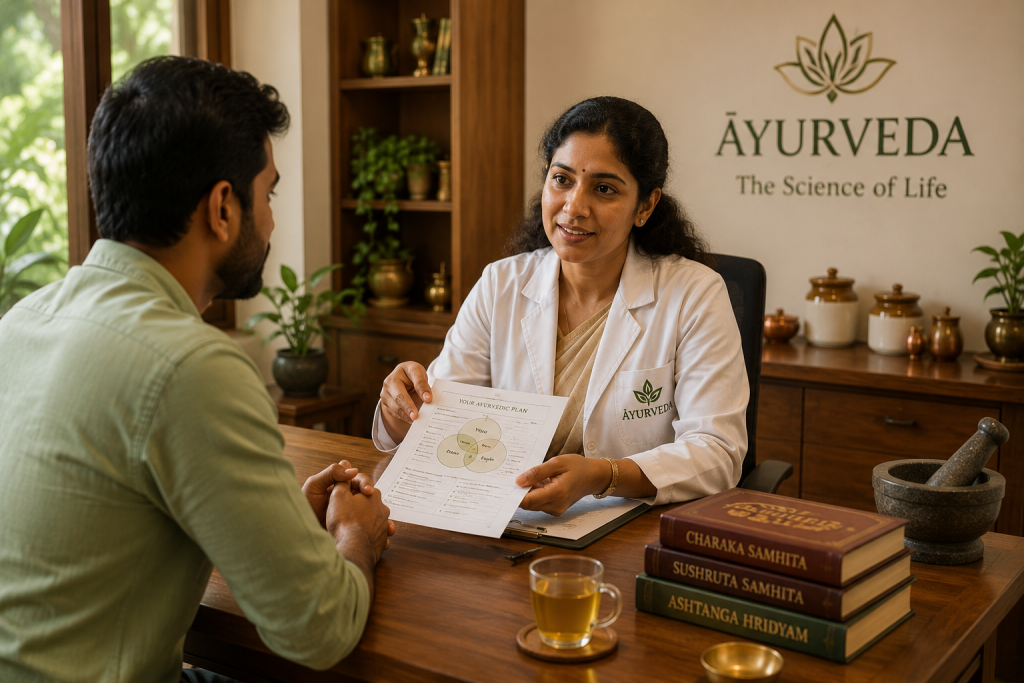
At Tigris Valley, every Panchakarma program begins with a comprehensive consultation that determines your personalized timeline before treatment starts.
One of the most common questions is: “I have [specific condition] — how long do I need?” Here’s a condition-specific overview based on classical Ayurvedic guidelines and integrative clinical practice:
Recommended Duration: 14–21 days
Stress-related conditions respond well to Shirodhara, Abhyanga, and Basti protocols combined with meditation and yoga. The Stress & Burnout Recovery Program at Tigris Valley integrates Panchakarma within a structured mental wellness framework.
Recommended Duration: 21–28 days
Panchakarma for blood pressure management requires careful sequencing — Virechana and specific Basti protocols to reduce Pitta and Vata imbalances driving vascular tension. Learn more about Panchakarma for high blood pressure and how it complements the Cardio-Metabolic Health & Recovery Program.
Recommended Duration: 21–45 days
These conditions involve deep-seated immune dysregulation. Extended Basti protocols, combined with herbal immunomodulation, are essential. The Autoimmune Disorder Management Program provides the clinical depth these cases require.
Recommended Duration: 21–28 days
Udwarthanam (dry herbal powder massage), Virechana, and specific dietary Panchakarma protocols address metabolic root causes. See the Metabolic Disorder Management Program for a full overview.
Recommended Duration: 14–28 days
Abhyanga, Kizhi (herbal bolus massage), and Basti are primary tools. Read more about what Abhyanga massage is and its benefits within a pain recovery protocol. Tigris Valley’s Chronic Pain & Inflammation Management Program offers integrated relief.
Recommended Duration: 28–45 days
Stroke recovery, traumatic brain injury, and spinal conditions require the most extended protocols, often combining Panchakarma with physiotherapy and functional medicine interventions. Explore the Post-Trauma & Rehabilitation Program at Tigris Valley.
Recommended Duration: 14–21 days (Monsoon season)
The monsoon season — particularly the Malayalam month of Karkidakam — is considered the optimal time for Panchakarma in classical Ayurveda. The body’s pores open, facilitating deeper cleansing. Karkitaka Chikitsa is an annual detox tradition that supports immunity, digestion, and longevity.
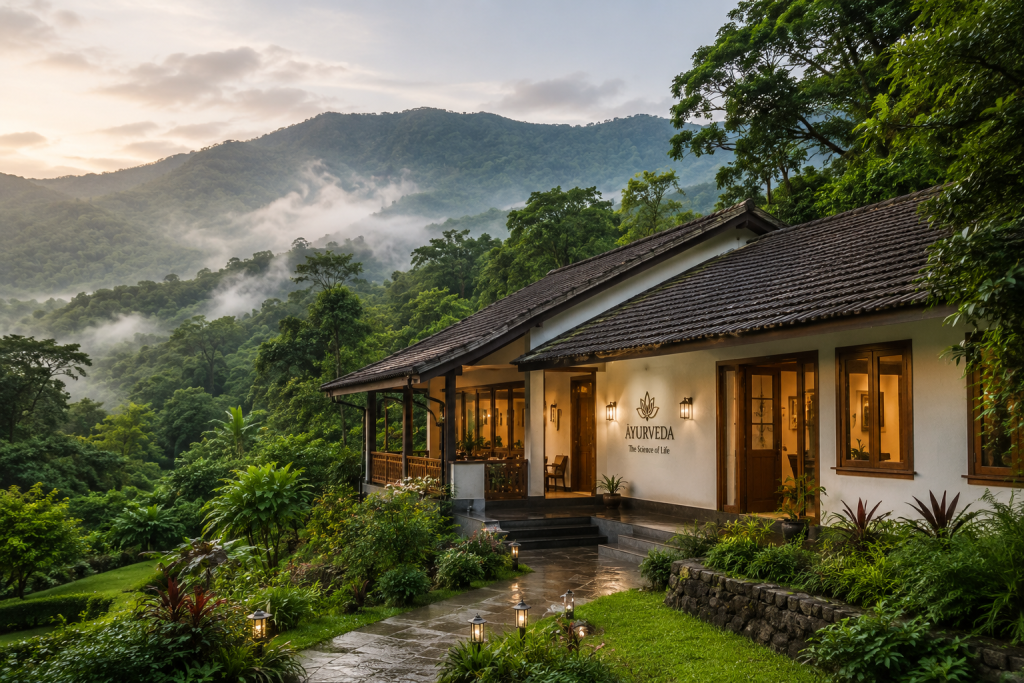
To make this tangible, here’s a structured overview of how a 21-day clinical Panchakarma program is typically structured:
Days 1–3: Assessment and Preparation
Days 4–7: Purvakarma (Deep Preparation)
Days 8–17: Pradhanakarma (Core Detox)
Days 18–21: Paschatkarma (Rejuvenation)
As one of the best Panchakarma treatment destinations in Kerala, Tigris Valley integrates all three phases within a medically supervised environment — not just the pleasant middle section.
Many patients ask: “How do I know it’s working?” Here are the positive indicators to watch for during treatment:
The comfort and healing journey through Panchakarma is well-documented in guest testimonials at Tigris Valley. Read what Ayurveda treatment benefits patients actually experience over time.
Important: During intensive phases (Days 8–14), temporary fatigue, emotional sensitivity, or mild detox symptoms are normal. These are called healing reactions and indicate the treatment is mobilizing deep-seated ama. This is NOT a reason to stop — it’s a reason to have experienced clinical supervision, which is why genuine Panchakarma must happen in a supervised facility.
What you do after Panchakarma determines 40–60% of the long-term results. Classical Ayurvedic texts are explicit: the Paschatkarma and post-discharge protocol are non-negotiable.
For the first 2–4 weeks after discharge:
For the following 3–6 months:
For those managing ayurvedic treatment for chronic diseases, Panchakarma is one part of a longer therapeutic arc — not a one-time fix. The Detox & Cleanse Program at Tigris Valley includes comprehensive post-program support to sustain outcomes.
A 7-day program is appropriate for general detox, stress relief, and introductory Ayurvedic cleansing. However, for addressing chronic health conditions or deep metabolic imbalances, 7 days typically covers only the Purvakarma (preparation) phase. Meaningful clinical outcomes require a minimum of 14–21 days.
It’s strongly advised against. Panchakarma requires physical rest, strict diet, and mental disengagement from stressors. Attempting to work during treatment — even remotely — significantly reduces efficacy and can interfere with the body’s healing process.
For preventive health and wellness maintenance, once a year — ideally during the monsoon (Karkitaka season) — is recommended. For chronic condition management, your Ayurvedic physician may recommend more frequent shorter programs.
The traditional Karkidaka (monsoon) season, typically July–August, is considered ideal in classical Ayurvedic texts. The climate during this period — cool, humid, and calm — naturally supports the body’s receptivity to deep detoxification therapies.
Diet during Panchakarma is highly regulated and prescription-based. Generally, patients follow a Khichdi (mung dal and rice) based diet during Pradhanakarma, with gradual reintroduction of foods in Paschatkarma. Cold, processed, and heavy foods are strictly avoided.
With appropriate modifications and under strict medical supervision, certain Panchakarma therapies can be integrated into cancer support protocols. Tigris Valley’s Cancer Support, Prevention & Palliative Care Program includes Ayurvedic therapies as part of an integrative oncology approach.
Shodhana (purification) refers to the intensive elimination-focused Panchakarma therapies (primarily Vamana and Virechana), as distinct from Shamana (palliative) therapies that manage symptoms without intense purification. Shodhana is more intensive and requires careful patient selection.
Yes — Panchakarma addresses metabolic root causes rather than simply cutting calories. Udwarthanam, Virechana, and specific herbal protocols improve metabolic function, reduce inflammation-driven weight gain, and reset digestive fire (agni). Results are more sustainable than conventional caloric restriction alone.
Classical Ayurveda recommends Panchakarma for individuals between 8 and 80 years. Elderly patients and children require modified, gentler protocols. Pregnant women and those with certain acute conditions are temporarily contraindicated.
With proper post-treatment care and lifestyle integration, benefits can be sustained for 6–12 months after a full 21-day program. Without dietary and lifestyle follow-through, toxin reaccumulation and symptom return can occur within 3–4 months.
Panchakarma — particularly Virechana and extended Basti protocols — has shown significant efficacy in managing autoimmune conditions by reducing systemic inflammation, modulating immune response, and eliminating immunogenic toxins. A dedicated Autoimmune Disorder Management Program provides the clinical depth needed for these conditions.
The most important step is an honest conversation with experienced Ayurvedic clinicians about your specific health goals, current condition, and realistic timeline. A 3-day retreat will not heal what years of chronic illness have built. But a properly prescribed, medically supervised program absolutely can.
Explore Tigris Valley’s Ayurveda Programs or contact our team to schedule a consultation and receive a personalized Panchakarma program recommendation.
Kaithappoyil, in the Western Ghats.
Markaz Knowledge City Road, Kaithappoyil, Adivaram, Kerala
Get directions +91 90726 61622 reservation@tigrisvalley.com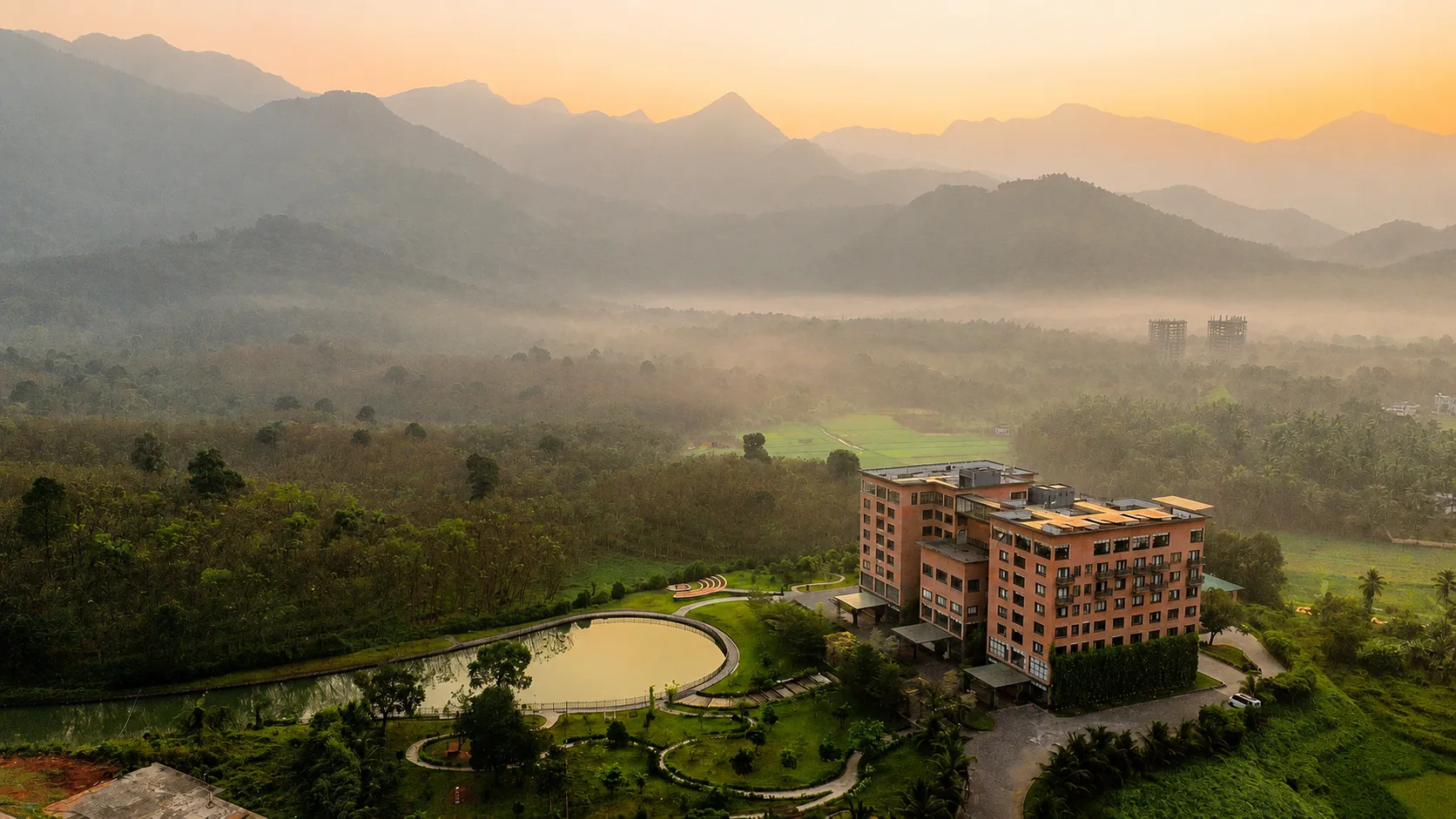
Kaithappoyil, Western Ghats

Before you leave
A physician reads every letter. Book a consultation, or send an inquiry — reservations answers the same day.