How to Prevent and Cure Heart Diseases with Ayurveda?

Introduction

Heart disease silently claims millions of lives each year, affecting not just your physical health but your emotional wellbeing and quality of life. The modern lifestyle—characterized by chronic stress, poor dietary habits, and sedentary routines—has made cardiovascular problems increasingly common, even among younger populations. What if there was a natural, side-effect-free approach to reversing this deadly trend?

Ayurveda, the 5,000-year-old science of holistic healing, offers proven natural remedies and preventive strategies that address the root causes of heart disease rather than just masking symptoms. Through personalized herbal formulations, therapeutic treatments, and lifestyle modifications, Ayurveda empowers you to take control of your cardiovascular health and build lasting wellness.


Understanding Heart Disease in Ayurveda: The Hridaya Connection

In Ayurvedic wisdom, the heart (Hridaya) is not merely a blood-pumping organ but the seat of consciousness, emotions, and vital life force called Ojas. Ancient texts describe the heart as housing physical wellbeing, emotional stability, and mental clarity.

Heart diseases encompass various conditions including coronary artery disease, heart attacks, hypertension, arrhythmias, and heart failure. These conditions have become leading causes of death globally, intensified by pandemic-related stress and unhealthy lifestyle habits.

At Tigris Valley Wellness Retreat, we understand that true cardiac healing requires addressing physical, emotional, and spiritual dimensions simultaneously. Our Cardio-Metabolic Health & Recovery Program combines ancient Ayurvedic wisdom with modern diagnostic methods to provide comprehensive heart care.


The Ayurvedic Perspective on Heart Health: Balancing the Doshas

Ayurveda identifies three primary energies or doshas—Vata, Pitta, and Kapha—that when imbalanced, directly impact cardiovascular function:

Vata Imbalance:

  • Irregular heartbeat and palpitations
  • Anxiety and nervous system disorders
  • Poor circulation to extremities
  • Arrhythmias and unstable blood pressure

Pitta Imbalance:

  • Hypertension and elevated blood pressure
  • Arterial inflammation and blockages
  • Heat-related cardiac stress
  • Anger and emotional volatility affecting heart health

Kapha Imbalance:

  • Plaque formation and atherosclerosis
  • Obesity and metabolic syndrome
  • Sluggish circulation
  • Excess cholesterol accumulation

Understanding your unique dosha constitution is the first step toward personalized cardiac care. Our experts at Tigris Valley conduct comprehensive assessments to identify your specific imbalances and create targeted treatment protocols.


Root Causes of Heart Disease According to Ayurveda

Ayurvedic texts describe Hridroga (heart disease) and Hrudshoola (angina) based on tridosha theory, with Vata, Kapha, and Meda dhatu (adipose tissue) playing crucial roles in pathogenesis.

Primary Contributing Factors:

1. Ama (Toxin Accumulation) Poor digestion leads to toxic buildup that clogs channels and creates arterial plaque.

2. Medo Dushti (Lipid Disorders) Imbalanced fat metabolism results in high cholesterol and triglycerides.

3. Chronic Stress (Manasika Doshas) Chronic stress, grief, and anxiety disturb Vata and Ojas, directly impacting cardiac function.

4. Improper Diet (Ahara Vidhi) Excessive processed foods, heavy meals, and irregular eating patterns weaken digestive fire.

5. Sedentary Lifestyle (Nishchala) Lack of physical activity creates circulatory stagnation and weakens the heart muscle.

6. Sleep Deprivation Inadequate rest prevents the body’s natural healing and repair processes.

Learn more about how holistic healing approaches address these root causes comprehensively.


Powerful Ayurvedic Herbs for Heart Health

Scientific evidence supports several Ayurvedic herbs that possess hypotensive, hypocholesteremic, anti-platelet, and thrombolytic activities crucial for cardiovascular health.

1. Arjuna (Terminalia arjuna)

Arjuna is considered the best cardiotonic in Ayurveda, strengthening heart muscles, lowering blood pressure, and improving circulation.

Benefits:

  • Reduces arterial blockages
  • Strengthens cardiac muscle function
  • Lowers LDL cholesterol
  • Improves exercise tolerance
  • Supports post-heart attack recovery

Traditional Preparation: Boil half a spoonful of Arjuna bark powder in water for 15 minutes on low flame. When reduced by half, consume once daily.

2. Guggulu (Commiphora mukul)

Guggulu helps reduce LDL, triglycerides, and clean arterial plaques, making it essential for managing cholesterol.

Benefits:

  • Powerful lipid-lowering effects
  • Anti-inflammatory properties
  • Reduces plaque formation
  • Improves metabolic function

3. Lasuna (Garlic – Allium sativum)

Consuming 4-5 garlic cloves daily reduces bad cholesterol levels and keeps blood vessels healthy.

Benefits:

  • Natural blood thinner
  • Prevents arterial stiffness
  • Reduces blood pressure
  • Antimicrobial and anti-inflammatory

4. Ashwagandha (Withania somnifera)

This adaptogenic herb manages stress-related heart problems and strengthens cardiac resilience.

Benefits:

  • Reduces cortisol levels
  • Improves stress response
  • Enhances stamina
  • Supports healthy blood pressure

5. Pushkarmoola (Inula racemosa)

Pushkarmoola possesses hypotensive and cardioprotective activities traditionally used for heart conditions.

6. Brahmi (Bacopa monnieri)

Excellent for stress-induced cardiac problems, calming the nervous system and supporting mental clarity.

For more information on Ayurvedic treatment benefits, explore our comprehensive guide.

Transformative Ayurvedic Treatments for Cardiac Wellness

At Tigris Valley, our integrated cardiac rehabilitation program combines traditional therapies with modern monitoring for optimal results.

1. Panchakarma Detoxification

Panchakarma eliminates toxins that interfere with normal body functioning, lowers high blood pressure, treats chest pain, and soothes the nervous system.

Components:

  • Virechana (Therapeutic Purgation): Eliminates excess Pitta and toxins
  • Basti (Medicated Enema): Balances Vata and cleanses the colon
  • Nasya (Nasal Administration): Clears respiratory channels

Learn about what Panchakarma treatment involves in detail.

2. Abhyanga (Therapeutic Oil Massage)

Specialized herbal oils improve circulation, reduce inflammation, and promote relaxation. This treatment enhances blood flow to the heart and reduces arterial stiffness.

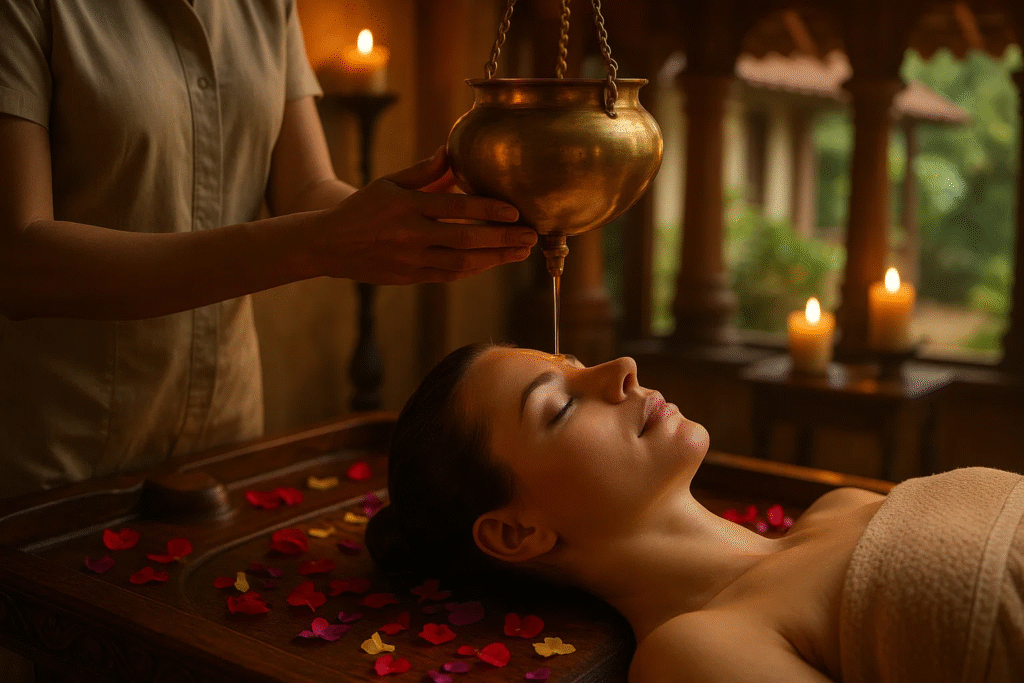
3. Shirodhara

Warm medicated oil poured continuously on the forehead calms the nervous system, reduces stress hormones, and improves the heart-mind connection. Read about Shirodhara treatment benefits for overall wellness.

4. Hridaya Basti

A specialized treatment where warm medicated oil is pooled over the heart region to strengthen cardiac muscles and improve function.

5. Rasayana Therapy (Rejuvenation)

Rasayana herbs and therapies boost healing and prevent future complications by enhancing cellular regeneration and immunity.

6. Udvartana (Herbal Powder Massage)

Dry powder massage reduces Kapha, improves metabolism, and aids weight management—crucial for cardiac health.

7. Steam Therapy (Swedana)

Opens channels, improves circulation, and facilitates toxin elimination through controlled perspiration.

Explore our comprehensive Ayurvedic wellness treatments for complete healing.


Preventive Lifestyle Strategies for a Healthy Heart

Following Ayurvedic daily routines (Dinacharya) significantly improves cardiac health and overall wellbeing.

1. Optimal Sleep Practices

Quality sleep is a pillar of heart health in Ayurveda, as the body heals itself during rest.

Guidelines:

  • Sleep during Kapha hours (6-10 PM) for deepest rest
  • Maintain consistent sleep-wake cycles
  • Keep dinner light and eat 2-3 hours before bed
  • Practice Pranayama before bedtime
  • Avoid electronic devices 1 hour before sleep

2. Physical Activity Guidelines

Exercise during Kapha times (6-10 AM/PM) when atmospheric conditions provide extra strength and stamina.

Recommendations:

  • Exercise at 50-70% capacity
  • Breathe through nostrils throughout
  • Choose joyful, fulfilling activities
  • Include walking, swimming, or yoga
  • Avoid overexertion causing breathlessness

3. Stress Management Techniques

Daily Practices:

  • Morning meditation (15-20 minutes)
  • Pranayama (breathing exercises)
  • Mindful movement like Tai Chi or gentle yoga
  • Nature walks and forest bathing
  • Regular relaxation breaks

Visit our Stress & Burnout Recovery Program for comprehensive stress management.

4. Regular Health Monitoring

Track blood pressure, cholesterol levels, blood sugar, and weight regularly. Early detection enables timely intervention.


Dietary Guidelines for Cardiovascular Health

Consuming heart-healthy food with freshly cooked meals rich in vegetables and fruits prevents cardiac problems.

Foods to Include:

1. Whole Grains:

  • Barley (reduces Kapha and cholesterol)
  • Brown rice
  • Oats (supports heart health)
  • Quinoa

2. Heart-Protective Vegetables:

  • Leafy greens (spinach, kale)
  • Beetroot (improves circulation)
  • Carrots (antioxidants)
  • Bitter gourd (blood sugar management)

3. Beneficial Fruits:

  • Pomegranate (cardiovascular support)
  • Berries (antioxidants)
  • Apples (fiber and polyphenols)
  • Grapes (heart-protective compounds)

4. Healthy Fats:

  • Ghee (clarified butter) in moderation
  • Coconut oil
  • Nuts (almonds, walnuts)
  • Flaxseeds

5. Spices and Herbs:

  • Turmeric (anti-inflammatory)
  • Cinnamon (blood sugar control)
  • Ginger (circulation)
  • Cardamom (digestive and cardiac support)

Foods to Avoid:

  • Processed and packaged foods
  • Excessive salt intake
  • Refined sugars and carbohydrates
  • Trans fats and deep-fried items
  • Excessive red meat
  • Sugary sodas and excessive alcohol

Mindful Eating Practices

Mindful eating improves digestion, reduces toxin buildup, reignites digestive fire, and helps maintain healthy weight.

Guidelines:

  • Eat in a calm, peaceful environment
  • Chew food thoroughly
  • Eat your largest meal at lunch
  • Stop eating when 75% full
  • Wait 3-4 hours between meals
  • Avoid eating when emotionally disturbed

For personalized nutrition guidance, explore our holistic approach to wellness.


Mind-Body Practices for Heart Wellness

1. Yoga for Cardiac Health

Specific yoga poses strengthen the heart, improve circulation, and reduce stress:

  • Tadasana (Mountain Pose): Improves posture and circulation
  • Bhujangasana (Cobra Pose): Opens chest and heart center
  • Setu Bandhasana (Bridge Pose): Strengthens back and reduces stress
  • Shavasana (Corpse Pose): Deep relaxation for nervous system
  • Pawanmuktasana (Wind-Relieving Pose): Aids digestion and reduces bloating

2. Pranayama (Breathing Exercises)

Anulom Vilom (Alternate Nostril Breathing): Balances both hemispheres of the brain and calms the nervous system.

Bhramari (Bee Breath): Reduces stress hormones and lowers blood pressure.

Nadi Shodhana: Purifies energy channels and improves oxygen circulation.

3. Meditation Techniques

Regular meditation reduces cortisol levels, lowers blood pressure, and improves heart rate variability. Studies show meditation provides beneficial effects in preventing and treating cardiovascular diseases.

Recommended Practices:

  • Transcendental Meditation (20 minutes twice daily)
  • Mindfulness meditation
  • Heart-focused meditation
  • Loving-kindness meditation

Discover our emotional healing programs that integrate these practices.


Success Stories: Real Results from Ayurvedic Treatment

Prospective studies demonstrate favorable effects of comprehensive Ayurvedic therapy on arterial function and multiple risk factors in patients with established coronary heart disease.

A documented case showed increase in mitral valve area from 1.3 sq cm to 3.52 sq cm after 11 months of Ayurvedic treatment, demonstrating the profound potential of these traditional approaches.

Research on Maharishi Ayurveda found hospital admission rates for cardiovascular disease were 11.4 times higher in control groups than in those practicing Ayurvedic modalities.

Real Patient Outcomes:

  • Significant reduction in cholesterol levels
  • Improved ejection fraction in heart failure patients
  • Reversal of early-stage blockages
  • Reduced angina frequency
  • Better exercise tolerance
  • Medication reduction under medical supervision

Read more success stories from our guests who transformed their health.

Why Choose Tigris Valley for Heart Disease Treatment?

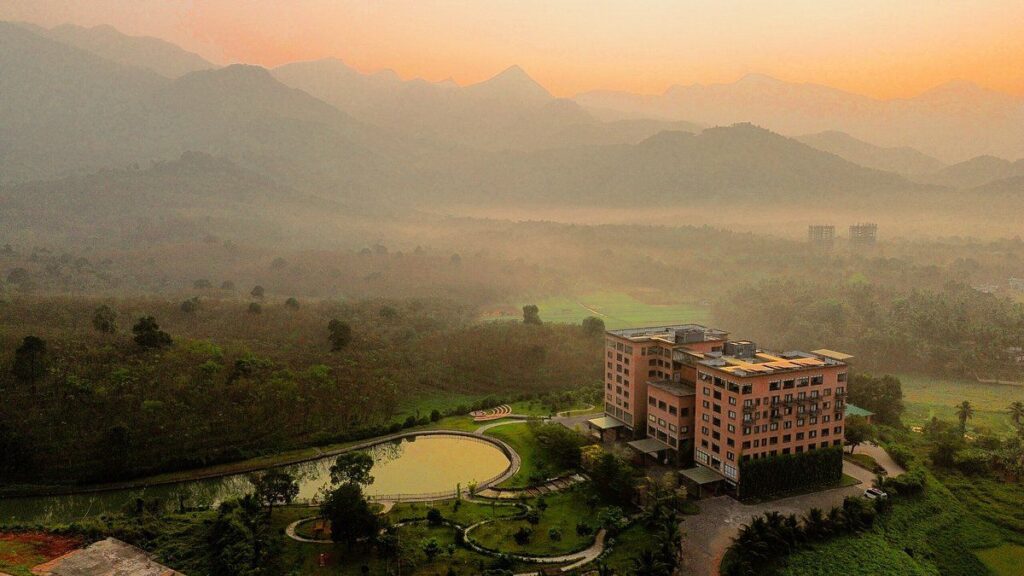
tigris valley aerial view

Comprehensive Integrative Approach

Our Cardio-Metabolic Health & Recovery Program uniquely combines:

  • Traditional Ayurvedic Therapies: Panchakarma, Rasayana, specialized massages
  • Unani Medicine: Natural cardioprotective remedies
  • Functional Medicine: Advanced diagnostics and IV nutritional therapy
  • Nature-Based Healing: Forest therapy, hydrotherapy, mountain air benefits

Expert Medical Team

Our multidisciplinary team includes:

  • Experienced Ayurvedic physicians
  • Cardiologists
  • Functional medicine practitioners
  • Yoga therapists
  • Nutritionists

Personalized Treatment Plans

Every program is customized based on:

  • Comprehensive health assessments
  • Advanced diagnostic testing
  • Individual dosha constitution
  • Specific cardiac conditions
  • Recovery goals and preferences

Serene Healing Environment

Located in the pristine mountains of Wayanad, Kerala, Tigris Valley offers:

  • Pure mountain air supporting oxygenation
  • Stress-reducing natural surroundings
  • Organic, farm-to-table nutrition
  • Luxurious accommodations with scenic views
  • 24/7 medical assistance

Holistic Amenities

  • On-site spa with Ayurvedic therapies
  • Meditation gardens and wellness lounges
  • Forest bathing zones
  • Therapeutic swimming pool
  • Nature trails and outdoor yoga spaces
  • Ruhe Café for healthy dining

Proven Track Record

Ayurvedic strategies have transitioned from classical theoretical foundations to implementation in clinical settings with growing evidence.

Our patients experience:

  • Significant symptom improvement
  • Enhanced quality of life
  • Reduced medication dependency
  • Long-term health maintenance
  • Holistic wellbeing transformation

Learn more about getting to Tigris Valley and planning your healing journey.


Frequently Asked Questions

1. Can Ayurveda completely cure heart disease?

Ayurveda can reverse early stages of heart disease and prevent progression in chronic conditions through comprehensive treatment approaches. While complete cure depends on disease severity and individual factors, Ayurveda significantly improves cardiac function, reduces symptoms, and enhances quality of life.

2. Is Ayurvedic treatment safe alongside modern heart medications?

Ayurvedic therapies can be safely integrated with modern medicine under professional guidance, with treatments tailored while monitoring vitals and drug interactions. At Tigris Valley, our medical team coordinates with your existing physicians to ensure safe, complementary care.

3. How long does Ayurvedic treatment take to show results?

Results vary based on condition severity. Acute symptoms like stress and mild hypertension may improve within 2-4 weeks. Chronic conditions like atherosclerosis require 3-6 months of consistent treatment. Long-term prevention and wellness maintenance is an ongoing lifestyle practice.

4. What is the best Ayurvedic herb for heart health?

Terminalia arjuna is the best cardiotonic in Ayurveda, though other beneficial herbs include Ashwagandha, Brahmi, Garlic, and Punarnava. The most effective herbs for you depend on your specific condition and dosha constitution.

5. Can stress really cause heart disease according to Ayurveda?

Ayurveda identifies chronic stress, grief, and anxiety as directly impacting cardiac function by disturbing Vata and Ojas. Modern research confirms strong links between psychological stress and cardiovascular disease, validating ancient Ayurvedic wisdom.

6. What dietary changes are most important for heart health?

Prioritize fresh, whole foods; increase vegetables and fruits; include heart-healthy fats like ghee and nuts; add cardioprotective spices; reduce processed foods, excess salt, and refined sugars. Consuming freshly cooked meals with plenty of vegetables prevents cardiac problems.

7. What Panchakarma therapies help heart conditions?

Panchakarma treatments eliminate toxins, lower high blood pressure, treat chest pain, and soothe the nervous system, improving heart health. Specific therapies include Virechana, Basti, specialized Abhyanga, and Shirodhara.

8. Is Ayurvedic treatment suitable for post-cardiac surgery recovery?

Ayurveda offers excellent post-operative and cardiac rehabilitation support through Rasayana therapy, diet, and lifestyle correction, boosting healing and preventing future complications. Our Post-Trauma & Rehabilitation Program supports comprehensive recovery.

9. How does Ayurveda prevent heart disease in healthy individuals?

Ayurvedic prevention focuses on maintaining dosha balance through proper diet, regular exercise, stress management, adequate sleep, and seasonal detoxification. A herbal polypill incorporating Guggulu, Arjuna, Pushkarmoola, Lasuna, Amalaki, and Jatamansi, combined with Suryanamaskara practice, offers added preventive value.

10. What makes Tigris Valley different from hospitals for cardiac care?

Unlike hospitals that focus primarily on acute medical interventions, Tigris Valley offers holistic prevention and recovery in a serene natural environment. We combine Ayurveda, Unani, Functional Medicine, and Nature Therapy for comprehensive healing addressing mind, body, and spirit—not just symptoms.

11. Can younger people benefit from Ayurvedic heart care?

Absolutely. The incidence of coronary artery disease is shifting toward younger populations between 30-60 years. Ayurvedic prevention and early intervention are crucial for this demographic, addressing stress, poor lifestyle habits, and metabolic imbalances before serious disease develops.

12. Can Ayurveda help with heart rhythm problems?

Yes. Vata imbalances cause arrhythmias and palpitations. Through Vata-balancing treatments, herbs like Ashwagandha and Brahmi, pranayama practices, and stress reduction, many rhythm disturbances improve significantly.


Conclusion: Your Journey to Heart Health Begins Today

Heart disease need not be a death sentence. Through Ayurveda’s time-tested wisdom and Tigris Valley’s comprehensive integrative approach, you can prevent, manage, and even reverse cardiovascular conditions naturally.

Key Takeaways:

Ayurveda addresses root causes rather than just symptoms

Powerful herbs like Arjuna and Guggulu offer proven cardioprotective benefits

Panchakarma detoxification eliminates toxins and restores balance

Lifestyle modifications including diet, exercise, and stress management are essential

Mind-body practices like yoga and meditation support cardiac healing

Personalized treatment based on individual constitution ensures optimal results

Scientific evidence validates traditional Ayurvedic approaches

Holistic healing encompasses physical, emotional, and spiritual wellness

Your heart deserves the best care—naturally, holistically, and effectively. Whether you’re seeking prevention, managing existing conditions, or recovering from cardiac events, Ayurveda offers a gentle yet powerful path to lasting cardiovascular health.

At Tigris Valley Wellness Retreat, our expert team combines 5,000 years of Ayurvedic wisdom with modern diagnostics to create personalized cardiac wellness programs. Experience transformation in our serene mountain sanctuary, where nature’s healing power amplifies every treatment.


Ready to Transform Your Heart Health?

Don’t wait for another warning sign. Take charge of your cardiovascular wellness today.

Schedule Your Consultation:

  • 📞 Contact our expert team
  • 📅 Book your personalized consultation call
  • 🌿 Begin your journey to a healthier heart

Explore Our Programs:

Learn More:

Your vibrant, healthy heart awaits. Begin your healing journey with Ayurveda at Tigris Valley—where ancient wisdom meets modern wellness in the lap of nature.


Disclaimer: This information is for educational purposes only and does not replace professional medical advice. Always consult qualified healthcare practitioners before starting any new treatment, especially if you have existing heart conditions or are taking medications.

Share on:

Dr. Faheem Najeeb

Dr. Faheem is a Functional & Integrative Medicine Practitioner, Palliative Care Physician and Emergency Medicine Specialist. He is also the Medical Director of Tigris Valley, a leading destination for personalized healing and preventive healthcare in Kerala, India.

With over a decade of clinical experience and combining modern medicine with nutritional science he treats people dealing with autoimmune conditions, chronic lifestyle diseases, and cancer.

Vanaparvam Biodiversity Park

Unleash your curiosity at Vanaparvam Biodiversity Park, a vibrant living museum in the heart of Kerala. This 112-acre park is a collector’s dream, sheltering over 2,300 species of rare plants, exotic orchids, and medicinal flora. Meandering footpaths guide visitors through bamboo forests, butterfly gardens, and the unique “Nakshatra Vanam”—where trees represent the stars, inviting all to discover their zodiac connection with nature.​

Each step through Vanaparvam is a step into a thriving ecological symphony. Wooden bridges arch over gentle streams, shaded benches invite quiet reflection, and children’s laughter echoes from botanical learning corners. The park’s tranquil ambience makes it perfect for families, nature enthusiasts, or anyone seeking to reconnect with earth’s wild heart. Every visit promises new discoveries—whether you’re hunting for rare blooms or losing track of time under a forest canopy.​

Kozhikode Thusharagiri Waterfalls

Thusharagiri Waterfalls is where nature performs its masterpiece—three dazzling cascades pouring down rocky cliffs, filling the valley with a melody of gushing water and cool mist. True to its name, meaning “snow-capped mountains”, the waterfalls cloak visitors in an ethereal spray, evoking the magic of a hidden Himalayan land. Thick forests envelop the falls, creating a lush sanctuary for birds, butterflies, and explorers thrilled by the adventure of trekking through unspoiled wilderness.​

For those seeking peace, Thusharagiri offers tranquil picnic spots beside sparkling pools, where time seems to pause and the only soundtrack is the rush of water and birdsong overhead. Adventurous spirits can challenge forest trails, crossing bamboo bridges and discovering secret viewpoints. Whether chasing waterfalls or soaking in the scenery, Thusharagiri is a sensory escape that will leave visitors both rejuvenated and in awe of Kerala’s raw natural beauty.​

Banasura Sagar Dam

Experience the grandeur of India’s largest earth dam at Banasura Sagar, where engineering marvel and natural beauty collide. A panorama of glistening waters—dotted with tiny emerald islets—spreads out beneath imposing hills, creating one of Wayanad’s most stunning vistas. Here, adventure blends with tranquility: visitors can embark on thrilling boat rides, enjoy breezy treks, or simply relax and soak in the awe-inspiring views.​

Banasura Sagar is more than just a dam—it’s a place steeped in legend and wrapped in the harmony of rolling hills and dense forests. Myths speak of King Banasura, adding an air of mystique to the already magical location. With every sunrise and sunset casting new colors across the water, this is a destination where the spirit of nature and the imagination of visitors soar unhindered.​

Chembra Peak

Climb to the clouds with a trek to Chembra Peak, Wayanad’s highest summit and a beacon for adventure lovers. At 2,100 meters, the invigorating climb weaves through tea plantations, wild grasslands, and wooded slopes, every step unveiling new vistas of breathtaking beauty. The journey’s crown jewel is the legendary heart-shaped lake—nestled high among the hills and perpetually shrouded in mist—a symbol of enduring love and the magic of the wild.​

The views from Chembra Peak are unrivaled, stretching across endless blue mountains and sparkling valleys far below. Trekking here is more than a physical adventure—it’s a soul-stirring experience, connecting explorers with the rhythm of the earth and the melody of the breeze. Whether savoring sunrise from the summit or simply marveling at the lush expanse, Chembra Peak promises inspiration for dreamers, lovers, and all who seek the extraordinary.​

Wildlife

Venture into the untamed wilds of Wayanad, where life pulses with each birdcall, each rustle of leaves, and each distant trumpet of elephants. The region’s wildlife sanctuaries are a true Eden—spacious havens where Asian elephants, Bengal tigers, Malabar giant squirrels, and countless exotic species roam free among teak and rosewood giants. Jeep safaris and eco-walks invite discovery, promising a firsthand glimpse of nature at its most raw and majestic.​

For families, wildlife enthusiasts, and adventurers, a day spent here is a treasure trove of memories: spotting herds of deer, pausing for butterflies, and witnessing the harmonious ballet of creatures great and small. In Wayanad’s wild heart, every encounter tells a story, every pathway leads to wonder, and every visitor departs with a newfound reverence for the planet’s extraordinary diversity.

Unravel the Mystique of Edakkal Caves

Step into the enigmatic world of the Edakkal Caves, where history whispers through ancient stone carvings perched high on Ambukuthi Hill. These aren’t just caves—they’re natural rock shelters formed when a massive boulder was wedged between two giants, creating a mystical passage to the past. As you trek up lush, green trails, anticipation heightens with every step until you’re greeted by awe-inspiring petroglyphs—carvings of humans, animals, and mysterious symbols—that date as far back as 6,000 BCE. The sheer scale and mystery of the engravings have captivated archaeologists and adventurers alike, with links to the Indus Valley Civilization adding an extra layer of intrigue.​

But Edakkal is more than an archaeological marvel; it’s an experience that fuses story with adventure. Legends say the caves were formed by the arrows of Lord Rama’s sons—myth woven with reality! The trek itself is a sensory delight, winding through coffee plantations and vibrant forest, rewarded by panoramic views from the summit. Inside, every mark and figure carved into the walls reveals tales of a civilization lost to time. For anyone passionate about discovery, the Edakkal Caves promise an unforgettable, almost magical journey into the very soul of human history.​

Immerse Yourself in the Serenity of Kuruva Island

Discover the untouched paradise of Kuruva Island, a 950-acre wonderland floating gently in the Kabini River. Here, ancient trees stretch their limbs skyward, bamboo rafts meander across quiet, winding waters, and rare orchids bloom in riotous color. Each step transports you further from the noise of the world and deeper into a haven teeming with vibrant flora, wild herbs, and the melodic calls of exotic birds.​

Kuruva Island is an adventure in serenity—a lush labyrinth where time stands still and every sound is the song of nature. Follow winding trails shaded by towering trees and cross rustic wooden bridges to discover hidden groves, secret beaches, and tranquil riverbanks. Explorers and solitude-seekers alike will find themselves enchanted by the sense of discovery in every corner of this untouched sanctuary.​

Delight in the Serene Beauty of Pookode Lake

Lose yourself in the serene embrace of Pookode Lake, where shimmering waters mirror the emerald hills and dense forests that surround it. This enchanting freshwater lake invites you to glide across its surface in a rowboat, while lush greenery whispers its secrets and playful birds create a symphony overhead. The air is cool and crisp, scented with earth and the promise of adventure, making every moment here pure, unfiltered bliss.​

Pookode Lake is not just a feast for the senses—it’s a sanctuary for the soul. Nature trails wind along its edge, each path revealing vibrant wildflowers, hidden nooks, and mesmerizing views. For families, romantics, and dreamers, the magic of Pookode is undeniable: sunbeams dancing on water, the call of a kingfisher, and a sense of peace that lingers long after the visit ends.​
html[lang="ar"] body { direction: rtl; text-align: right; }