[gtranslate]
MENU
Most people manage illness by treating symptoms. Ayurveda does something fundamentally different — it asks why the symptom appeared in the first place. The benefits of Ayurvedic Panchakarma treatment go far deeper than any single therapy or pill can reach, because Panchakarma is not just a treatment. It is a systematic, physician-guided process of cellular cleansing, dosha rebalancing, and whole-body restoration that has served as the cornerstone of Ayurvedic medicine for over 3,000 years. If you have been living with chronic pain, persistent fatigue, digestive problems, or simply a body that never quite feels right, this guide is for you.
Panchakarma is Ayurveda’s most comprehensive and systematic therapeutic programme. The name translates from Sanskrit as Pancha (five) and Karma (actions) — referring to five principal procedures that cleanse the body of accumulated toxins (Ama), restore the balance of the three biological energies (Vata, Pitta, and Kapha doshas), and regenerate the tissues and organ systems from within.
Unlike symptomatic treatments, Panchakarma operates on the principle that most chronic diseases arise from the progressive accumulation of metabolic waste and environmental toxins in the body’s tissues, channels (Srotas), and digestive pathways. Left unaddressed, this toxic burden disrupts cellular function, impairs organ communication, and eventually manifests as disease.
Panchakarma removes this burden at its root. It is the only medical system in the world that combines deep-tissue oleation, controlled therapeutic purgation, nervous system regulation, and targeted herbal medicine into a single coherent clinical protocol — personalised to each individual’s constitution, disease pattern, and health goals.
At Tigris Valley Wellness Retreat, Panchakarma is administered by a team of qualified Ayurvedic physicians and therapists as part of a broader integrative care model that includes Unani Medicine, Functional Medicine, and Nature Therapy.
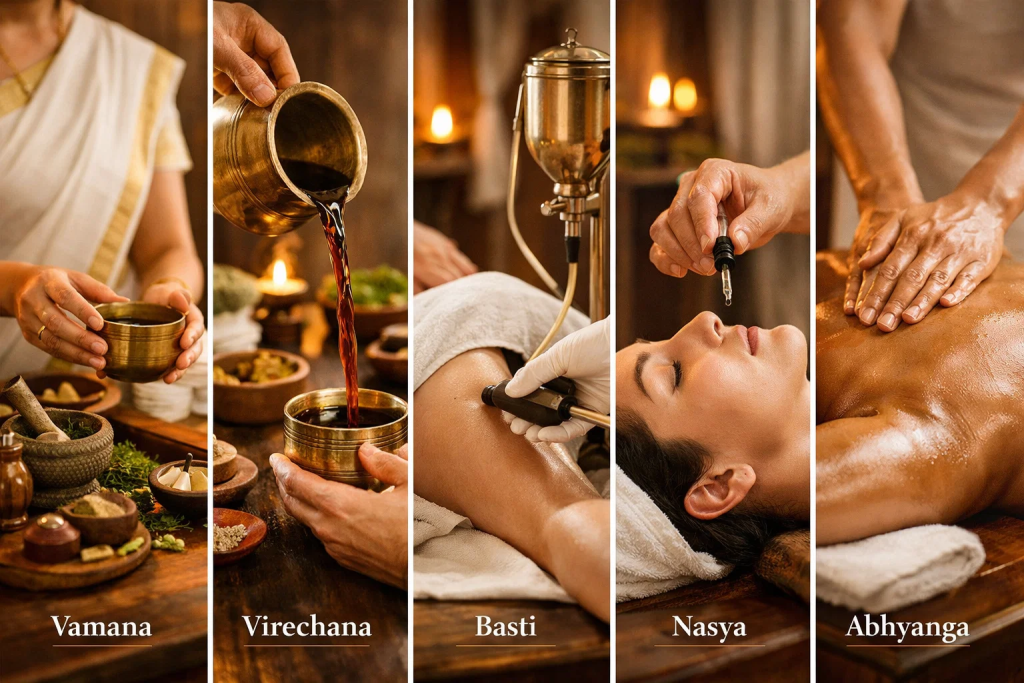
Before exploring the clinical benefits, it helps to understand the five primary Panchakarma procedures and what each one does:
| Therapy | Sanskrit Name | Primary Action |
|---|---|---|
| Therapeutic Emesis | Vamana | Eliminates excess Kapha from lungs and stomach |
| Purgation Therapy | Virechana | Purifies Pitta; cleanses liver, blood, and digestive tract |
| Medicated Enema | Basti | Pacifies Vata; the most powerful Panchakarma therapy |
| Nasal Administration | Nasya | Clears toxins from the head, neck, and sinuses |
| Bloodletting | Raktamokshana | Purifies blood; treats skin and inflammatory conditions |
Every Panchakarma programme at Tigris Valley begins with Purvakarma — preparatory therapies including Snehana (internal and external oleation with medicated ghee and oils) and Swedana (herbal steam therapy) — which loosen toxins from deep tissue layers before the principal procedures begin. Following the main therapies, Paschatkarma (post-treatment rejuvenation) consolidates the gains through Rasayana therapies, dietary reintroduction, and lifestyle guidance.
At Tigris Valley — one of the best wellness hospitals in Kerala — Panchakarma treatment is approached as a deeply personalised healing system, rooted in Ayurvedic principles and targeted at the root cause of illness rather than its surface symptoms. By systematically rebalancing the three doshas — Vata, Pitta, and Kapha — Panchakarma restores the body’s internal equilibrium across every organ system simultaneously.
Before we explore each benefit in depth, here is a concise overview of the most significant conditions and wellness goals that Panchakarma addresses:
Each of these areas is explored in full clinical detail in the benefit sections that follow.
This is the most fundamental and widely recognised of all the benefits of Ayurvedic Panchakarma treatment. Modern lifestyles — processed diets, environmental pollutants, pharmaceutical residues, sedentary habits, and chronic psychological stress — create a steady accumulation of metabolic waste (Ama) that the body’s natural elimination systems cannot clear efficiently.
Panchakarma’s preparatory oleation therapies saturate the tissues with medicated oils, which act as a solvent for fat-soluble toxins lodged in adipose tissue, cell membranes, and organ systems. The subsequent elimination procedures — Virechana and Basti — then expel these mobilised toxins through the body’s natural pathways.
The result is not a superficial cleanse but a genuine cellular reset — improved organ function, clearer metabolic pathways, reduced systemic inflammation, and a measurable lightness that most patients describe within the first week of a full programme.
This is the clinical foundation of Tigris Valley’s Detox & Cleanse Program, which combines Panchakarma procedures with Functional Medicine diagnostics and herbal formulations for a fully integrated detoxification experience.
One of the most clinically significant benefits of Panchakarma is its ability to provide lasting relief from chronic musculoskeletal pain — including osteoarthritis, rheumatoid arthritis, back pain, neck stiffness, fibromyalgia, and joint degeneration.
In Ayurvedic pathology, the accumulation of Ama in the joint spaces (Amavata in RA, Sandhivata in OA) combines with aggravated Vata to produce the pain, stiffness, and progressive deterioration characteristic of arthritic conditions. Panchakarma addresses this directly:
Patients completing a full Panchakarma programme for arthritis at Tigris Valley report significant reductions in pain intensity, morning stiffness, and NSAID dependence — with improvements that are sustained through the post-treatment rejuvenation phase.
Explore comprehensive arthritis and pain management support through Tigris Valley’s Chronic Pain & Inflammation Management Program.
Ayurveda places Agni — the digestive fire — at the centre of all health. When Agni is weak or irregular, food is incompletely digested, producing Ama that burdens the tissues. The downstream consequences include bloating, constipation, acidity, irritable bowel syndrome, malabsorption, and chronic fatigue.
Panchakarma restores Agni through a multi-layered approach:
The result is a gut that absorbs nutrients properly, eliminates waste efficiently, and no longer generates the systemic Ama burden that underlies chronic illness. For patients with metabolic conditions including diabetes, fatty liver, and obesity, gut restoration through Panchakarma is often the turning point in their recovery.
The impact of Panchakarma on the nervous system is profound and, for many patients, the most immediately felt of all its benefits. Chronic psychological stress is not merely a mental experience — it is a sustained physiological state that elevates cortisol, suppresses immunity, impairs digestion, and accelerates cellular ageing. Panchakarma addresses this at every level.
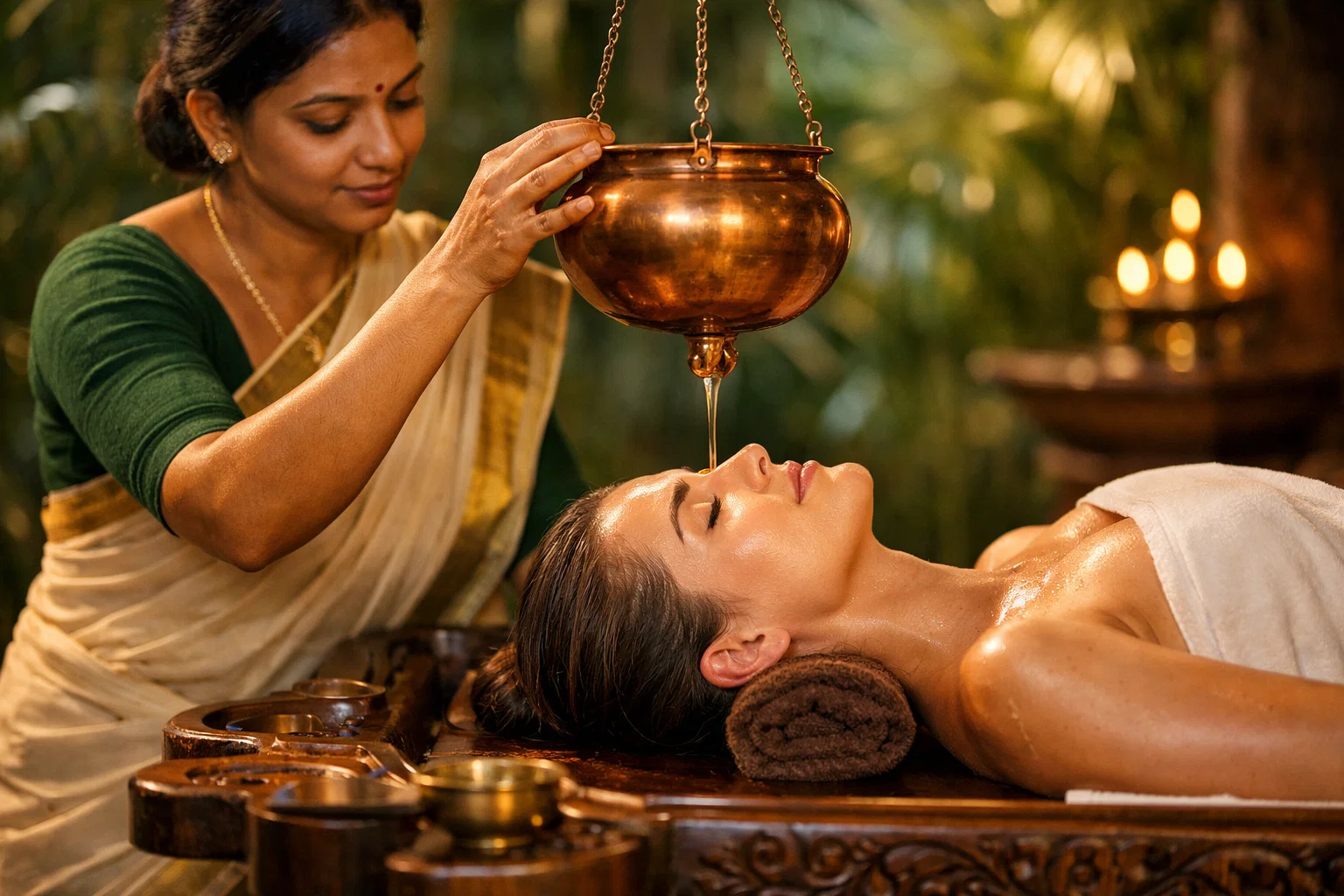
Shirodhara — the continuous pouring of warm medicated oil onto the forehead — is among the most powerful non-pharmacological interventions for nervous system calming available in any medical tradition. It activates the hypothalamic-pituitary axis, stimulates GABA and serotonin production, and produces a measurable shift from sympathetic (fight-or-flight) to parasympathetic (rest-and-repair) dominance. Patients frequently describe the experience as the deepest relaxation they have ever felt.
Beyond Shirodhara, the entire Panchakarma process — the rhythmic oil therapies, the medicated steam, the dietary discipline, the removal of digital and social stimulation — creates a sustained container for nervous system recovery that is impossible to replicate in daily life.
At Tigris Valley, Panchakarma for stress and burnout is integrated within the Stress & Burnout Recovery Program, which adds Yoga, breathwork, and mindfulness practices to accelerate and deepen the therapeutic outcomes.
Panchakarma is not a weight-loss procedure in the conventional sense, but it is one of the most effective interventions for addressing the reasons why weight loss fails — and for creating the internal conditions in which sustainable weight normalisation becomes possible.
Key mechanisms include:
Tigris Valley’s Weight Management Package combines Panchakarma detoxification with nutritional medicine, exercise physiology, and metabolic assessment for a comprehensive, clinically grounded approach to weight and hormonal health.
Ayurveda defines robust immunity (Ojas) as the by-product of perfect digestion and healthy tissue metabolism. When digestion is impaired and Ama accumulates, Ojas diminishes — leaving the individual vulnerable to recurrent infections, slow recovery, and eventually chronic disease.
Panchakarma rebuilds immunity from its foundation. By clearing Ama from the channels that nourish every body tissue (Dhatus), Panchakarma allows each tissue layer — from plasma to bone to nerve — to receive and process nutrients optimally, regenerating Ojas in the process.
Specific immunity-enhancing elements include:
For guests dealing with Long Covid, post-viral fatigue, or vaccine-related immune dysregulation, Panchakarma combined with Rasayana is among the most promising integrative therapeutic approaches currently available.
Hormonal disruption — PCOS, thyroid dysfunction, adrenal dysregulation, perimenopause — is among the fastest-growing categories of chronic illness globally. Ayurveda views hormonal health as an expression of tissue integrity (Dhatu balance), Agni function, and the quality of Ojas. Panchakarma addresses all three.
For patients with thyroid conditions, PCOS, or menopausal symptoms, Panchakarma at Tigris Valley is delivered as part of a personalised programme that includes functional medicine diagnostics, Unani herbal medicine, and nutritional support.
Ayurveda describes the heart (Hridaya) as the seat of consciousness, emotion, and vital force (Prana). Cardiovascular disease — in both its Ayurvedic and biomedical understanding — is the cumulative result of toxic accumulation in the blood (Rakta Dhatu), impaired circulation, chronic inflammation, and unresolved psychological stress.
Panchakarma supports cardiovascular health through:
Tigris Valley’s Cardio-Metabolic Health & Recovery Program and Cardiac Rehabilitation Program integrate Panchakarma within a comprehensive clinical framework that also incorporates modern cardiac diagnostics, IV nutritional therapy, and supervised exercise rehabilitation.
The skin is Ayurveda’s most visible indicator of internal health. When Ama accumulates in Rakta Dhatu (blood tissue) and Rasa Dhatu (plasma tissue), it manifests outwardly as dull skin, hyperpigmentation, acne, eczema, psoriasis, and premature ageing. Panchakarma addresses skin conditions from the inside.
For guests seeking skin health alongside systemic rejuvenation, Tigris Valley offers integrated programmes that include dermatological assessment, herbal skin treatments, and the Anti-Aging & Longevity Program.
Autoimmune disease — where the immune system attacks the body’s own tissues — represents one of the most challenging frontiers of modern medicine. Conditions including rheumatoid arthritis, lupus, multiple sclerosis, Hashimoto’s thyroiditis, and inflammatory bowel disease are increasing in prevalence globally, and conventional immunosuppressive therapies carry significant long-term risks.
Panchakarma offers a meaningful complementary approach to autoimmune management through:
Tigris Valley’s Autoimmune Disorder Management Program combines Panchakarma with Functional Medicine diagnostics, Ozone Therapy, and personalised herbal medicine for a comprehensive, evidence-informed approach to immune system recalibration.

Respiratory conditions — asthma, chronic sinusitis, allergic rhinitis, COPD, and recurrent upper respiratory infections — are predominantly Kapha disorders in Ayurvedic medicine, characterised by excess mucus (Kapha) accumulating in the respiratory channels (Pranavaha Srotas).
Vamana (therapeutic emesis) is the primary Panchakarma therapy for Kapha-dominant respiratory conditions. By clearing accumulated mucus and toxins from the stomach and lungs, Vamana opens the respiratory channels and reduces the hypersensitivity that drives allergic and asthmatic responses.
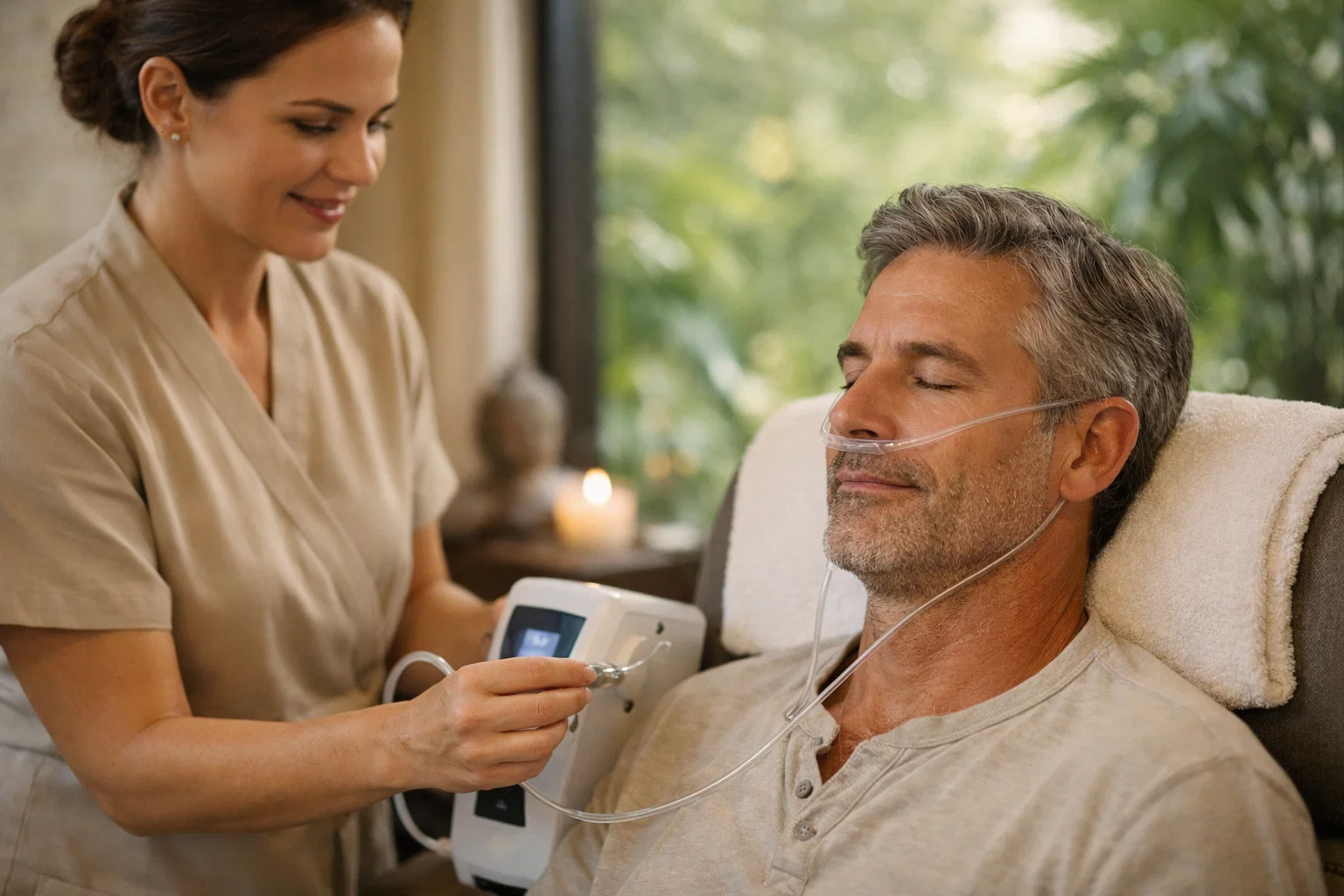
Nasya plays a complementary role — medicated nasal oils clear the sinuses, reduce mucosal inflammation, and address the upper respiratory congestion that precedes or accompanies most lower respiratory conditions.
Post-Panchakarma, herbal formulations including Sitopaladi Churna, Vasa (Adhatoda vasica), and Pippali (long pepper) support bronchodilation, reduce mucus hypersecretion, and rebuild respiratory immune resilience.
For patients managing autoimmune-driven lung conditions or post-Covid respiratory impairment, Panchakarma offers a non-pharmacological pathway to meaningful improvement in lung function and symptom burden.
Perhaps the most underappreciated of all the benefits of Ayurvedic Panchakarma treatment is its role not in treating existing disease but in preventing the diseases that have not yet arrived.
Ayurveda describes six stages of disease progression (Shat Kriya Kala) — from initial Ama accumulation and dosha aggravation all the way to irreversible structural damage. Panchakarma is uniquely effective in the early and middle stages — when the disease process is underway but symptoms are vague or absent. By clearing Ama and rebalancing doshas before they have had the chance to settle into organ tissue, Panchakarma interrupts the disease trajectory before it reaches clinical threshold.
An annual or biannual Panchakarma programme is therefore not a luxury — it is the most intelligent preventive investment a person can make in their long-term health. The classical Ayurvedic texts recommend seasonal Panchakarma for healthy individuals to maintain the internal cleanliness and cellular vitality that sustain longevity.
At Tigris Valley, this philosophy is embodied in the Anti-Aging & Longevity Program, which integrates Panchakarma Rasayana therapies with cutting-edge anti-ageing diagnostics, hormonal optimisation, and personalised longevity protocols for guests seeking not just longer life but a healthier, more vibrant one.
At Tigris Valley Wellness Retreat, every Panchakarma programme begins with a comprehensive physician consultation and follows a medically supervised, five-step treatment process — designed to prepare the body, execute the principal therapies, and consolidate healing for long-term results.
Our qualified Ayurvedic team of experts evaluates your complete health history, present state of health, and doshic imbalances to create a personalised Panchakarma plan — available in 7-day, 14-day, and 21-day durations at Tigris Valley. This initial consultation is not a formality. It is the clinical foundation on which the entire programme is built. Every choice of therapy, herb, oil, diet, and duration flows from the insight gathered in this first conversation between physician and patient.
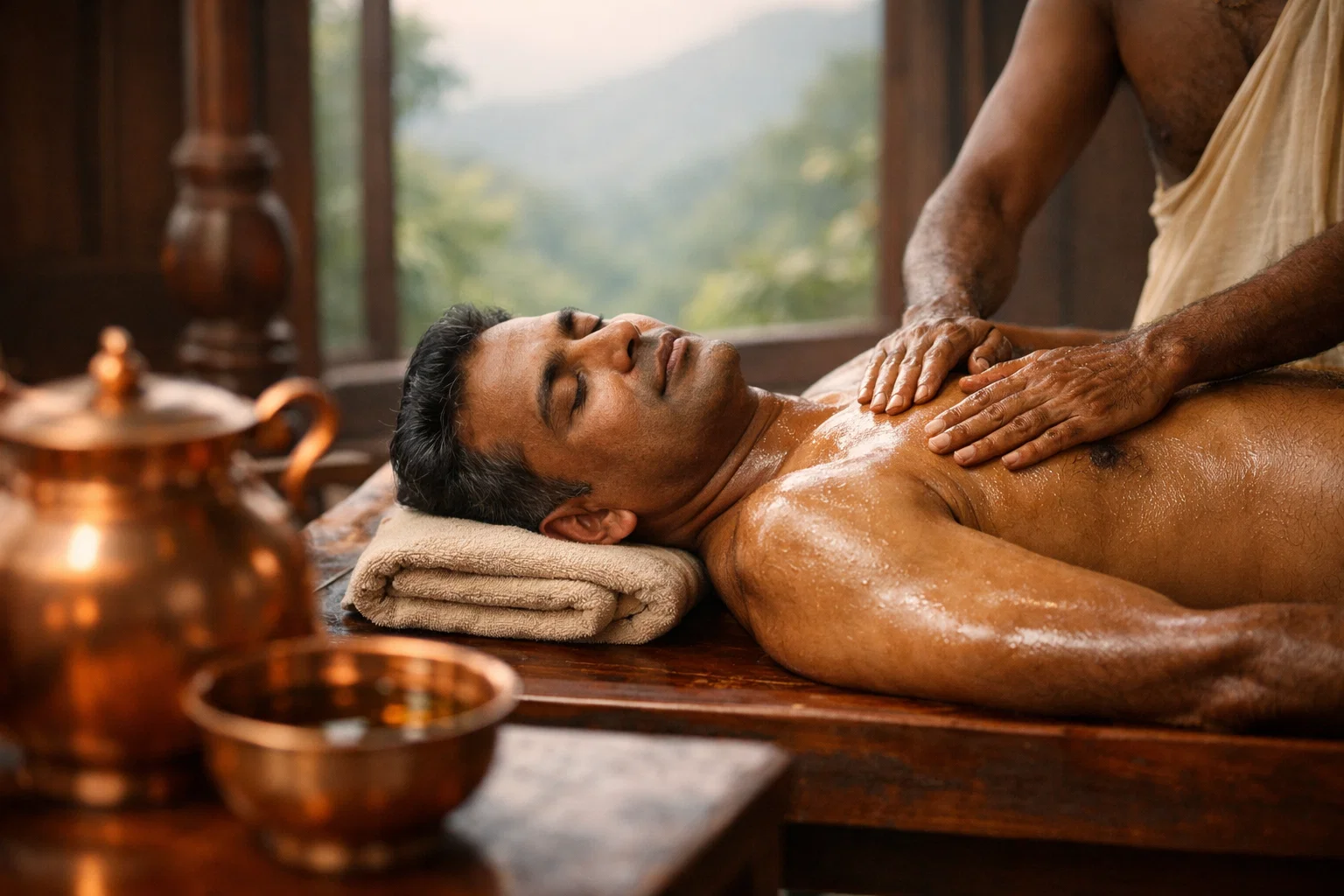
Before the main treatments begin, preparatory procedures are administered to prepare the body for deep detoxification. Snehana (oleation therapy) involves both internal oleation — daily consumption of medicated ghee in progressively increasing doses — and external oleation through synchronised full-body Abhyanga oil massage. Swedana (herbal sudation therapy) follows, using medicated steam to open the body’s channels, dilate blood vessels, and mobilise toxins from deep tissue and joint spaces so they are accessible for elimination. Without a thorough Purvakarma phase, the principal therapies cannot reach their full therapeutic depth.
The five Panchakarma procedures — Vamana, Virechana, Basti, Nasya, and Raktamokshana — are performed in a physician-determined sequence tailored to your unique needs, under the continuous guidance of experienced Ayurvedic therapists and doctors. Each procedure is intended to eliminate specific categories of toxins and bring the body back into doshic balance. Not all five therapies are used in every programme — the selection is always clinically personalised. A guest with predominantly Vata-driven conditions will receive a Basti-centred protocol; one with Pitta-dominant disease will benefit most from Virechana.
After the detoxification phase, the body’s channels and tissues are freshly cleansed and uniquely receptive to nourishment. Rejuvenating therapies are offered to capitalise on this window: Abhyanga (therapeutic oil massage) restores tissue hydration and suppleness; Shirodhara (continuous warm oil pouring on the forehead) deeply calms the nervous system and consolidates the mental and emotional benefits of the programme; and Rasayana (classical Ayurvedic rejuvenation therapy) delivers potent herbal tonics — Ashwagandha, Shatavari, Amalaki, and others — that rebuild Ojas, restore cellular vitality, and establish the immune and metabolic resilience that sustains long-term health.
The Panchakarma journey does not end at the retreat. Detailed, personalised guidance on diet, lifestyle, daily routine (Dinacharya), and herbal supplementation is provided to each guest before departure — ensuring that the benefits of Panchakarma are maintained, reinforced, and built upon in daily life. This post-treatment care is one of the most distinctive elements of the Tigris Valley experience: the team remains accessible for follow-up consultations, and every programme includes a structured home-care protocol designed by the treating physician.
Our effective Ayurvedic Panchakarma treatment at Tigris Valley relieves a wide range of diseases and wellness goals. Its comprehensive, five-step approach makes it a genuinely transformative experience for those seeking holistic healing and authentic rejuvenation in Kerala’s serene mountain environment.
Guests at Tigris Valley also benefit from the retreat’s full-spectrum therapeutic environment: serene mountain accommodation in the Rooms & Suites, chef-curated therapeutic cuisine, access to AYUSH treatments including Acupuncture, Homeopathy, Siddha, and Chinese Medicine, and the restorative power of Wayanad’s forests and mountain air. Explore the gallery to see the retreat environment.
The benefits of Ayurvedic Panchakarma treatment are relevant to a wide range of individuals, including:
Important note: Panchakarma is contraindicated or requires modification for pregnant women, individuals in acute febrile states, those with severe cardiovascular instability, and patients with extreme debility. A thorough pre-treatment consultation with Tigris Valley’s medical team ensures that every programme is safe, appropriate, and optimally personalised.
Panchakarma delivers deep cellular detoxification, relief from chronic pain and arthritis, improved digestion, stress reduction, hormonal rebalancing, strengthened immunity, and long-term disease prevention — all through a personalised, physician-supervised protocol rooted in classical Ayurvedic medicine.
Most patients begin experiencing noticeable improvements in energy, digestion, and mental clarity within the first 5–7 days of a programme. Deeper benefits — including sustained pain reduction, hormonal balance, and immune strengthening — accumulate progressively over a 14–21 day programme and continue to develop in the weeks following completion.
Yes, when administered under qualified medical supervision. Tigris Valley’s Ayurvedic physicians conduct a thorough pre-treatment assessment of each patient’s medical history, current medications, and clinical condition before designing a programme. Panchakarma protocols are always adapted to the individual’s health status, including those with diabetes, hypertension, cardiac conditions, or autoimmune disease.
A 7-day programme primarily covers the Purvakarma (preparation) phase with some principal therapies, and is suitable for those seeking preliminary detoxification and stress relief. A 14-day programme allows for the complete three-phase Panchakarma sequence, delivering meaningful clinical outcomes for most conditions. A 21-day programme achieves the deepest level of tissue cleansing, dosha rebalancing, and Rasayana rejuvenation — recommended for chronic disease management and significant health transformation.
During Panchakarma, dietary protocols begin with light, easily digestible foods — Peya (thin rice gruel), Yavagu (thin rice porridge), and light vegetable soups — and gradually progress as the elimination phases are completed. After Panchakarma, a graduated reintroduction of foods follows, emphasising warm, freshly cooked, seasonal, and easily digestible meals. Tigris Valley’s culinary team prepares all therapeutic meals in-house according to physician specifications.
Yes. Panchakarma is among the most effective integrative interventions for chronic inflammatory skin conditions. Virechana purifies the blood and liver — the primary Ayurvedic root of most skin diseases — while Raktamokshana directly removes toxins from the Rakta Dhatu (blood tissue). Post-Panchakarma Rasayana and topical herbal applications support sustained skin healing.
Panchakarma has a profound effect on mental health through its direct action on the nervous system. Shirodhara, Abhyanga, and Basti calm the sympathetic nervous system, reduce cortisol and adrenaline, and stimulate GABA and serotonin production. Many patients report significant reductions in anxiety, improved sleep quality, greater emotional stability, and enhanced mental clarity following a complete programme.
Yes. At Tigris Valley, Panchakarma is integrated within a multi-disciplinary model that includes Functional Medicine, Unani Medicine, and modern diagnostic protocols. The Ayurvedic team works in close coordination with patients’ existing physicians to ensure safe integration with current medications and treatments, particularly for guests managing chronic conditions.
Panchakarma is highly effective for addressing the root causes of weight gain — impaired digestion (Agni deficiency), hormonal imbalance, and Ama accumulation in adipose tissue. While not a rapid weight-loss procedure, patients who complete a Panchakarma programme within Tigris Valley’s Weight Management Package typically experience improved metabolism, reduced bloating, and a foundation for sustainable healthy weight management.
Panchakarma is not a trend. It is not a spa treatment with a Sanskrit name. It is a 3,000-year-old clinical system — refined across generations of Ayurvedic practice — that addresses the root causes of disease with a precision and comprehensiveness that modern medicine is only beginning to appreciate.
The benefits of Ayurvedic Panchakarma treatment span every system of the body: the digestive, immune, hormonal, cardiovascular, neurological, and musculoskeletal systems are all transformed when Ama is cleared, doshas are rebalanced, and the body’s natural intelligence is restored. And because Panchakarma operates at the cellular and tissue level — not merely at the symptom level — its benefits are not temporary. They are foundational.
At Tigris Valley, Panchakarma is delivered within one of the most medically rigorous and personally attentive integrative wellness environments in India. If you are ready to experience what genuine healing feels like — not symptom management, but actual restoration — we are here to guide you there
Whether you are managing a chronic condition, recovering from burnout, or simply ready to give your body the deep reset it deserves, our expert Ayurvedic physicians are ready to design a personalised Panchakarma programme around your unique needs and health goals.
Programme durations: 7 days | 14 days | 21 days — each fully customised.
Book Your Consultation Today →
Explore our full range of wellness programmes or read more about Ayurveda and AYUSH treatments at Tigris Valley to find the programme that’s right for you.