
[gtranslate]
MENU
⚠️ Medical Disclaimer: This article is educational and does not constitute medical advice. Post-surgery rehabilitation must be conducted under physician supervision. All guests at Tigris Valley undergo a comprehensive pre-programme medical consultation before any therapy begins. Never travel for post-surgical rehabilitation without clearance from your operating surgeon.
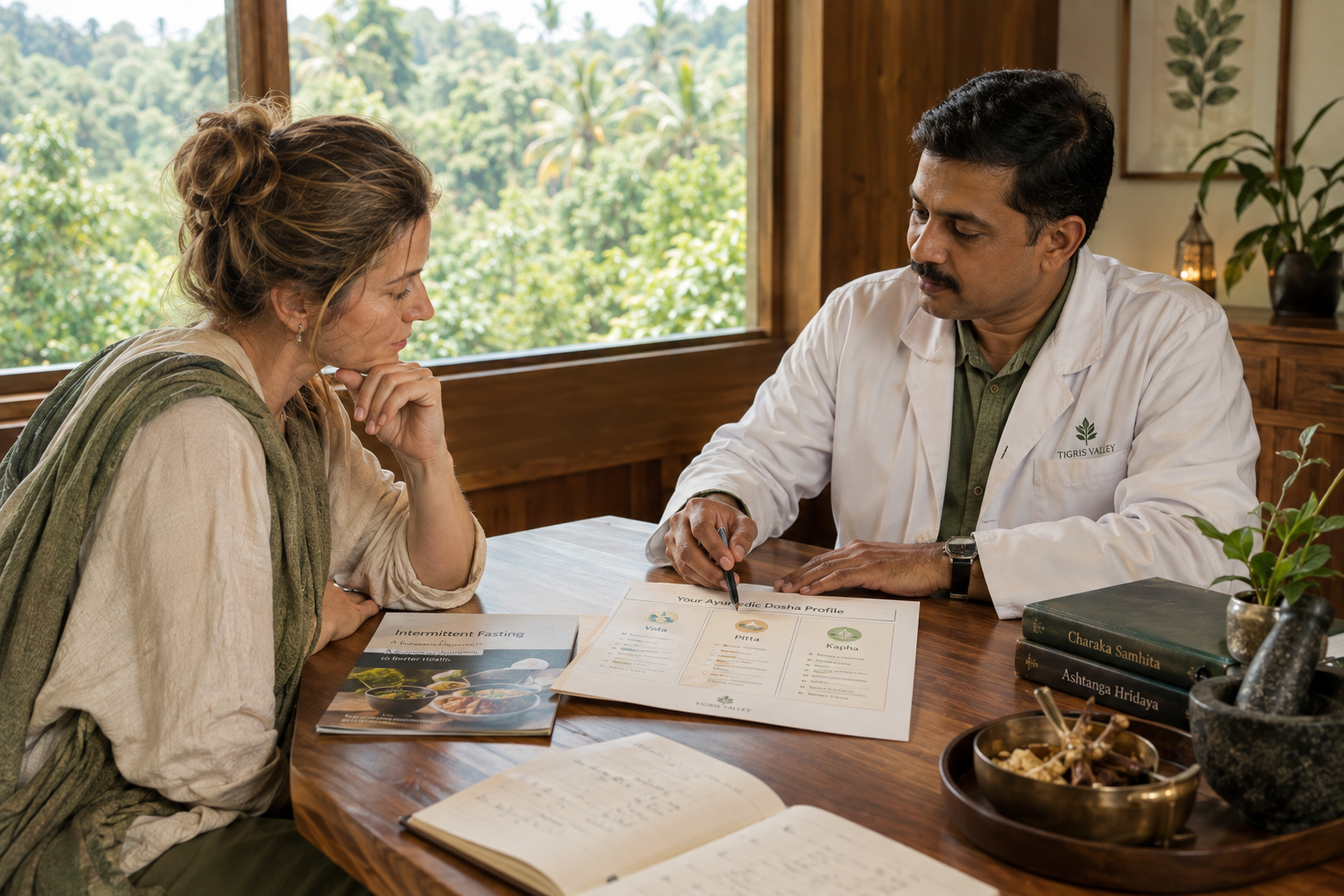
Your surgery was successful. The hospital discharged you with a prescription, a follow-up date, and instructions to “take it easy.” But nobody told you how to actually recover — how to reduce the scar tissue, rebuild the muscle, clear the post-anaesthetic fog, or restore the sleep that surgical stress destroyed. Conventional medicine excels at the operation. What happens in the weeks and months after is where Ayurveda, Physiotherapy, and Functional Medicine, working together, make a measurable difference to how fast — and how completely — you heal.
📋 Table of Contents
Across the world — whether in the Gulf, Europe, or South Asia — the post-surgical care gap follows the same pattern. The surgery is performed with precision. The patient is monitored in the acute post-operative period. And then, within days to weeks, they are discharged into a world that has no structured plan for what comes next.
What hospitals rarely address after discharge:
These gaps are not failures of individual surgeons or hospitals — they are structural limitations of an acute care system applied to a recovery process that is fundamentally not acute. This is precisely the space that Tigris Valley’s Post-Trauma & Rehabilitation Programme is designed to fill.
Tigris Valley’s Post-Trauma & Rehabilitation Programme is confirmed for individuals recovering from post-surgery recovery, sports injuries, accidents causing chronic pain or restricted mobility, and recovery after severe illnesses or cardiovascular incidents. The surgery types that most consistently benefit from integrative post-operative rehabilitation include:
Ayurveda has a sophisticated classical framework for understanding and treating the post-injury and post-operative state — developed over millennia before surgical intervention existed in its modern form, but describing the same physiological processes through different conceptual language.
Surgery — involving anaesthesia, incision, manipulation of tissues, and the profound physiological stress of the operative event — produces massive Vata aggravation. Vata governs all movement, nerve function, tissue boundaries, and the nervous system’s regulatory capacity. Post-surgical Vata excess manifests as the constellation of symptoms most patients recognise: pain, restlessness, insomnia, anxiety, digestive disruption, constipation, nerve sensitivity, and impaired healing at the wound site. Addressing Vata is the therapeutic foundation of every post-surgical protocol at Tigris Valley.
General anaesthesia and post-surgical pharmaceuticals (opioids, antibiotics, NSAIDs) produce metabolic residue — Ama — that accumulates in the body’s channels and impairs the body’s natural healing capacity. Many patients describe the “post-anaesthetic fog” — weeks of cognitive dulling, fatigue, and digestive sluggishness — that is precisely the Ama-mediated impairment of normal metabolic function. Gentle, phased Panchakarma procedures (beginning with lighter preparations appropriate to the post-surgical state) clear this residue, allowing the body’s healing mechanisms to operate without this accumulated burden.
Ayurveda’s seven tissue layers (Sapta Dhatu) provide the framework for understanding post-surgical healing. Surgery disrupts multiple layers simultaneously — the skin and muscle tissue are incised, the fat and connective tissue layers are manipulated, blood is lost, and bone may be cut or fixed. Rasayana Therapy — Ayurveda’s classical rejuvenation protocol — is specifically directed at rebuilding each tissue layer from the inside out, using physician-prescribed herbal formulations that nourish the specific tissue types damaged by the surgical intervention.
Ayurveda’s concept of Srotas (bodily channels) explains why impaired circulation to a healing surgical site delays recovery. Abhyanga’s medicated oil massage and Hydrotherapy work to restore channel patency — improving blood flow to healing tissues, reducing post-surgical oedema, and delivering the nutritional and medicinal compounds in the oils directly to the tissue layers through transdermal absorption.
All benefits below are drawn directly from Tigris Valley’s confirmed programme documentation. No unverified claims are made.
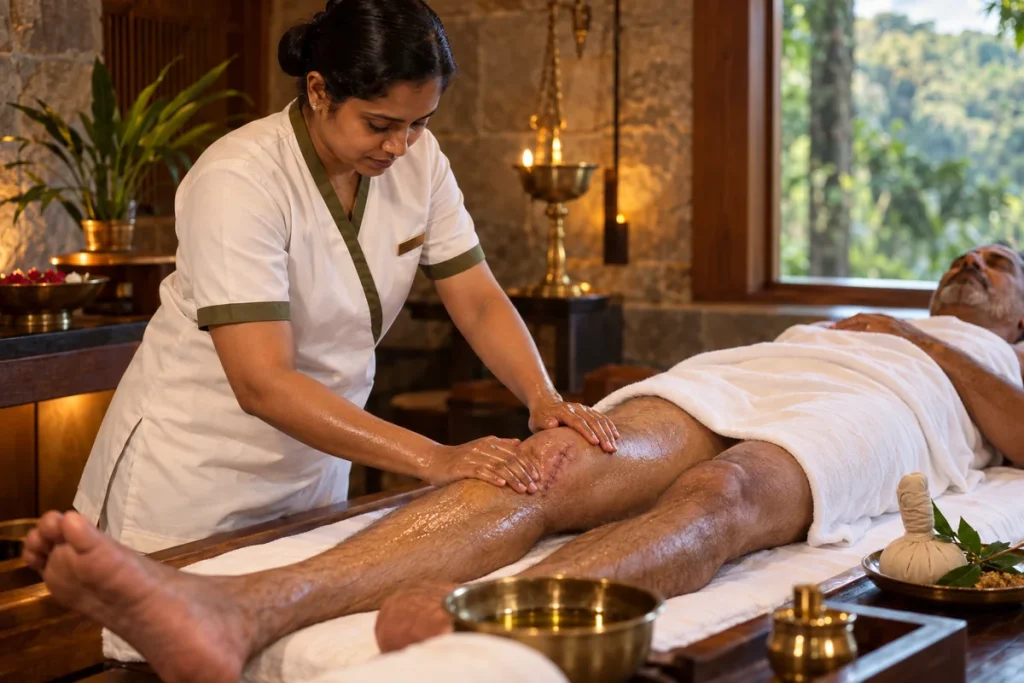
Abhyanga is confirmed in the Post-Trauma & Rehabilitation Programme for: “Herbal oil massage for pain relief and tissue repair.” The warm medicated oil application improves microcirculation to healing tissue, reduces post-surgical oedema, softens forming scar tissue before it matures into restrictive adhesions, and pacifies the Vata excess driving post-surgical pain and restlessness. The rhythmic therapeutic movements also stimulate lymphatic drainage — particularly important for post-surgical patients with swelling around the operative site.
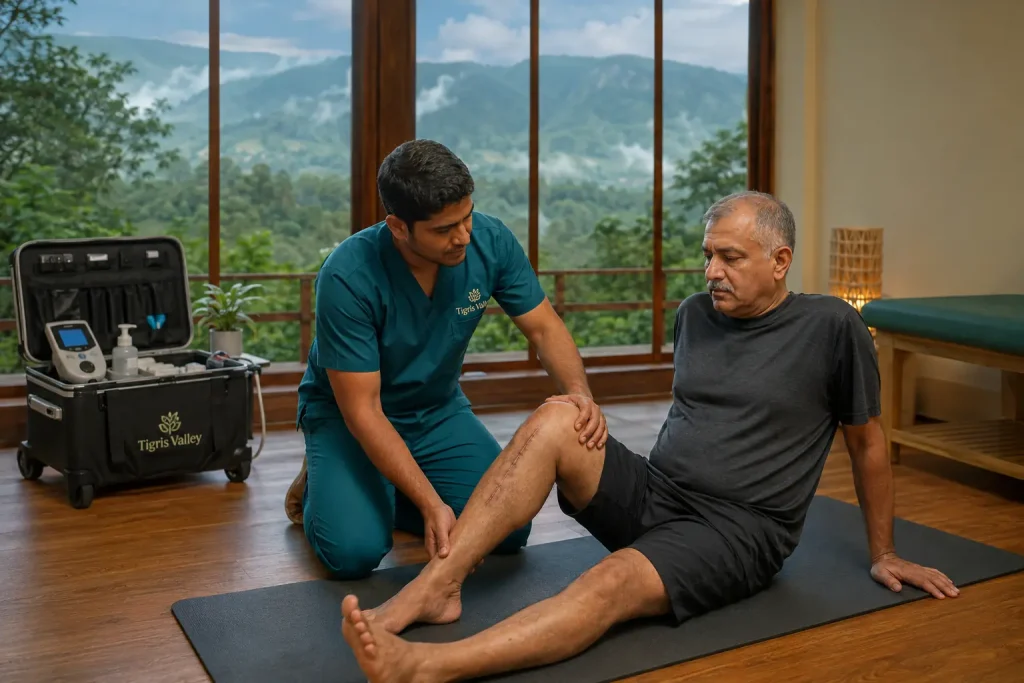
Physiotherapy is explicitly confirmed in the Post-Trauma & Rehabilitation Programme as: “Sessions designed to restore mobility and build strength.” At Tigris Valley, Physiotherapy is integrated within the holistic programme — not offered as an isolated intervention. The physiotherapist works in coordination with the Ayurvedic physician team, so the progression of physical loading is calibrated against the patient’s concurrent Ayurvedic and nutritional recovery rather than following a generic post-operative protocol.
IV Vitamin C is confirmed at Tigris Valley. The confirmed documentation explicitly states: “Essential for collagen formation. Supports wound healing.” This is not a peripheral benefit — Vitamin C is physiologically essential for the hydroxylation of proline and lysine residues in collagen synthesis. Post-surgical tissue repair is a collagen-dependent process. IV delivery at 30g achieves blood concentrations that oral supplementation cannot — delivering the specific precursor required for wound healing directly to the systemic circulation. Additionally confirmed: “Helps the body fight infections. Supports recovery during illness” — directly relevant to the post-surgical immune vulnerability period.
The Post-Trauma & Rehabilitation Programme confirms IV Infusions: “Nutritional therapies for accelerated tissue repair and energy.” The specific confirmed IV therapies with post-surgical relevance include:
Panchakarma is confirmed in the Post-Trauma & Rehabilitation Programme as: “Detoxification therapies to cleanse and rejuvenate.” Post-surgical Panchakarma is administered with specific modifications — the intensity and procedures selected are calibrated to the patient’s surgical history, recovery stage, and wound status. Snehapanam (internal oleation) begins the process of mobilising anaesthetic and pharmaceutical residue from tissue stores; lighter Basti preparations address the post-surgical gut disruption; medicated steam baths open the channels and support systemic elimination through the skin.
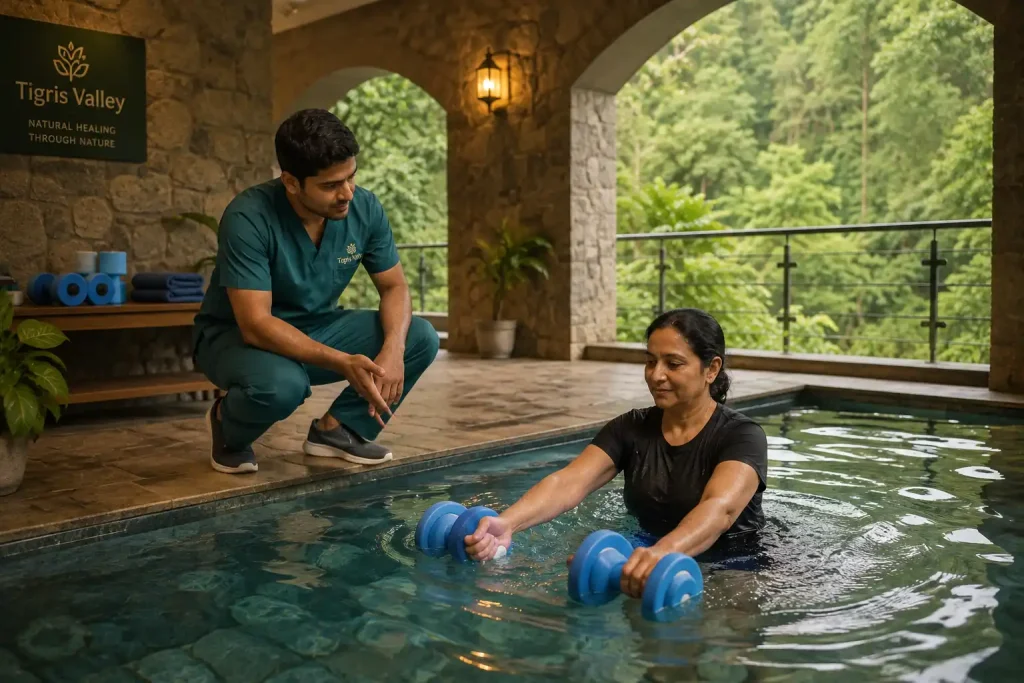
Hydrotherapy is confirmed in the Post-Trauma & Rehabilitation Programme for: “Improved circulation and pain relief.” Warm water hydrotherapy reduces post-surgical joint pain by offloading mechanical stress while allowing movement — creating the ideal environment for early range-of-motion work in joint replacement patients. It also reduces post-surgical oedema through hydrostatic pressure and stimulates the lymphatic system.
The Post-Trauma & Rehabilitation Programme confirms: “Custom-formulated herbal oils and tonics for nerve and muscle recovery. Energy-enhancing therapies tailored for sustained vitality.” For patients with post-surgical nerve damage, reduced sensation, or neuropathic pain — common after spinal surgery, orthopaedic procedures, and nerve-adjacent resections — the Unani physician-prescribed nerve recovery formulations address a dimension that standard physiotherapy does not reach.
Ozone Therapy is confirmed at Tigris Valley with the directly relevant benefits: “Anti-inflammatory effects — helps reduce pain, swelling, and chronic inflammation” and “Anti-microbial action — effective against bacteria, viruses, fungi, and parasites.” The post-surgical period involves both elevated systemic inflammation and temporary immune vulnerability — Ozone Therapy’s dual mechanism addresses both. For patients with slow-healing wounds or post-surgical infection risk (with appropriate physician assessment), Ozone Therapy’s anti-microbial mechanism provides additional support.
Confirmed in the Post-Trauma & Rehabilitation Programme for: “Guided sessions to restore balance and mental calmness.” Post-surgical yoga is modified to the patient’s mobility limitations and wound status — not a general yoga class, but a physician-cleared, therapist-guided programme. Pranayama specifically supports the respiratory recovery required after chest or abdominal surgery, and the autonomic nervous system reset that reduces post-surgical anxiety and sleep disruption.
Rasayana Therapy is confirmed at Tigris Valley as “ancient rejuvenation treatments to enhance longevity and vitality” using “special blends to nourish tissues, boost immunity.” In the post-surgical context, Rasayana protocols are administered in the latter phase of the programme — after the acute inflammation and medication residue have been addressed — specifically to rebuild the tissue layers damaged by surgery and restore the immune resilience depleted by the operative stress.
This comparison is drawn directly from Tigris Valley’s confirmed programme documentation, which explicitly addresses this question:
| Dimension | Tigris Valley | Standard Hospital Rehabilitation |
|---|---|---|
| Recovery approach | Personalised, holistic recovery plans | Standardised post-operative protocols |
| Therapies | Integrated Ayurveda, Physiotherapy, IV Nutrition, Unani, Nature Therapy | Primarily physiotherapy and medication |
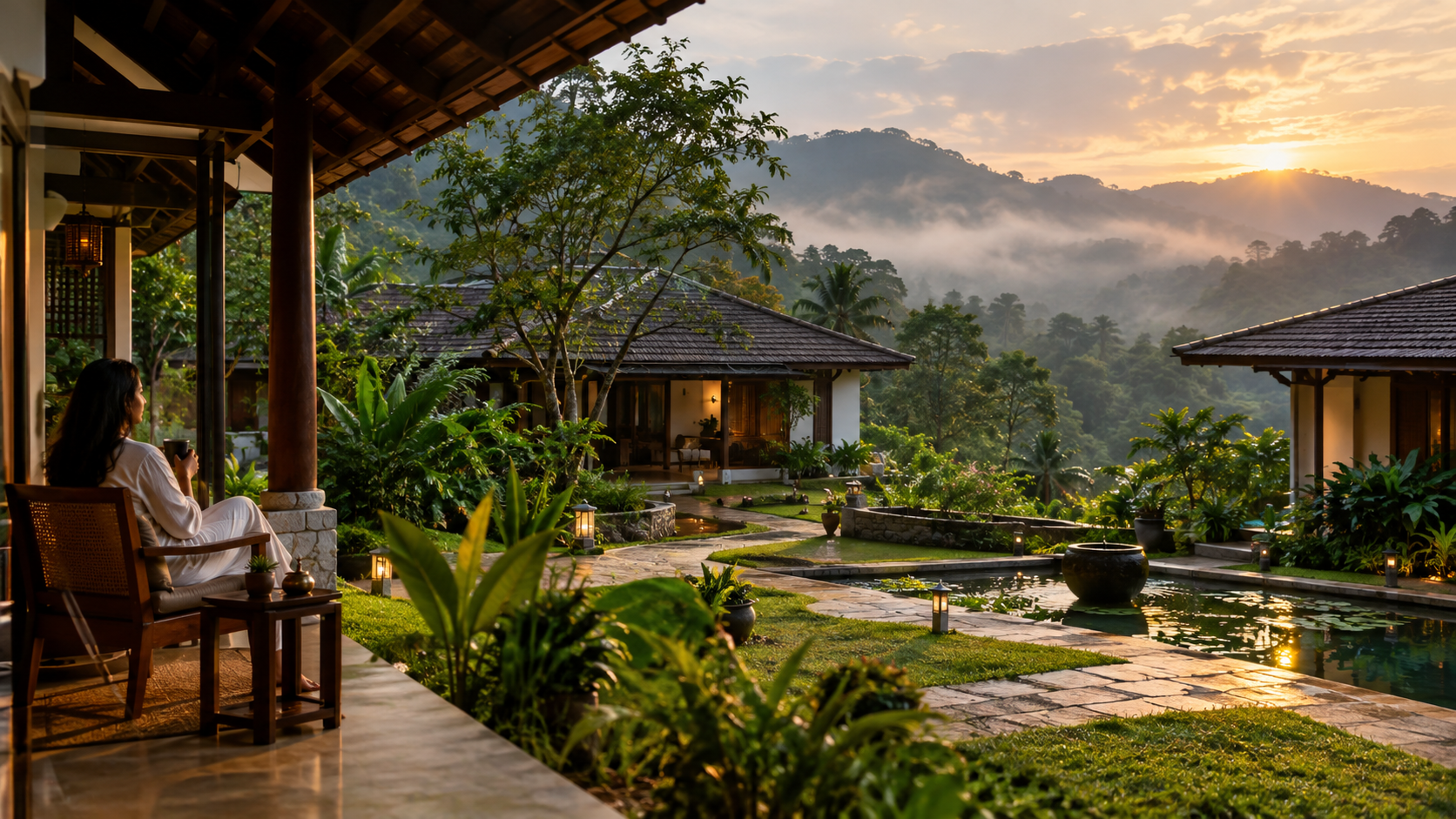
| Environment | Serene mountain sanctuary — Kerala forest, clean mountain air, natural surroundings | Clinical, sterile environment |
| Mental health support | Meditation, CBT, Pranayama, Forest Bathing — addressing post-surgical anxiety and sleep disruption | Primarily focused on physical recovery |
| Nutritional support | IV Nutritional Therapy + therapeutic organic diet from Mazra Farm | Standard hospital food; limited nutritional IV therapy |
| Post-discharge support | Custom diet plan, herbal formulations, exercise programme, lifestyle coaching | Limited emphasis on post-discharge wellness |
| Medical safety | NABH-accredited; 24/7 medical assistance | Full hospital-level acute care |
Important: Tigris Valley is a rehabilitation and wellness destination — not an acute care surgical hospital. It is appropriate for the post-discharge recovery phase after a patient has been medically cleared for discharge from their surgical hospital. For any complications — wound infection, deep vein thrombosis, post-surgical fever, haemorrhage — immediate conventional hospital care is required. Tigris Valley’s 24/7 medical assistance means any such situation is assessed promptly and referred appropriately.
| Phase | Days | Clinical Focus | Key Therapies |
|---|---|---|---|
| Assessment | 1–2 | Full review of surgical records, wound status, mobility baseline; programme design | Physician consultation, physiotherapy baseline assessment, dosha analysis |
| Inflammation Reduction & Gentle Mobilisation | 3–7 | Vata pacification; post-surgical inflammation management; gentle initial mobility | Abhyanga, IV Vitamin C, IV Magnesium, Hydrotherapy, Ozone Therapy, gentle Pranayama |
| Active Rehabilitation | 8–14 | Strength restoration; nerve recovery; medication residue clearance; gut repair | Physiotherapy, IV ALA (nerve support), Basti, IV Levocarnitine, Unani nerve tonics, Yoga |
| Tissue Rebuilding & Vitality Restoration | 15–21 | Rasayana-based tissue nourishment; strength progression; sleep and mental recovery | Rasayana Therapy, graduated Yoga, Forest Bathing, Meditation, post-discharge plan design |
Programme duration is determined by the physician consultation — surgery type, time elapsed since surgery, current mobility status, and recovery goals all influence whether a 14-day or 21-day programme is most appropriate. Browse all Tigris Valley programmes and the facilities and accommodation available during your recovery stay.
This is the most important practical question — and the one that requires the most honest clinical guidance.
General guidelines for travel readiness after surgery (always confirm with your operating surgeon):
| Surgery Type | Typical Minimum Wait Before Travel | Key Clearance Requirements |
|---|---|---|
| Knee / hip replacement | 6–8 weeks post-surgery | Wound healed; DVT risk assessed; basic mobility achieved; surgeon clearance |
| Spinal surgery | 6–12 weeks post-surgery | Neurological stability confirmed; no active wound complications; surgeon clearance |
| Abdominal surgery | 4–6 weeks post-surgery | Wound fully healed; no active infection; gut function restored; surgeon clearance |
| Cardiac surgery (bypass, valve) | 8–12 weeks post-surgery | Cardiologist clearance essential; stable cardiac function confirmed; sternal healing if open surgery |
| Post-cancer surgery | Varies — oncologist assessment required | Oncologist and surgeon both must provide clearance; no active treatment during programme |
Bring to your pre-arrival consultation: Operative report, discharge summary, most recent blood work, current medications list, surgeon’s notes on restrictions. Tigris Valley’s physician team reviews all of this before designing your programme — nothing begins without this clinical foundation.
Post-cardiac surgery rehabilitation deserves specific mention because it is both a high-need population and a clearly confirmed programme at Tigris Valley. The Cardio-Metabolic Health & Recovery Programme explicitly lists recovering from cardiac procedures including angioplasty and bypass surgery among its confirmed indications. Additionally confirmed: integrated cardiac rehabilitation treatment at Tigris Valley.
Post-cardiac surgery patients receive a specific protocol integrating:
The combination of serene natural environment, reduced physiological stress load, targeted nutritional support, and graduated physical rehabilitation creates conditions for post-cardiac recovery that a clinical hospital environment — by design — cannot replicate.
This depends on the surgery type and your surgeon’s assessment. As a general guideline: orthopaedic surgeries (6–8 weeks minimum), spinal surgeries (6–12 weeks), abdominal surgeries (4–6 weeks), and cardiac surgeries (8–12 weeks with cardiologist clearance). The pre-arrival physician consultation reviews your operative records and confirms programme readiness. Never travel for post-surgical rehabilitation without operating surgeon clearance.
Post-surgical Ayurvedic therapies at Tigris Valley are always physician-assessed and modified to your specific surgical site, wound status, and recovery stage. Abhyanga is performed at a distance from fresh surgical sites and specifically designed for post-surgical tissue states. No therapy begins without the physician team reviewing your surgical records and current wound status. This is not a generic spa massage — it is a medically supervised therapeutic protocol.
Tigris Valley’s confirmed documentation states IV Vitamin C is “essential for collagen formation” and “supports wound healing.” Collagen is the primary structural protein of surgical wound repair — without adequate Vitamin C, the hydroxylation of proline and lysine residues in collagen synthesis is impaired. Post-surgery, the body’s Vitamin C stores are rapidly depleted by the oxidative stress of the operative event. IV delivery at 30g achieves blood concentrations that oral supplementation cannot, delivering the specific nutrient required for tissue repair directly to the systemic circulation.
Yes — joint replacement recovery is one of the most common post-surgical presentations at Tigris Valley. The combination of Hydrotherapy (offloads mechanical joint stress while allowing range-of-motion work), Abhyanga (confirmed for “tissue repair”), Physiotherapy (confirmed for “mobility and strength restoration”), and IV Vitamin C (confirmed for collagen synthesis) addresses the specific recovery requirements of joint replacement in a comprehensive, coordinated way that outpatient physiotherapy alone cannot replicate.
Basti (herbal enema therapy) is specifically indicated in classical Ayurveda for conditions of the lumbosacral nerve root and lower spinal channel — making it directly relevant for post-lumbar spinal surgery recovery. Administration is physician-supervised and calibrated to the patient’s post-surgical status. Nasya Therapy is indicated for cervical spine and head-neck conditions. Both are selected and modified based on the physician’s assessment of your specific surgical intervention and current recovery stage.
Yes — and they are essential, not optional. Please bring your operative report, discharge summary, most recent imaging (X-ray, MRI), blood work, current medications list, and any post-discharge follow-up notes from your surgeon. The Tigris Valley physician team reviews all of this during the pre-arrival consultation and uses it to design your programme. Without surgical records, the physician cannot safely personalise the protocol to your specific post-operative state.
Tigris Valley’s confirmed Ozone Therapy documentation describes “anti-microbial action — effective against bacteria, viruses, fungi, and parasites” alongside “anti-inflammatory effects — helps reduce pain, swelling, and chronic inflammation.” For post-surgical patients with concerns about wound infection risk or slow-healing wounds, Ozone Therapy’s anti-microbial mechanism provides additional support — always under physician assessment for appropriateness to the specific wound state. It is not applied directly to open wounds but administered systemically through the confirmed delivery formats.
Yes — and elderly patients are among those who benefit most from the integrative approach. Standard physiotherapy-only rehabilitation is often insufficient for older patients who have greater baseline inflammation, slower tissue repair, more significant post-anaesthetic cognitive effects, and reduced baseline strength. The combination of IV Nutritional Therapy (directly correcting the nutritional depletion that impairs tissue repair in older adults), gentle Abhyanga, modified Yoga, and Rasayana Therapy is specifically well-suited to the elderly post-surgical recovery profile. The pre-arrival consultation assesses all age-related considerations and comorbidities.
Yes — this is one of the specific therapeutic targets of Abhyanga in post-surgical recovery. Warm medicated oil massage applied progressively around (and eventually over) healed surgical scars softens forming scar tissue before it matures into restrictive adhesions. This is most effective in the 4–12 week post-surgical window when scar tissue is still relatively pliable. The oils used are physician-selected for their specific properties in reducing tissue fibrosis and improving skin and fascial extensibility. Post-abdominal and post-cardiac (sternal) scar management is specifically relevant.
Contact the team at reservation@tigrisvalley.com or WhatsApp +91 9072661622. The starting point is a pre-arrival video consultation with Tigris Valley’s physician team — reviewing your surgical records, current status, medications, and recovery goals. Your personalised rehabilitation programme is designed from this consultation before you travel. For Gulf patients, flight routing from Dubai, Riyadh, Abu Dhabi, and Doha to Kozhikode (CCJ) via Emirates, Qatar Airways, or Etihad typically takes 4–6 hours including one connection. For European patients, Emirates via Dubai is the primary routing. Use the contact page to submit your initial enquiry.
Surgery Removed the Problem. Now Let Your Body Rebuild.
Tigris Valley’s NABH-accredited physician team combines Abhyanga for tissue repair, IV Vitamin C for collagen synthesis and wound healing, Physiotherapy for strength and mobility, Ozone Therapy for inflammation, and Rasayana Therapy for deep tissue rebuilding — in a personalised programme designed around your specific surgery, your current recovery stage, and your return-to-life goals.
→ Explore the Post-Trauma & Rehabilitation Programme
→ Post-Cardiac Surgery Rehabilitation
Kaithappoyil, in the Western Ghats.
Markaz Knowledge City Road, Kaithappoyil, Adivaram, Kerala
Get directions +91 90726 61622 reservation@tigrisvalley.com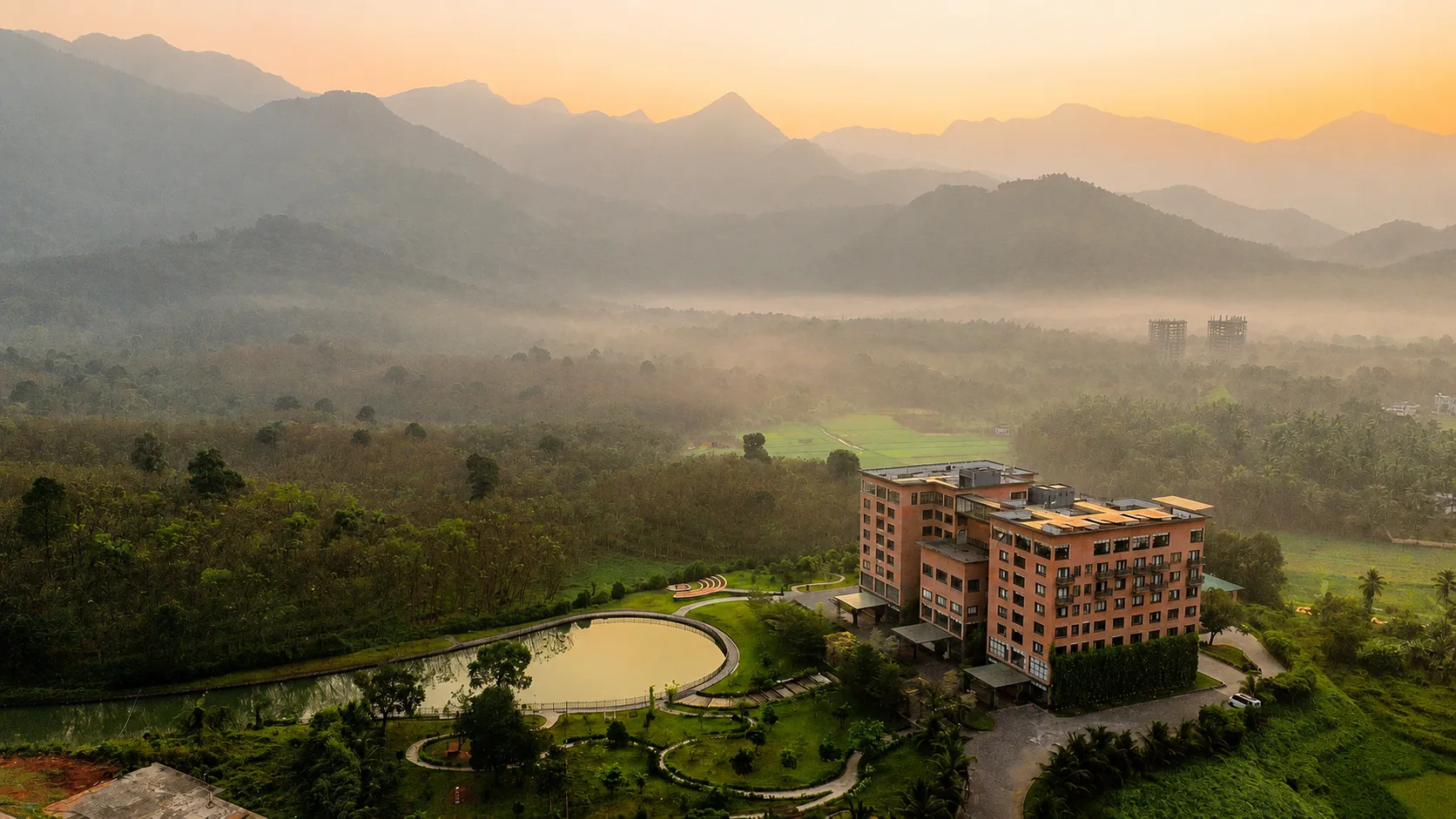
Kaithappoyil, Western Ghats

Before you leave
A physician reads every letter. Book a consultation, or send an inquiry — reservations answers the same day.