[gtranslate]
MENU
Have you ever felt stuck in patterns of anxiety, fear, or emotional numbness without understanding why? Trauma doesn’t just live in our memories, it resides in our bodies, minds, and nervous systems, affecting every aspect of our lives. Whether stemming from childhood experiences, accidents, emotional abuse, or chronic stress, unresolved trauma can manifest as physical pain, relationship difficulties, sleep disturbances, and persistent mental health challenges.
The consequences of ignoring trauma are severe: increased risk of chronic diseases, substance abuse, depression, and a diminished quality of life. Many people struggle for years, trying various treatments without finding lasting relief, not realizing that different types of trauma require different healing approaches.
The solution lies in understanding the diverse types of trauma therapy available today. From evidence-based psychological interventions to holistic body-mind approaches, modern trauma treatment offers multiple pathways to healing. This comprehensive guide explores proven therapy modalities, helping you understand which approaches might work best for your unique healing journey.
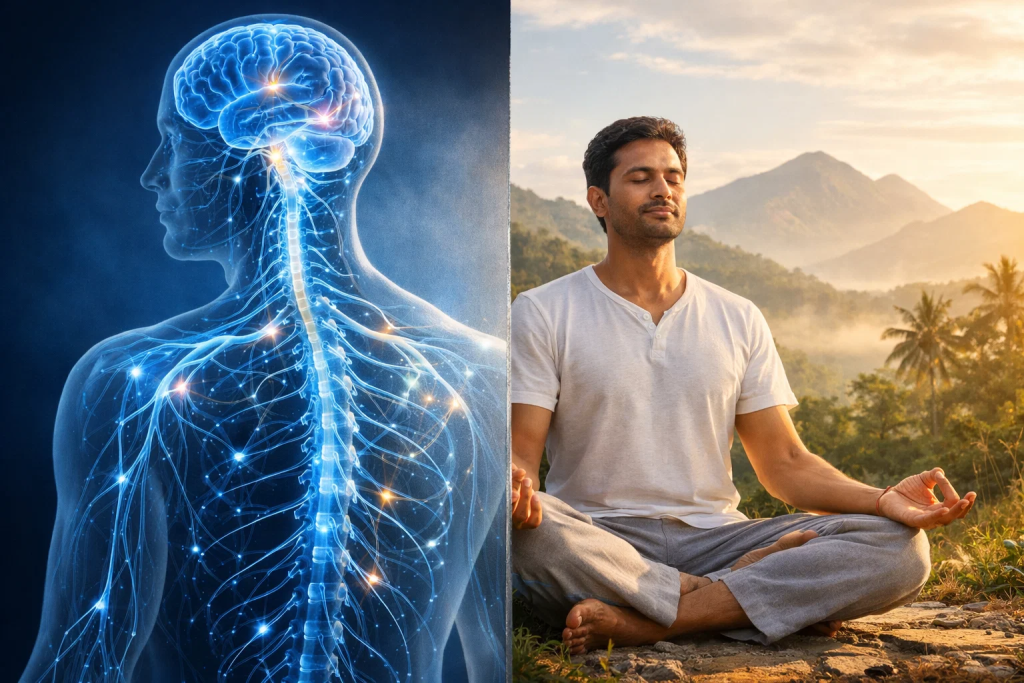
Trauma is more than just a distressing memory, it’s a physiological imprint that affects how your nervous system functions. When we experience overwhelming events, our brain’s threat-detection system becomes hyperactive, even long after the danger has passed. This creates a state of chronic hypervigilance, where the body remains in “fight, flight, or freeze” mode.
The effects of trauma extend far beyond mental health. Research shows that unresolved trauma significantly increases the risk of cardiovascular disease, autoimmune disorders, chronic pain, and metabolic dysfunction. This mind-body connection is why effective trauma treatment must address both psychological and physiological aspects of healing.
At Tigris Valley Wellness Retreat, the understanding that trauma lives in the body as much as in the mind informs an integrative approach to healing. By combining traditional psychological therapies with holistic wellness programs, individuals can access deeper levels of healing that conventional treatments alone may not reach.

EMDR is one of the most researched and effective types of trauma therapy, recognized by the World Health Organization and the American Psychological Association. This approach uses bilateral stimulation typically eye movements to help the brain reprocess traumatic memories.
How EMDR works: During EMDR sessions, you focus on traumatic memories while simultaneously following the therapist’s hand movements with your eyes. This dual attention appears to help the brain process the memory more completely, reducing its emotional charge and allowing new, adaptive information to emerge.
Best for: Single-incident trauma (accidents, assaults), PTSD, phobias, and performance anxiety. Many individuals experience significant relief within 6-12 sessions.
CBT is a structured, goal-oriented approach that helps you identify and change unhelpful thought patterns that developed as a result of trauma. Trauma-focused CBT specifically addresses how traumatic experiences create distorted beliefs about yourself, others, and the world.
Key components include:
Best for: Complex trauma, depression related to trauma, anxiety disorders, and situations where cognitive distortions significantly impact daily functioning.
Originally developed for borderline personality disorder, DBT has proven highly effective for individuals with trauma histories, particularly those who struggle with emotional regulation, self-harm, or relationship difficulties.
DBT teaches four core skill sets:
Best for: Complex developmental trauma, emotional dysregulation, self-destructive behaviors, and interpersonal difficulties. This approach is particularly valuable when combined with stress and burnout recovery programs.
Prolonged Exposure helps you gradually face trauma-related memories, feelings, and situations you’ve been avoiding. Through repeated, controlled exposure in a safe therapeutic environment, the brain learns that these memories and reminders are no longer dangerous.
How it works:
Best for: PTSD, specific traumatic events, avoidance behaviors that limit your life. PE requires commitment and can be emotionally intense, but research shows strong effectiveness.
Psychodynamic approaches explore how past experiences particularly early childhood trauma shape current patterns of thinking, feeling, and relating. This depth-oriented therapy helps you understand unconscious patterns and develop insight into how trauma has influenced your personality development.
Key aspects:
Best for: Complex developmental trauma, relationship difficulties, repeated patterns that seem beyond conscious control. This approach works well alongside emotional healing and mental health programs.

Developed by Peter Levine, Somatic Experiencing recognizes that trauma gets “stuck” in the nervous system. Rather than focusing primarily on memories and thoughts, SE helps you complete defensive responses that were interrupted during the traumatic event.
How SE works:
Best for: Shock trauma, accidents, medical trauma, and situations where talking about the trauma feels overwhelming or retraumatizing. SE is particularly effective when integrated with nature-based therapies that support nervous system regulation.
Sensorimotor Psychotherapy integrates body-centered techniques with cognitive and emotional processing. This approach recognizes that trauma affects posture, movement patterns, and physical tension, not just thoughts and emotions.
Key techniques include:
Best for: Developmental trauma, attachment wounds, and individuals who are highly body-aware or for whom traditional talk therapy hasn’t been effective.
Trauma-sensitive yoga has emerged as a powerful complementary treatment, helping individuals reconnect with their bodies in safe, empowering ways. Unlike regular yoga classes, trauma-informed approaches emphasize choice, control, and present-moment awareness without pushing beyond comfort zones.
Benefits include:
The yoga and naturopathy programs at Tigris Valley incorporate trauma-informed principles, creating a safe space for individuals to explore gentle movement and breathwork as part of their healing journey.

Ancient Ayurvedic wisdom recognizes that trauma disrupts the balance of doshas (biological energies) and creates ama (toxins) in the body and mind. Ayurvedic treatments for trauma focus on restoring balance through:
The Ayurvedic treatments offered provide a gentle, non-invasive pathway to trauma recovery that honors the interconnection of body, mind, and spirit.
Unani medicine views trauma as an imbalance in the four humors that affects both physical and mental health. Treatment approaches include:
Learn more about Unani medicine approaches that support trauma recovery through natural, time-tested methods.
Functional medicine addresses the biological underpinnings of trauma, recognizing that chronic stress affects hormone balance, gut health, inflammation, and nutrient status. Interventions may include:
The functional medicine programs at Tigris Valley complement psychological therapies by addressing the physical manifestations of trauma.
Spending time in nature has profound healing effects on trauma, including:
Forest bathing, mountain walks, and outdoor mindfulness practices create opportunities for the nervous system to recalibrate in supportive, non-threatening environments. The serene mountain setting of Tigris Valley provides an ideal backdrop for nature-based healing.
Mindfulness-based interventions help individuals develop a different relationship with traumatic memories and painful emotions. Rather than fighting or avoiding difficult experiences, mindfulness teaches you to observe them with curiosity and compassion.
Research-supported benefits include:
The mindfulness and mental clarity programs offer structured guidance in developing meditation practices that support trauma recovery.

There is no one-size-fits-all approach to trauma healing. The most effective treatment depends on several factors:
Some people find talking about trauma helpful, while others feel retraumatized by narrative approaches. Consider:
The most comprehensive healing often comes from combining different therapeutic modalities. For example:
The comprehensive wellness programs at Tigris Valley exemplify this integrative approach, offering personalized combinations of psychological support, body-based therapies, and holistic healing practices.
Not all therapists are equally trained in trauma treatment. Look for practitioners who:
For some individuals, weekly therapy sessions may not provide enough momentum for healing. Intensive treatment options include:
The post-trauma rehabilitation program offers an immersive healing environment where you can focus fully on recovery, supported by a multidisciplinary team and surrounded by healing nature.
Research shows that EMDR and Prolonged Exposure Therapy have the strongest evidence base for PTSD, but effectiveness varies by individual. Many people find that combining evidence-based psychological therapies with body-centered and holistic approaches provides the most comprehensive healing. The best therapy is one that feels right for you and addresses your specific type of trauma.
When conducted by trained trauma specialists, therapy is safe and effective. However, poorly timed or inappropriate interventions can temporarily increase distress. This is why working with trauma-informed practitioners who pace treatment appropriately is essential. They ensure you have adequate coping skills and support before processing difficult material.
Not necessarily. Many effective trauma therapies don’t require detailed narrative processing. Somatic Experiencing, EMDR, and certain mindfulness approaches can facilitate healing without extensive talking about traumatic details. This is particularly important for individuals who find narrative processing retraumatizing or for whom words feel inadequate.
Trauma often manifests physically as: chronic pain, tension headaches, digestive issues, autoimmune conditions, fatigue, sleep disturbances, muscle tension, jaw clenching, and heart palpitations. The autoimmune disorder management program addresses how chronic stress and trauma contribute to physical health conditions.
Yes, absolutely. While early trauma shapes development, the brain maintains neuroplasticity throughout life, meaning healing is always possible. Many people find that addressing childhood trauma in adulthood, when they have more resources and support, leads to profound transformation. Integrative approaches that combine therapy with body-based healing and self-compassion practices are particularly effective for developmental trauma.
Signs of unresolved trauma include: hypervigilance, difficulty trusting others, emotional numbness or overwhelm, relationship difficulties, chronic anxiety or depression, avoidance behaviors, intrusive memories or nightmares, difficulty relaxing, chronic pain without clear medical cause, and feeling disconnected from your body. If these symptoms resonate, consider seeking evaluation from a trauma-informed professional.
Trauma therapy specifically addresses how traumatic experiences affect the nervous system, brain, and body, using specialized techniques to process traumatic memories and regulate physiological responses. Regular therapy may address symptoms without directly working with the trauma imprint. Trauma-informed approaches prioritize safety, choice, and understanding of trauma’s effects.
Yes. Research shows strong connections between unresolved trauma and chronic pain. Trauma-focused therapy can significantly reduce pain by addressing nervous system dysregulation, releasing body-held tension, and processing emotional components of pain. The cardiac rehabilitation program demonstrates how addressing psychological trauma improves physical health outcomes.
Many natural approaches effectively support trauma recovery, including yoga, meditation, Ayurvedic herbs, nutritional therapy, and nature-based practices. While medication can be helpful for some individuals, particularly in the short term, integrative approaches address root causes and promote sustainable healing without dependency or side effects. The detox and cleanse program helps reset the body’s natural healing systems.
Initial sessions focus on building safety and trust. Your therapist will typically assess your trauma history, current symptoms, coping strategies, and treatment goals without requiring detailed trauma disclosure. They’ll explain their approach and ensure you feel comfortable before beginning trauma processing work. The emphasis is on collaboration and informed consent throughout treatment.

Trauma healing is not a linear journey, it’s a spiral process where you revisit aspects of your experience at deeper levels, each time with more resources and understanding. The diverse types of trauma therapy available today mean that healing is possible regardless of how long you’ve struggled or how complex your trauma history.
The integration of evidence-based psychological treatments with holistic healing approaches offers the most comprehensive path to recovery. By addressing trauma’s effects on mind, body, and spirit, you can achieve transformation that goes beyond symptom reduction to genuine thriving.
Whether you’re drawn to EMDR’s targeted reprocessing, somatic therapy’s body wisdom, or Ayurveda’s holistic balancing, the right combination of approaches exists for your unique healing journey. The key is finding practitioners and programs that honor your individuality while providing the structure and support necessary for deep healing.
At Tigris Valley Wellness Retreat, trauma recovery is approached as a sacred journey of returning to wholeness. Through personalized wellness programs that integrate psychological support, body-based therapies, ancient healing wisdom, and modern medical interventions, individuals find the comprehensive support needed for lasting transformation.
Surrounded by the healing presence of nature in the serene mountains of Kerala, you can access the deep rest and safety necessary for your nervous system to recalibrate. Combined with expert guidance from multidisciplinary specialists, you have everything needed to move from survival to thriving.
Healing is not only possible, it’s your birthright. Every step you take toward understanding and addressing your trauma, whether through therapy, body work, holistic practices, or immersive healing programs, moves you closer to the freedom, peace, and vitality you deserve.
The anti-aging and longevity program recognizes that unresolved trauma accelerates aging and addressing emotional wounds is essential for vitality. Similarly, the metabolic disorder management program addresses how chronic stress and trauma contribute to metabolic dysfunction.
Whether you’re recovering from recent trauma or addressing wounds carried for decades, the comprehensive facilities and specialized services at Tigris Valley provide the environment and expertise needed for profound healing. From weight management support that addresses emotional eating patterns to cardio-metabolic recovery that heals stress-related heart conditions, every aspect of wellness is addressed.
If you’re ready to begin or deepen your trauma healing journey, consider reaching out for a consultation to explore which therapeutic approaches might serve you best. Your future self, the one who sleeps peacefully, trusts deeply, and moves through life with confidence and joy is waiting for you to take this step.
The time for healing is now. Your transformation awaits.