
[gtranslate]
MENU
✔ Medically reviewed by Dr. Faheem Najeeb, Functional & Integrative Medicine Physician and Medical Director, Tigris Valley · Last reviewed:
Struggling to control your blood sugar levels despite medications? You’re not alone. Millions of people worldwide face the challenge of managing diabetes with limited success from conventional approaches alone. The question is: what if there was a 5,000 year old healing system that could naturally balance your blood sugar and address the root causes of metabolic dysfunction?
Ayurveda offers a comprehensive, time tested approach to reducing blood sugar levels naturally without the harsh side effects often associated with pharmaceutical interventions. Unlike conventional medicine that simply manages symptoms, Ayurvedic diabetes treatment addresses the underlying imbalances causing elevated blood sugar.
This complete guide reveals how Ayurveda can help you reduce blood sugar naturally, including proven herbs, dietary principles, lifestyle modifications, and therapeutic treatments that work synergistically to restore metabolic balance.
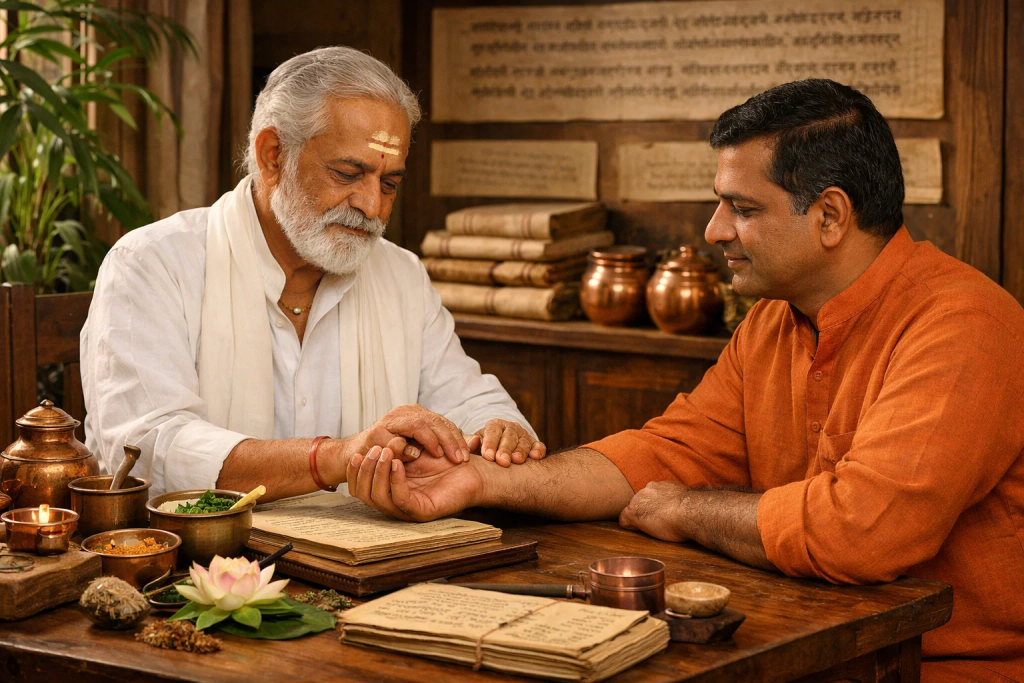
In Ayurveda, diabetes is known as “Prameha” or “Madhumeha” (literally meaning “sweet urine”), a condition that has been recognized and treated for thousands of years. Ayurveda attributes diabetes primarily to an imbalance in Kapha dosha, although Vata and Pitta imbalances also play significant roles.
According to Ayurvedic wisdom, diabetes develops when digestive fire (Agni) weakens, leading to accumulation of toxic metabolic waste (Ama) that disrupts proper glucose metabolism.
The root causes identified by Ayurveda include:
• Improper Diet: Excessive consumption of sweet, heavy, and oily foods • Sedentary Lifestyle: Lack of physical activity leading to sluggish metabolism • Mental Stress: Chronic worry disrupting hormonal balance • Poor Digestion: Weak digestive fire preventing proper nutrient assimilation • Genetic Predisposition: Hereditary factors increasing susceptibility • Toxin Accumulation: Metabolic waste blocking cellular channels
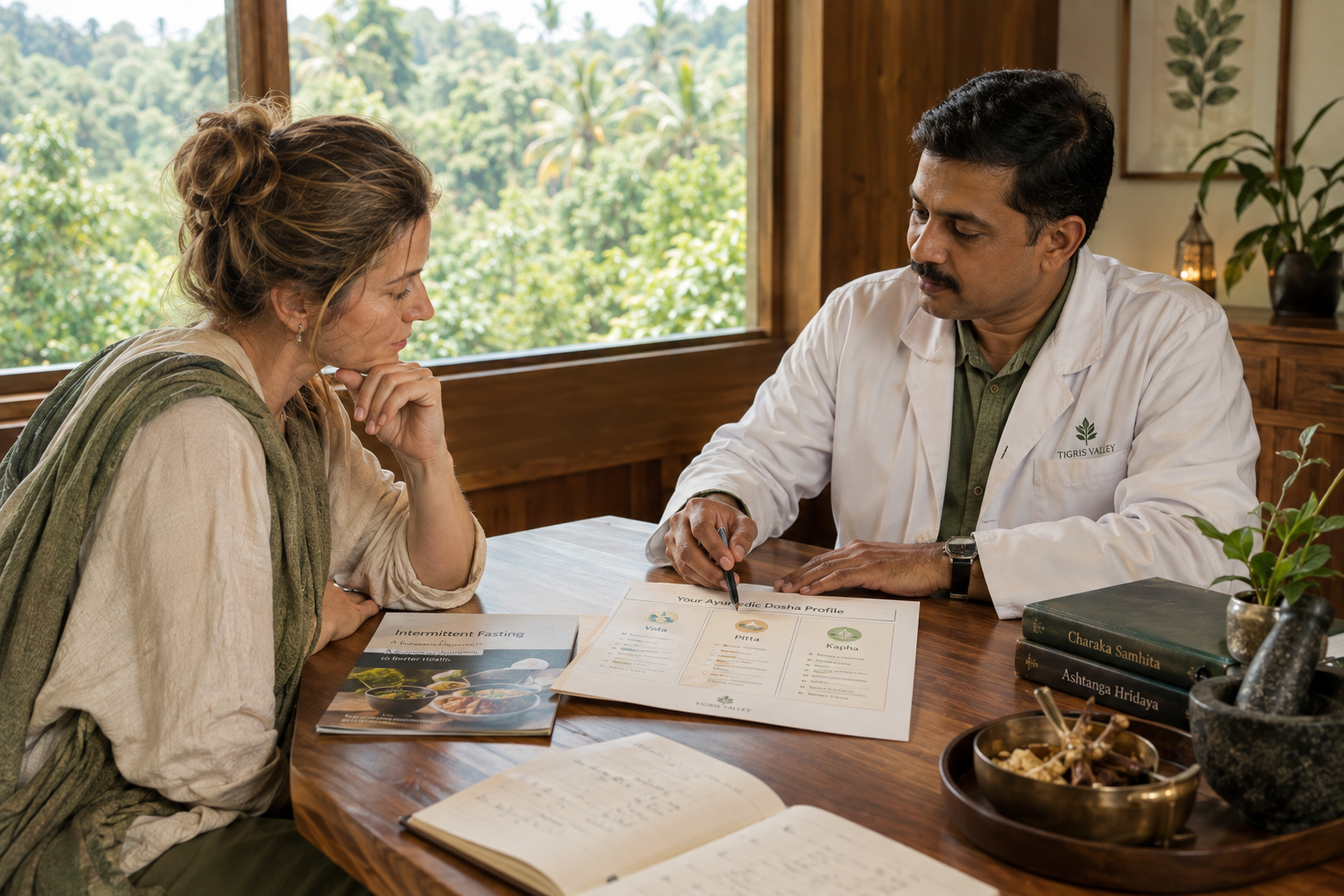
At Tigris Valley, our approach to Ayurvedic diabetes reversal treatment begins with understanding your unique constitution and identifying specific imbalances causing elevated blood sugar.
Ayurvedic pharmacology offers numerous herbs with proven blood sugar lowering properties. These natural remedies work through various mechanisms to support healthy glucose metabolism.
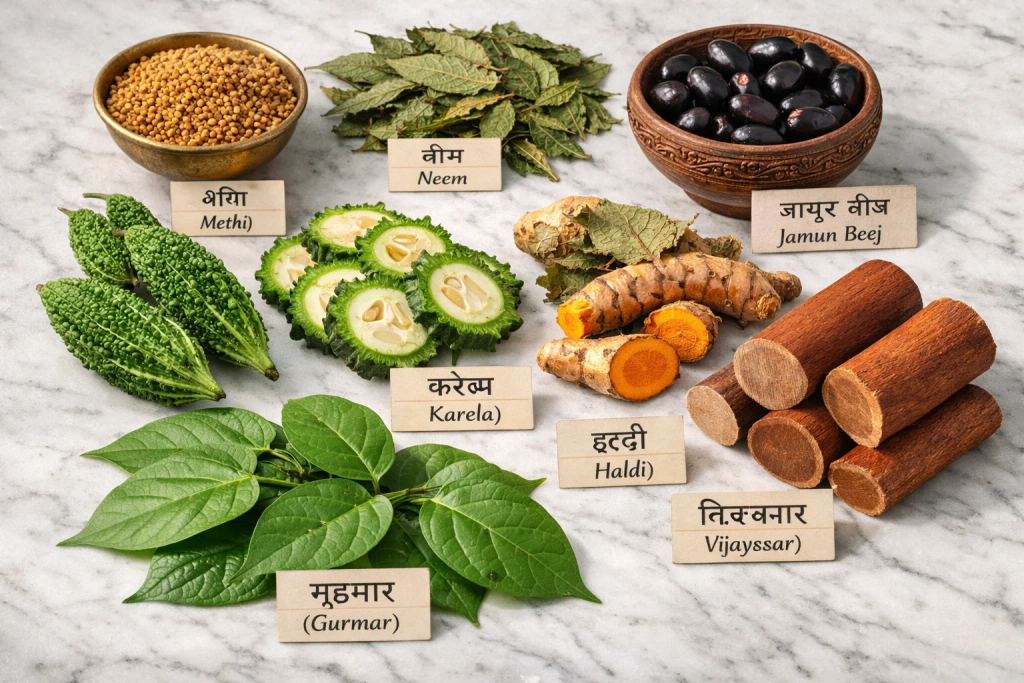
Several herbs used in Ayurveda for Madhumeha (diabetes) have been studied in modern clinical trials. The evidence is genuinely promising for a few, and more preliminary for others — here’s an honest look, herb by herb. These are supportive measures to use alongside medical care, not replacements for it.
Fenugreek has the most robust research of any Ayurvedic anti-diabetic herb. A systematic review and meta-analysis of randomised controlled trials found that fenugreek supplementation significantly reduced fasting blood glucose, post-meal glucose, and HbA1c in people with Type 2 diabetes, with no serious adverse effects.[1] Its soluble fibre slows carbohydrate absorption.
Known as the “sugar destroyer,” gymnema contains gymnemic acids that may reduce sugar absorption and blunt sweet cravings. A meta-analysis found statistically significant reductions in fasting and post-meal glucose, though the studies were small and varied in quality, so results should be read with caution.[2]
Bitter melon contains compounds that behave in an insulin-like way in laboratory studies. Human trial results are mixed, so it is best viewed as a supportive food rather than a proven treatment.
A traditional cornerstone of Ayurvedic diabetes care, valued for antioxidant compounds that may support pancreatic health. Human evidence is limited and largely preliminary.
Jamun and its seeds are traditionally used to support glucose metabolism and are rich in antioxidants. Evidence is mostly traditional and early-stage.
Curcumin is a well-studied anti-inflammatory compound, and inflammation is linked to insulin resistance. It may support metabolic health as part of a balanced diet.
Key point: herbs work best combined with diet, activity, and — where prescribed — your regular medication. Because several of these can lower blood sugar, always use them under medical supervision so your treatment can be adjusted safely. Explore how we combine them in our metabolic disorder management program in Kerala.
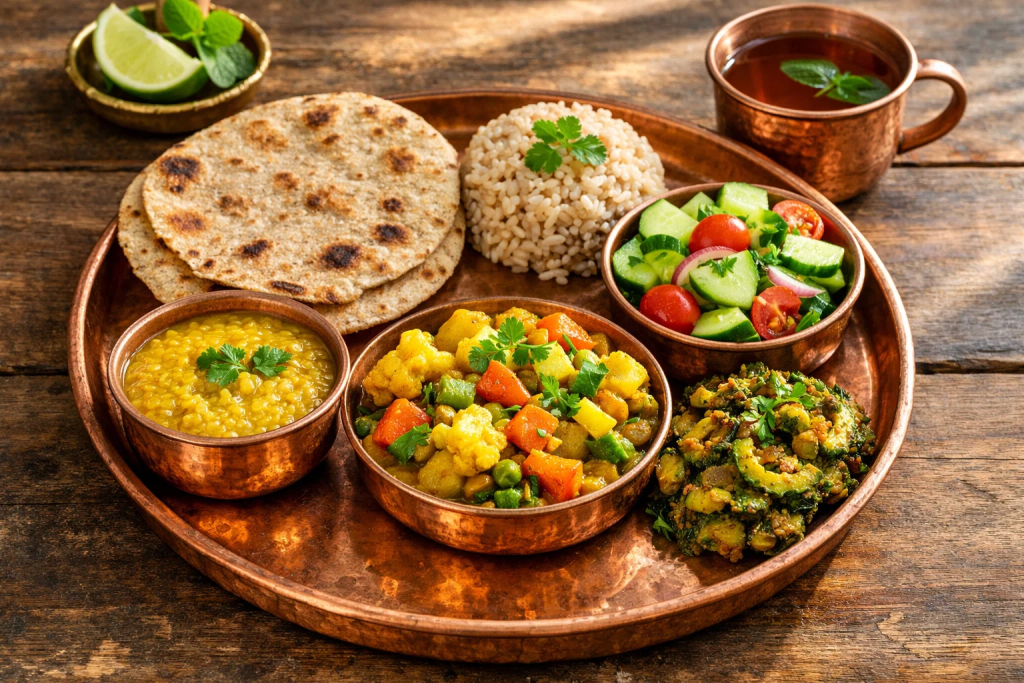
Diet is considered the cornerstone of Ayurvedic diabetes management. The principle “food as medicine” is taken seriously, with specific dietary guidelines tailored to reduce blood sugar.
• Whole grains: Barley, quinoa, millet, brown rice • Legumes: Moong dal, masoor dal, chickpeas • Vegetables: Bitter gourd, bottle gourd, leafy greens, broccoli • Spices: Turmeric, cinnamon, fenugreek, ginger • Healthy fats: Ghee in moderation, olive oil, limited nuts
• Refined carbohydrates: White rice, white bread, pasta • Sweet foods: Sugar, honey, jaggery, sweet fruits • Heavy, oily foods: Deep fried items, excessive dairy • Cold beverages: Ice cream, cold drinks
Breakfast: • Vegetable upma with bitter gourd • Herbal tea with fenugreek and ginger • Soaked almonds (5-6)
Lunch: • Barley or millet roti • Mixed vegetable curry with turmeric • Moong dal • Small portion of brown rice
Dinner: • Light vegetable soup • Quinoa or barley • Sautéed greens with garlic
Key Eating Guidelines: • Eat at regular times daily • Chew food thoroughly • Drink warm water throughout the day • Avoid eating late at night • Practice mindful eating
Explore our comprehensive metabolic disorder management program and detox and cleanse program with personalized meal plans.
Ayurveda emphasizes that consistent daily routines are essential for managing diabetes effectively. Irregular lifestyle patterns disrupt metabolic function.
Morning Routine: • Wake before sunrise (5-6 AM) • Drink warm water with lemon or fenugreek • Practice oil pulling • Gentle exercise or yoga (30-45 minutes) • Light, nutritious breakfast
Midday Routine: • Largest meal at lunch • Brief rest after lunch • Light walk to aid digestion
Evening Routine: • Light exercise or evening walk • Early, light dinner (before sunset) • Relaxation practices (meditation, gentle yoga)
Bedtime Routine: • Herbal tea (caffeine free) • Self massage with warm oil • Early sleep (by 10 PM)
Regular exercise is crucial. Ayurveda recommends: • Daily walking: 30-45 minutes • Yoga asanas: Specific poses stimulating pancreas • Swimming: Low impact cardiovascular exercise • Strength training: Builds muscle improving glucose utilization • Consistency over intensity
Learn about the powerful health benefits of spending time in nature at our mountain retreat.
Panchakarma is Ayurveda’s premier detoxification therapy, particularly effective for metabolic disorders. This comprehensive cleansing program removes accumulated toxins that block cellular channels and disrupt insulin function.
Pre purification: • Snehana (Oleation): Oil application mobilizing fat soluble toxins • Swedana (Sudation): Herbal steam opening channels
Main Procedures: • Virechana (Therapeutic Purgation): Eliminates toxins through digestive tract • Basti (Medicated Enema): Cleanses colon and balances Vata
Post purification: • Rasayana Therapy: Rejuvenation strengthening pancreatic function • Dietary Restoration: Gradual reintroduction of foods
• Improves insulin sensitivity by removing blockages • Enhances pancreatic function through deep cleansing • Reduces inflammation • Improves digestion and metabolism • Reduces weight in overweight patients • Lowers cholesterol and triglycerides
Panchakarma support glycemic control as part of a supervised programme, when combined with diet modifications. Discover more about what is Panchakarma treatment.

Specific yoga postures and breathing techniques directly impact blood sugar regulation by stimulating the pancreas and reducing stress hormones.
1. Dhanurasana (Bow Pose) – Massages and stimulates pancreas
2. Paschimottanasana (Seated Forward Bend) – Activates pancreas and kidneys
3. Ardha Matsyendrasana (Half Spinal Twist) – Stimulates pancreatic secretion
4. Mandukasana (Frog Pose) – Directly compresses pancreas
5. Surya Namaskar (Sun Salutation) – Complete body workout
Kapalbhati (Skull Shining Breath): • Activates pancreas • Improves metabolic rate • Practice: 100-200 strokes daily
Anulom Vilom (Alternate Nostril Breathing): • Balances nervous system • Reduces stress hormones • Practice: 10-15 minutes daily
The regular yoga and breathing practice help support blood sugar control and reduce stress when practiced regularly.
At Tigris Valley, we offer a comprehensive approach combining traditional Ayurvedic wisdom with modern medical monitoring. Our diabetes reversal program has helped hundreds signfificantly reduce blood sugar levels.
Phase 1: Assessment (Days 1-2) • Ayurvedic constitution analysis • Modern diagnostic testing (HbA1c, glucose, lipid panel) • Dietary and lifestyle evaluation • Personalized protocol development
Phase 2: Intensive Treatment (Weeks 1-3) • Customized Panchakarma detoxification • Personalized herbal medicine protocol • Anti diabetic therapeutic diet • Daily guided yoga sessions • Stress management and meditation • Nature therapy in our serene wellness retreat
Phase 3: Stabilization (Week 4+) • Fine-tuning based on blood sugar response • Education on long-term management • Cooking classes and meal planning • Exercise routine development • Medication adjustment (under supervision)
Dual Expertise: Both Ayurvedic doctors and modern medical professionals work collaboratively.
Comprehensive Care: We address related conditions like high blood pressure and heart disease through our cardio metabolic health program.
Explore our comprehensive AYUSH treatments for diabetes and learn about holistic medicine.
Chronic stress significantly elevates blood sugar through cortisol and other stress hormones. Ayurveda addresses this mind body connection comprehensively.
• Meditation: Daily practice reduces cortisol • Abhyanga (Oil Massage): Calms nervous system • Shirodhara: Medicated oil therapy for deep relaxation • Adaptogenic Herbs: Ashwagandha, Brahmi • Lifestyle Modifications: Regular sleep, daily routines
Our stress and burnout recovery program addresses stress factors worsening diabetes. Learn how to recover from burnout while managing metabolic health.
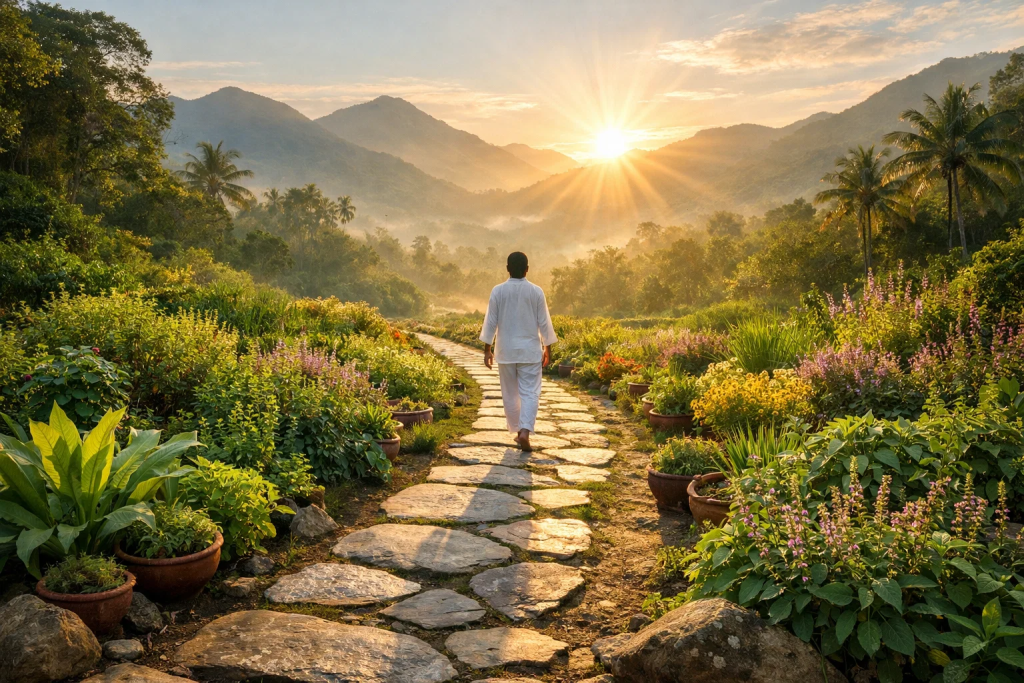
Ayurveda offers a proven, comprehensive approach to reducing blood sugar naturally. Through the synergistic combination of herbs, diet, lifestyle modifications, detoxification, and stress management, thousands have successfully managed diabetes and improved their quality of life.
At Tigris Valley, we’ve witnessed remarkable transformations—patients reducing medications, normalizing HbA1c levels, losing weight, gaining energy, and reclaiming control over their health. Your diabetes doesn’t have to define your life.
Ayurveda can significantly improve diabetes management and, in some cases, achieve remission, especially in early stage Type 2 diabetes. While Type 1 diabetes cannot be “cured,” Ayurveda helps reduce insulin requirements and prevent complications. Success depends on early intervention, adherence, and individual factors like disease duration.
Most patients notice improvements within 2-4 weeks, including better energy and reduced cravings. Measurable blood sugar reduction typically occurs within 4-8 weeks. Significant HbA1c improvements require 3-6 months. Consistency is key—results are gradual but sustainable.
Yes, herbs can be used safely alongside medications with proper supervision. Some herbs enhance insulin sensitivity, potentially requiring dose adjustments to prevent low blood sugar. Never change medications without consulting both doctors. At Tigris Valley, we coordinate care between systems.
Gurmar (Gymnema Sylvestre) is considered most powerful, with extensive research support. However, Ayurveda typically uses herb combinations for better results. The best combination depends on your constitution and imbalances.
The Ayurvedic diabetes diet is practical and sustainable, focusing on whole foods and proper timing rather than extreme restrictions. Most find it easier than restrictive conventional diets. Emphasis is on food quality and eating patterns that naturally support blood sugar balance.
Panchakarma removes metabolic toxins blocking cellular channels and disrupting insulin signaling. This deep cleansing improves pancreatic function, enhances insulin sensitivity, reduces inflammation, and promotes weight loss. Clinical studies show 20-40% blood sugar reduction with dietary changes.
Most effective poses include Dhanurasana (Bow Pose), Paschimottanasana (Seated Forward Bend), and Mandukasana (Frog Pose), which directly stimulate the pancreas. Regular practice (30-45 minutes daily) can reduce blood sugar by 15-30%.
Absolutely. Stress hormones like cortisol trigger glucose release from the liver. Chronic stress promotes insulin resistance. Studies show meditation can reduce HbA1c by 0.5-1.0 points. This is why Ayurveda treats diabetes holistically.
Diabetes requires long-term management. Initial intensive treatment might last 3-6 months. After achieving stability, transition to maintenance—dietary principles, herbs, yoga, and lifestyle practices continued indefinitely.
Yes, Ayurveda offers specific treatments for complications. For neuropathy, oil massage, Basti, and nerve-nourishing herbs help. For kidney protection, blood purification therapies work. Prevention is easier than reversal, so starting early provides best protection.
Ready to take control of your blood sugar naturally? At Tigris Valley, we combine 5,000 years of Ayurvedic wisdom with modern medical monitoring for personalized diabetes reversal.
Schedule your consultation today and discover how we can help you:
• Reduce blood sugar levels naturally through proven herbs and diet • Lowest effective medication dose(under supervision) • Prevent diabetic complications through detoxification • Lose weight sustainably while improving metabolic health • Learn lifelong skills for maintaining healthy blood sugar • Heal in a serene mountain sanctuary
Our program includes:
✓ 21-28 day intensive Ayurvedic treatment
✓ Personalized Panchakarma detoxification
✓ Custom herbal medicine formulations
✓ Anti-diabetic therapeutic diet
✓ Daily yoga and pranayama sessions
✓ Stress management training
✓ Regular monitoring and medication adjustment
✓ Post-program support
Visit Tigris Valley Wellness Retreat today to begin your journey toward natural blood sugar balance.
Kaithappoyil, in the Western Ghats.
Markaz Knowledge City Road, Kaithappoyil, Adivaram, Kerala
Get directions +91 90726 61622 reservation@tigrisvalley.com
Kaithappoyil, Western Ghats

Before you leave
A physician reads every letter. Book a consultation, or send an inquiry — reservations answers the same day.