
[gtranslate]
MENU
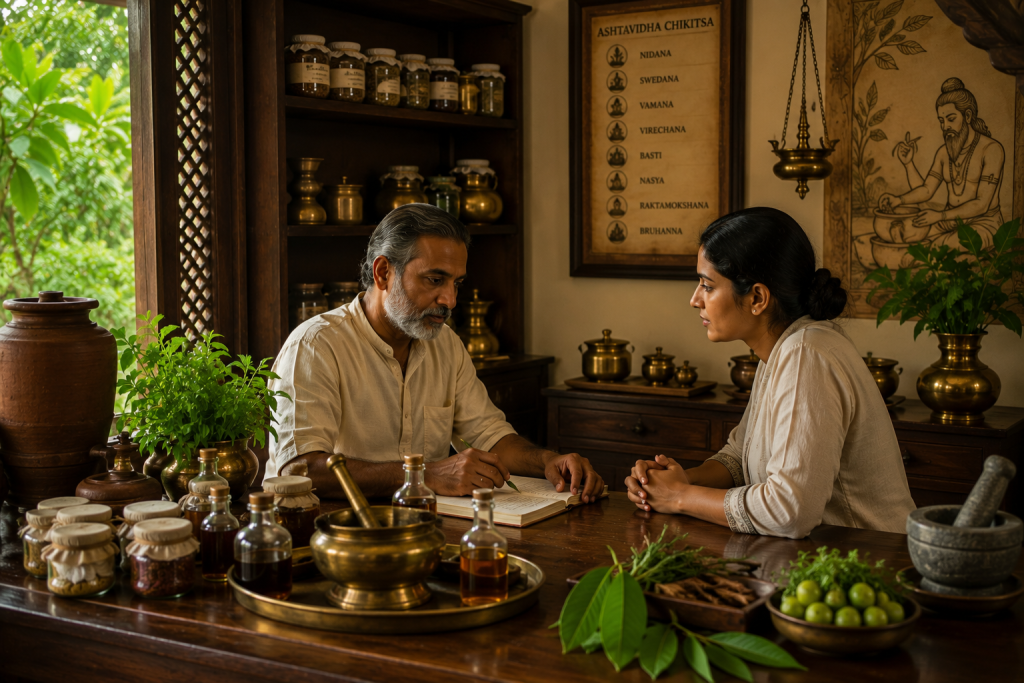
Kerala is not just India’s most celebrated Ayurveda destination — it is the birthplace of classical Ayurveda as a living, practised science. The state’s unique climate, its generations of trained Vaidyas (Ayurvedic physicians), and its strict adherence to Ashtanga Hridayam and Charaka Samhita principles make it the only place in the world where Ayurveda is still practised in its full, traditional form.
This 2026 guide covers everything you need — from which treatments are right for your condition, to what Panchakarma actually involves, what monsoon therapy means and how to choose a genuine Ayurvedic centre in Kerala versus a spa that uses the word ‘Ayurveda’ loosely.
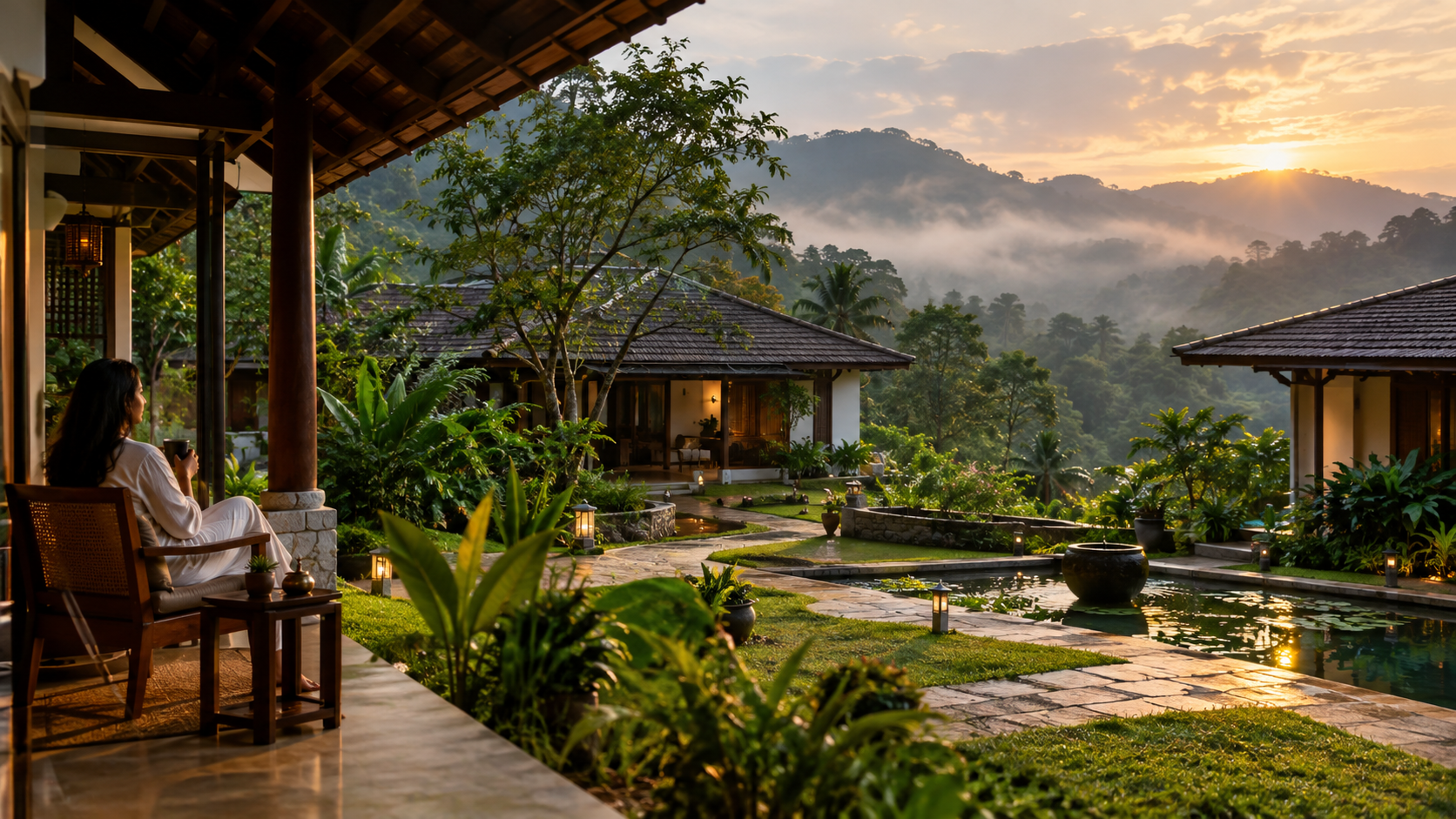
Ayurveda is practised across India, but Kerala is where it thrives at its deepest level. There are several concrete reasons for this:
Related: Ayurveda Treatment Benefits — Why More People Are Choosing Kerala | AYUSH-Certified Ayurveda Programs at Tigris Valley
Authentic Ayurveda treatment in Kerala is not a menu you pick from — it is a medically designed program that starts with Prakriti (body constitution) assessment and is tailored to your specific health goals. That said, the following are the primary treatment modalities practised across Kerala’s best Ayurvedic centres:
Panchakarma (Five-Action Detox)
The most comprehensive Ayurvedic treatment system. Panchakarma targets accumulated toxins (Ama) at a cellular level through five main purification actions: Vamana, Virechana, Basti, Nasya, and Raktamokshana. It is appropriate for both disease treatment and preventive wellness.
→ Deep Dive: What is Panchakarma Treatment? Complete Explanation
Abhyanga (Full-Body Medicated Oil Massage)
A foundational Ayurvedic therapy involving rhythmic full-body massage using warm medicated oils prescribed by the physician. Abhyanga improves circulation, loosens toxins from tissues, calms the nervous system, and prepares the body for deeper detox treatments.
→ Learn More: What is Abhyanga Massage and Its Benefits
Shirodhara
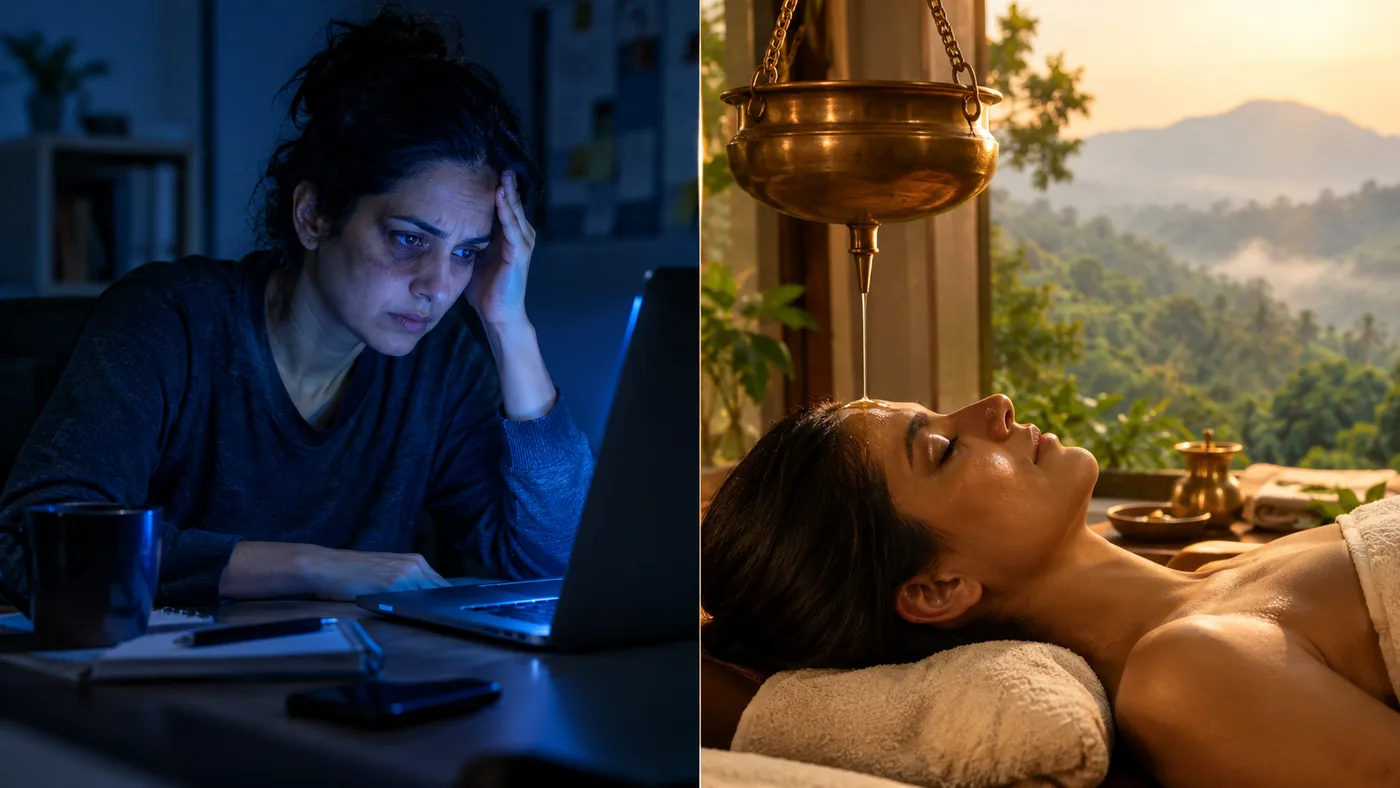
A continuous, gentle stream of warm medicated oil poured over the forehead (the ‘third eye’ area). Shirodhara directly calms the hypothalamus and nervous system. It is the most prescribed treatment in Kerala for anxiety, insomnia, migraine, and neurological conditions.
Njavara Kizhi (Rice Bolus Therapy)
Unique to Kerala, this treatment uses boluses of medicated rice cooked in milk and herbal decoctions, applied rhythmically across the body. Exceptionally effective for muscle weakness, paralysis recovery, joint conditions, and post-trauma rehabilitation.
Pizhichil (Royal Oil Bath)
Warm medicated oil is poured continuously over the body while therapists simultaneously massage the patient — a treatment historically reserved for royalty. Pizhichil is deeply nourishing, anti-inflammatory, and powerfully effective for musculoskeletal conditions and neurological disorders.
Kizhi (Herbal Bolus Treatments)
Various types of Kizhi involve heating herbal or medicinal materials in cloth bundles and applying them to the body. Podikizhi (herbal powder), Elakizhi (leaf bolus), and Naranga Kizhi (lime bolus) target inflammation, joint pain, and muscular stiffness.
Vasthi (Medicated Enema Therapy)
Considered the most powerful Panchakarma treatment for Vata disorders, Vasthi involves introducing medicated herbal decoctions or oils through the rectum to cleanse the colon and address a wide range of conditions from arthritis to constipation to reproductive health issues.
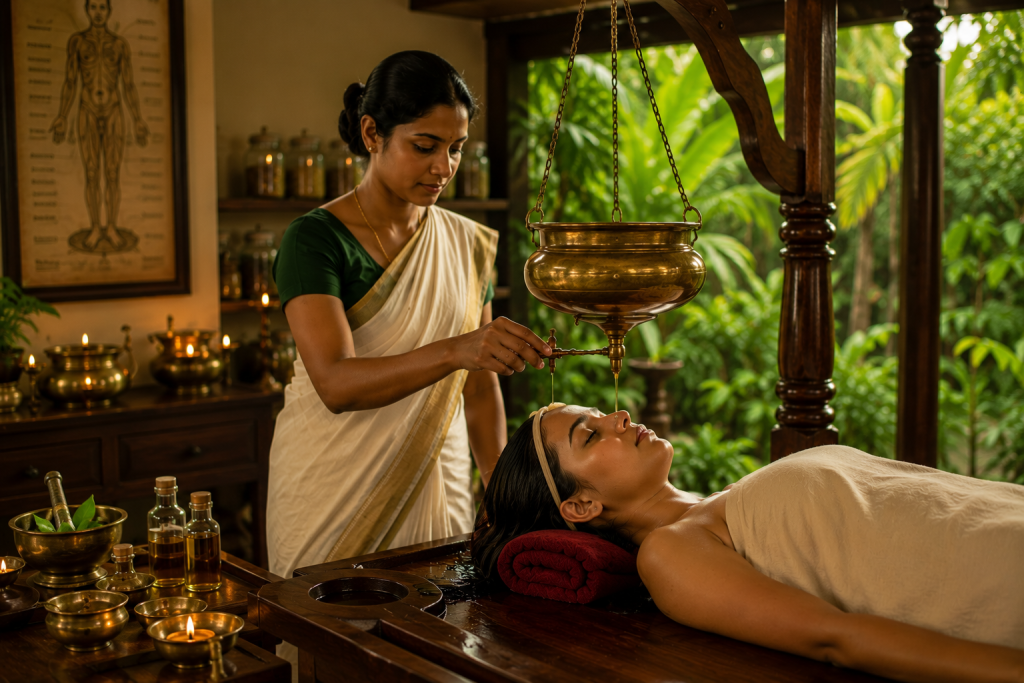
Panchakarma is the flagship Ayurvedic treatment system and the most frequently sought by international patients visiting Kerala. Unlike a single massage or day treatment, Panchakarma is a structured, multi-week protocol that works systematically through three phases:
Phase 1 — Purvakarma (Preparation)
Before deep purification begins, the body must be prepared. This involves:
Phase 2 — Pradhanakarma (Main Treatment)
The primary purification actions are administered based on diagnosis:
Phase 3 — Paschatkarma (Post-Treatment)
The body needs care after deep detoxification. Paschatkarma includes prescribed diet (Samsarjana Krama), lifestyle guidelines, and follow-up treatments to strengthen the digestive fire and prevent recurrence.
Related Reads: Panchakarma for High Blood Pressure | Comfort Through Panchakarma — Healing Stories | Best Panchakarma Treatment in Kerala at Tigris Valley
Panchakarma Duration vs. Treatment Goal
| Duration | Suitable For | Expected Outcome |
| 7 Days | First-timers, General detox, Stress relief | Toxin mobilisation, improved sleep, reduced fatigue |
| 14 Days | Chronic lifestyle conditions, Weight management | Measurable improvement in conditions, deeper cleanse |
| 21 Days | Neurological, Autoimmune, Post-trauma recovery | Cellular-level rejuvenation, significant disease reversal |
| 28+ Days | Serious chronic disease, long-standing conditions | Deep transformation; classical texts recommend 28 days minimum for full Panchakarma |
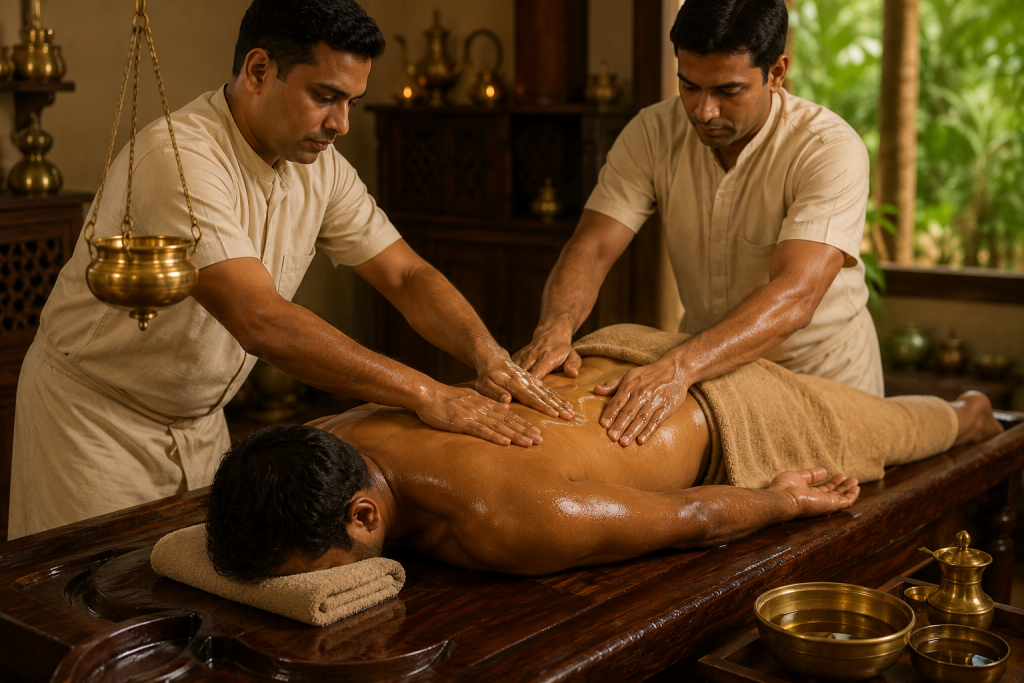
Massage therapy in Ayurveda is far more than relaxation — it is a clinical modality. The type of oil, the direction of strokes, the pressure, duration, and the therapist’s training all determine whether a massage has therapeutic value or is merely cosmetic.
Abhyanga — The Foundational Oil Massage
Classical Abhyanga is a full-body massage performed by one or two therapists using warm medicated oil prescribed after physician consultation. The strokes move toward the heart, promote lymphatic drainage, and the medicated oil begins penetrating the skin barrier within minutes.
Key therapeutic benefits include:
→ Full Guide: What is Abhyanga Massage and Its Benefits | Related: Post-Trauma Recovery Program
Udvartana — Herbal Powder Massage
A vigorous dry or paste massage using medicinal herbal powders. Moves in the opposite direction of hair growth — this is intentional. Effective for obesity, cellulite, type 2 diabetes management, and conditions where Kapha needs to be broken down.
Pinda Sweda (Njavara Kizhi)
As described earlier, this Kerala-specific treatment uses heated rice boluses. It is particularly effective for neuromuscular conditions, paralysis, post-stroke rehabilitation, and joint disorders including rheumatoid arthritis.
→ See Also: Pain Management Program
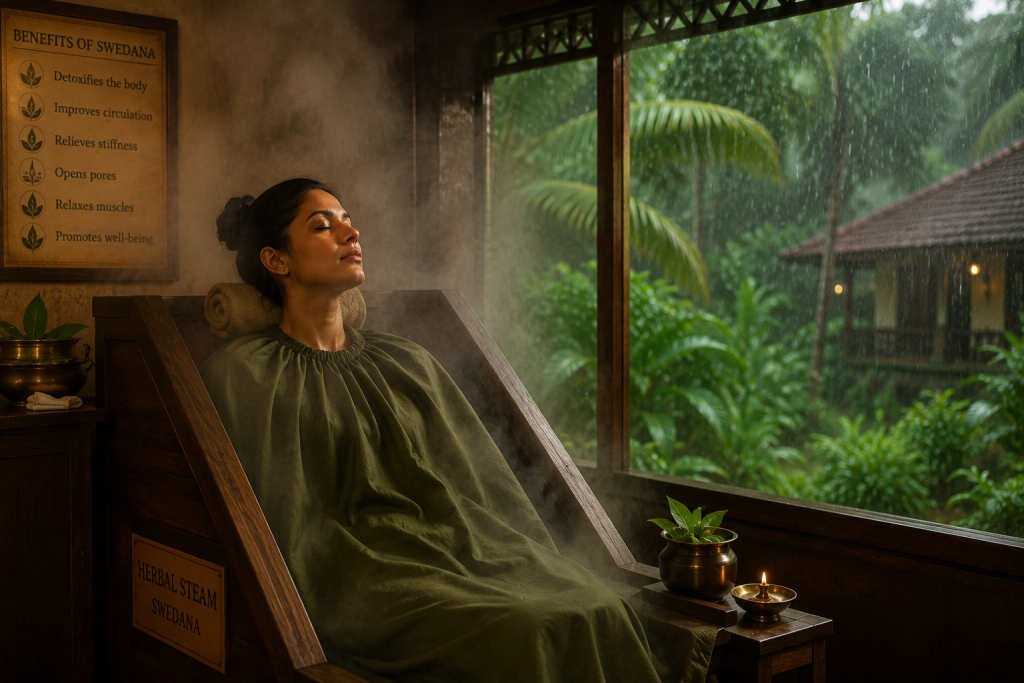
If you can only visit Kerala once for Ayurveda treatment, visit during Karkitaka — the Malayalam month corresponding to mid-July to mid-August. This is not marketing language; it is classical Ayurvedic prescription.
The Ashtanga Hridayam (one of Ayurveda’s foundational texts) specifically prescribes Karkitaka as the ideal time for Panchakarma and rejuvenation therapies. The reason:
What Does Karkitaka Chikitsa Include?
→ Full Guide: Karkitaka Chikitsa — Monsoon Ayurveda Treatment in Kerala | Ayurveda Detox Program | Main Ayurveda Page
The most significant shift in how patients use Ayurveda in 2025 is condition-specific treatment. Rather than booking a generic ‘wellness package,’ patients arrive in Kerala with specific health concerns and receive customised programs designed around their condition. Here is how the primary conditions map to Ayurvedic treatment protocols:
Ayurveda for High Blood Pressure & Cardiac Conditions
Hypertension in Ayurveda is understood as a Vata-Pitta imbalance affecting Rasa and Rakta dhatus (plasma and blood tissues). The treatment protocol focuses on:
→ Read: Panchakarma for High Blood Pressure | Cardiac Program
Ayurveda for Chronic Diseases (Diabetes, Arthritis, Autoimmune)
Chronic diseases in the Ayurvedic model arise from long-standing Ama accumulation, Agni (digestive fire) imbalance, and blocked Srotas (channels). A properly administered Panchakarma protocol over 21–28 days can produce clinically measurable improvements:
→ Read: Ayurvedic Treatment for Chronic Diseases | Chronic Pain Program | Autoimmune Program
Ayurveda for Neurological Conditions
Conditions like Parkinson’s, multiple sclerosis, stroke recovery, and peripheral neuropathy benefit significantly from Kerala’s specialised neuro-Ayurveda protocols. Treatments like Njavara Kizhi, Pizhichil, and tailored Basti programs are central to these programs.
Ayurveda for Post-Trauma and Pain Management
Post-surgical recovery, accident trauma, sports injuries, and post-trauma stress all respond well to specific Ayurvedic protocols that reduce inflammation, rebuild tissue, and address the nervous system impact of trauma.
→ See: Post-Trauma Recovery Program | Pain Management Program
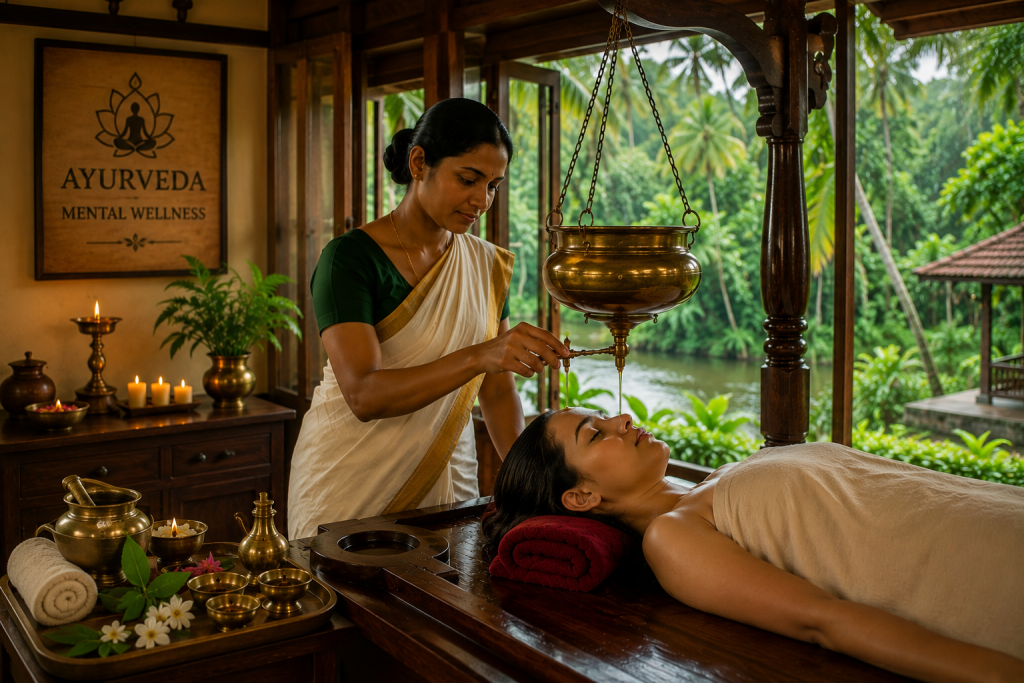
The most rapidly growing category of Ayurveda seekers are people dealing with stress, burnout, anxiety, and sleep disorders. Kerala’s Ayurvedic tradition has specific, evidence-aligned protocols for this — not generic ‘relaxation.’
Key Treatments for Stress and Mental Wellness
→ Related: Stress Management Program | Mental Wellness Program | Comfort Through Panchakarma
One of the most common questions — and the most important to answer honestly. The duration depends on your health goal:
| Duration | Best For | What to Expect |
| 3–5 Days | Relaxation, Introduction to Ayurveda | Stress relief, improved sleep, initial detox |
| 7 Days | Mild conditions, Annual wellness reset | Noticeable improvement in energy, digestion, skin |
| 14 Days | Weight management, Lifestyle conditions | Measurable clinical improvement, deeper cleanse |
| 21 Days | Chronic disease, Neurological recovery | Significant reversal in condition; cellular healing begins |
| 28+ Days | Serious illness, full Panchakarma | Classical full-cycle treatment as prescribed in Ayurvedic texts |
Note: A 2-day ‘Ayurveda retreat’ that includes oil massages is not Panchakarma. Classical texts specify a minimum of 7 days for any meaningful detox outcome, and 21–28 days for a full Panchakarma protocol. Centres that promise deep healing in 2 days are not delivering authentic Ayurveda.
With hundreds of centres claiming to offer Ayurveda in Kerala, here is what separates authentic treatment centres from spas that use Ayurveda as a marketing term:
Green Flags — Signs of an Authentic Centre
Red Flags — Warning Signs
→ Explore: Ayurveda Programs at Tigris Valley — Kerala | AYUSH Page — Our Certifications | Patient Testimonials
For first-timers, understanding what a day looks like removes the anxiety of the unknown:
A Typical Day During Panchakarma
Electronics, alcohol, caffeine, and non-prescribed foods are typically restricted. This is not incidental — it is part of the protocol.
The classical answer is Karkitaka (mid-July to mid-August), during the monsoon season. However, Kerala’s year-round climate makes it suitable for Ayurveda treatment at any time. Monsoon offers the most intensive treatment outcomes; the cooler winter months (November–February) are comfortable for longer stays.
Panchakarma is safe when administered under qualified physician supervision. It is contraindicated in certain conditions including pregnancy, acute illness, severe malnutrition, and some cardiac conditions. A proper pre-treatment assessment will determine suitability.
A minimum of 14 days is required for a meaningful Panchakarma protocol. Classical texts and clinical practice recommend 21–28 days for complete benefit. 7-day programs are appropriate for wellness maintenance and introduction, not for disease treatment.
Kerala’s Ayurvedic system has documented clinical outcomes for: hypertension, type 2 diabetes management, osteoarthritis, rheumatoid arthritis, PCOS, IBS, migraine, anxiety, insomnia, skin disorders (psoriasis, eczema), neurological conditions (Parkinson’s, post-stroke recovery), obesity, and chronic fatigue.
Yes, in most cases. The resident physician will review your current medications before treatment begins. Ayurveda does not require you to stop prescribed medications — though some may be tapered over time under medical supervision as treatment progresses.
A genuine Ayurveda treatment centre has resident BAMS/MD Ayurvedic physicians, prepares personalised treatment plans, uses authentic medicated oils, and provides medically supervised programs. A spa may offer ‘Ayurvedic massage’ as a relaxation service but does not provide clinical treatment. The two are not equivalent.
AYUSH (Ayurveda, Yoga, Unani, Siddha, Homeopathy) is the Indian government’s regulatory ministry for traditional medicine. AYUSH certification indicates that the centre meets government quality standards for facilities, qualified physicians, and treatment protocols.
Ideally, begin reducing processed foods, alcohol, and caffeine 1–2 weeks before arrival. Bring comfortable, loose cotton clothing. Complete all required health forms honestly. Arrive with an open mind — Ayurveda’s pace and approach are different from western medicine.
This page is your starting point. Here is every related resource:
Treatment Guides
Our Programs
Trust & Social Proof
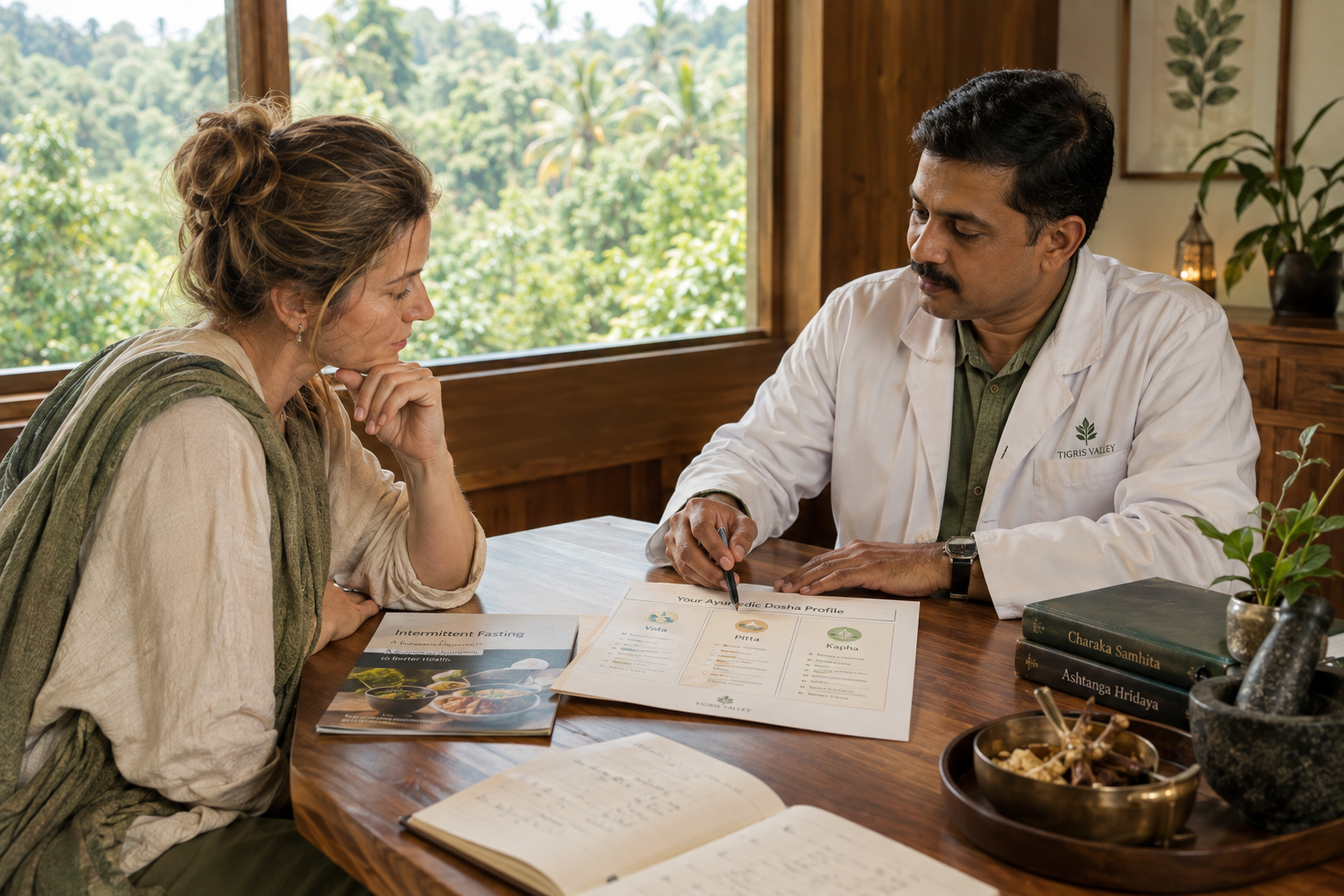
Book Your Consultation → Every Ayurveda program at Tigris Valley begins with a free, no-obligation consultation with our resident Ayurvedic physician. Tell us your health goals, and we’ll design a personalised treatment plan — honest, transparent, and built around your specific needs.
Call us | Email us | Book Online
→ Explore our full program list: Ayurveda Programs | All Treatment Guides
Kaithappoyil, in the Western Ghats.
Markaz Knowledge City Road, Kaithappoyil, Adivaram, Kerala
Get directions +91 90726 61622 reservation@tigrisvalley.com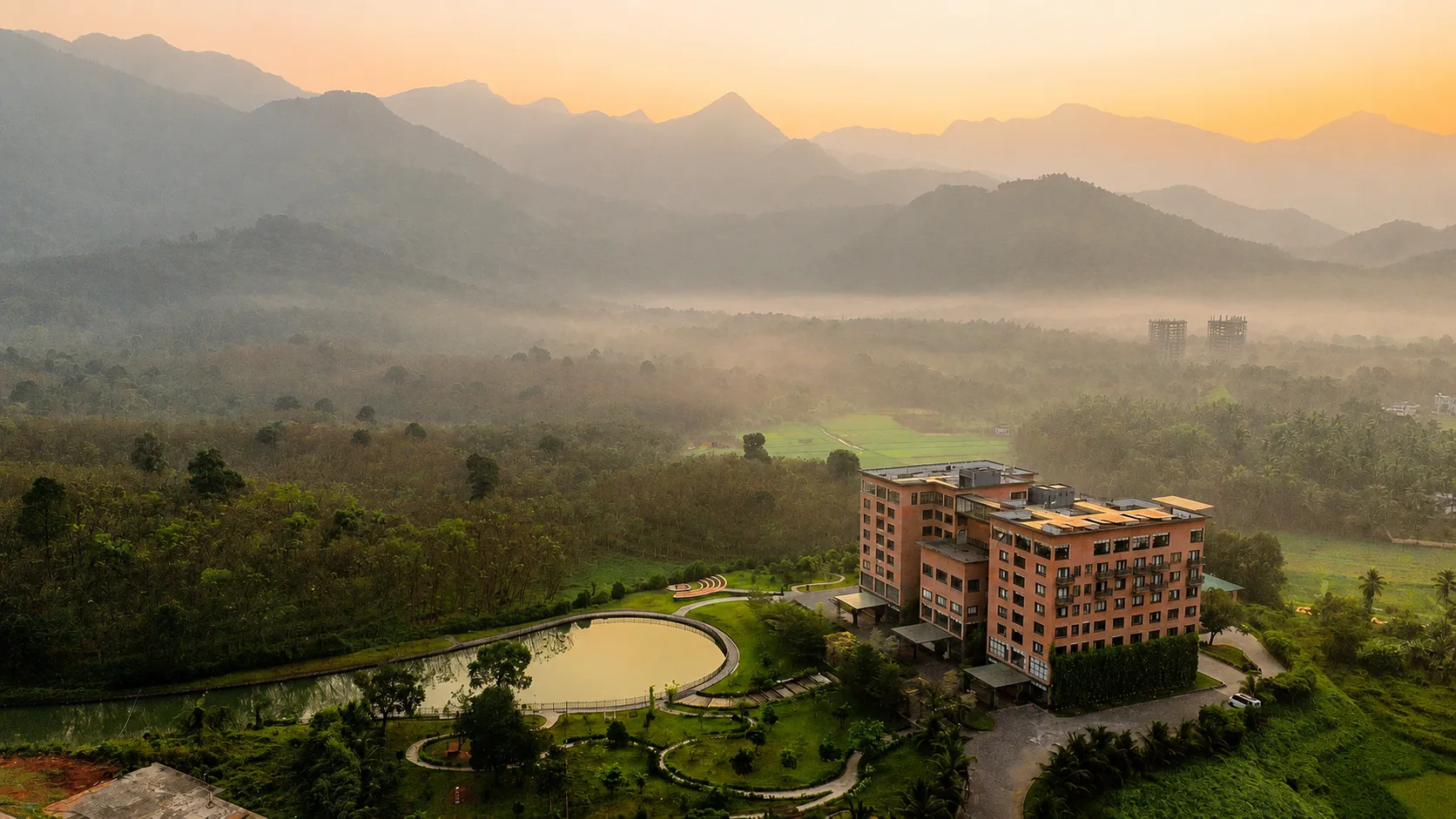
Kaithappoyil, Western Ghats

Before you leave
A physician reads every letter. Book a consultation, or send an inquiry — reservations answers the same day.