[gtranslate]
MENU
Joint pain affects millions worldwide, disrupting daily activities and diminishing quality of life. While conventional medicine offers temporary relief, many seek sustainable, natural alternatives. Ayurvedic remedies for joint pains provide holistic healing by addressing root causes rather than just masking symptoms. This comprehensive guide reveals time-tested Ayurvedic solutions that deliver lasting relief without harmful side effects.
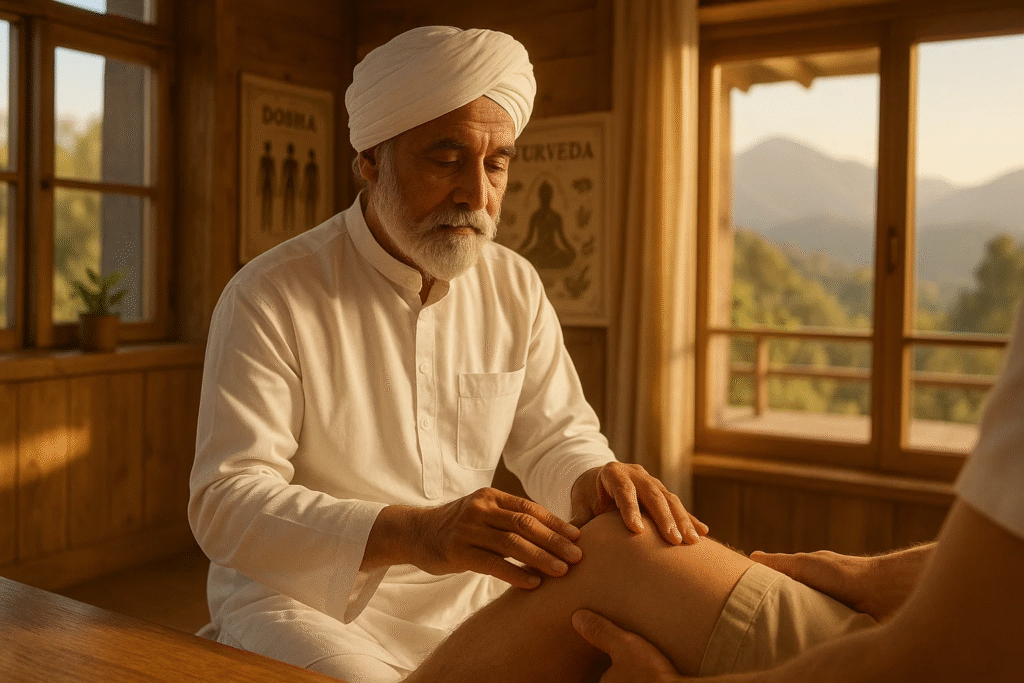
Ayurveda, the ancient Indian system of medicine, views joint pain through the lens of dosha imbalance. According to Ayurvedic principles, joint discomfort primarily results from aggravated Vata dosha, which governs movement and dryness in the body. When Vata accumulates in the joints, it causes inflammation, stiffness, and pain.
At Tigris Valley Wellness Retreat, our experts recognize that effective treatment requires understanding your unique constitution and the specific nature of your joint condition. This personalized approach distinguishes Ayurvedic medicine from one-size-fits-all conventional treatments.
Sandhivata (Osteoarthritis): Degenerative joint disease caused by Vata imbalance, characterized by pain, crackling sounds, and reduced mobility.
Amavata (Rheumatoid Arthritis): Autoimmune condition resulting from Ama (toxins) accumulation in joints, causing inflammation, swelling, and morning stiffness.
Vatasonita (Gout): Metabolic disorder where uric acid crystals deposit in joints, creating intense pain and inflammation.
Our Chronic Pain & Inflammation Management Program addresses all these conditions through integrated Ayurvedic approaches.
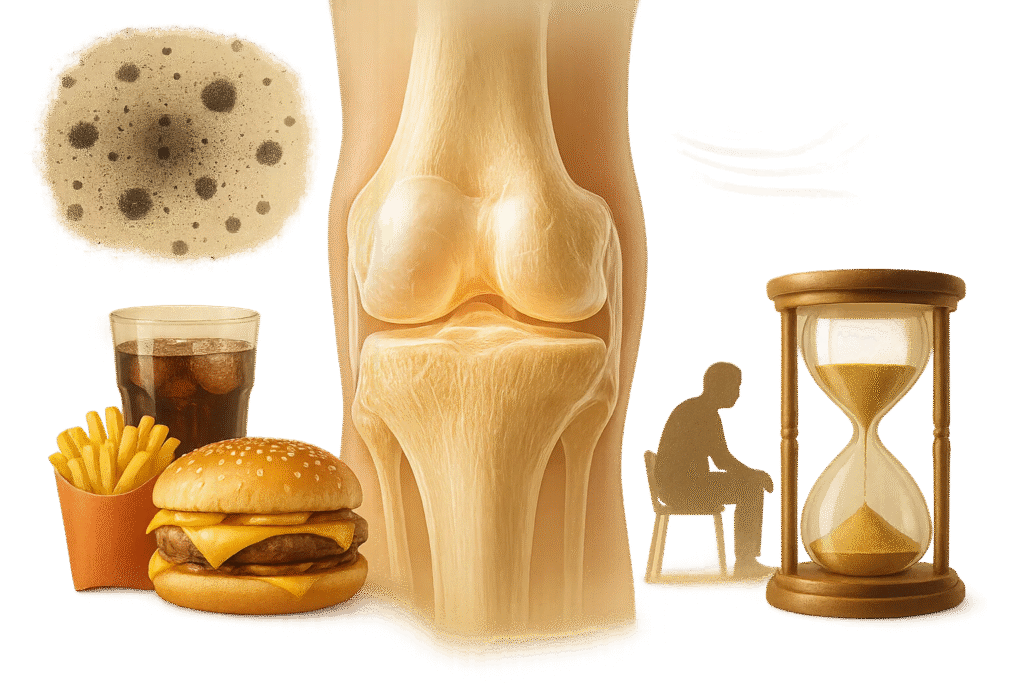
Understanding root causes enables targeted treatment. Ayurveda identifies several factors contributing to joint pain:
1. Ama (Toxin) Accumulation Poor digestion creates Ama, which circulates through the body and settles in joints, triggering inflammation and pain. This toxic buildup restricts nutrient absorption and obstructs proper joint lubrication.
2. Vata Dosha Aggravation Excessive cold, dry weather, irregular routines, insufficient sleep, and stress increase Vata, causing joint dryness, crackling, and pain.
3. Improper Diet Consuming cold, dry, processed foods, excessive caffeine, and incompatible food combinations disrupts digestion and increases Ama formation.
4. Sedentary Lifestyle Lack of movement stiffens joints and reduces circulation, while excessive exercise without proper recovery damages joint tissues.
5. Age-Related Degeneration Natural aging reduces bone density and cartilage thickness, making joints more vulnerable to pain and inflammation.
The Ayurveda treatments at Tigris Valley address these underlying causes through customized therapeutic protocols.
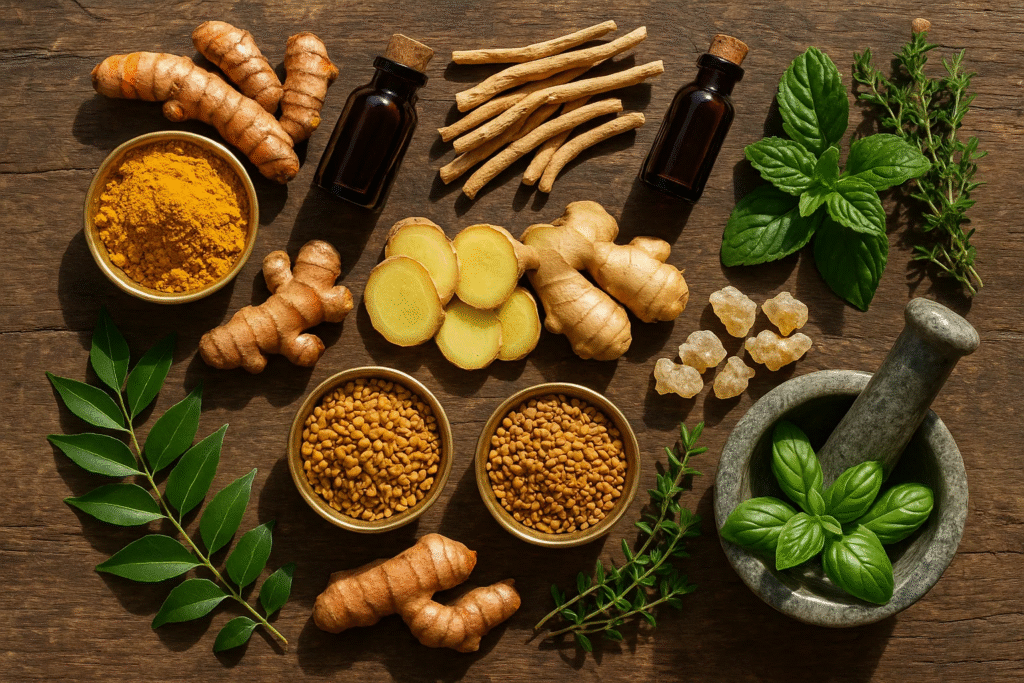
This powerful adaptogenic herb reduces inflammation, strengthens bones, and alleviates pain. Ashwagandha contains natural anti-inflammatory compounds that inhibit pain pathways. Take 500mg twice daily with warm milk for optimal results.
Curcumin, turmeric’s active ingredient, rivals many pharmaceutical anti-inflammatories without side effects. Mix one teaspoon of turmeric powder with warm milk and honey, consuming daily on an empty stomach. This golden remedy reduces joint swelling and improves mobility.
Also known as Indian Frankincense, Shallaki blocks inflammatory enzymes while preserving healthy cartilage. Clinical studies show significant improvement in joint function and pain reduction. Recommended dosage: 300-500mg three times daily.
This resinous herb excels at detoxifying joints and reducing inflammation. Guggulu improves circulation, removes Ama, and supports tissue regeneration. Particularly effective for arthritis and gout.
Fresh ginger tea consumed twice daily reduces joint inflammation and improves digestive fire (Agni). Ginger’s warming properties counteract Vata’s cold, dry nature. Boil fresh ginger slices in water for 10 minutes, strain, and drink warm.
This herb specifically targets joint pain and swelling. Apply Nirgundi oil topically to affected areas or consume as powder mixed with warm water. It provides rapid relief from acute joint pain.
The renowned Ayurvedic formulation combining three fruits detoxifies the body and reduces Ama. Take one teaspoon with warm water before bed to support digestion and eliminate toxins contributing to joint pain.
Massaging warm castor oil on painful joints penetrates deep tissues, reducing inflammation and stiffness. Its lubricating properties particularly benefit Vata-aggravated joints. Apply nightly for best results.
Soak fenugreek seeds overnight, consume them on an empty stomach with warm water. This simple remedy reduces joint inflammation and provides essential minerals for bone health.
Rich in calcium, magnesium, and copper, sesame seeds strengthen bones and reduce joint pain. Soak black sesame seeds overnight and grind into paste with milk. Consume daily for sustained relief.
These aromatic seeds possess powerful anti-inflammatory and pain-relieving properties. Make Ajwain water by boiling seeds and drinking the warm infusion, or apply Ajwain paste topically to painful joints.
This essential oil’s analgesic properties provide immediate relief. Mix eucalyptus oil with coconut oil and massage onto affected areas. The warming sensation reduces pain intensity quickly.
Excellent for inflammatory arthritis, Punarnava reduces swelling and removes excess fluid from joints. It also supports kidney function, helping eliminate uric acid in gout cases.
This rejuvenating herb strengthens muscles surrounding joints and improves overall joint stability. Bala oil massage or oral consumption supports long-term joint health.
Medicated ghee preparations lubricate joints from within, counteracting Vata’s drying effects. Consuming one teaspoon of ghee daily with meals nourishes joint tissues and improves flexibility.
Learn more about effective pain management treatments that incorporate these powerful herbs.

This cornerstone Ayurvedic therapy involves massaging warm medicated oils into the body. For joint pain, sesame oil or specialized formulations containing Bala, Ashwagandha, and Dashamoola penetrate deep tissues, reducing inflammation and improving circulation.
Our holistic joint pain treatment includes customized Abhyanga sessions tailored to your specific condition.
This comprehensive cleansing therapy eliminates accumulated Ama from joints and body tissues. Panchakarma treatment includes five purification procedures that restore dosha balance and provide lasting relief.
Virechana (Purgation): Eliminates excess Pitta and toxins from the digestive tract, reducing inflammatory markers.
Basti (Medicated Enema): Directly addresses Vata imbalance in the lower body, providing remarkable relief for hip, knee, and ankle pain.
Nasya (Nasal Administration): Clears channels in the head and neck region, beneficial for shoulder and cervical joint issues.
This specialized therapy for knee pain involves creating a dough dam around the knee and filling it with warm medicated oil. The sustained heat and oil penetration provide deep relief. Discover more about knee pain treatment at Tigris Valley.
Similar to Janu Basti but focused on the lower back, this therapy addresses sacroiliac and lumbar joint pain. The warm oil reduces muscle spasms and improves lumbar flexibility.
Heated herbal boluses containing pain-relieving herbs are massaged over painful joints. This therapy combines heat, herbal properties, and massage for comprehensive relief.
For inflammatory arthritis, medicinal leech therapy removes vitiated blood from affected joints, reducing inflammation dramatically. This ancient technique remains highly effective for specific joint conditions.
Explore our comprehensive Ayurvedic pain management treatments that integrate these therapeutic approaches.
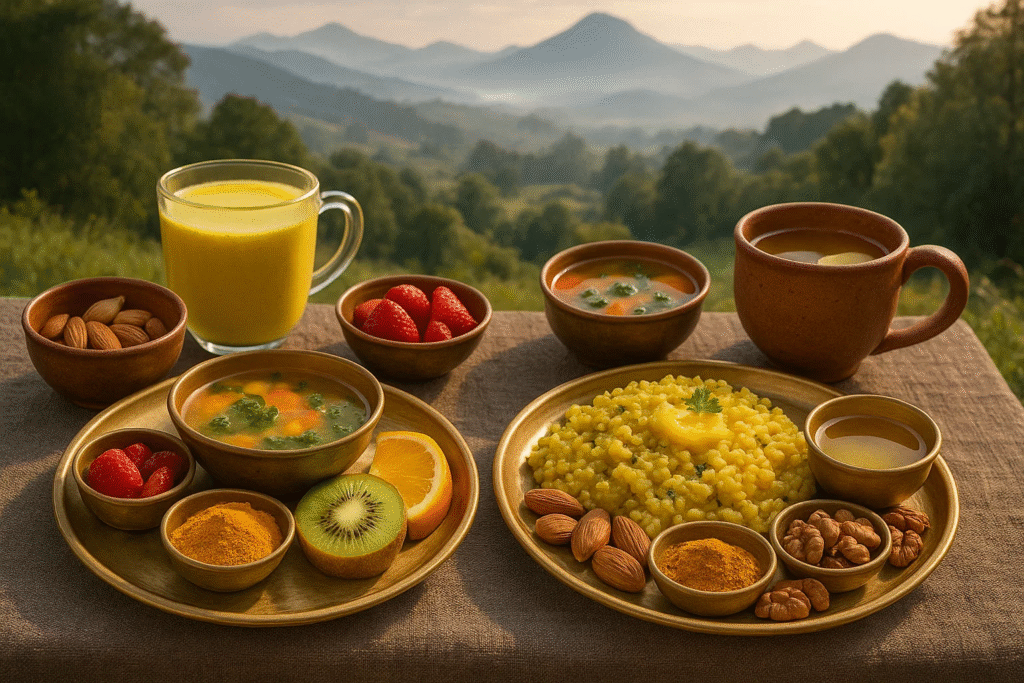
Anti-inflammatory Spices: Turmeric, ginger, cinnamon, and cumin reduce joint inflammation naturally.
Healthy Fats: Ghee, sesame oil, and omega-3 rich foods lubricate joints and reduce inflammatory markers.
Warm, Cooked Foods: Soups, stews, and porridges are easy to digest and don’t aggravate Vata.
Bone Broth: Rich in collagen and minerals, bone broth supports cartilage regeneration and joint health.
Fresh Fruits: Papaya, cherries, and berries contain antioxidants that combat inflammation.
Nuts and Seeds: Almonds, walnuts, and flax seeds provide essential fatty acids for joint lubrication.
Cold, Raw Foods: Salads, ice cream, and cold drinks increase Vata and joint stiffness.
Nightshade Vegetables: Tomatoes, potatoes, peppers, and eggplant may trigger inflammation in sensitive individuals.
Processed Foods: Refined sugars, white flour, and packaged foods create Ama and worsen joint pain.
Excessive Caffeine: Coffee and energy drinks dry out joints and aggravate Vata.
Red Meat: Heavy to digest and creates inflammatory byproducts that accumulate in joints.
Our detox and cleanse program includes personalized dietary protocols that support joint healing.

Establishing consistent daily rhythms balances Vata and reduces joint pain:
Morning: Wake at sunrise, practice gentle stretches, and perform oil pulling with sesame oil.
Meals: Eat at regular times with lunch as the main meal when digestive fire is strongest.
Evening: Light dinner before sunset, followed by gentle walks and relaxation practices.
Yoga and naturopathy offer gentle movement that strengthens joints without causing damage:
Recommended Asanas:
Practice under expert guidance, especially initially, to prevent injury.
Chronic stress aggravates Vata and intensifies pain perception. Our stress and burnout recovery program teaches:
Quality sleep allows the body to repair damaged tissues. Apply warm sesame oil to feet before bed, sleep in a warm room, and maintain consistent sleep-wake times.
Cold, windy, and dry weather worsen Vata-related joint pain. Dress warmly, avoid air conditioning directly on the body, and perform daily oil massage to maintain internal warmth.

While home remedies provide relief for mild joint pain, certain conditions require professional intervention:
Persistent Symptoms: Pain lasting more than three months despite home treatments Severe Inflammation: Significant swelling, redness, or warmth around joints Mobility Limitations: Difficulty performing daily activities Systemic Symptoms: Fever, fatigue, or weight loss accompanying joint pain Autoimmune Conditions: Diagnosed rheumatoid arthritis or other autoimmune disorders
Tigris Valley Wellness Retreat offers comprehensive evaluation and personalized treatment plans for complex joint conditions. Our autoimmune disorder management program specifically addresses inflammatory joint diseases.
Initial Consultation: Detailed assessment of your constitution, current health status, and joint condition through pulse diagnosis and traditional examination techniques.
Customized Protocol: Personalized combination of herbal medicines, therapies, dietary guidelines, and lifestyle modifications based on your unique needs.
Therapeutic Sessions: Daily treatments including massage, oil therapy, and specialized procedures administered by trained therapists.
Follow-up Care: Continued support and adjustments to your protocol as you progress toward recovery.
Our post-trauma rehabilitation program helps those recovering from joint injuries or surgeries.

Located in Kerala’s serene mountains, Tigris Valley combines authentic Ayurvedic wisdom with modern diagnostic techniques. Our integrative approach includes:
Discover our specialized understanding of joint pain and long-term relief techniques that have helped thousands regain mobility and comfort.
Acute joint pain often responds within 2-3 weeks of consistent Ayurvedic treatment. Chronic conditions like osteoarthritis require 3-6 months for significant improvement. The timeline varies based on severity, constitution, and adherence to recommendations. Unlike conventional painkillers offering temporary relief, Ayurvedic approaches provide progressive, lasting results by addressing root causes.
Yes, Ayurvedic treatments are generally safe and side-effect-free when administered properly. However, consultation with qualified practitioners is essential, especially for those on conventional medications. Ayurvedic remedies can complement modern treatments, potentially reducing medication dependence over time. Our arthritis healing program offers safe, effective protocols.
Absolutely. Ayurveda excels at treating knee pain through targeted therapies like Janu Basti, specific herbal formulations, and exercises that strengthen supporting muscles. Many patients experience significant improvement in knee function and pain reduction. Learn about healing knee injuries with Ayurveda.
Several medicated oils prove effective: Mahanarayan oil contains over 50 herbs and is excellent for general joint pain. Ksheerabala oil (enriched with Bala and milk) particularly benefits Vata conditions. Pinda taila works well for inflammatory arthritis. The optimal choice depends on your specific condition and constitution.
Yes, diet plays a crucial role in Ayurvedic healing. Anti-inflammatory, warm, easily digestible foods support treatment effectiveness. Avoid cold, raw, and processed foods that increase Ama. Our practitioners provide personalized dietary guidelines based on your condition and digestive capacity.
Many Ayurvedic herbs can safely complement conventional treatments, but professional guidance is essential to avoid interactions. Some herbs may enhance or reduce medication effects. Always inform both your Ayurvedic practitioner and conventional doctor about all substances you’re taking.
While not mandatory for all cases, Panchakarma offers deeper healing for chronic joint conditions by eliminating accumulated toxins. Mild joint pain may respond to oral medications and external therapies alone. Severe or long-standing conditions benefit significantly from Panchakarma’s comprehensive detoxification.
Maintaining regular sleep schedules, practicing gentle daily exercise, managing stress through meditation, staying warm in cold weather, and eating at consistent times all support joint health. Avoiding excessive travel, irregular routines, and mental stress prevents Vata aggravation.
Properly performed yoga significantly benefits joint health by improving flexibility, strengthening supporting muscles, and enhancing circulation. However, aggressive or improper practice can worsen joint damage. Practice gentle, therapeutic yoga under qualified instruction, especially initially. Our AYUSH treatments include therapeutic yoga tailored to joint conditions.
While physiotherapy focuses primarily on mechanical rehabilitation and muscle strengthening, Ayurvedic therapy addresses underlying imbalances, reduces inflammation through internal medicines, and uses oil therapies that penetrate deep tissues. Combining both approaches often yields optimal results. We integrate physical rehabilitation with traditional Ayurvedic methods.
Yes, cooling herbs like Guduchi, Turmeric, and Neem specifically target inflammation. Therapies like leech therapy and specific oil treatments reduce inflammatory markers effectively. The anti-aging and longevity program includes anti-inflammatory protocols that benefit joint health.
While Ayurveda can significantly reduce symptoms and improve quality of life, complete “cure” depends on the condition type and severity. Degenerative arthritis can be managed effectively but may not be completely reversible. Inflammatory arthritis often responds dramatically to Ayurvedic treatment, sometimes achieving complete remission. Early intervention yields better outcomes.
Ayurvedic remedies for joint pains offer a time-tested, holistic approach to lasting relief. By addressing root causes rather than merely suppressing symptoms, Ayurveda provides sustainable healing without harmful side effects. Whether you’re dealing with occasional stiffness or chronic arthritis, these natural solutions—combined with appropriate lifestyle modifications—can transform your joint health.
Remember, successful treatment requires patience, consistency, and often professional guidance. The journey to pain-free joints begins with a single step: choosing natural, holistic healing over temporary fixes.
Ready to experience lasting relief from joint pain? Schedule your consultation with Tigris Valley’s expert Ayurvedic practitioners today. Discover personalized treatment protocols that address your unique needs and set you on the path to comfortable, mobile living.
About Tigris Valley Wellness Retreat
Nestled in Kerala’s pristine mountains, Tigris Valley offers authentic Ayurvedic treatments in a serene, healing environment. Our experienced practitioners combine ancient wisdom with modern insights to deliver personalized care for joint pain, chronic conditions, and overall wellness. Experience the transformative power of holistic healing at India’s premier wellness destination.