How to Recover From Burnout | Complete Guide

Introduction

Are you waking up exhausted despite sleeping 8 hours? Do you feel emotionally drained, disconnected, and unable to find joy in things you once loved? You’re not alone—you’re experiencing burnout, and it’s silently affecting millions worldwide. The constant pressure to perform, endless notifications, and blurred work-life boundaries have created a burnout epidemic that’s destroying physical health, mental wellbeing, and quality of life.

But here’s the good news: burnout is reversible. With the right strategies, support, and commitment to holistic wellness, you can reclaim your energy, restore your mental clarity, and rediscover the vibrant, fulfilling life you deserve. This comprehensive guide will show you exactly how to recover from burnout using evidence-based approaches combined with ancient healing wisdom.

What Is Burnout? Understanding the Modern Epidemic

Burnout is a state of chronic physical and emotional exhaustion caused by prolonged stress, typically work-related but extending to all life areas. The World Health Organization (WHO) officially recognizes burnout as an “occupational phenomenon” characterized by three dimensions:

  • Energy depletion or exhaustion: Feeling drained and unable to recover
  • Mental distance from one’s job: Increased negativity or cynicism toward work
  • Reduced professional efficacy: Decreased productivity and sense of accomplishment

Unlike ordinary stress that improves with rest, burnout creates a persistent sense of emptiness that doesn’t resolve with a weekend off or vacation. It affects your body, mind, and spirit simultaneously, making recovery a comprehensive healing journey rather than a quick fix.

If you’re experiencing these symptoms, exploring comprehensive stress and burnout recovery programs can provide the structured support you need to break free from this exhausting cycle.

Recognizing the Signs and Symptoms of Burnout

Early detection is crucial for effective recovery. Burnout manifests differently in everyone, but common warning signs include:

Physical Symptoms

  • Chronic fatigue and exhaustion that doesn’t improve with rest
  • Frequent headaches, migraines, or muscle pain
  • Weakened immune system with frequent illnesses
  • Sleep disturbances, insomnia, or poor sleep quality
  • Changes in appetite or weight
  • Digestive issues and gastrointestinal problems

Emotional Symptoms

  • Overwhelming sense of failure and self-doubt
  • Feeling helpless, trapped, and defeated
  • Loss of motivation and sense of purpose
  • Increasingly cynical and negative outlook
  • Decreased satisfaction and sense of accomplishment
  • Emotional numbness or detachment

Behavioral Symptoms

  • Withdrawing from work responsibilities and social interactions
  • Isolating yourself from family and friends
  • Procrastination and inability to start tasks
  • Using food, drugs, or alcohol to cope
  • Taking frustrations out on others
  • Skipping work, coming in late, or leaving early

Cognitive Symptoms

  • Difficulty concentrating and focusing
  • Memory problems and forgetfulness
  • Reduced creativity and problem-solving ability
  • Inability to make decisions
  • Mental fog or confusion
  • Persistent negative thought patterns

If you recognize multiple symptoms across these categories, it’s time to take immediate action. Understanding emotional healing and mental health wellness approaches can be your first step toward recovery.

Understanding the Root Causes of Burnout

Burnout doesn’t happen overnight—it’s the result of chronic stressors that accumulate over time. Identifying your specific triggers is essential for creating an effective recovery plan:

  • Excessive workload with unrealistic deadlines
  • Lack of control or autonomy over your work
  • Insufficient recognition, rewards, or compensation
  • Unclear job expectations and role ambiguity
  • Toxic work environment or poor leadership
  • Monotonous or unchallenging work
  • Work-life imbalance and boundary violations

Lifestyle Factors

  • Taking on too many responsibilities without support
  • Lack of close, supportive relationships
  • Insufficient sleep or chronic sleep deprivation
  • Neglecting self-care and personal needs
  • High-pressure lifestyle with no downtime
  • Financial stress and insecurity
  • Caregiving responsibilities without respite

Personality Traits

  • Perfectionism and inability to delegate
  • Type A personality characteristics (competitive, impatient)
  • Pessimistic view of yourself and the world
  • Need to be in control at all times
  • High-achieving tendencies with no satisfaction threshold
  • People-pleasing behaviors and difficulty saying no
  • Lack of assertiveness in setting boundaries

Understanding these root causes helps you address the underlying issues rather than just treating symptoms, which is essential for lasting recovery.

Immediate Relief Strategies: Your First Steps to Recovery

When you’re in the thick of burnout, taking immediate action can provide crucial relief and prevent further deterioration. Here are evidence-based strategies you can implement today:

1. Establish Boundaries and Learn to Say No

Setting clear boundaries is non-negotiable for recovery. Start by identifying your limits and communicating them clearly to colleagues, family, and friends. Turn off work notifications after hours, decline non-essential commitments, and protect your personal time fiercely. Remember, saying “no” to others means saying “yes” to your recovery and wellbeing.

2. Prioritize Restorative Sleep

Quality sleep is your body’s natural healing mechanism. Create a sleep sanctuary by:

  • Maintaining a consistent bedtime routine
  • Keeping your bedroom cool (65-68°F) and completely dark
  • Avoiding screens 1-2 hours before sleep
  • Using relaxation techniques like progressive muscle relaxation
  • Limiting caffeine after 2 PM

If you’re struggling with chronic sleep issues, explore Ayurvedic insomnia treatments for natural, holistic solutions that address the root causes rather than just masking symptoms.

3. Reconnect with Nature

Nature has profound healing properties backed by extensive scientific research. Studies show that spending time in natural environments:

  • Reduces cortisol (stress hormone) levels by up to 21%
  • Lowers blood pressure and heart rate
  • Improves mood and reduces anxiety
  • Enhances immune function
  • Increases energy and vitality

Spend at least 20-30 minutes daily in natural settings—whether it’s a park, garden, or forest. Practice “forest bathing” (Shinrin-yoku), a Japanese practice that involves mindfully immersing yourself in nature through all five senses.

4. Practice Mindful Breathing

Your breath is the most accessible stress-relief tool you have. Try the 4-7-8 breathing technique:

  1. Exhale completely through your mouth
  2. Inhale quietly through your nose for 4 counts
  3. Hold your breath for 7 counts
  4. Exhale completely through your mouth for 8 counts
  5. Repeat 3-4 cycles

This technique activates your parasympathetic nervous system, triggering your body’s natural relaxation response. Practice this 3-4 times daily, especially during stressful moments or before sleep.

5. Seek Immediate Social Support

Isolation amplifies burnout. Reach out to trusted friends, family members, or support groups. Share your experiences without judgment. Sometimes, simply verbalizing your struggles can provide immense relief and help you gain perspective. If personal connections feel insufficient, consider professional support through counseling or therapy.

Long-Term Recovery Approaches: Building Sustainable Wellness

While immediate relief strategies provide temporary respite, true recovery requires comprehensive lifestyle changes and sustained commitment. Here’s how to build a foundation for lasting wellness:

Redesign Your Work-Life Integration

Rather than striving for perfect “balance,” focus on meaningful integration of work and life that honors your values and priorities. This might mean:

  • Negotiating flexible work arrangements such as remote work days or adjusted hours
  • Setting realistic daily and weekly goals that account for your energy levels
  • Scheduling non-negotiable personal time in your calendar as seriously as work meetings
  • Creating clear separation between work and home spaces (separate devices, designated work areas)
  • Taking regular breaks throughout the day (5-10 minutes every hour)
  • Using vacation time without guilt and completely disconnecting from work

Cultivate Supportive Relationships

Connection is medicine for burnout. Human beings are social creatures, and meaningful relationships buffer against stress and promote resilience. Prioritize relationships that energize rather than drain you:

  • Schedule regular catch-ups with friends and family
  • Join support groups or communities with shared interests
  • Consider therapy or counseling for professional support
  • Practice vulnerability by sharing your authentic feelings
  • Set boundaries with toxic or draining relationships
  • Engage in activities that foster connection (group fitness, volunteering, clubs)

Sharing your experiences with others who understand can be incredibly validating and healing, reminding you that you’re not alone in this journey.

Embrace Regular Physical Activity

Exercise is one of the most powerful burnout antidotes available. It doesn’t have to be intense—gentle, consistent movement is equally beneficial. Physical activity:

  • Releases endorphins (natural mood elevators)
  • Reduces stress hormones like cortisol and adrenaline
  • Improves sleep quality
  • Boosts energy and reduces fatigue
  • Enhances self-esteem and confidence
  • Provides a healthy outlet for frustration

Consider yoga, swimming, walking, dancing, cycling, or tai chi. The key is consistency over intensity. Even 15-20 minutes of daily movement can significantly improve your mood and energy levels. Discover how yoga and naturopathy can support your recovery journey with gentle, healing practices.

Develop a Mindfulness Practice

Mindfulness is the practice of present-moment awareness without judgment. Research shows that regular mindfulness practice:

  • Reduces stress and anxiety by 58%
  • Improves emotional regulation
  • Enhances focus and concentration
  • Increases self-compassion
  • Reduces rumination and negative thinking

Start with just 5-10 minutes daily using apps, guided meditations, or simple breath awareness. Gradually increase as you become more comfortable. The goal isn’t to empty your mind but to observe thoughts and feelings without getting caught up in them.

Explore specialized mindfulness and mental clarity packages that provide structured guidance for developing sustainable practices.

Holistic Healing Methods: Ancient Wisdom for Modern Burnout

Traditional healing systems offer time-tested approaches to restore balance and vitality. These holistic methods address the root causes of burnout rather than just managing symptoms:

Ayurvedic Healing Approaches

Ayurveda, the 5,000-year-old Indian healing system, views burnout as an imbalance in your doshas (body energies). Ayurvedic treatments for burnout include:

Shirodhara: A deeply relaxing therapy where warm, medicated oil is streamed continuously on the forehead (third eye area). This treatment:

  • Calms the nervous system
  • Reduces anxiety and mental stress
  • Improves sleep quality
  • Enhances mental clarity
  • Balances emotions

Abhyanga: Full-body therapeutic massage with warm, herbal oils customized to your constitution. This practice:

  • Releases deep-seated tension
  • Improves circulation and lymphatic drainage
  • Nourishes skin and tissues
  • Promotes detoxification
  • Induces profound relaxation

Panchakarma: A comprehensive detoxification and rejuvenation program that eliminates accumulated toxins (ama) and restores doshic balance. Learn more about the transformative power of Panchakarma treatment for complete mind-body rejuvenation.

Rasayana Therapy: Rejuvenation treatments using specific herbs, foods, and practices to rebuild vitality, strengthen immunity, and promote longevity.

Unani Medicine for Stress Relief

Unani medicine, rooted in ancient Greek medical traditions, focuses on restoring humoral balance and uses natural remedies to combat stress and exhaustion:

  • Customized herbal formulations to strengthen the nervous system and enhance resilience
  • Hijama (cupping therapy) to improve circulation, remove toxins, and balance energy flow
  • Takmeed (herbal compress therapy) for deep muscle relaxation and pain relief
  • Dietary modifications based on individual temperament (mizaj) to support healing
  • Massage with medicated oils to calm the mind and rejuvenate the body

Functional Medicine Approach

Functional medicine investigates the underlying biochemical and hormonal imbalances contributing to burnout. Treatments may include:

  • Comprehensive hormone testing (cortisol, thyroid, sex hormones) and natural balancing protocols
  • IV nutritional therapy for rapid nutrient replenishment and cellular support
  • Ozone therapy to boost cellular energy production and detoxification
  • Gut health restoration since 90% of serotonin is produced in the gut
  • Targeted supplementation based on individual deficiencies (B vitamins, magnesium, adaptogens)

Chinese Medicine and Acupuncture

Traditional Chinese medicine views burnout as a depletion of “Qi” (vital energy). Acupuncture treatments:

  • Restore energy flow through meridian pathways
  • Reduce stress and anxiety
  • Improve sleep quality
  • Balance hormones naturally
  • Enhance overall vitality

These ancient practices are increasingly validated by modern research, showing measurable improvements in stress markers, brain function, and overall wellbeing.

The Role of Nutrition in Burnout Recovery

What you eat directly impacts your energy, mood, and resilience. Burnout often depletes essential nutrients, creating a vicious cycle of exhaustion and poor food choices. Here’s how to eat for recovery:

Foods That Fight Burnout

Prioritize These Nutrients:

B Vitamins: Essential for energy production and nervous system function

  • Whole grains (brown rice, quinoa, oats)
  • Eggs and dairy products
  • Leafy greens (spinach, kale)
  • Legumes and beans
  • Nutritional yeast

Omega-3 Fatty Acids: Support brain health, reduce inflammation, and improve mood

  • Fatty fish (salmon, mackerel, sardines)
  • Flaxseeds and chia seeds
  • Walnuts
  • Hemp seeds
  • Algae-based supplements

Magnesium: Helps regulate stress response and promotes relaxation

  • Dark chocolate (70%+ cacao)
  • Nuts (almonds, cashews)
  • Legumes
  • Leafy greens
  • Whole grains
  • Avocados

Vitamin C: Supports adrenal function and stress resilience

  • Citrus fruits
  • Berries (strawberries, blueberries)
  • Bell peppers
  • Kiwi
  • Tomatoes

Adaptogenic Herbs: Help body adapt to stress and restore balance

  • Ashwagandha
  • Rhodiola rosea
  • Holy basil (Tulsi)
  • Ginseng
  • Schisandra

Foods to Minimize

Excessive Caffeine: While it provides temporary energy, it causes cortisol spikes and crashes, worsening burnout long-term. Limit to 1-2 cups in the morning.

Refined Sugars: Create blood sugar rollercoasters leading to energy crashes, mood swings, and increased cravings.

Processed Foods: Depletes nutrients, increases inflammation, and burdens the digestive system.

Alcohol: Disrupts sleep architecture, hormone balance, and exacerbates anxiety and depression.

Eating Patterns for Recovery

  • Eat regular, balanced meals every 3-4 hours to stabilize blood sugar
  • Prioritize protein with each meal to support neurotransmitter production
  • Stay hydrated with 8-10 glasses of water daily
  • Include fermented foods (yogurt, kefir, sauerkraut) for gut health
  • Practice mindful eating without screens or distractions

Consider working with a nutritionist to create a personalized anti-burnout diet. Many detox and cleanse programs include comprehensive nutritional support as part of a holistic recovery approach.
Professional Wellness Programs: When to Seek Structured Support

Sometimes, self-care isn’t enough—you need professional intervention. Comprehensive wellness retreats offer immersive healing experiences that can fast-track your recovery by removing you from stressful environments and providing expert guidance.

When to Consider a Wellness Program

Seek professional support if you’re experiencing:

  • Severe burnout symptoms that don’t improve with self-care
  • Physical health complications (chronic pain, digestive issues, frequent illness)
  • Mental health concerns (depression, anxiety, panic attacks)
  • Inability to function in daily responsibilities
  • Relationship problems due to burnout
  • Substance use as a coping mechanism

What to Look for in a Wellness Program

Personalized Assessment: Programs should start with thorough evaluation of your specific condition, triggers, and needs—not a one-size-fits-all approach.

Integrative Approach: Combining multiple healing modalities:

  • Traditional medicine (Ayurveda, Unani, Chinese medicine)
  • Modern functional medicine
  • Nutrition and dietary therapy
  • Movement and exercise therapy
  • Mental health support (counseling, therapy)
  • Mindfulness and meditation practices

Expert Practitioners: Access to qualified, experienced doctors, therapists, and wellness specialists who understand burnout’s complexity.

Natural Setting: Location in peaceful, nature-rich environments away from urban stress. Research shows natural settings dramatically enhance healing outcomes.

Comprehensive Duration: Sufficient time for meaningful transformation (minimum 7-14 days), not just a weekend getaway.

Aftercare Support: Guidance for maintaining wellness after the program ends, including follow-up consultations and ongoing resources.

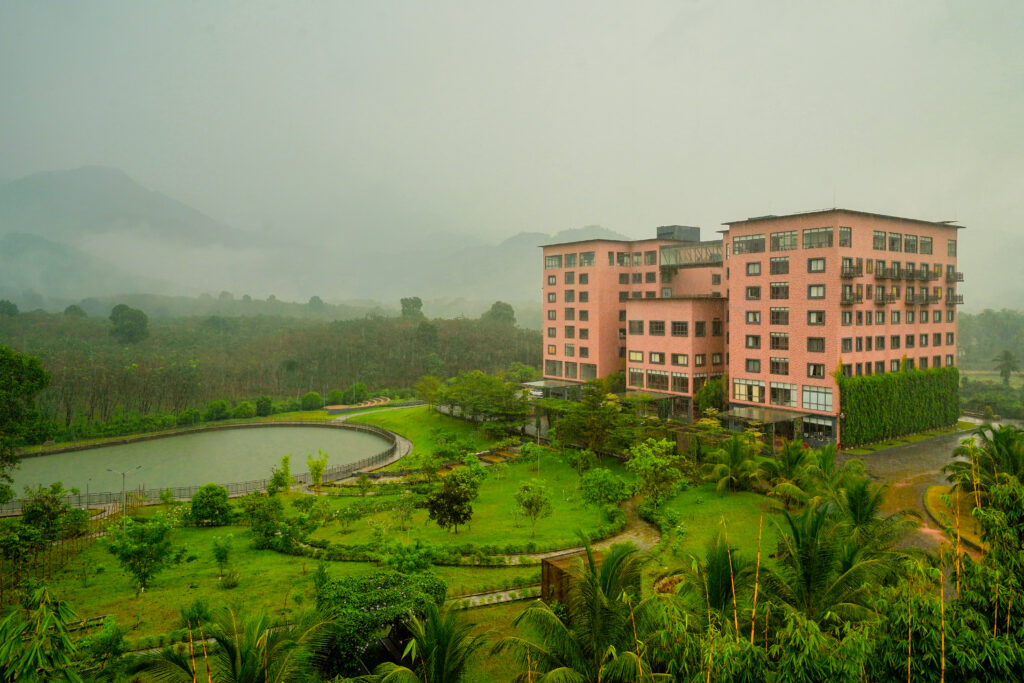
Tigris Valley Wellness Retreat

Tigris Valley Wellness Retreat offers specialized burnout recovery programs that combine ancient healing traditions with modern wellness science. What makes it unique:

  • Located in Kerala’s serene Wayanad mountains, surrounded by pristine forests and natural beauty
  • Integration of Ayurveda, Unani medicine, functional medicine, and nature therapy
  • Personalized treatment plans based on comprehensive assessment
  • Expert team of renowned doctors and wellness specialists
  • Luxurious accommodations designed for deep relaxation
  • Organic, nutritious meals tailored to your healing needs
  • Daily yoga, meditation, and mindfulness practices
  • Therapeutic massages and spa treatments
  • Nature-based activities (forest walks, waterfall visits)
  • 24/7 medical support and care

The retreat offers various program durations (7, 14, or 21 days) to suit different needs and schedules, providing a comprehensive path to recovery in one of India’s most beautiful and healing environments.

Corporate Wellness Solutions

For organizations concerned about employee wellness and productivity, corporate wellness retreats can help teams recover collectively while building healthier workplace cultures. These programs address:

  • Organizational stress factors
  • Team communication and dynamics
  • Leadership stress and burnout
  • Work culture transformation
  • Sustainable wellness practices for busy professionals

Prevention Strategies: Building Burnout Resilience

Once you’ve recovered from burnout, prevention becomes your top priority. Building resilience isn’t about working harder—it’s about working smarter and honoring your wellbeing as non-negotiable.

Daily Practices for Burnout Prevention

Morning Rituals (30-60 minutes):

  • Wake up at a consistent time
  • Meditation or mindfulness practice (10-20 minutes)
  • Gentle stretching or yoga
  • Healthy breakfast with protein and nutrients
  • Positive intention-setting for the day
  • Avoid checking emails or news first thing

During Work Hours:

  • Take movement breaks every 60-90 minutes (5-10 minutes)
  • Practice the Pomodoro Technique (25 minutes focused work, 5-minute breaks)
  • Eat lunch away from your desk
  • Practice deep breathing during stressful moments
  • Set clear boundaries around availability
  • Limit multitasking—focus on one task at a time

Evening Wind-Down (60-90 minutes before bed):

  • Digital detox (no screens 1-2 hours before sleep)
  • Light dinner at least 2-3 hours before bed
  • Relaxing activities (reading, journaling, gentle music)
  • Gratitude practice (list 3 things you’re grateful for)
  • Warm bath or shower with calming scents
  • Bedroom preparation (cool, dark, quiet)

Weekly Rituals

Technology-Free Time: Designate at least one half-day per week completely free from digital devices. Use this time to reconnect with yourself, nature, and loved ones.

Nature Immersion: Spend extended time (2-3 hours) in natural settings—hiking, beach walks, park visits, gardening.

Social Connection: Prioritize face-to-face time with friends and family. Schedule regular gatherings, phone calls, or video chats with distant loved ones.

Creative Expression: Engage in creative activities that bring joy—art, music, writing, cooking, crafting, dancing.

Planning and Reflection: Set aside time to review your week, plan the upcoming one, and reflect on what’s working and what needs adjustment.

Self-Care Treatments: Book regular massages, spa treatments, or other nurturing activities that help you recharge.

Monthly Check-Ins

Goal Alignment: Ensure your daily actions align with your deeper values and long-term goals. Release commitments that no longer serve you.

Stress Trigger Identification: Notice patterns in what triggers stress or anxiety. Develop strategies to manage or eliminate these triggers.

Self-Care Adjustment: As seasons and life circumstances change, adjust your self-care practices accordingly.

Professional Support: Check in with a therapist, coach, or counselor if you notice warning signs returning.

Quarterly Wellness Resets

Every 3 months, invest in extended restoration:

  • Take 3-5 consecutive days completely off work
  • Consider a wellness retreat or detox program
  • Deep rest and restoration without agenda
  • Life priorities reassessment
  • Health screening or check-up
  • Learn a new skill or explore a new hobby
  • Digital deep cleanse (delete unused apps, unsubscribe from draining content)

Consider incorporating regular wellness practices like the immune strengthening package or weight management programs to maintain optimal health and prevent burnout recurrence.

Building a Sustainable Lifestyle

The 80/20 Principle: Aim for consistency 80% of the time rather than perfection 100% of the time. This reduces pressure and makes wellness sustainable long-term.

Flexibility Over Rigidity: Life happens—illness, deadlines, family emergencies. Build flexibility into your wellness practices so missing a day doesn’t derail everything.

Continuous Learning: Stay informed about wellness, stress management, and personal growth. Read books, listen to podcasts, attend workshops.

Community Support: Join wellness communities, support groups, or find an accountability partner. Shared commitment increases success rates.

Celebrate Progress: Acknowledge and celebrate small wins along your wellness journey. Progress, not perfection, is the goal.

Creating Your Personalized Recovery Roadmap

Recovery from burnout is not one-size-fits-all. Your journey will be unique, shaped by your circumstances, personality, resources, and support system. Here’s how to create your personalized roadmap:

Phase 1: Crisis Management (Weeks 1-2)

Primary Goal: Stabilize and prevent further deterioration

Actions:

  • Acknowledge the burnout without judgment or shame
  • Communicate with key people (employer, family) about your situation
  • Reduce workload and commitments to essential only
  • Implement immediate boundary-setting measures
  • Prioritize sleep, nutrition, and basic self-care
  • Seek emergency support if experiencing crisis (suicidal thoughts, severe anxiety)
  • Consider medical leave if symptoms are severe

Success Indicators:

  • Improved sleep quality
  • Reduced physical symptoms
  • Clearer thinking
  • Beginning to feel hope

Phase 2: Foundation Building (Weeks 3-8)

Primary Goal: Establish sustainable wellness routines

Actions:

  • Establish consistent daily routines (sleep, meals, exercise)
  • Begin gentle physical activity (walking, yoga, swimming)
  • Start nutrition improvements and eliminate energy-draining foods
  • Explore stress-relief techniques (breathing, meditation)
  • Identify and begin addressing root causes
  • Strengthen support network
  • Consider professional counseling or therapy
  • Start journaling or self-reflection practice

Success Indicators:

  • Consistent energy throughout the day
  • Improved mood and outlook
  • Better stress management
  • Stronger sense of control

Phase 3: Deep Healing (Months 2-4)

Primary Goal: Address underlying issues and rebuild vitality

Actions:

  • Consider comprehensive wellness programs or retreats
  • Work with professionals to address deeper issues (therapy, coaching, medical)
  • Implement significant lifestyle redesigns (work changes, relationship adjustments)
  • Develop new skills for stress management and resilience
  • Explore holistic healing modalities (Ayurveda, functional medicine)
  • Rebuild connection with purpose and meaning
  • Address any physical health issues that emerged

Success Indicators:

  • Sustained energy and vitality
  • Emotional balance and resilience
  • Clarity about values and priorities
  • Enjoyment returning to life

Phase 4: Integration and Prevention (Months 4-12)

Primary Goal: Solidify new patterns and prevent relapse

Actions:

  • Integrate wellness practices into daily life seamlessly
  • Establish long-term support systems
  • Create prevention strategies and early warning systems
  • Make necessary life changes permanent
  • Build resilience through continued learning and growth
  • Pay forward by supporting others
  • Celebrate recovery milestones

Success Indicators:

  • Thriving, not just surviving
  • Sustained lifestyle changes
  • Confidence in managing stress
  • Purpose and fulfillment in life

Measuring Your Progress

Track Key Indicators:

  • Energy levels (physical, emotional, mental)
  • Sleep quality and quantity
  • Stress response (how quickly you recover from stressors)
  • Mood and emotional stability
  • Physical symptoms
  • Work productivity and satisfaction
  • Relationship quality
  • Life satisfaction and fulfillment

Use a simple 1-10 scale weekly to track these indicators. Seeing progress, even small increments, reinforces your recovery efforts and maintains motivation.

Additional Healing Modalities to Consider

Movement Therapies

Tai Chi: Gentle martial art that combines movement, breath, and meditation. Reduces stress, improves balance, and enhances overall wellbeing.

Dance Therapy: Expressive movement that releases emotions, boosts mood, and reconnects you with your body’s wisdom.

Swimming: Low-impact full-body workout that’s meditative and soothing, especially in natural water settings.

Creative Therapies

Art Therapy: Visual expression through painting, drawing, or sculpting helps process emotions that words can’t capture.

Music Therapy: Playing instruments, singing, or simply listening to healing music can profoundly affect mood and stress levels.

Writing Therapy: Journaling, poetry, or creative writing provides emotional release and clarity.

Energy Healing

Reiki: Japanese energy healing technique that promotes relaxation and stress reduction.

Sound Healing: Using singing bowls, gongs, or tuning forks to restore harmonic balance in the body.

Crystal Therapy: Working with healing stones and crystals for energy balancing and emotional support.

Body-Based Therapies

Massage Therapy: Various modalities from Swedish to deep tissue, Thai massage to Ayurvedic treatments, all promote relaxation and healing.

Chiropractic Care: Addressing physical alignment issues that may contribute to pain and stress.

Physiotherapy: Especially important if burnout has led to physical pain or chronic pain conditions.

Frequently Asked Questions

1. How long does it take to recover from burnout?

Recovery time varies significantly based on severity and individual circumstances. Mild burnout may improve in 6-12 weeks with consistent self-care, while severe cases may require 6-12 months or more. Professional interventions like wellness retreats can accelerate recovery. The key is addressing root causes, not just symptoms, and being patient with the healing process.

2. Can burnout lead to serious health problems?

Yes, absolutely. Untreated burnout significantly increases risk for: cardiovascular disease, high blood pressure, type 2 diabetes, weakened immune system, chronic pain conditions, digestive disorders, depression and anxiety disorders, and substance abuse issues. This is why addressing burnout promptly is crucial for long-term health.

3. Should I quit my job if I’m experiencing burnout?

Not necessarily immediately. First, try implementing boundaries, communicating needs, and seeking support. Some jobs can be modified to become sustainable. However, if your workplace is truly toxic, refuses to accommodate reasonable needs, or the job fundamentally conflicts with your values, leaving may be necessary for your health. Consider consulting with a career coach or therapist before making major decisions.

4. What’s the difference between stress and burnout?

Stress involves too much pressure, urgency, and demands. Stressed people can still imagine that if they get everything under control, they’ll feel better. Burnout involves not enough motivation, energy, or care. Burned-out people feel empty, hopeless, and see no possibility of positive change. Stress is characterized by over-engagement; burnout by disengagement.

5. Can I recover from burnout while still working?

Yes, but it requires significant boundary-setting and lifestyle changes. Many people successfully recover while continuing to work by: reducing hours temporarily, negotiating flexible arrangements, taking short-term medical leave for intensive recovery, implementing strict work-life boundaries, eliminating non-essential tasks, and seeking professional support. However, if your workplace is actively toxic or refuses accommodations, full recovery while employed may be extremely difficult.

6. Are wellness retreats really necessary for burnout recovery?

Not absolutely necessary, but highly beneficial for many people. Wellness retreats like Tigris Valley offer: complete removal from stressful environments, intensive professional support and guidance, comprehensive integrative treatments not available at home, accelerated healing in healing-conducive environments, and tools and practices for long-term wellness. Think of it as pressing the reset button in an optimized environment. For severe burnout, professional programs can make the difference between months or years of recovery.

7. What role does diet play in burnout recovery?

Diet is crucial but often overlooked. Burnout depletes essential nutrients (B vitamins, magnesium, omega-3s, vitamin C) that are necessary for energy production, stress management, and mood regulation. A nutrient-dense, anti-inflammatory diet supports adrenal health, balances blood sugar, reduces inflammation, improves gut health (linked to mental health), and provides sustained energy. Poor nutrition perpetuates the burnout cycle, while optimal nutrition accelerates healing.

8. How can I prevent burnout from recurring?

Prevention requires ongoing commitment to: maintaining clear boundaries, regular self-care practices, stress management techniques, supportive relationships, meaningful work-life integration, periodic wellness check-ins, early warning system recognition, and quarterly wellness resets or retreats. Think of burnout prevention like maintaining a car—regular maintenance prevents breakdowns. Ignoring warning signs leads to major problems.

9. What if my family doesn’t understand or support my recovery?

This is a common and painful challenge. Strategies include: educating them about burnout with credible resources, clearly communicating your needs and boundaries, seeking support from other sources (friends, support groups, therapists), modeling self-care as a positive example, inviting them to family therapy sessions, and setting firm boundaries around unsupportive behavior. Remember, you don’t need everyone’s permission to prioritize your health and recovery.

10. Can burnout cause depression or anxiety?

Absolutely. Burnout and mental health conditions often overlap. Chronic stress from burnout can trigger or worsen depression and anxiety disorders. Research shows burnout significantly increases depression risk by 2-5 times. If you’re experiencing persistent sadness, hopelessness, panic attacks, or intrusive anxious thoughts, seek professional mental health support immediately. Emotional healing and mental health programs can address both simultaneously.

11. How do I know if I need professional help vs. self-care?

Seek professional help if you’re experiencing: inability to function in daily activities, thoughts of self-harm or suicide, severe physical symptoms (chest pain, extreme fatigue), substance abuse to cope, complete inability to sleep or eat, severe anxiety or panic attacks, symptoms lasting more than 3 months without improvement, or relationship breakdown due to burnout. Otherwise, start with self-care and monitor progress weekly. If no improvement in 4-6 weeks, seek professional support.

12. Can young people experience burnout or is it only for adults?

Burnout affects all ages, including teenagers and young adults. Academic pressure, social media stress, uncertain futures, and high expectations contribute to youth burnout. Signs in young people include declining grades, withdrawal from activities, increased irritability, sleep problems, and physical complaints. Prevention and treatment principles are similar but should be age-appropriate and involve family support.

Conclusion: Your Journey to Recovery Starts Now

Burnout is not a personal failure—it’s a signal that something in your life needs to change. Whether it’s your work environment, personal boundaries, self-care practices, or deeper lifestyle patterns, recognizing burnout is the crucial first step toward transformation.

Recovery is possible, but it requires:

  • Acknowledgment without shame or self-judgment
  • Commitment to prioritizing your wellbeing
  • Action through consistent, evidence-based strategies
  • Support from professionals, loved ones, and community
  • Patience with the healing process
  • Courage to make necessary life changes

Remember these key principles:

  1. Start where you are with immediate relief strategies
  2. Build systematically toward long-term wellness
  3. Seek support when self-care isn’t enough
  4. Address root causes not just symptoms
  5. Maintain prevention practices after recovery
  6. Be compassionate with yourself throughout the journey

Your Next Steps

Today:

  • Implement one immediate relief strategy (boundaries, breathing, or nature time)
  • Acknowledge your burnout without judgment
  • Share your situation with one trusted person

This Week:

  • Establish a consistent sleep routine
  • Schedule a consultation with a wellness professional or therapist
  • Begin tracking your energy levels and symptoms
  • Research wellness programs that resonate with you

This Month:

  • Implement foundational wellness routines (nutrition, movement, mindfulness)
  • Address one root cause of your burnout
  • Consider a comprehensive wellness program or retreat
  • Build your support network

This Quarter:

  • Make significant lifestyle changes based on your recovery roadmap
  • Establish long-term prevention practices
  • Celebrate your progress and resilience

Professional Support Awaits

If you’re ready for comprehensive, transformative healing in a supportive environment, consider Tigris Valley Wellness Retreat. Their Stress & Burnout Recovery Program combines:

✓ Ancient healing wisdom from Ayurveda, Unani, and traditional medicine

✓ Modern functional medicine approaches

✓ Personalized treatment plans by expert doctors

✓ Serene natural environment in Kerala’s mountains

✓ Comprehensive support for body, mind, and spirit

✓ Tools and practices for long-term wellness

Visit their gallery to see the healing environment, read testimonials from recovered guests, and learn about their world-class team.

Final Words of Encouragement

You are not your burnout. Beneath the exhaustion, cynicism, and emptiness is the vibrant, energetic, joyful person you truly are. That person is waiting to re-emerge, and with the right support and strategies, they will.

Recovery is not linear. Some days will feel like setbacks, but overall, you’ll move forward. Be patient and compassionate with yourself. Every small step counts.

You deserve to thrive, not just survive. Life is meant to be lived with energy, purpose, and joy. Don’t settle for merely getting through each day. With commitment to your healing, you can reclaim the life you deserve.

Your burnout recovery journey starts now. Take that first step today. Your future self will thank you.

Contact Tigris Valley to schedule your consultation and begin your transformation toward lasting wellness and vitality.

Share on:

Dr. Sara Shareef

Dr. Sara Shareef is a distinguished Unani doctor, wellness coach, and internationally recognized authority on emotional well-being and transformational leadership. With clients from more than 45 countries, she empowers individuals through a holistic approach that blends Emotional Freedom Techniques (EFT), Neuro-Linguistic Programming (NLP), medication, ancient wisdom, and spiritual alignment.

In addition to her clinical practice, Dr. Sara leads online and in-person Art of Wellness Living programs and marriage enrichment trainings, guiding participants toward healthier, more fulfilling lives.

Vanaparvam Biodiversity Park

Unleash your curiosity at Vanaparvam Biodiversity Park, a vibrant living museum in the heart of Kerala. This 112-acre park is a collector’s dream, sheltering over 2,300 species of rare plants, exotic orchids, and medicinal flora. Meandering footpaths guide visitors through bamboo forests, butterfly gardens, and the unique “Nakshatra Vanam”—where trees represent the stars, inviting all to discover their zodiac connection with nature.​

Each step through Vanaparvam is a step into a thriving ecological symphony. Wooden bridges arch over gentle streams, shaded benches invite quiet reflection, and children’s laughter echoes from botanical learning corners. The park’s tranquil ambience makes it perfect for families, nature enthusiasts, or anyone seeking to reconnect with earth’s wild heart. Every visit promises new discoveries—whether you’re hunting for rare blooms or losing track of time under a forest canopy.​

Kozhikode Thusharagiri Waterfalls

Thusharagiri Waterfalls is where nature performs its masterpiece—three dazzling cascades pouring down rocky cliffs, filling the valley with a melody of gushing water and cool mist. True to its name, meaning “snow-capped mountains”, the waterfalls cloak visitors in an ethereal spray, evoking the magic of a hidden Himalayan land. Thick forests envelop the falls, creating a lush sanctuary for birds, butterflies, and explorers thrilled by the adventure of trekking through unspoiled wilderness.​

For those seeking peace, Thusharagiri offers tranquil picnic spots beside sparkling pools, where time seems to pause and the only soundtrack is the rush of water and birdsong overhead. Adventurous spirits can challenge forest trails, crossing bamboo bridges and discovering secret viewpoints. Whether chasing waterfalls or soaking in the scenery, Thusharagiri is a sensory escape that will leave visitors both rejuvenated and in awe of Kerala’s raw natural beauty.​

Banasura Sagar Dam

Experience the grandeur of India’s largest earth dam at Banasura Sagar, where engineering marvel and natural beauty collide. A panorama of glistening waters—dotted with tiny emerald islets—spreads out beneath imposing hills, creating one of Wayanad’s most stunning vistas. Here, adventure blends with tranquility: visitors can embark on thrilling boat rides, enjoy breezy treks, or simply relax and soak in the awe-inspiring views.​

Banasura Sagar is more than just a dam—it’s a place steeped in legend and wrapped in the harmony of rolling hills and dense forests. Myths speak of King Banasura, adding an air of mystique to the already magical location. With every sunrise and sunset casting new colors across the water, this is a destination where the spirit of nature and the imagination of visitors soar unhindered.​

Chembra Peak

Climb to the clouds with a trek to Chembra Peak, Wayanad’s highest summit and a beacon for adventure lovers. At 2,100 meters, the invigorating climb weaves through tea plantations, wild grasslands, and wooded slopes, every step unveiling new vistas of breathtaking beauty. The journey’s crown jewel is the legendary heart-shaped lake—nestled high among the hills and perpetually shrouded in mist—a symbol of enduring love and the magic of the wild.​

The views from Chembra Peak are unrivaled, stretching across endless blue mountains and sparkling valleys far below. Trekking here is more than a physical adventure—it’s a soul-stirring experience, connecting explorers with the rhythm of the earth and the melody of the breeze. Whether savoring sunrise from the summit or simply marveling at the lush expanse, Chembra Peak promises inspiration for dreamers, lovers, and all who seek the extraordinary.​

Wildlife

Venture into the untamed wilds of Wayanad, where life pulses with each birdcall, each rustle of leaves, and each distant trumpet of elephants. The region’s wildlife sanctuaries are a true Eden—spacious havens where Asian elephants, Bengal tigers, Malabar giant squirrels, and countless exotic species roam free among teak and rosewood giants. Jeep safaris and eco-walks invite discovery, promising a firsthand glimpse of nature at its most raw and majestic.​

For families, wildlife enthusiasts, and adventurers, a day spent here is a treasure trove of memories: spotting herds of deer, pausing for butterflies, and witnessing the harmonious ballet of creatures great and small. In Wayanad’s wild heart, every encounter tells a story, every pathway leads to wonder, and every visitor departs with a newfound reverence for the planet’s extraordinary diversity.

Unravel the Mystique of Edakkal Caves

Step into the enigmatic world of the Edakkal Caves, where history whispers through ancient stone carvings perched high on Ambukuthi Hill. These aren’t just caves—they’re natural rock shelters formed when a massive boulder was wedged between two giants, creating a mystical passage to the past. As you trek up lush, green trails, anticipation heightens with every step until you’re greeted by awe-inspiring petroglyphs—carvings of humans, animals, and mysterious symbols—that date as far back as 6,000 BCE. The sheer scale and mystery of the engravings have captivated archaeologists and adventurers alike, with links to the Indus Valley Civilization adding an extra layer of intrigue.​

But Edakkal is more than an archaeological marvel; it’s an experience that fuses story with adventure. Legends say the caves were formed by the arrows of Lord Rama’s sons—myth woven with reality! The trek itself is a sensory delight, winding through coffee plantations and vibrant forest, rewarded by panoramic views from the summit. Inside, every mark and figure carved into the walls reveals tales of a civilization lost to time. For anyone passionate about discovery, the Edakkal Caves promise an unforgettable, almost magical journey into the very soul of human history.​

Immerse Yourself in the Serenity of Kuruva Island

Discover the untouched paradise of Kuruva Island, a 950-acre wonderland floating gently in the Kabini River. Here, ancient trees stretch their limbs skyward, bamboo rafts meander across quiet, winding waters, and rare orchids bloom in riotous color. Each step transports you further from the noise of the world and deeper into a haven teeming with vibrant flora, wild herbs, and the melodic calls of exotic birds.​

Kuruva Island is an adventure in serenity—a lush labyrinth where time stands still and every sound is the song of nature. Follow winding trails shaded by towering trees and cross rustic wooden bridges to discover hidden groves, secret beaches, and tranquil riverbanks. Explorers and solitude-seekers alike will find themselves enchanted by the sense of discovery in every corner of this untouched sanctuary.​

Delight in the Serene Beauty of Pookode Lake

Lose yourself in the serene embrace of Pookode Lake, where shimmering waters mirror the emerald hills and dense forests that surround it. This enchanting freshwater lake invites you to glide across its surface in a rowboat, while lush greenery whispers its secrets and playful birds create a symphony overhead. The air is cool and crisp, scented with earth and the promise of adventure, making every moment here pure, unfiltered bliss.​

Pookode Lake is not just a feast for the senses—it’s a sanctuary for the soul. Nature trails wind along its edge, each path revealing vibrant wildflowers, hidden nooks, and mesmerizing views. For families, romantics, and dreamers, the magic of Pookode is undeniable: sunbeams dancing on water, the call of a kingfisher, and a sense of peace that lingers long after the visit ends.​
html[lang="ar"] body { direction: rtl; text-align: right; }